Anders Celsius: Swedish Astronomer and Inventor
Anders Celsius was a Swedish astronomer, physicist, and mathematician who made significant contributions to science during the 18th century. He is best known for creating the Celsius temperature scale used throughout most of the world today.
Who Was Anders Celsius?
Anders Celsius was one of Sweden’s most prominent scientists during the Age of Enlightenment, whose work in astronomy and physics left a lasting legacy that continues to impact our daily lives.
Birth and Early Life
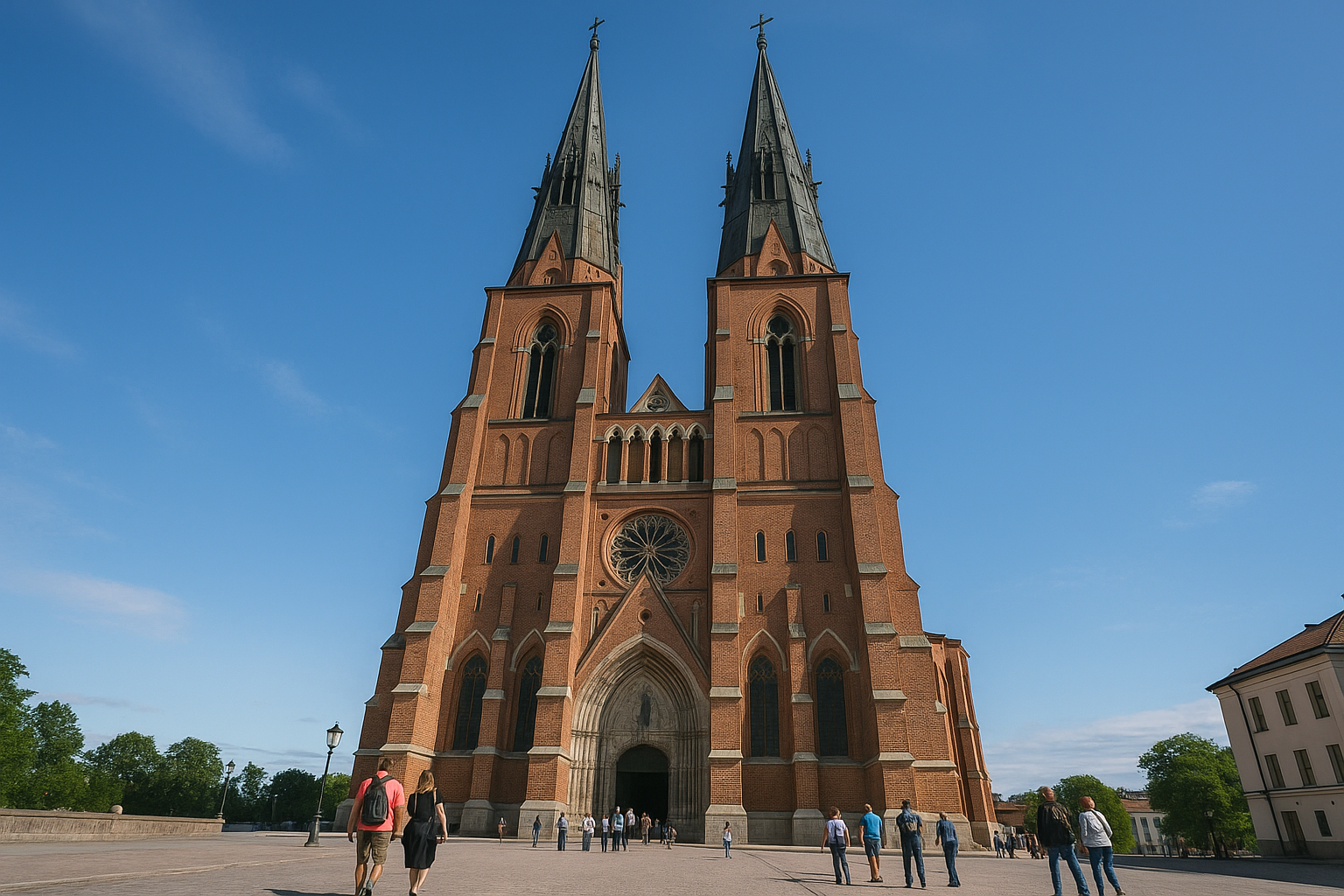
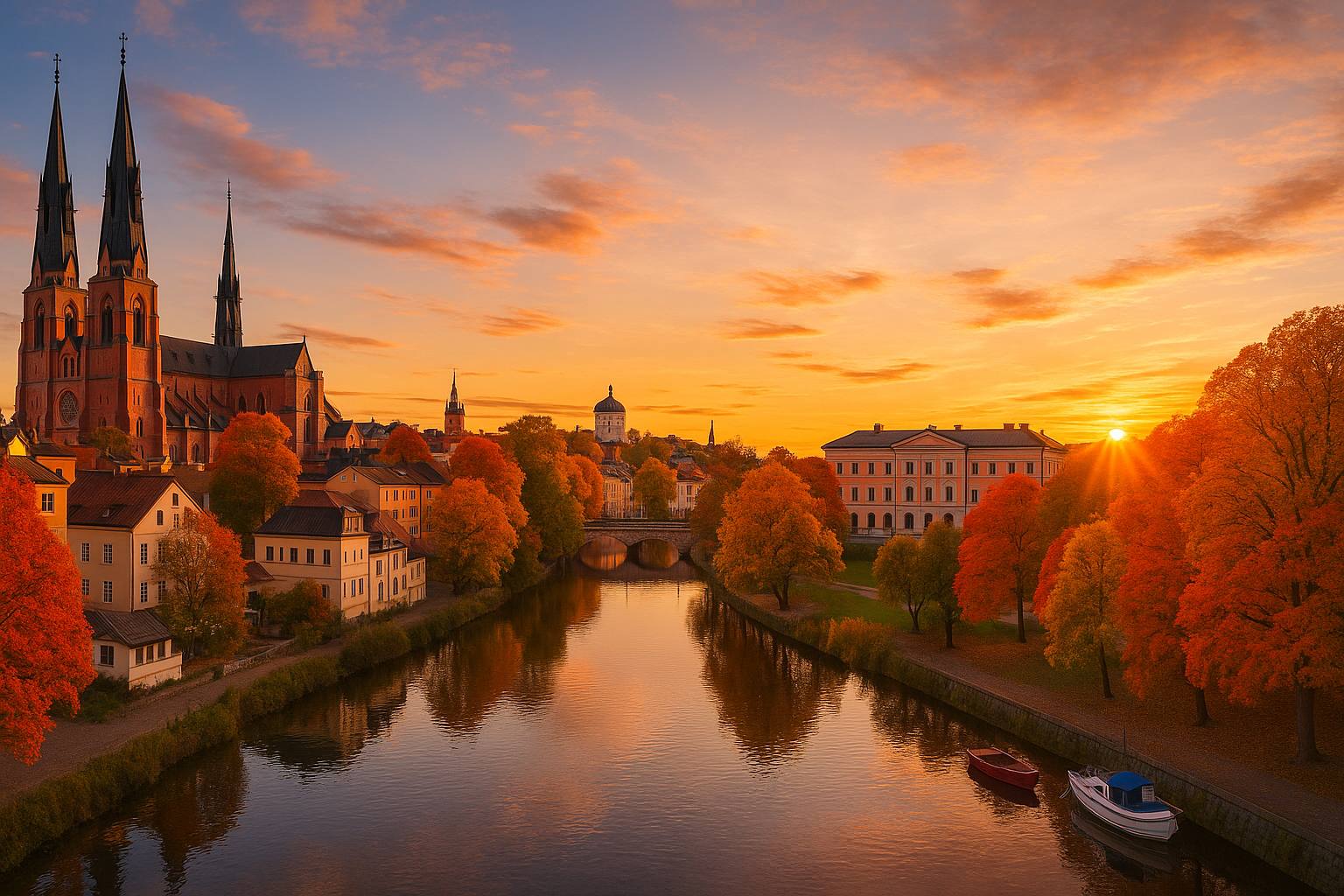
Anders Celsius was born on November 27, 1701, in Uppsala, Sweden. He came from a family of scientists and academics – his father Nils Celsius was a professor of astronomy, and his grandfather Magnus Celsius was a mathematician and astronomer. This scientific background would significantly influence his future career path.

Education and Career
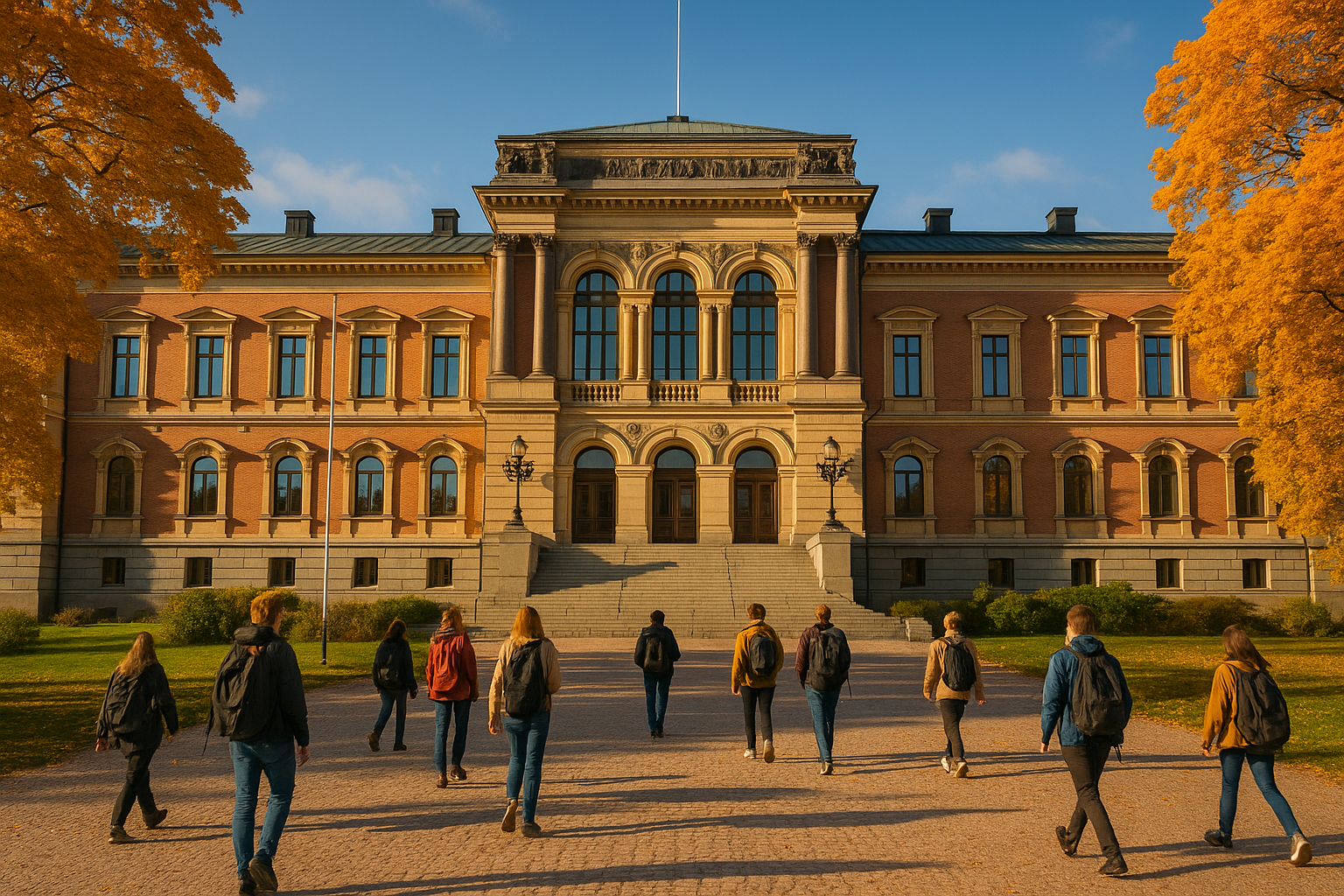
Following his family tradition, Celsius pursued education in science and mathematics. He studied at Uppsala University, where he would later become a professor. His academic journey included:
- 1730: Appointed professor of astronomy at Uppsala University
- : Traveled extensively throughout Europe, visiting notable observatories in Germany, Italy, and France
- 1736: Participated in the French Lapland expedition to measure the shape of the Earth
- 1740: Established Sweden’s first modern observatory in Uppsala
During his career, Celsius published numerous scientific papers on astronomy, physics, and mathematics, establishing himself as one of the foremost scientists in Europe.
Family and Personal Life
Despite his remarkable scientific achievements, details about Celsius’s personal life remain somewhat limited. Historical records indicate that Celsius never married and had no children. He dedicated his life primarily to scientific pursuits and academic work at Uppsala University.
His family connections were significant in Swedish academic circles. His father Nils Celsius served as a professor of astronomy before him, and his maternal grandfather was Anders Spole, also an astronomy professor. This lineage of scientific scholarship helped establish Celsius in the academic community from an early age.
Inventions and Discoveries
The Celsius Temperature Scale
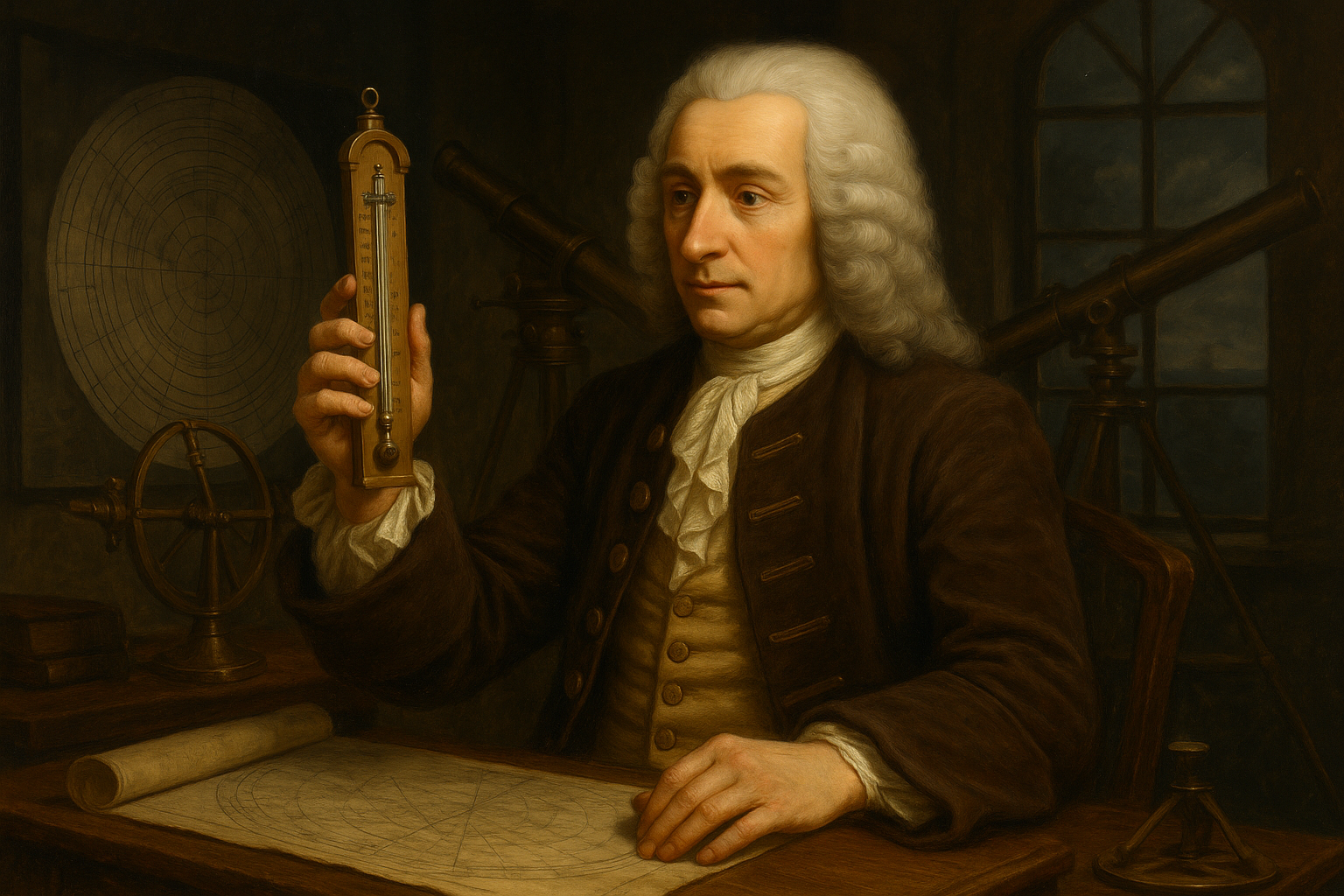
Celsius’s most enduring contribution to science came in 1742 when he published his paper ”Observations on Two Persistent Degrees on a Thermometer.” In this groundbreaking work, he proposed a temperature scale where:
- 0 degrees marked the boiling point of water
- 100 degrees marked the freezing point of water
This scale was the inverse of what we use today. Shortly after Celsius’s death, the scale was reversed to its current form, with 0°C as the freezing point and 100°C as the boiling point of water. The scale was officially named ”Celsius” in his honor in 1948.
| Temperature Point | Original Celsius (1742) | Modern Celsius | Fahrenheit |
|---|---|---|---|
| Freezing point of water | 100° | 0°C | 32°F |
| Body temperature | ~63° | ~37°C | 98.6°F |
| Room temperature | ~75° | ~25°C | 77°F |
| Boiling point of water | 0° | 100°C | 212°F |
According to the , Celsius’s temperature scale was revolutionary because it was based on fixed, reproducible points of reference, making it more reliable and scientifically useful than previous temperature measures.
Land Uplift Observations
Beyond his temperature scale, Celsius made significant contributions to understanding the geography of Scandinavia. He observed and documented the phenomenon of land uplift around the Baltic Sea. This gradual rising of land was occurring as the Earth’s crust rebounded after being compressed by glaciers during the last ice age.
Celsius hypothesized that this was due to water drainage rather than land rise – a theory known as ”water diminution.” While his explanation differed from modern understanding, his careful observations helped establish the reality of this geological phenomenon.
Astronomical Contributions
As a professor of astronomy, Celsius conducted numerous observations of celestial bodies. His notable achievements in astronomy included:
- Studies of the aurora borealis (northern lights)
- Developing methods to measure the brightness of stars
- Observations that helped determine the flattening of the Earth at the poles
- Creating improved astronomical instruments for the Uppsala Observatory
Interesting Facts About Anders Celsius
Beyond his scientific achievements, several fascinating aspects of Celsius’s life and work deserve attention:
- Celsius published over 20 scientific papers on various subjects, from astronomy to physics.
- He was one of the first scientists to connect aurora borealis (northern lights) with magnetic field variations.
- The crater Celsius on the Moon is named after him in honor of his contributions to science.
- Before developing his temperature scale, Celsius used the then-common Fahrenheit scale in his own work.
- He was a member of the Royal Swedish Academy of Sciences and corresponding member of academies in St. Petersburg and Berlin.
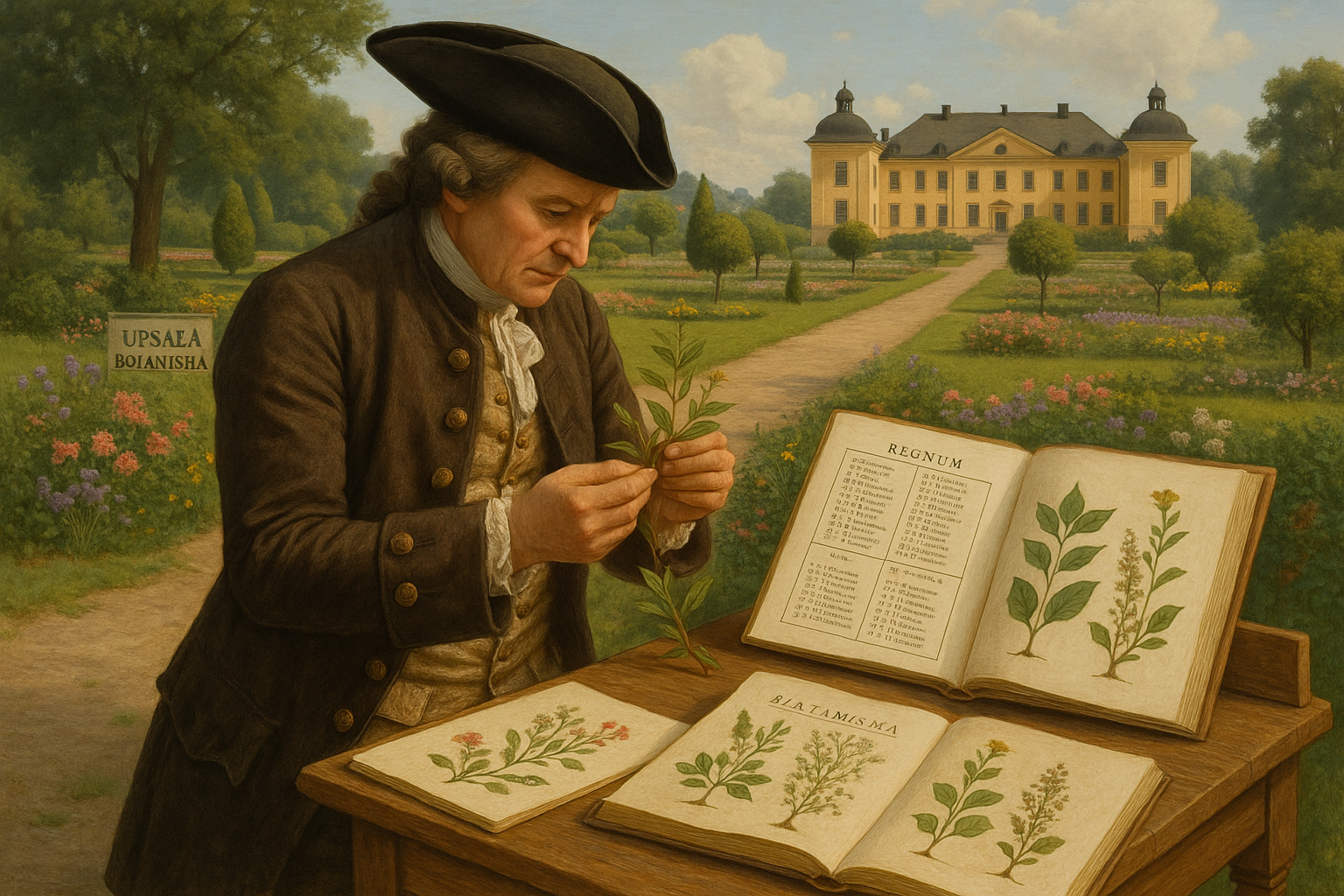
- Celsius was a contemporary of Carl Linnaeus, another famous Swedish scientist who also worked at Uppsala University.
According to , a Swedish educational resource, Celsius was known for his meticulous approach to measurement and data collection, traits that made his scientific work particularly valuable.
Death and Legacy
Anders Celsius died on April 25, 1744, in Uppsala at the age of 42. According to records from , the cause of death was tuberculosis. His relatively short life was extraordinarily productive, leaving scientific contributions that continue to impact our daily lives.
Timeline of Anders Celsius’s Life
| Year | Event |
|---|---|
| 1701 | Born in Uppsala, Sweden (November 27) |
| 1730 | Appointed professor of astronomy at Uppsala University |
| Scientific travels across Europe | |
| 1736 | Participated in the Lapland expedition |
| 1740 | Established Uppsala Astronomical Observatory |
| 1742 | Published his temperature scale |
| 1744 | Died in Uppsala (April 25) |
Modern Significance
Celsius’s enduring legacy is undoubtedly the temperature scale that bears his name. Today, the Celsius scale is the standard unit of temperature measurement in most countries worldwide, with only a few notable exceptions like the United States that still primarily use Fahrenheit.
In addition to this practical legacy, Celsius represents an important figure in the history of scientific methodology. His emphasis on reproducible measurements, standardized scales, and careful observation embodies principles that remain fundamental to scientific work today.
Frequently Asked Questions
When was Anders Celsius born?
Anders Celsius was born on November 27, 1701, in Uppsala, Sweden. He came from a family of scientists, with both his father and grandfather working in mathematics and astronomy.
What did Anders Celsius invent?
Anders Celsius is best known for inventing the Celsius temperature scale in 1742. Originally, his scale had 0 degrees as the boiling point of water and 100 degrees as the freezing point (the opposite of today’s scale). After his death, the scale was reversed to its current form. He also made significant contributions to astronomy and was the first to connect magnetic field variations with the aurora borealis.
How did Anders Celsius die?
Anders Celsius died from tuberculosis on April 25, 1744, in Uppsala, Sweden. He was only 42 years old at the time of his death. Despite his relatively short life, his scientific contributions, particularly the temperature scale that bears his name, have had a lasting impact.
What is the Celsius scale?
The Celsius scale is a temperature scale where 0°C is the freezing point of water and 100°C is the boiling point of water at standard atmospheric pressure. It was proposed by Anders Celsius in 1742, though his original scale was inverted (with 0° as boiling and 100° as freezing). Today, it is the standard temperature scale used in most countries worldwide for everyday temperature measurement and scientific work.
Did Anders Celsius have a family?
Historical records indicate that Anders Celsius never married and had no children. He came from a family of academics – his father Nils Celsius was a professor of astronomy, and his maternal grandfather Anders Spole was also an astronomy professor. Celsius dedicated his life primarily to scientific research and his work at Uppsala University.