Egyptian Mummies Exhibition at Kalmar Castle 2025: Journey to Immortality
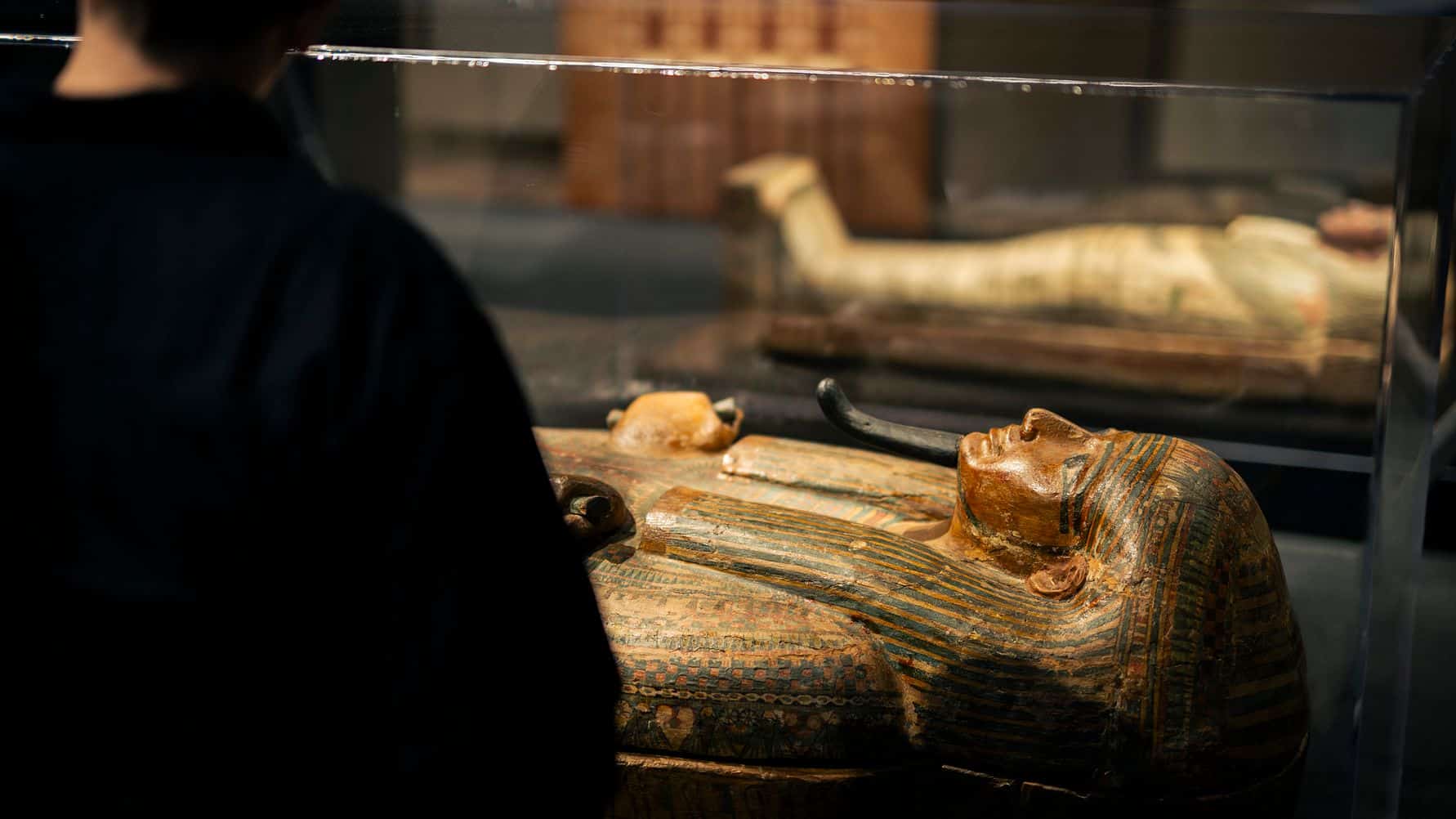
Immerse yourself in the fascinating world of ancient Egypt as Kalmar Castle proudly presents its extraordinary seasonal exhibition for 2025, ”Egyptian Mummies – A Journey to Immortality.” This captivating showcase features over 110 authentic artifacts from the renowned Egyptian collection of the Florence National Archaeological Museum, offering visitors a rare glimpse into the mysterious practices and beliefs surrounding death and afterlife in ancient Egyptian civilization.
Overview of the Egyptian Mummies Exhibition
The exhibition marks a significant cultural event as these precious artifacts make their first appearance in Sweden. Many of these objects date back an astonishing 4,000 years, representing one of the most comprehensive Egyptian collections to be displayed in Scandinavia in recent years.
What Makes This Exhibition Unique?
Unlike typical museum displays, the ”Egyptian Mummies” exhibition at Kalmar Castle creates an immersive journey through ancient Egyptian spiritual beliefs and practices. The collection tells a complete narrative of how Egyptians viewed death not as an end, but as a transition to eternal life – a concept that continues to fascinate modern audiences through books, films, and cultural references.
The exhibition has been meticulously curated by experts from the Florence National Archaeological Museum in collaboration with , ensuring historical accuracy while creating an engaging experience for visitors of all ages.
Key Highlights and Artifacts
The exhibition showcases an impressive array of artifacts that illuminate different aspects of ancient Egyptian burial traditions and beliefs in the afterlife.
Must-See Artifacts
- Authentic Mummies: The exhibition features several preserved mummies, including a woman, a child, and remarkably, a mummified dog – highlighting how Egyptians extended their preservation practices beyond humans.
- Ornate Sarcophagi: Elaborately decorated coffins showcase the artistic prowess of ancient Egyptian craftsmen.
- Burial Masks: Gold-leafed and intricately painted masks designed to protect the deceased in the afterlife.
- Canopic Jars: Vessels used to store preserved internal organs during the mummification process.
- Amulets and Jewelry: Personal adornments believed to offer magical protection in the afterlife.
- Hieroglyphic Inscriptions: Ancient texts providing insights into Egyptian religious beliefs and spells from the Book of the Dead.
Many artifacts feature the iconic imagery associated with key Egyptian deities like Anubis, Osiris, and Isis – figures central to afterlife mythology and the journey to immortality.
| Artifact Type | Age | Significance |
|---|---|---|
| Mummies | years old | Physical evidence of preservation techniques |
| Burial Masks | Up to 4000 years old | Protected the face and provided identity in afterlife |
| Canopic Jars | years old | Stored preserved organs under divine protection |
| Funerary Texts | years old | Magical spells to guide the deceased |
Understanding Ancient Egyptian Mummification
The practice of mummification reflects the ancient Egyptians’ profound belief in preserving the physical body as a vessel for the soul’s continued existence. This exhibition offers valuable insights into this complex process that has captivated people worldwide for centuries.
The Mummification Process Step-by-Step
- Organ Removal: Most internal organs were carefully removed and preserved separately in canopic jars.
- Brain Extraction: The brain was removed through the nasal cavity using specialized hooks.
- Body Drying: The body was covered with natron (a natural salt) for approximately 40 days to remove moisture.
- Cavity Filling: The body cavity was stuffed with linen, sawdust, and aromatic materials.
- Wrapping: The body was wrapped in multiple layers of linen with protective amulets placed between layers.
- Final Rituals: Priests performed the ”Opening of the Mouth” ceremony to symbolically restore senses to the deceased.
Visitors will learn how these practices evolved over thousands of years of Egyptian civilization, from simple desert burials to the elaborate processes used for pharaohs and nobility. Interactive displays explain how modern scientists have used technologies like CT scanning to study mummies without unwrapping them, as featured in similar exhibitions at the .
Visitor Tip
The exhibition includes child-friendly explanations of mummification that focus on the cultural significance rather than potentially frightening aspects. Parents can request a family guide that presents the information in an age-appropriate way.
Exhibition Details and Schedule for 2025
The exhibition runs throughout most of 2025, giving visitors ample opportunity to experience this remarkable collection.
Location and Organizers
- Dates: April 15 – November 7, 2025
- Location: , Kungsgatan 1, 392 33 Kalmar, Sweden
- Hours: Tuesday-Sunday, 10:00 AM – 5:00 PM (Extended summer hours in July-August until 7:00 PM)
- Curator: Dr. Maria Cristina Guidotti (Florence National Archaeological Museum)
- Exhibition Producer: Contemporanea Progetti in partnership with Kalmar Castle
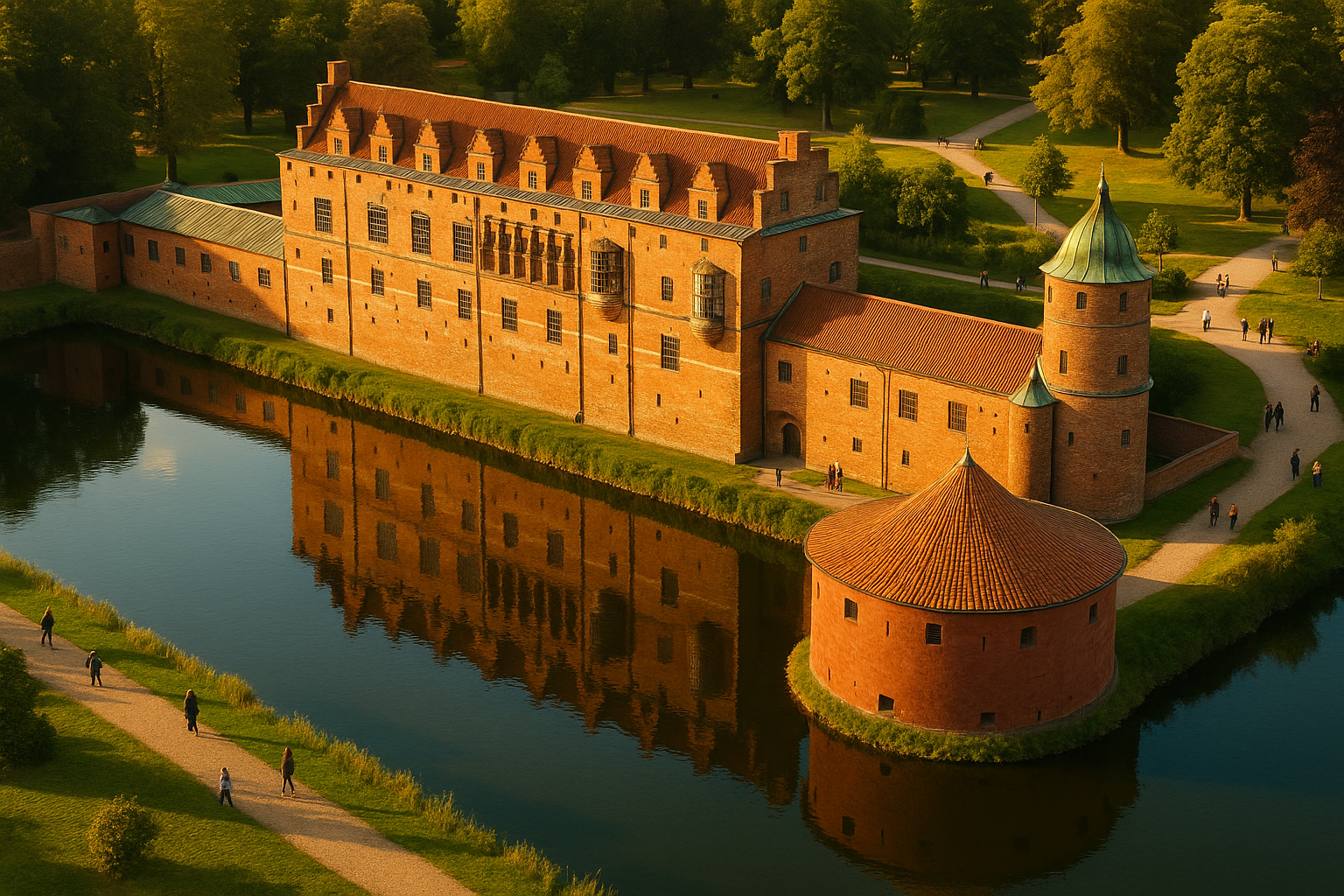
The exhibition is housed in the historic halls of Kalmar Castle, with the ancient artifacts creating a striking contrast against the medieval Scandinavian architecture. The exhibition space has been specially designed to create atmospheric lighting that enhances the viewing experience while protecting the delicate artifacts.
How to Plan Your Visit: Tickets, Hours, and Tips
Planning your visit to the Egyptian Mummies exhibition is straightforward, with several options available to enhance your experience.
Ticket Information
- Adult: 175 SEK
- Students/Seniors: 150 SEK
- Children (7-18): 90 SEK
- Family Pass (2 adults + 2 children): 395 SEK
- Groups (10+ people): 155 SEK per person
Tickets can be purchased online through or at the ticket office on-site. Booking in advance is recommended, especially during peak summer months and weekends.
Accessibility and Family Options
Kalmar Castle has made significant efforts to ensure the exhibition is accessible to all visitors:
- Wheelchair access is available throughout most of the exhibition space
- Audio guides in multiple languages (Swedish, English, German, and French)
- Special family tours on weekends with child-friendly explanations
- Tactile elements for visually impaired visitors (available by request)
For families, the castle offers ”Young Archaeologist” activity packs that children can use to engage with the exhibition through games, puzzles, and a special treasure hunt.
Planning Tip
The best time to visit is early morning on weekdays or during the extended evening hours in summer. Allow at least 90 minutes to fully experience the exhibition, and consider combining your visit with exploring the rest of Kalmar Castle and its beautiful grounds overlooking the Baltic Sea.
Educational Resources and Special Events
Throughout 2025, the exhibition will be complemented by a series of educational programs and special events designed to deepen visitors’ understanding of ancient Egyptian culture.
- Expert Lectures: Monthly talks by Egyptologists and archaeologists
- Workshops: Hands-on activities including hieroglyphic writing and ancient craft techniques
- School Programs: Curriculum-based tours for different age groups
- Evening Events: Special after-hours tours with theatrical elements
- Digital Resources: Online material complementing the physical exhibition
Teachers planning school visits can access educational materials in advance through the castle’s education department. The exhibition aligns with school curricula covering ancient civilizations, making it an excellent educational opportunity for students of various ages.
For those unable to visit in person, the exhibition offers a virtual component similar to other global museums like the , allowing online visitors to explore key artifacts through detailed 3D models and explanatory videos.
Frequently Asked Questions (FAQ)
What are the dates for the Egyptian Mummies exhibition at Kalmar Castle in 2025?
The exhibition runs from April 15 to November 7, 2025. The castle is open Tuesday through Sunday, with extended hours during the summer months of July and August.
How much do tickets cost for the Kalmar Castle mummy exhibit?
Adult tickets are 175 SEK, students/seniors 150 SEK, and children ( SEK. Family passes and group discounts are available. Tickets can be purchased online in advance or at the castle entrance.
Is the exhibition suitable for children?
Yes, the exhibition has been designed with family visitors in mind. While it deals with death and burial, the presentation is respectful and educational. Special family guides are available that present information in an age-appropriate way. The recommended minimum age is 7 years.
Are there virtual tour options for the Egyptian Mummies exhibit?
Yes, the exhibition offers a virtual component that can be accessed through Kalmar Castle’s website. This includes 3D models of select artifacts, video content, and educational resources. While not as comprehensive as the in-person experience, it provides a good alternative for those unable to visit.
What other exhibitions are happening at Kalmar Castle in 2025?
Alongside the Egyptian Mummies exhibition, Kalmar Castle is hosting a medieval crafts exhibition in the spring and a special display on the castle’s role in Swedish history in the fall. Check the for the complete schedule of exhibitions and events.
How does this exhibition compare to the Grand Egyptian Museum?
While the in Cairo (opening fully in late 2025) is significantly larger with over 100,000 artifacts, the Kalmar Castle exhibition offers a more focused experience specifically on mummification and afterlife beliefs. The intimate setting allows visitors to get closer to the artifacts and enjoy a more personalized educational experience.