What is Gothenburg? History and Essential Facts
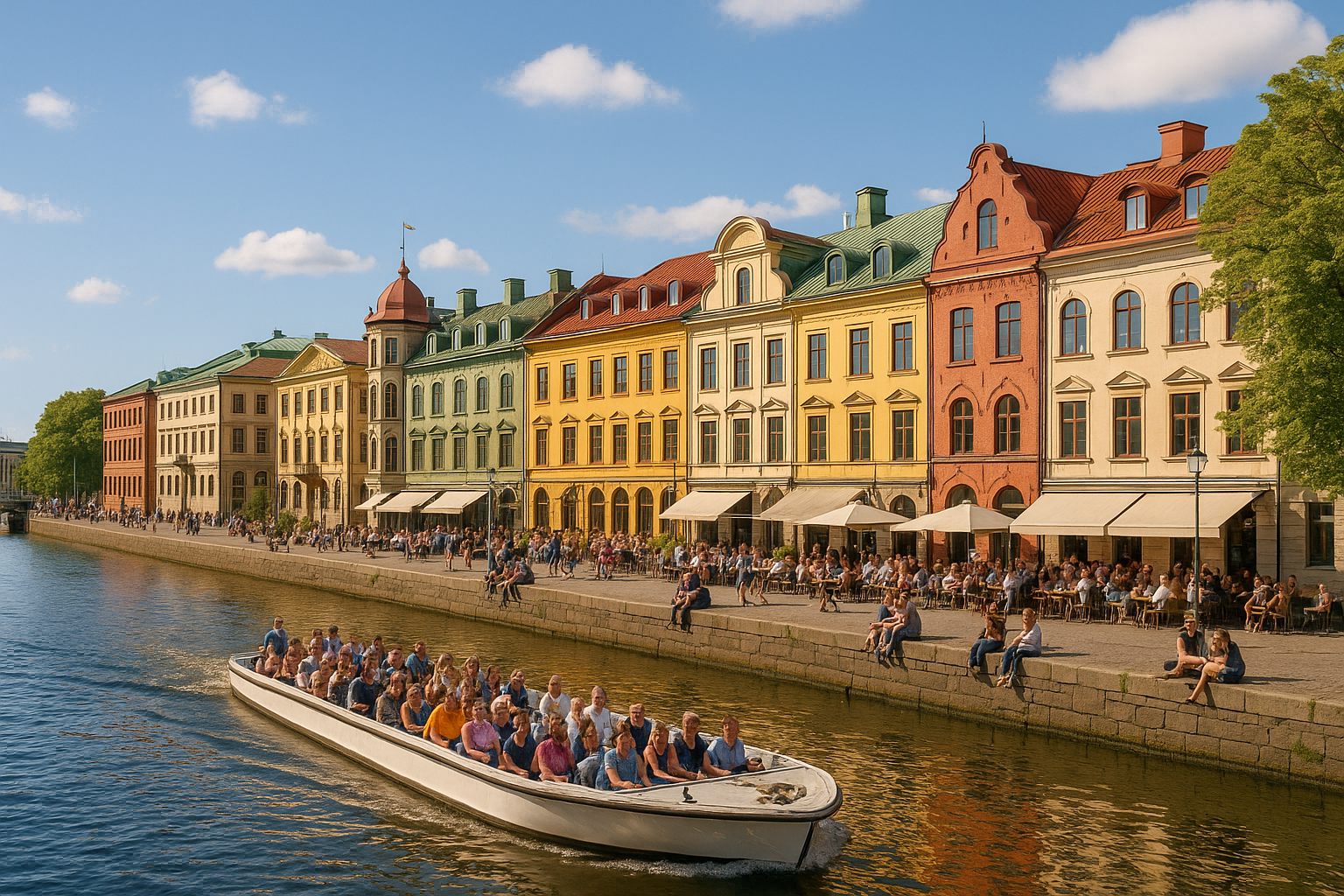
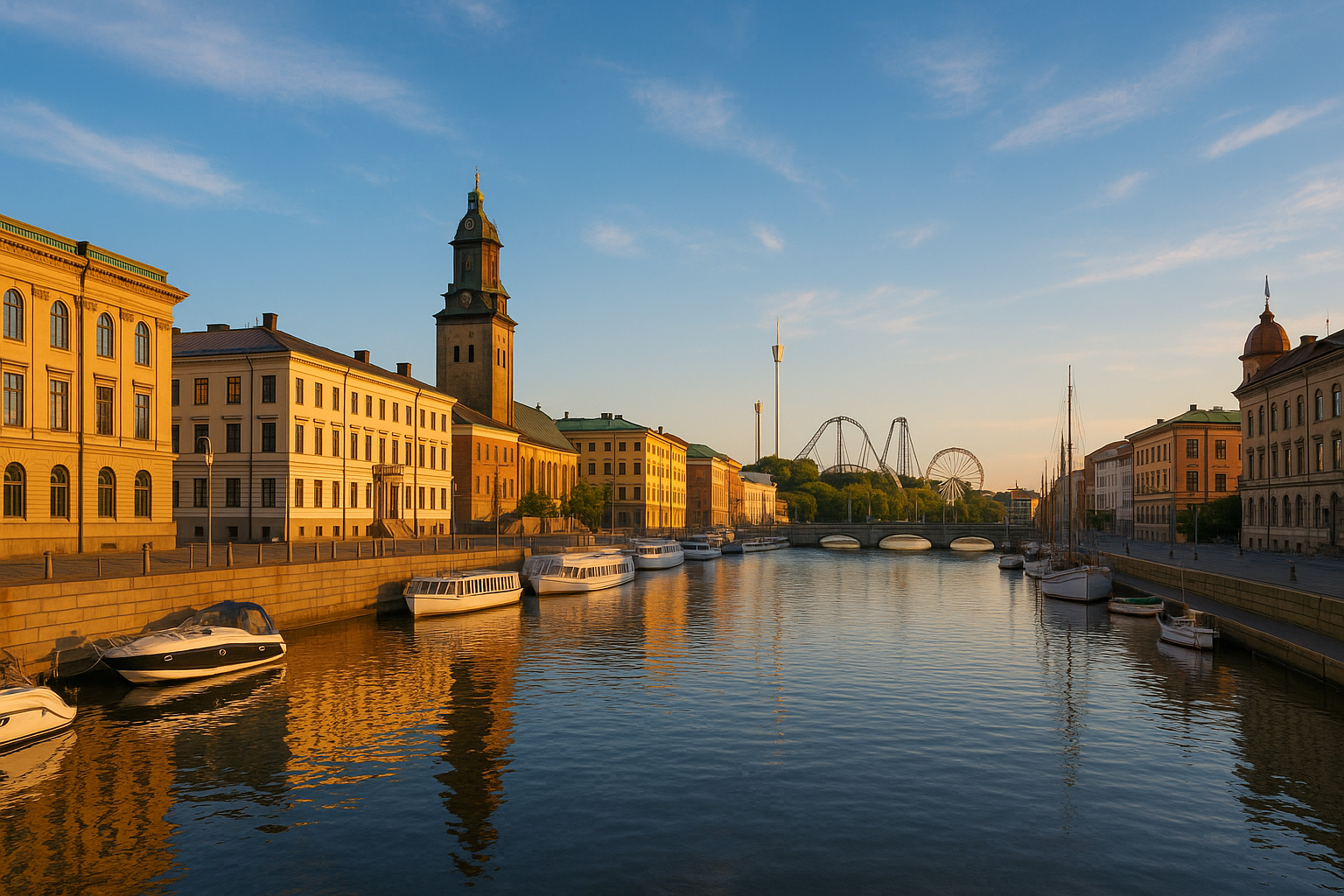
Gothenburg (Göteborg in Swedish) is Sweden’s second-largest city, located on the country’s scenic west coast. With approximately 600,000 inhabitants (2025), this vibrant port city blends maritime heritage with modern Scandinavian culture. Founded in 1621 by King Gustavus Adolphus, Gothenburg was strategically positioned to strengthen Sweden’s access to the North Sea and facilitate international trade.
Founding and Development
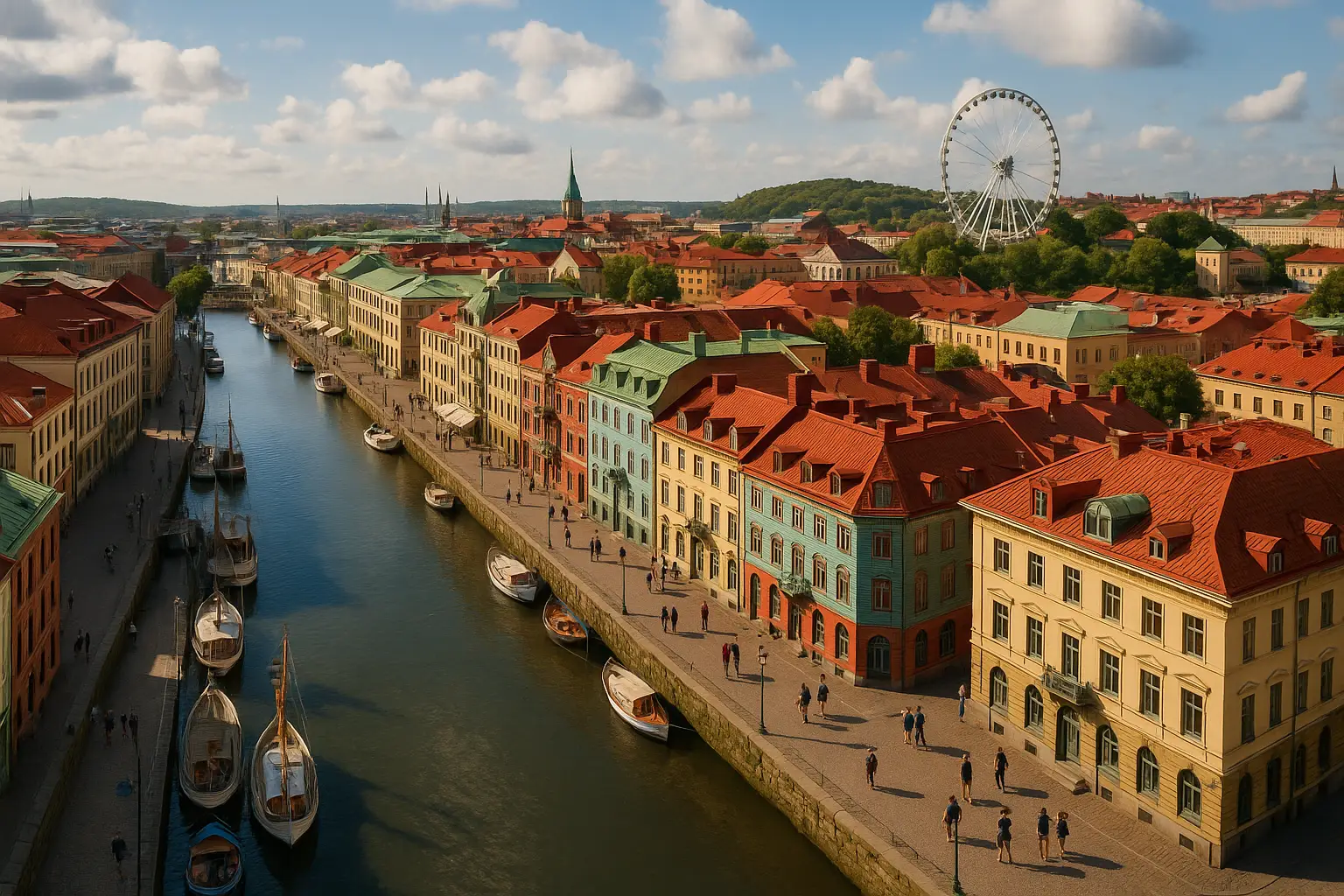
The city’s establishment followed a Dutch urban planning model, with canals and fortifications designed to protect Sweden’s western maritime interests. The Swedish East India Company, founded in 1731, transformed Gothenburg into one of Northern Europe’s busiest trading ports. This commercial legacy remains visible today in the historic Haga district and the Gothenburg Museum of Art, which houses significant collections from the city’s trading era.
Population and Geography
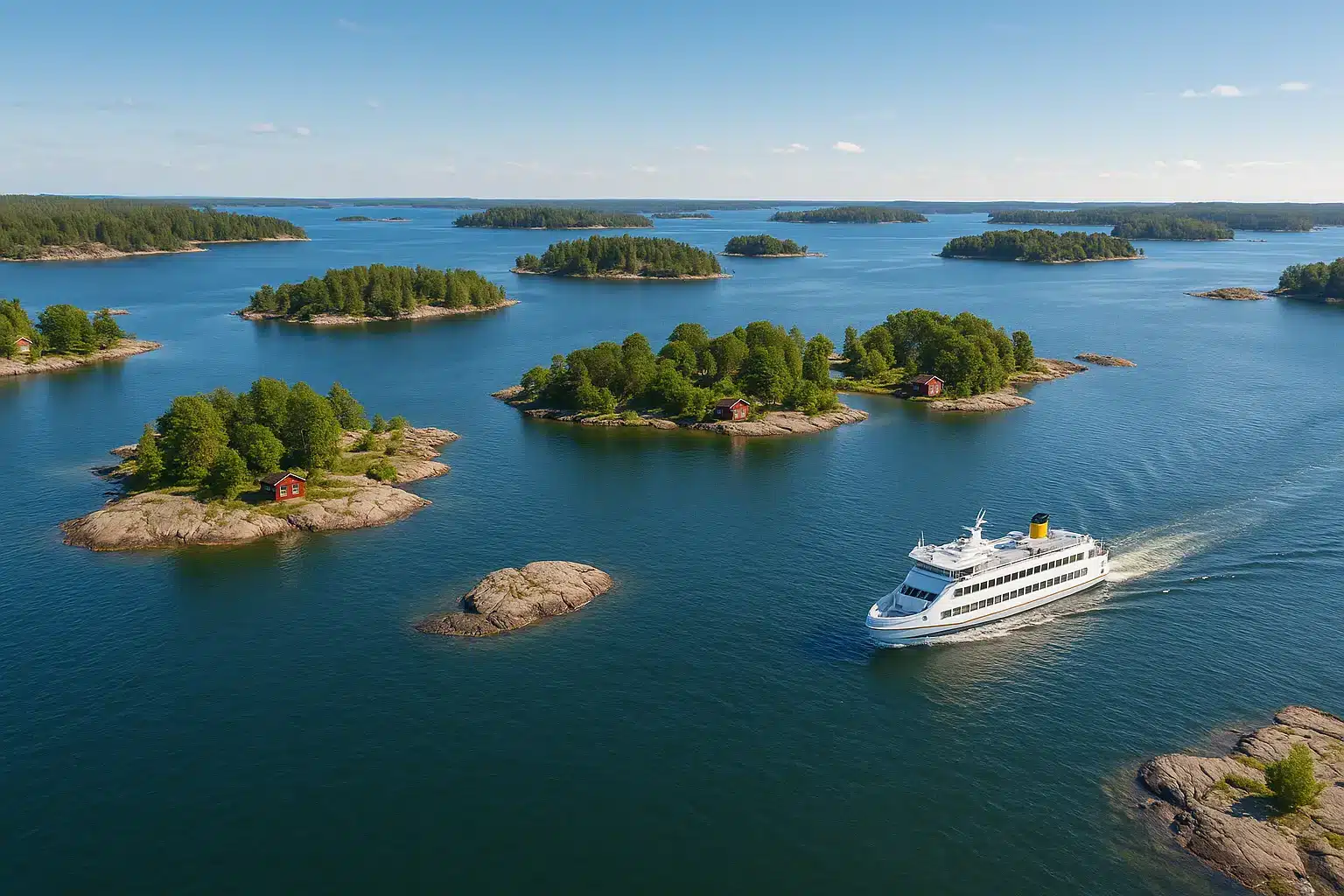
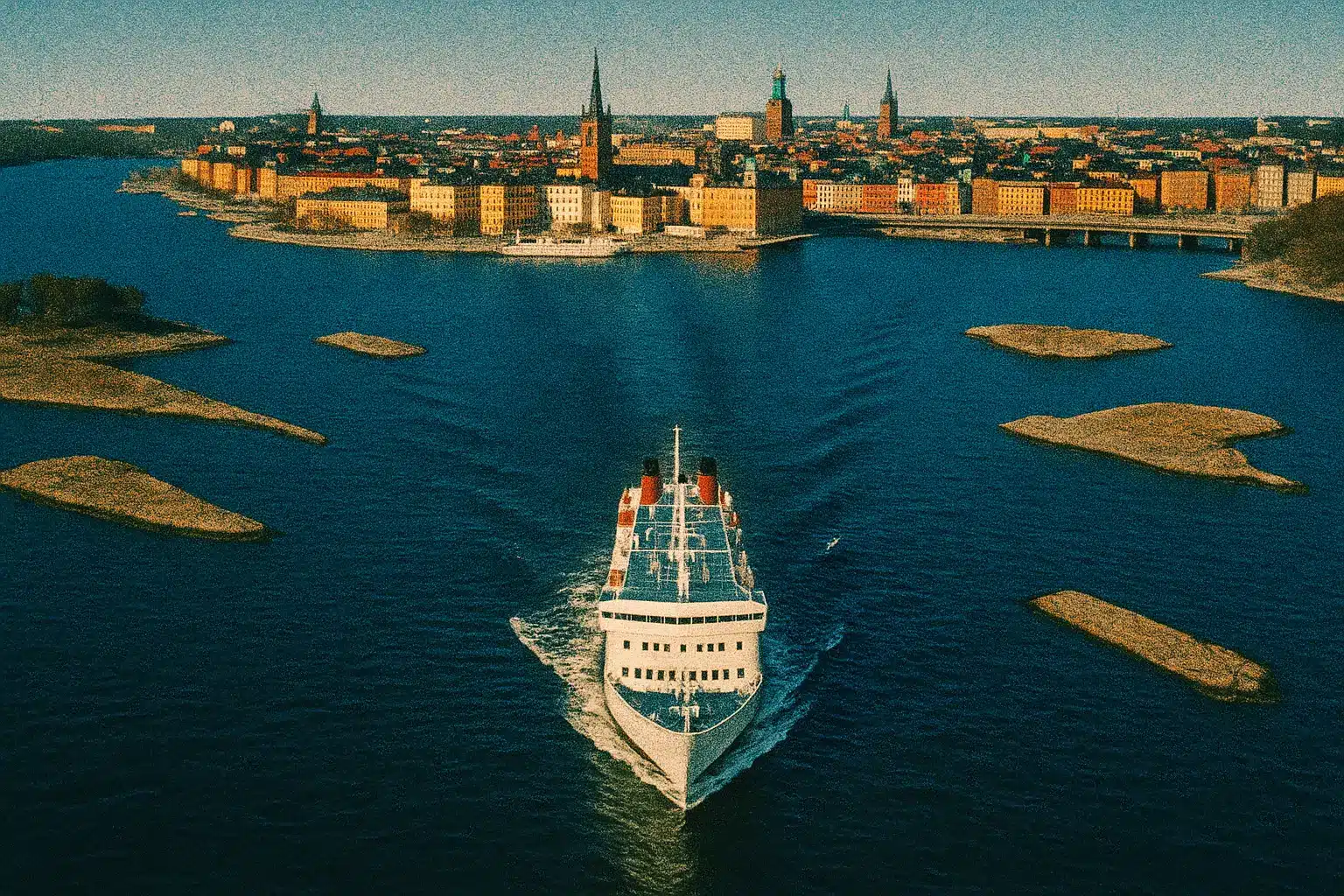
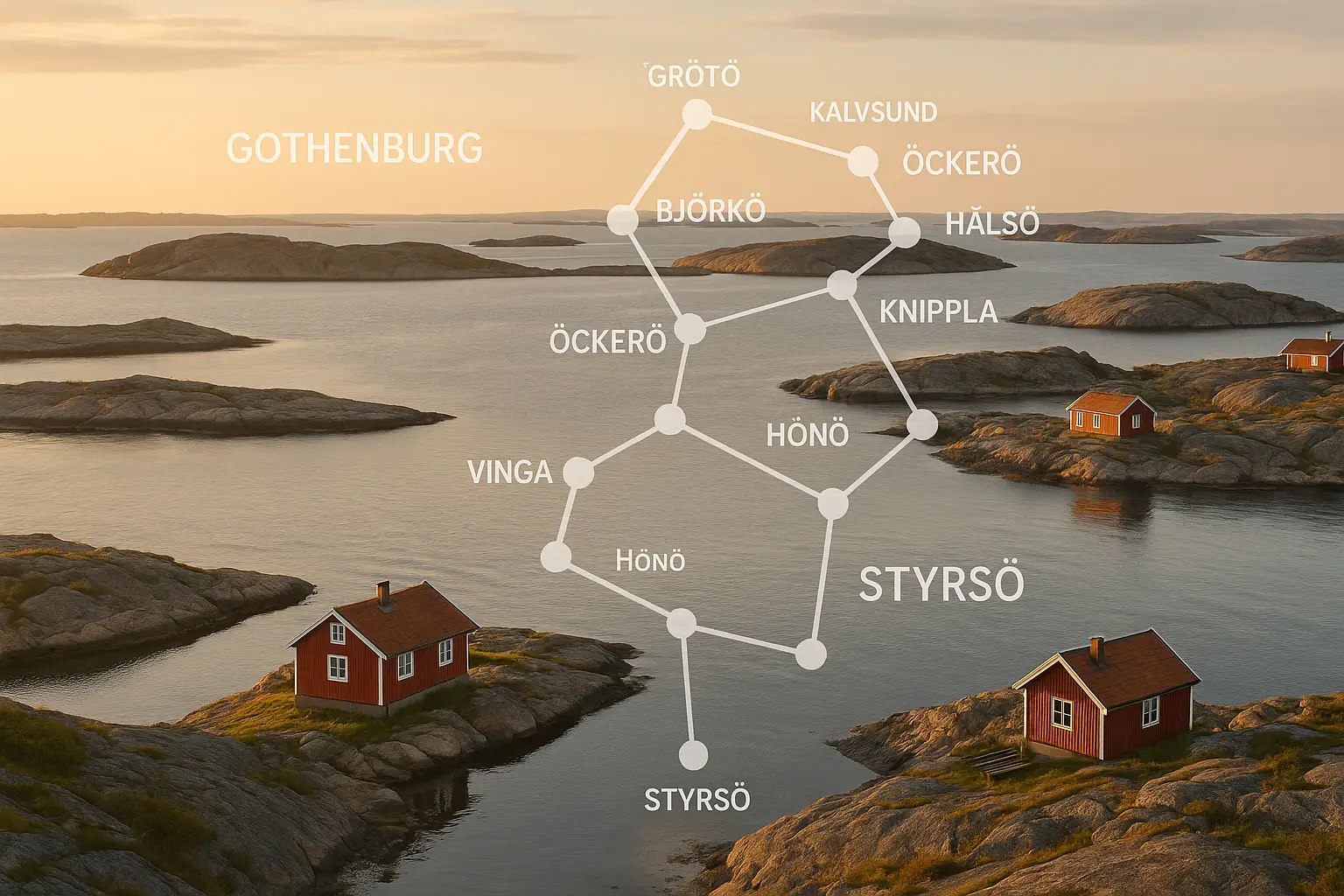
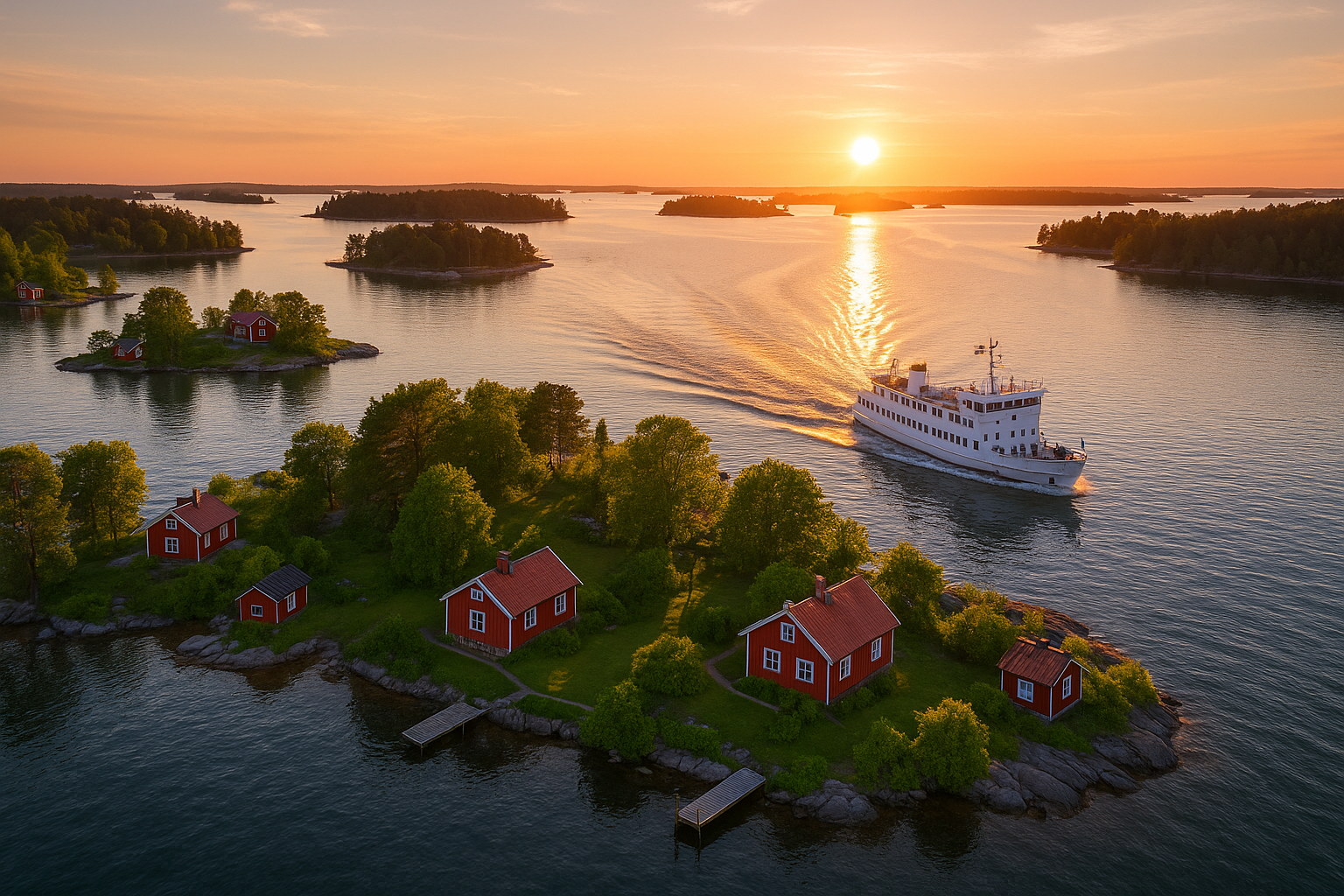
Positioned where the Göta River meets the Kattegat strait, Gothenburg benefits from a temperate oceanic climate influenced by the Gulf Stream. The city’s metropolitan area extends across the Västra Götaland region, with the famous Gothenburg archipelago (skärgården) – a collection of islands accessible by ferry – offering natural beauty just minutes from the urban center. The archipelago serves as a popular retreat for both residents and visitors seeking coastal landscapes.
Economy and Culture
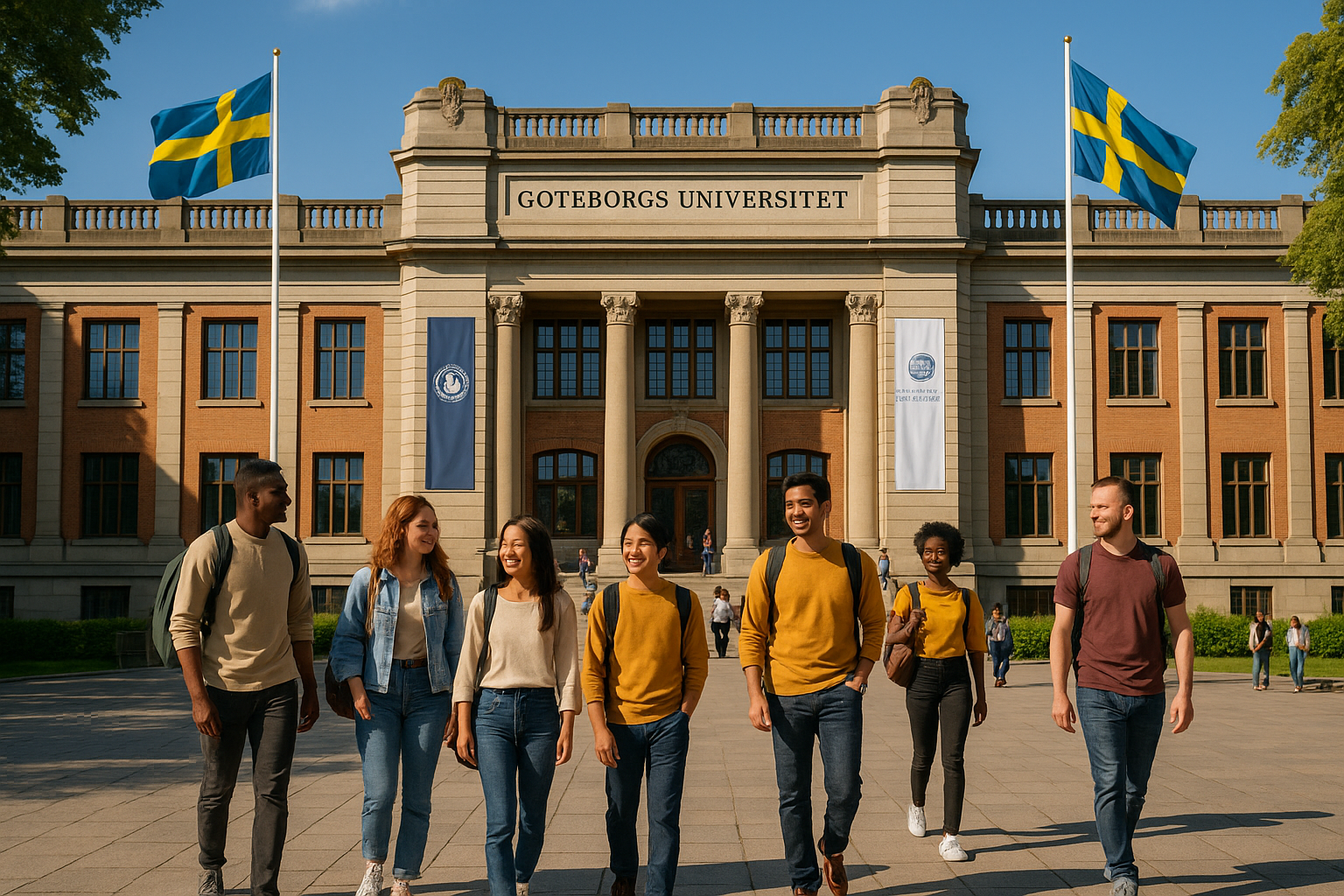
Gothenburg functions as Scandinavia’s largest port and hosts major industries including Volvo Cars and SKF bearings. The city’s cultural scene thrives with annual events like the Gothenburg Film Festival and Way Out West music festival. The University of Gothenburg, with around 50,000 students (2025, Goteborg.com), ranks among the Nordic region’s top research institutions, contributing to the city’s innovative atmosphere.
Best Attractions and Things to Do in Gothenburg
Gothenburg offers diverse experiences ranging from world-class amusement parks to tranquil natural settings. For a comprehensive overview of activities, explore our detailed guide to things to do in Gothenburg.
Amusement Parks Like Liseberg
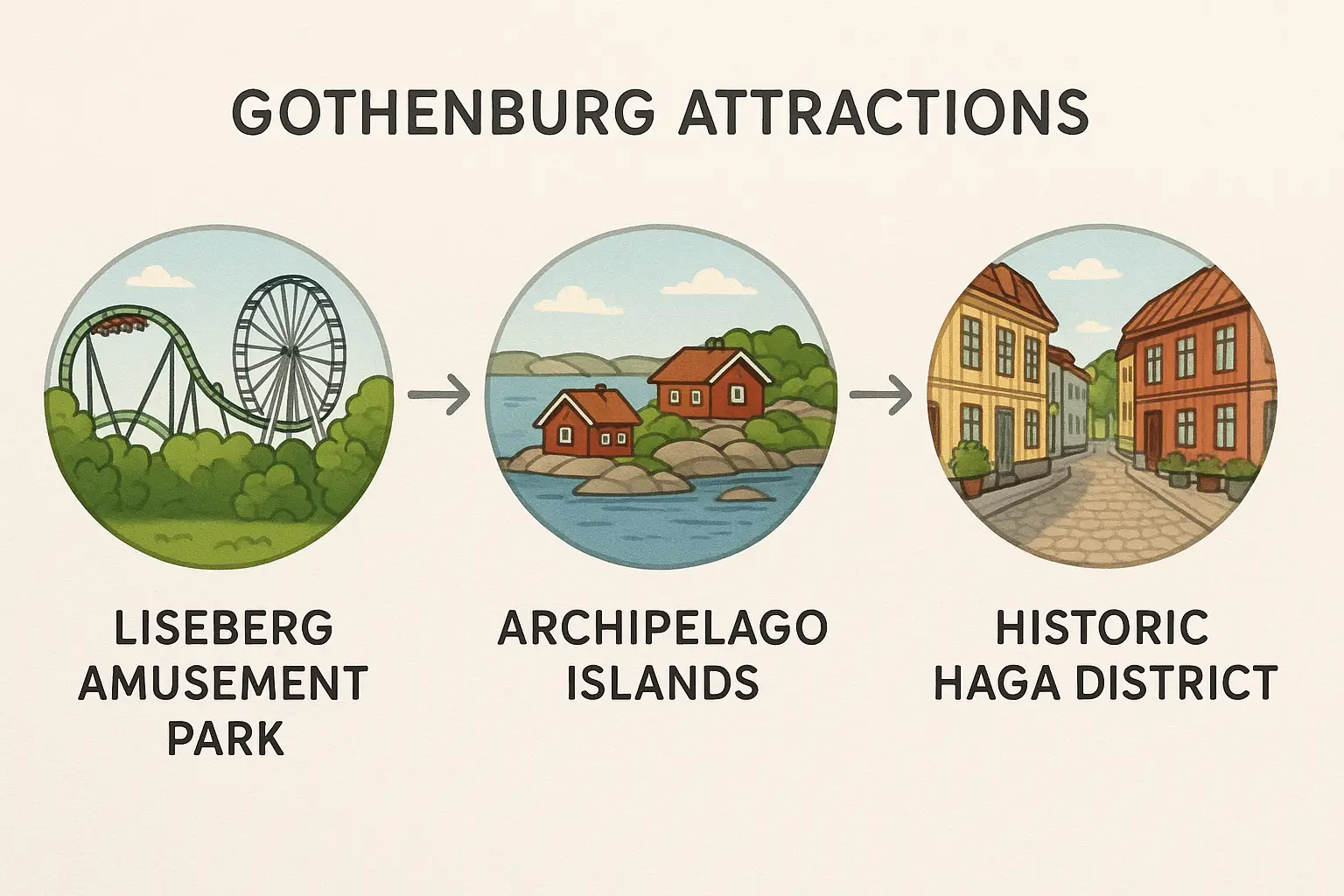
Liseberg stands as Northern Europe’s premier amusement park, attracting over 3 million visitors annually (2024, Visit Sweden). This family-friendly destination combines thrilling roller coasters with seasonal events including a renowned Christmas market. The park operates year-round with special Halloween and winter programming, making it accessible regardless of travel dates.
Archipelago and Nature
The Gothenburg archipelago comprises car-free islands reachable via regular ferry services from Saltholmen terminal. Southern archipelago islands like Styrsö and Vrångö feature hiking trails, beaches, and traditional fishing villages. The journey itself offers stunning coastal views and represents an authentic Swedish experience. Ferry tickets are included in standard public transport passes, making archipelago visits economical for budget-conscious travelers.
Museums and Art
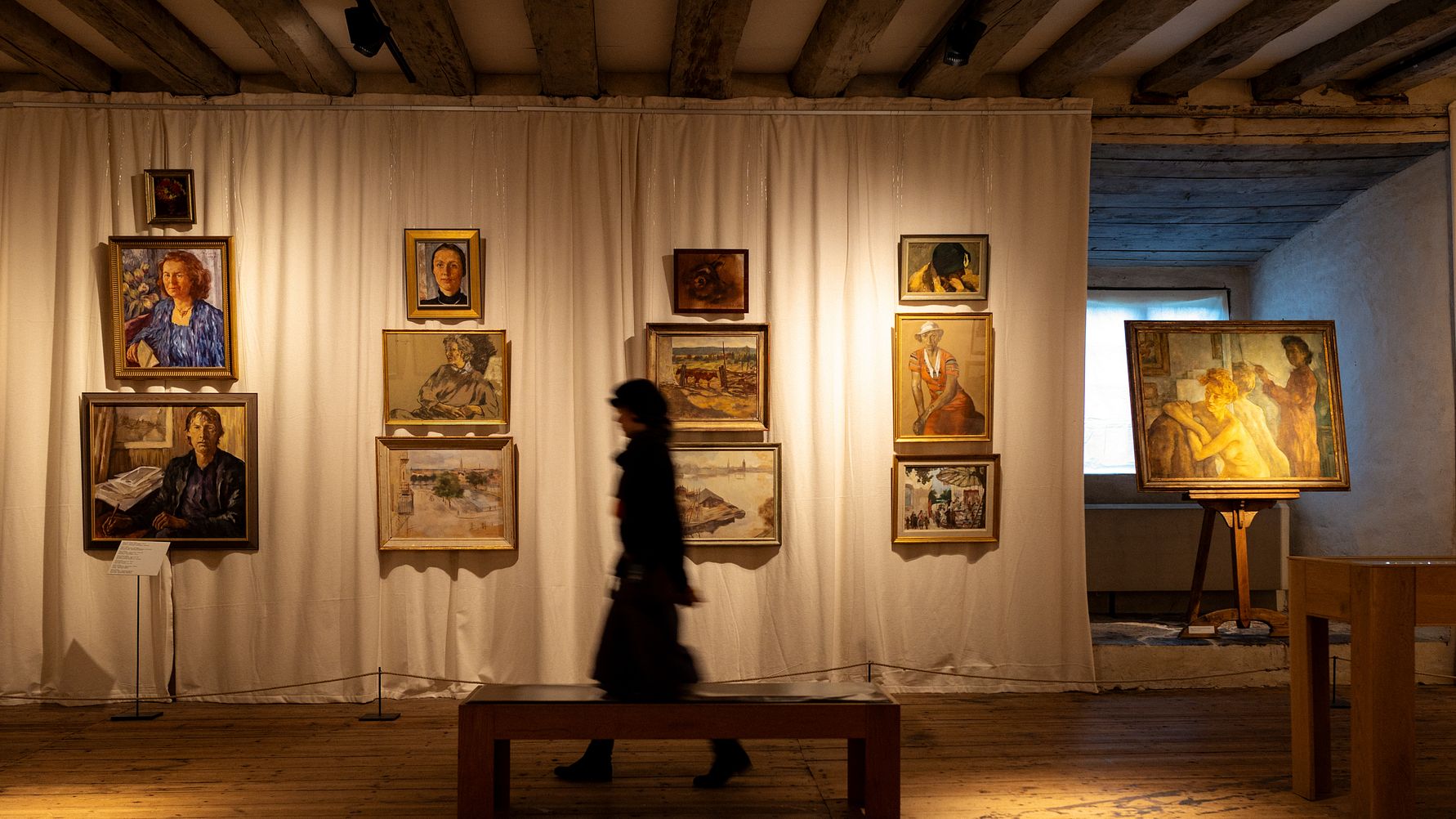
The Gothenburg Museum of Art (Göteborgs Konstmuseum) houses Northern Europe’s finest collection of Nordic art, including works by Carl Larsson and Edvard Munch. The Universeum science center appeals to families with interactive exhibits on rainforests, marine life, and space exploration. For maritime history, visit the Gothenburg ship at the Maritime Museum, showcasing Sweden’s seafaring heritage.
Insider Tip: Gothenburg City Card
Purchase the Gothenburg City Card for unlimited public transport, free museum entry, and archipelago ferry access. Available for 24, 48, or 72 hours, the card typically pays for itself after visiting two major attractions and using public transport.
How to Travel to and Around Gothenburg
Gothenburg’s accessibility from major Scandinavian cities makes it an ideal destination for multi-city itineraries. Understanding transport options helps optimize both time and budget.
Flights and Landvetter Airport
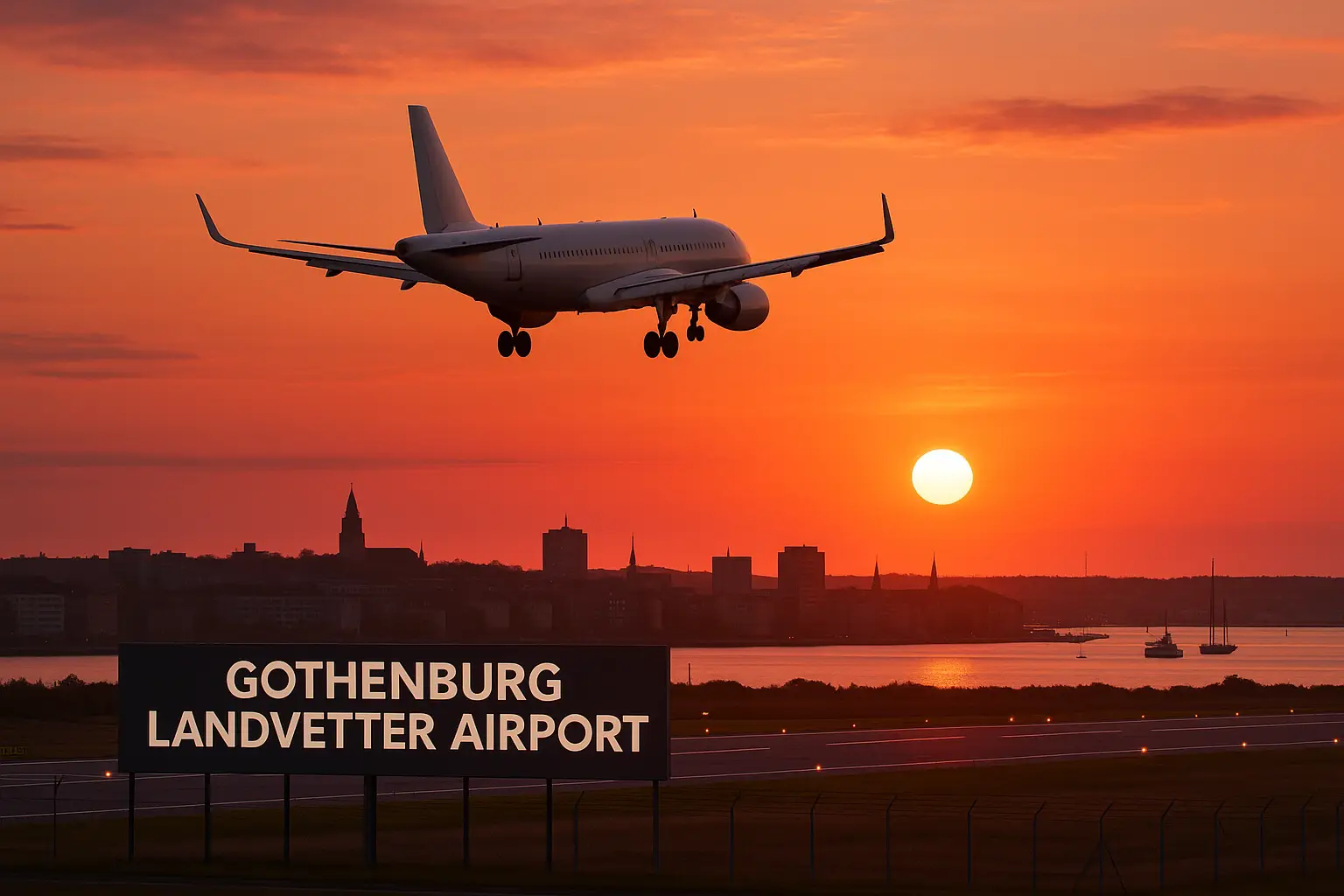
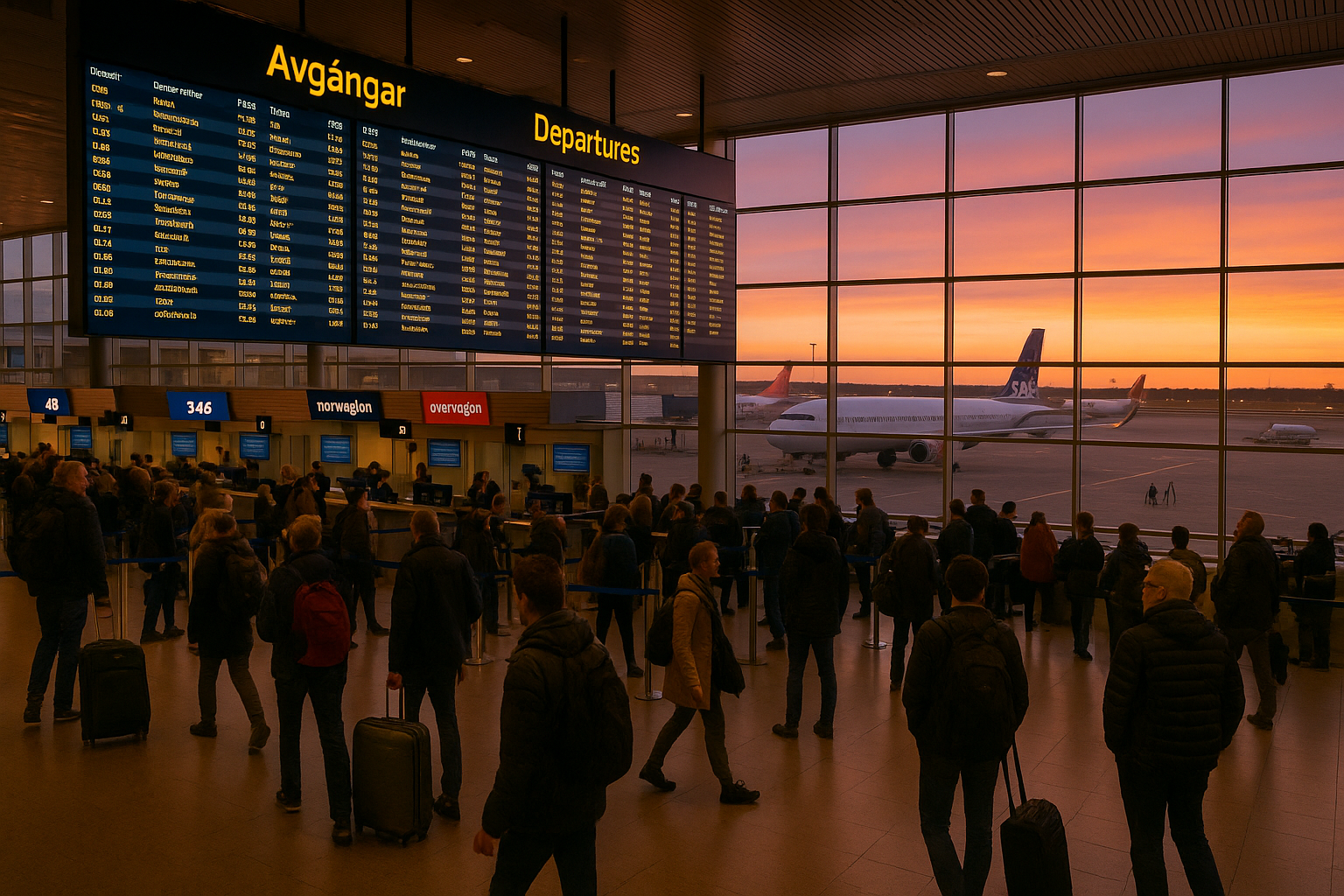
Gothenburg Landvetter Airport (GOT), located 25 km east of the city center, serves as the primary international gateway. Airport buses (Flygbussarna) depart every 15 minutes during peak hours, reaching downtown in approximately 30 minutes for around 120 SEK. Direct flights connect to major European hubs including Copenhagen, Amsterdam, and London. Book flights several months in advance for optimal pricing, especially during summer high season (June–August).
Trains from Stockholm and Copenhagen
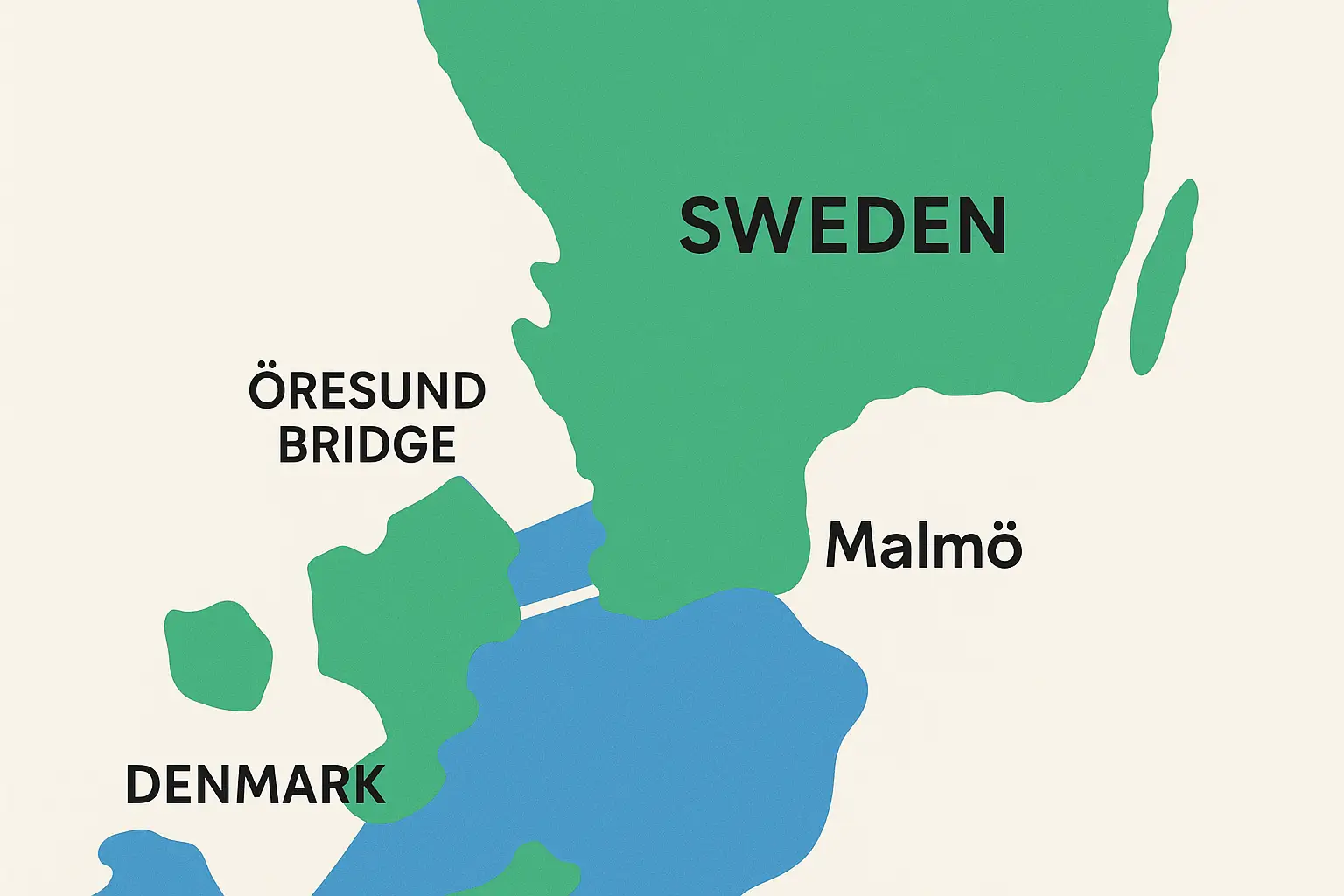
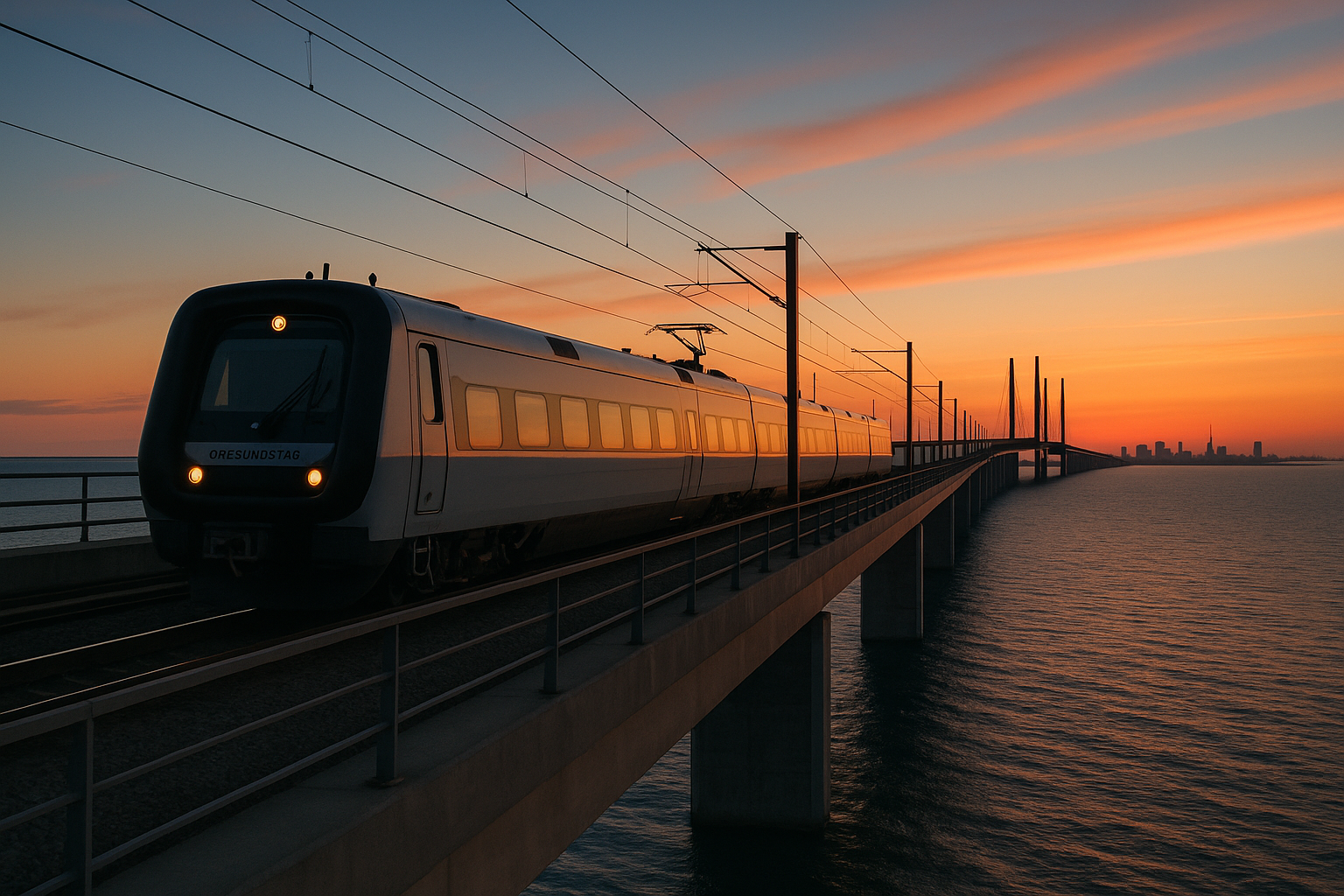
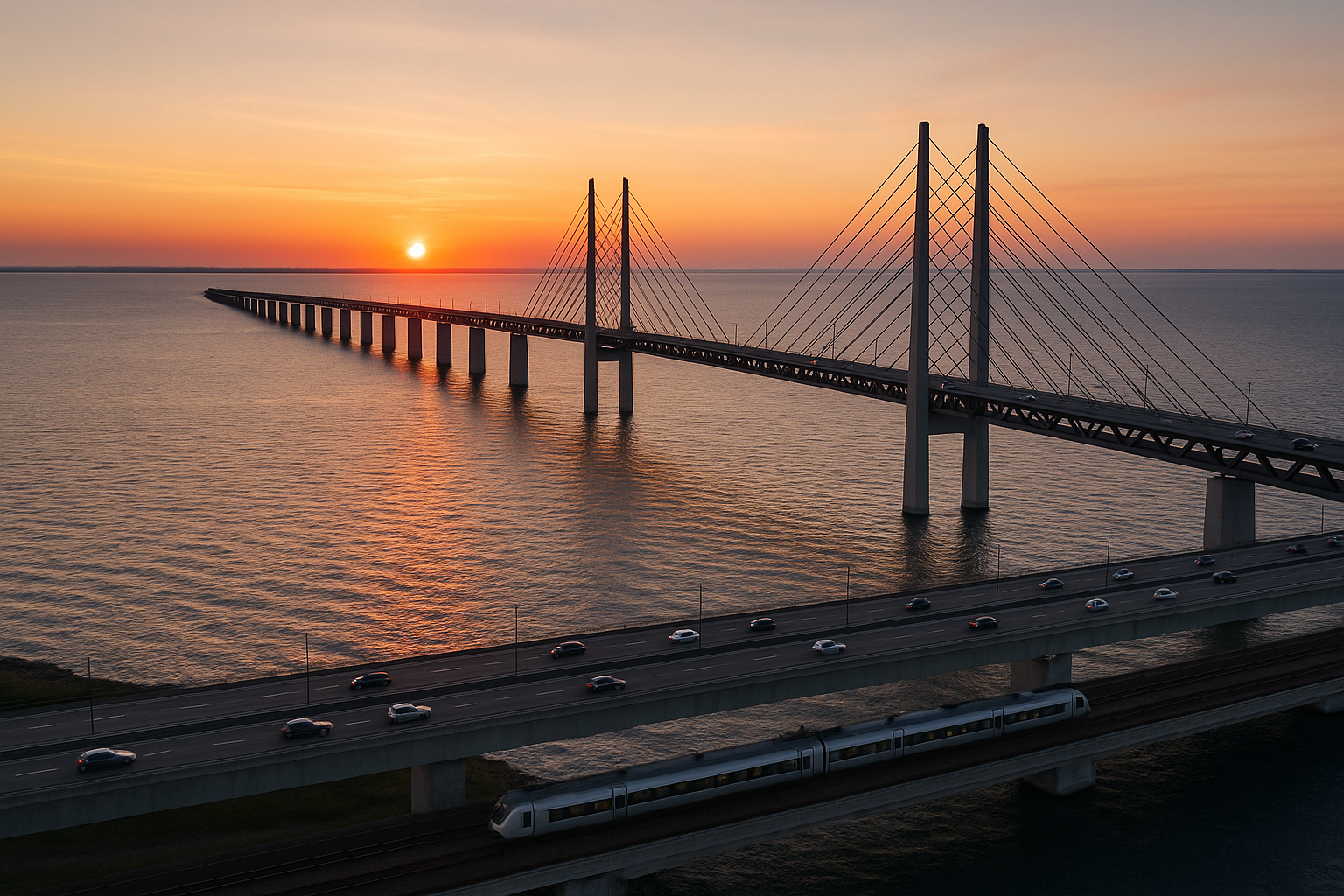
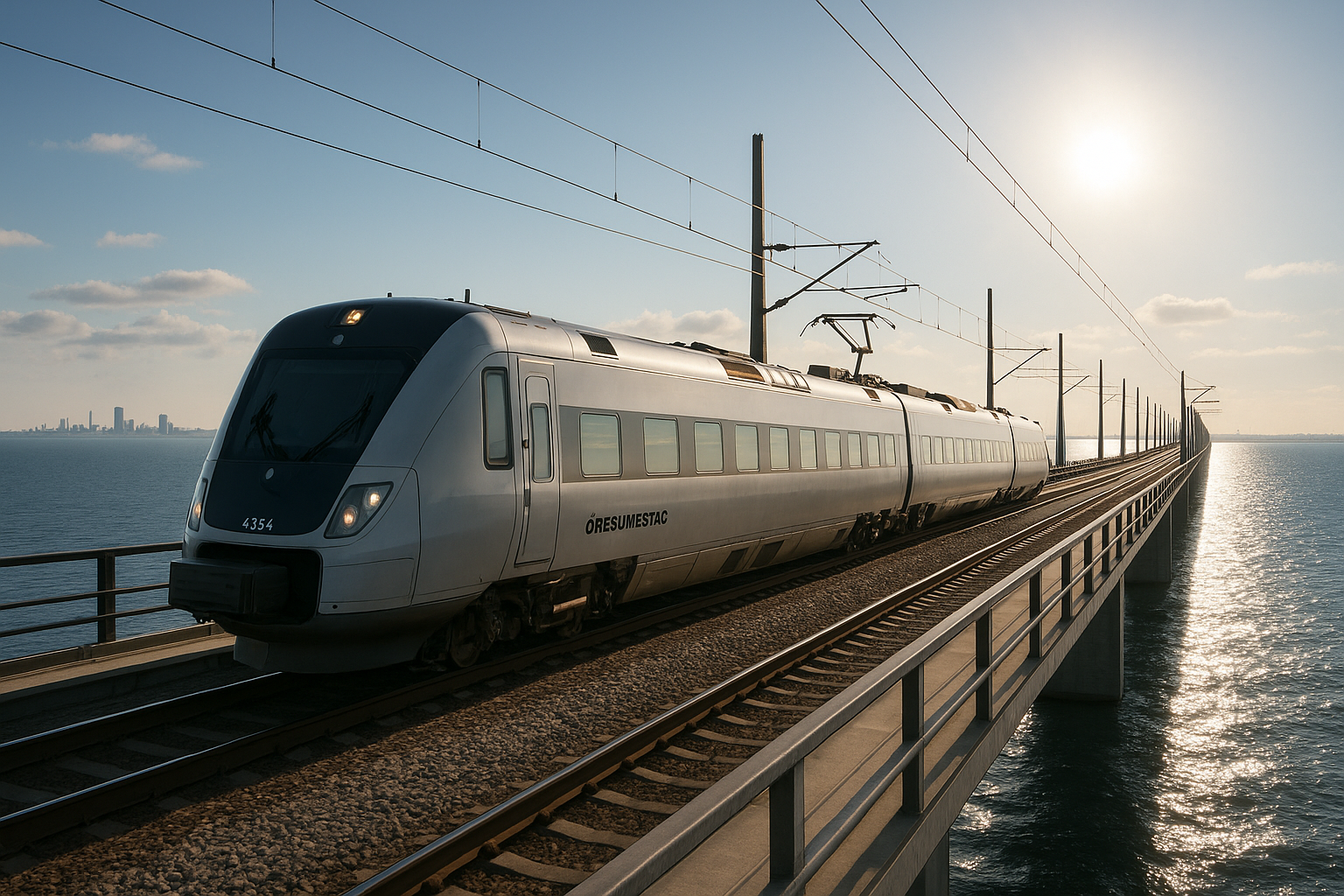
Rail travel offers a sustainable and scenic alternative to flying. Train Stockholm to Gothenburg services operated by SJ run frequently throughout the day, covering the 470 km distance in approximately 3 hours. Advance purchase tickets start at 195 SEK for budget-friendly departures. The Copenhagen to Gothenburg train route takes around 3.5–4 hours via Øresund Bridge, providing coastal views through southern Sweden.
| Transport Mode | Duration | Typical Price Range | CO₂ Impact |
|---|---|---|---|
| Train from Stockholm | 3 hours | 195–695 SEK | Low |
| Flight from Stockholm | 1 hour (+ airport time) | 400–1200 SEK | High |
| Train from Copenhagen | 3.5–4 hours | 250–800 SEK | Low |
| Bus from Stockholm | 6–7 hours | 99–350 SEK | Medium |
Local Transport Options
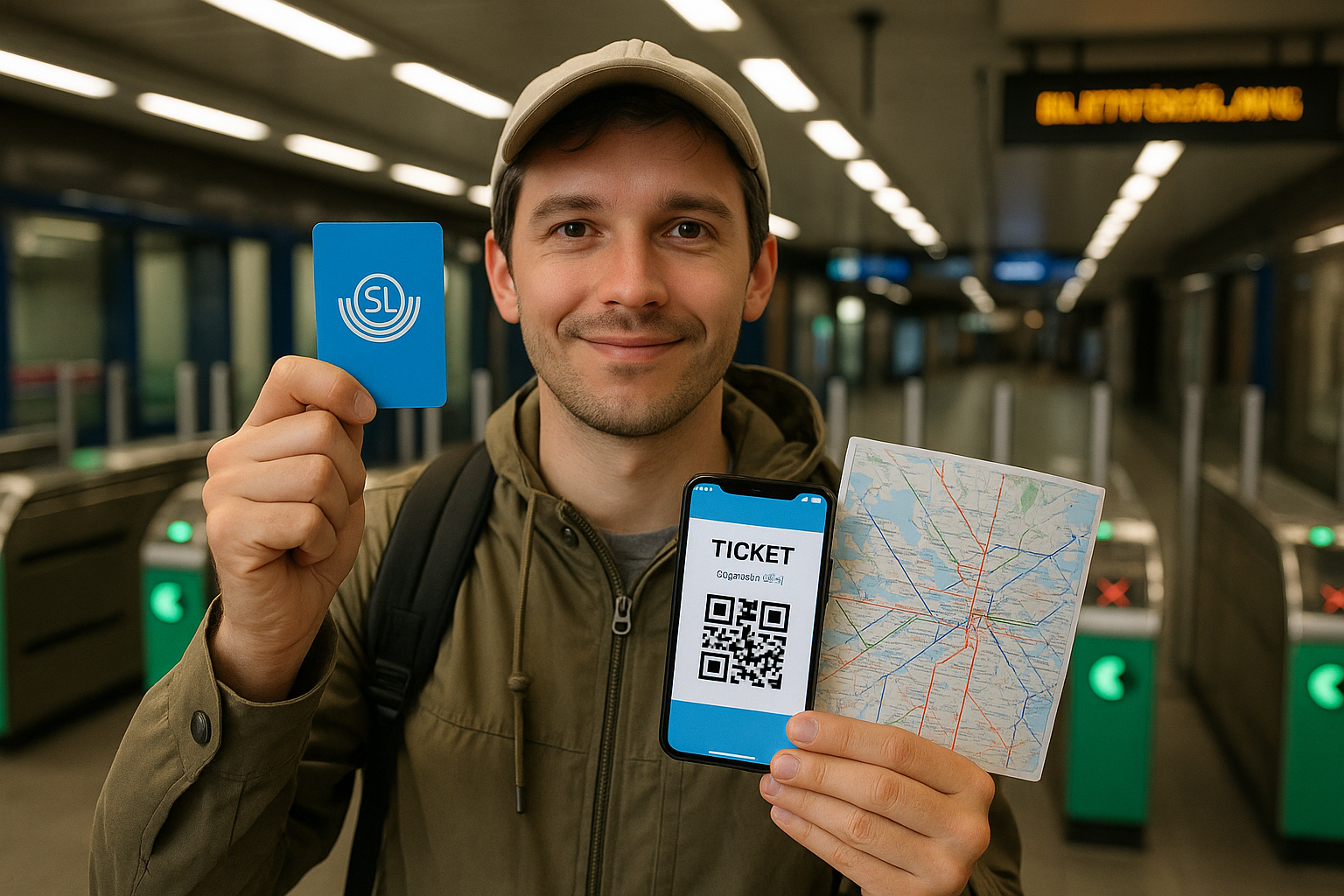
Gothenburg’s public transport system, operated by Västtrafik, includes trams, buses, and ferries. The city’s extensive tram network is particularly efficient for reaching attractions. Single tickets cost 36 SEK when purchased via the Västtrafik app, while day passes offer unlimited travel for 90 SEK. Cycling is popular with dedicated bike lanes throughout the city; bike rentals (Styr & Ställ) are available at numerous stations for minimal fees.
Accommodation in Gothenburg: Hotels and Tips
Gothenburg’s accommodation landscape spans luxury waterfront hotels to budget-friendly hostels. Average hotel prices range from 1,200–2,000 SEK per night for 3–4 star properties during peak season (2025, TripAdvisor).
Top Hotels Like Radisson Blu
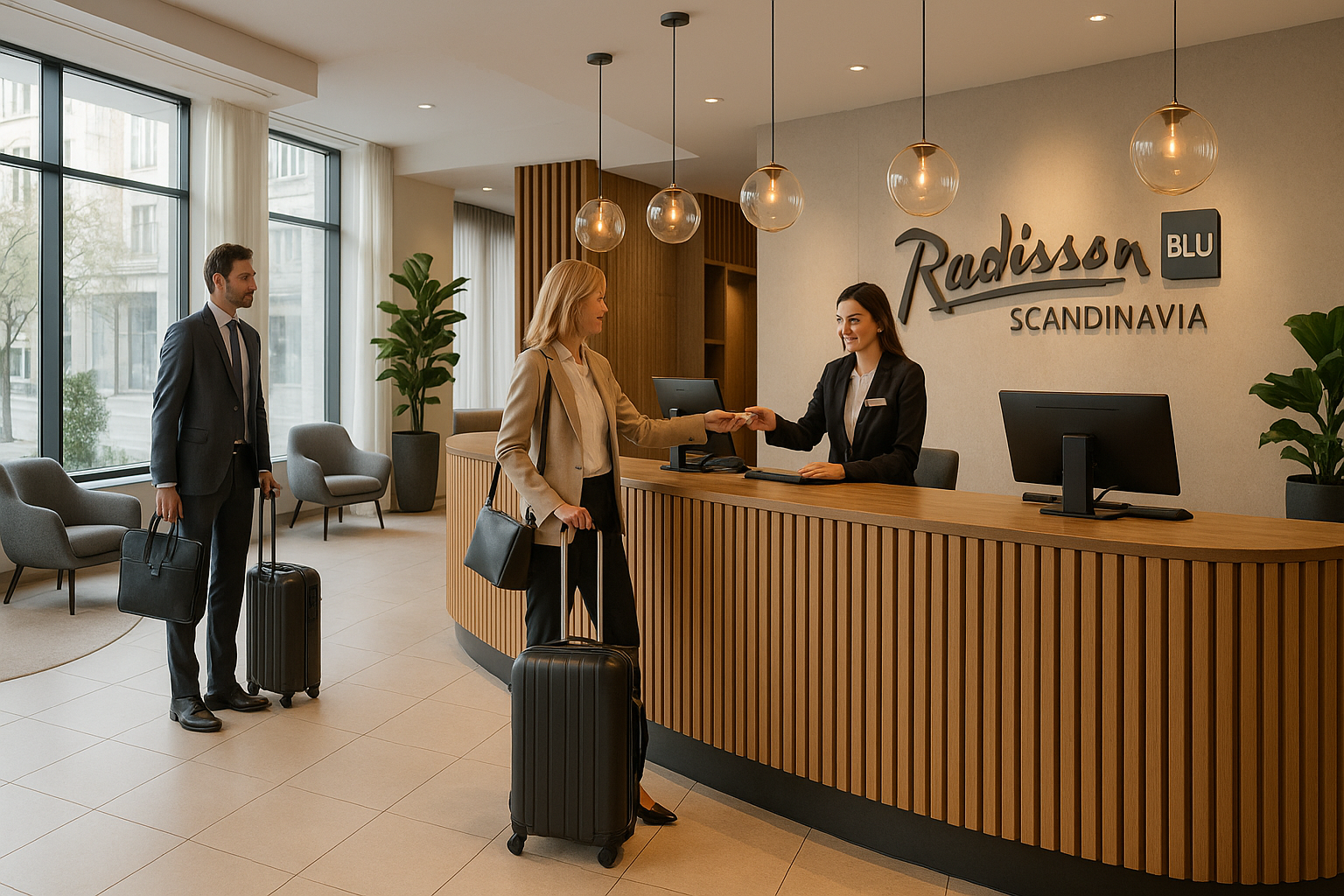
The Radisson Blu Gothenburg offers upscale accommodations with harbor views and spa facilities. Located in the central Gullbergsvass district, it provides walking-distance access to Nordstan shopping center and the Central Station. Alternative luxury options include the historic Hotel Pigalle in Avenyn and the modern Upper House with panoramic city views.
Budget Alternatives
For economical stays, consider STF Gothenburg City hostel near Heden sports complex, offering private rooms and dormitories from 300–600 SEK per night. Hotel Poseidon in the Gårda neighborhood provides three-star comfort at mid-range prices (800–1,200 SEK), with excellent public transport connections. Apartment rentals through established platforms offer family-friendly space, particularly in residential areas like Majorna.
Best Neighborhoods to Stay In
Centrum (downtown) suits first-time visitors seeking proximity to Avenyn boulevard’s restaurants and nightlife. Haga, the city’s oldest neighborhood, features cobblestone streets, wooden houses, and cozy cafés – ideal for travelers prioritizing atmosphere. Linnéstaden attracts younger visitors with its parks, vintage shops, and casual dining scene. Families often prefer Saltholmen for archipelago access and beachfront tranquility.
Booking Strategy
Reserve hotels 2–3 months ahead for summer visits or during major events like the film festival. Weekend rates (Friday–Sunday) often include breakfast and later checkout at business-oriented hotels. Always verify cancellation policies before booking.
Practical Information: Weather, Safety, and University Life
Current Weather and Seasons
Gothenburg experiences mild, maritime weather year-round. Summer (June–August) averages 18–22°C with extended daylight, making it prime tourist season. Autumn brings colorful foliage and comfortable temperatures (10–15°C), while winter (December–February) remains relatively temperate (0–5°C) with occasional snow. Spring (March–May) gradually warms, though rain is common. Pack layered clothing and waterproof outerwear regardless of season – the coastal climate can shift rapidly.
Safety Tips for Tourists
Gothenburg ranks among Europe’s safest cities for visitors, with low tourist-targeted crime (2025, Nomadic Matt). Exercise standard precautions: secure valuables in hotel safes, remain aware of surroundings in crowded areas like Nordstan mall, and avoid poorly lit parks late at night. Sweden operates cashless transactions extensively – credit cards are accepted everywhere, minimizing theft risks. Emergency services (112) provide English-language assistance 24/7.
Studies at the University of Gothenburg
The University of Gothenburg offers diverse programs taught in English, particularly at graduate levels. International students benefit from Sweden’s tuition-free education for EU/EEA citizens, while non-EU students pay fees ranging from 90,000–140,000 SEK annually depending on programs. Campus life centers around areas like Vasastan and Johanneberg, both well-connected to student housing and cultural activities. The city’s large student population supports affordable dining, entertainment venues, and networking opportunities.
Frequently Asked Questions
Is Gothenburg Worth Visiting?
Yes, Gothenburg merits a visit for travelers seeking authentic Swedish culture without Stockholm’s crowds. The city combines world-class attractions like Liseberg and the archipelago with manageable size – most sights are walkable or connected by efficient trams. Gothenburg excels for families, food enthusiasts (renowned seafood scene), and nature lovers. Budget 2–3 full days to experience highlights comfortably.
How Far is Stockholm to Gothenburg by Train?
The rail distance between Stockholm and Gothenburg spans approximately 470 km, with high-speed SJ trains completing the journey in 3 hours. Direct services depart hourly during peak periods, requiring no transfers. This route offers a comfortable, sustainable alternative to the 1-hour flight (which requires 2+ hours total including airport procedures). Book tickets at sj.se up to 90 days in advance for best rates.
What Are the Best Hotels in Gothenburg in 2025?
Top-rated properties for 2025 include Radisson Blu Scandinavia for business travelers, Upper House for luxury seekers, and Hotel Pigalle for boutique charm. Mid-range favorites include Clarion Hotel Post in a converted postal building and Quality Hotel Panorama with harbor views. Budget-conscious visitors praise STF Gothenburg City and Slottsskogens Hostel. Verify current reviews on TripAdvisor before booking.
What is the Weather Like in Gothenburg Right Now?
Weather varies significantly by season. Summer months (June–August) average 18–22°C with minimal rainfall, while winter (December–February) hovers around 0–5°C with overcast skies. For real-time conditions, consult SMHI (Swedish Meteorological and Hydrological Institute) or weather apps. Generally, pack layers and rain gear year-round – the Gulf Stream moderates temperatures but increases precipitation likelihood.
How Do I Get from Gothenburg Airport to City Center?
Flygbussarna airport coaches provide the most convenient transfer, departing every 15 minutes (peak hours) from Landvetter Airport to Nils Ericson Terminal at Central Station. Journey time is 25–30 minutes, costing approximately 120 SEK one-way. Taxis charge 400–500 SEK for the same route. Book return bus tickets simultaneously for slight discounts. Public bus 100 offers a budget alternative (36 SEK) but takes longer with multiple stops.
What Language is Spoken in Gothenburg?
Swedish is the official language, though English proficiency is exceptionally high – nearly all residents speak English fluently, particularly in tourism, hospitality, and universities. Signs, menus, and public transport information appear in both languages. Learning basic Swedish phrases (tack for ”thank you,” hej for ”hello”) is appreciated but unnecessary for navigation or transactions.
For more detailed information about specific attractions and updated 2025 tips, visit the official Gothenburg tourism website or consult Visit Sweden’s Gothenburg page. Whether you’re drawn to Liseberg’s thrills, the archipelago’s serenity, or the vibrant cultural scene, Gothenburg delivers a memorable Swedish experience accessible to all traveler types.