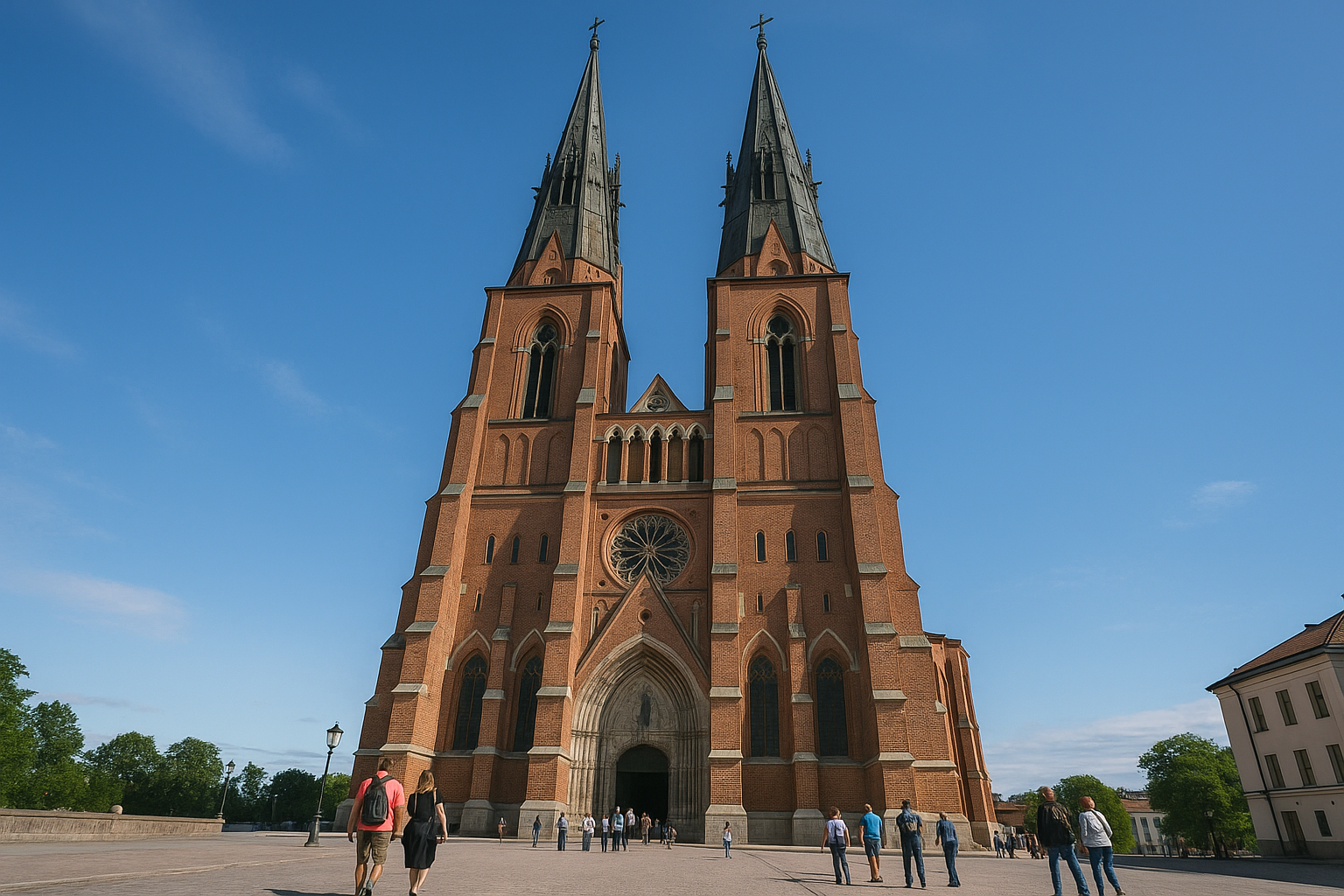
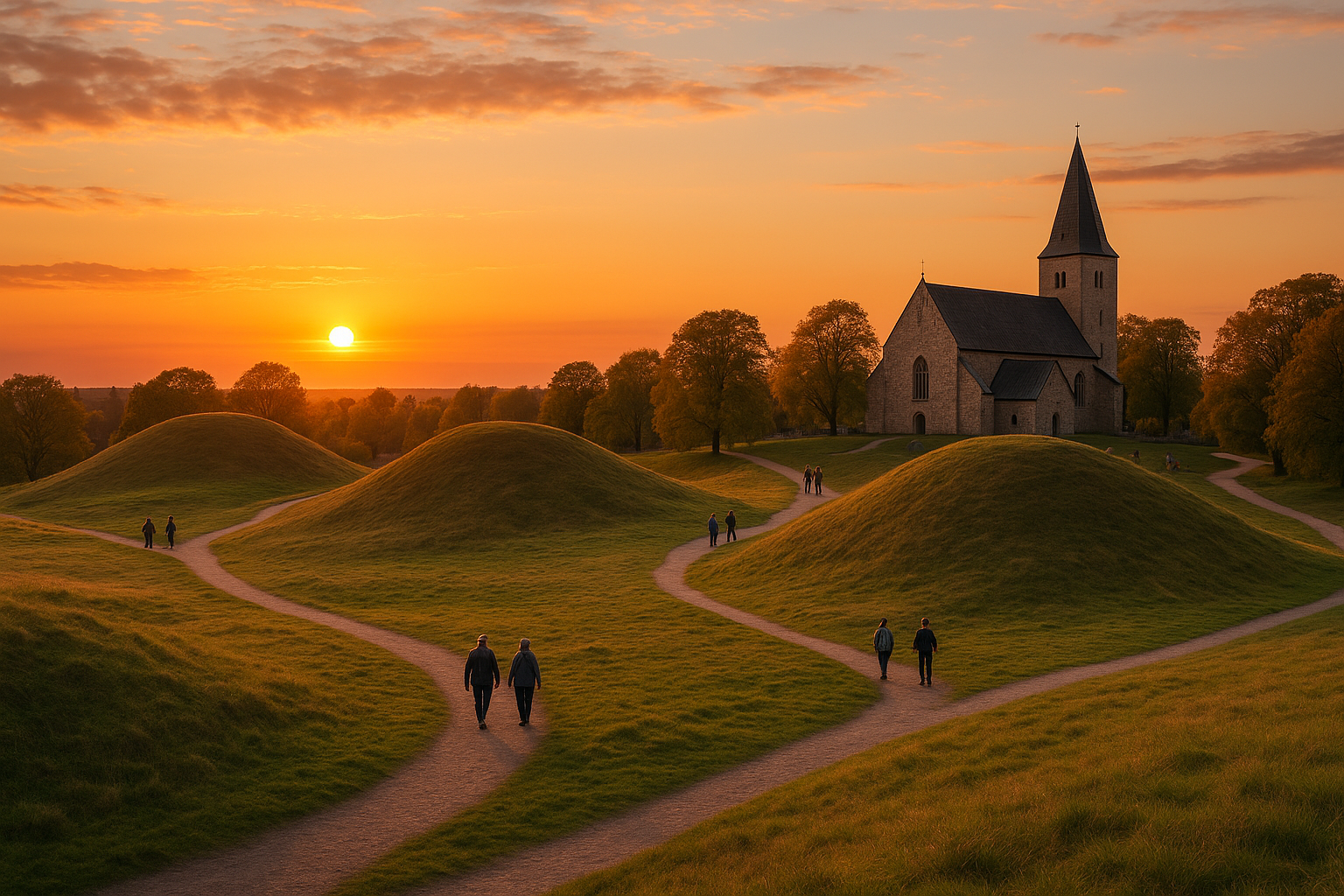
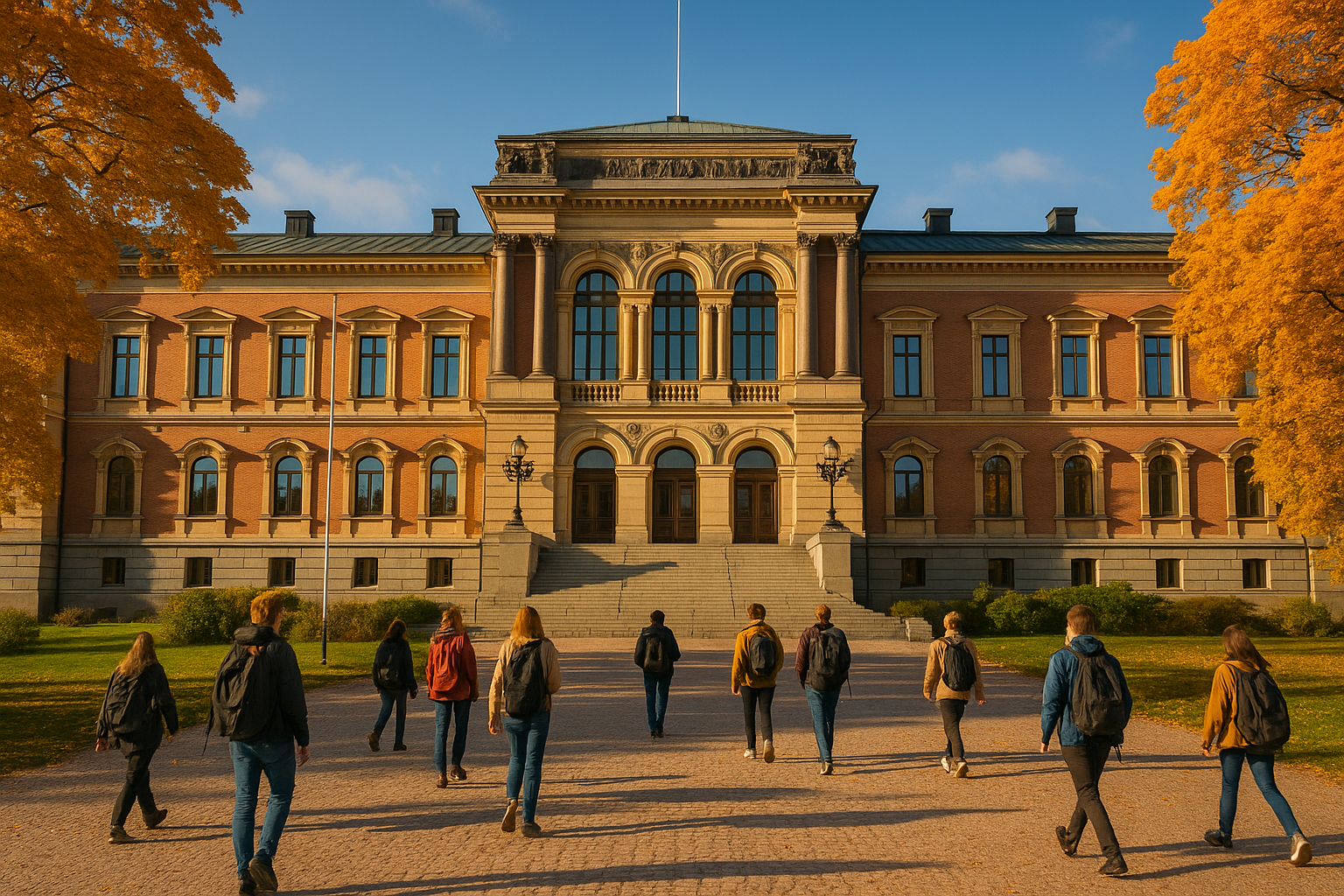
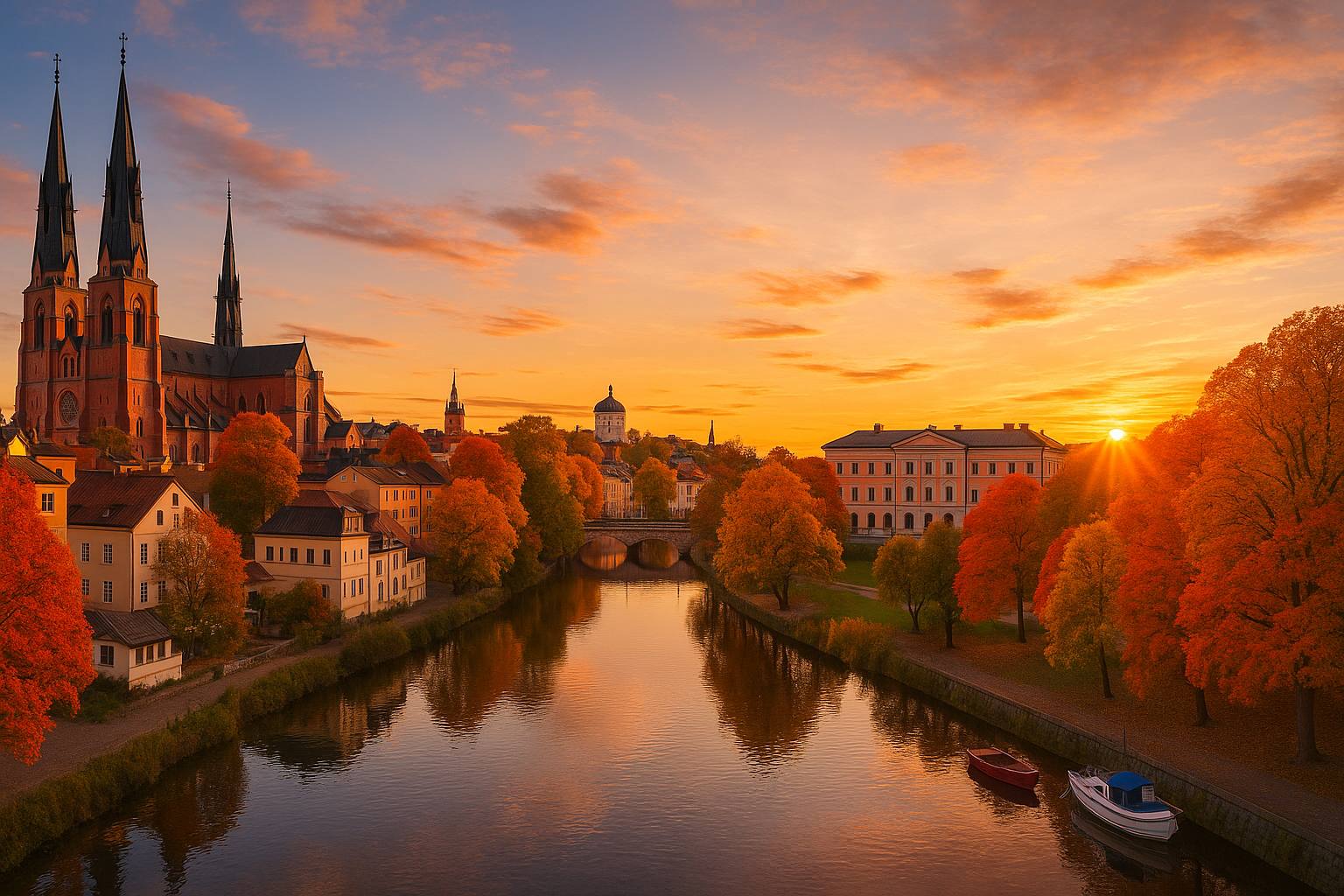
Valborg, also known as Walpurgis Night, is one of Sweden’s most enchanting celebrations. Taking place every April 30th, this beloved tradition marks the arrival of spring after long Nordic winters. With bonfires lighting up the night sky, choral performances echoing through university towns, and communities gathering in celebration, Valborg offers a magical glimpse into Swedish cultural heritage. Whether you’re planning to visit during the festivities or simply curious about this unique tradition, our comprehensive guide explores everything from ancient origins to modern celebrations.
Valborg’s roots stretch back centuries, blending pagan traditions with Christian influences.
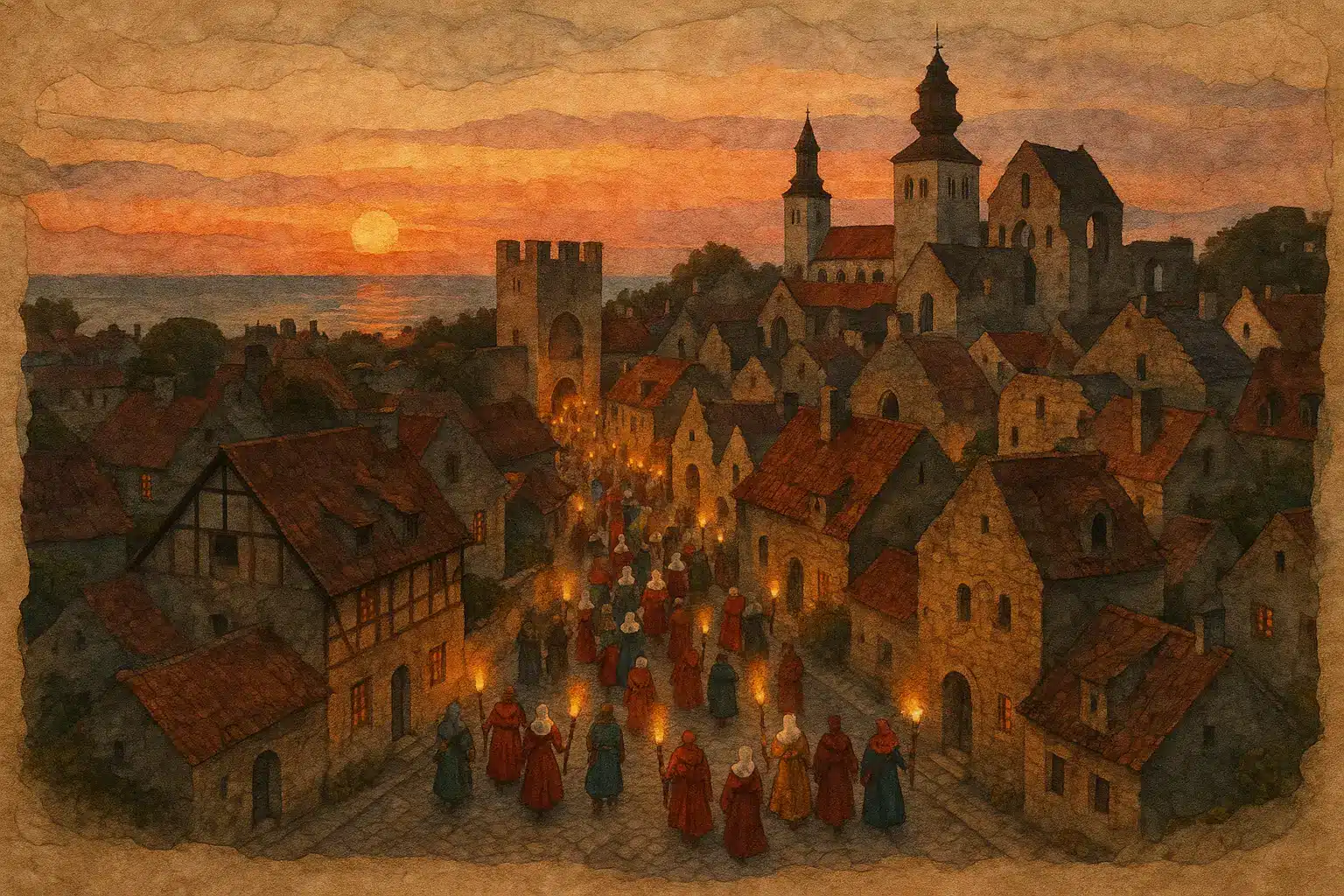
The celebration is named after Saint Walpurga, an English missionary who was canonized on May 1st around 870 AD. In medieval Europe, the night before May Day was believed to be when witches and evil spirits were particularly active, and lighting fires became a way to ward them off. This tradition spread from Germany to Sweden during the Middle Ages, gradually evolving into the celebration we know today.
According to Sweden’s official website, the festival merged with pre-Christian spring celebrations in Nordic countries, symbolizing the triumph of light over darkness and the renewal of life after winter.
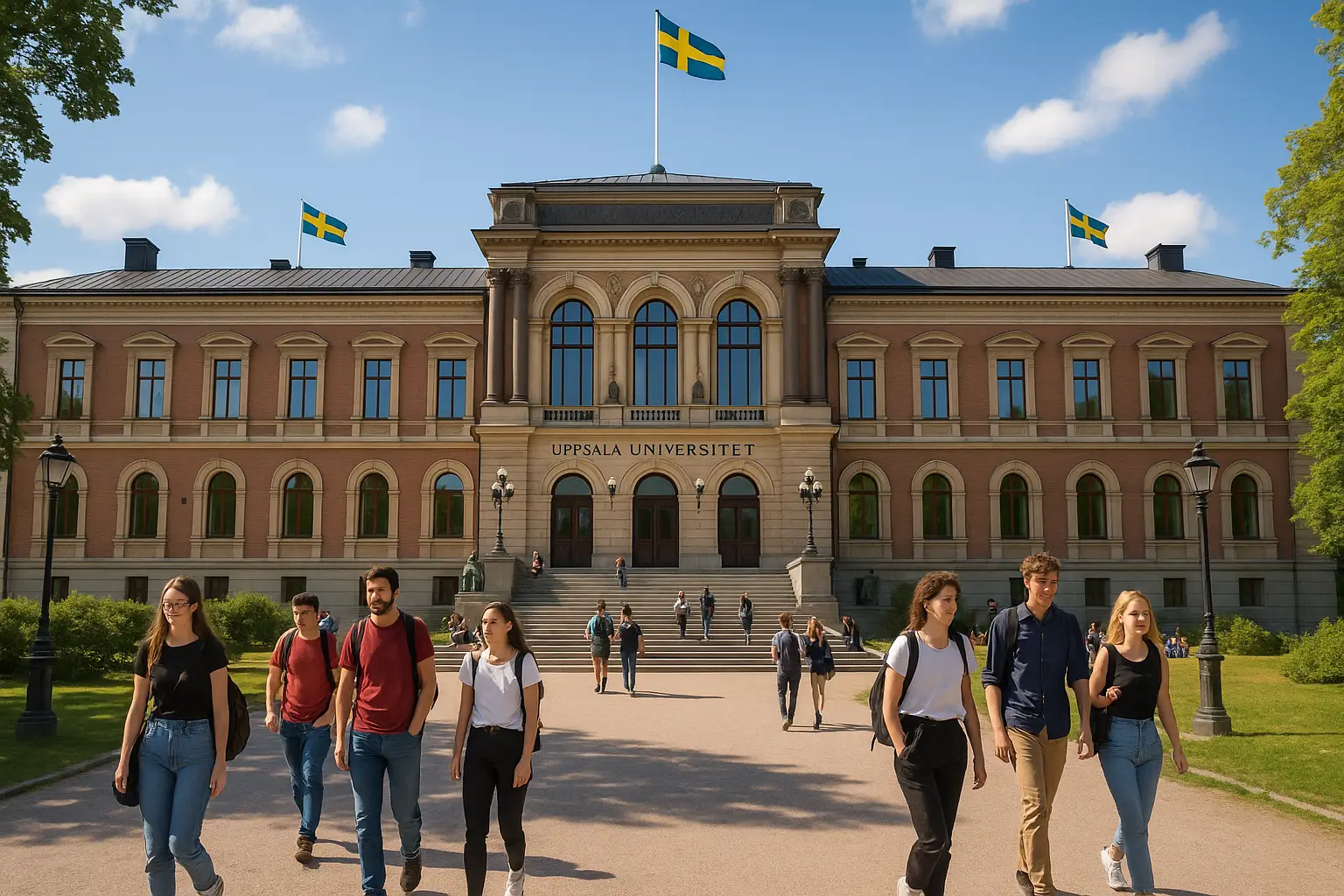
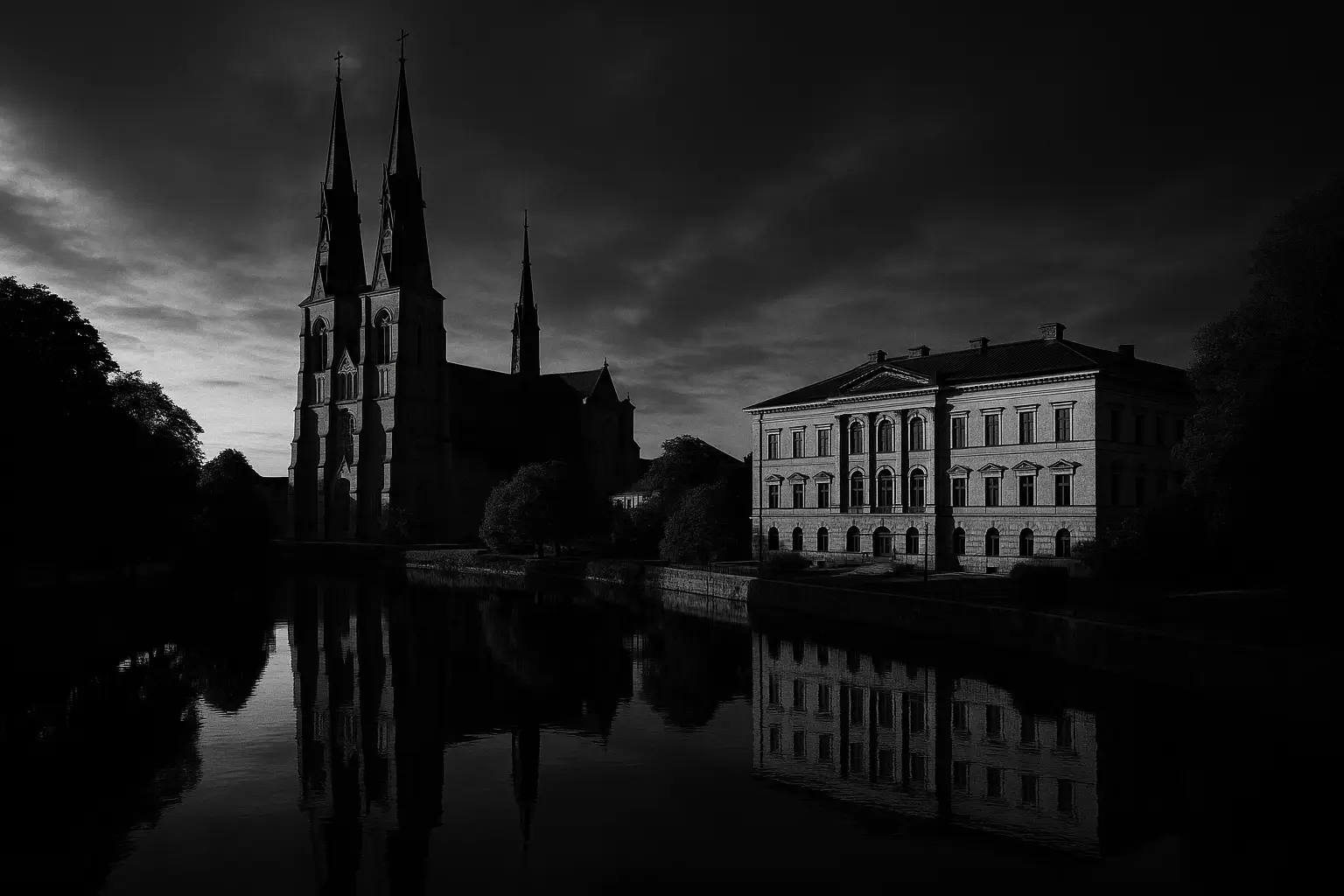
Today, Valborg has largely shed its religious connections, becoming a secular celebration embraced by Swedes of all backgrounds. The holiday has special significance in university towns like Uppsala and Lund, where it has been celebrated by students since the 19th century.
Valborg celebrations blend time-honored customs with contemporary adaptations, creating an experience that’s both authentically Swedish and constantly evolving.
The iconic bonfire remains the centerpiece of Valborg celebrations across Sweden. These impressive fires serve both practical and symbolic purposes:
As Visit Sweden explains, bonfires are lit at dusk on April 30th, with communities gathering around them to sing, socialize, and welcome spring together.
One of Valborg’s most distinctive traditions is the choral singing that accompanies the celebrations. University students, often wearing their traditional white graduation caps, gather to perform spring songs that have been passed down through generations.
In Uppsala, thousands gather at Carolina Rediviva (the university library) to watch the ”donning of the caps” ceremony, followed by choir performances. These haunting melodies create an atmosphere of joy and anticipation that perfectly captures the spirit of the occasion.
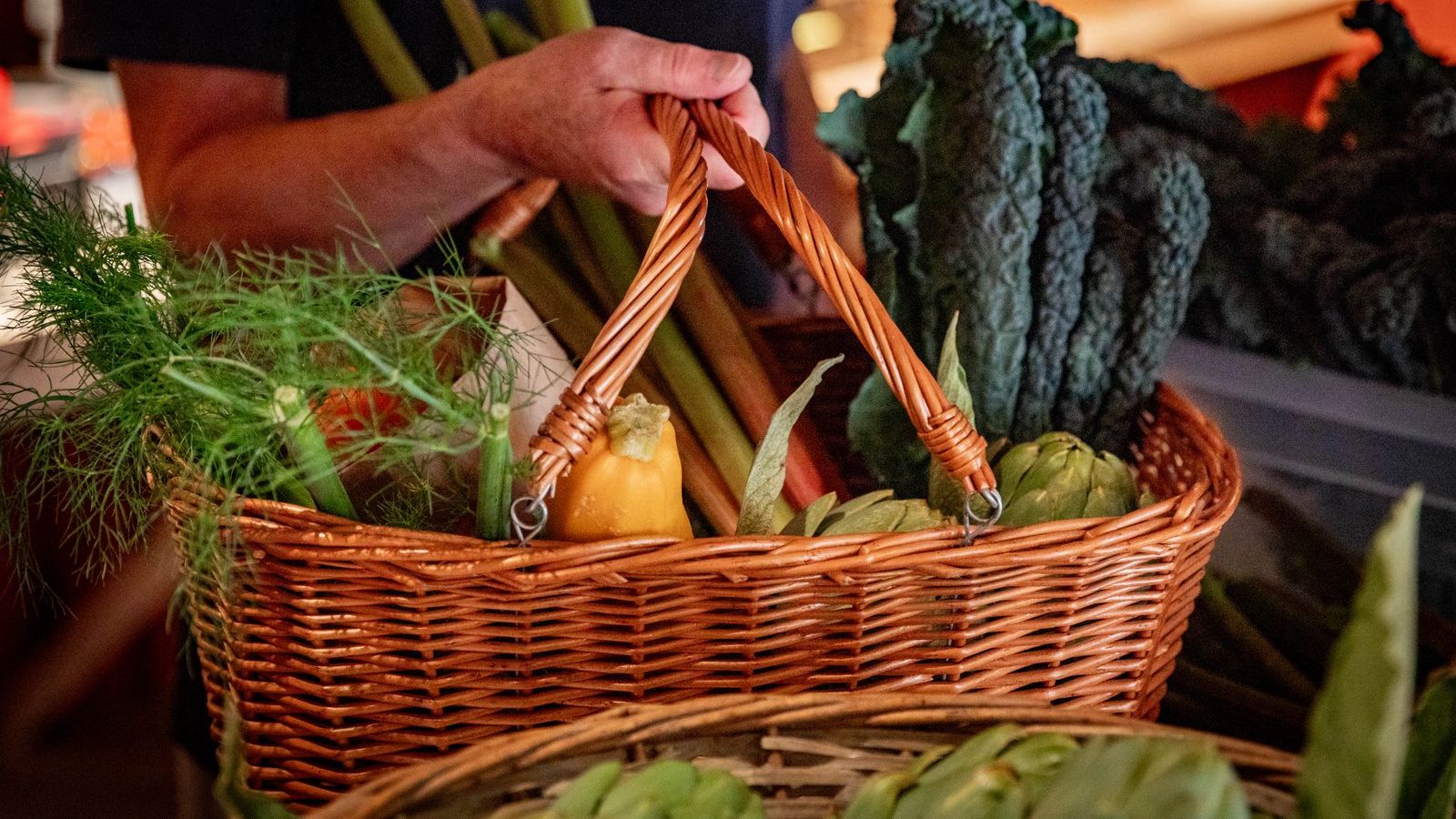
Food plays an important role in Valborg celebrations, with friends and families gathering for traditional meals. Common Valborg foods include:
| Dish | Description |
|---|---|
| Nettle soup (Nässelsoppa) | A spring delicacy symbolizing new growth |
| Pickled herring (Sill) | A staple of Swedish celebrations, often served with new potatoes |
| Waffles (Våfflor) | Served with whipped cream and jam, perfect for outdoor picnics |
| Spring lamb | A traditional main course representing new life |
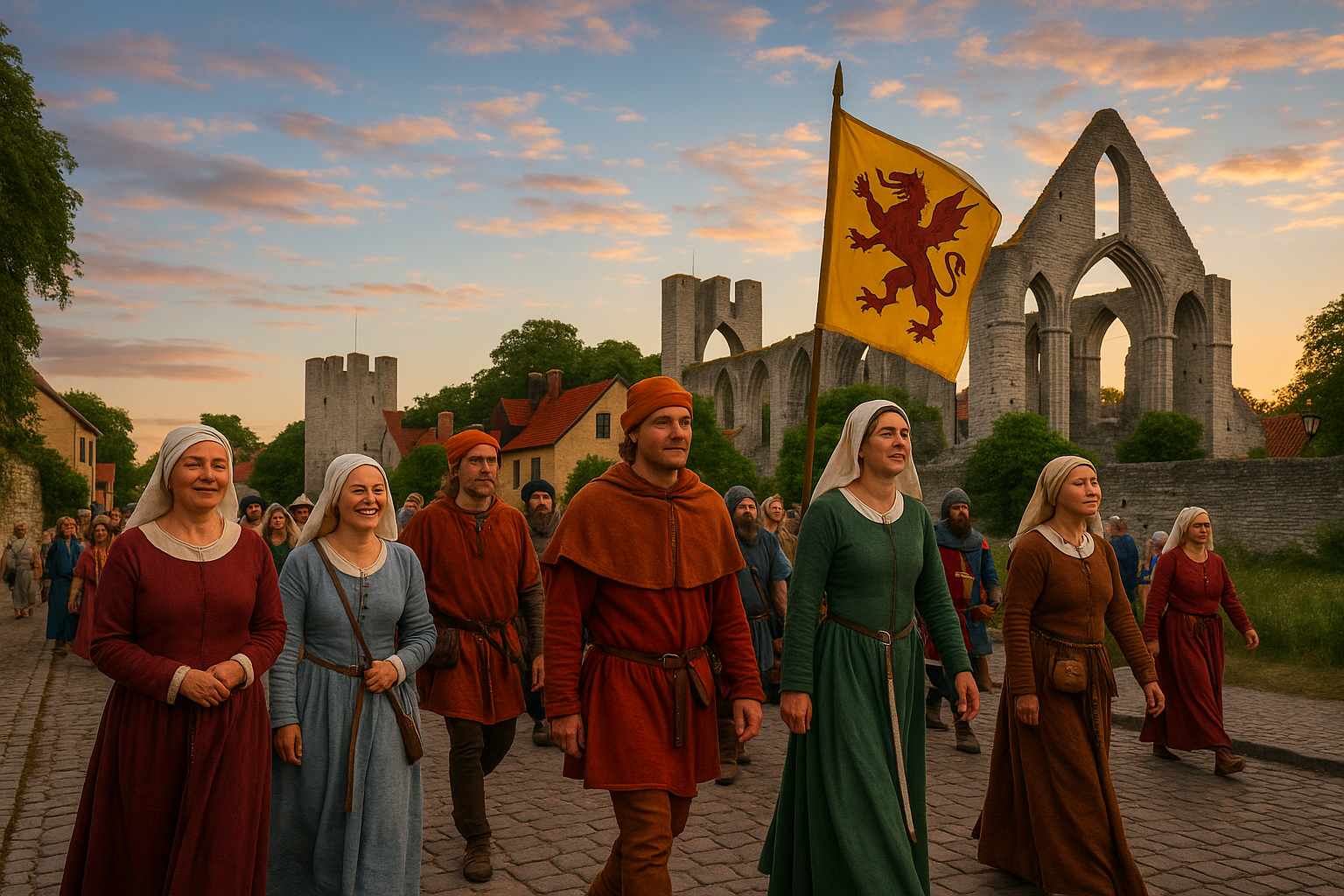
In many cities, especially university towns, Valborg features parades and public gatherings. Students and community members march through streets, often culminating in parks where concerts, speeches, and other festivities take place. These events create a carnival-like atmosphere that’s welcoming to all.
According to Swedish for Professionals, these celebrations bring together people of all ages and backgrounds, making it a perfect opportunity for international visitors to experience Swedish culture firsthand.
While Valborg is celebrated throughout Sweden, certain locations offer particularly memorable experiences.
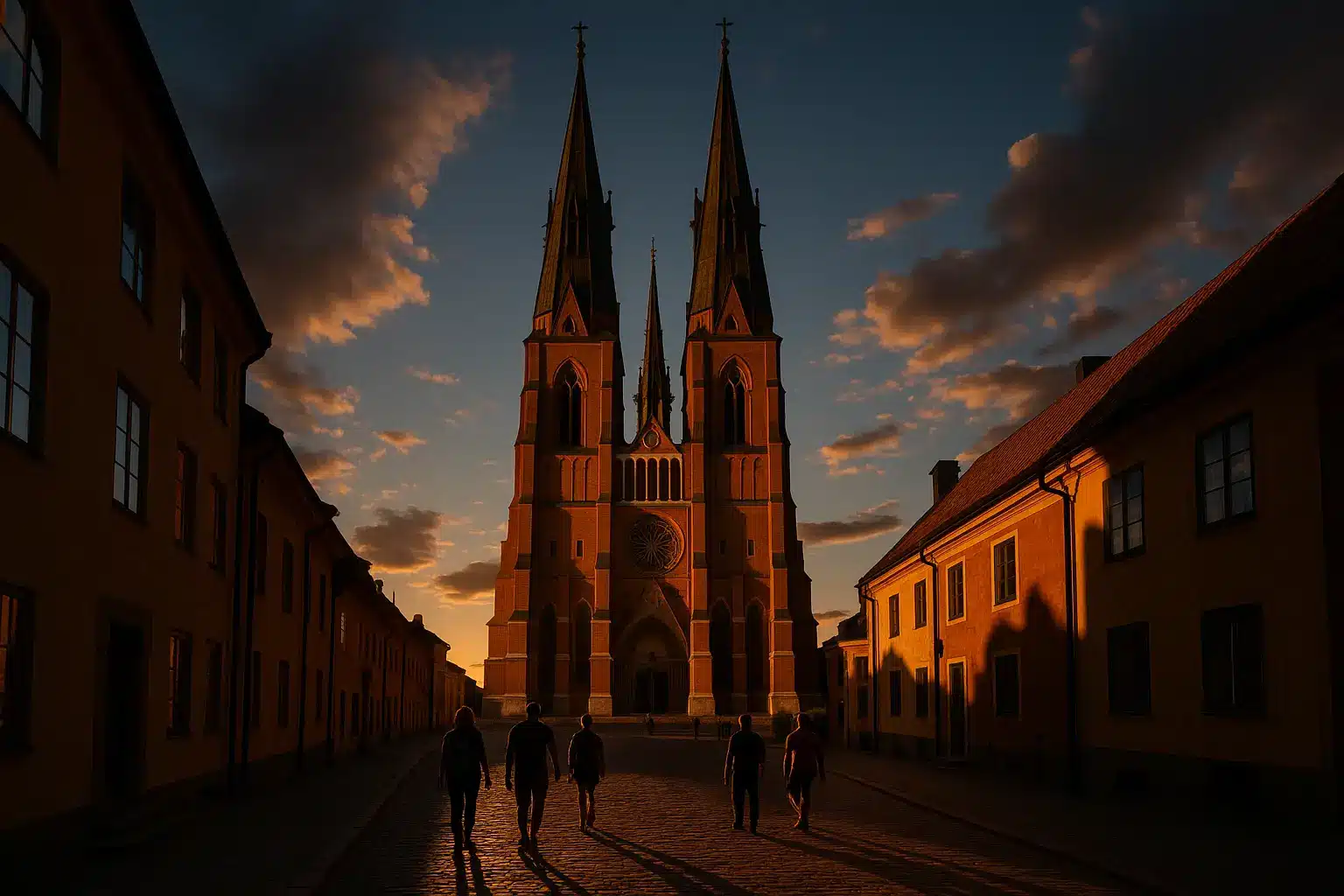
Uppsala hosts Sweden’s largest and most famous Valborg celebration, drawing tens of thousands of visitors annually. The day includes:
As Stockholm on a Shoestring notes, Uppsala’s celebration is the quintessential Valborg experience, especially for those interested in student traditions.
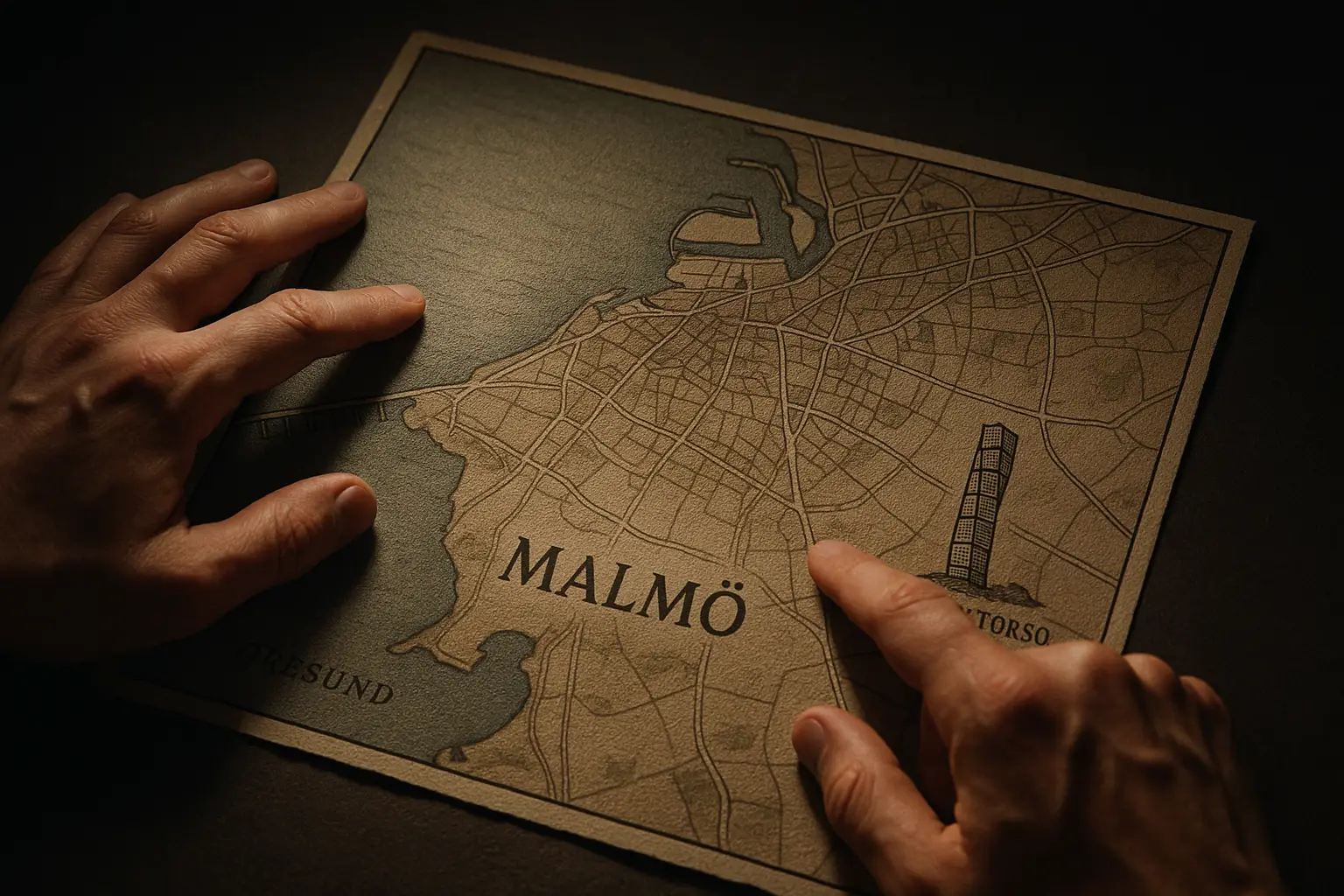
Lund offers a slightly different but equally vibrant Valborg experience. The city comes alive with student celebrations, particularly in Stadsparken (City Park), where thousands gather for picnics, music, and festivities.
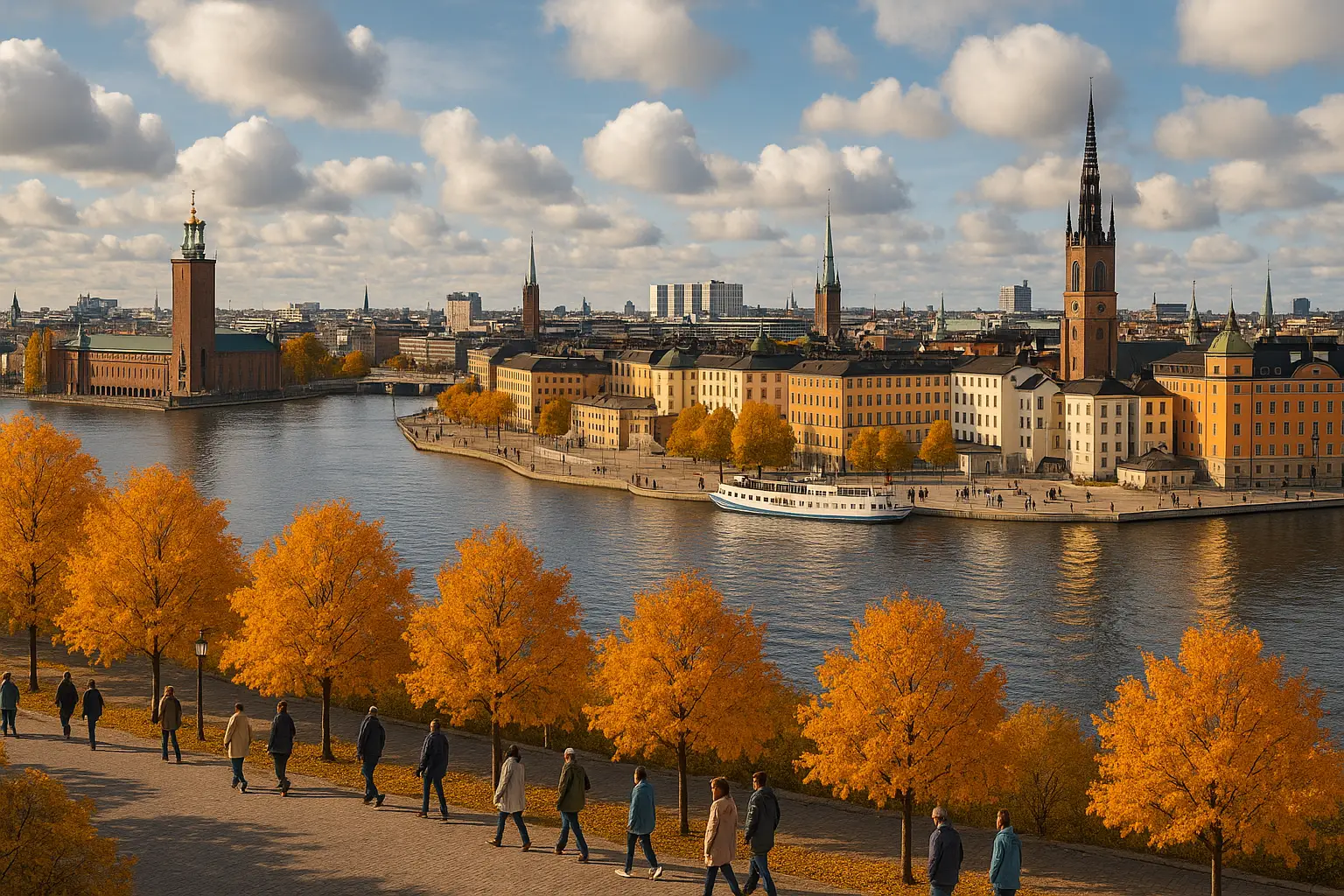
For those based in the capital, Stockholm offers several Valborg options:
While honoring traditions, Valborg continues to evolve with contemporary times.
In recent years, environmental awareness has influenced Valborg celebrations:
As noted by Ice and Snow, the tradition is adapting to climate concerns while maintaining its cultural significance.
Recent years have seen the emergence of digital elements in Valborg celebrations, allowing broader participation:
These adaptations, highlighted in recent coverage, show how traditional celebrations can embrace technology while preserving their essence.
If you’re planning to experience Valborg as a visitor to Sweden, here are some practical tips:
As Career Sweden mentions, while Valborg celebrations are open to everyone, understanding a few cultural norms will enhance your experience.
Valborg is celebrated on the evening of April 30th, with festivities often extending into May 1st (May Day). The main events, particularly bonfires and choral performances, take place on the evening of April 30th.
April 30th itself is not a public holiday, but May 1st (May Day) is. Many Swedes combine the two for an extended celebration, and students often take informal holidays during this period.
Yes, most Valborg celebrations are suitable for all ages. Public events in parks and town squares welcome families, though some student celebrations may be geared toward adults. The bonfires are supervised for safety.
Dress warmly and casually, with layers you can adjust as temperatures change throughout the evening. Comfortable shoes are essential if you plan to join parades or walk between events.
Absolutely! Most Valborg celebrations are open to everyone. While some university traditions might have special sections for students, the public gatherings, bonfires, and performances welcome visitors from all backgrounds.
While Valborg shares similarities with Finland’s Vappu and Norway’s Russefeiring, Sweden’s celebration places particular emphasis on choral traditions and bonfires. Each Nordic country has adapted spring festivals to reflect their unique cultural heritage.
Valborg (April 30th) flows into May Day (May 1st), which is International Workers’ Day in Sweden. While Valborg focuses on welcoming spring with cultural traditions, May Day often includes political demonstrations and workers’ rallies.
The traditional greeting is ”Glad Valborg!” (pronounced ”glad val-borj”).