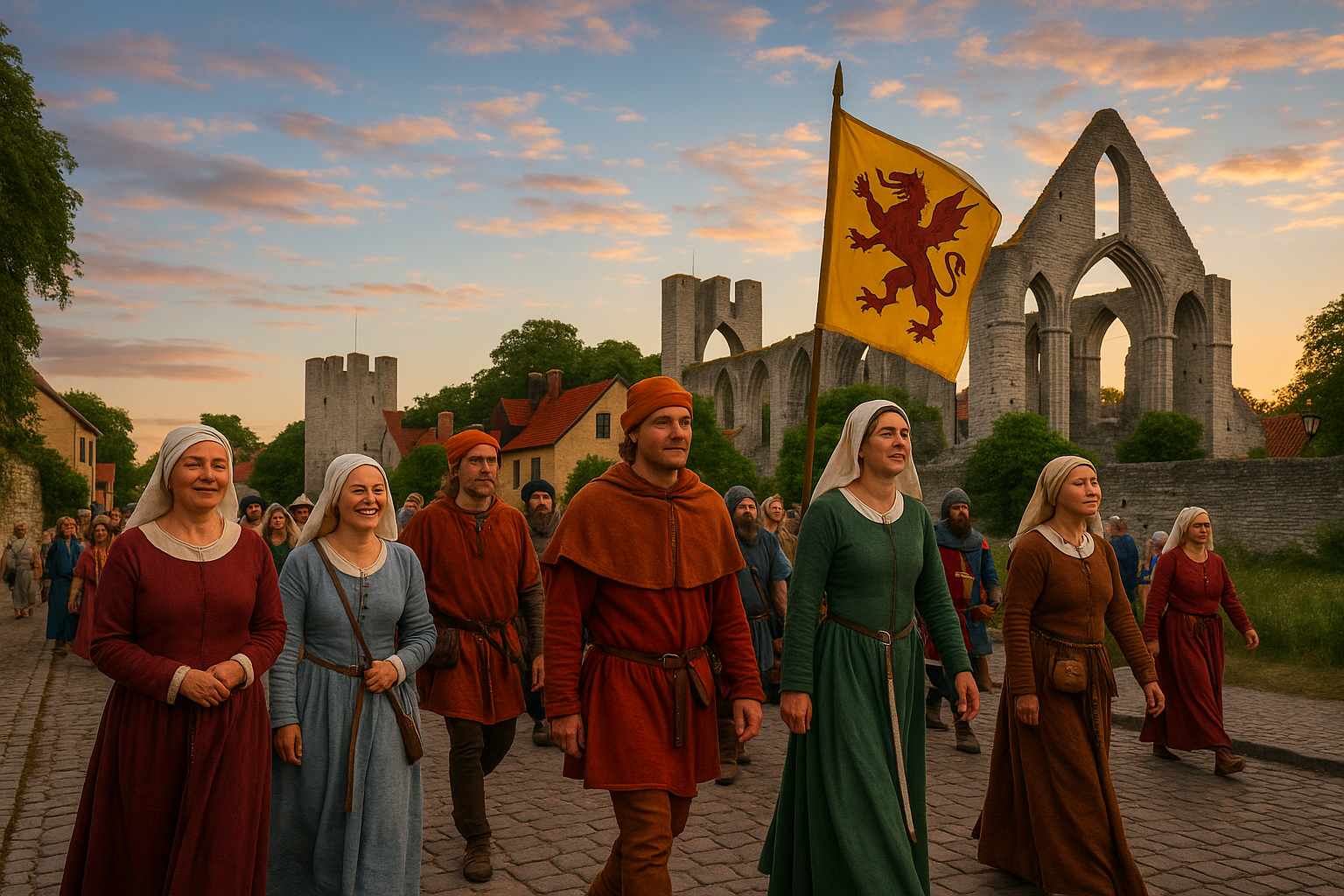
The Vikings of Sweden carved a unique path in history, distinct from their Norwegian and Danish counterparts. While most people picture Vikings as western raiders of Britain and France, Swedish Vikings primarily ventured eastward, establishing vital trade routes through Russia and reaching as far as Constantinople (modern Istanbul).
These eastern Vikings, often called Varangians, were shrewd traders, skilled warriors, and empire builders who fundamentally shaped Eastern European history by founding the state that would become Russia. Recent archaeological discoveries and genetic research have revealed fascinating new insights about these legendary seafarers.
From legendary warriors to nation-builders, these famous Swedish Vikings left an indelible mark on history. Recent archaeological findings and historical research have shed new light on their lives and achievements.
Perhaps the most famous Swedish Viking, Ragnar Lodbrok straddles the line between history and legend. While his historical existence remains debated, his legend has captured imaginations for centuries.
According to recent research, Ragnar likely represents a composite character inspired by several historical Viking leaders. His supposed sons, including Björn Ironside and Ivar the Boneless, appear in multiple historical records, suggesting some factual basis to the family legend.
Recent DNA studies have identified descendants of the Lodbrok lineage across Scandinavia and Britain, though direct connections remain controversial among historians.
Said to be Ragnar’s son, Björn Ironside led one of the most ambitious Viking expeditions ever recorded. His fleet sailed through the Strait of Gibraltar and raided along Mediterranean shores, a remarkable feat of navigation and daring.
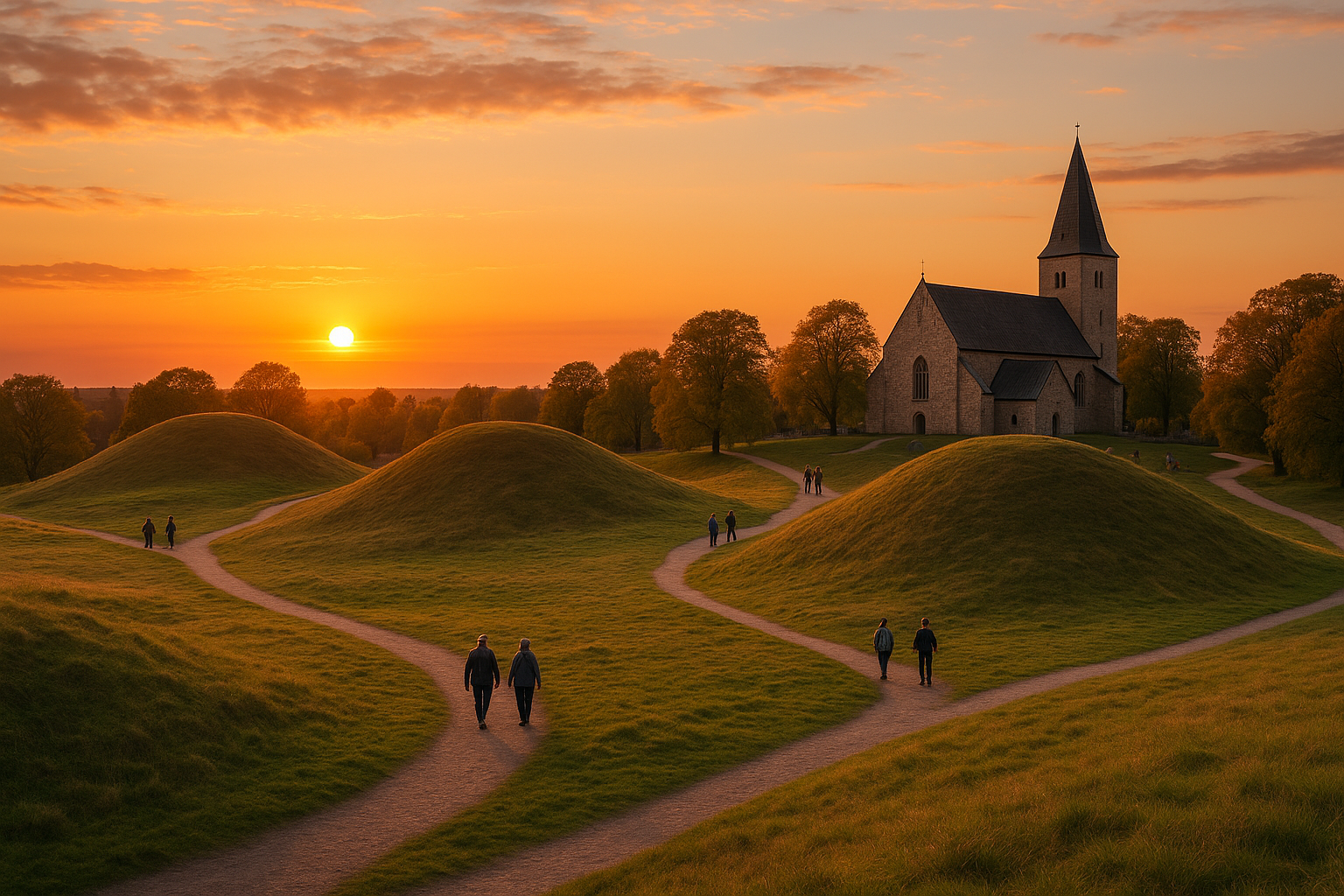
Archaeological evidence supports some aspects of his journey, and recent excavations near Lake Mälaren have investigated a burial mound traditionally associated with Björn, containing ship remains and weapons typical of high-status Vikings.
As Sweden’s first historically verified king, Erik Segersäll (the Victorious) unified various Swedish regions in the late 10th century. His victory at the Battle of Fyrisvellir against his nephew Styrbjörn cemented his power.
Erik initially resisted Christianity but according to Sweden’s official historical accounts, he was baptized in Denmark before returning to paganism. This religious flexibility was typical of the transitional period between old Norse beliefs and Christianity.
As Erik’s son, Olof became Sweden’s first Christian king around the year 1000. He was baptized at Husaby, marking a pivotal moment in Swedish religious history.
Olof minted Sweden’s first coins and fostered connections with other European Christian kingdoms. According to recent historical analysis, his conversion was likely motivated by political advantages as much as religious conviction.
The daughter of Olof Skötkonung, Ingegerd married Yaroslav the Wise of Kievan Rus’, becoming a crucial link between Scandinavian and Eastern European cultures. Recent historical research has highlighted her significant political influence.
Archaeological findings at sites associated with her in Russia reveal the blending of Scandinavian and Slavic styles, demonstrating how she helped transmit Swedish Viking culture eastward. As one of the most powerful women of her era, she represents the often-overlooked female influence in Viking society.
Nephew to Erik the Victorious, Styrbjörn’s failed attempt to claim the Swedish throne ended in his death at the Battle of Fyrisvellir. His story, documented in multiple sagas, embodies the intense power struggles of the era.
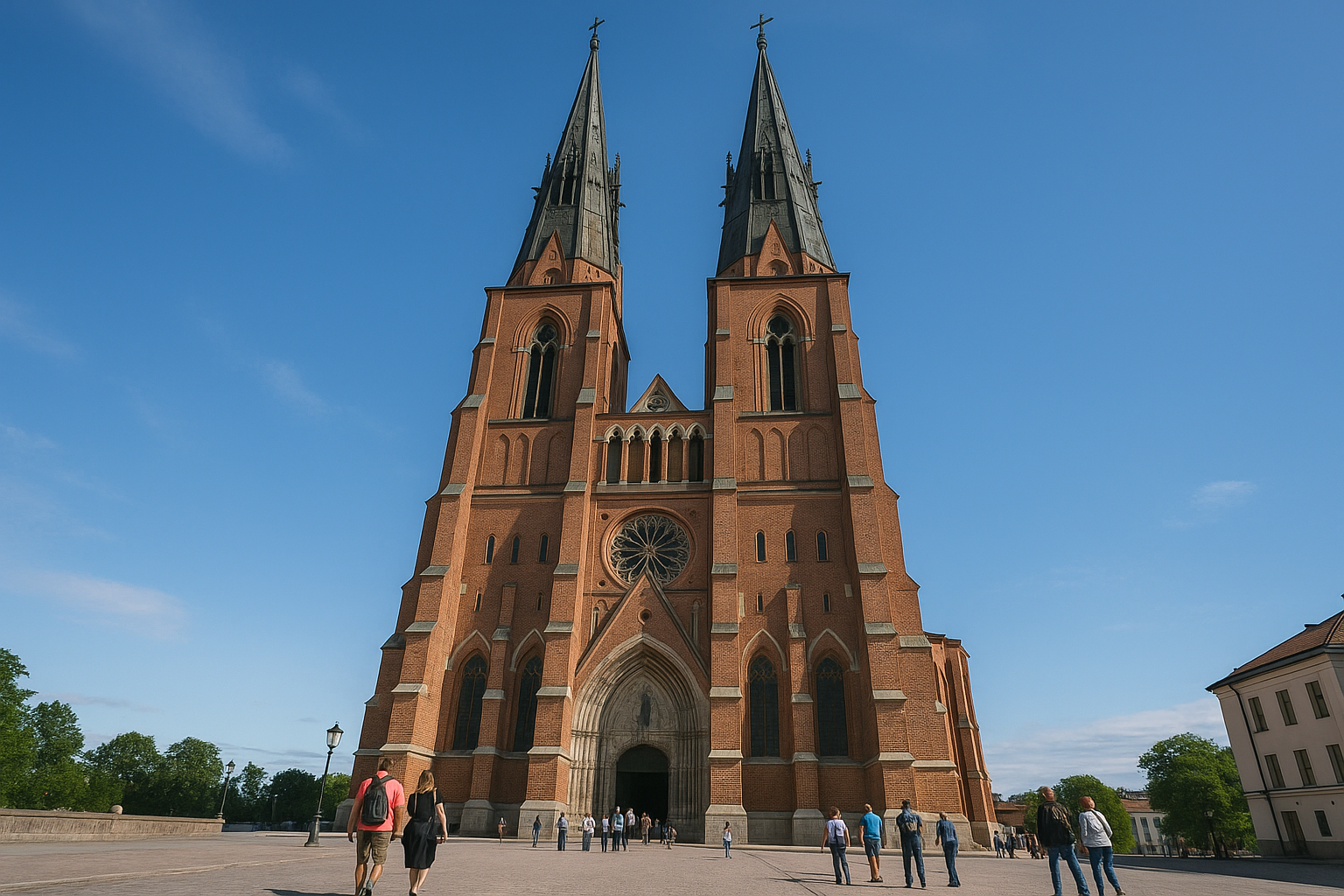
Recent archaeological excavations at Uppsala have uncovered evidence of this famous battle, with researchers identifying weapon fragments and defensive structures that align with saga accounts of this pivotal conflict.
Olof’s son Anund Jakob ruled Sweden during a relatively peaceful period, focusing on internal development and Christian conversion. Unlike many Viking leaders, he is remembered more for diplomacy than warfare.
Historical records show he formed an alliance with Norway against Denmark’s Cnut the Great, demonstrating the complex political maneuvering of the late Viking Age as nation-states began to form.
Archaeological discoveries have revealed Estrid as a powerful woman who commissioned several runestones, demonstrating her wealth and status. Her family connections linked various elite Viking lineages.
Runestones bearing her name provide rare direct evidence of female leadership during the Viking Age. Recent feminist historical reappraisals have highlighted her role in shaping local politics and preserving family legacies through monumental inscriptions.
According to Norse sagas, Ivar Vidfamne (”the Far-Reaching”) created one of the largest Viking kingdoms, stretching from England to Russia. While historical evidence for his exact conquests remains limited, archaeological findings support extensive Swedish Viking presence across these regions.
Recent genetic studies have tracked population movements that align with the timeline of his purported conquests, providing circumstantial support for some saga claims about his far-reaching influence.
Perhaps the most historically significant Swedish Viking, Rurik was invited to rule Novgorod around 862, establishing the dynasty that would eventually rule Russia until the 16th century.
Recent historical research has strengthened the evidence for Rurik’s Scandinavian origins, with archaeological findings showing distinctly Swedish Viking artifacts in early Rus’ settlements. His legacy represents the profound impact Swedish Vikings had on world history.
Recent archaeological discoveries and scientific advances have transformed our understanding of Swedish Vikings:
A groundbreaking 2023 study of Swedish Viking teeth revealed sophisticated dental procedures. Researchers discovered evidence of primitive fillings, tooth extractions, and even decorative tooth modifications, challenging the image of Vikings as medically primitive.
DNA analysis of Viking burial sites across Sweden has revealed surprising genetic diversity. According to research published in 2023, Swedish Vikings had significant genetic contributions from Eastern Europe and even Central Asia, contradicting notions of Vikings as a homogeneous group.
| Period | Key Events |
|---|---|
| 750-800 CE | Early Swedish Viking expeditions eastward begin |
| 862 CE | Rurik establishes rule in Novgorod |
| 970-995 CE | Erik the Victorious unifies Swedish regions |
| 1000-1022 CE | Olof Skötkonung introduces Christianity to Sweden |
| 1050-1100 CE | Viking Age gradually transitions to Medieval period |
Ragnar Lodbrok is typically considered the most famous Swedish Viking, though he may be semi-legendary. Among clearly historical figures, Rurik (founder of the Russian monarchy) and Erik the Victorious (Sweden’s first verified king) are the most historically significant Swedish Vikings.
Swedish Vikings primarily traveled eastward across the Baltic Sea and down Russian rivers to the Black Sea and Caspian Sea. They were more focused on trade than their Danish and Norwegian counterparts, who typically raided westward. Swedish Vikings were known as ”Rus” and contributed to founding the state that would become Russia.
Ingegerd Olofsdotter and Estrid Sigfastsdotter are among the most well-documented female Swedish Vikings. Recent archaeological evidence suggests women held more power and agency in Viking society than previously thought, with some leading households, managing trade operations, and commissioning runestones.
Yes, Swedish Vikings not only reached Constantinople (modern Istanbul) but established a significant presence there. Many served as elite mercenaries in the Byzantine Emperor’s Varangian Guard. Archaeological evidence, including runic inscriptions and Byzantine coins found in Sweden, confirms these connections.
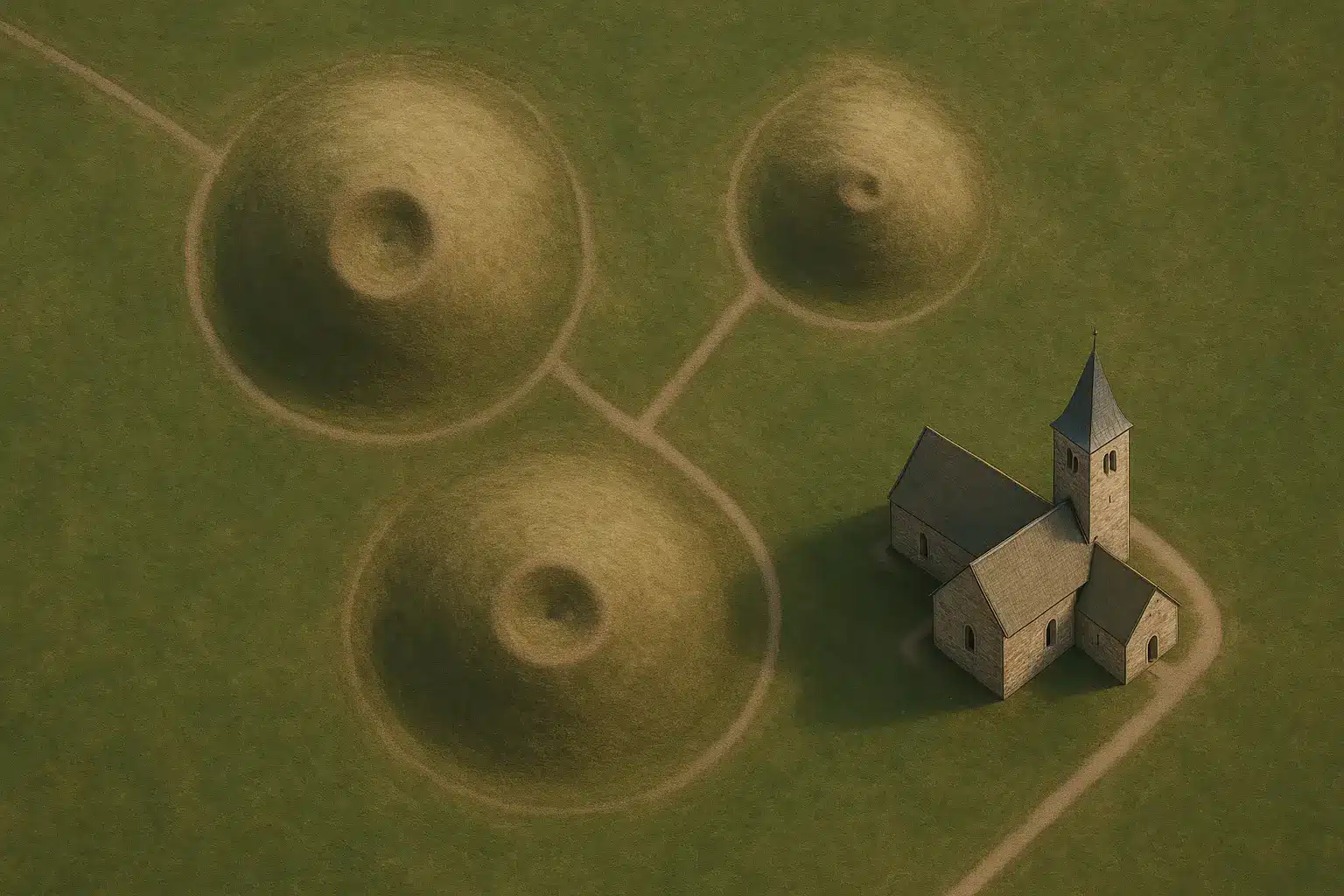
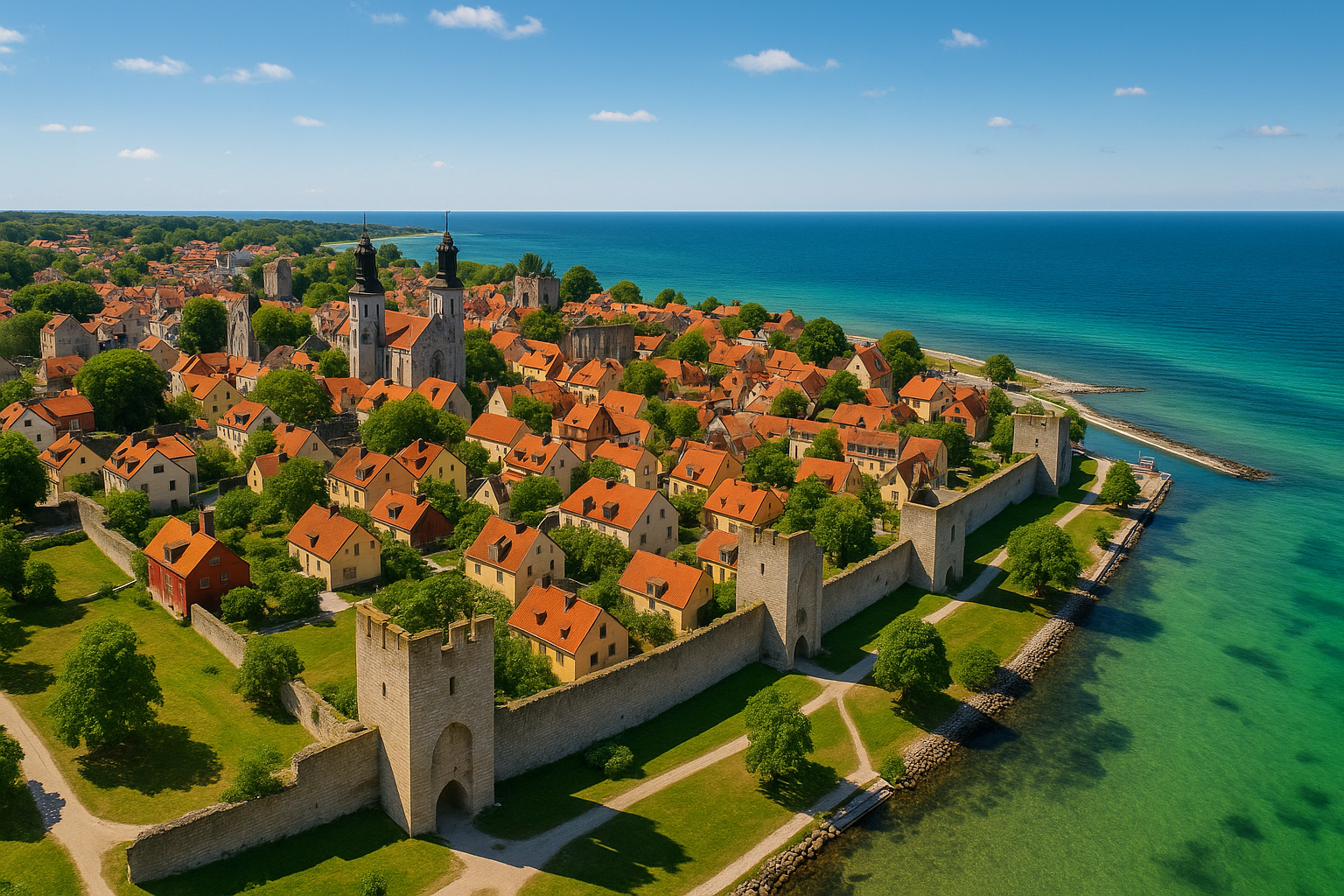
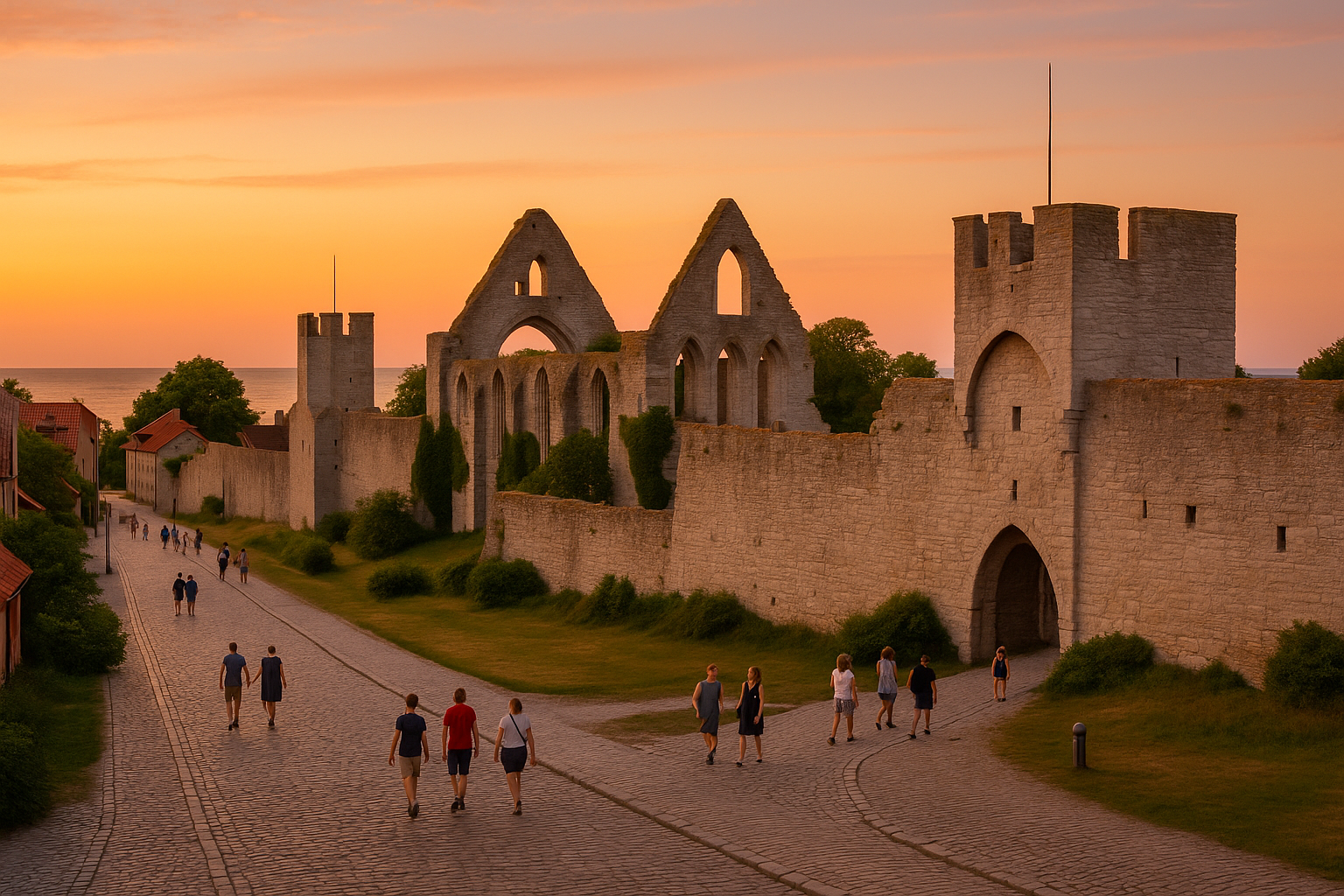
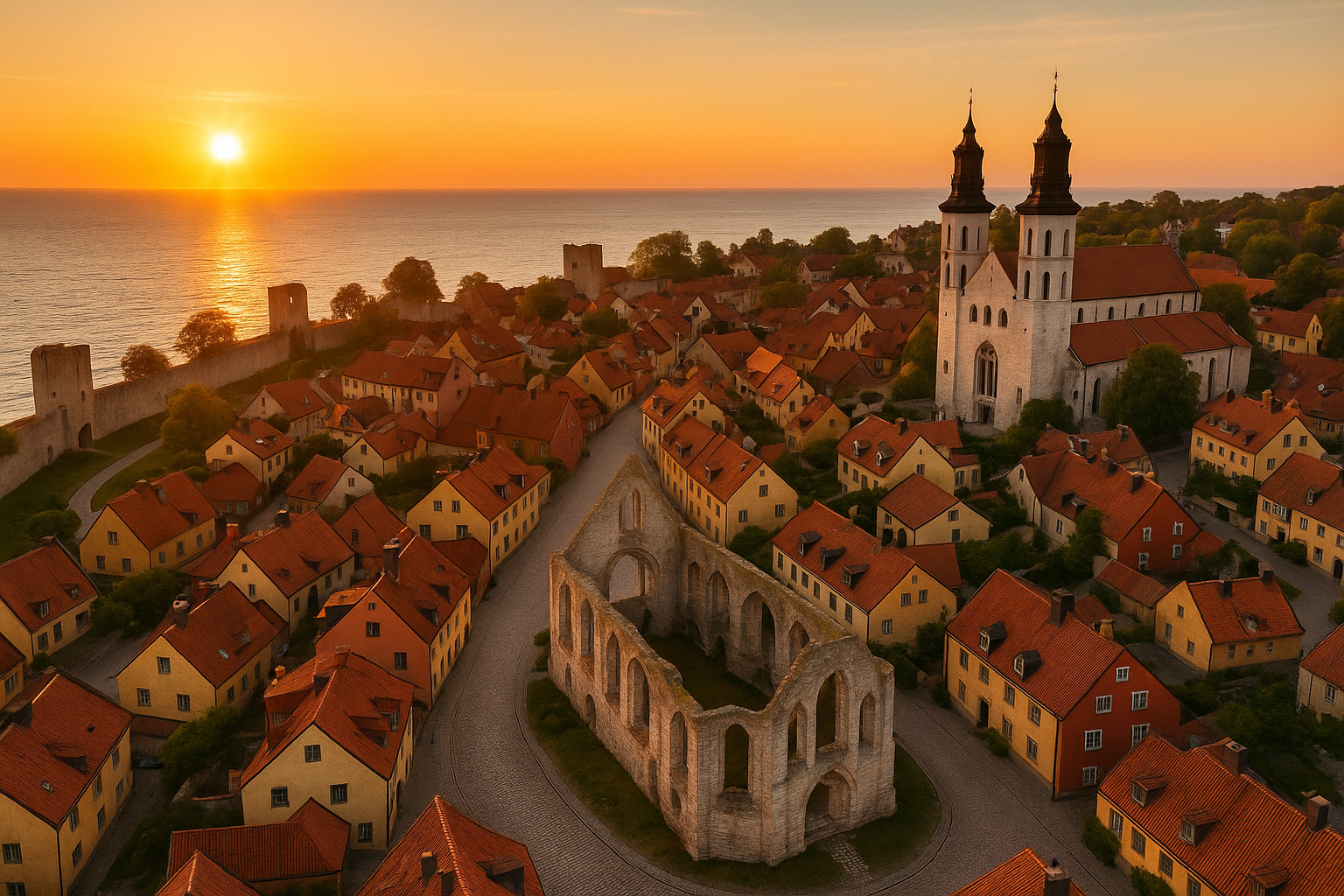
Top Viking sites in Sweden include the Viking museum in Stockholm, the ancient royal mounds at Gamla Uppsala, the UNESCO World Heritage Site at Birka, the island trading center Gotland, and Foteviken Viking Reserve. These locations offer authentic insights into Swedish Viking history with archaeological remains and reconstructions.