Gamla Uppsala: Journey Through Viking History
Gamla Uppsala stands as one of Sweden’s most significant archaeological sites, with a history stretching back to the 5th century. Located just north of modern Uppsala, this ancient settlement features approximately 300 burial mounds dating from CE, making it a treasure trove for those interested in Viking history and Nordic mythology.
Once the political and religious center of the Svear people, Gamla Uppsala was home to royal dynasties and served as a crucial pagan worship site before Christianity took hold in Sweden. Today, visitors can explore these well-preserved remnants of Sweden’s rich cultural heritage while experiencing modern interpretations of its storied past.
Historical Significance and Viking Connections
Gamla Uppsala’s importance peaked during the Viking Age (approximately CE). Archaeological evidence indicates the area was already significant centuries earlier, but it was during the Viking period that it became the ceremonial heart of what would later form Sweden.
According to , Gamla Uppsala housed a magnificent pagan temple adorned with gold where sacrifices were performed to honor the Norse gods Thor, Odin, and Freyr. Though the temple’s exact appearance remains debated among historians, its cultural importance is undisputed.
Key Historical Timeline
- 500-550 CE: Construction of the royal burial mounds
- 6th-11th centuries: Period as religious and political center
- 1070s: Description of the temple by Adam of Bremen
- 1164: Establishment as Sweden’s first archbishop’s seat
- 1273: Cathedral functions moved to present-day Uppsala
- 2019: Discovery of boat graves during archaeological excavations
The Royal Mounds and Archaeological Discoveries
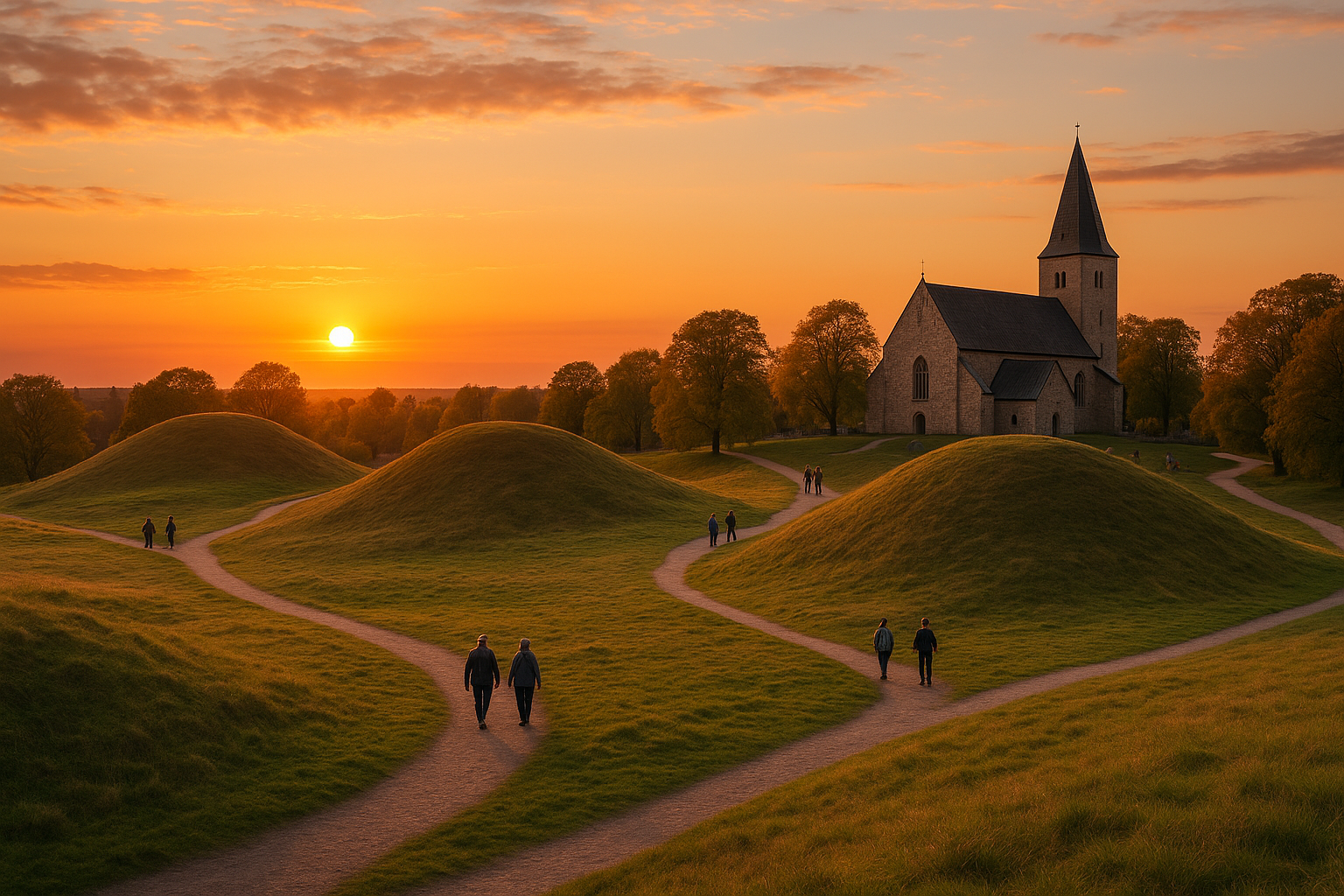
The three large burial mounds (known as ”Kungshögarna” or Royal Mounds) dominate the landscape and are traditionally associated with gods from Norse mythology: Thor, Odin, and Freyr. Archaeological evidence, however, suggests they were likely the graves of powerful 6th-century rulers.
Recent excavations have continuously expanded our understanding of Gamla Uppsala. In 2019, archaeologists dating from the Viking Age, containing human remains along with weapons and other artifacts typical of Viking burial practices.
Major Attractions in Gamla Uppsala
Visitors to Gamla Uppsala can explore several key attractions that bring its fascinating history to life:
The Royal Burial Mounds
The three prominent royal mounds, rising approximately 30-40 feet high and measuring around 200-225 feet in diameter, form the site’s most recognizable feature. Surrounded by nearly 300 smaller mounds, they create an impressive archaeological landscape that hints at the area’s former importance.
Gamla Uppsala Museum
The museum offers insights into the area’s rich history through artifacts, interactive displays, and . A highlight is the cutting-edge VR experience that transports visitors back to the 6th century, allowing them to visualize Gamla Uppsala during its heyday as a religious center.
Gamla Uppsala Church
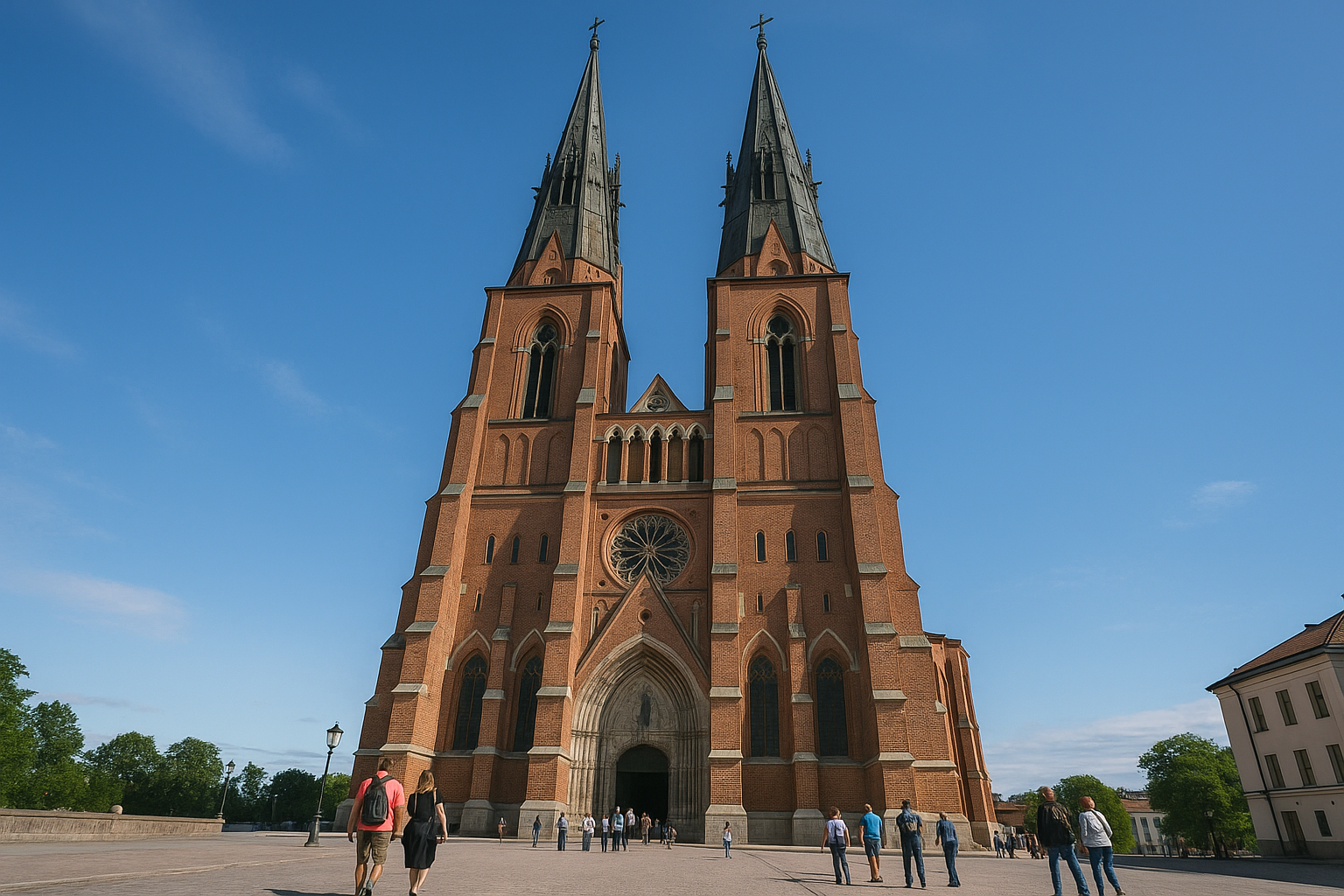
Built in the 12th century (around 1100), this stone church stands on what is believed to be the site of the former pagan temple. In 1164, it became Sweden’s first archbishop’s seat, marking the transition from paganism to Christianity. The church contains several ancient runestones and architectural elements from various periods.
| Attraction | Opening Hours | Admission | Notes |
|---|---|---|---|
| Gamla Uppsala Museum | Tue-Sun: 11am-4pm (Jun-Aug: 10am-5pm) | Adults: 100 SEK Students/Seniors: 80 SEK Under 18: Free |
Closed Mondays except during summer |
| Burial Mounds Area | Open 24/7 year-round | Free | Best visited during daylight hours |
| Gamla Uppsala Church | May-Sep: Daily 10am-4pm Oct-Apr: Sat-Sun 12pm-3pm |
Free (donations welcome) | Closed during religious services |
Events and Activities in Gamla Uppsala
Throughout the year, Gamla Uppsala hosts various events that celebrate both its historical significance and Swedish cultural traditions:
Walpurgis Night (April 30th)
The ”Majbrasa” (May bonfire) celebration held annually on April 30th is one of Gamla Uppsala’s most popular events. Thousands gather around a massive bonfire near the burial mounds to welcome spring with traditional songs, speeches, and festivities. This event offers visitors a genuine experience of Swedish cultural traditions.
Christmas Market
The December Christmas market (”Julmarknad”) at Gamla Uppsala Museum features local craftspeople selling traditional handicrafts, seasonal foods, and Viking-inspired gifts. The historical setting creates a uniquely atmospheric holiday experience unlike typical urban markets.
Midsummer Celebrations
Mid-June Midsummer celebrations include traditional maypole dancing, flower wreath making, and folk music performances. While smaller than some other regional festivities, Gamla Uppsala’s midsummer events take place in a setting deeply connected to ancient Nordic solstice celebrations.
Archaeological Activities
During summer months, visitors can occasionally observe ongoing archaeological work and sometimes participate in public archaeology days when small-scale excavations or demonstrations are conducted. The museum announces these special events on their website.
Practical Information for Visitors
Planning your visit to Gamla Uppsala requires some practical considerations:
Getting There
Gamla Uppsala is located approximately 4 km (2.5 miles) north of central Uppsala. Transportation options include:
- By Bus: Bus #2 from Uppsala Central Station (journey time approximately 15 minutes)
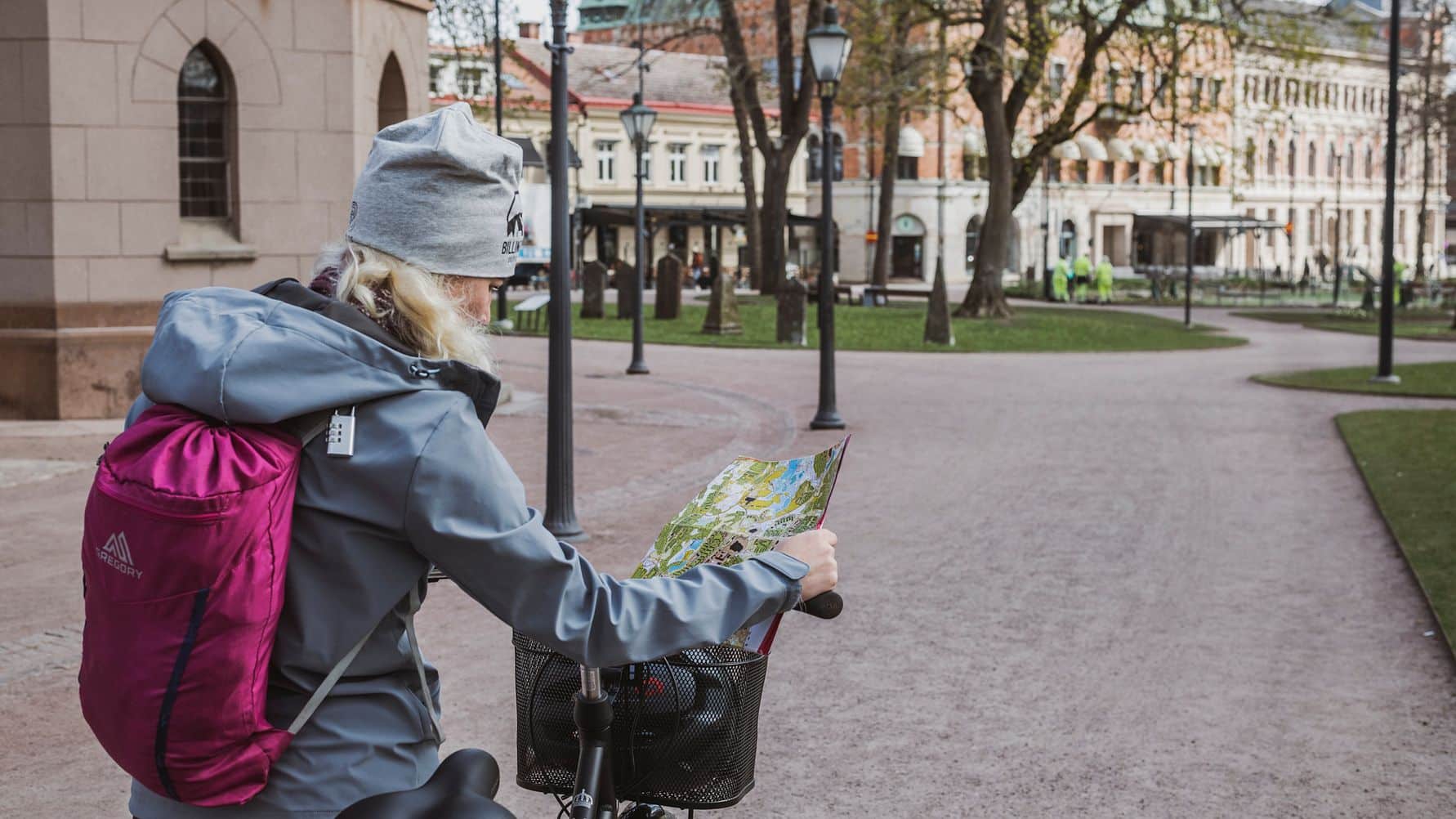
- By Bicycle: Well-maintained bike paths connect central Uppsala to Gamla Uppsala (approximately 20 minutes)
- By Car: Limited parking available near the museum and church
- Walking: A pleasant 45-60 minute walk from central Uppsala along the Fyris River
Accommodation and Dining
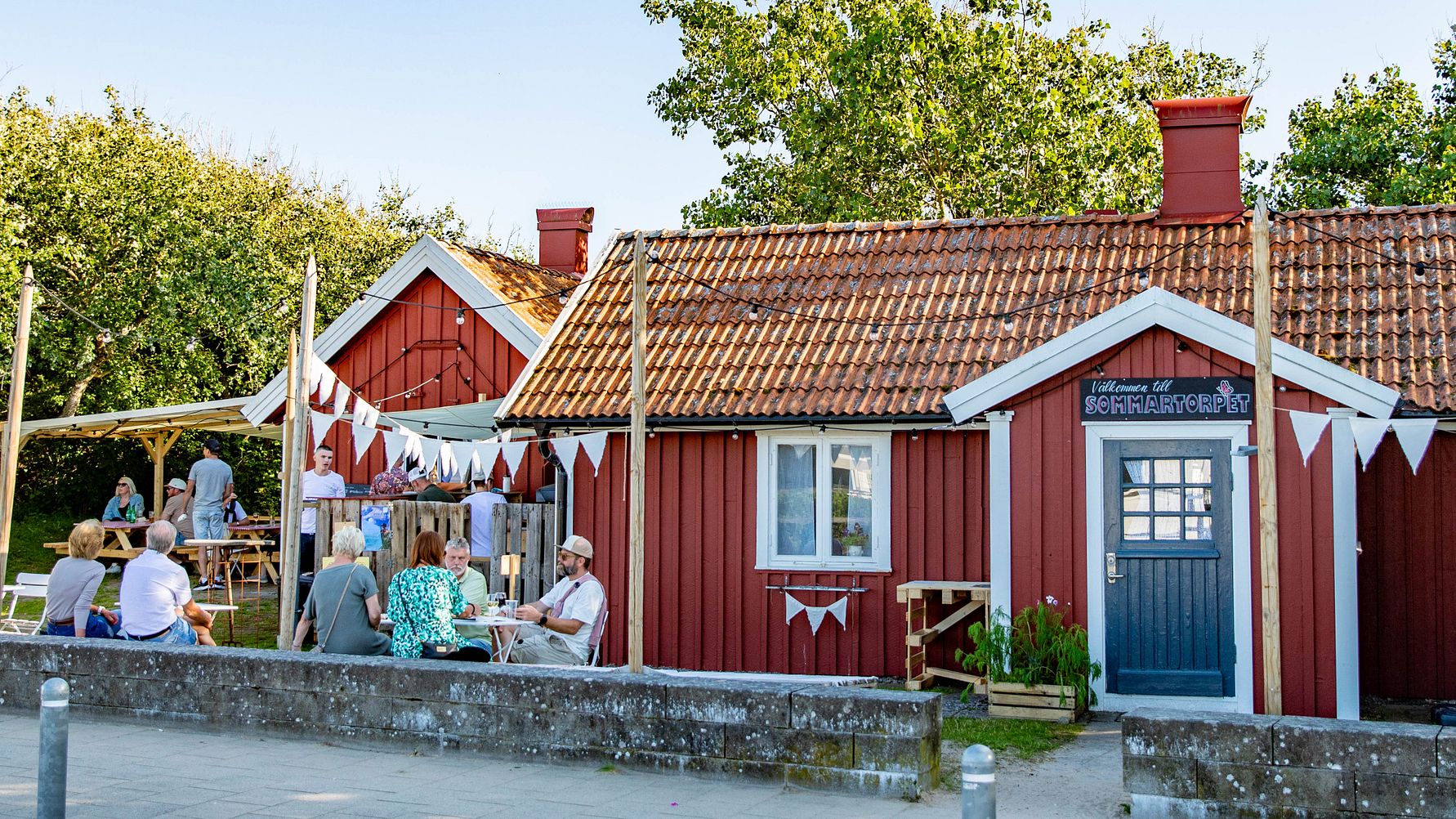
Gamla Uppsala itself has limited accommodation options. Most visitors stay in central Uppsala, where numerous hotels and restaurants can be found. Near the Gamla Uppsala site:
- Odinsborg Café – Located near the mounds, offering traditional Swedish fika, light lunches, and outdoor seating with views of the historical area
- Museum Café – Serving coffee, pastries, and simple meals during museum opening hours
Best Time to Visit
While accessible year-round, Gamla Uppsala offers different experiences with the seasons:
- Summer (June-August): Peak season with longest opening hours, best weather for exploring outdoor areas
- Spring (April-May): Less crowded with blooming wildflowers around the mounds
- Fall (September-October): Beautiful autumn colors with moderate visitor numbers
- Winter (November-March): Limited opening hours but atmospheric snow-covered landscapes
Frequently Asked Questions
What is Gamla Uppsala famous for?
Gamla Uppsala is renowned for its Viking Age heritage, particularly its complex of burial mounds dating from CE. It served as a pre-Christian religious center with a famous pagan temple and later became Sweden’s first archbishop’s seat in 1164. Today, it’s recognized as one of Sweden’s most important archaeological sites and a center for understanding early Swedish history.
How old is Gamla Uppsala?
The settlement at Gamla Uppsala dates back to at least the 5th century CE, with archaeological evidence of human activity in the area stretching back to the Bronze Age (around BCE). The prominent royal burial mounds were constructed in the 5th-6th centuries CE, and the site reached its peak of religious and political importance during the Viking Age ( CE).
What can you do in Gamla Uppsala?
Visitors to Gamla Uppsala can explore the ancient burial mounds, visit the museum with its artifacts and VR experiences, tour the 12th-century church, participate in seasonal events like the Walpurgis Night bonfire or Christmas market, follow historical walking trails, and enjoy Swedish fika at the Odinsborg café. The site combines outdoor exploration with museum learning, making it suitable for history enthusiasts, families, and casual visitors.
Is Gamla Uppsala really a Viking site?
Yes, Gamla Uppsala was indeed an important Viking Age site, though its historical significance both predates and continues beyond the Viking period ( CE). Archaeological evidence confirms its role as a religious and political center during Viking times, with discoveries including boat graves with typical Viking burial practices. However, the most prominent royal burial mounds actually date to the 6th century, slightly before the traditional Viking Age began.
Where is Gamla Uppsala located?
Gamla Uppsala is located approximately 4 kilometers (2.5 miles) north of central Uppsala in east-central Sweden, about 70 kilometers (43 miles) north of Stockholm. It sits in the historical province of Uppland, which gave its name to the city of Uppsala. The site is easily accessible by bus, bicycle, or car from central Uppsala, which itself is well-connected to Stockholm by frequent train service.