Located just 71 kilometers north of Stockholm, Uppsala is a captivating blend of ancient heritage and youthful energy. As Sweden’s fourth-largest city and home to Scandinavia’s oldest university, Uppsala offers visitors a unique experience that combines Viking history, medieval architecture, and a vibrant student atmosphere. But is Uppsala worth visiting? Absolutely! This comprehensive 2025 guide will show you why this historic gem deserves a spot on your Sweden itinerary.
Uppsala’s story spans over 1,500 years, making it one of Sweden’s most historically significant cities. Originally a pagan religious center, Uppsala was a crucial Viking settlement during the 6th-7th centuries. The city transformed into Sweden’s religious capital in the 13th century with the construction of its magnificent cathedral.
The founding of Uppsala University in 1477 established the city as an intellectual powerhouse, a reputation it maintains to this day with over 45,000 students bringing energy to its historic streets. Recent archaeological discoveries at Valsgärde burial grounds have further illuminated Uppsala’s Viking past, attracting history enthusiasts from around the world.
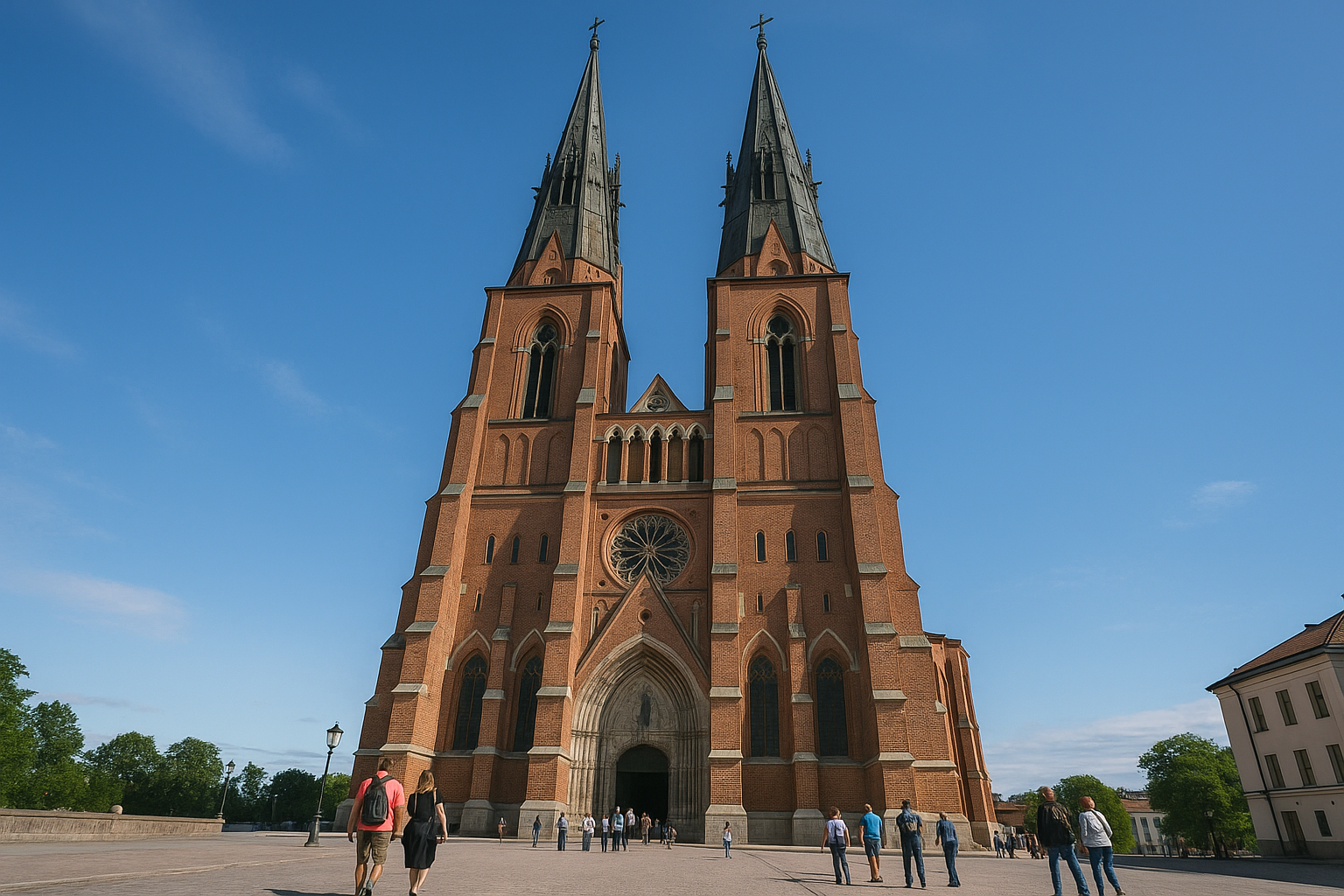
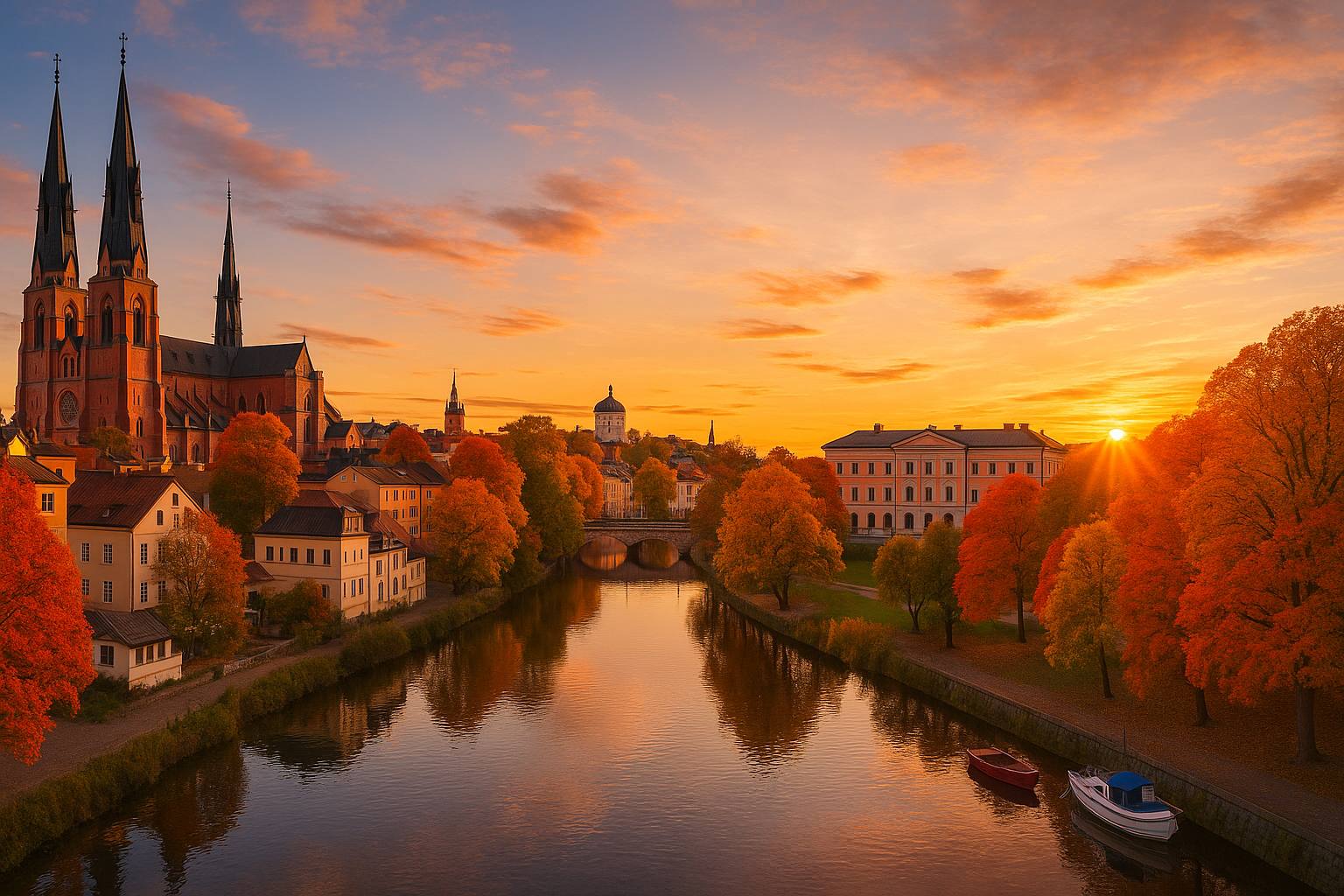
Standing majestically at 118.7 meters, Uppsala Cathedral is Scandinavia’s tallest church and an architectural masterpiece. Built in the 13th century, this Gothic wonder houses the tombs of Swedish royalty, including King Gustav Vasa and scientist Carl Linnaeus. The cathedral’s magnificent interior features stunning stained glass and medieval frescoes that tell stories of Sweden’s past.
Tip: Check the cathedral’s official website for concert schedules—the acoustics are phenomenal for organ performances.
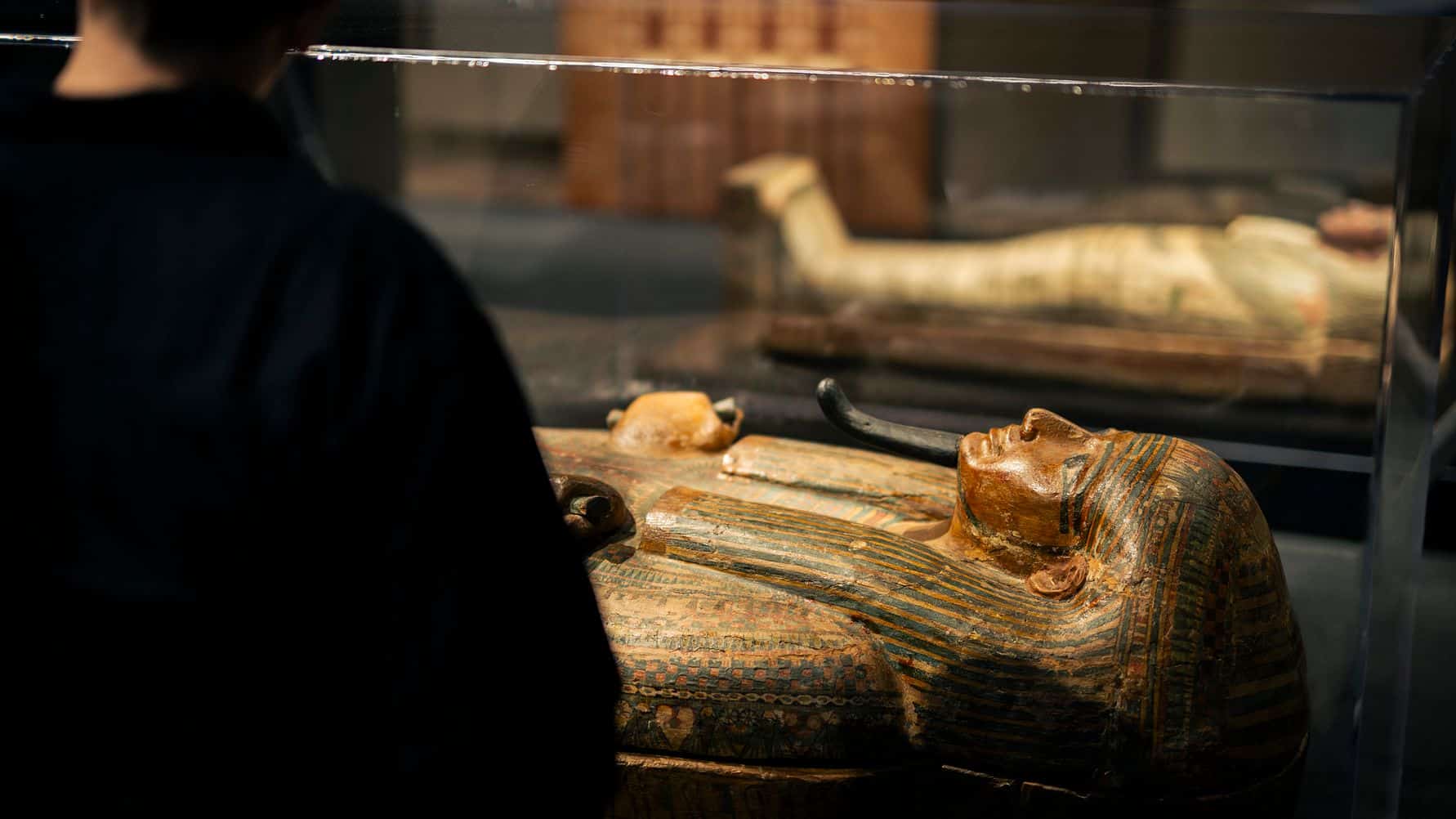
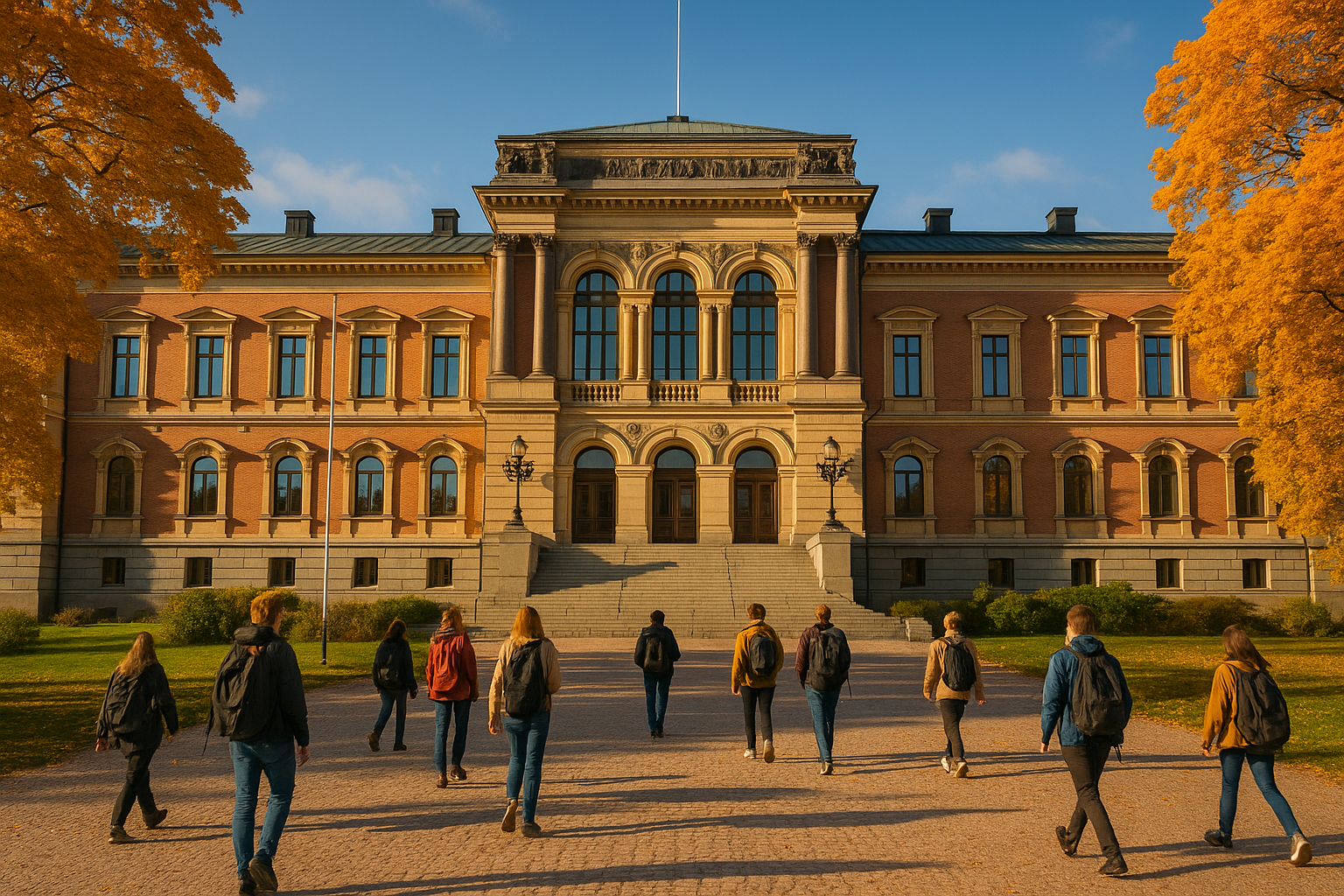
As Sweden’s oldest university, Uppsala University (founded 1477) creates a unique academic atmosphere throughout the city. Don’t miss the Gustavianum, the university’s oldest preserved building, now housing a fascinating museum. Its highlight is the perfectly preserved 17th-century Anatomical Theatre, where public dissections once took place. The museum also showcases Egyptian artifacts, Viking relics, and scientific instruments that trace the university’s contributions to global knowledge.
In 2025, the university is launching new interactive exhibits focusing on sustainable science and innovation, reflecting Sweden’s commitment to environmental leadership.
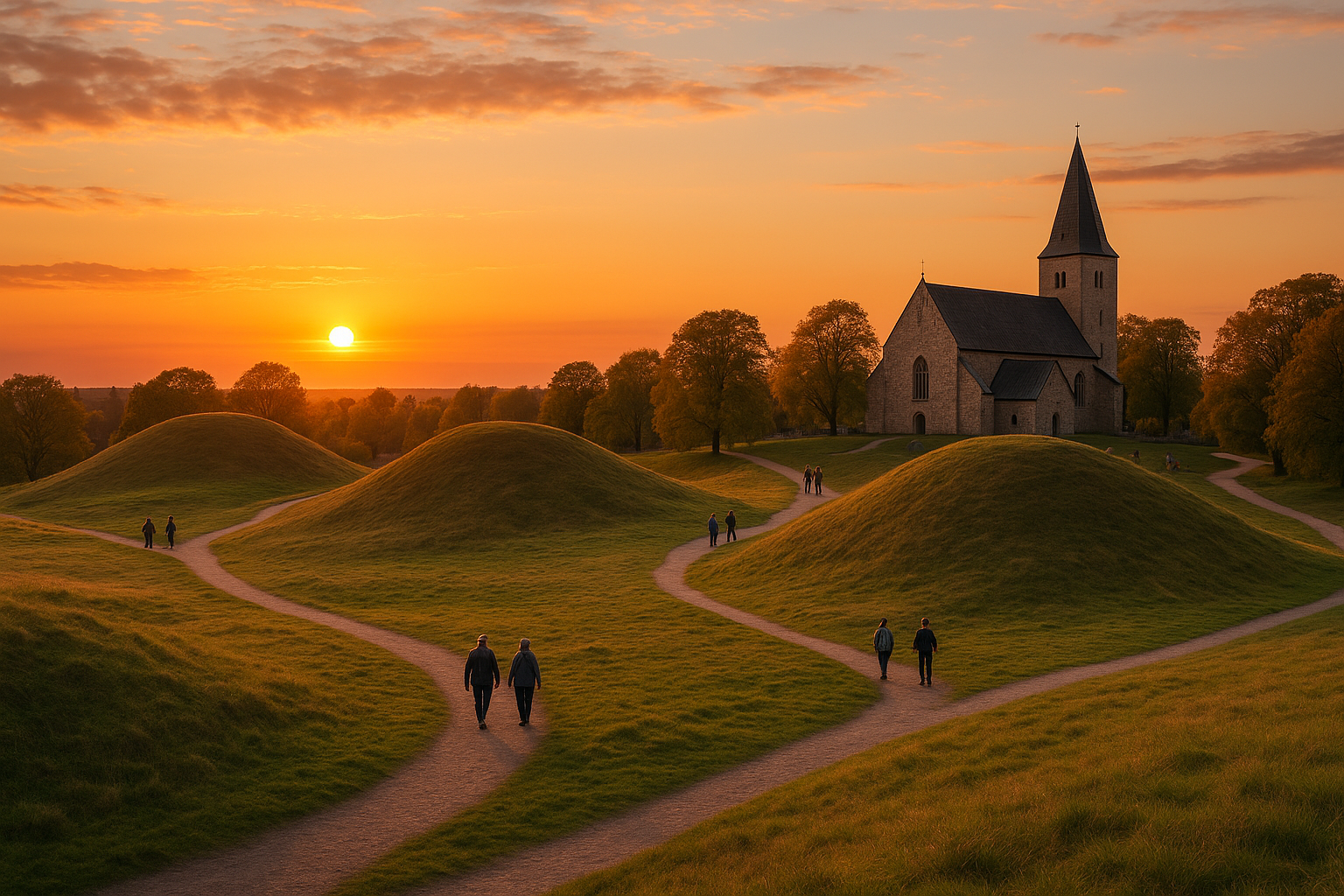
Just outside the modern city center lies Gamla Uppsala, an archaeological site of immense historical importance. Here you’ll find massive burial mounds dating back to the 6th century, believed to be the resting places of ancient Swedish kings. The accompanying museum brings the Viking Age to life through artifacts and engaging exhibits.
For 2025, reports that new augmented reality tours are available via smartphone apps, allowing visitors to visualize how this significant site appeared during the Viking era.
Perched on a hill overlooking the city, the striking pink Uppsala Castle dates back to the 16th century. Once a royal residence, it now houses two museums: the Uppsala Art Museum and Vasaborgen (the Vasa Castle Museum). The panoramic views from the castle grounds offer perfect photo opportunities of the city and cathedral.
Plant enthusiasts and history buffs shouldn’t miss the Linnaeus Garden, Sweden’s oldest botanical garden. Created by Carl Linnaeus, the father of modern taxonomy, this meticulously restored 18th-century garden showcases over 1,300 plant species arranged according to his revolutionary classification system. The adjacent museum provides insights into Linnaeus’s life and scientific contributions.
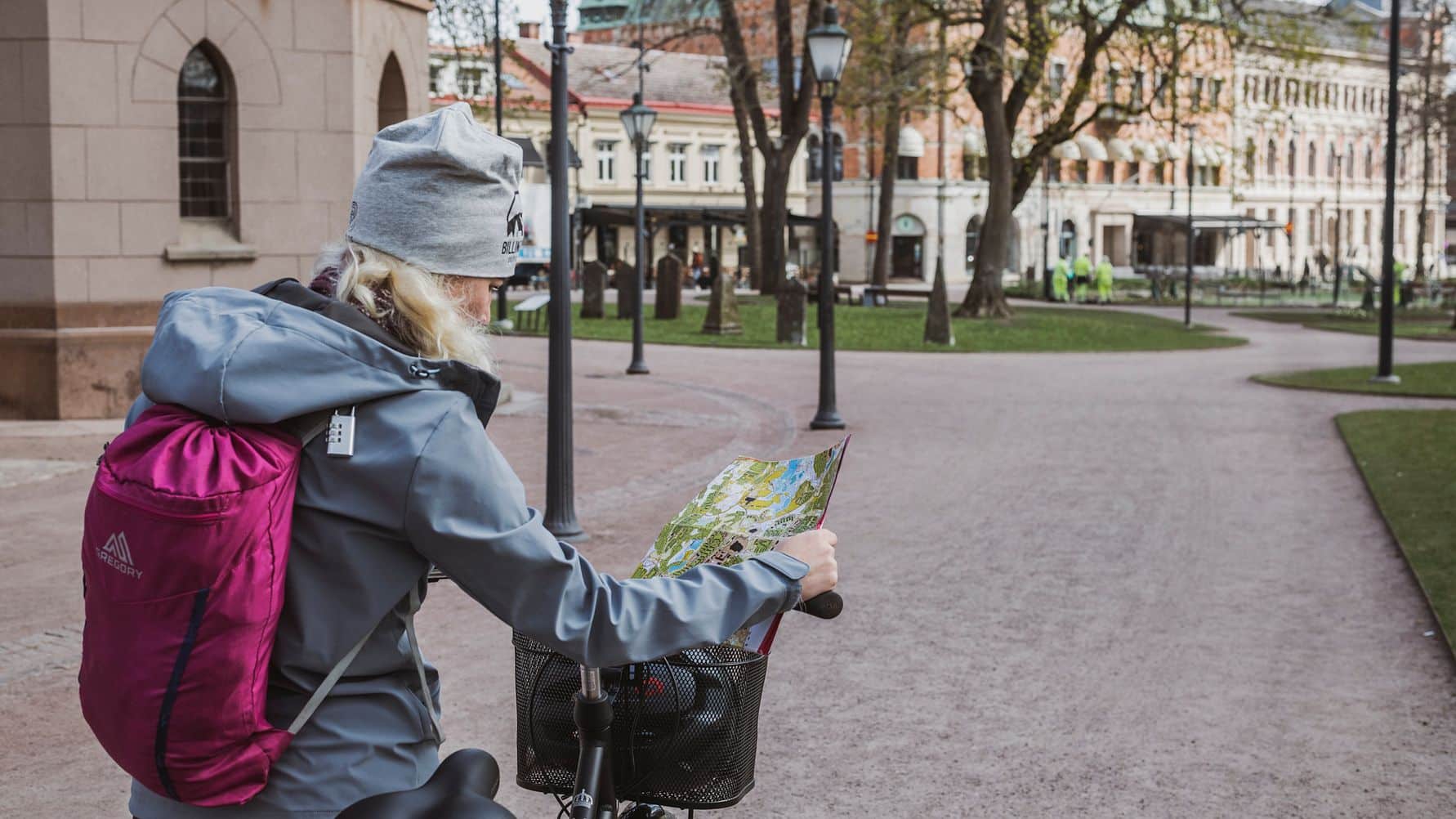
The River Fyris flows through Uppsala’s heart, creating scenic walking paths and recreational opportunities. In 2025, eco-tourism is trending in Uppsala, with sustainable kayak and paddleboard rentals available along the riverbanks. The riverside paths are perfect for exploring the city on foot or by bicycle.
Eco-friendly tip: Rent a bicycle from one of Uppsala’s many bike-sharing stations to explore the extensive network of cycling paths (over 100 km throughout the city).
Perfect for families, Biotopia is an interactive natural history museum that brings Uppsala County’s ecosystems to life. Hands-on exhibits let visitors explore local wildlife, forests, and lakes. The museum emphasizes conservation and sustainability, aligning with Sweden’s environmental leadership.
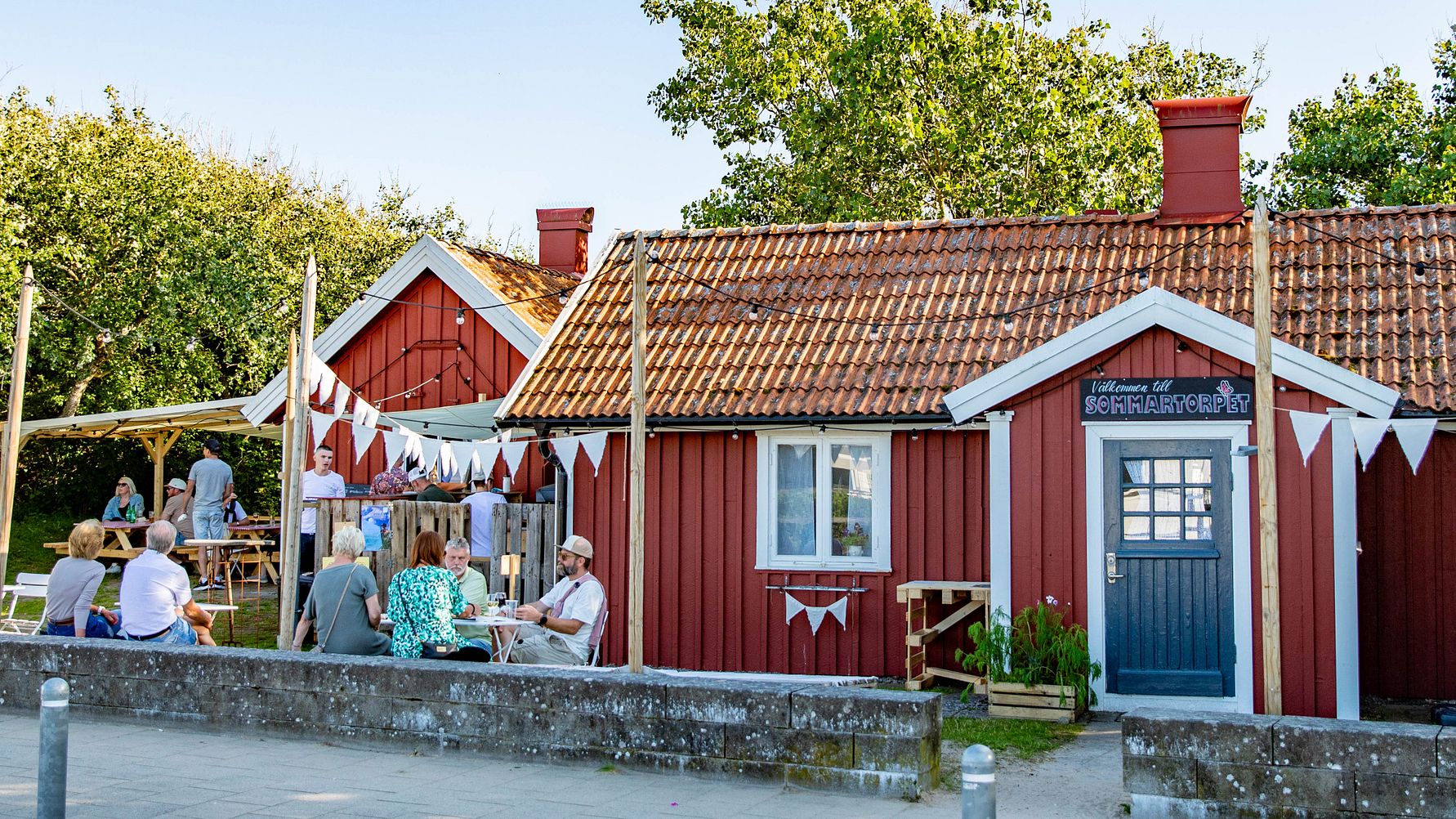
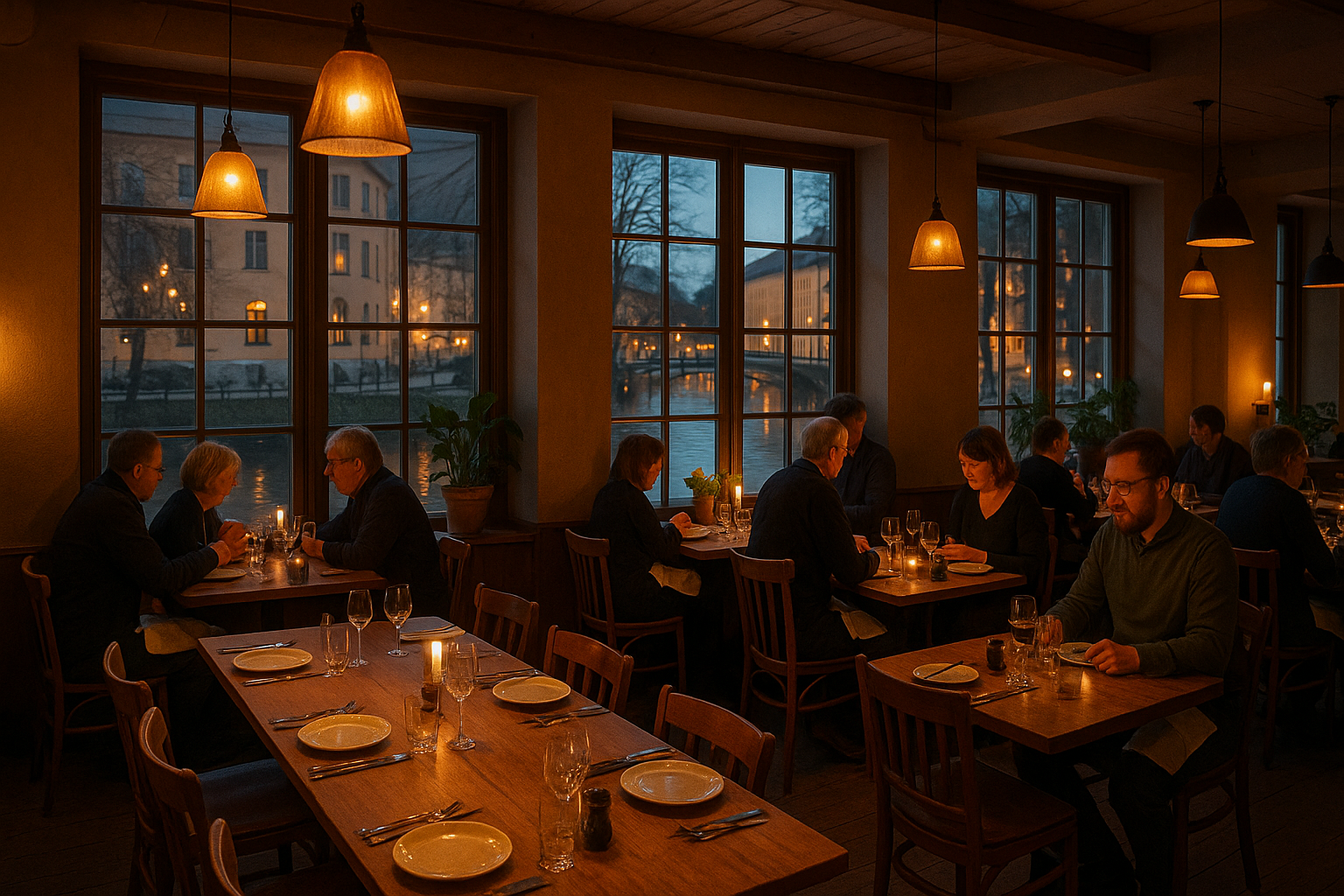
Uppsala’s culinary landscape reflects both traditional Swedish fare and international influences. Don’t miss experiencing ”fika,” the Swedish coffee break tradition, at one of the city’s many charming cafés. According to , the 2025 International Food Festival will feature culinary delights from over 25 nations, highlighting the city’s diverse food culture.
| Expense Category | Budget Option (SEK) | Mid-Range (SEK) | Luxury (SEK) |
|---|---|---|---|
| Accommodation (per night) | 400-600 (hostel) | (hotel) | 1500+ (boutique hotel) |
| Meals (per day) | 200-300 | 400-600 | 800+ |
| Transportation | 100 (bus/bike) | 200 (train/taxi) | 500+ (car rental) |
| Attractions | 100-200 | 300-500 | 600+ (guided tours) |
Prices in Swedish Krona (SEK). 10 SEK ≈ 1 USD as of 2025
Uppsala is easily accessible from Stockholm:
Check for transportation packages and guided tours that include pickup options.
Uppsala is a year-round destination, but each season offers different experiences:
According to , August 2025 will feature outdoor cinema events and the International Food Festival, making it an especially vibrant time to visit.
Yes, Uppsala is extremely safe for visitors. gives Uppsala a safety rating of 80/100 for 2025, reflecting its low crime rates and excellent public safety. Solo travelers, including women, can feel comfortable exploring the city, even at night.
Standard precautions apply: be aware of your surroundings in crowded areas and keep valuables secure. Uppsala’s streets are well-lit, and locals are generally helpful to tourists.
Yes, Uppsala is very much real. It’s Sweden’s fourth-largest city, located 71 kilometers north of Stockholm. With over 240,000 residents, it’s a significant urban center with a rich history dating back to Viking times.
Absolutely! Uppsala offers a perfect blend of historic sites, academic atmosphere, and natural beauty. It’s less crowded than Stockholm but packed with authentic Swedish experiences. The city is ideal for history enthusiasts, culture lovers, and those seeking a glimpse of Swedish life beyond the capital.
Uppsala is renowned for its 13th-century cathedral (Scandinavia’s tallest), Sweden’s oldest university (founded 1477), Viking burial mounds at Gamla Uppsala, and as the workplace of Carl Linnaeus, the father of modern taxonomy. It’s also known for its vibrant student culture and historic significance in Swedish history.
Yes, Uppsala makes an excellent day trip from Stockholm. The 38-minute train journey allows for a full day of exploration. Focus on the cathedral, university area, and castle if you’re limited on time. However, staying overnight lets you experience Uppsala’s charm without rushing.
According to , 2025 highlights include the International Food Festival (August), Uppsala Short Film Festival (October), and the Uppsala International Guitar Festival (June). The city also hosts seasonal markets and university-related events throughout the year.
Uppsala’s blend of historic significance and contemporary energy makes it a must-visit Swedish destination in 2025. Whether you’re drawn to Viking history, academic heritage, or simply seeking an authentic Swedish experience, Uppsala delivers an unforgettable journey through Sweden’s past and present.