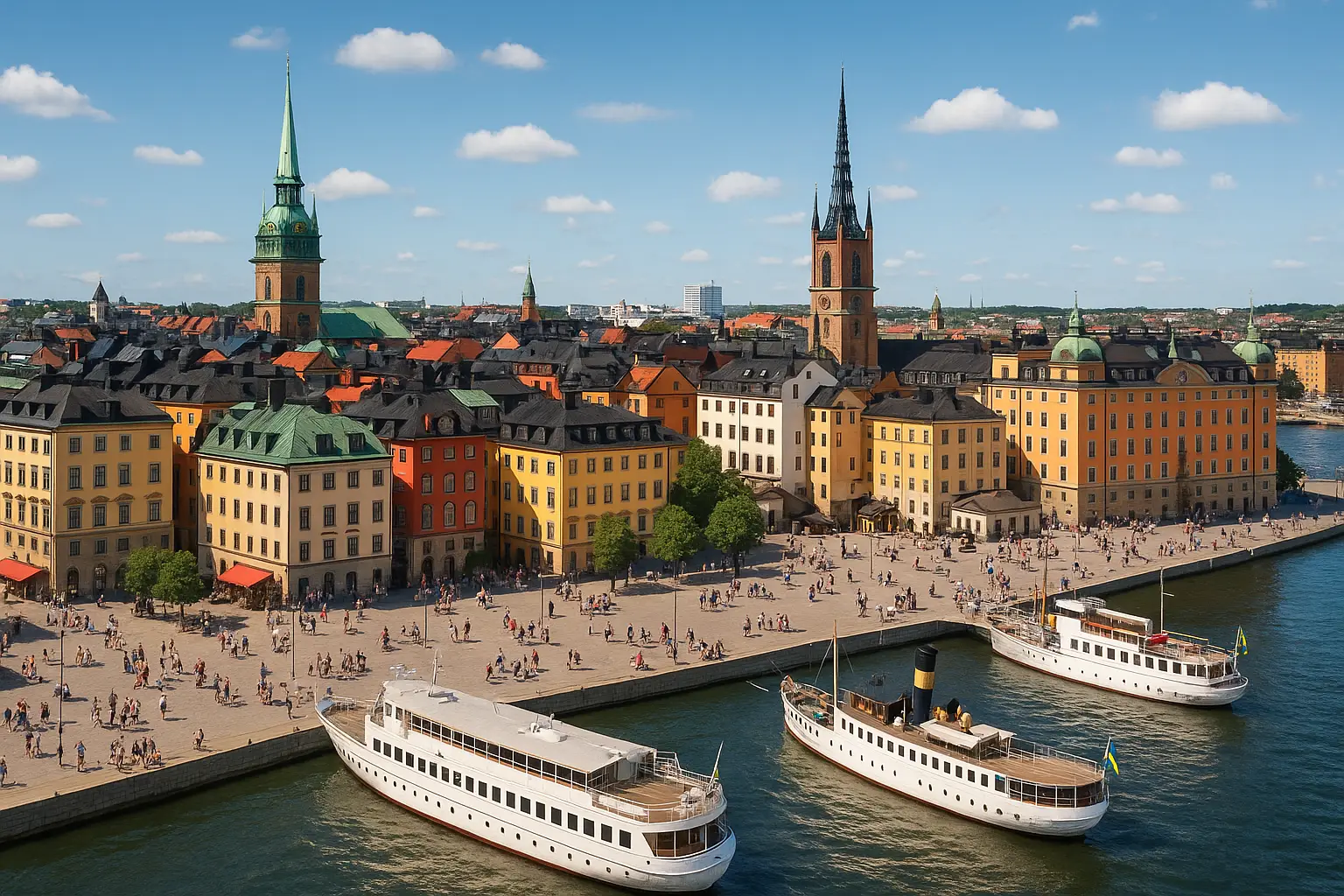
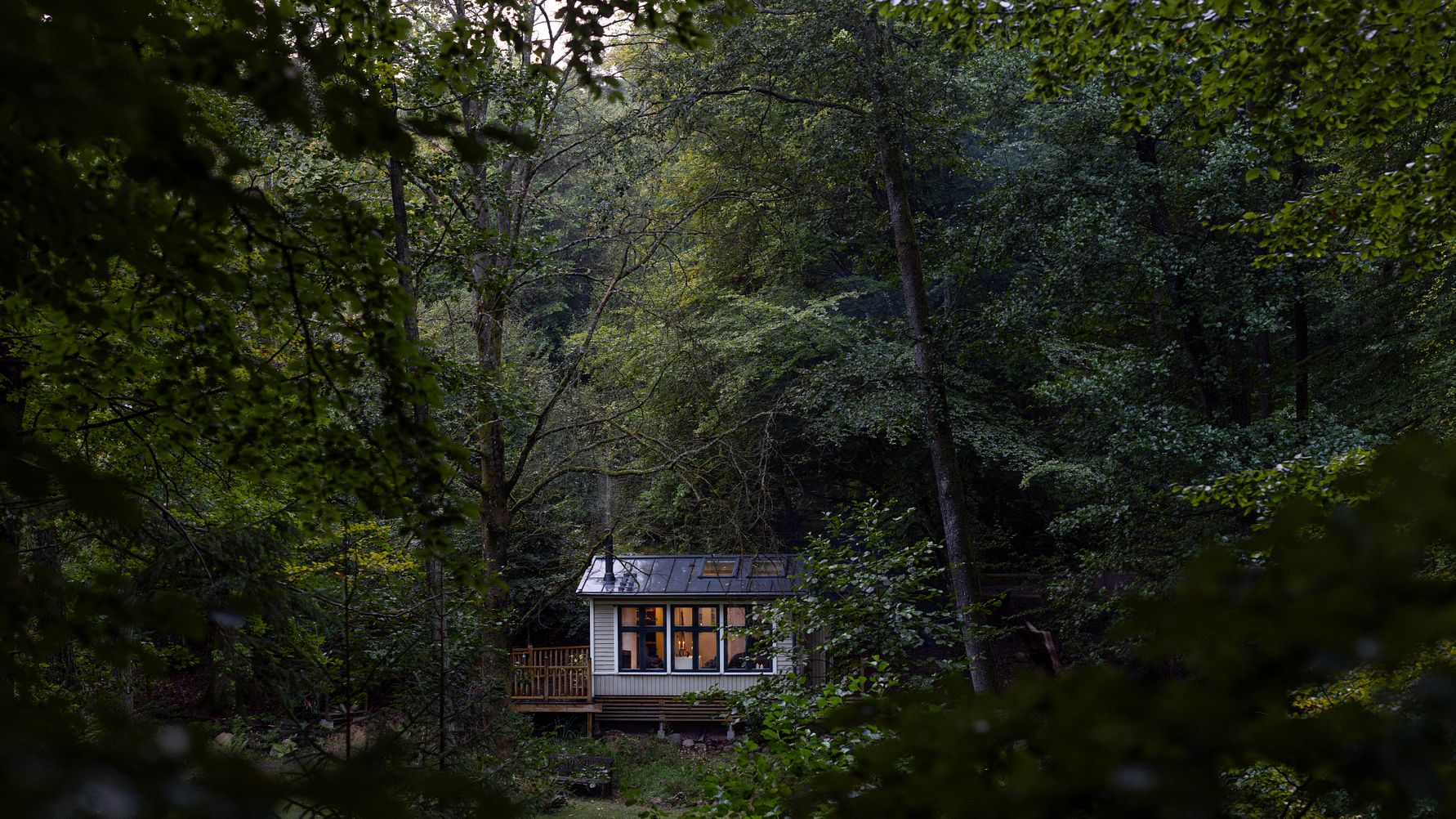
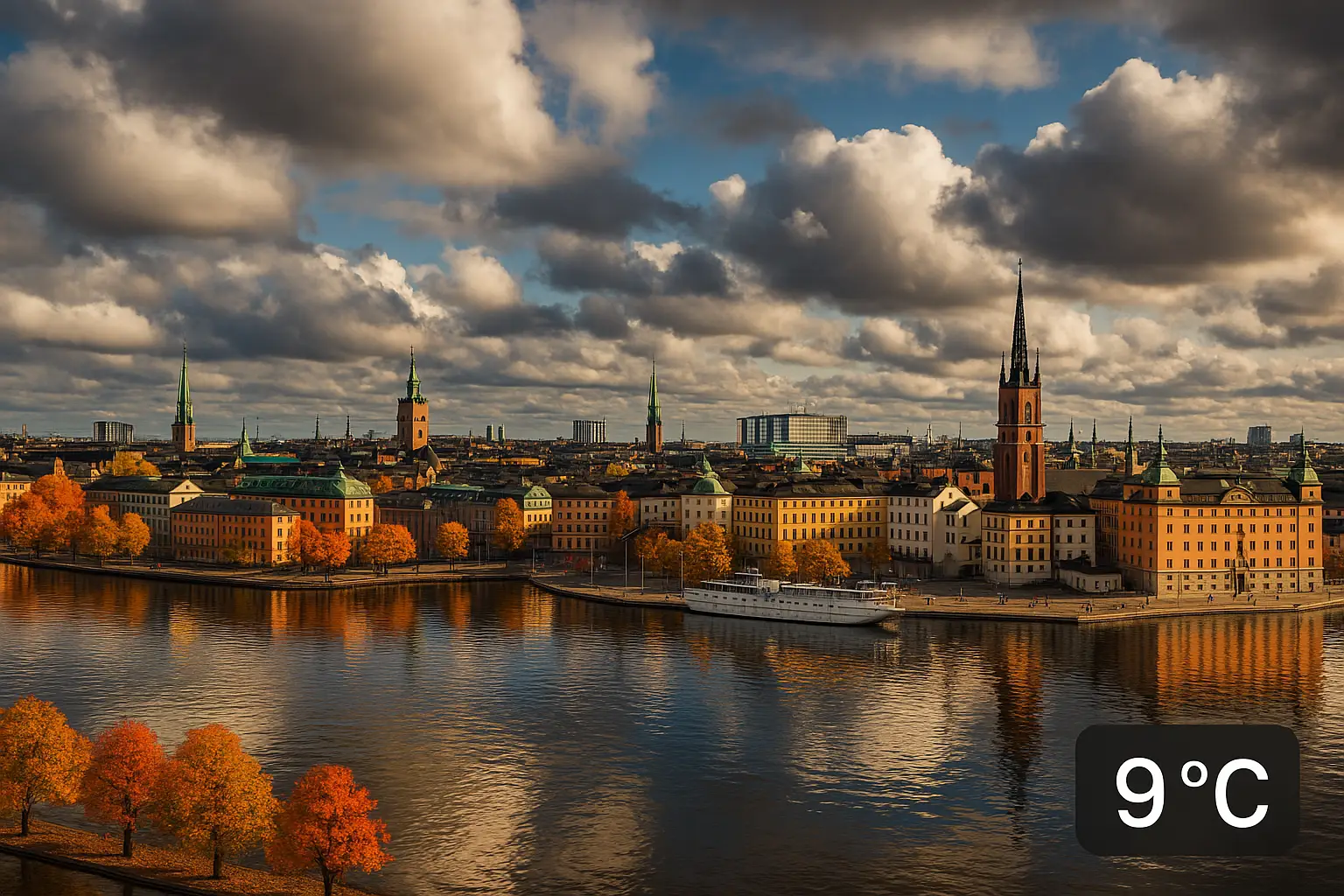
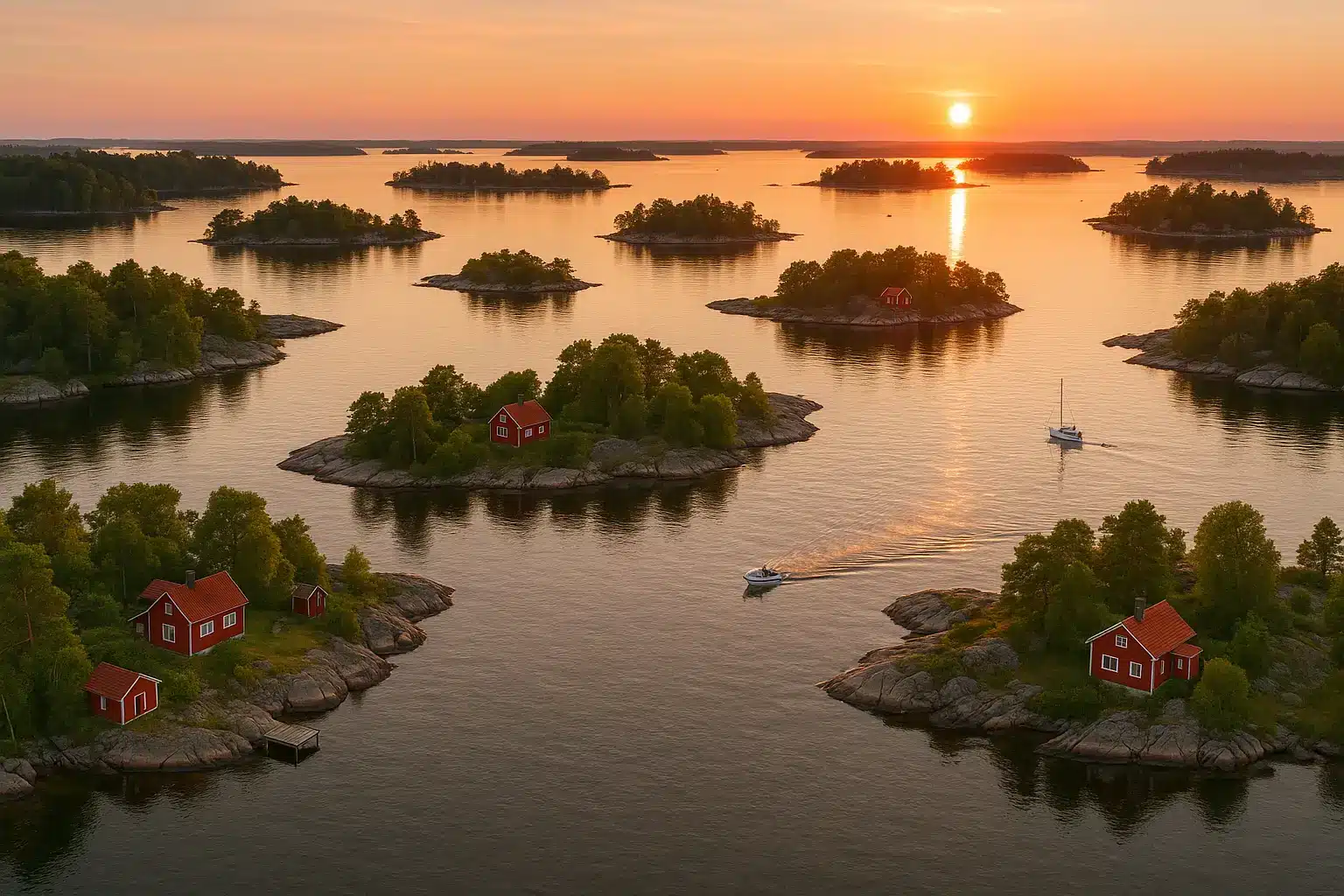
Sweden’s pristine landscapes offer a symphony of natural beauty, from dense forests covering 68.7% of the land to crystal-clear lakes and dramatic coastlines. In 2025, Swedish nature remains an unparalleled destination for travelers seeking authentic outdoor experiences. With 30 national parks and over 4,000 nature reserves spanning more than 10% of the country, Sweden’s commitment to conservation creates perfect conditions for exploring unspoiled wilderness.
Recent climate trends have shifted tourism patterns, with summer heatwaves driving more visitors to Sweden’s cooler northern regions. Meanwhile, sustainable tourism initiatives have expanded by 15% since 2024, making this the ideal time to discover Sweden’s most beautiful natural places responsibly.
From Arctic wonders to coastal gems, these spectacular locations showcase Sweden’s diverse natural heritage. Each offers unique experiences throughout the year.
Sweden’s Arctic region provides one of Europe’s best settings for witnessing the dancing lights phenomenon. Abisko National Park offers exceptional viewing opportunities thanks to its clear skies and minimal light pollution.
This remarkable coastline features some of the world’s fastest land uplift (8mm annually) due to post-glacial rebound. Dramatic cliffs, distinctive islands, and unique geological formations create stunning hiking opportunities.
Home to over 1,000 lakes, Dalsland offers Sweden’s premier paddling experiences. Mirror-like waters reflect surrounding pine forests, creating picture-perfect scenes for canoeing enthusiasts.
Off Sweden’s largest Baltic island stand impressive limestone formations sculpted by waves over millennia. The most famous, Hoburgsgubben, resembles a human face and features in local folklore.
For serious wilderness seekers, Sarek delivers Sweden’s most challenging terrain. With six peaks above 2,000 meters, expansive glaciers, and deep valleys, this remote park offers true adventure.
Between Sweden’s two largest lakes lies a fairytale-like forest filled with moss-covered boulders, ancient trees, and hidden tarns. Local legends claim trolls and forest spirits still inhabit these magical woods.
Jutting into the Kattegat Sea, Kullaberg’s cliffs and caves create a dramatic coastal landscape. The area offers exceptional biodiversity both above and below the water.
This limestone plain on Öland island hosts an extraordinary ecosystem with rare orchids and butterflies found nowhere else. UNESCO recognized this cultural landscape for its unique biological and historical significance.
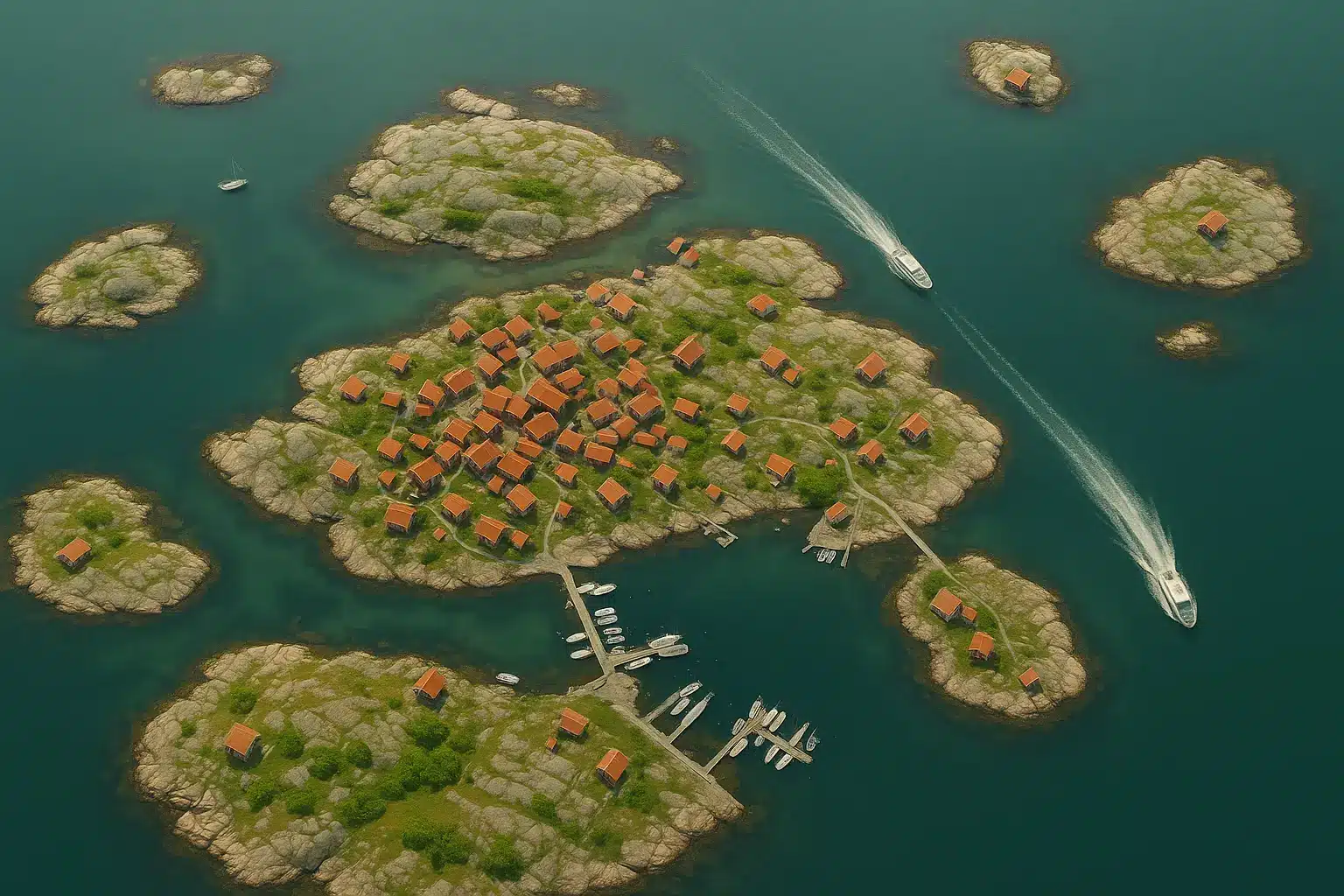
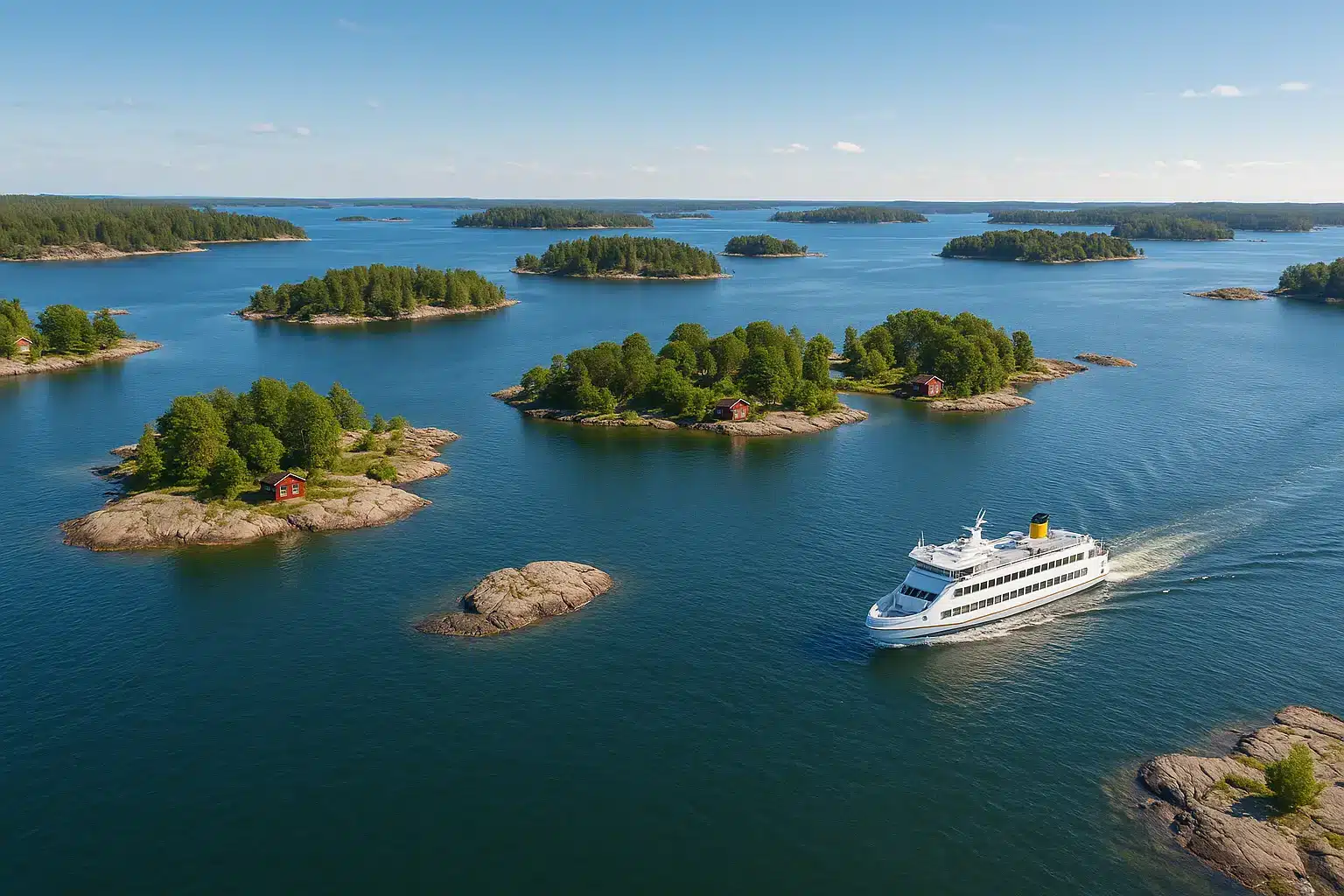
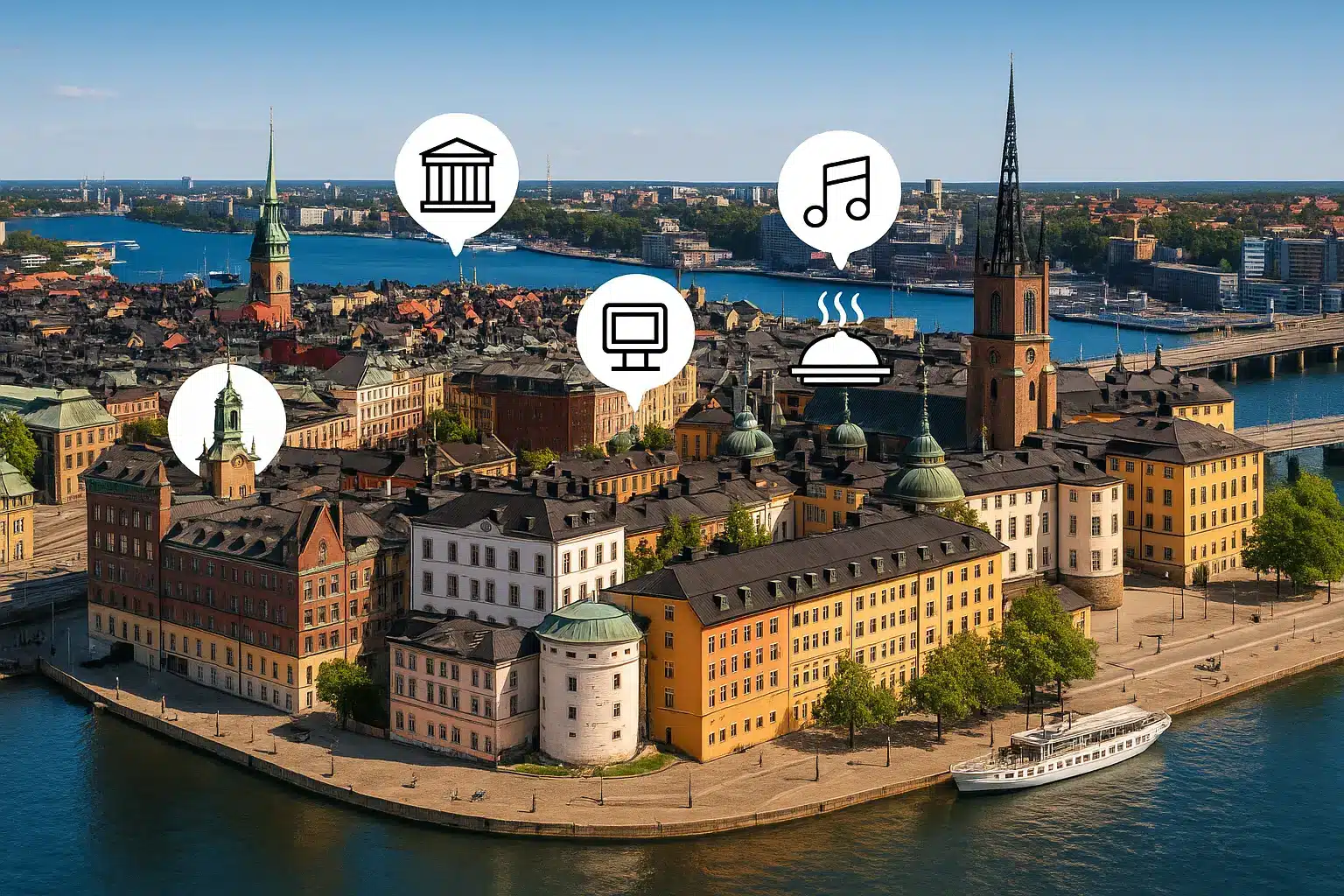
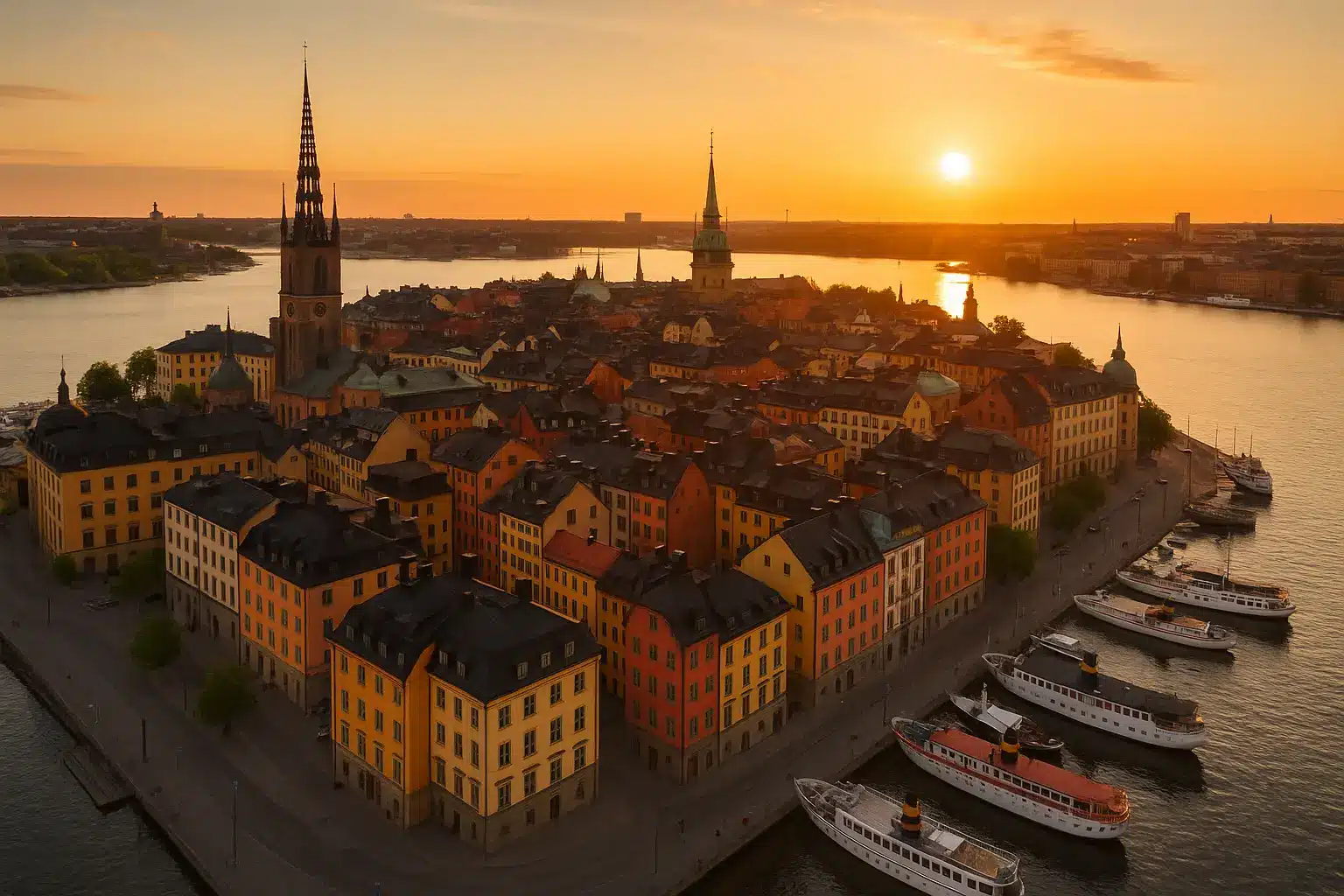
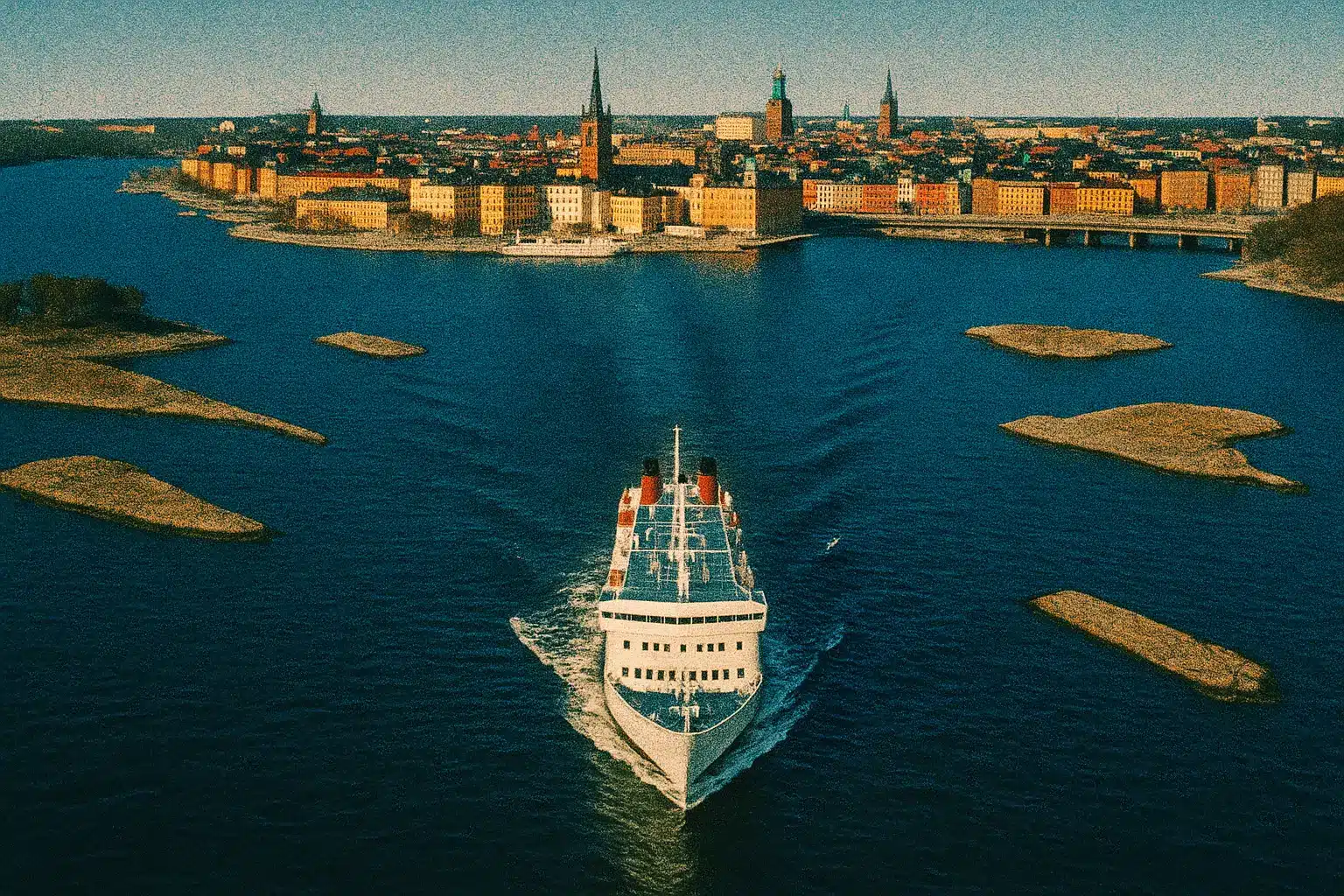
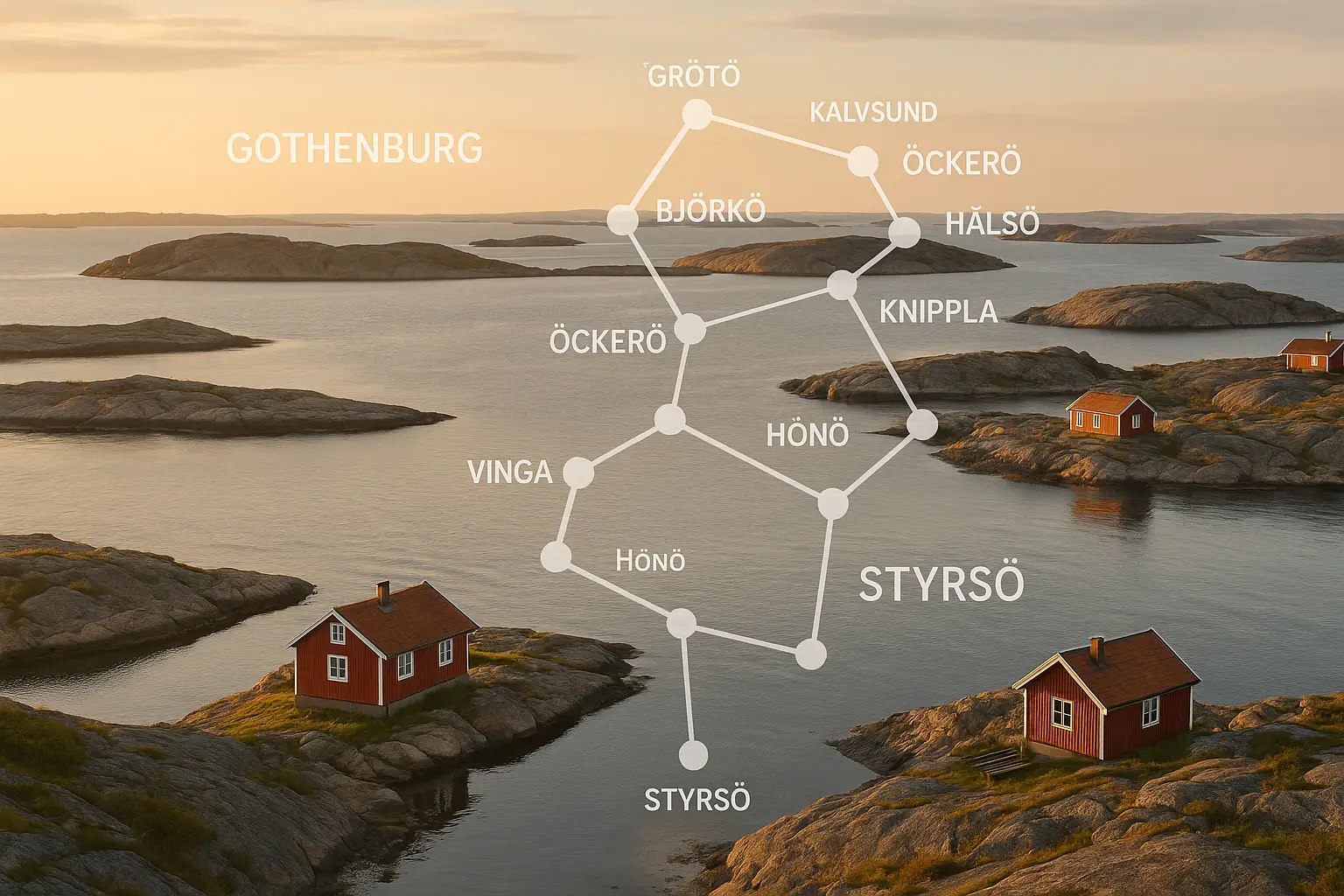
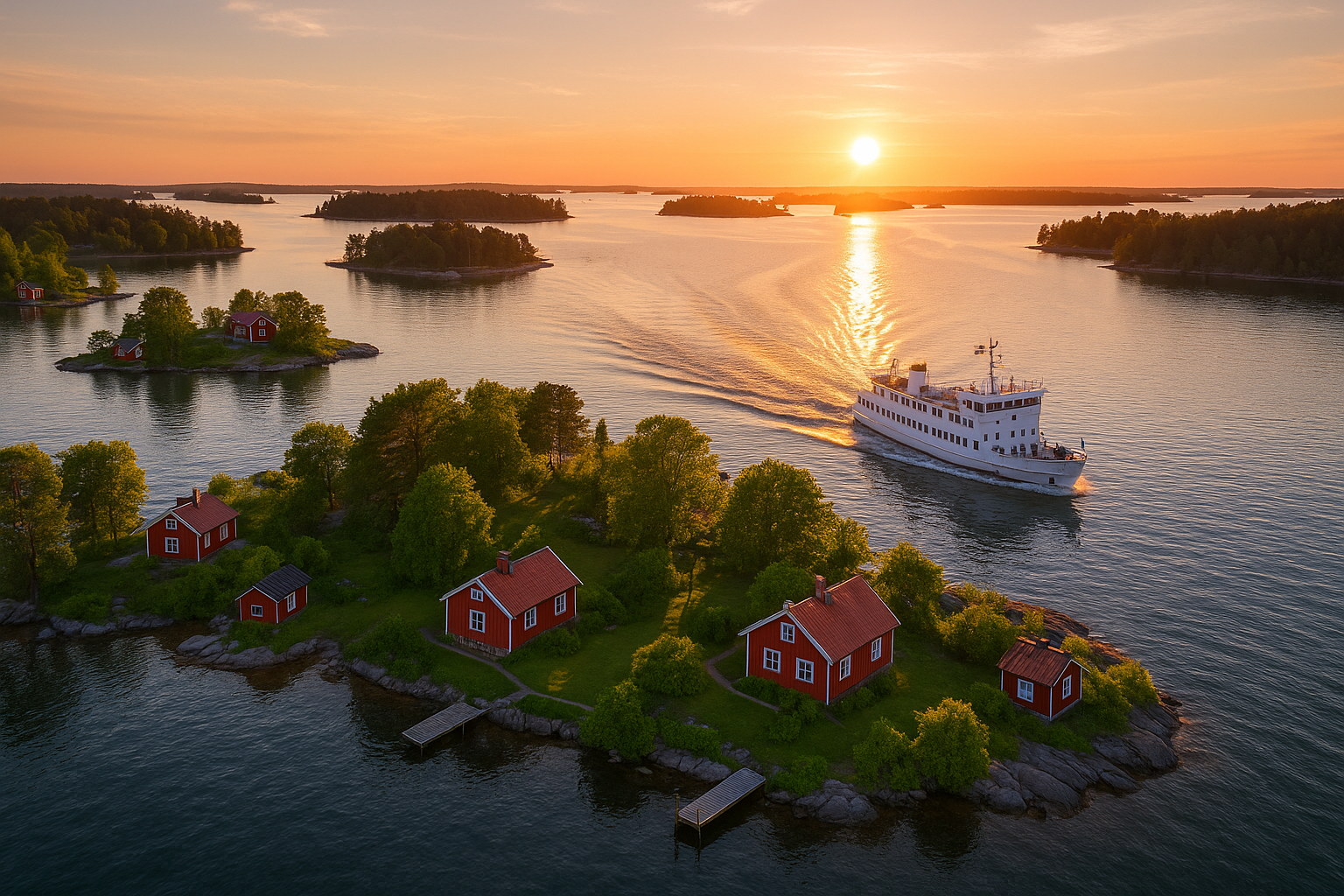
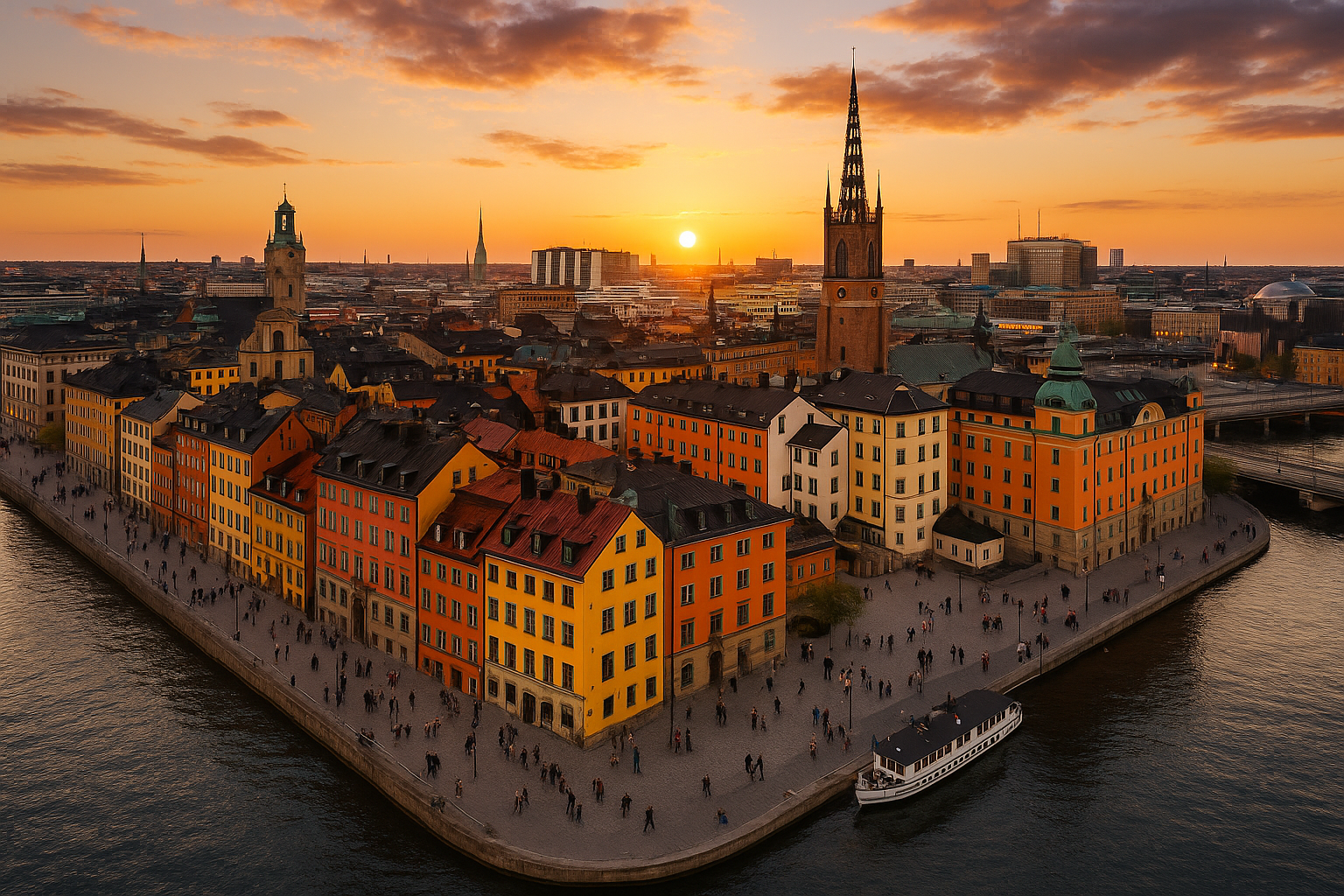
With over 30,000 islands and islets, this vast seascape offers endless exploration opportunities just minutes from the capital. From forested larger islands to tiny rocky outcrops, each has its own character.
Sweden’s highest peak (2,096m) stands as the crown jewel of Swedish Lapland. The surrounding alpine landscape features glaciers, valleys, and pristine mountain lakes.
Sweden might surprise beach lovers with its southern coastline. Sandhammaren and Falsterbo feature powdery white sand and crystal-clear waters that rival Mediterranean beaches.
Home to magnificent waterfalls and diverse Arctic ecosystems, this park showcases Sweden’s raw natural power. Part of the Laponian World Heritage Area, it blends natural and cultural significance.
This isolated Baltic island features pristine sandy beaches encircling ancient pine forests. With no permanent residents, it offers true seclusion for nature lovers.
Sweden’s first marine national park protects an underwater wonderland with over 6,000 marine species. The Koster Islands and surrounding waters represent the country’s most diverse marine ecosystem.
Småland’s enchanting landscape embodies quintessential Swedish countryside. Dense forests, sparkling lakes, and traditional red cottages create a perfect setting for immersive nature experiences.
Home to Sweden’s highest waterfall (Njupeskär, 93m) and the world’s oldest tree (Old Tjikko, 9,550 years old), this park offers exceptional natural heritage.
While Abisko excels for winter Northern Lights, its summer midnight sun creates another magical natural phenomenon. Experience 24-hour daylight for hiking, photography, and unforgettable memories.
| Natural Wonder | Best Season | Accessibility Level | Main Activity |
|---|---|---|---|
| Northern Lights | December-February | Moderate | Aurora viewing |
| High Coast | June-September | Easy to Difficult | Hiking |
| Dalsland Lakes | May-September | Easy | Canoeing |
| Sarek National Park | July-August | Very Difficult | Wilderness hiking |
| Stockholm Archipelago | All year (best May-Sept) | Easy | Island hopping |
The best time to visit depends on your interests. Summer (June-August) offers warm days and the midnight sun in the north. Winter (December-February) brings Northern Lights and snow activities. Spring features wildflowers while autumn showcases spectacular foliage.
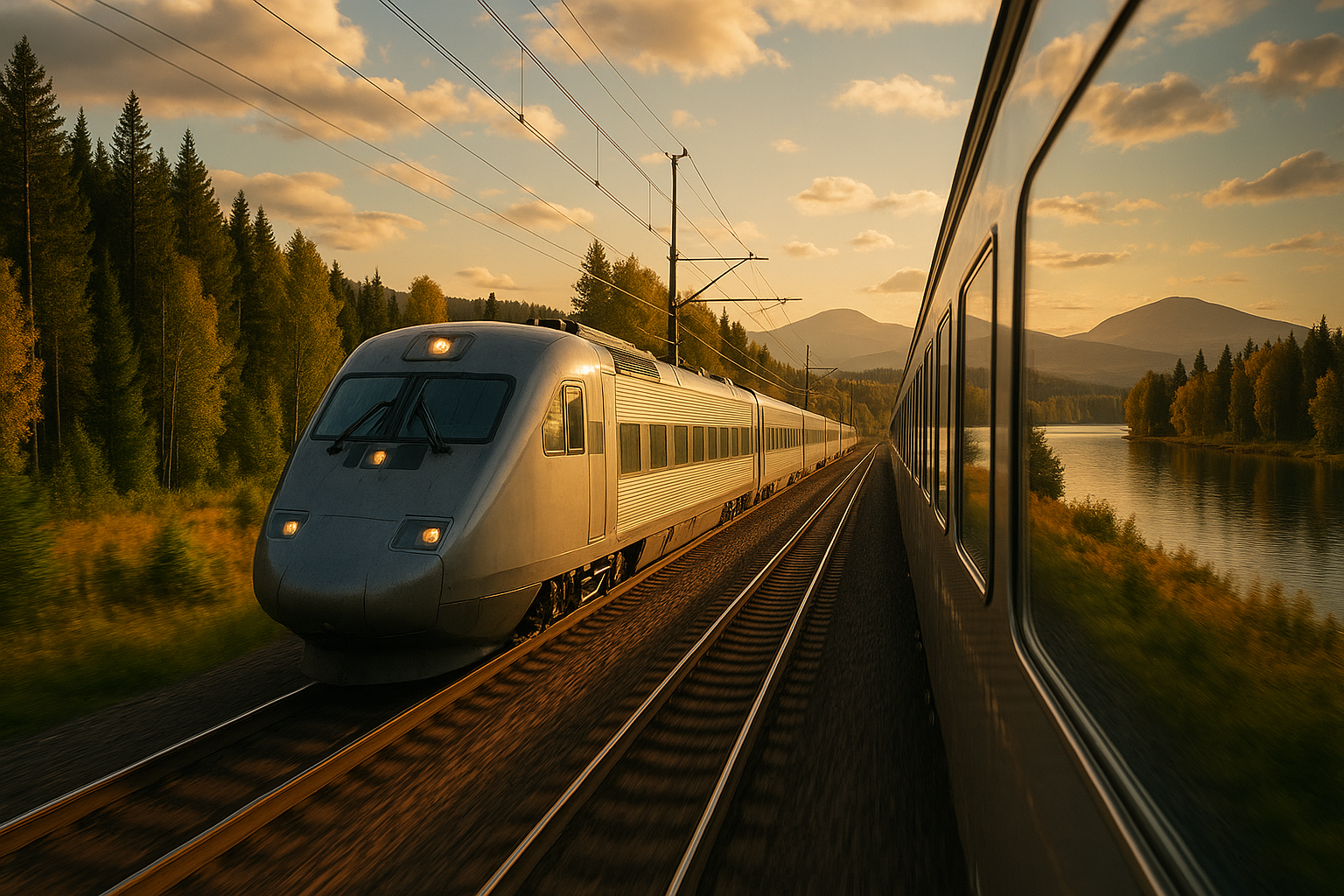
For sustainable travel, consider Sweden’s excellent train network connecting major natural areas. The country’s commitment to accessibility means many natural wonders have adaptations for visitors with mobility challenges.
Climate considerations for 2025: Recent warming trends have extended the summer season but also increased rainfall in some regions. Check current conditions before traveling, especially for mountain expeditions where weather can change rapidly.
Sweden’s vast wilderness supports remarkable biodiversity. Moose roam forests nationwide, while reindeer herds migrate across Lapland. Lucky visitors might glimpse bears, wolves, or lynx in remote areas, though these shy animals typically avoid humans.
Birdwatchers can observe sea eagles along the coast, ptarmigan in mountain regions, and thousands of migratory species in spring and fall. Marine environments host seals, porpoises, and countless fish species.
For responsible wildlife viewing, maintain distance, use binoculars, and follow guide recommendations. Several nature reserves offer photography hides for close observation without disturbance.
The High Coast Trail, Kungsleden in Lapland, and Sörmlandsleden near Stockholm offer exceptional hiking experiences for different skill levels. The High Coast combines sea views with forest trails, while Kungsleden showcases Sweden’s mountain wilderness.
June through August offers pleasant temperatures and long daylight hours for most outdoor activities. Winter (December-February) is ideal for Northern Lights and snow sports. For fewer crowds, consider May or September when nature still shines but tourist numbers drop significantly.
Sweden’s wilderness is generally safe. While bears, wolves, and lynx exist in remote areas, encounters are extremely rare. More relevant concerns include ticks (check daily during warm months) and the European adder, Sweden’s only venomous snake. Maintain distance from all wildlife.
Essential items include waterproof clothing, sturdy hiking boots, layers for temperature changes, insect repellent (summer), and navigation tools. In winter, proper thermal gear is crucial. Don’t forget a reusable water bottle—Sweden’s natural water sources are often drinkable but verify locally.
Visible changes include retreating glaciers (particularly on Kebnekaise), shifting tree lines, and altered wildlife patterns. Warming trends have extended summer tourism seasons but also increased extreme weather events. Conservation efforts have intensified to protect vulnerable ecosystems.
Many national parks have adapted trails and facilities, including Tyresta (near Stockholm), parts of Fulufjället, and Stenshuvud in southern Sweden. The High Coast region has accessible viewpoints, and several archipelago boats accommodate wheelchairs. Always check specific accessibility information before visiting.
Swedish nature offers transformative experiences for every traveler. Whether seeking adventure, tranquility, or connection with pristine ecosystems, these 17 natural wonders provide unforgettable encounters with one of Europe’s last great wildernesses. As you explore, remember that responsible tourism helps preserve these treasures for future generations.