Background to the Battle of Visby
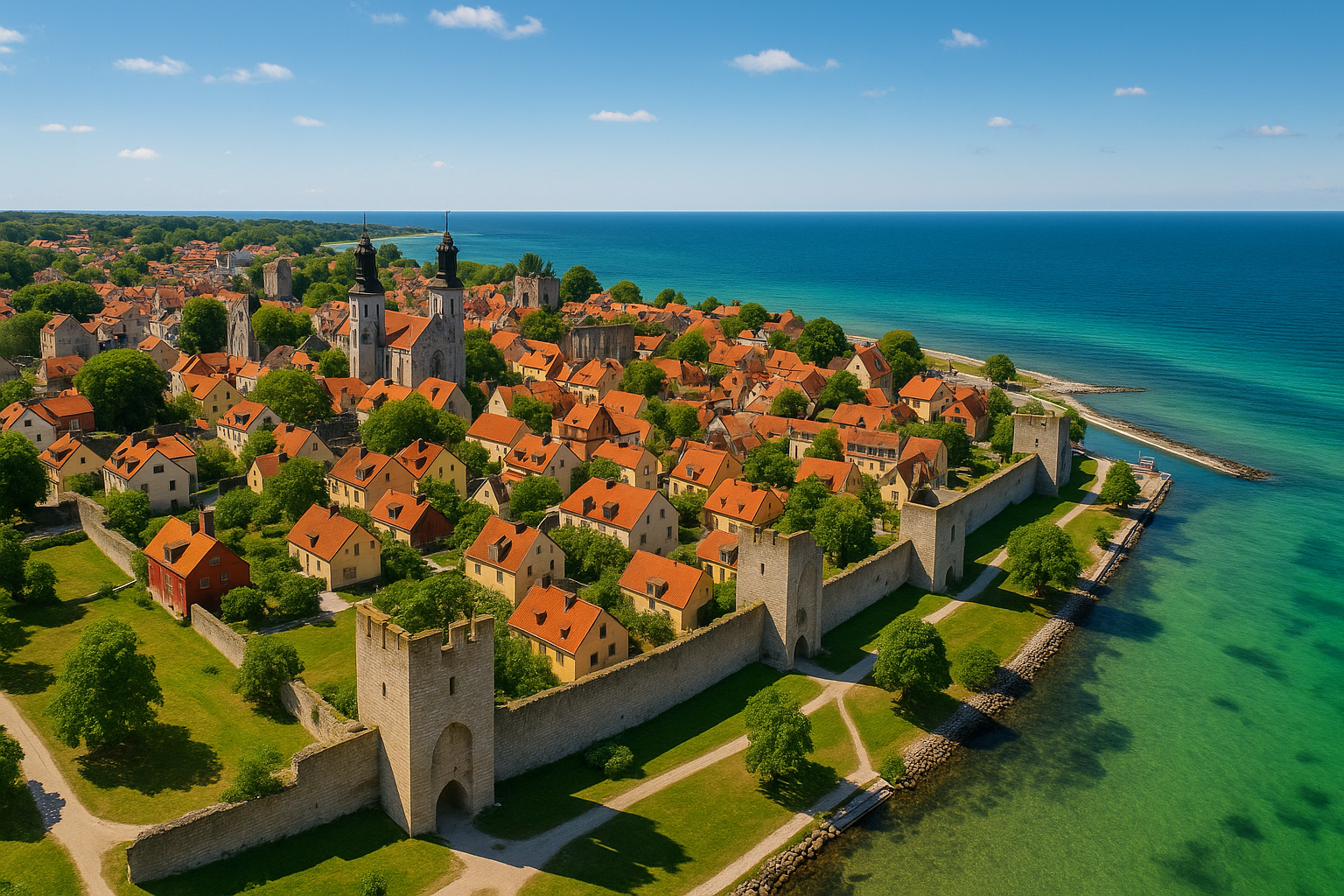
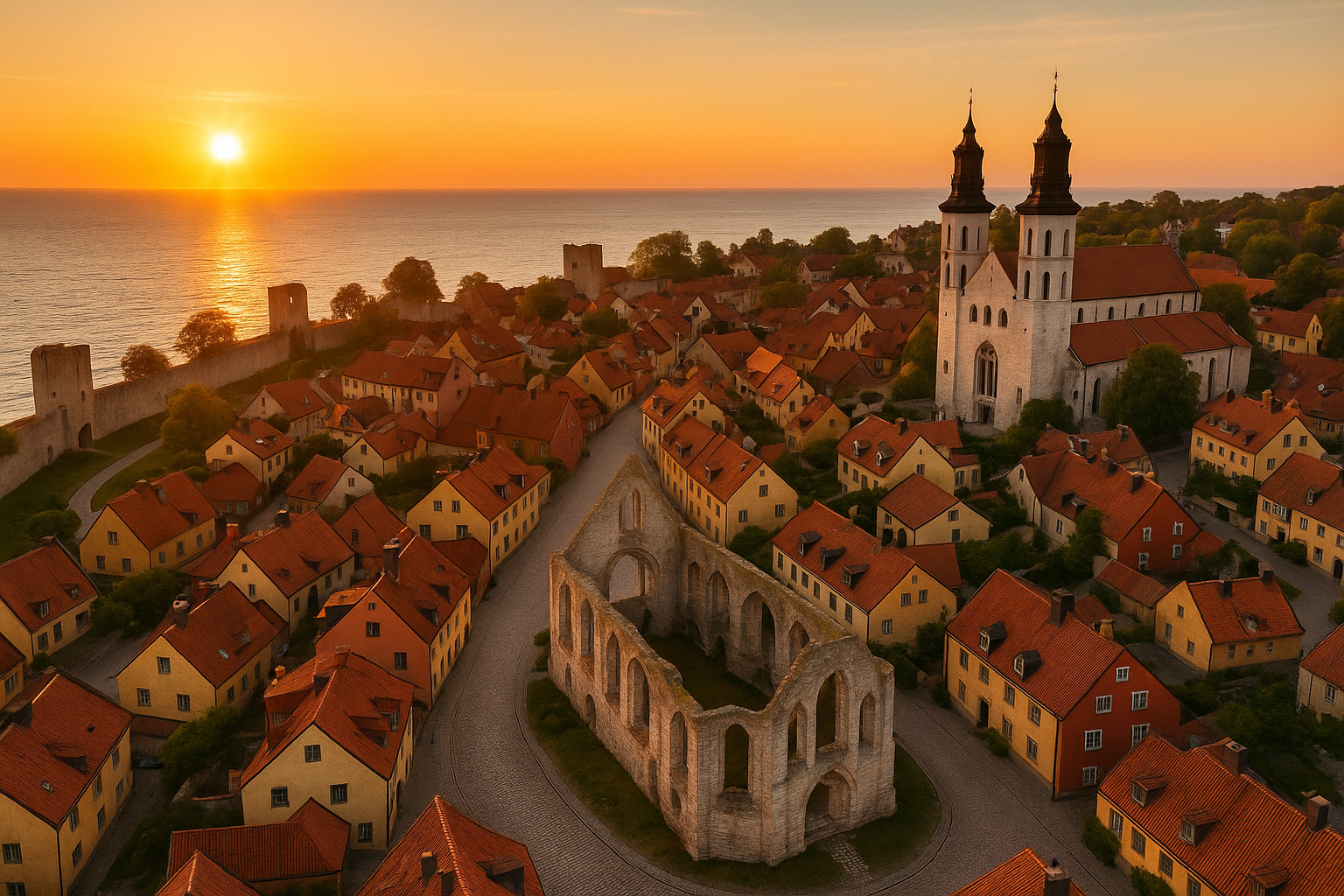
The Battle of Visby, fought on July 27, 1361, stands as one of medieval Europe’s most brutal conflicts, leaving behind haunting archaeological evidence that continues to fascinate historians today. This clash between Danish forces and local defenders on the Swedish island of Gotland resulted in approximately 1,800 deaths and created mass graves that would remain undisturbed for centuries. The battle took place just outside the medieval city walls of Visby, transforming the landscape into one of history’s most significant archaeological sites.
Political Context of the 14th Century
In the mid-1300s, Gotland occupied a strategic position in the Baltic Sea trade network. The island’s wealth, derived from its role as a commercial hub, made it an attractive target for regional powers. King Valdemar IV of Denmark, seeking to restore Danish dominance in the Baltic, identified Gotland as essential to controlling trade routes. The political landscape was further complicated by the declining power of the Hanseatic League and shifting allegiances among Scandinavian nobility.
The Danish Invasion of Gotland
Valdemar IV launched his invasion in July 1361 with a force of professional soldiers, well-equipped with contemporary military technology. The Danish army landed on Gotland island and quickly advanced toward Visby, the island’s wealthy trading center. According to , the Danish forces numbered several thousand trained warriors, equipped with advanced armor and weapons typical of 14th-century warfare.
Gotlandic Defenders
The defenders consisted primarily of local farmers and militiamen—untrained in professional warfare and poorly equipped compared to their Danish adversaries. Archaeological evidence suggests many wore outdated chainmail (kedjemaille in Swedish) or had no armor at all. This disparity in military preparedness would prove catastrophic. The Gotlandic forces, despite their determination to protect their homeland, lacked both the tactical training and weaponry needed to counter the disciplined Danish assault.
The Course of the Battle
Timeline of the Conflict
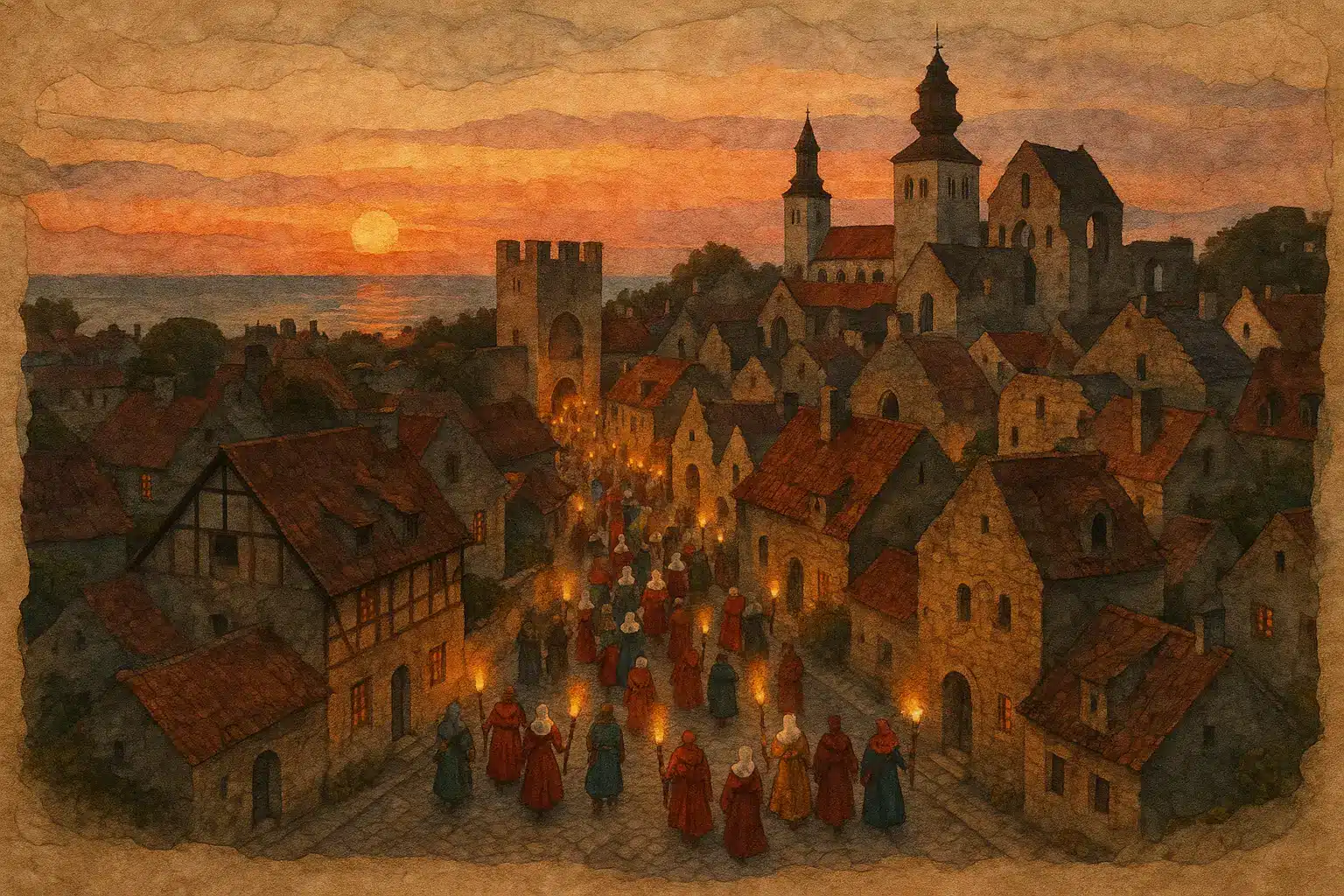
The battle of Visby 1361 unfolded rapidly on that summer day. Danish forces engaged the Gotlandic defenders in the fields outside the city walls. The conflict lasted only a few hours, but the carnage was extraordinary. Historical accounts suggest the battle began in the morning and by afternoon, the field was littered with bodies. The city of Visby, protected by its stone walls, refused to open its gates to the fleeing defenders, sealing the fate of hundreds who were cut down attempting to reach safety.
Weapons and Tactics
The Danish army employed typical medieval military tactics, including cavalry charges and coordinated infantry advances. They wielded swords, axes, polearms, and crossbows—weapons that left distinctive marks on the skeletal remains later discovered. As noted by , the injuries found on battle of Visby skeletons reveal the devastating effectiveness of these medieval weapons. The Gotlandic defenders, many armed with agricultural tools and outdated equipment, stood little chance against such organized military force.
Outcome and Consequences
The Danish victory was absolute. Valdemar IV’s forces massacred the defending army, with estimates of 1,800 to 2,000 Gotlandic dead. The city of Visby quickly surrendered, paying a substantial ransom to avoid destruction. Denmark gained control of Gotland, fundamentally altering the Baltic power structure. The mass graves created in the aftermath—hastily dug pits where bodies were buried still wearing their armor—would become one of the most significant archaeological discoveries in medieval European history.
Visiting Tip
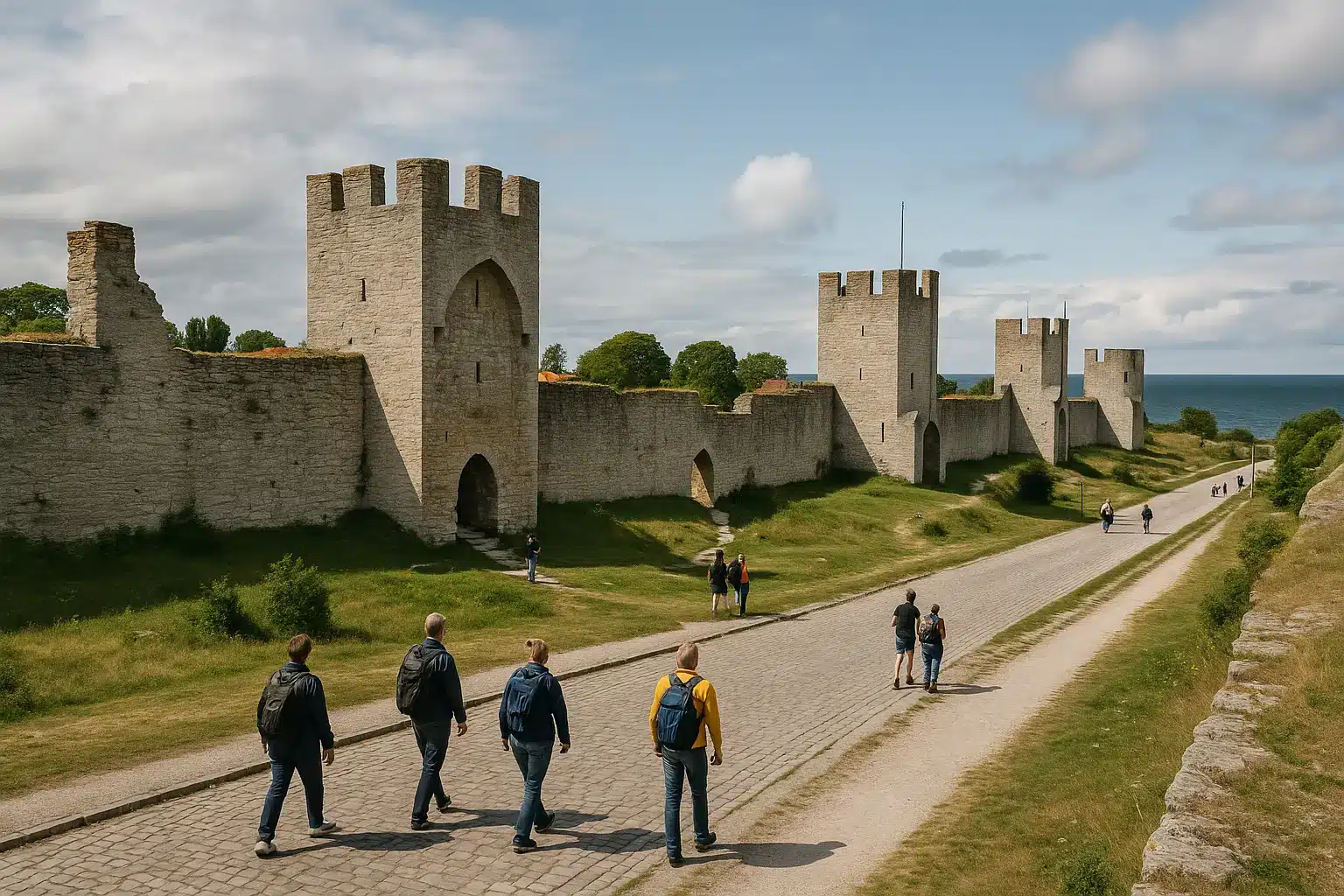
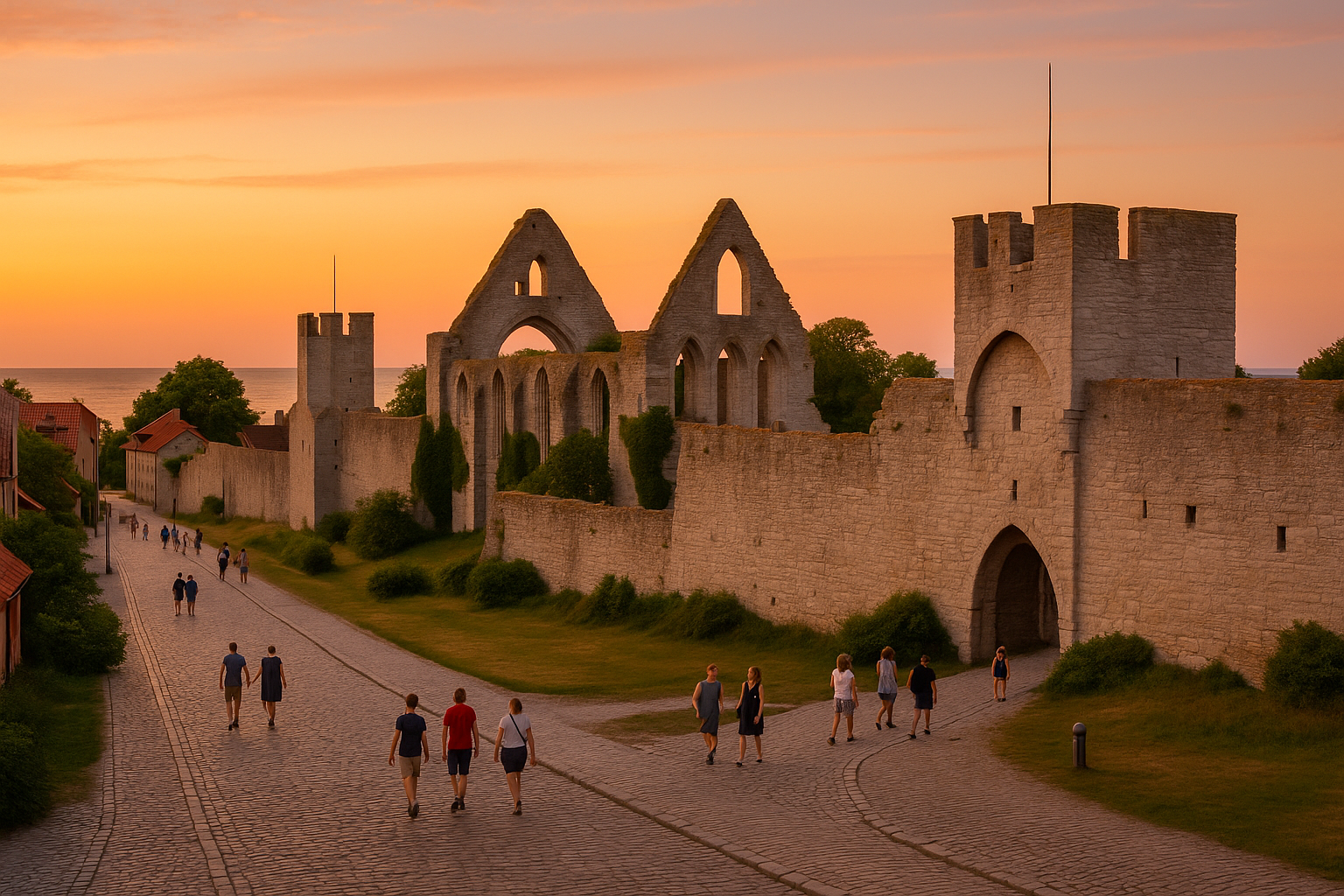
When exploring Visby attractions, look for markers indicating the battle site location just outside the medieval city walls. The area provides historical context for understanding how the conflict unfolded across the landscape.
Archaeological Discoveries and Skeletal Remains
The Mass Graves Outside Visby
Between 1905 and 1930, archaeologists excavated five battle of Visby mass grave sites outside the city walls. These excavations revealed over 200 skeletal remains, many still clothed in chainmail and armor. The describes how these battle of Visby bones were discovered in layers, suggesting rapid burial shortly after the conflict. The preservation was remarkable—armor, weapons, and even textile fragments survived in the Gotlandic soil, providing an unprecedented window into medieval warfare.
Analysis of Injuries and Armor
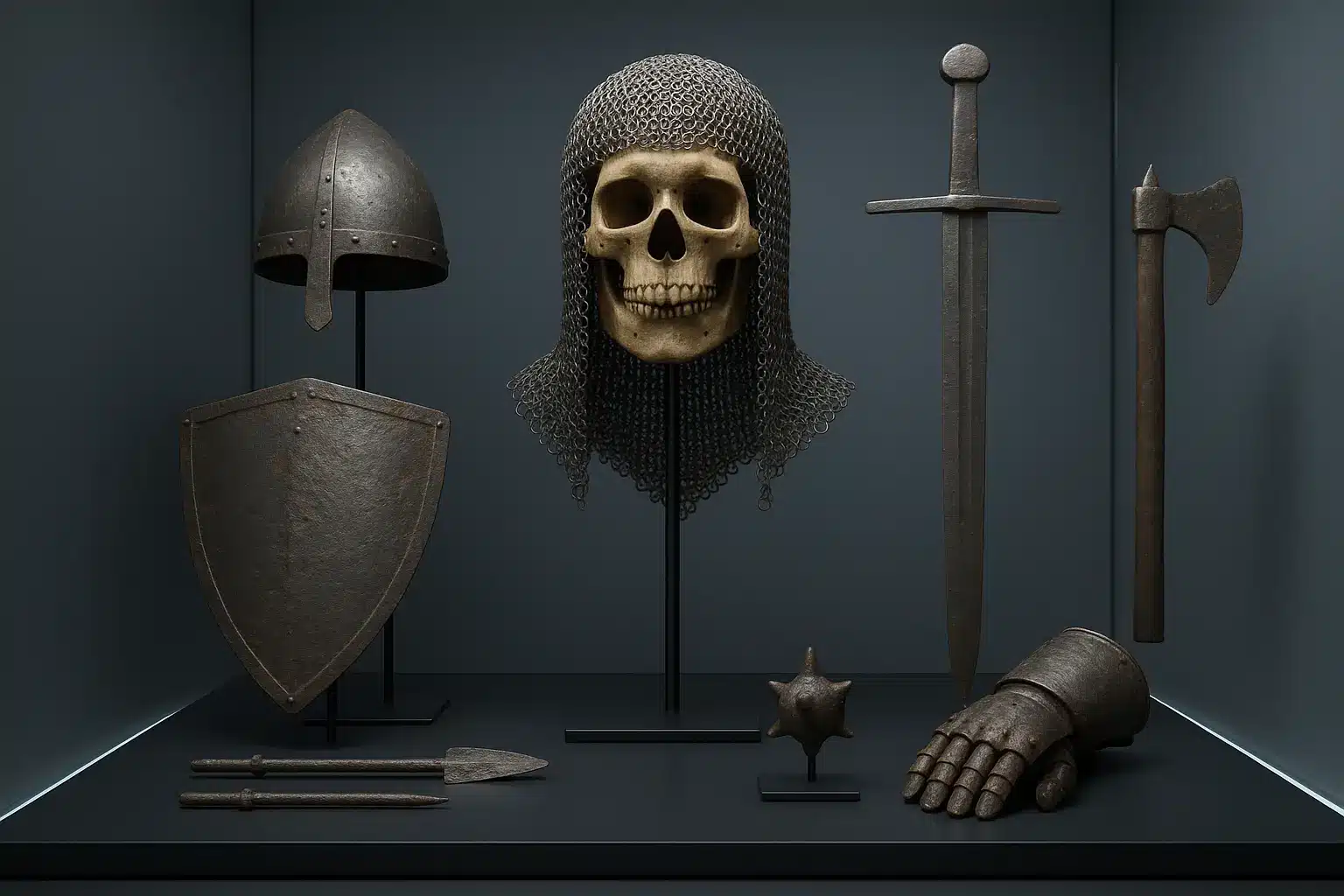
The battle of Visby injuries documented on skeletal remains tell a brutal story. Forensic examination reveals multiple traumatic wounds on individual skulls and bones, indicating the victims suffered repeated blows even after falling. Many of the battle of Visby skulls show evidence of injuries from axes, swords, and blunt weapons. One particularly famous artifact—a skull still encased in chainmail—has become iconic, representing the violence of medieval combat. The battle of Visby armor found at the site includes complete sets of chainmail, plate reinforcements, and leather components, offering invaluable insights into 14th-century military equipment.
Latest DNA Research
Modern scientific techniques are unlocking new secrets from these medieval remains. According to the , DNA analysis of the battle of Visby remains is currently underway. This 2025 research aims to identify genetic relationships among the fallen, determine their geographic origins, and potentially reconstruct family connections. Such analysis may reveal whether entire family groups fought together or if the defenders came from across Gotland to protect Visby.
Artifacts and Museum Presentations
Preserved Weapons and Armor
The battle of Visby artifacts collection represents one of Europe’s finest assemblages of medieval military equipment. The battle of Visby weapons recovered include swords, axes, spearheads, and crossbow bolts. The armor collection features nearly complete chainmail suits, padded textile armor (gambesons), and metal reinforcements. These battle of Visby armour pieces provide crucial evidence for understanding how common soldiers, not just knights, equipped themselves for combat in the 1300s.
| Artifact Type | Description | Current Location |
|---|---|---|
| Chainmail Coifs | Head protection worn by infantry, found on skulls | Swedish History Museum, Stockholm |
| Iron Gauntlets | Armored gloves showing battle damage | Gotland Museum, Visby |
| Swords and Axes | Various weapon types used by both sides | Swedish History Museum |
| Complete Skeletal Remains | Over 200 individuals with armor in situ | Research collections, various institutions |
Visual Reconstructions
Modern museum exhibitions use the battle of Visby photos and archaeological data to create powerful reconstructions. Digital modeling has recreated the appearance of the battlefield, showing troop movements and the positions of mass graves. Forensic facial reconstruction has given faces to some of the fallen warriors, transforming anonymous skulls into individual human stories. These presentations help visitors understand both the historical significance and human tragedy of the battle.
Museum Visit Information
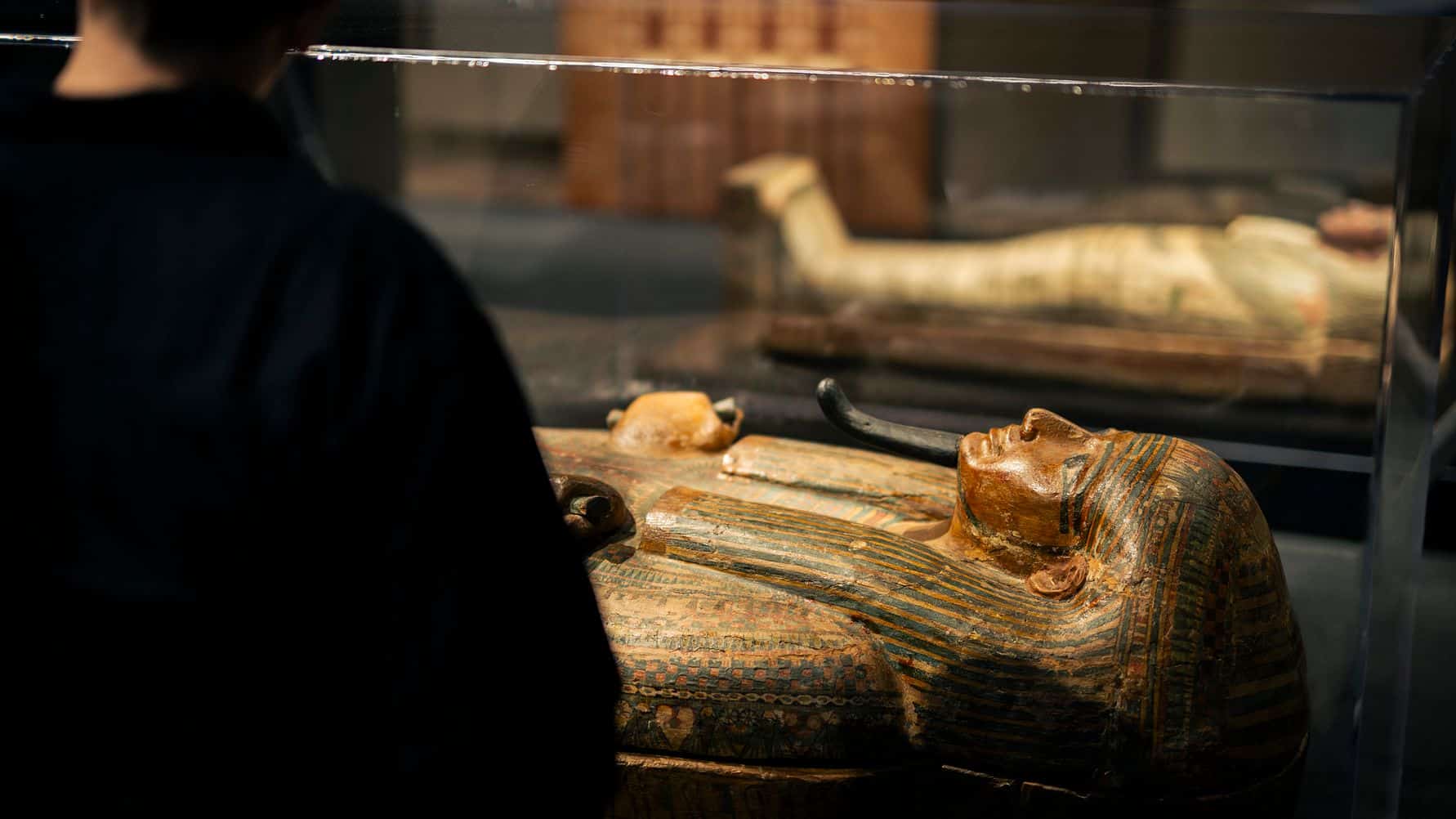
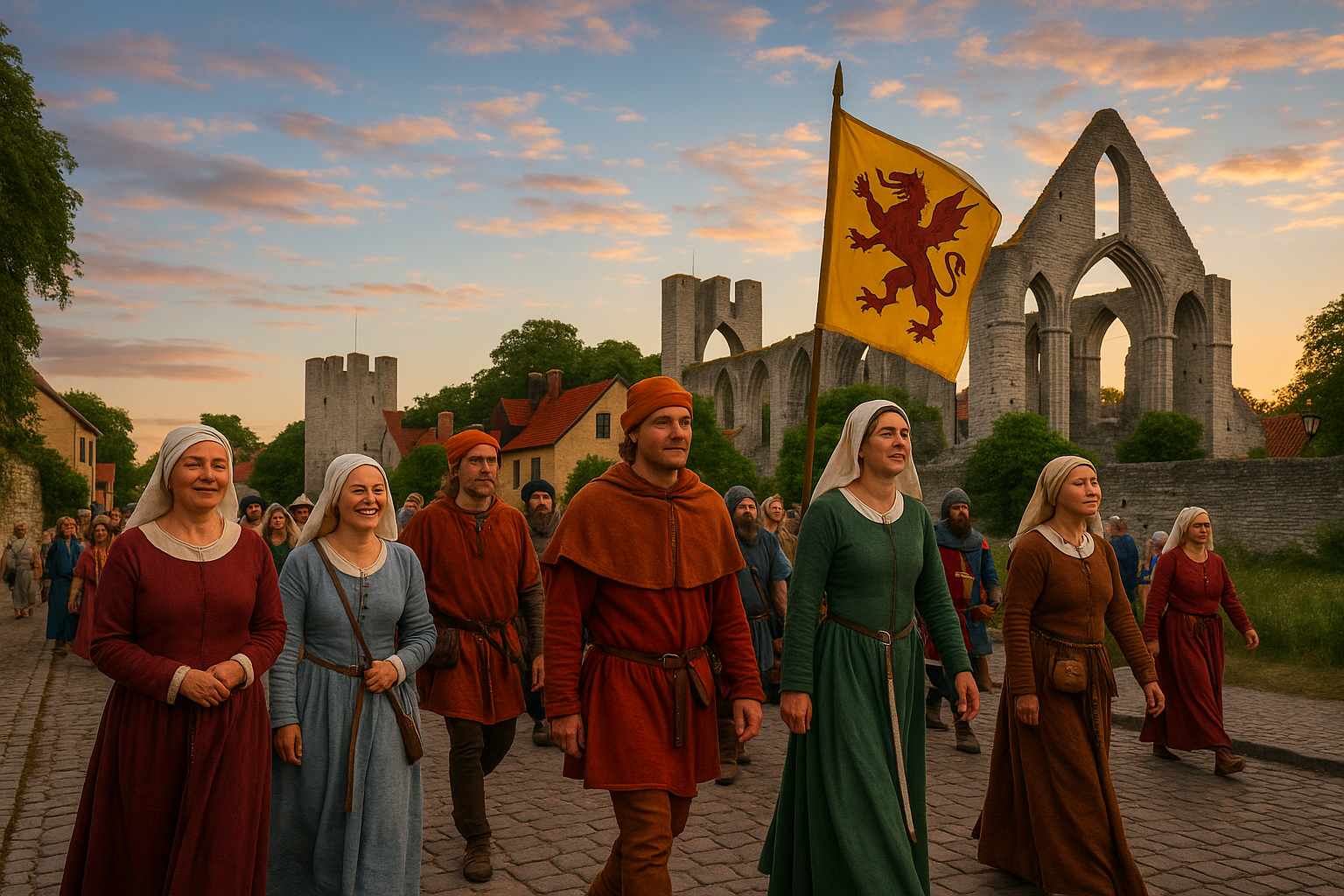
The primary collection resides at the Swedish History Museum in Stockholm, featuring the most comprehensive battle of Visby museum exhibition. Gotland Museum in Visby also maintains significant local artifacts and provides geographic context. Both institutions offer educational programs explaining battle of Visby archaeology methods and findings. During the annual Visby medieval festival, special exhibitions and reenactments bring the historical period to life, offering visitors immersive experiences of 14th-century culture.
Planning Your Historical Visit
Combine your exploration of battle sites with other historical attractions. Check the Swedish History Museum website for current exhibitions on medieval warfare. If visiting Gotland, consider timing your trip during Medieval Week for enhanced historical programming and reenactments related to the battle.
Frequently Asked Questions
When was the Battle of Visby fought?
The Battle of Visby was fought on July 27, 1361, between Danish forces led by King Valdemar IV and Gotlandic defenders outside the city walls of Visby on the island of Gotland, Sweden. The battle lasted only a few hours but resulted in approximately 1,800 deaths among the defending forces.
Who won the Battle of Visby?
The Danish forces under King Valdemar IV won a decisive victory at the Battle of Visby. The professional Danish army overwhelmed the poorly-equipped Gotlandic militia, forcing the city of Visby to surrender and pay a substantial ransom. Denmark maintained control of Gotland for several years following the battle.
What do the skeletons from the Battle of Visby reveal?
The battle of Visby skeletons show extensive traumatic injuries from medieval weapons including swords, axes, and blunt instruments. Many skulls display multiple wounds, indicating victims were struck repeatedly even after falling. The remains, many still wearing chainmail armor, provide unprecedented evidence of medieval combat brutality and military equipment used by common soldiers in the 14th century.
Where can I see Battle of Visby artifacts today?
The main collection of battle of Visby artifacts is housed at the Swedish History Museum (Historiska museet) in Stockholm, which features armor, weapons, and skeletal remains from the mass graves. Gotland Museum in Visby also displays local finds and provides historical context for the battle site. Both museums offer detailed exhibitions explaining the archaeological discoveries and their historical significance.
What makes the Battle of Visby archaeologically significant?
The Battle of Visby mass graves represent one of the best-preserved medieval battle sites in Europe. The rapid burial of victims still wearing their armor created exceptional preservation conditions. Over 200 complete or near-complete skeletons with associated military equipment provide researchers with unparalleled data about medieval warfare, armor construction, combat injuries, and the social composition of 14th-century armies. Ongoing DNA analysis continues to yield new insights into the individuals who fought and died in 1361.