Visby: Sweden’s Medieval Gem on Gotland Island
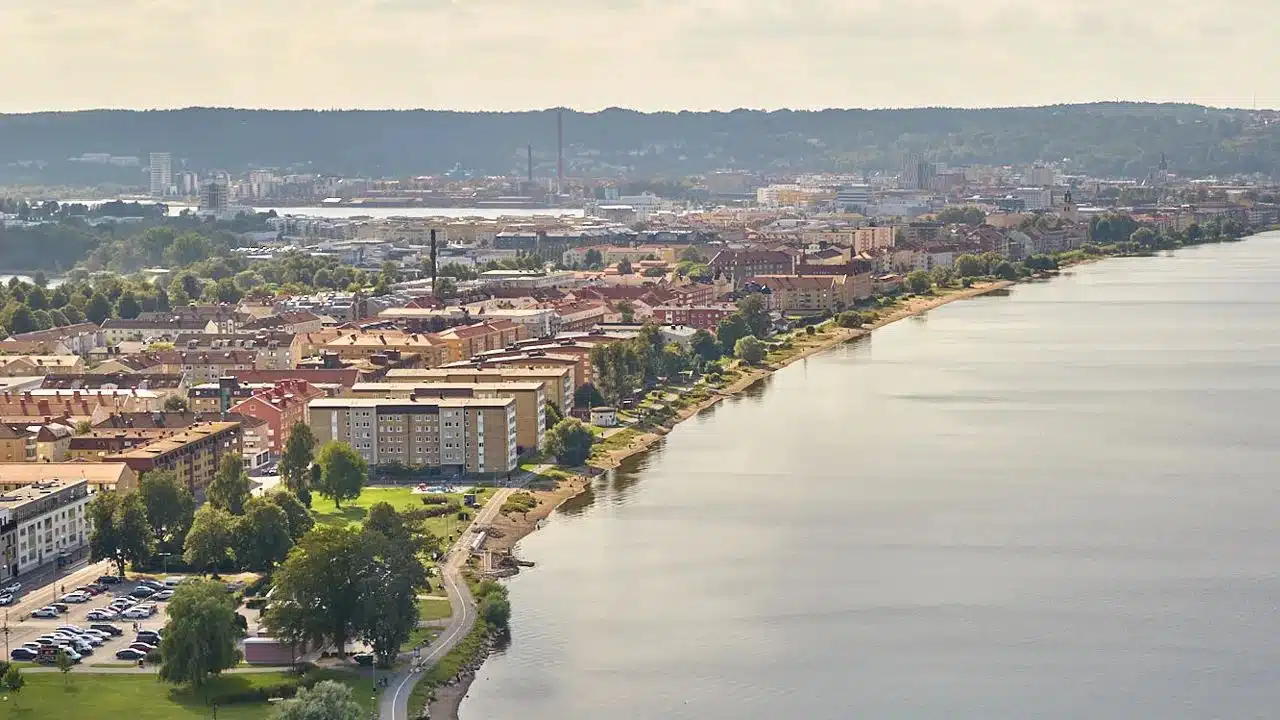
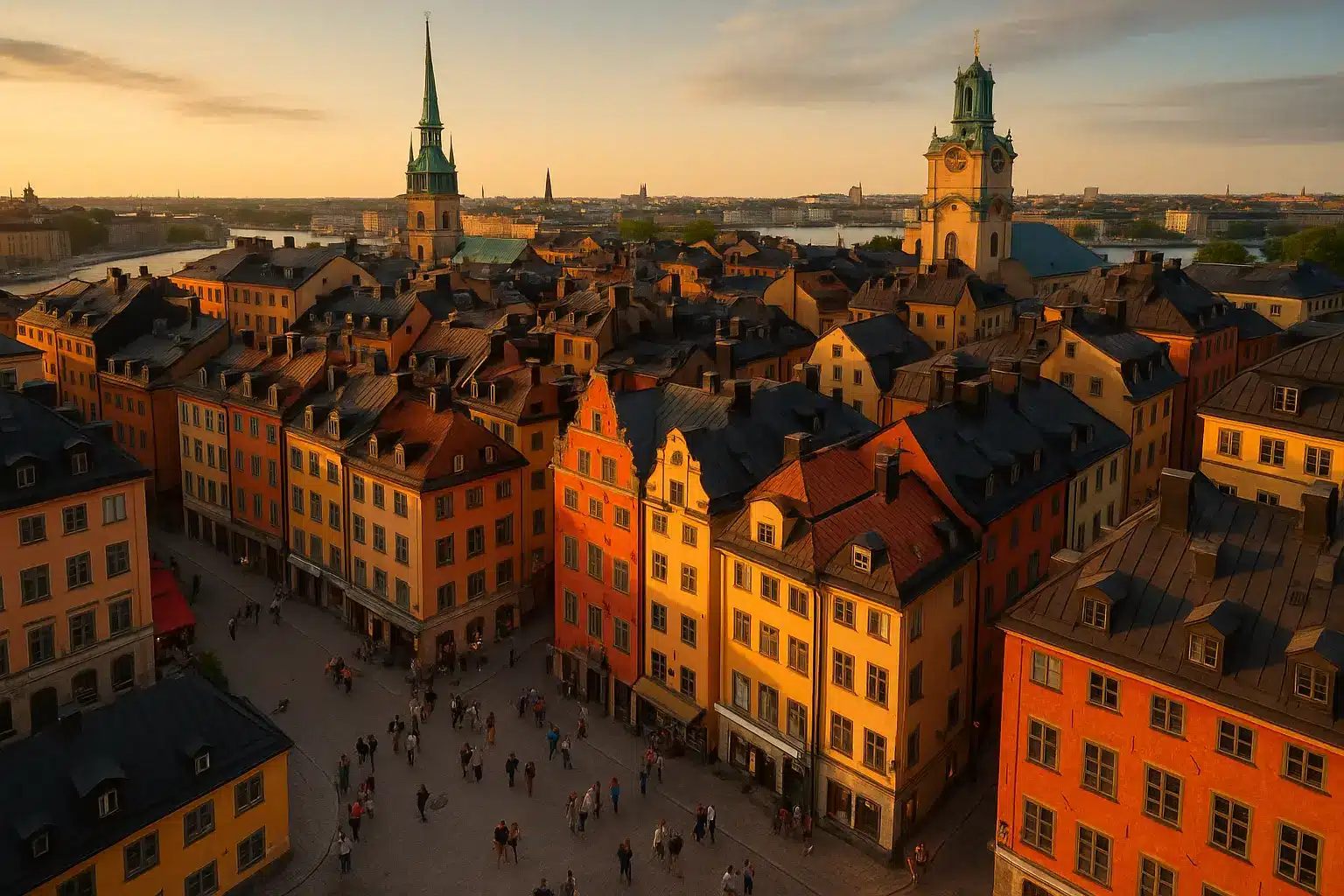
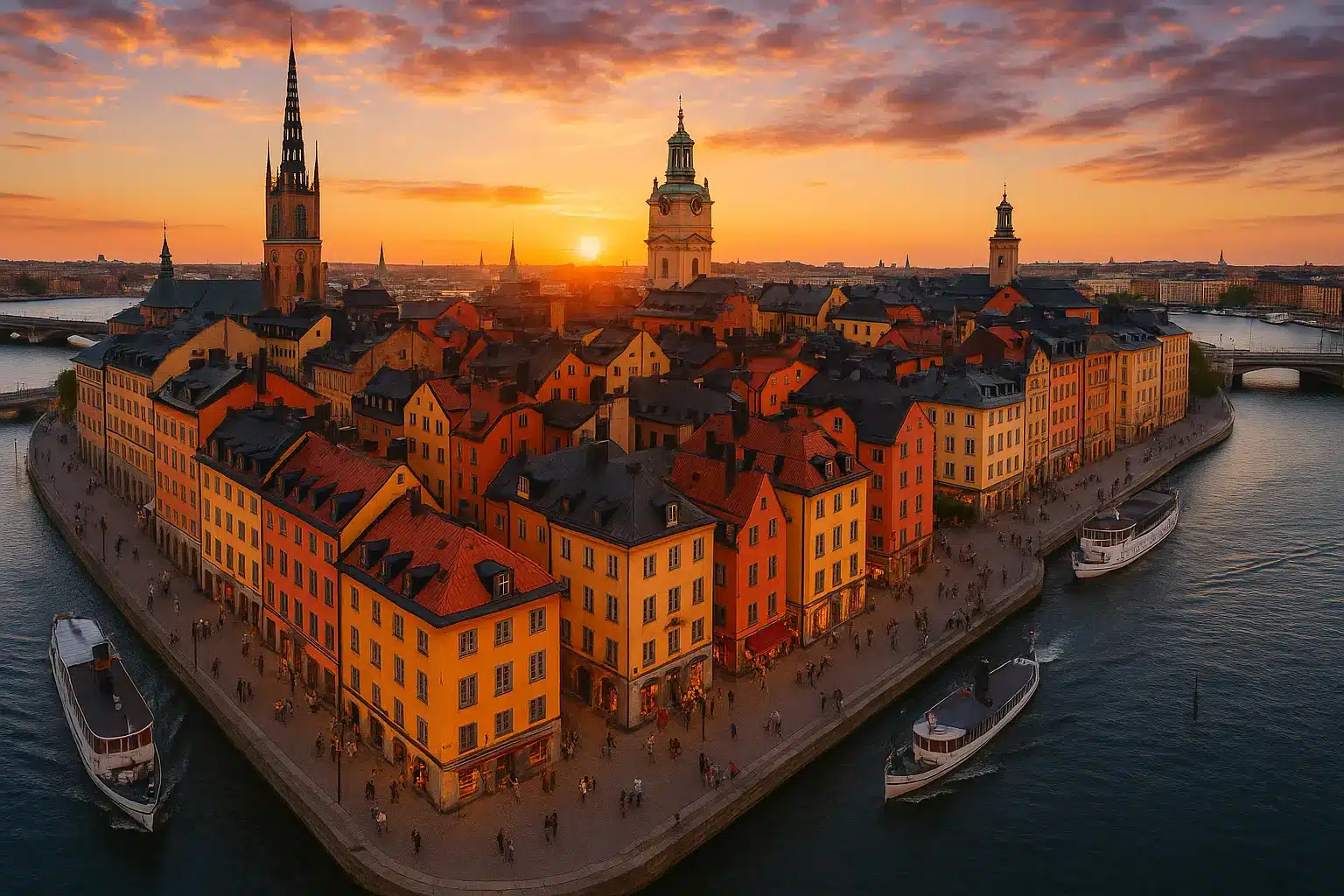
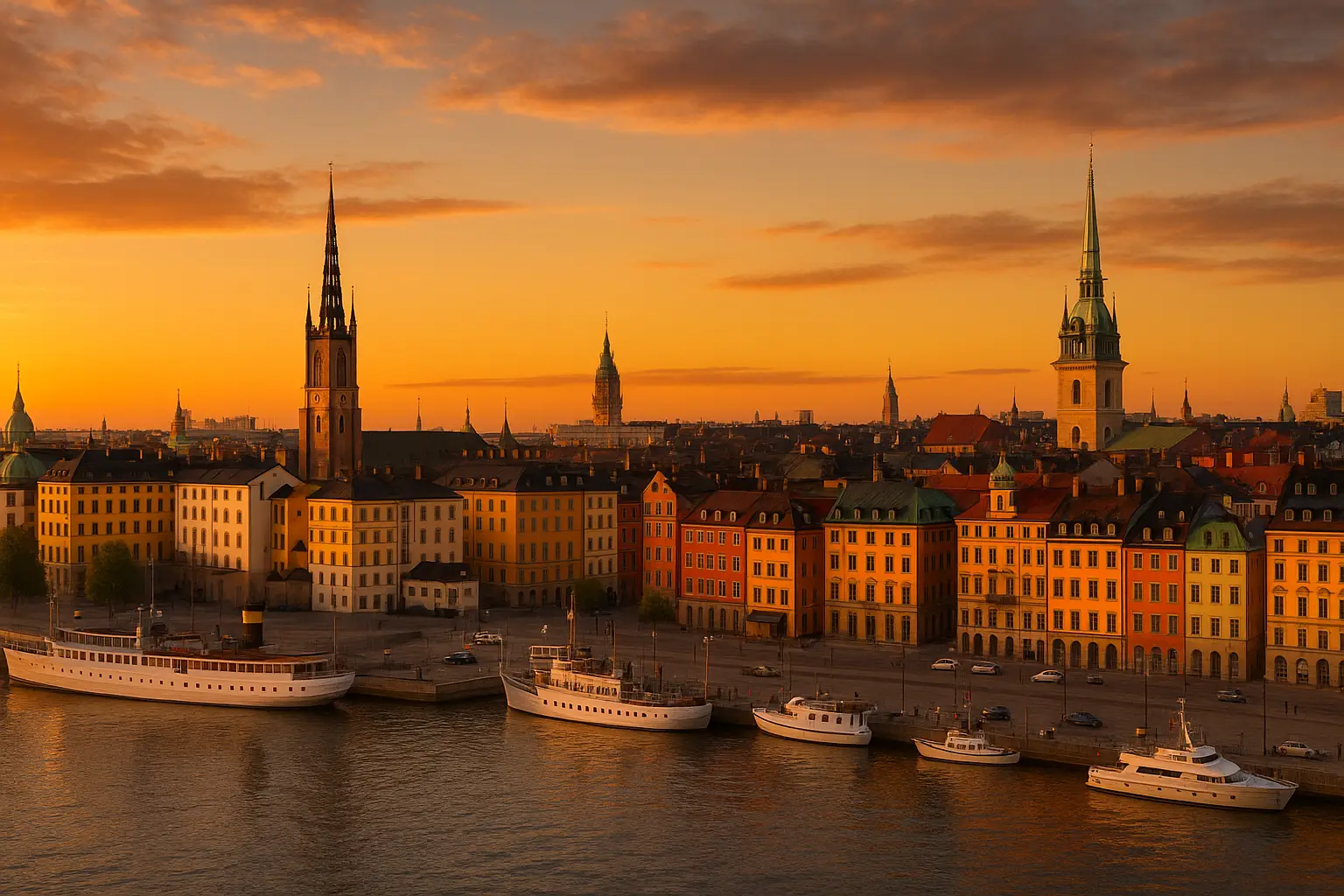
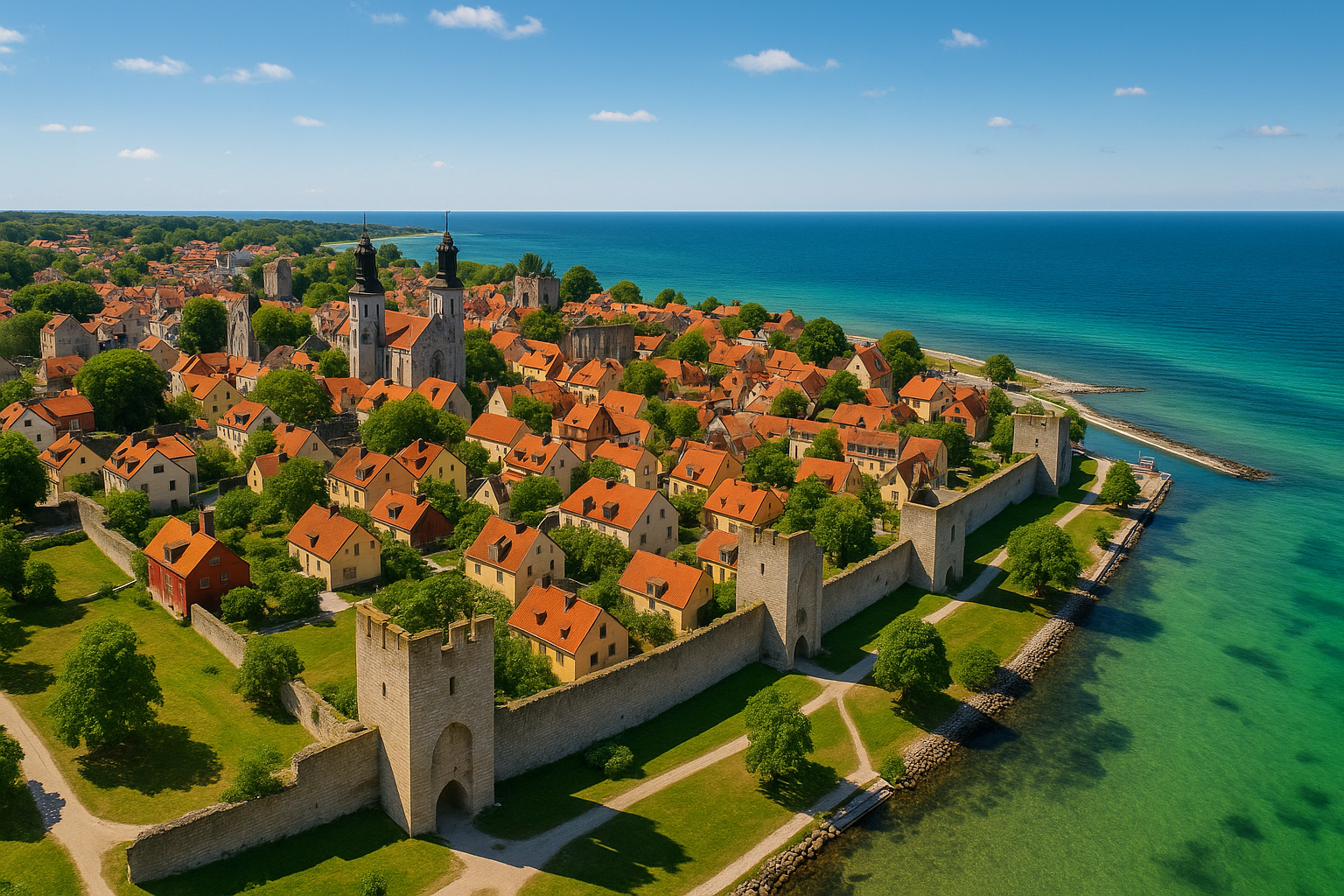
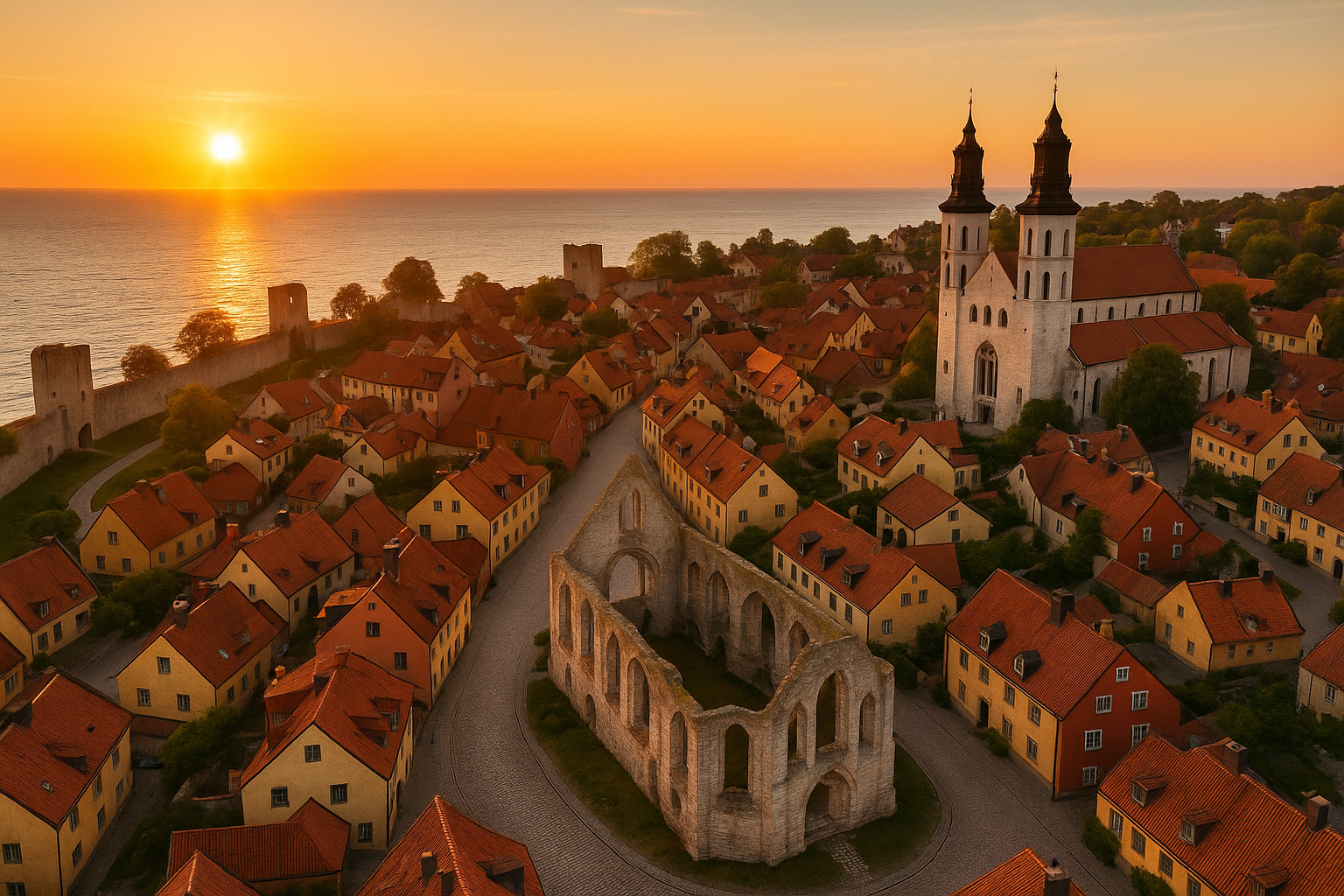
Visby, the principal city on Gotland island, stands as one of Scandinavia’s best-preserved medieval towns. With approximately 26,305 residents (2025), this UNESCO World Heritage Site captivates visitors with its cobblestone streets, ancient city wall, and rich Hanseatic legacy. Whether you’re exploring Visby attractions or attending the famous Visby medieval festivals, this historic town offers a unique journey back in time combined with modern Scandinavian comfort.
Visby’s Medieval History and Heritage
Origins and the Hanseatic League
Visby’s story begins much earlier than its medieval prominence. According to Visit Gotland, the first settlements on Gotland date back approximately 9,000 years (2022). However, Visby rose to international significance in the early 1200s when it became a vital Hanseatic city (the Hanseatic League was a powerful medieval trading alliance of merchant guilds across Northern Europe). As documented by SO-rummet, Visby was first mentioned as a Hansastad (Hanseatic town) in the beginning of the 13th century (2019), establishing itself as a crucial trading hub connecting Scandinavia with the rest of medieval Europe.
The Battle of Visby 1361
One of the most dramatic chapters in Visby’s history unfolded in 1361 during the Battle of Visby. Danish forces under King Valdemar IV Atterdag invaded Gotland, leading to a decisive confrontation outside Visby’s walls. According to historical sources, the local militia, composed largely of farmers and townspeople, faced the professional Danish army in a bloody engagement. Archaeological excavations have uncovered mass graves containing approximately 2,000 bodies, many still wearing armor, providing tangible evidence of this medieval conflict. This battle marked a turning point in Visby’s independence and prosperity as a free Hanseatic city.
UNESCO World Heritage Status
In recognition of its exceptional historical preservation, Visby’s inner city was designated a UNESCO World Heritage Site with over 250 protected buildings (2022). The Länsstyrelsen Gotland notes that the town’s medieval character remains remarkably intact, featuring limestone architecture, narrow alleyways, and ecclesiastical ruins that transport visitors to the Middle Ages. This UNESCO status protects Visby under Swedish cultural heritage law, ensuring its preservation for future generations.
Top Attractions and Things to Do in Visby
The Ringmuren (City Wall) and Inner City
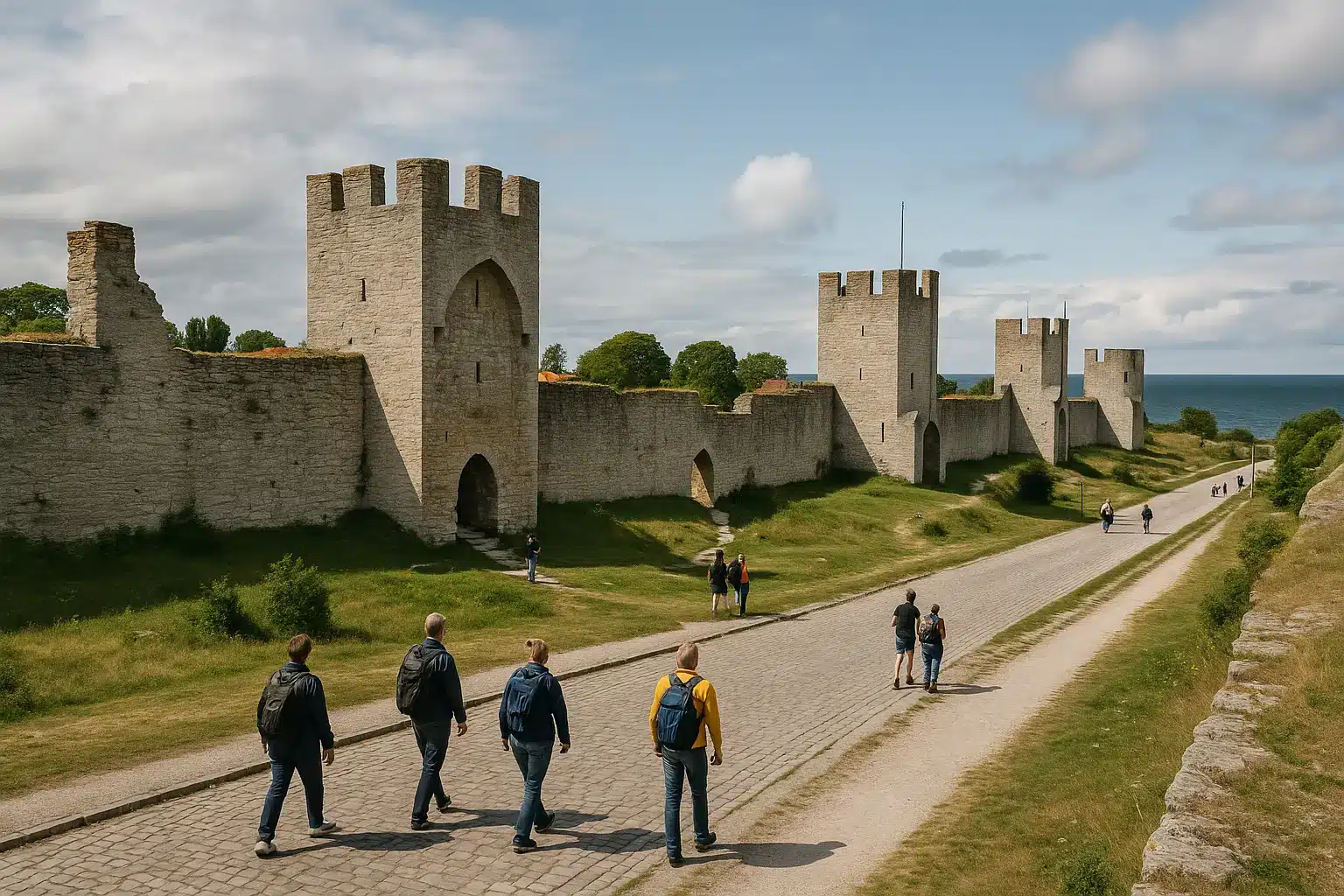
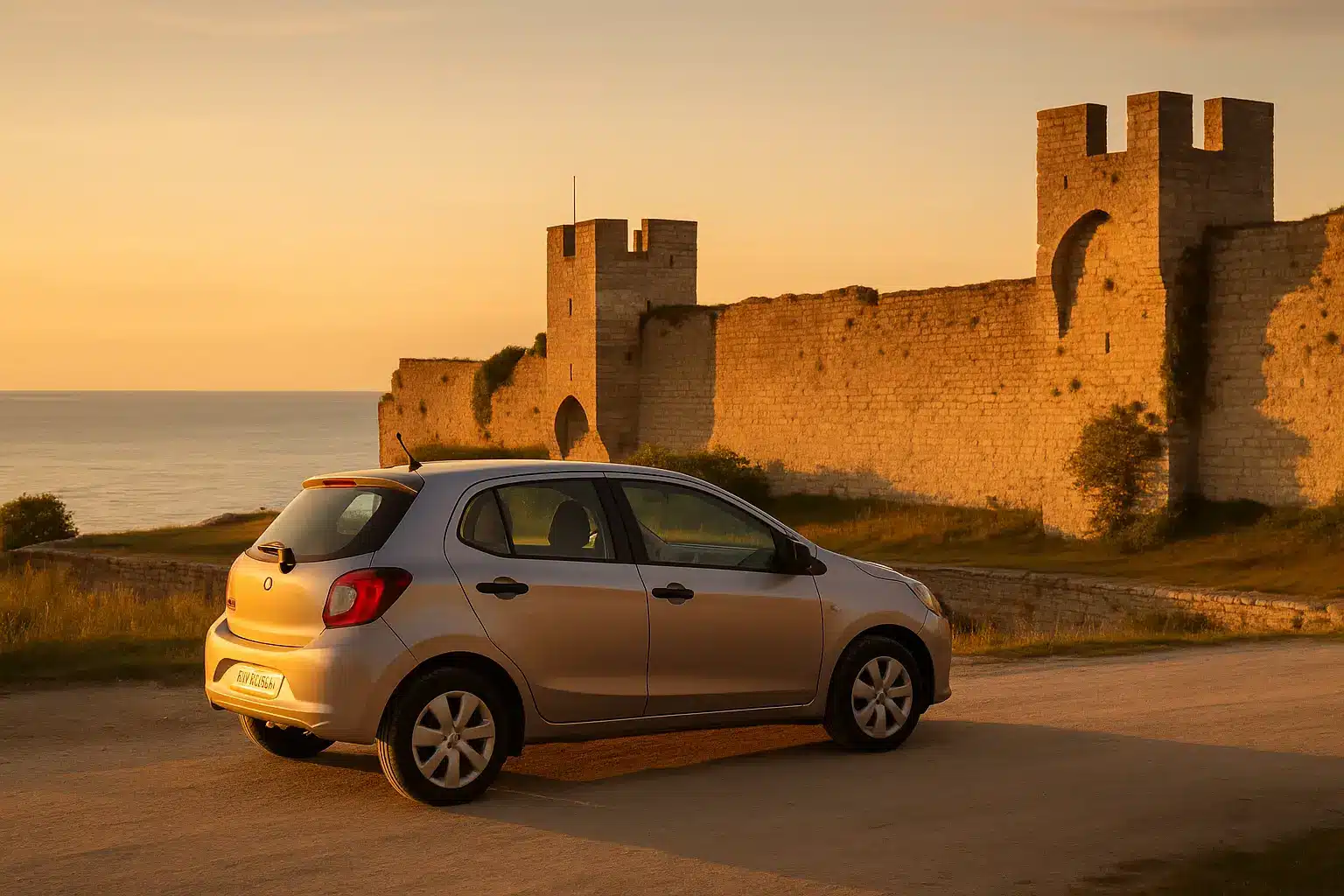
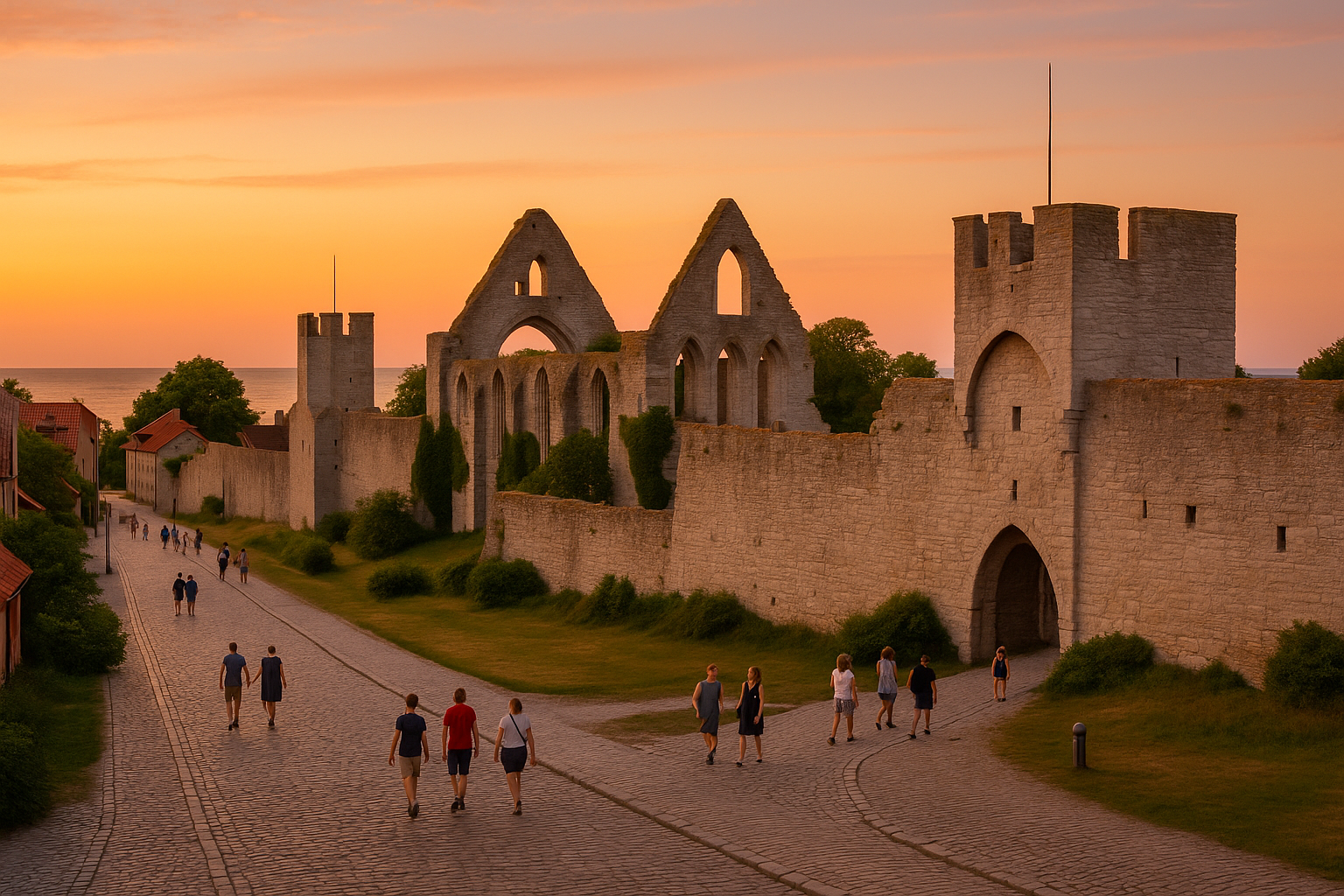
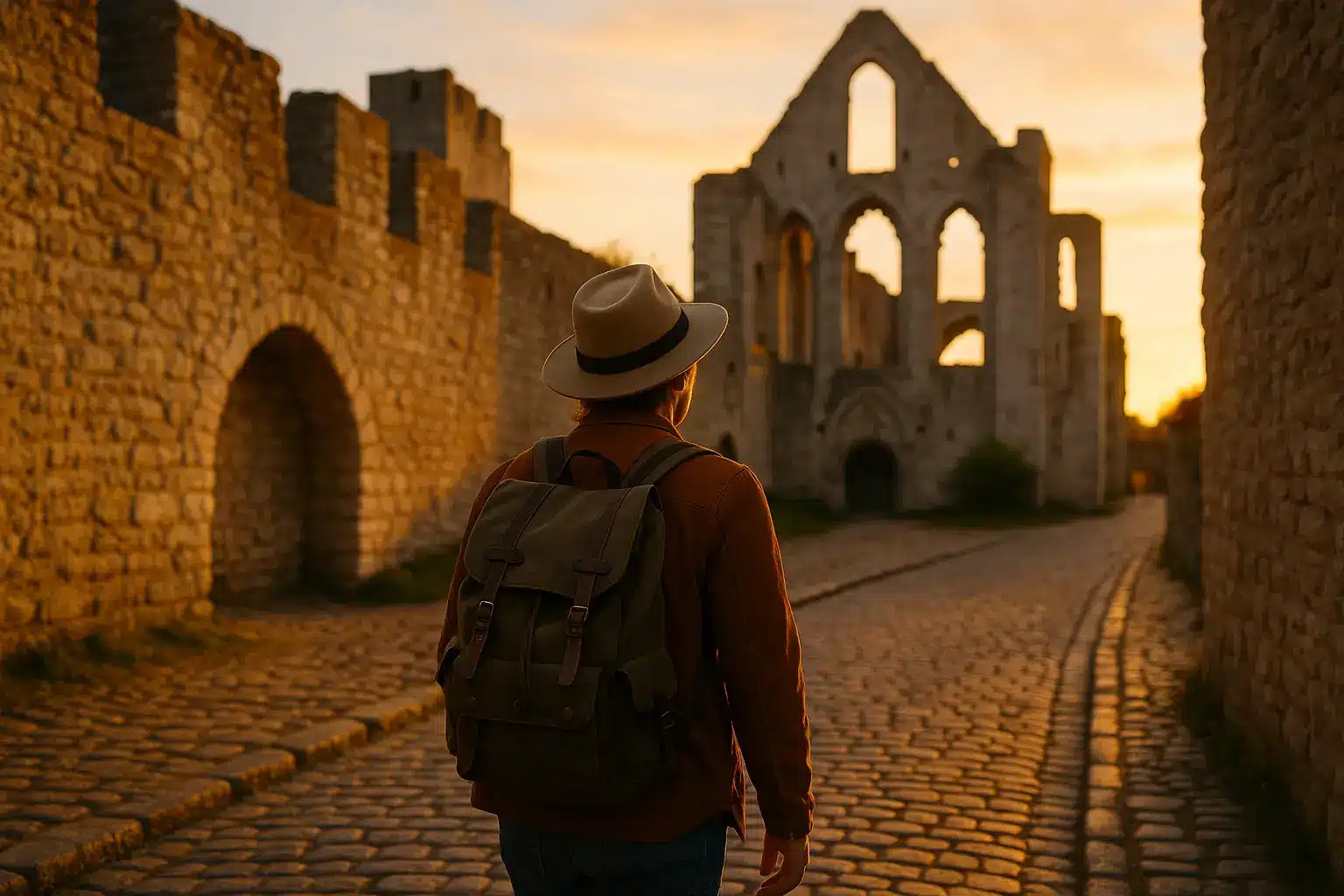
Visby’s most iconic feature is its ringmur (ring wall), a medieval fortification measuring 3.44 kilometers in length, constructed during the 1200s according to Tripadvisor (2025). This limestone wall, punctuated by 44 towers and several gates, represents one of Northern Europe’s best-preserved medieval city walls. Visitors can walk substantial portions of the wall, gaining panoramic views of both the Baltic Sea and the medieval town below. The main entrance, Söderport (South Gate), remains the primary access point to the historic inner city, much as it was centuries ago.
Church Ruins and Museums
Visby boasts an extraordinary collection of medieval church ruins, remnants of the city’s religious importance during the Hanseatic period. S:t Nicolai Church, S:t Karin, and S:ta Maria are among the most significant. Gotlands Museum offers comprehensive exhibitions covering 8,000 years of island history, including artifacts from the Battle of Visby and Viking-era treasures. The museum’s collections provide context to understand Visby’s evolution from prehistoric settlement to medieval trading powerhouse.
Beaches and Natural Beauty
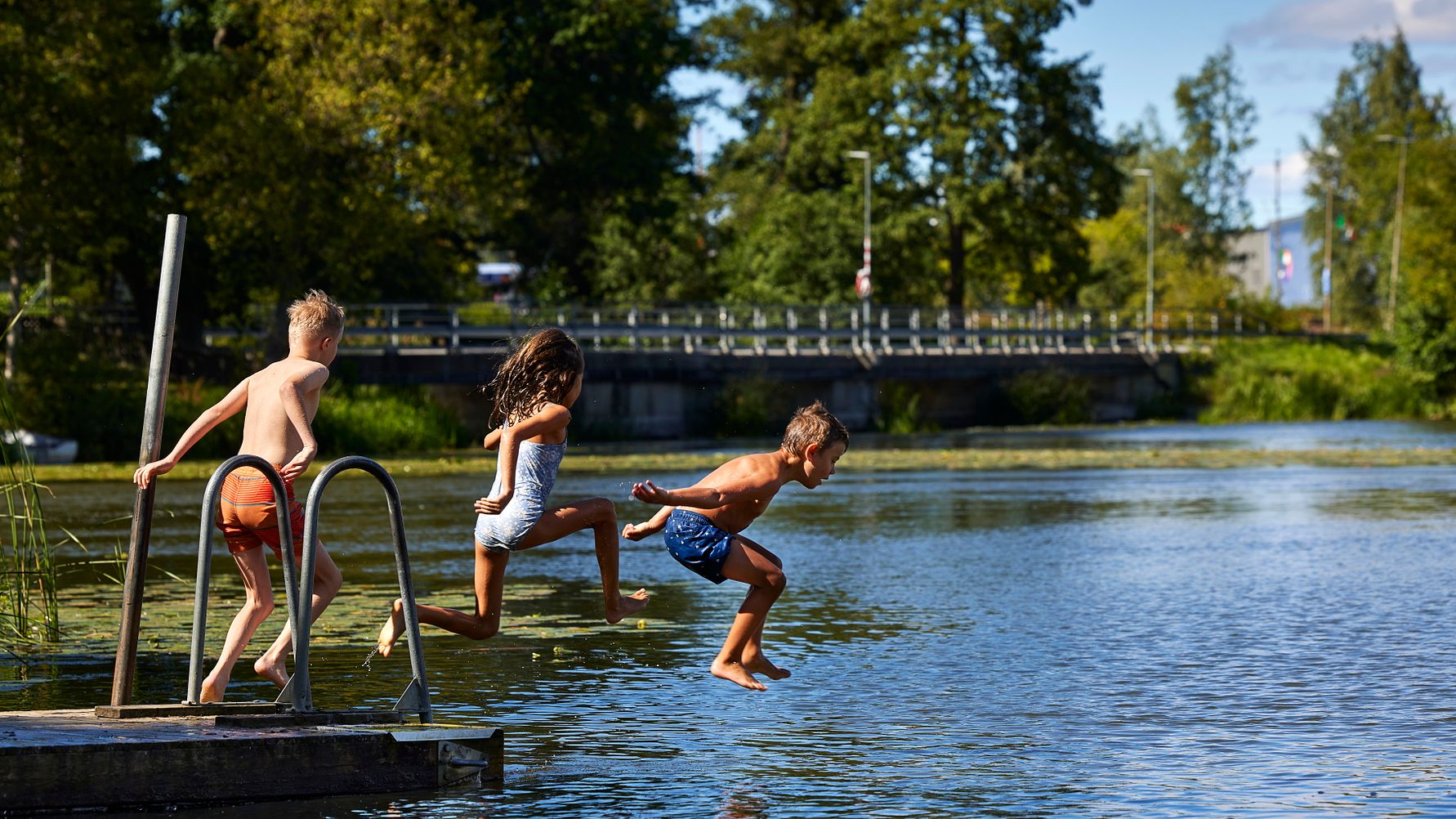
Beyond medieval walls, Visby Sweden offers access to stunning Baltic coastline. Within walking distance of the town center, several beaches provide opportunities for swimming during summer months. The surrounding Gotland landscape features limestone formations, wildflower meadows, and coastal cliffs that complement the urban historical experience.
| Attraction | Description | Key Feature |
|---|---|---|
| Ringmuren | 3.44 km medieval city wall with 44 towers | Walk along historic fortifications |
| S:t Maria Cathedral | Only medieval church still in use | Regular services and concerts |
| Gotlands Museum | 8,000 years of island history | Battle of Visby artifacts |
| S:t Nicolai Ruin | Gothic church ruin in town center | Event venue, medieval atmosphere |
| Botanical Garden | Gardens within medieval ruins | Unique setting for native plants |
| Almedalen Park | Coastal park and event space | Site of annual political week |
| Visby Beach | Urban beach near city walls | Swimming and Baltic Sea views |
| DBW’s Botanical Garden | Historic garden with rare species | Peaceful medieval setting |
Practical Travel Tips for Visiting Visby
How to Get to Visby from Stockholm
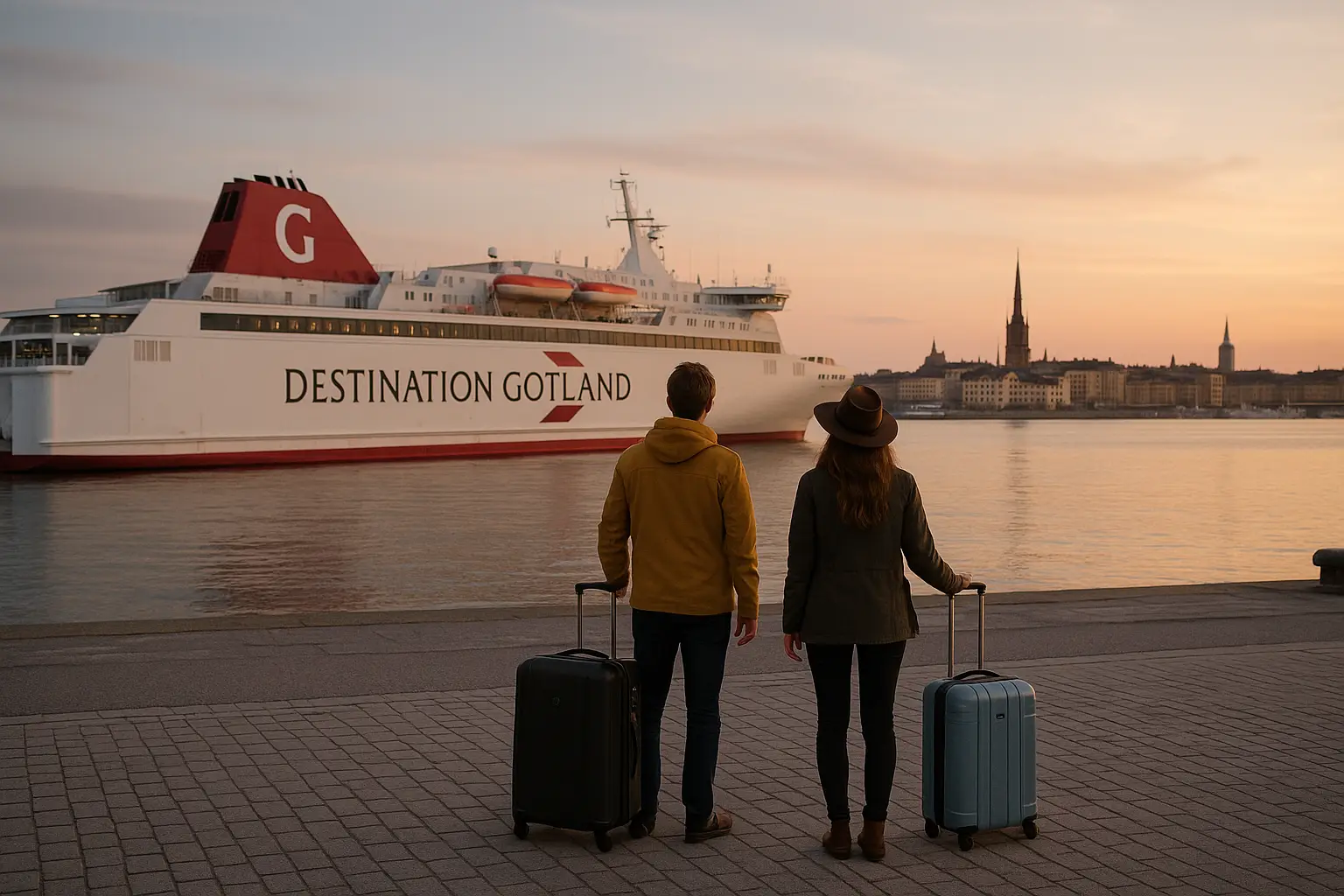
Reaching Visby requires crossing to Gotland, Sweden’s largest island in the Baltic Sea. The most common route from Stockholm involves taking a ferry from either Nynäshamn or Oskarshamn. Destination Gotland operates year-round ferry services, with the journey taking approximately 3-3.5 hours depending on the departure point. For faster travel, Gotland Airport receives flights from Stockholm Arlanda and Bromma, with flight times around 40 minutes. Those planning to explore beyond Visby town should consider booking a Visby car rental in advance. For detailed transportation options, check our comprehensive guide on Visby to Stockholm routes.
Best Time to Visit Visby
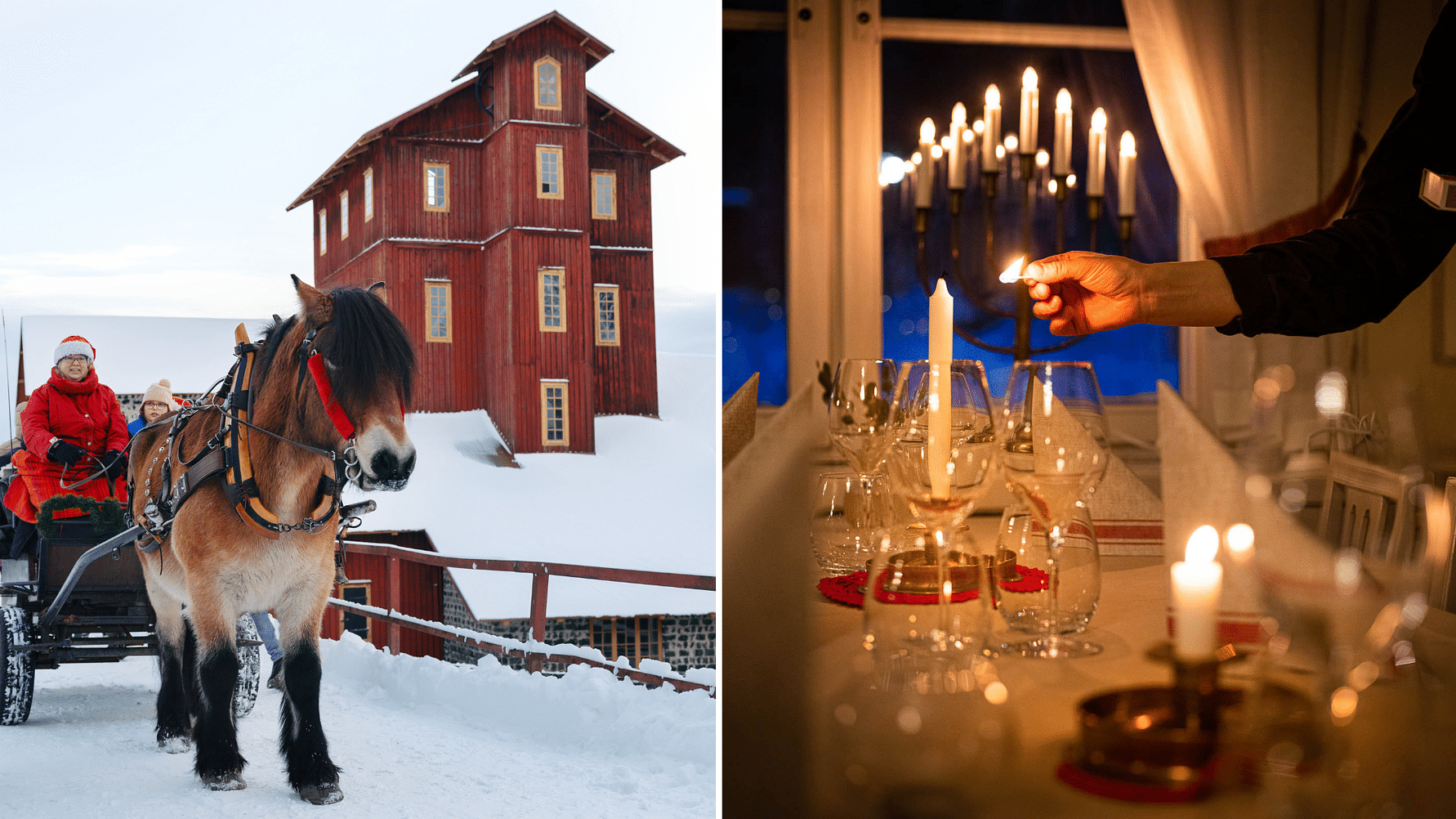
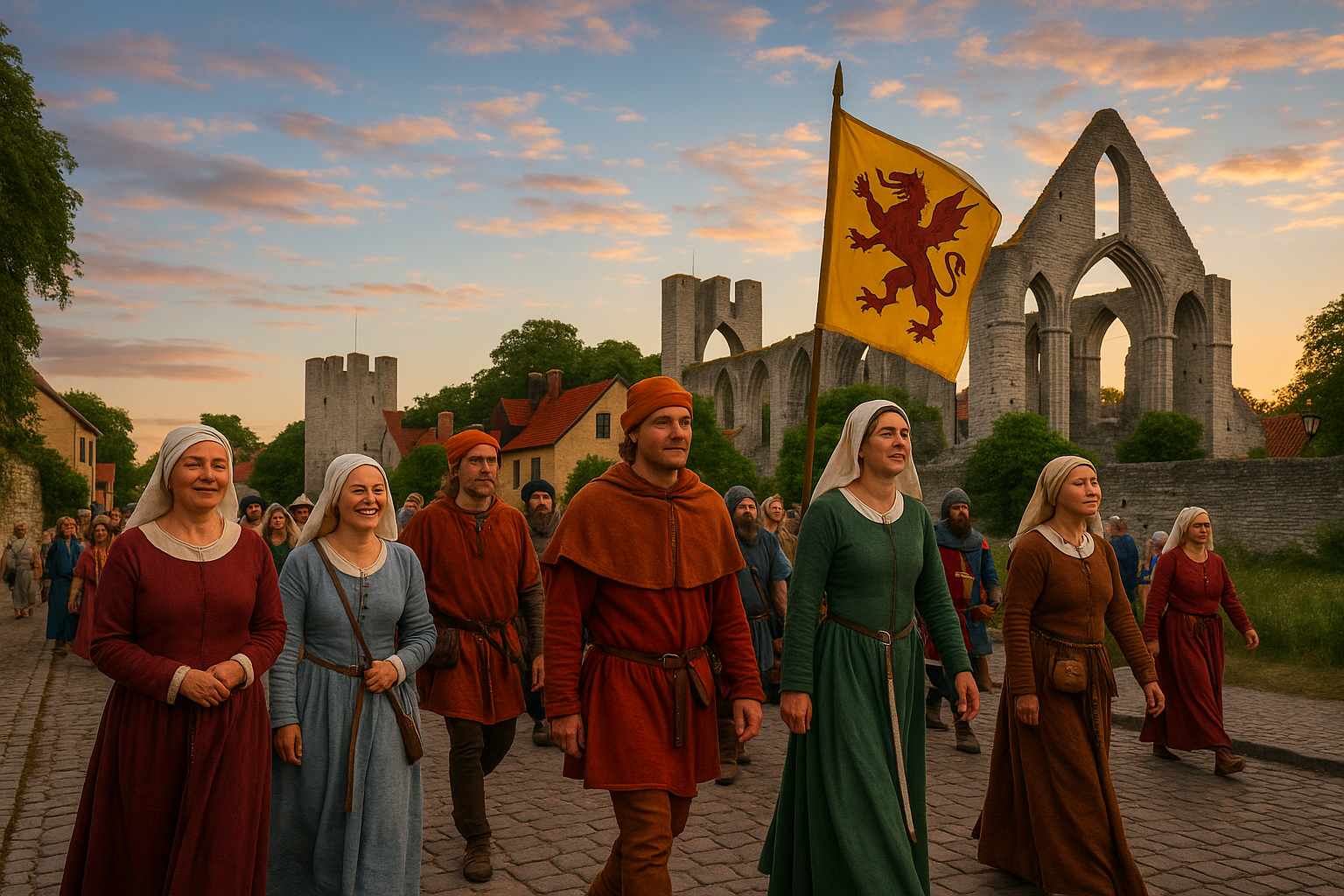
Visby’s tourism peaks during summer (June-August) when weather is warmest and daylight extends late into evening. However, each season offers distinct advantages. Summer brings the famous Medieval Week in August, transforming the entire town into a living history experience. Spring (May-June) features wildflowers and fewer crowds, while autumn (September-October) offers comfortable temperatures for walking tours. Winter visits provide atmospheric experiences, particularly during the Medieval Christmas Market held December 5-7, 2025, in the S:t Nicolai ruin according to Medeltidsveckan.
Insider Tips for Your Visby Visit
- Book accommodation early: Hotels in Visby fill quickly during Medieval Week and summer months. Consider booking 3-6 months in advance.
- Walking shoes essential: Cobblestone streets and medieval architecture mean comfortable footwear is crucial for exploring.
- Vehicle restrictions: Parts of the inner city have seasonal motor vehicle restrictions. Check with local authorities if driving.
- Explore beyond walls: While the medieval center captivates, don’t miss Gotland’s countryside, beaches, and limestone formations.
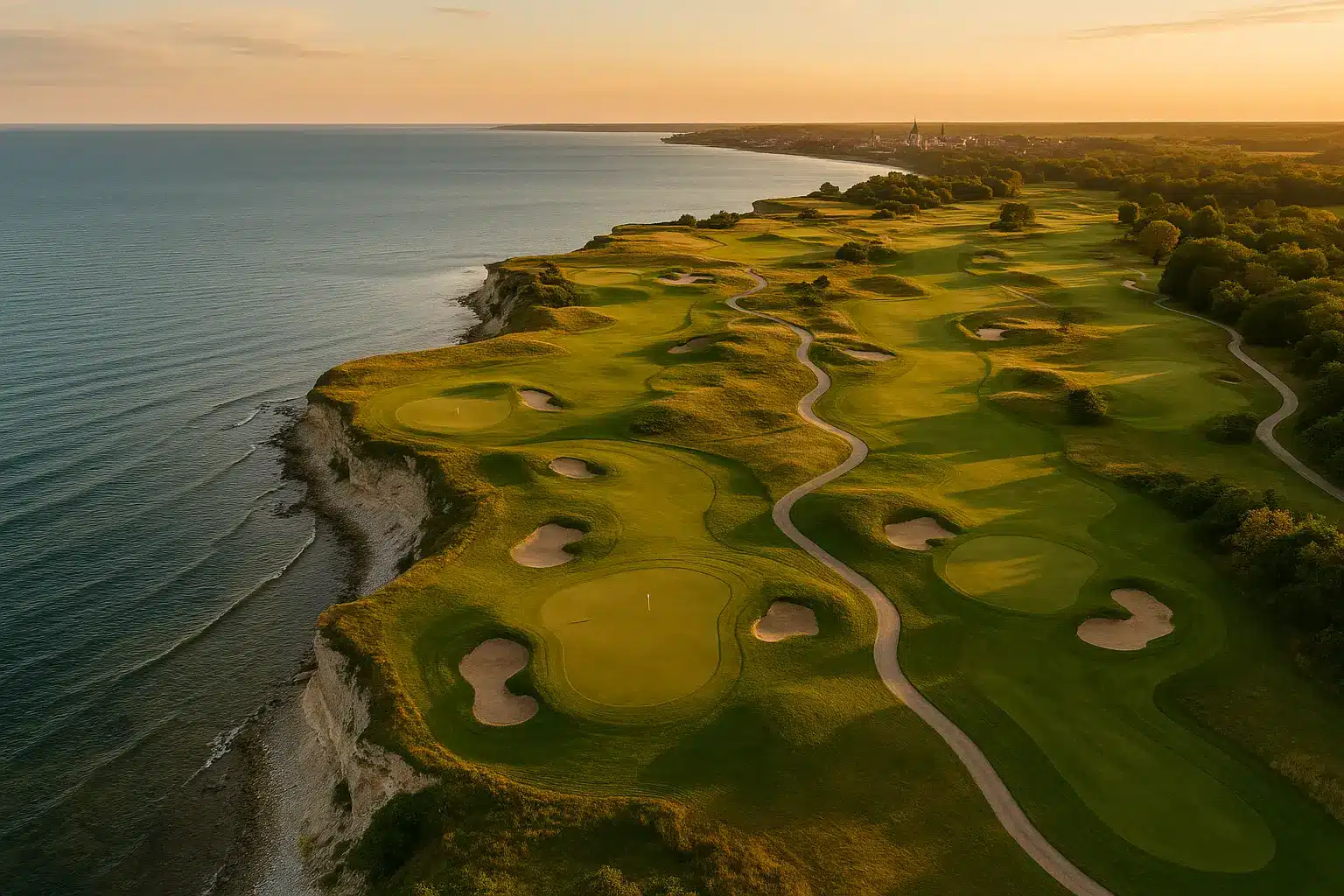
- Golf enthusiasts: The Visby golf club offers scenic coastal courses combining recreation with island views.
Major Events in Visby 2025
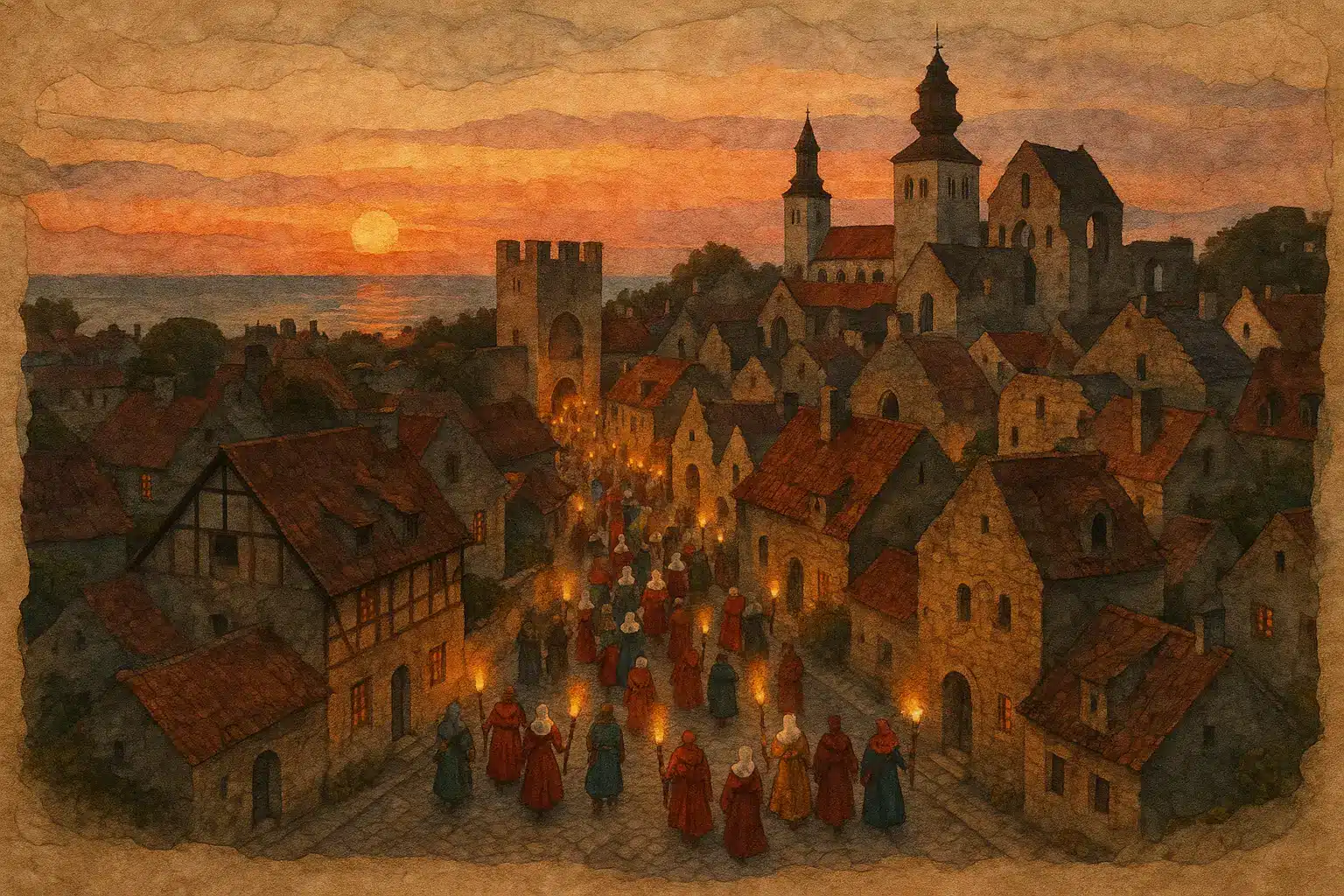
Visby’s event calendar centers on its medieval heritage while embracing contemporary culture. The Medieval Week typically occurs in early August, featuring tournaments, markets, music, and theatrical performances throughout the walled city. According to Gotland.com, Visbydagarna celebrates local culture with concerts and activities. The Medieval Christmas Market (December 5-7, 2025) transforms S:t Nicolai ruin into a festive seasonal marketplace. Almedalen Week in early July brings Sweden’s political establishment to Visby for debates and discussions in the park outside the walls.
Accommodation and Dining in Visby
Where to Stay in Visby
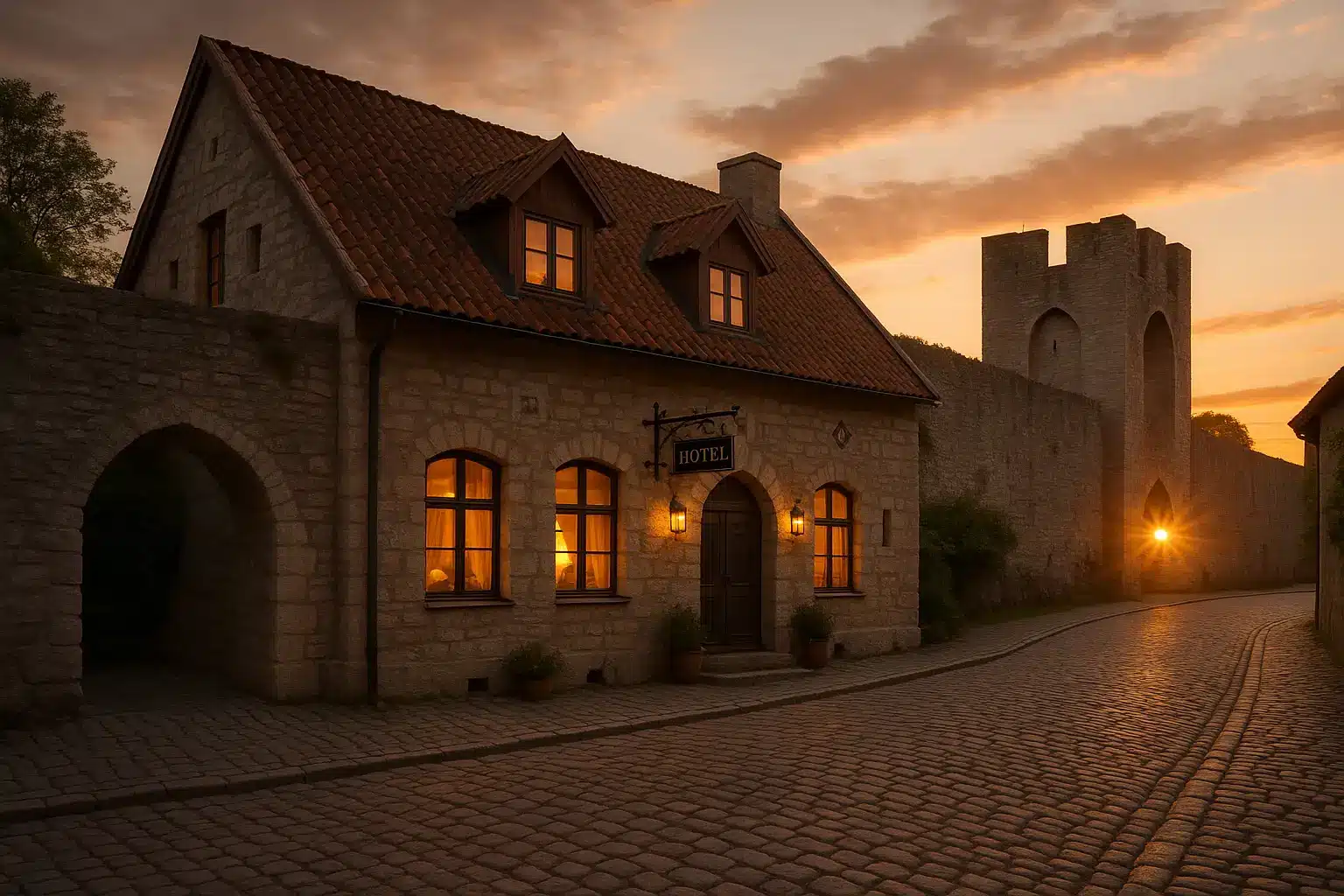
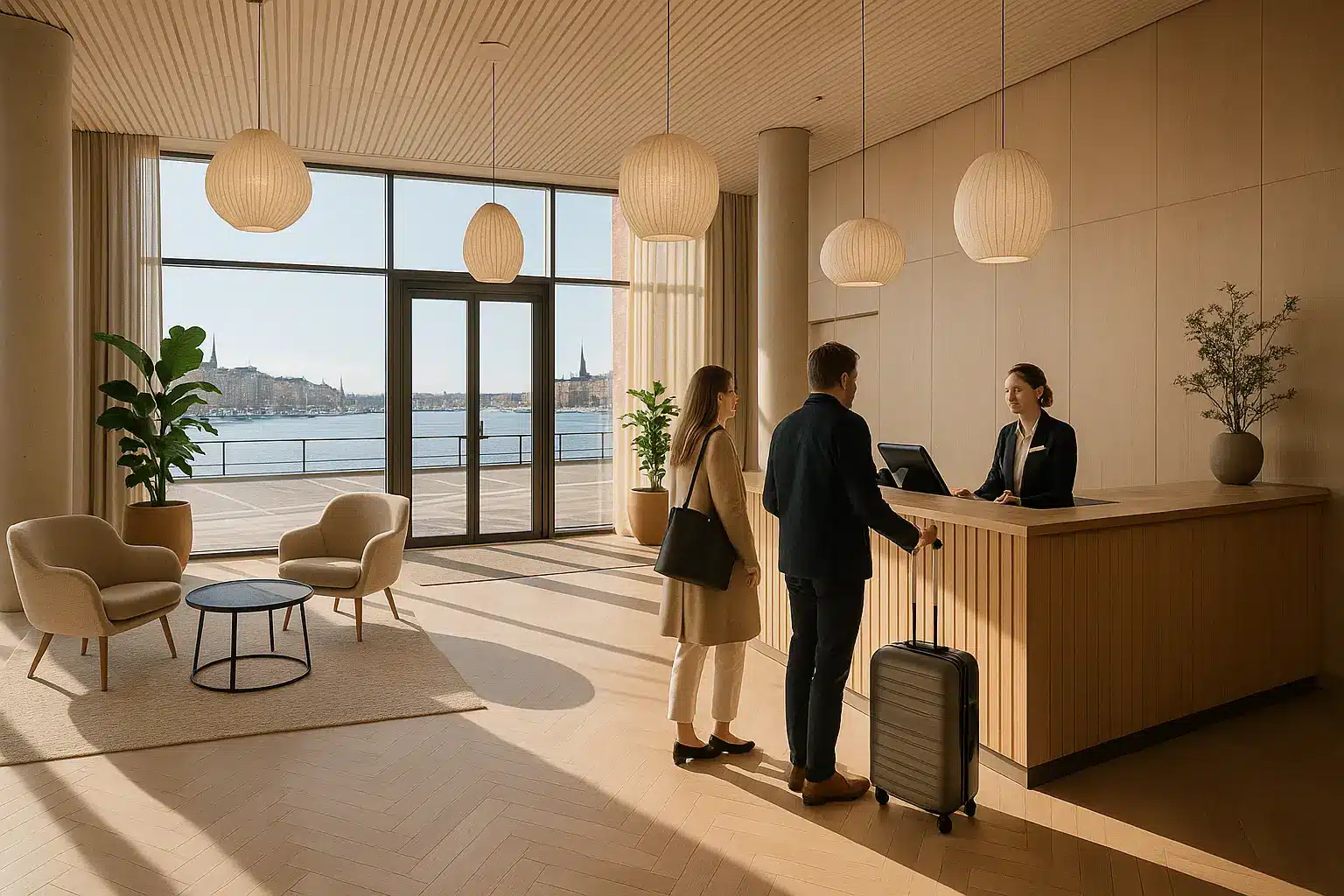
Visby hotels range from historic buildings within the medieval walls to modern establishments just outside. Properties like Hotel St. Clemens and Clarion Hotel Wisby occupy buildings with centuries of history, offering atmospheric stays. Boutique guesthouses in converted medieval structures provide intimate experiences, while newer hotels near the harbor combine convenience with contemporary amenities. Budget-conscious travelers find hostels and camping options on Gotland’s outskirts, though advance booking remains essential during peak season.
Visby’s Culinary Scene
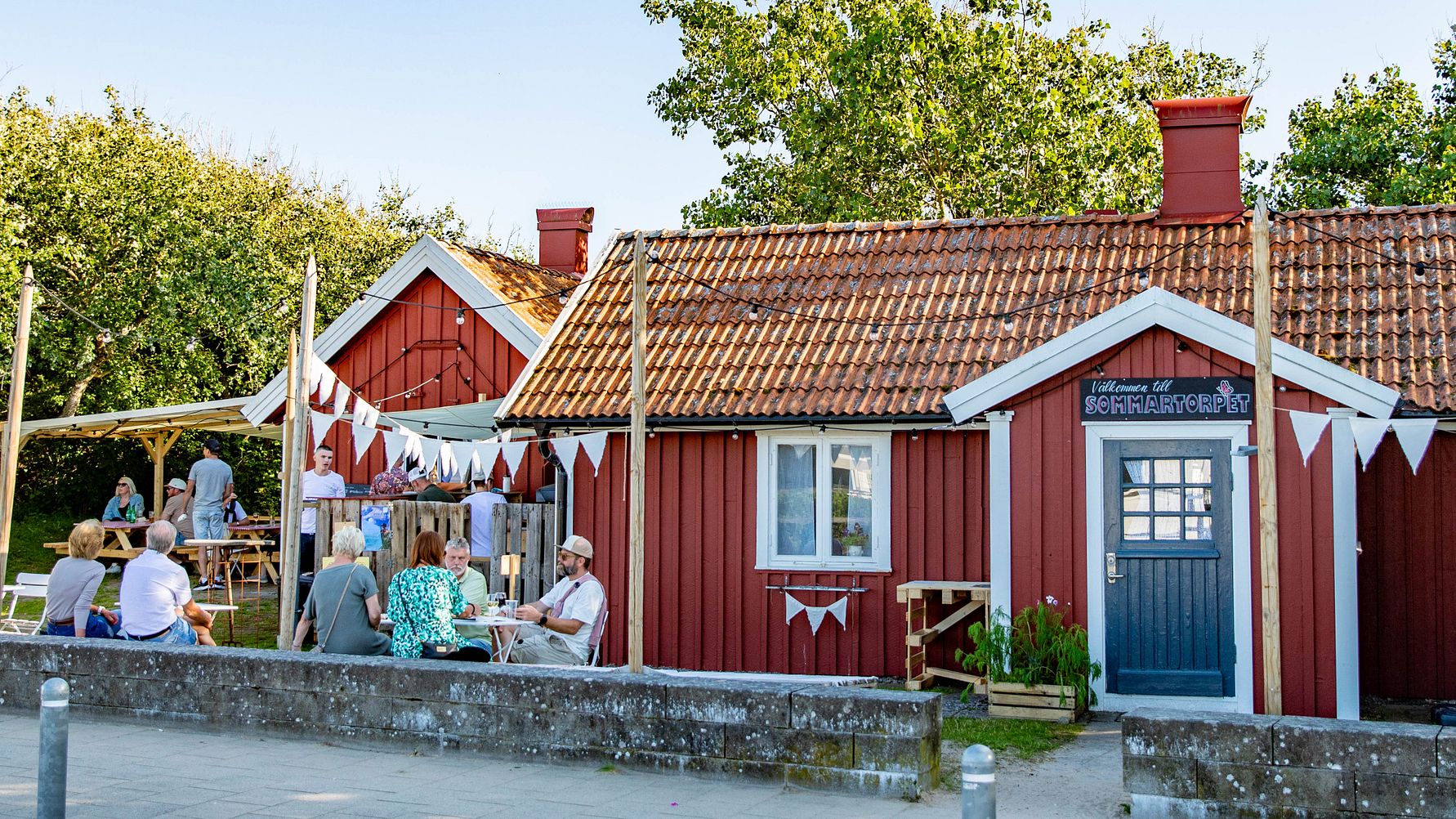
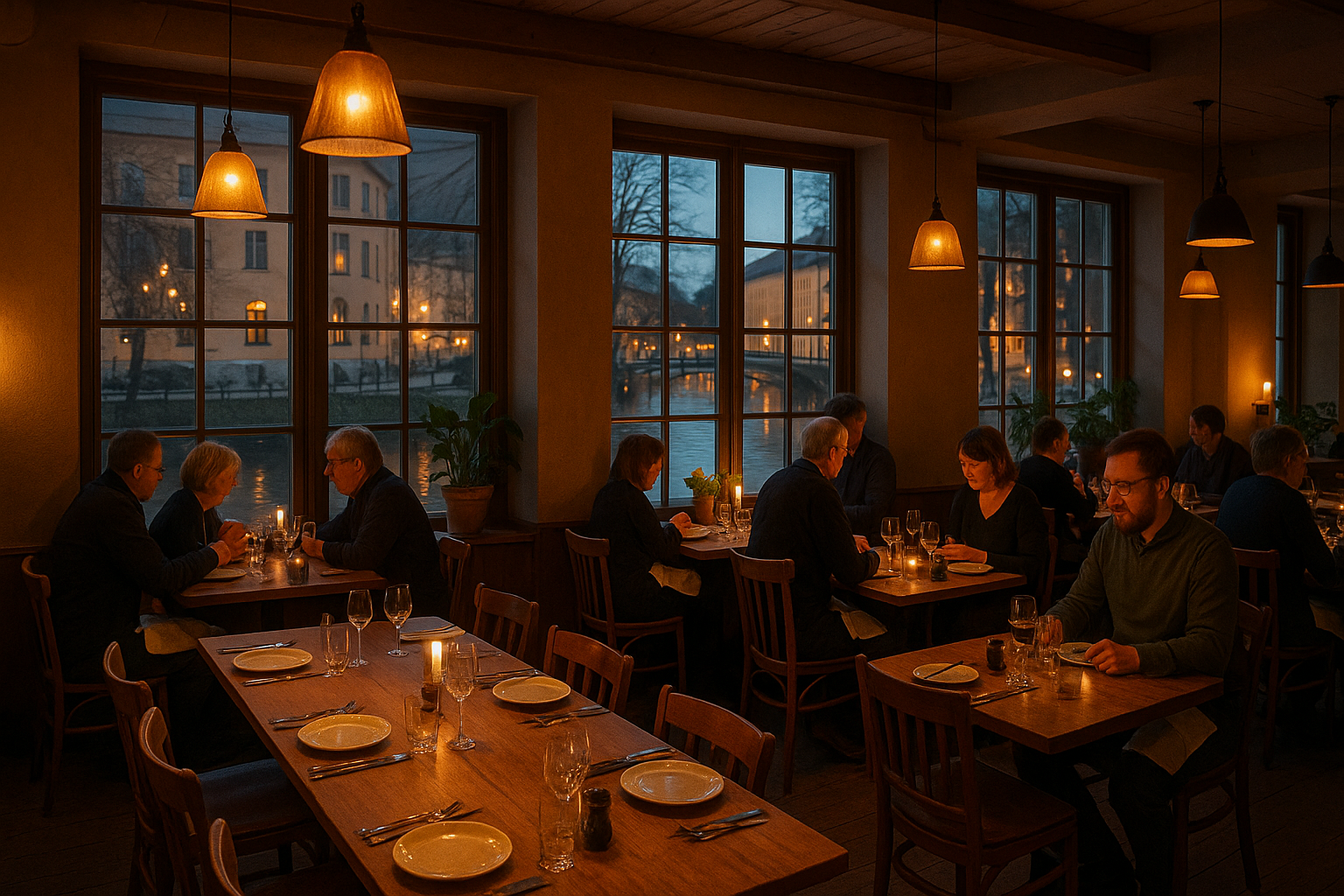
Gotland’s cuisine emphasizes local ingredients, particularly lamb, seafood, and vegetables. Visby’s restaurants serve traditional Swedish fare alongside international options, often in medieval cellars or garden courtyards. The island produces distinctive saffranspannkaka (saffron pancake), a regional specialty. Summer brings outdoor dining along the harbor and in hidden courtyards within the city walls, creating memorable atmospheric meals combining history with contemporary Nordic cuisine.
Getting Around Visby
Visby’s compact medieval center is best explored on foot, with most major attractions within 15-20 minutes’ walk. The cobblestone streets and pedestrian zones make walking the practical choice for sightseeing. Bicycle rentals provide an excellent option for reaching beaches and nearby sites outside the walls. Local buses connect Visby to other Gotland destinations, while taxis serve the airport and ferry terminals. For exploring the wider island, rental cars offer flexibility to discover remote beaches, medieval churches, and natural attractions across Gotland.
Frequently Asked Questions About Visby
What is Visby known for?
Visby is renowned as one of Northern Europe’s best-preserved medieval towns and a UNESCO World Heritage Site. The city is famous for its 3.44-kilometer medieval ring wall built in the 1200s, its Hanseatic trading history, and its collection of church ruins. Visby also gained international recognition for the 1361 Battle of Visby and its annual Medieval Week festival, which attracts thousands of visitors who experience living history in an authentic medieval setting.
How do you get to Visby from Stockholm?
The two main options for reaching Visby from Stockholm are ferry and flight. Destination Gotland operates ferries from Nynäshamn (closer to Stockholm) and Oskarshamn, with crossings taking 3-3.5 hours. Ferries accommodate both passengers and vehicles. Alternatively, flights from Stockholm Arlanda or Bromma airports to Gotland Airport take approximately 40 minutes. Many visitors combine transportation methods, flying one direction and taking the scenic ferry return journey to maximize their Gotland experience.
What major events happen in Visby during 2025?
Visby’s 2025 event calendar features several major attractions. Medieval Week, typically held in early August, transforms the entire walled city into a medieval festival with markets, tournaments, and performances. The Medieval Christmas Market occurs December 5-7, 2025, in the atmospheric S:t Nicolai church ruin. Almedalen Week in early July brings Sweden’s political discussions to Visby’s parks. Additionally, Visbydagarna celebrates local Gotland culture, and various concerts and cultural events occur throughout summer months within the historic walls and church ruins.
When is the best time to visit Visby?
The optimal time depends on your interests. Summer (June-August) offers the warmest weather, longest daylight, and major events like Medieval Week, but also brings peak crowds and higher prices. Spring (May-June) provides pleasant temperatures, wildflowers, and fewer tourists. Early autumn (September) maintains good weather with reduced visitor numbers. Winter visits appeal to those seeking atmospheric experiences during the Christmas market or wanting to see the medieval town blanketed in snow, though some attractions have reduced hours and weather can be harsh.
What happened during the Battle of Visby in 1361?
The Battle of Visby in 1361 was a decisive conflict when Danish King Valdemar IV Atterdag invaded Gotland with professional troops. Local militia, composed largely of farmers and townspeople, confronted the Danish army outside Visby’s walls. The battle resulted in approximately 2,000 casualties, with mass graves discovered by archaeologists containing bodies still wearing armor. This defeat marked the end of Visby’s independence and prosperity as a free Hanseatic city, fundamentally changing the town’s political and economic trajectory in medieval Northern Europe.
Is Visby good for families with children?
Visby offers excellent family experiences combining education with adventure. Children enjoy exploring the medieval walls, imagining knights in castle ruins, and participating in Medieval Week activities designed for young visitors. The compact, walkable town center means families can easily navigate between attractions. Nearby beaches provide summer recreation, while museums offer interactive exhibits explaining Viking and medieval history. The safe, pedestrian-friendly environment within the walls and the novelty of staying in a ”real medieval town” create memorable family vacation experiences.