The History Behind Gamla Uppsala
Gamla Uppsala stands as one of Scandinavia’s most significant archaeological and cultural sites, embodying Sweden’s transition from Norse paganism to Christianity. Located just north of modern Uppsala, this ancient center served as the political and religious heart of the Svea people (Svearna) during the Iron Age and Viking era. The site’s three monumental burial mounds—known as kungshögarna (royal mounds)—and remnants of a pre-Christian temple draw historians and visitors seeking to understand Sweden’s formative centuries.
The Iron Age and the Burial Mounds
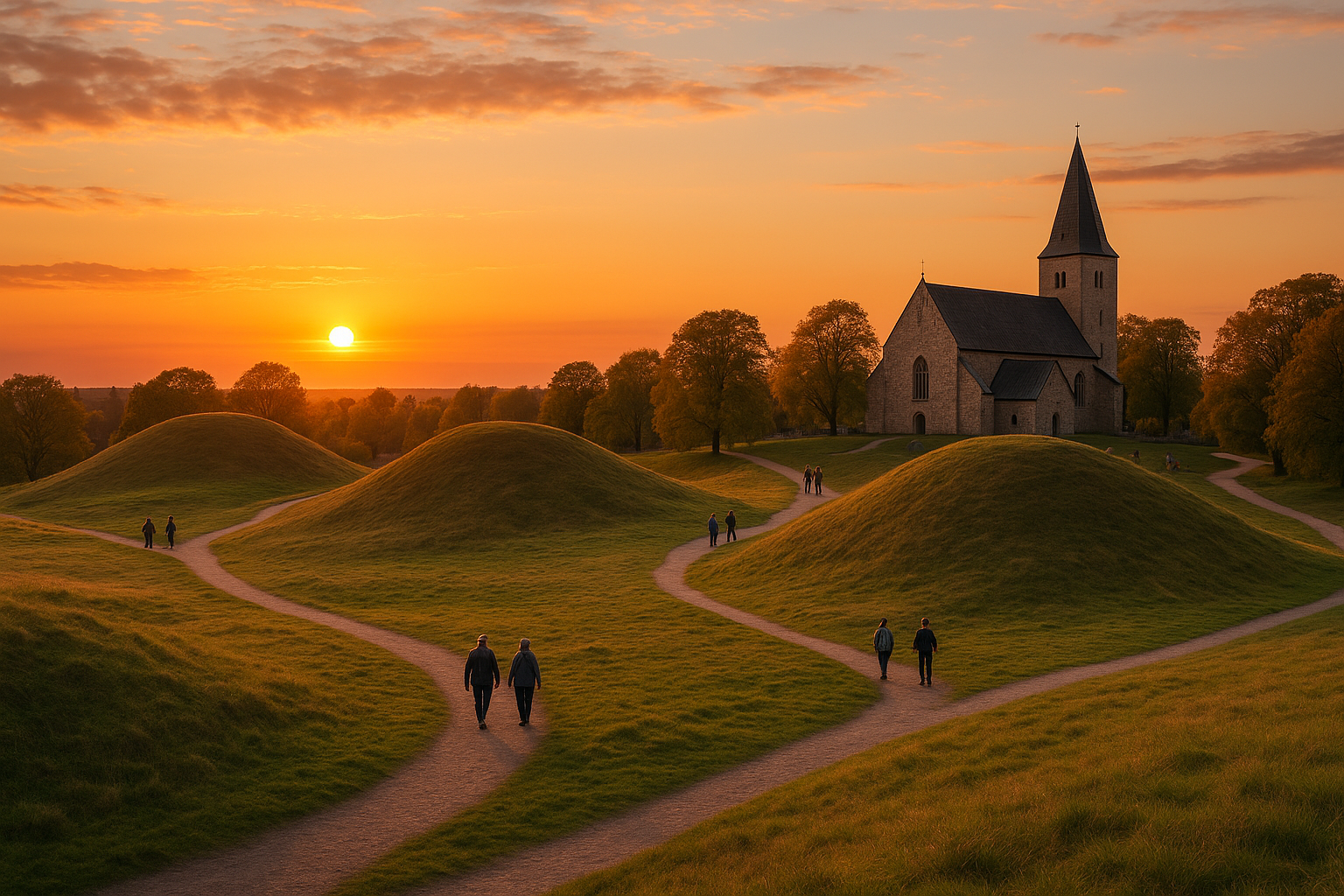
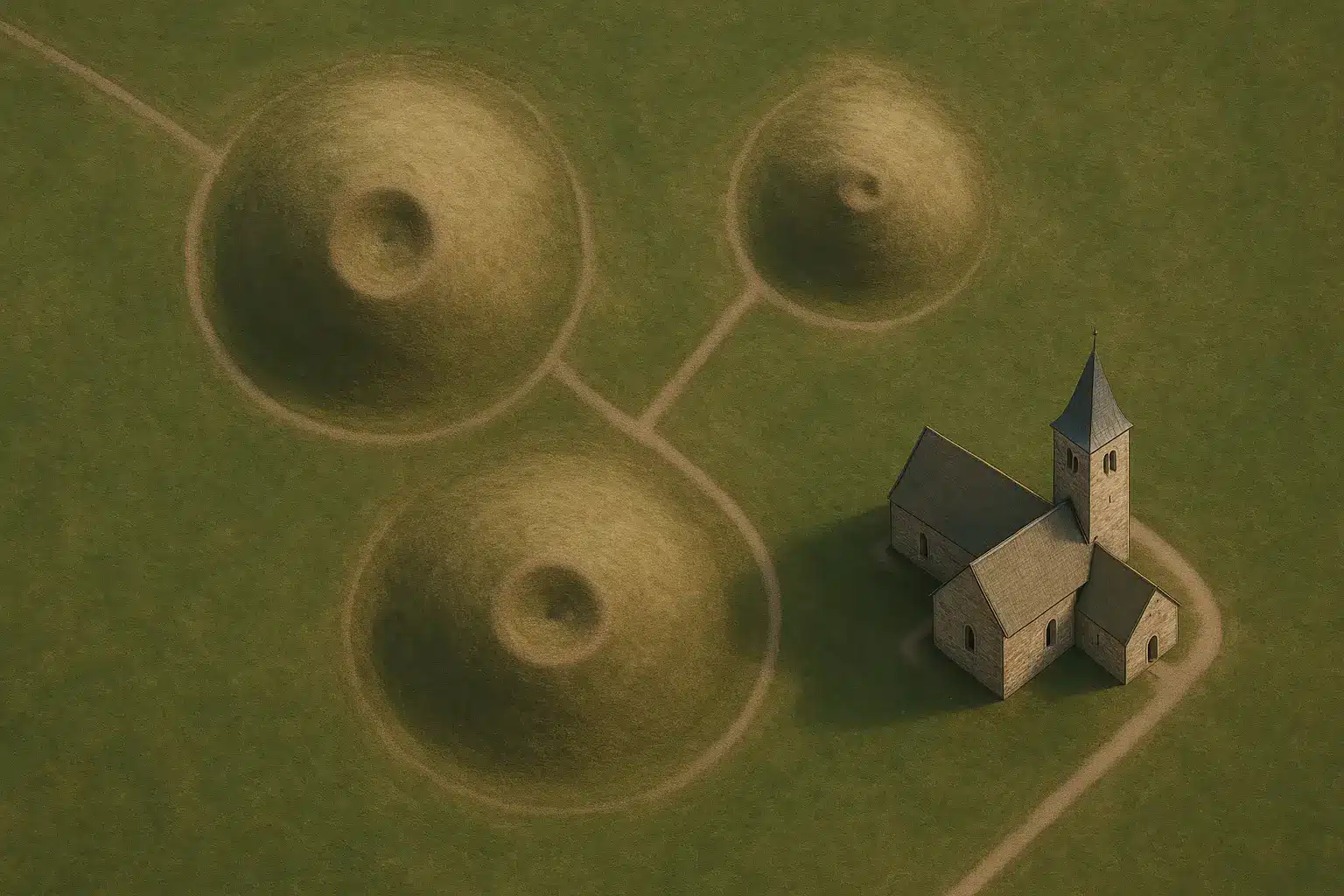
The landscape of Gamla Uppsala is dominated by three massive burial mounds dating from the 6th century, collectively called gamla uppsala högar. Archaeological evidence reveals these burial mounds housed high-status individuals from a prosperous Iron Age society. The eastern mound, Östhögen (Odin’s Mound), was excavated in 1846, revealing cremated remains, weapons, and luxury goods that confirmed the site’s royal connections. These findings suggest the mounds may contain members of the legendary Ynglinga dynasty, which early medieval sources claim ruled Sweden before the Viking Age.
The mounds measure up to 9 meters in height and 50 meters in diameter, making them visible landmarks across the agricultural plains. Their construction required immense labor and resources, indicating centralized power and organized society during a period traditionally viewed as fragmented tribal communities.
Religious Rites and the Temple
According to the 11th-century chronicler Adam of Bremen, Gamla Uppsala temple stood as a magnificent wooden structure dedicated to the Norse gods Thor, Odin, and Freyr. Historical accounts describe elaborate midwinter sacrifices (blot) conducted here, where the Svea kings led rituals involving animal—and possibly human—offerings. While no physical temple remains have been conclusively identified, the concentration of votive deposits and the site’s continued religious significance support these written records.
The temple’s existence during the 1000s placed Gamla Uppsala at the center of Norse religious practice as Christianity gradually spread through Scandinavia. This pagan sanctuary likely coexisted with early Christian missionary efforts, creating a cultural tension that would eventually resolve in favor of the new faith.
Christianization and the Church’s Role
The transition to Christianity transformed Gamla Uppsala’s function. In 1164, the site became the seat of Sweden’s first archbishop, establishing an ecclesiastical center that would shape Swedish religious life for over a century. The medieval Gamla Uppsala kyrka (church) was built on or near the suspected temple location, a common Christian practice of repurposing sacred pagan sites.
In 1273, the archbishopric relocated to present-day Uppsala, diminishing Gamla Uppsala’s administrative importance but preserving its historical legacy. The church that stands today, constructed in the 12th century and later modified, contains medieval frescoes and serves as a tangible link between Sweden’s pagan past and Christian present.
Gamla Uppsala Museum
The Gamla Uppsala museum serves as the interpretive center for understanding this complex historical landscape. Managed by Uppsala University, the museum houses original artifacts excavated from the royal mounds and surrounding archaeological sites, providing context for the visible landscape features.
Exhibitions and Finds
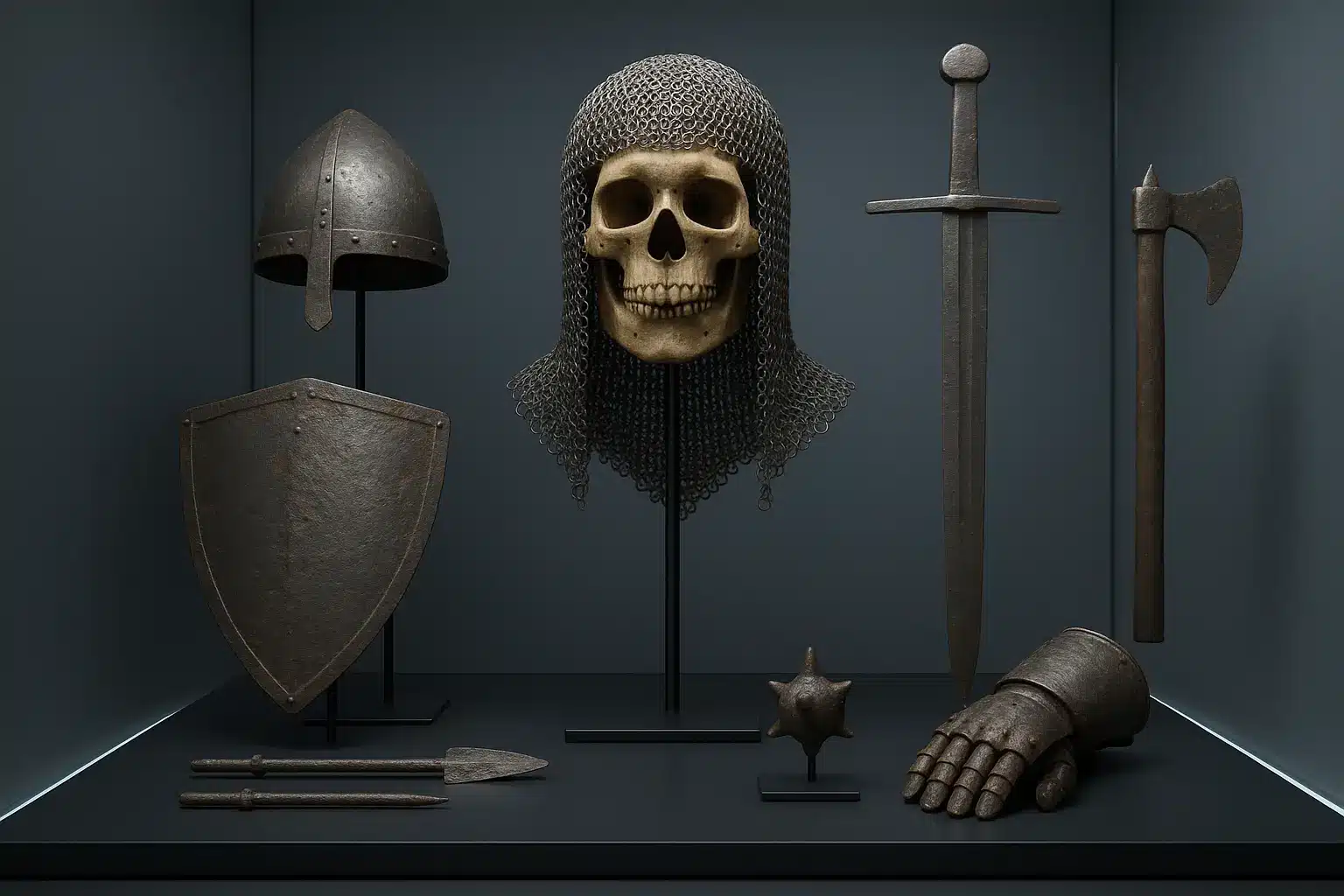
The museum’s permanent exhibition showcases jewelry, weapons, and ceremonial objects recovered from the burial mounds and settlement areas. Highlights include intricate gold foil figures (guldgubbar) used in religious rituals, weaponry demonstrating Iron Age craftsmanship, and reconstructions of burial practices. Interactive displays explain how archaeologists interpret fragmentary evidence to reconstruct ancient societies.
A significant portion of the exhibition addresses the temple question, presenting historical sources alongside archaeological findings. Visitors can examine how scholars debate the temple’s location, appearance, and function based on limited evidence—a valuable lesson in historical methodology.
Opening Hours and Admission for 2025
For those planning a visit, it’s essential to check current gamla uppsala museum opening hours before traveling. As of 2025, the museum typically operates:
| Period | Days | Hours |
|---|---|---|
| May–September | Daily | 11:00–17:00 |
| October–April | Wednesday–Sunday | 12:00–16:00 |
| Holidays | Varies | Check official site |
Admission prices remain modest, with discounts for students, seniors, and families. Children under 18 typically enter free. Verify current rates and any special exhibitions on the official museum page.
Tips for Your Museum Visit
Make the Most of Your Visit
- Allow 1–2 hours for the museum exhibition and adjacent sites
- Download the free audio guide app before arrival for enhanced context
- Visit during weekdays in spring or fall to avoid summer crowds
- Combine museum admission with a walk to the burial mounds (10-minute stroll)
- Check for guided tours, which run on weekends during peak season
Attractions and Activities
Beyond the museum, Gamla Uppsala offers multiple opportunities to engage with Sweden’s ancient heritage through both cultural sites and natural landscapes.
Exploring the Mounds
The three main burial mounds are freely accessible year-round, with walking paths leading to their summits. Climbing to the top of the mounds provides panoramic views of the surrounding agricultural landscape and helps visitors appreciate the engineering required for their construction. Interpretive signs explain each mound’s history and archaeological significance.
Additional smaller mounds dot the area, representing a broader cemetery complex that served the community for centuries. The entire site functions as an open-air museum where landscape features tell stories without formal structures.
Gamla Uppsala Church
The medieval Gamla Uppsala kyrka warrants a visit for its architectural features and historical importance. The Romanesque structure, though modified over centuries, retains elements from the 12th century including carved stone fonts and partially preserved frescoes. The church sits on elevated ground, possibly the site of the pre-Christian temple, making it symbolically significant in Sweden’s religious transformation.
Regular services still occur here, and visitors can explore the interior during open hours. A small exhibition inside provides information about the church’s construction and role in medieval Sweden.
Nature and Hiking Trails
The area surrounding Gamla Uppsala features well-maintained walking trails through agricultural lands and woodlands. The Röbo Trail (Röbospåret), a historical path connecting Uppsala to Gamla Uppsala, offers a scenic 5-kilometer route for those preferring to approach the site on foot.
Spring and early summer provide optimal conditions for walking, with wildflowers and extended daylight hours. The relatively flat terrain makes trails accessible for most fitness levels.
Practical Advice for Your Visit
Planning logistics ensures a smooth experience when visiting this historically significant location.
How to Get There
Gamla Uppsala lies approximately 5 kilometers north of Uppsala city center. Multiple transportation options serve visitors:
- Bus: City buses 2, 110, and 115 run regularly from Uppsala central station to Gamla Uppsala, with journey times around 15–20 minutes
- Bicycle: Dedicated bike paths connect Uppsala to Gamla Uppsala, offering a pleasant 25-minute ride
- Car: Direct access via Route 290, with clear signage from Uppsala
- Walking: The Röbo Trail provides a historical walking route (approximately 1 hour from city center)
Parking and Transportation
Adequate gamla uppsala parkering (parking) is available near the museum and church, with designated lots accommodating cars and tour buses. Parking remains free, though spaces fill quickly during summer weekends and special events. Electric vehicle charging stations are available in the main parking area.
For those arriving by public transport, the bus stops sit within 200 meters of the museum entrance, ensuring convenient access without extensive walking.
Nearby Events and Restaurants
The site hosts seasonal events that enhance the visitor experience:
- Midsummer: Traditional celebrations around the summer solstice feature folk dancing and historical demonstrations
- Valborg (April 30): Spring festivities with bonfires and community gatherings
- Archaeological Days: Special programs during summer months showcasing excavation techniques
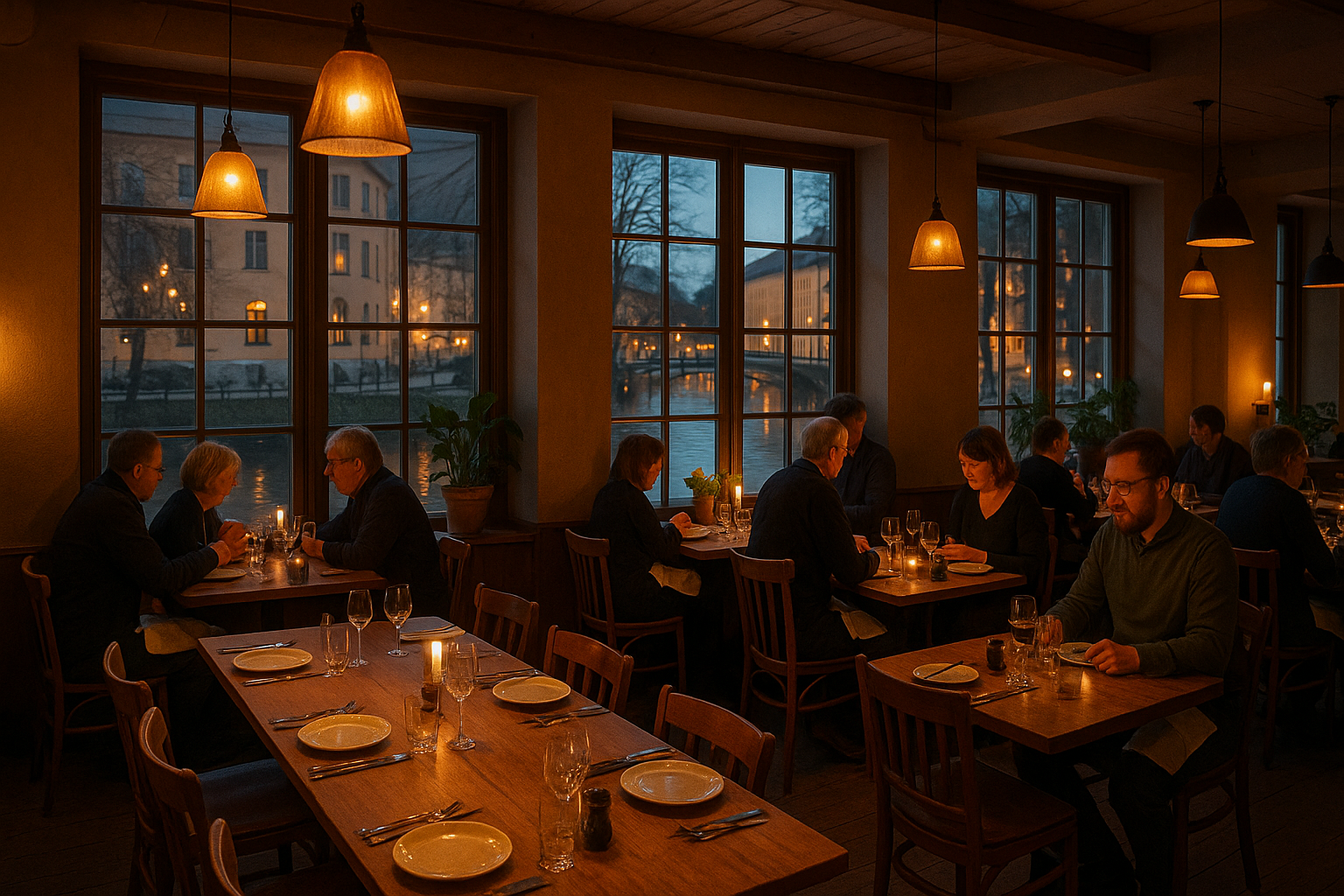
Odinsborg restaurant and inn, located adjacent to the mounds, offers traditional Swedish cuisine in a historic setting. The establishment operates year-round, with outdoor seating during warmer months providing views of the burial mounds. Reservations are recommended for weekend dining.
For broader dining and accommodation options, explore our guide to things to do in Uppsala, which covers the full range of city attractions beyond Gamla Uppsala.
Frequently Asked Questions
What is Gamla Uppsala known for?
Gamla Uppsala is renowned as one of Scandinavia’s most important archaeological sites, featuring three monumental 6th-century burial mounds associated with legendary Swedish kings. The location served as a religious center during the Viking Age, hosting a pagan temple before becoming Sweden’s first archbishopric in 1164. Its combination of Norse mythology, archaeological significance, and medieval history makes it a premier destination for understanding Sweden’s cultural origins.
How long does a museum visit take?
A thorough visit to Gamla Uppsala museum typically requires 1–1.5 hours, depending on your interest level in archaeological exhibits. Combining the museum with a walk to the burial mounds and church extends the visit to 2–3 hours total. Guided tours, when available, last approximately 90 minutes and provide deeper historical context that independent visits might miss.
What is the history of the burial mounds?
The three main burial mounds date from approximately 500–600 CE during the Migration Period of the Iron Age. Archaeological excavations, particularly the 1846 investigation of Östhögen, revealed cremated human remains along with weapons, jewelry, and imported luxury goods, indicating burials of high-status individuals—possibly members of the Ynglinga royal dynasty mentioned in medieval sagas. The mounds represent the wealth and organizational capacity of Iron Age Swedish society.
Are there guided tours available in 2025?
Yes, guided tours operate primarily during the summer season (June–August) on weekends. English-language tours are available upon request with advance booking. The museum also offers downloadable audio guides in multiple languages for self-guided exploration. Group tours for schools and organizations can be arranged year-round by contacting the museum directly. Check the official website for current tour schedules and booking procedures.
Can you visit Gamla Uppsala in winter?
Gamla Uppsala remains accessible year-round, though the museum operates reduced hours during winter months (October–April). The outdoor burial mounds and church can be visited any time regardless of season, with winter visits offering a quieter, more contemplative experience. Snow-covered landscapes provide dramatic photographic opportunities, though be prepared for cold temperatures and shorter daylight hours during December and January.