History and Significance of Uppsala Cathedral
Uppsala Cathedral stands as the tallest church building in the Nordic countries, reaching an impressive height of 118.7 meters. Located in Uppsala, Sweden, this magnificent structure has served as the seat of the Archbishop of Uppsala and a central place of worship since its consecration in 1435. The cathedral’s construction began in the late 13th century, showcasing the French Gothic style that would define its architectural character for centuries to come.
As the national church of Sweden, Uppsala Cathedral Sweden played a pivotal role in the country’s history, hosting royal coronations until the 19th century. According to Svenska kyrkan, the cathedral continues to serve as an active place of worship and a major cultural landmark, attracting visitors from around the world who seek to explore its rich heritage.
Construction and Architectural Development
When Uppsala Cathedral was built in the late 1200s, French architects introduced the Gothic style—a medieval architectural approach characterized by pointed arches, ribbed vaults, and flying buttresses—to Scandinavia. The cathedral’s construction spanned over 150 years, with the building finally consecrated in 1435. Destination Uppsala notes that the structure underwent significant restoration work in the late 19th century, which refined its twin towers and reinforced its status as the largest cathedral in Scandinavia.
Royal Connections and Historical Events
The Uppsala Cathedral history is deeply intertwined with Swedish royalty. The cathedral served as the coronation site for Swedish monarchs and became the final resting place for several notable figures. The connection between church and state was particularly strong during the medieval period, when Uppsala functioned as Sweden’s ecclesiastical capital alongside its political significance.
Saint Erik and Patronage
King Erik IX, known as Saint Erik, Sweden’s patron saint, is among the most significant figures buried within the cathedral. According to Unofficial Royalty, his shrine has been a pilgrimage destination for centuries. The cathedral also houses members of the Vasa family, including King Gustav Vasa, who led Sweden’s Protestant Reformation in the 16th century, fundamentally transforming the cathedral’s role in Swedish religious life.
Architecture and Notable Features
French Gothic Style Elements
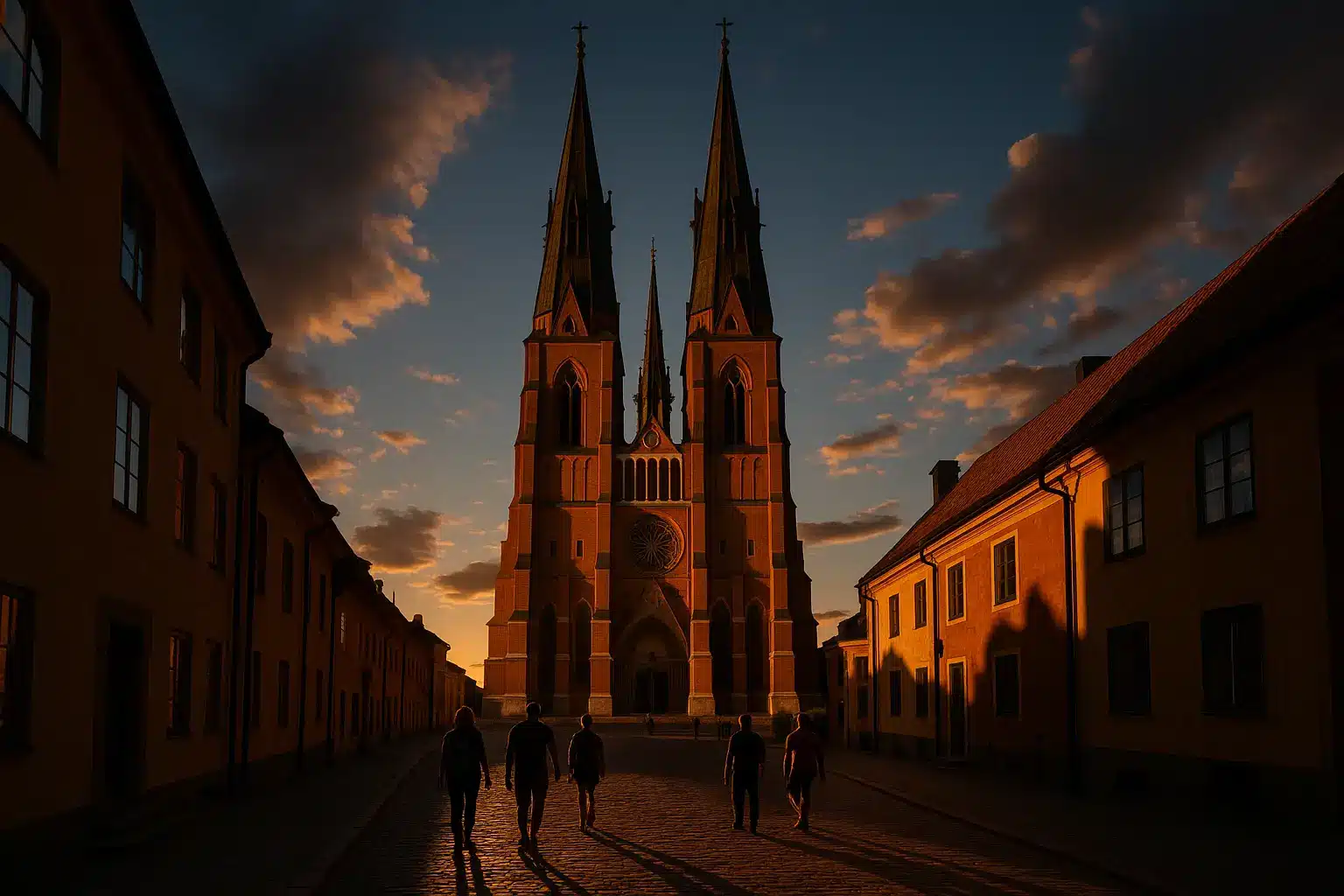
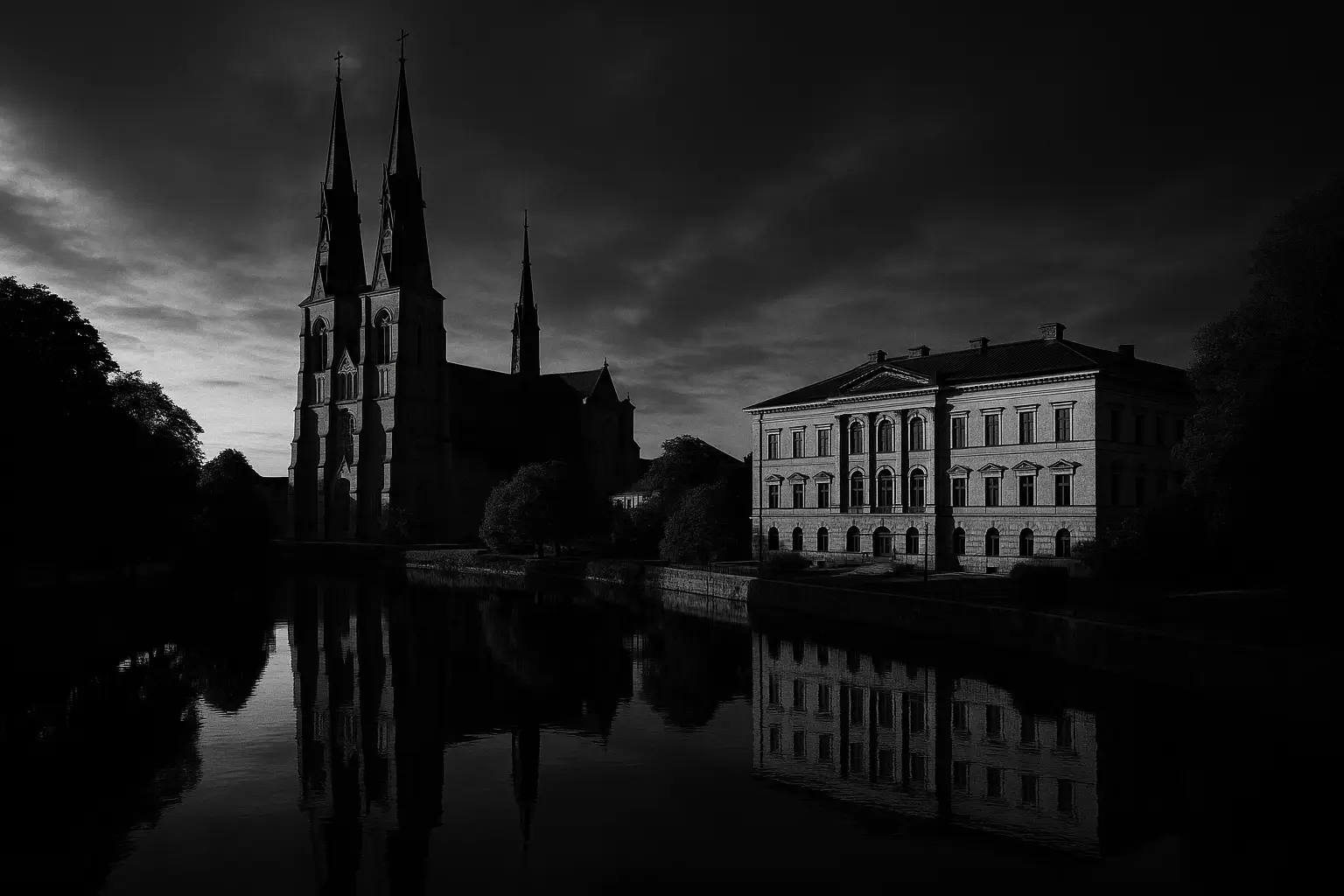
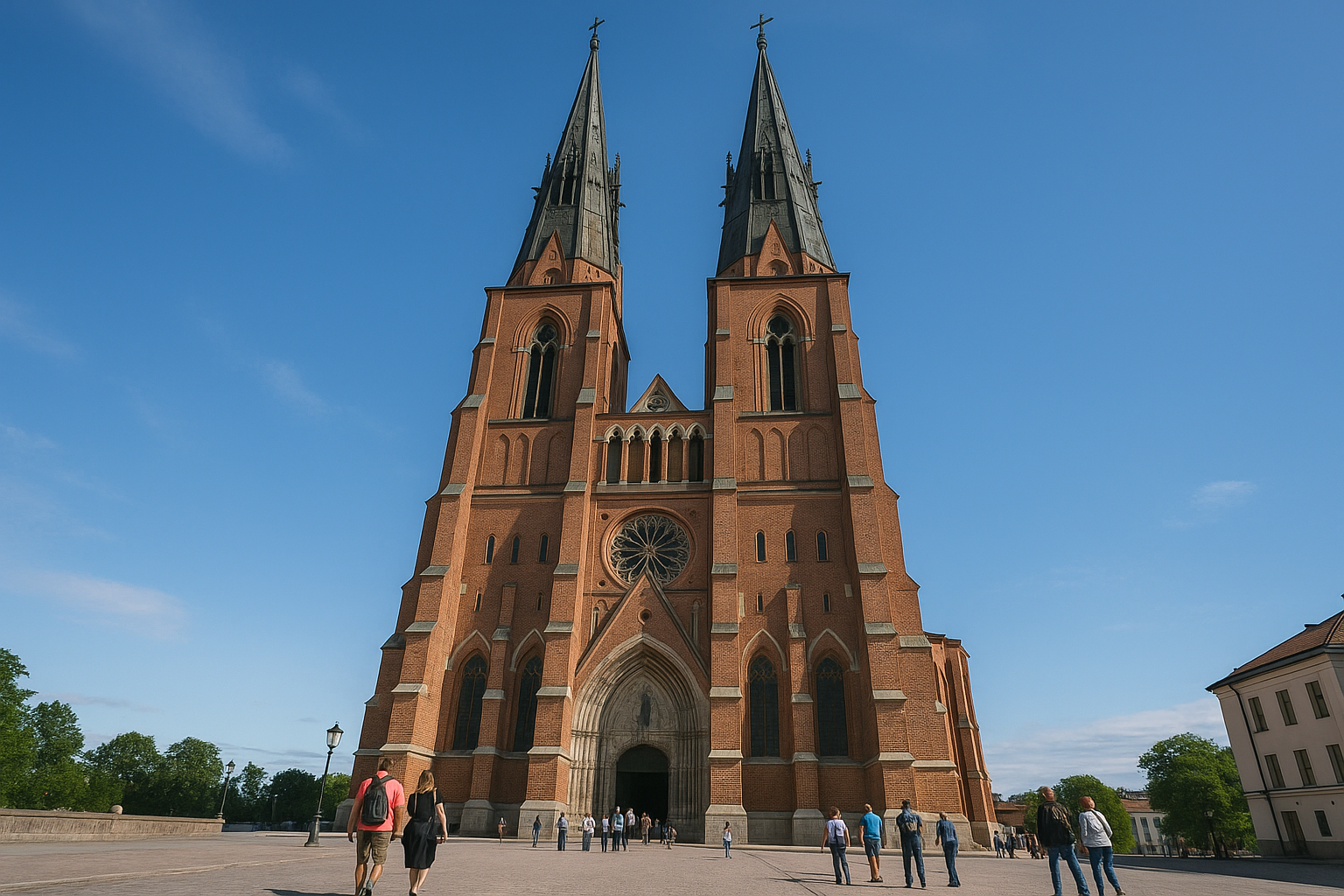
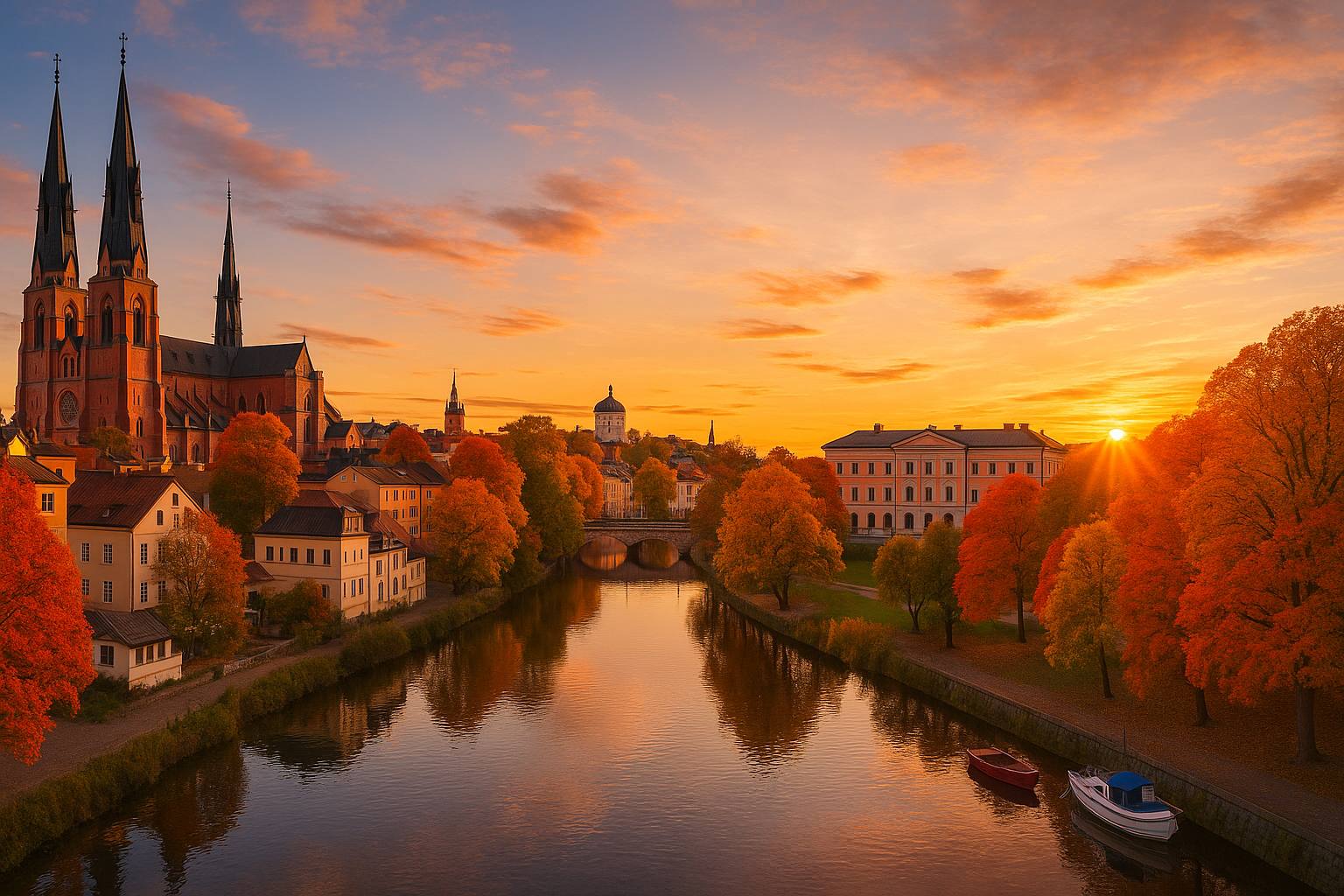
The Uppsala Cathedral French Gothic style represents one of the finest examples of this architectural tradition in Northern Europe. The cathedral’s exterior features characteristic pointed arches, elaborate stone carvings, and two imposing towers that dominate Uppsala’s skyline. The use of brick combined with stone details creates a distinctive Nordic interpretation of the French Gothic aesthetic, setting it apart from purely stone cathedrals found elsewhere in Europe.
Interior and Exterior Highlights
The Uppsala Cathedral interior encompasses a vast nave with soaring vaulted ceilings that draw the eye upward, creating a sense of spiritual elevation. Visitors can admire numerous chapels, each with unique artistic and historical significance. The cathedral houses precious medieval artwork, including altarpieces and sculptures that survived the Reformation. The Uppsala Cathedral exterior showcases intricate stonework on its western façade, while the twin towers—each capped with distinctive copper spires—serve as landmarks visible throughout the city.
Visitor Tip: Photography Opportunities
For the best Uppsala Cathedral photos, visit during late afternoon when natural light streams through the stained glass windows, illuminating the interior. The exterior is particularly photogenic from the nearby Linnaeus Garden, which provides an unobstructed view of the twin towers against the sky.
The Cathedral Museum and Treasury
The Cathedral Museum, Uppsala, Sweden and treasury house remarkable collections of liturgical objects, textiles, and historical artifacts spanning over 700 years. The Uppsala Cathedral treasury contains precious medieval reliquaries, vestments embroidered with gold thread, and ceremonial objects used in royal coronations. While entrance to the main cathedral is free, the museum requires a separate admission fee. According to historical records from the Cathedral Museum, donations are appreciated to support ongoing preservation efforts.
Practical Visitor Information
Opening Hours and Entrance Fees
Planning your visit requires knowing the current Uppsala Cathedral opening hours. As of 2025, Svenska kyrkan confirms that the cathedral is open daily from 08:00 to 18:00. The Uppsala Cathedral entrance fee policy maintains that general admission remains free, though donations are welcomed to support maintenance and restoration work. The treasury and museum sections have separate admission charges.
| Service | Hours | Fee |
|---|---|---|
| Cathedral access | Daily 08:00–18:00 | Free (donations welcome) |
| Guided tours | Select times (check website) | Available upon request |
| Treasury/Museum | Varies seasonally | Separate admission |
| Special services | Sundays and holidays | Free |
Location and How to Get There
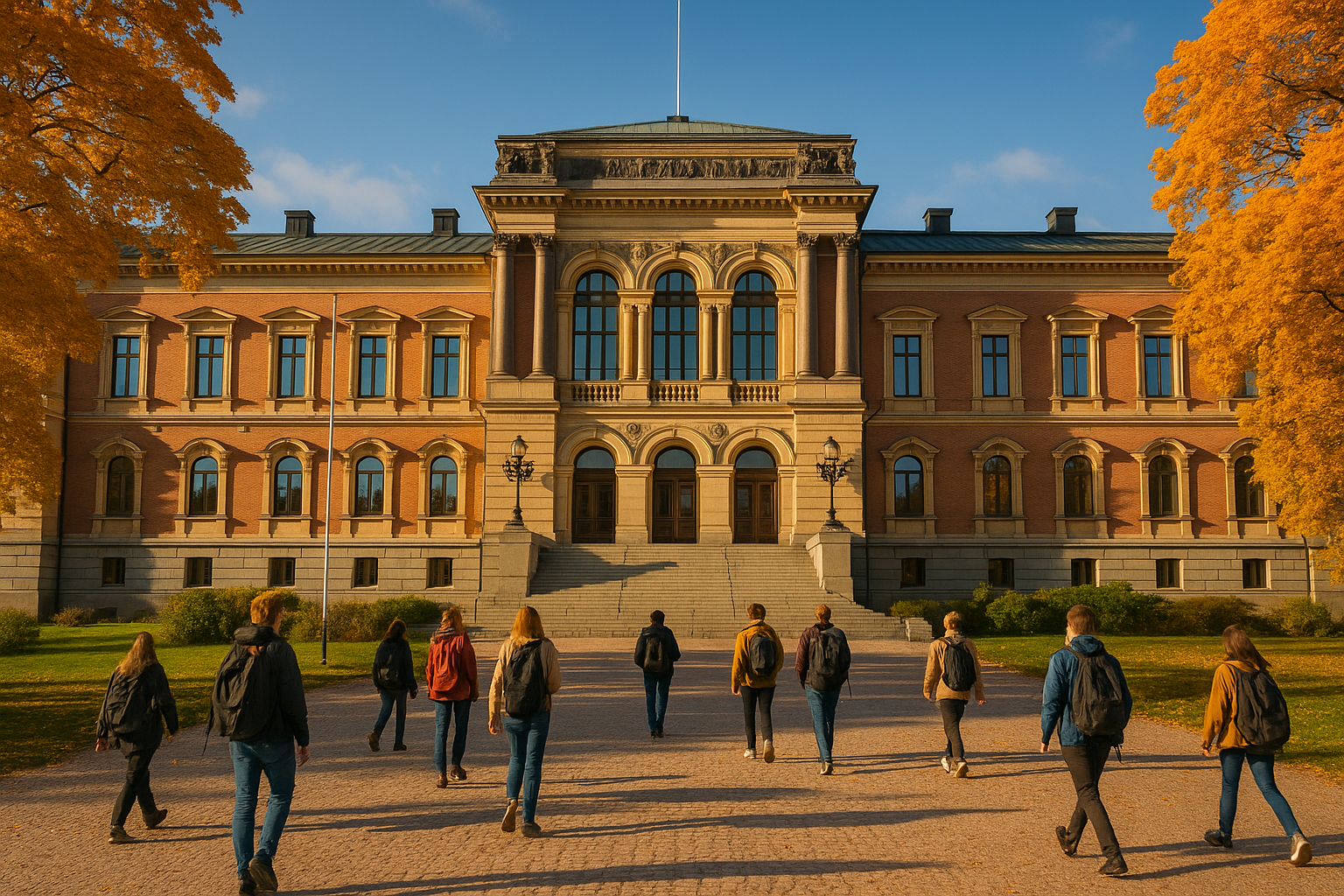
The Uppsala Cathedral address is Domkyrkoplan 2, 753 10 Uppsala, Sweden. Located in the heart of Uppsala’s city center, the cathedral sits adjacent to Uppsala University and within walking distance of other major attractions. From Uppsala Central Station, it’s approximately a 15-minute walk through the historic downtown area. The cathedral’s coordinates (59.8586° N, 17.6310° E) make it easy to locate using GPS navigation.
Guided Tours and Cultural Events
Guided tours provide deeper insights into the cathedral’s history, architecture, and art collections. English-language tours are available, though it’s advisable to check the Uppsala Cathedral official site English section for current schedules. The cathedral regularly hosts concerts taking advantage of its exceptional acoustics, particularly featuring its historic organ. Cultural events range from classical music performances to seasonal celebrations that connect visitors with centuries-old Swedish traditions.
What Makes Uppsala Cathedral Unique
Largest Church in Scandinavia
The distinction of being the Uppsala Cathedral largest church in Scandinavia isn’t merely about size—it represents the cathedral’s historical importance as the ecclesiastical center of Sweden. Wikipedia confirms its status as the tallest church building in the Nordic region, a position it has held since its towers reached their current height of 118.7 meters. This measurement makes it an architectural marvel that dominates the Uppsala skyline and serves as a navigational landmark throughout the city.
Notable Burial Sites
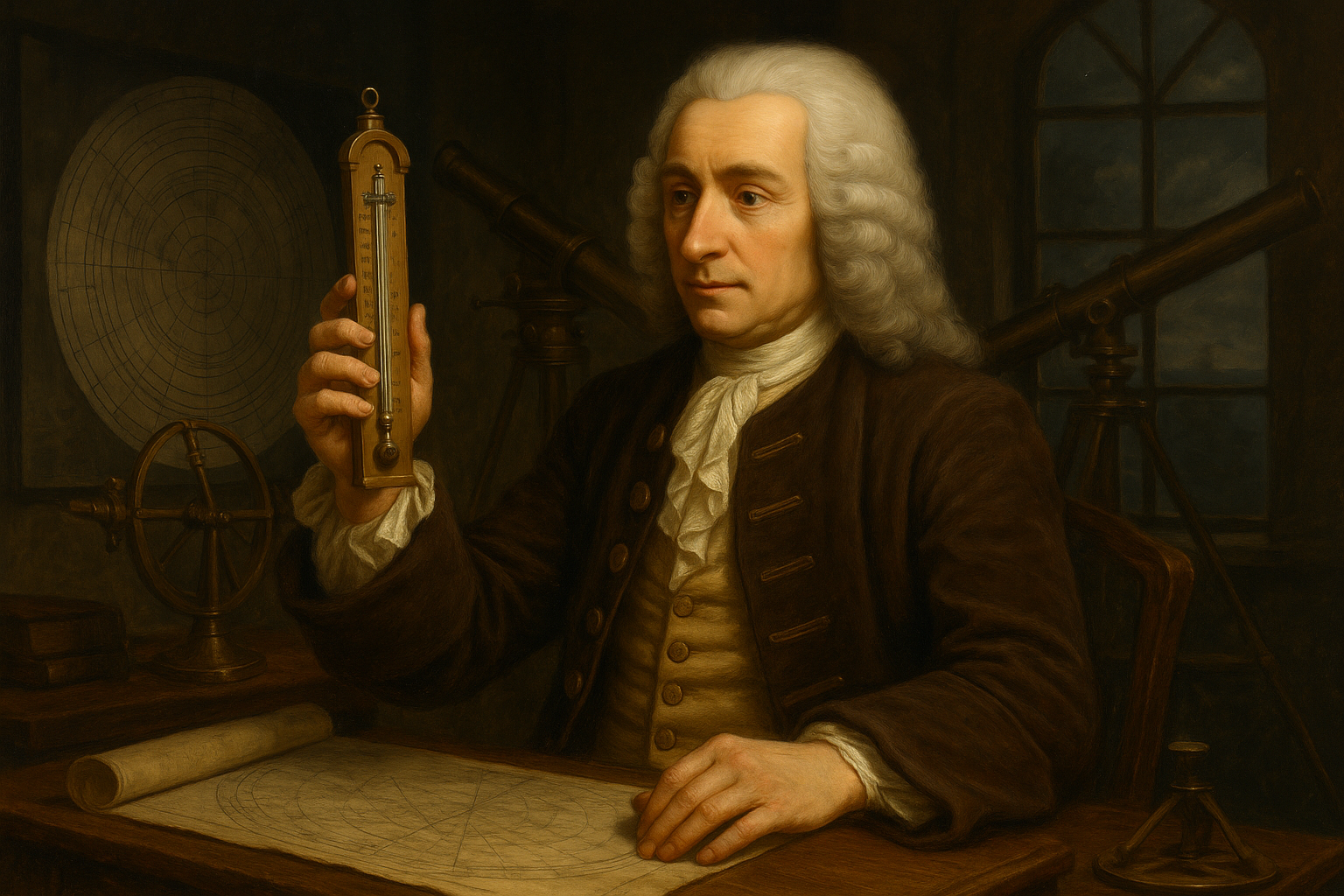
Understanding who is buried in Uppsala Cathedral reveals much about Swedish history. Beyond Saint Erik and Gustav Vasa, the cathedral serves as the final resting place for numerous influential figures including scientist Carl Linnaeus, philosopher Emanuel Swedenborg, and King John III. The Uppsala Cathedral burials create a tangible connection to Sweden’s intellectual, spiritual, and political heritage, making the cathedral essentially a national pantheon.
Connection to Gamla Uppsala
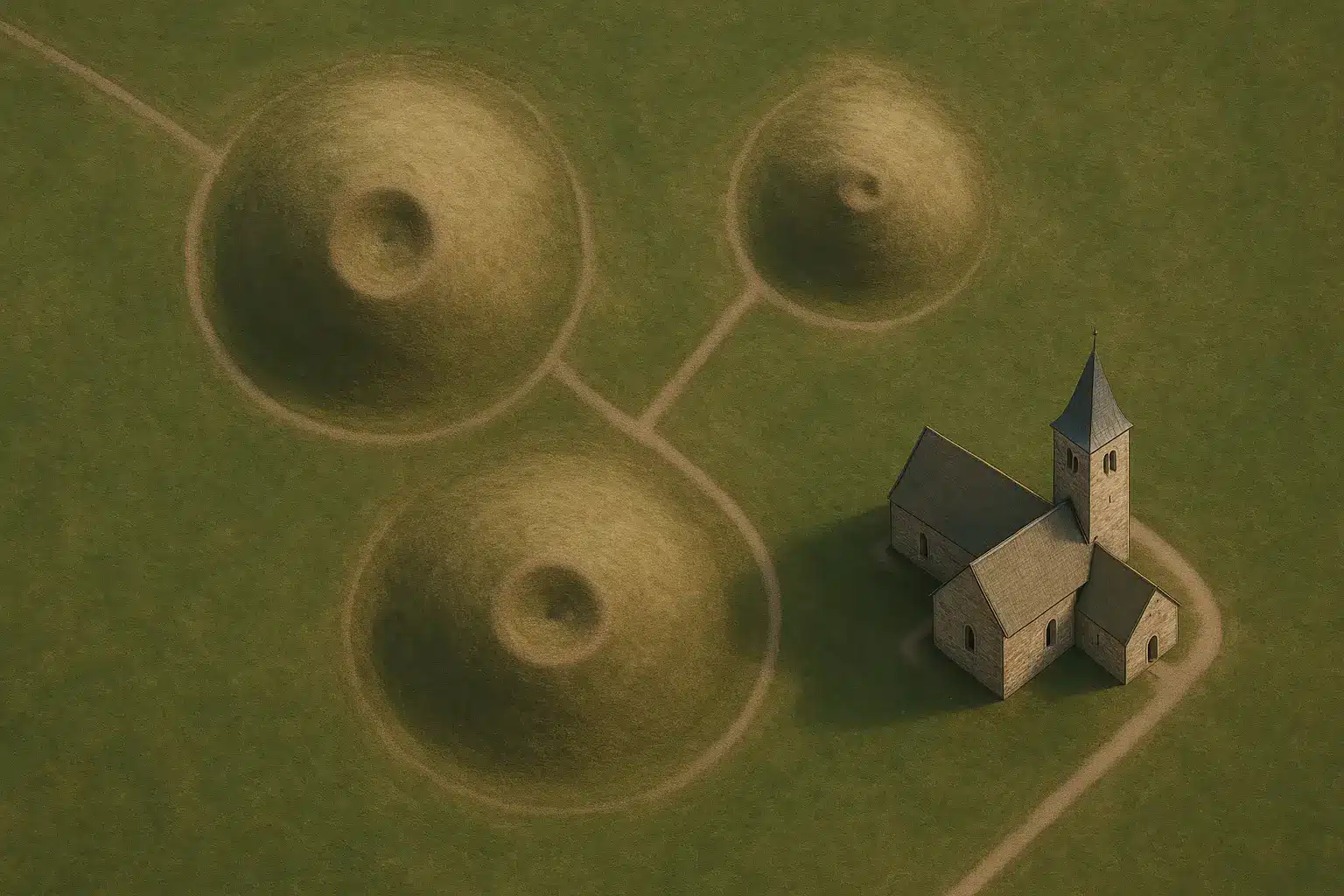
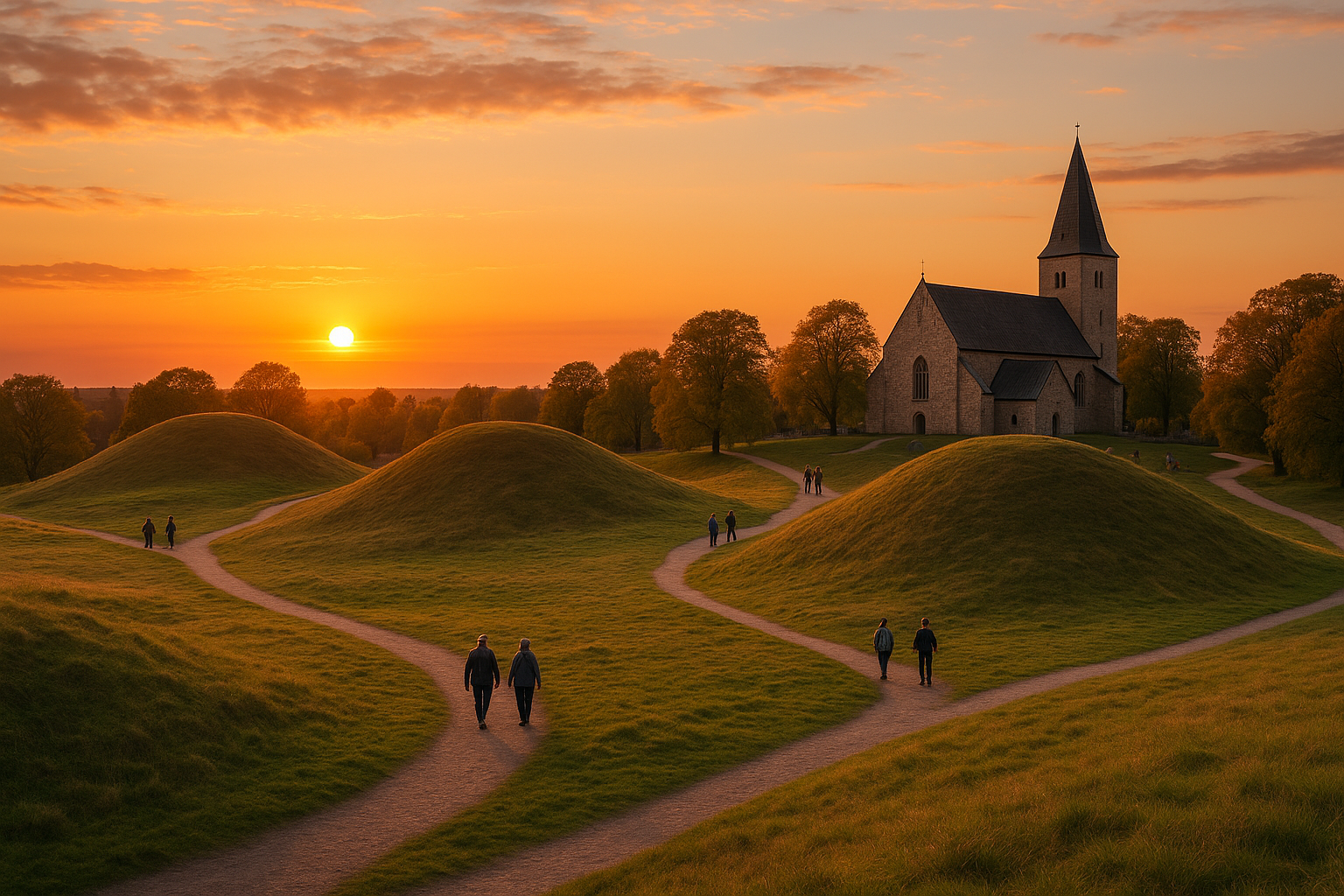
The cathedral’s significance extends beyond its walls to its relationship with Gamla Uppsala (Old Uppsala), the ancient pre-Christian religious center located just a few kilometers north. When Christianity was established in Sweden, the episcopal seat moved from Gamla Uppsala to the current location, symbolizing the transition from pagan to Christian worship. This historical continuity links the cathedral to over a millennium of religious practice in the region.
Planning Your Visit
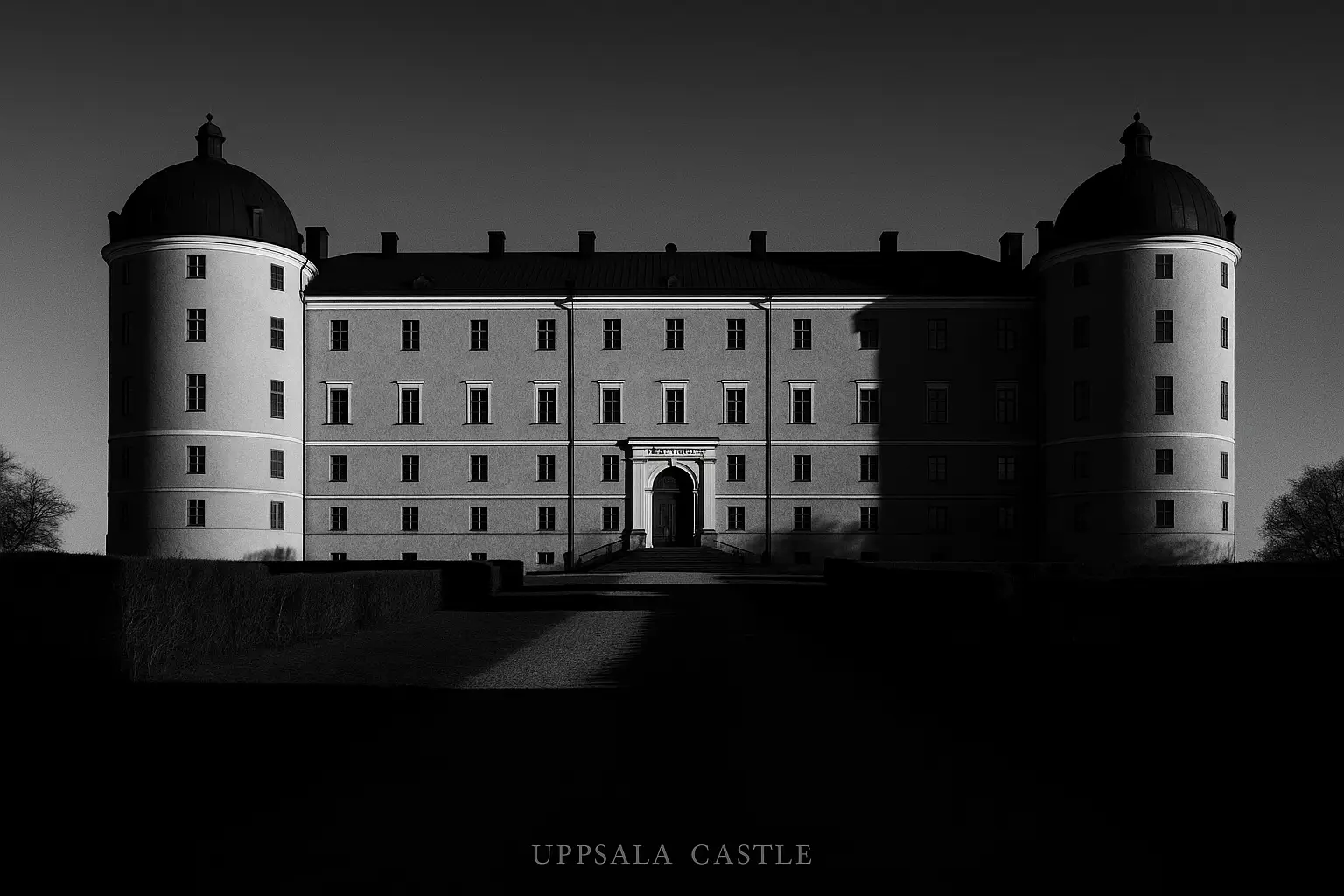
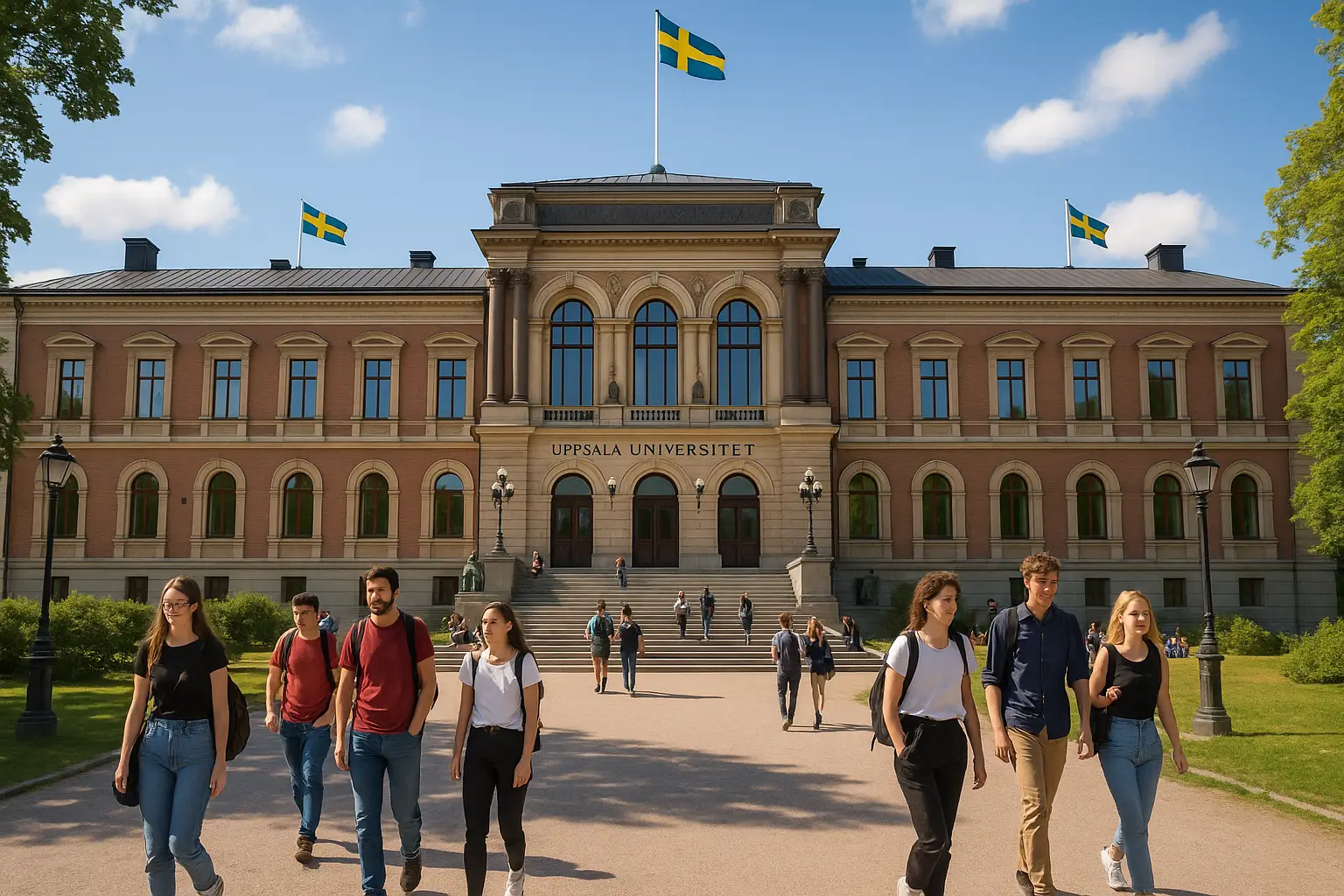
Combine your cathedral visit with nearby attractions for a full day of exploration. The Uppsala University buildings, Linnaeus Garden, and Uppsala Castle are all within easy walking distance. Consider visiting Gamla Uppsala in the afternoon to understand the complete historical context of Uppsala’s religious significance.
Frequently Asked Questions
How tall is Uppsala Cathedral?
Uppsala Cathedral stands 118.7 meters tall, making it the tallest church building in the Nordic countries. The twin towers, completed in their current form during 19th-century restoration work, dominate Uppsala’s skyline and are visible from many points throughout the city. This impressive height reflects both the ambition of its medieval builders and the importance of the cathedral in Swedish religious life.
Who is buried in Uppsala Cathedral?
Several historically significant figures are buried in Uppsala Cathedral, including King Erik IX (Saint Erik), Sweden’s patron saint; King Gustav Vasa, who led the Swedish Reformation; scientist Carl Linnaeus, father of modern taxonomy; philosopher Emanuel Swedenborg; and King John III. These burials reflect the cathedral’s role as a national monument honoring Sweden’s most influential religious, political, and intellectual leaders throughout history.
Is there an entrance fee to Uppsala Cathedral?
Entrance to Uppsala Cathedral is free, though donations are appreciated to support ongoing maintenance and restoration work. The cathedral welcomes visitors daily from 08:00 to 18:00. However, the Cathedral Museum and treasury sections require separate admission fees. Guided tours may also have associated costs, so check the official website for current pricing and availability.
When was Uppsala Cathedral built?
Construction of Uppsala Cathedral began in the late 13th century (around 1270s) and continued for over 150 years. The cathedral was consecrated in 1435, though work on various elements continued beyond this date. The building showcases French Gothic architectural style, introduced to Sweden by French architects, and underwent significant restoration in the late 19th century that refined its appearance to what visitors see today.
What makes Uppsala Cathedral’s architecture unique?
Uppsala Cathedral represents one of the finest examples of French Gothic architecture in Scandinavia. Its unique characteristics include the combination of brick and stone construction—a Nordic adaptation of the Gothic style—soaring pointed arches, elaborate ribbed vaulting, and twin towers that reach 118.7 meters. The cathedral successfully blends French architectural traditions with Scandinavian building materials and techniques, creating a distinctive appearance that sets it apart from other Gothic cathedrals in Europe.