History and Background of Uppsala, Sweden
Uppsala, located approximately 70 kilometers north of Stockholm in central Sweden, stands as one of the nation’s most historically significant cities. With a population of approximately 230,000 residents as of 2024, according to Uppsala municipality statistics, this vibrant university town combines ancient Viking heritage with modern Swedish culture.
Medieval Foundations and Religious Significance
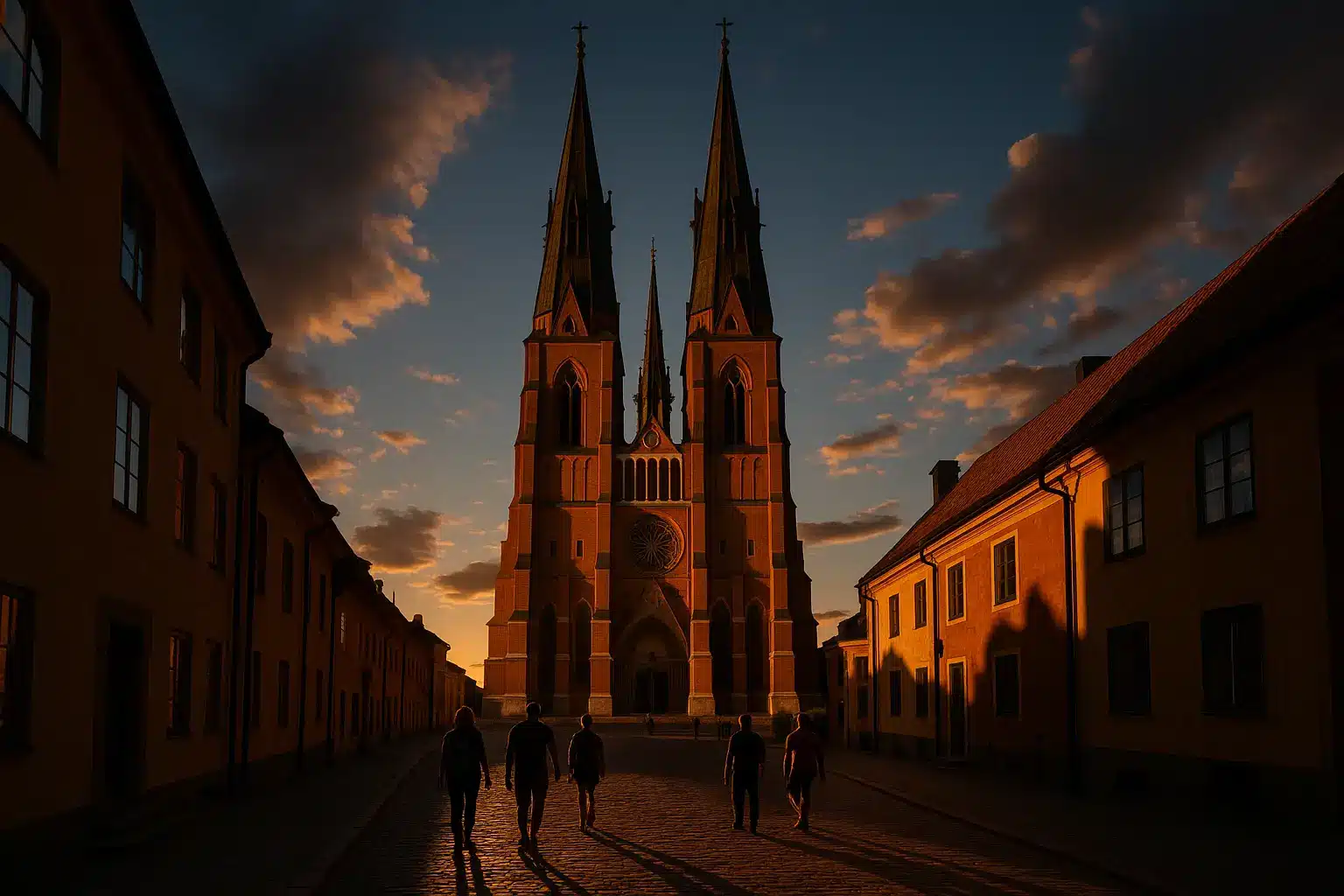
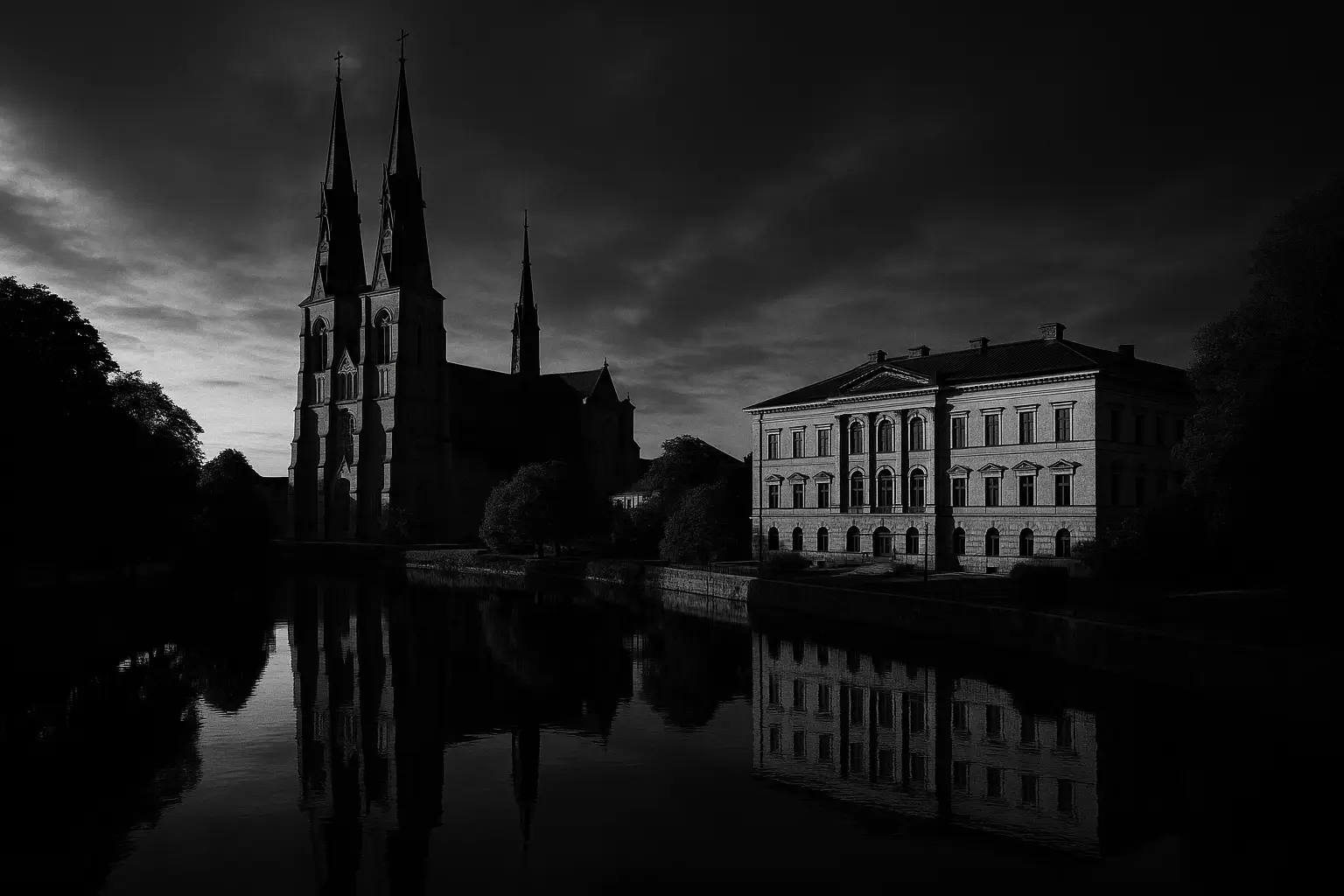
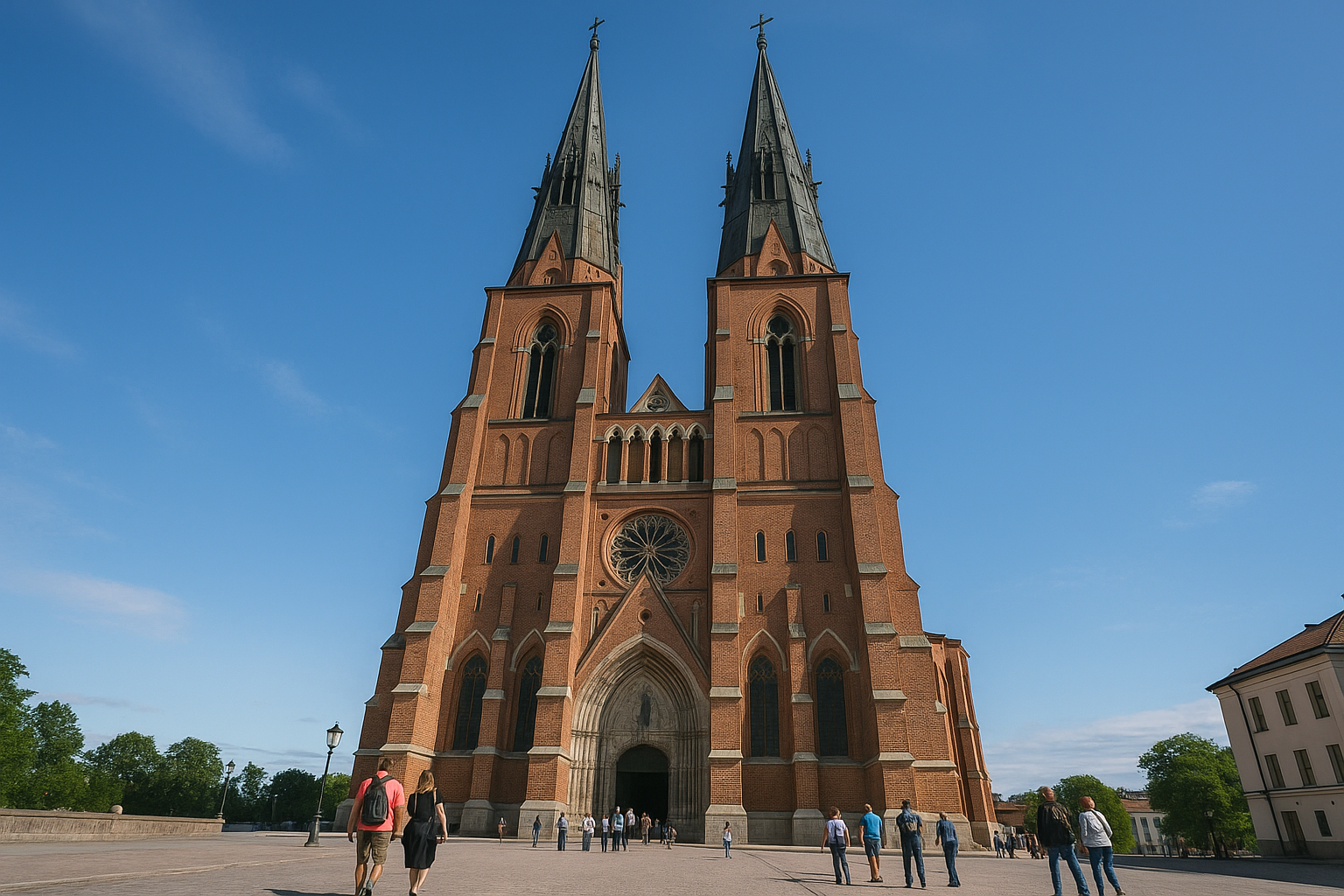
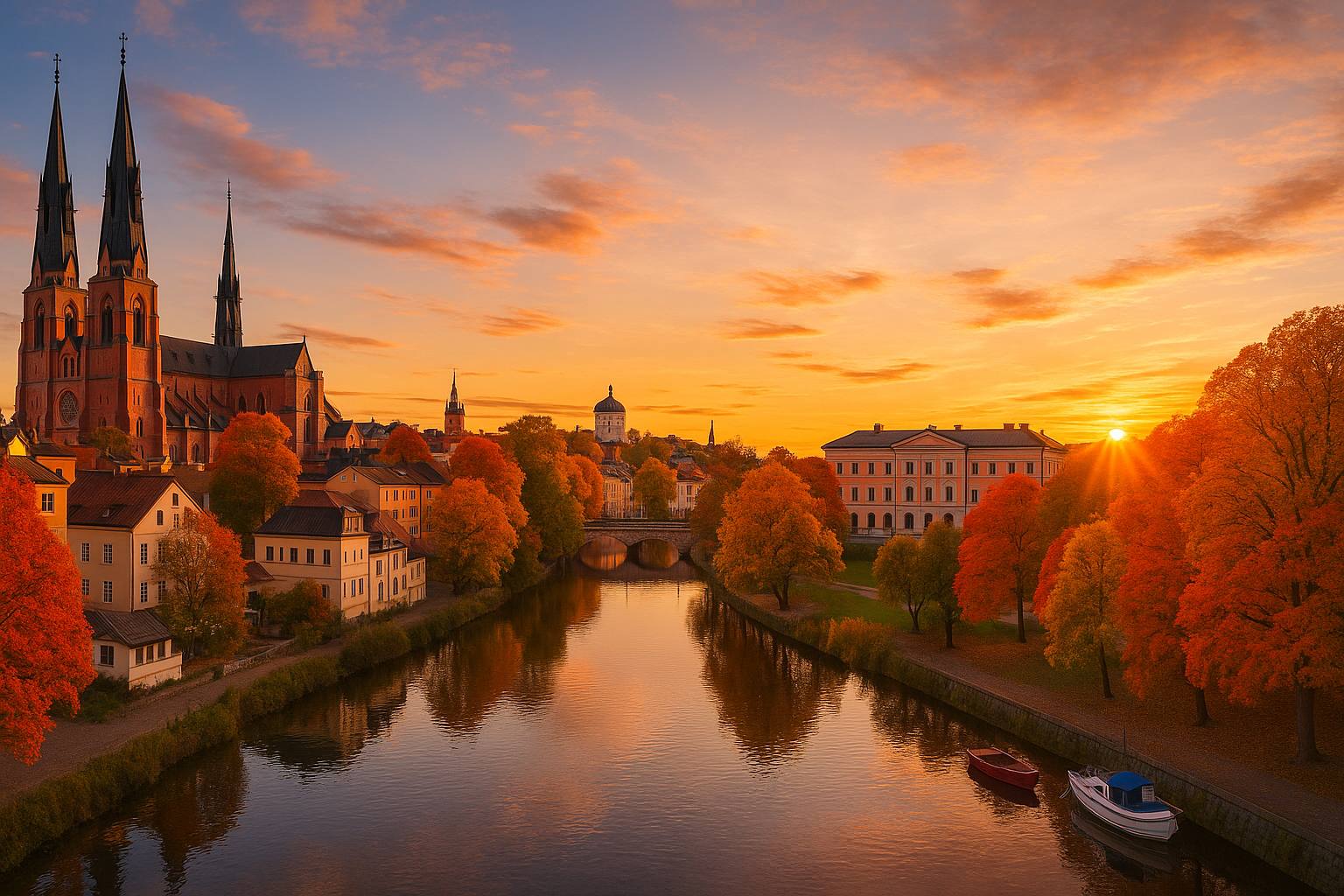
The current city of Uppsala emerged during the Middle Ages, though its roots extend much deeper into Swedish history. The city became Sweden’s ecclesiastical center when Uppsala Cathedral was consecrated in 1435. This magnificent Gothic structure remains the tallest church building in Scandinavia, with towers reaching 118.7 meters, as noted by Destination Uppsala. The cathedral served as the coronation site for Swedish monarchs and houses the tombs of King Gustav Vasa and scientist Carl Linnaeus.
Viking Age Heritage at Gamla Uppsala
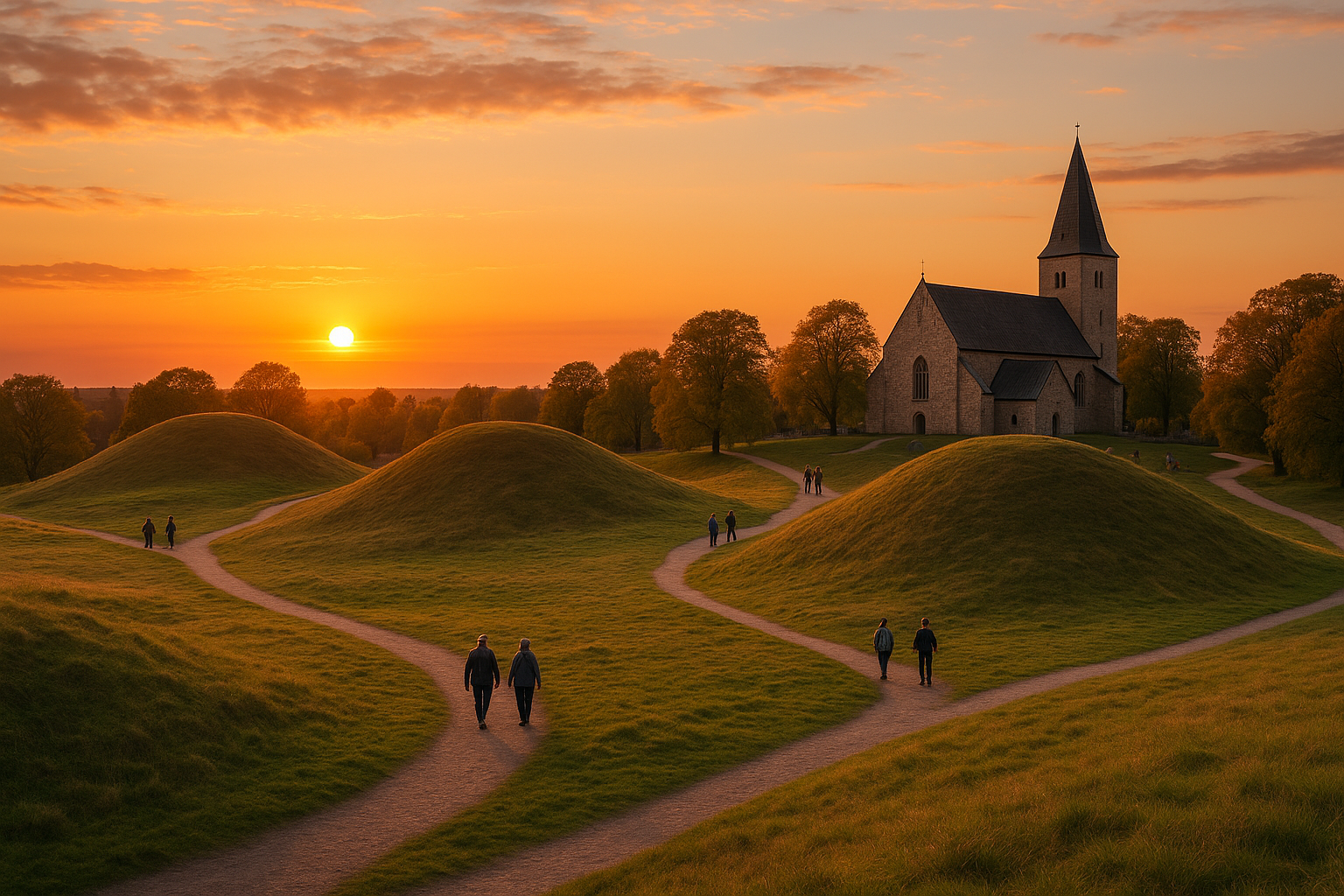
Before the modern city arose, Gamla Uppsala (Old Uppsala) served as Sweden’s political and religious center during the Viking Age. This ancient settlement, located just 5 kilometers north of today’s city center, features three massive royal burial mounds dating back to the 5th and 6th centuries. Historical accounts describe a pagan temple at Uppsala where Norse rituals took place every nine years, though archaeological evidence remains debated. These royal mounds and the surrounding archaeological landscape make Gamla Uppsala one of Sweden’s most important Viking sites, attracting visitors interested in Uppsala Vikings history and Norse mythology.
The University’s Transformative Role
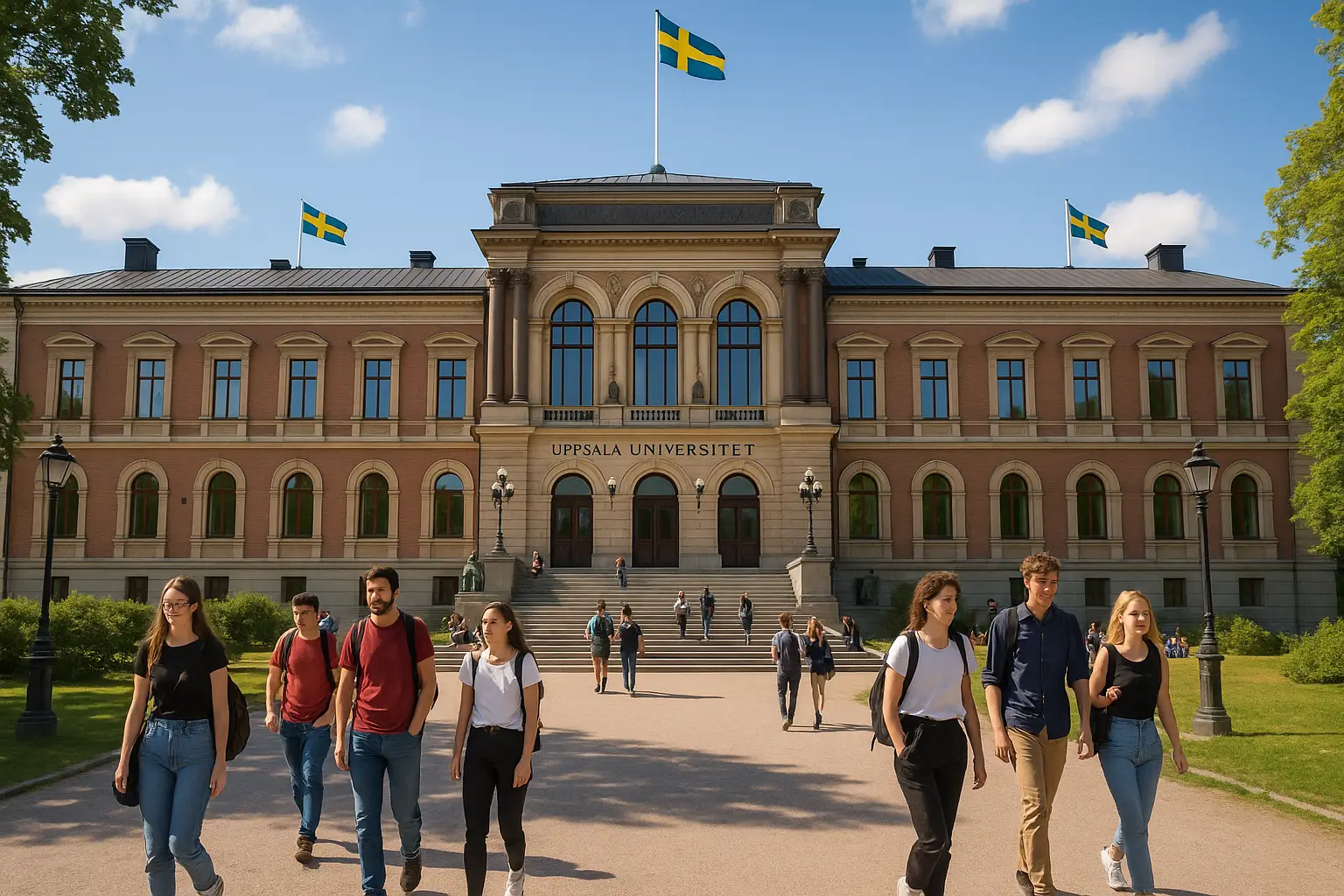
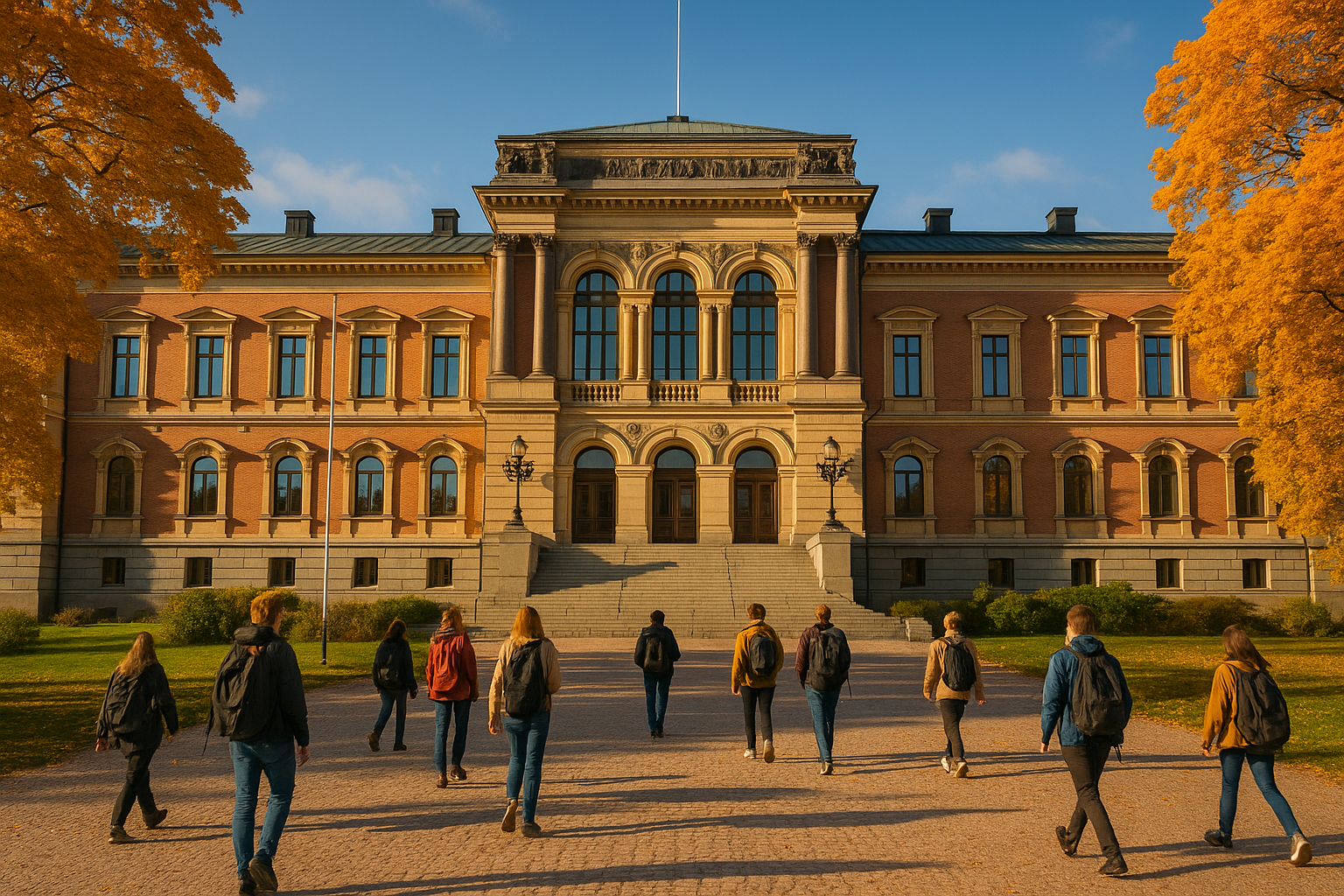
Uppsala’s identity became inextricably linked with education when Uppsala University was founded in 1477, making it the oldest university in the Nordic countries. This institution transformed Uppsala from a regional religious center into an international hub of learning and research. Throughout the centuries, the university attracted scholars who shaped modern science, including Anders Celsius, who developed the Celsius temperature scale, and Carl Linnaeus, who created the modern system of biological taxonomy.
Top Attractions and Things to Do in Uppsala
Uppsala Sweden offers visitors a compelling blend of historical monuments, cultural institutions, and natural landscapes. Whether exploring medieval architecture or tracing Viking footsteps, the city provides diverse experiences for all interests.
Uppsala Cathedral: Scandinavia’s Architectural Masterpiece
Uppsala Cathedral (Uppsala Domkyrka) dominates the city skyline and represents one of Sweden’s finest examples of Gothic architecture. Construction began in 1287 and continued for over 150 years, resulting in a structure that combines French Gothic influence with Nordic design elements. Beyond its architectural significance, the cathedral serves as the burial place for numerous Swedish historical figures, including King Erik IX, Sweden’s patron saint. Visitors can explore the cathedral museum, which houses medieval textiles and religious artifacts. The cathedral remains an active place of worship while welcoming tourists year-round.
Gamla Uppsala: Journey to Viking Times
The ancient settlement of Gamla Uppsala offers visitors a tangible connection to Sweden’s pre-Christian past. The three royal mounds—Odin’s Mound, Thor’s Mound, and Freya’s Mound—rise dramatically from the landscape, containing the remains of Uppsala’s earliest kings. The adjacent Gamla Uppsala Museum provides archaeological context through exhibits showcasing Viking Age artifacts, burial customs, and the historical significance of this sacred site. The 12th-century Gamla Uppsala Church, built on the foundations of the legendary pagan temple, adds another layer to this historically rich location.
Uppsala Castle and Its Historical Gardens
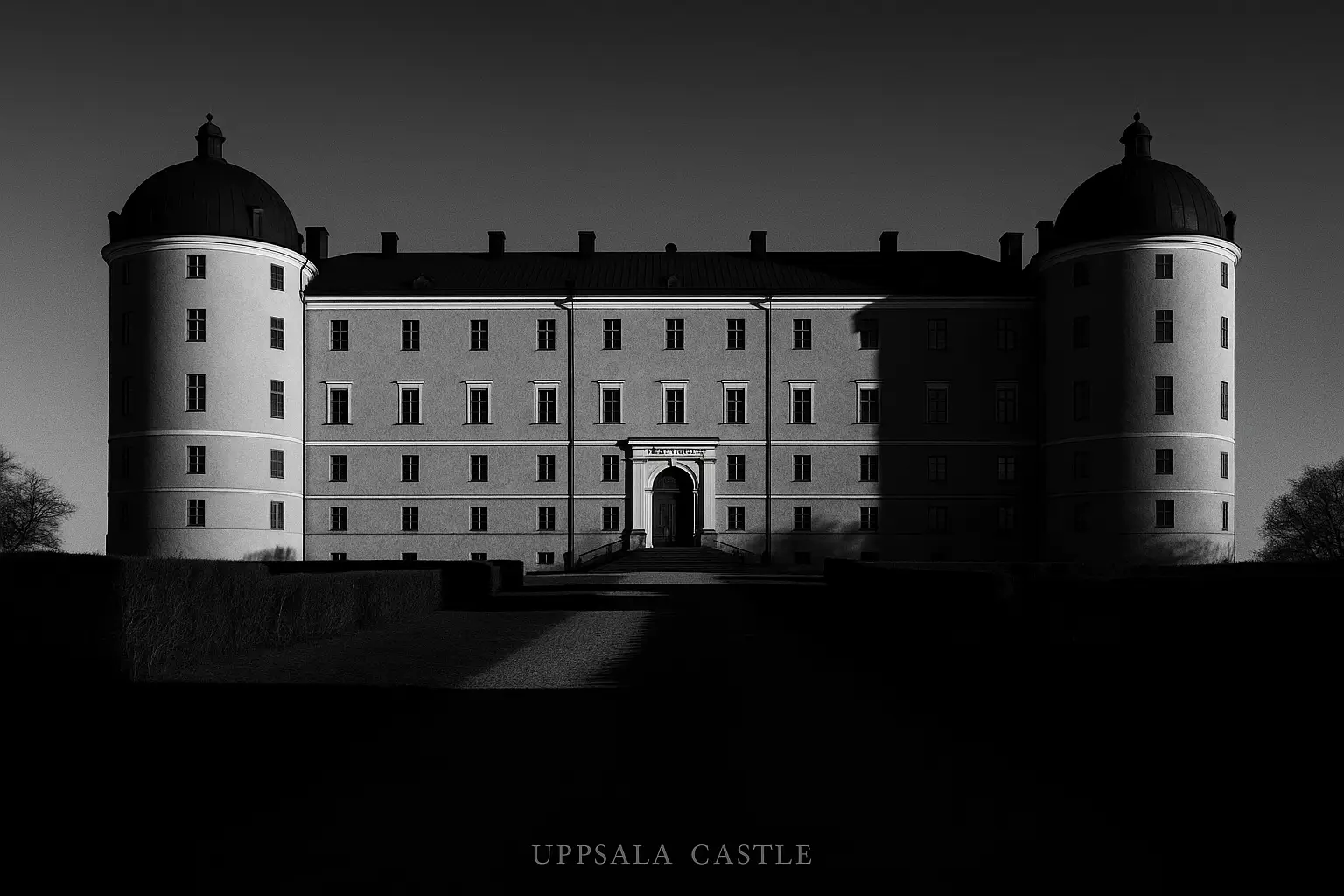
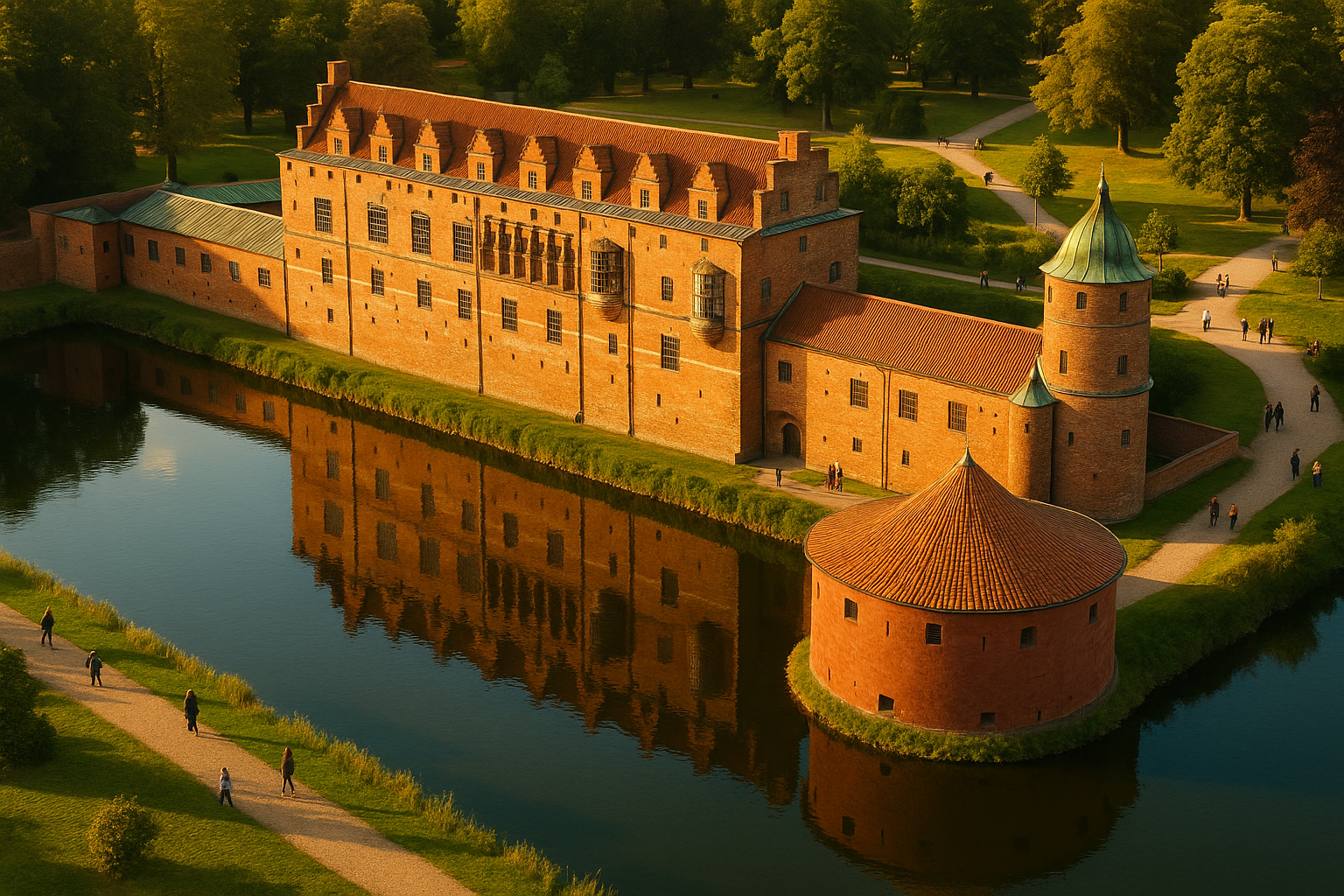
Uppsala Castle (Uppsala Slott), constructed in the 1540s by King Gustav Vasa, stands as a pink-hued fortress overlooking the city. This Renaissance castle witnessed pivotal moments in Swedish history, including the abdication of Queen Christina in 1654. Today, the castle houses several museums, including the Uppsala Art Museum and the Peace Museum. The surrounding botanical gardens, originally planned by Carl Linnaeus, contain thousands of plant species and offer peaceful walking paths with panoramic city views.
Activities and Experiences for Visitors
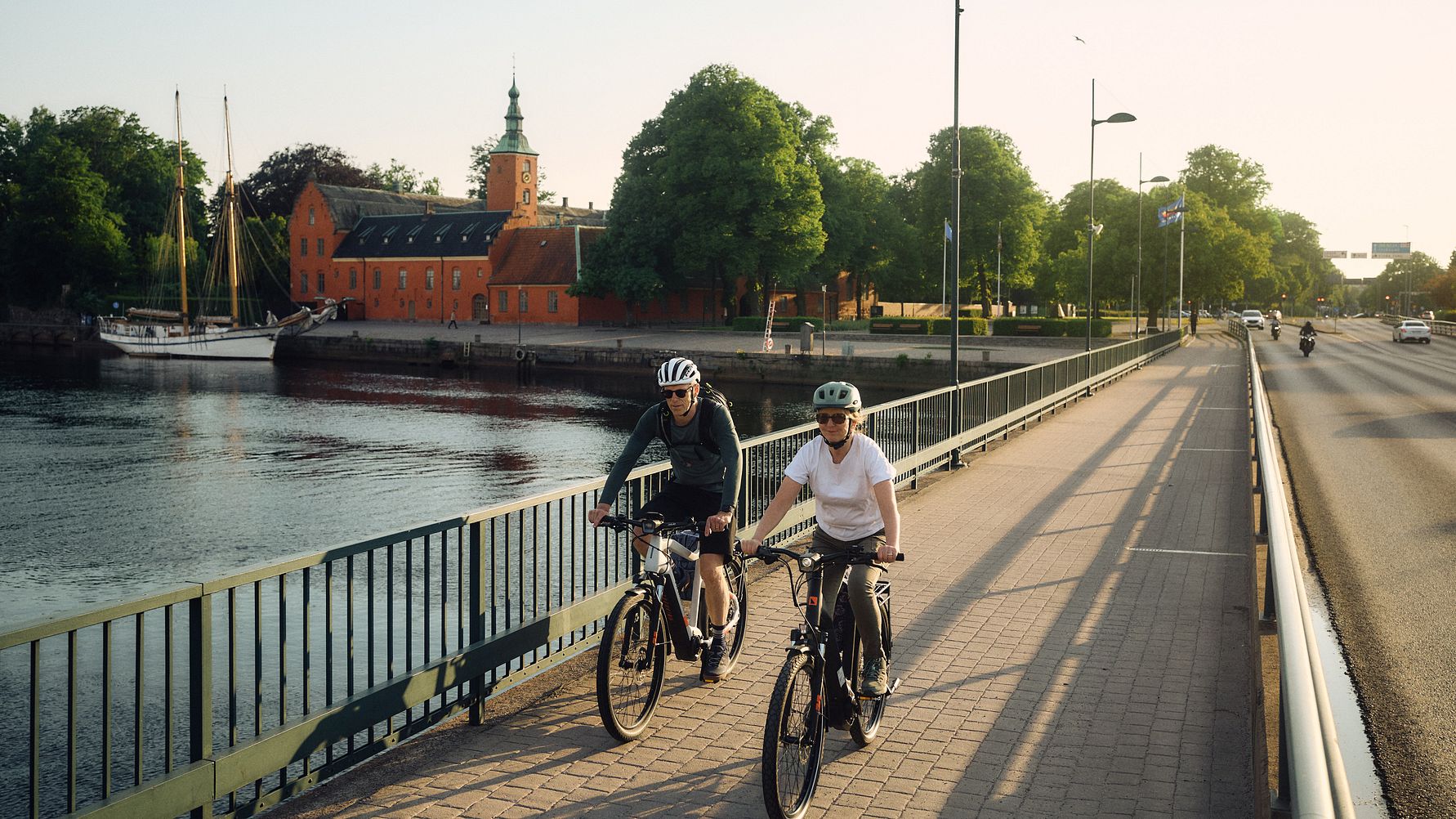
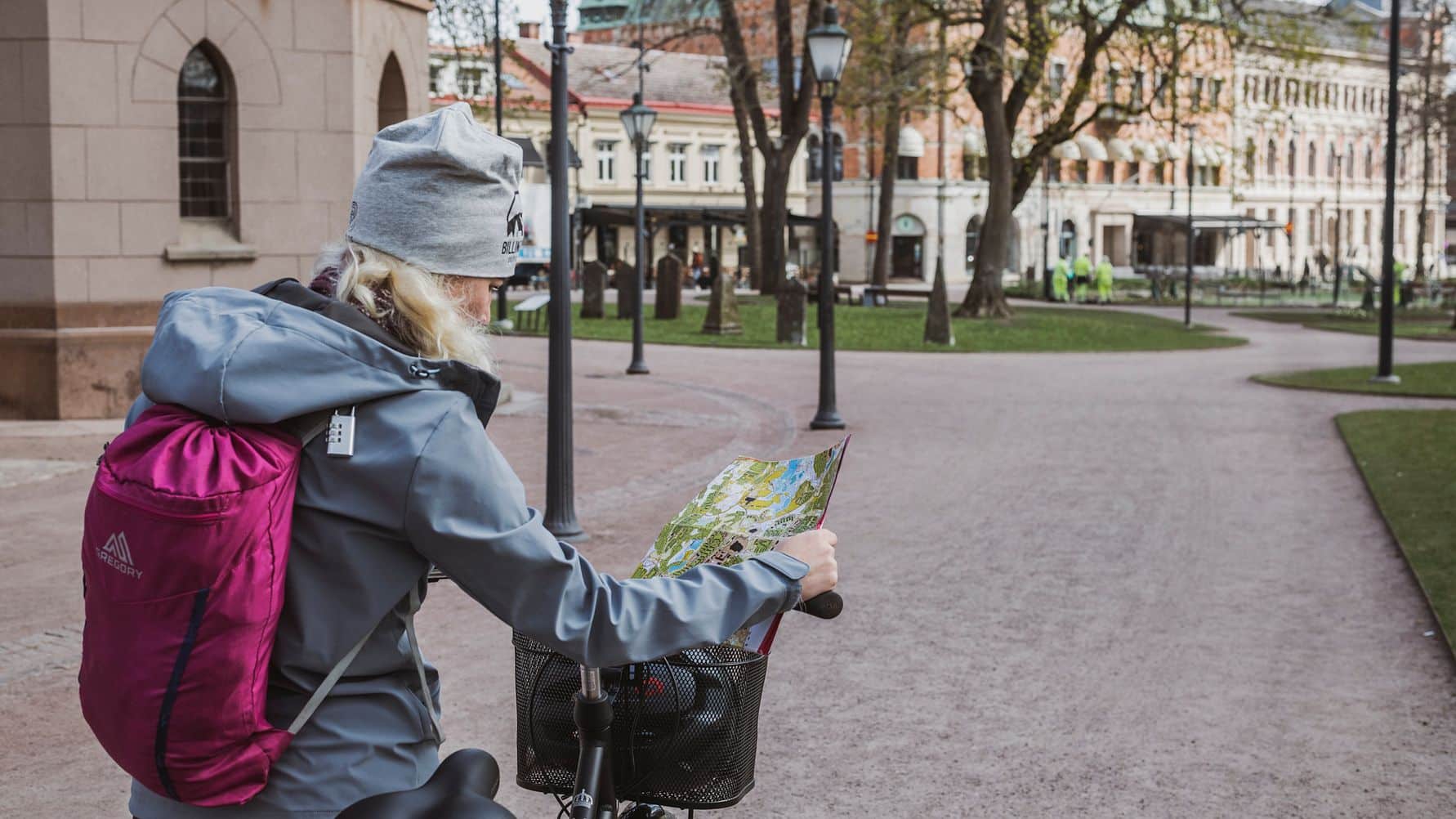
For those seeking things to do in Uppsala, the city offers numerous options beyond its historical monuments. The Linnaeus Garden and Museum showcases the botanist’s preserved home and the world’s oldest botanical garden still in its original location. The Carolina Rediviva library displays the 6th-century Silver Bible, one of Sweden’s national treasures. River Fyris, flowing through the city center, provides opportunities for kayaking and riverside walks. Additionally, Uppsala’s compact size makes it ideal for cycling, with well-maintained bike paths connecting major attractions.
| Attraction | Description | Typical Visit Duration |
|---|---|---|
| Uppsala Cathedral | Scandinavia’s tallest church with royal tombs and museum | 1-2 hours |
| Gamla Uppsala | Viking Age burial mounds and archaeological museum | 2-3 hours |
| Uppsala Castle | Renaissance fortress with art museum and gardens | 1.5-2 hours |
| Linnaeus Garden | Historic botanical garden and scientist’s residence | 1-1.5 hours |
| Carolina Rediviva | University library with Silver Bible manuscript | 45 minutes |
Uppsala University: Nordic Academic Excellence
History and Global Rankings
As the oldest university in Scandinavia, Uppsala University has maintained its position as a leading research institution for over five centuries. Founded by Archbishop Jakob Ulfsson with papal approval in 1477, the university initially focused on theology and law before expanding into natural sciences during the 18th century. Today, Uppsala University consistently ranks among the top 100 universities globally, excelling particularly in life sciences, medicine, and environmental research. The university’s commitment to academic freedom and research innovation continues to attract international students and scholars from across the world.
Student Life and Campus Culture
Uppsala’s student culture revolves around the nation system, a unique Swedish tradition where students join nations (student organizations) based on their home regions. These 13 nations organize social activities, maintain historic buildings, and preserve centuries-old traditions including formal dinners and spring celebrations. The city’s student population of approximately 45,000 creates a vibrant atmosphere, particularly in the historic districts around the cathedral and along Övre Slottsgatan. Student life combines rigorous academics with rich cultural experiences, from attending lectures in centuries-old buildings to participating in traditional sittnings (formal dinners with songs and toasts).
Notable Alumni and Academic Legacy
Uppsala University’s alumni include eight Nobel Prize laureates and numerous influential scientists, writers, and political leaders. Carl Linnaeus revolutionized biological classification while serving as a professor at Uppsala. Anders Celsius developed his temperature scale while working at the university’s observatory. Other distinguished alumni include Dag Hammarskjöld, former UN Secretary-General, and Ingmar Bergman, the renowned film director. This legacy of academic excellence continues today, with current research spanning climate science, artificial intelligence, and medical innovations.
Planning Your Visit to Uppsala
- Visit during spring (April-May) to experience Valborg (Walpurgis Night), Uppsala’s largest student celebration on April 30th
- Purchase the Uppsala Card for free admission to museums and public transportation
- Book cathedral tower tours in advance during summer months for panoramic city views
- Allocate at least two full days to explore both central Uppsala and Gamla Uppsala thoroughly
- Consider visiting on weekdays to avoid weekend tourist crowds at major attractions
Practical Information for Visitors
Transportation from Stockholm and Beyond
Reaching Uppsala from Stockholm is remarkably convenient, with multiple transportation options available. The most efficient method involves taking the regional train (pendeltåg) from Stockholm Central Station, with departures every 20-30 minutes and a journey time of approximately 40 minutes. The trains from Stockholm to Uppsala cost around 120-150 SEK for a one-way ticket. Alternatively, buses operated by Flixbus and other companies provide budget-friendly options, though with longer travel times of 60-90 minutes. For those arriving at Stockholm Arlanda Airport, Uppsala is even closer—just 35 kilometers away—with regular airport buses completing the journey in 35-40 minutes. Within Uppsala, the compact city center is easily walkable, though local buses and bike rentals offer convenient alternatives for reaching Gamla Uppsala and other outlying attractions.
Accommodation Options in Uppsala
Uppsala offers diverse lodging options to suit various budgets and preferences. The Radisson Blu Hotel Uppsala, located in the city center, provides upscale accommodation with modern amenities and proximity to major attractions. Park Inn by Radisson Uppsala represents another reliable chain option with comfortable rooms and good transport connections. For budget-conscious travelers, several hostels operate in the city, while boutique hotels like Clarion Collection Hotel Uppsala offer characterful stays in historic buildings. During peak tourist season (May-September) and major university events, booking accommodation several weeks in advance is advisable, particularly for hotels in Uppsala city center.
Local Services and Practical Tips
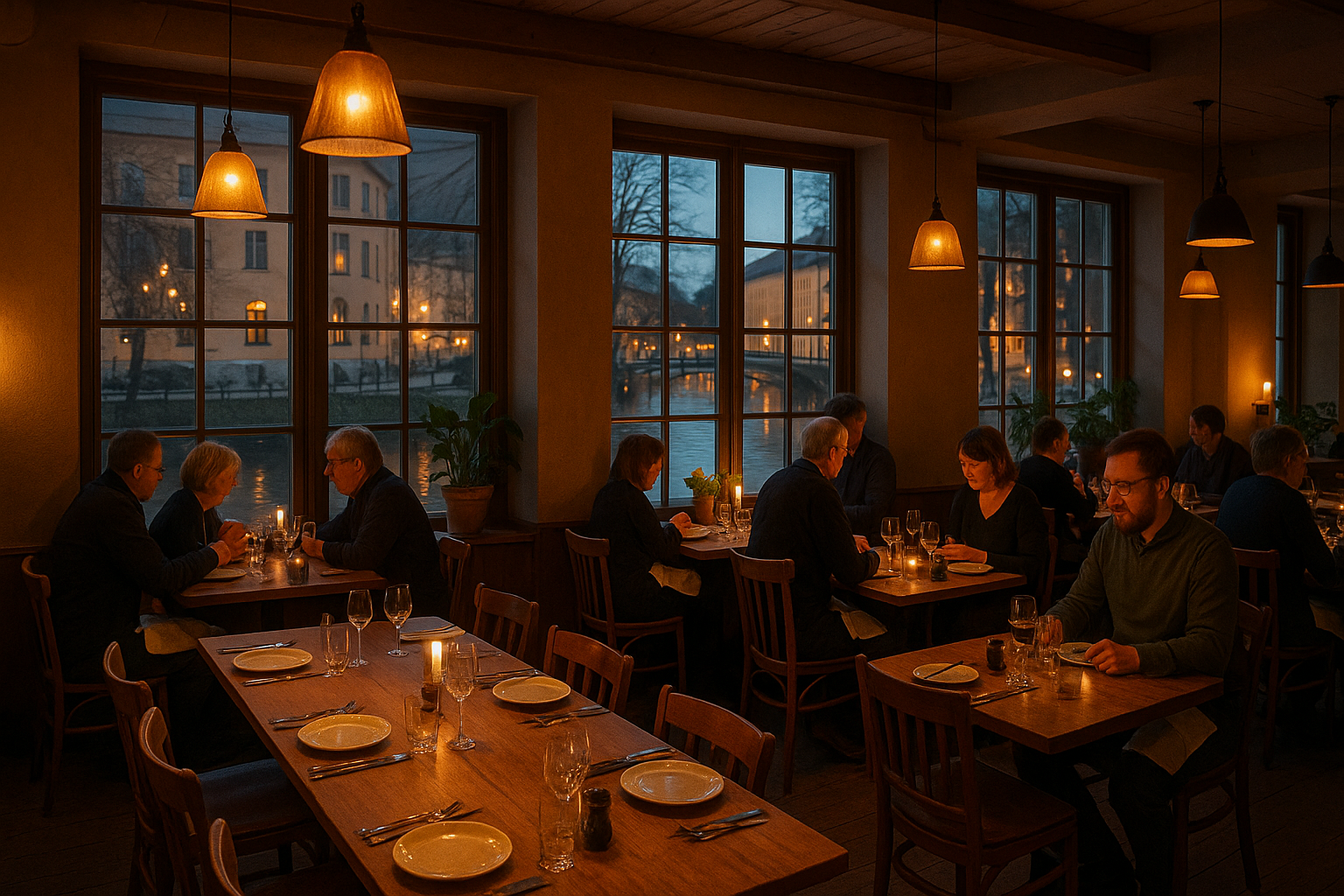
Uppsala provides comprehensive services for both residents and visitors. The city center features numerous restaurants serving traditional Swedish cuisine as well as international options, with restaurang Uppsala establishments concentrated around Stora Torget (the main square). English is widely spoken, making communication straightforward for international visitors. The tourist information center on Fyristorg offers maps, guided tour bookings, and practical advice. Cash is rarely necessary, as card payments are accepted virtually everywhere. For extended stays, Uppsala provides various local services including grocery stores, pharmacies, and medical facilities, ensuring visitors have access to essential amenities throughout their visit.
Uppsala Statistics and Demographics
Population Growth and Economic Indicators
Uppsala municipality has experienced steady population growth over recent decades, reaching approximately 230,000 inhabitants in 2024. The city proper (urban area) contains roughly 177,000 residents, making Uppsala Sweden’s fourth-largest city after Stockholm, Gothenburg, and Malmö. This growth reflects Uppsala’s strong economy, driven primarily by the university, pharmaceutical industry, and biotechnology sector. Companies like GE Healthcare and Fresenius Kabi maintain significant operations in Uppsala Science Park, creating employment opportunities that attract professionals from across Sweden and internationally. The city’s median age is notably lower than the national average due to its large student population, contributing to a dynamic and youthful urban atmosphere.
Tourism Impact and Visitor Statistics
Tourism plays a significant role in Uppsala’s economy, with the city welcoming hundreds of thousands of visitors annually. According to Visit Sweden, Uppsala attracts tourists primarily interested in historical attractions, university heritage, and Viking history. Peak tourist season runs from May through September, coinciding with pleasant weather and numerous cultural events. The city has invested in tourism infrastructure, including improved signage, multilingual information services, and enhanced accessibility at major attractions. Day-trippers from Stockholm constitute a significant portion of visitors, though the city increasingly attracts overnight stays from international tourists exploring beyond Sweden’s capital region.
Frequently Asked Questions About Uppsala
Where is Uppsala located in Sweden?
Uppsala is situated in east-central Sweden, approximately 70 kilometers (43 miles) north of Stockholm. The city lies in Uppsala County (Uppsala län) in the historical province of Uppland. Its position along the main railway line between Stockholm and northern Sweden makes it easily accessible by train, with frequent departures from Stockholm Central Station. The proximity to Stockholm Arlanda Airport, just 35 kilometers to the south, further enhances Uppsala’s connectivity for international visitors.
What is Uppsala most famous for?
Uppsala is renowned primarily for Uppsala University, Scandinavia’s oldest university founded in 1477, and its rich Viking heritage at Gamla Uppsala. The city is also famous for Uppsala Cathedral, the tallest church building in the Nordic countries, and its association with scientific pioneers Carl Linnaeus and Anders Celsius. The combination of medieval architecture, Viking Age history, and ongoing academic excellence creates Uppsala’s unique identity as Sweden’s center of knowledge and heritage.
How long should I spend in Uppsala?
Most visitors find that two full days provide sufficient time to explore Uppsala’s main attractions thoroughly. One day can be dedicated to the city center, including Uppsala Cathedral, the castle, and Linnaeus sites, while the second day allows for a visit to Gamla Uppsala and additional museums or gardens. Day trips from Stockholm are possible but require prioritizing specific attractions. Those with deeper interest in Viking history, university culture, or botanical sciences may prefer three days to explore at a more relaxed pace.
Is Uppsala worth visiting from Stockholm?
Yes, Uppsala makes an excellent day trip or overnight excursion from Stockholm. The short 40-minute train journey, combined with the city’s compact layout, allows visitors to experience significant historical and cultural attractions in a single day. Uppsala offers experiences distinctly different from Stockholm, particularly regarding Viking history and university culture. For travelers interested in Swedish history beyond the capital, Uppsala represents one of the most rewarding and accessible destinations in the Stockholm region, as noted by Wikivoyage’s Uppsala guide.
What are the best months to visit Uppsala?
May through September offers the most favorable weather for visiting Uppsala, with longer daylight hours, warmer temperatures, and numerous outdoor events and festivals. Late April features the spectacular Valborg celebration, when students and residents gather for traditional spring festivities. Summer months (June-August) provide the warmest weather, ideal for exploring Gamla Uppsala and enjoying the botanical gardens. However, autumn (September-October) offers fewer crowds and beautiful foliage, while winter visits provide a quieter, more atmospheric experience with the possibility of snow-covered historic sites.
Does Uppsala have Viking ruins?
Yes, Gamla Uppsala contains Sweden’s most significant Viking Age monuments, including three massive royal burial mounds believed to date from the 5th and 6th centuries. These grave mounds, traditionally associated with legendary Swedish kings, are among Scandinavia’s most important archaeological sites from the Viking period. The area also includes additional burial fields and the remains of ancient settlements. While the legendary Temple at Uppsala described in medieval sources has not been archaeologically confirmed, the site remains central to understanding Viking Age Scandinavia and pre-Christian Swedish religion.