What Is the Turning Torso?
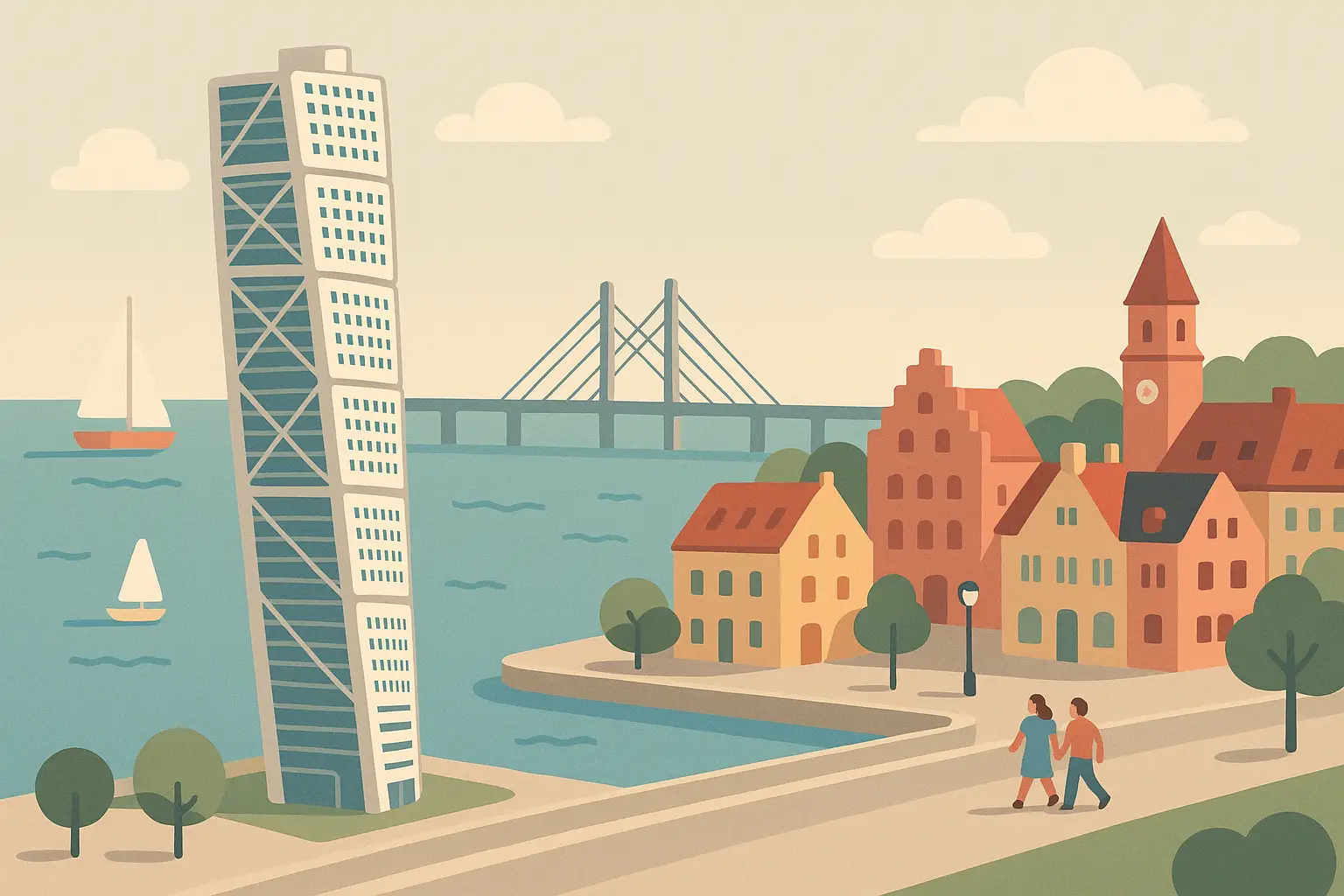
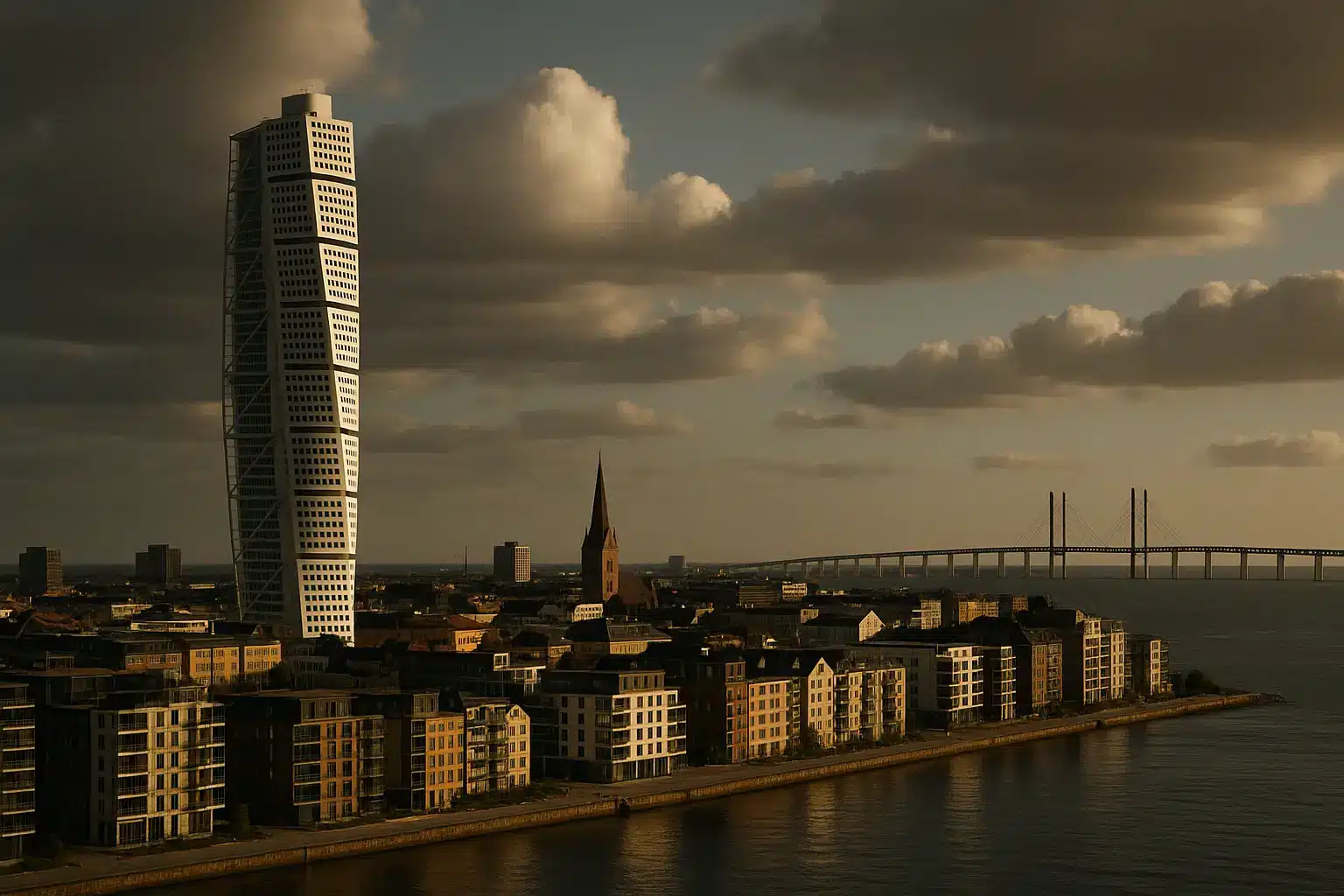
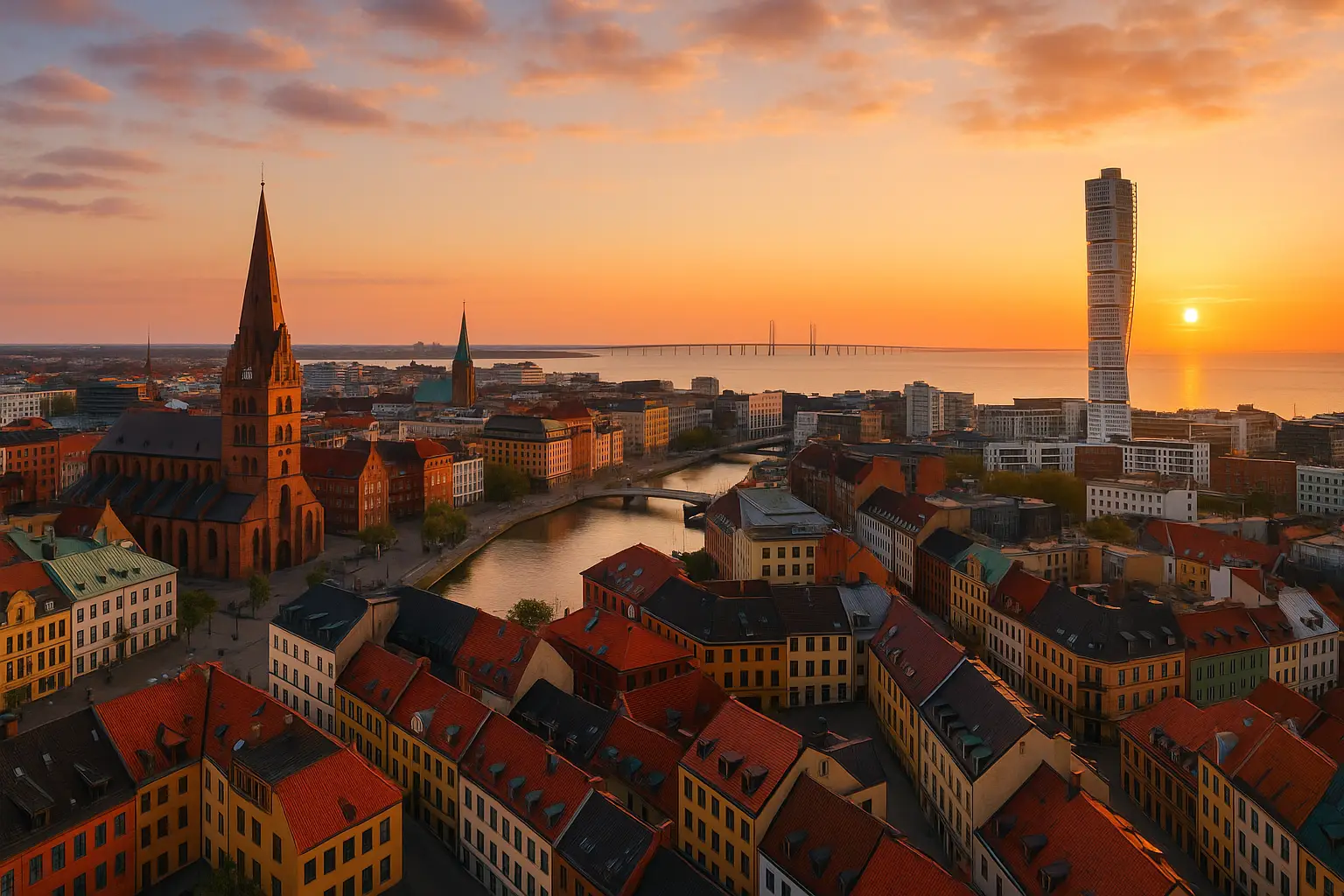
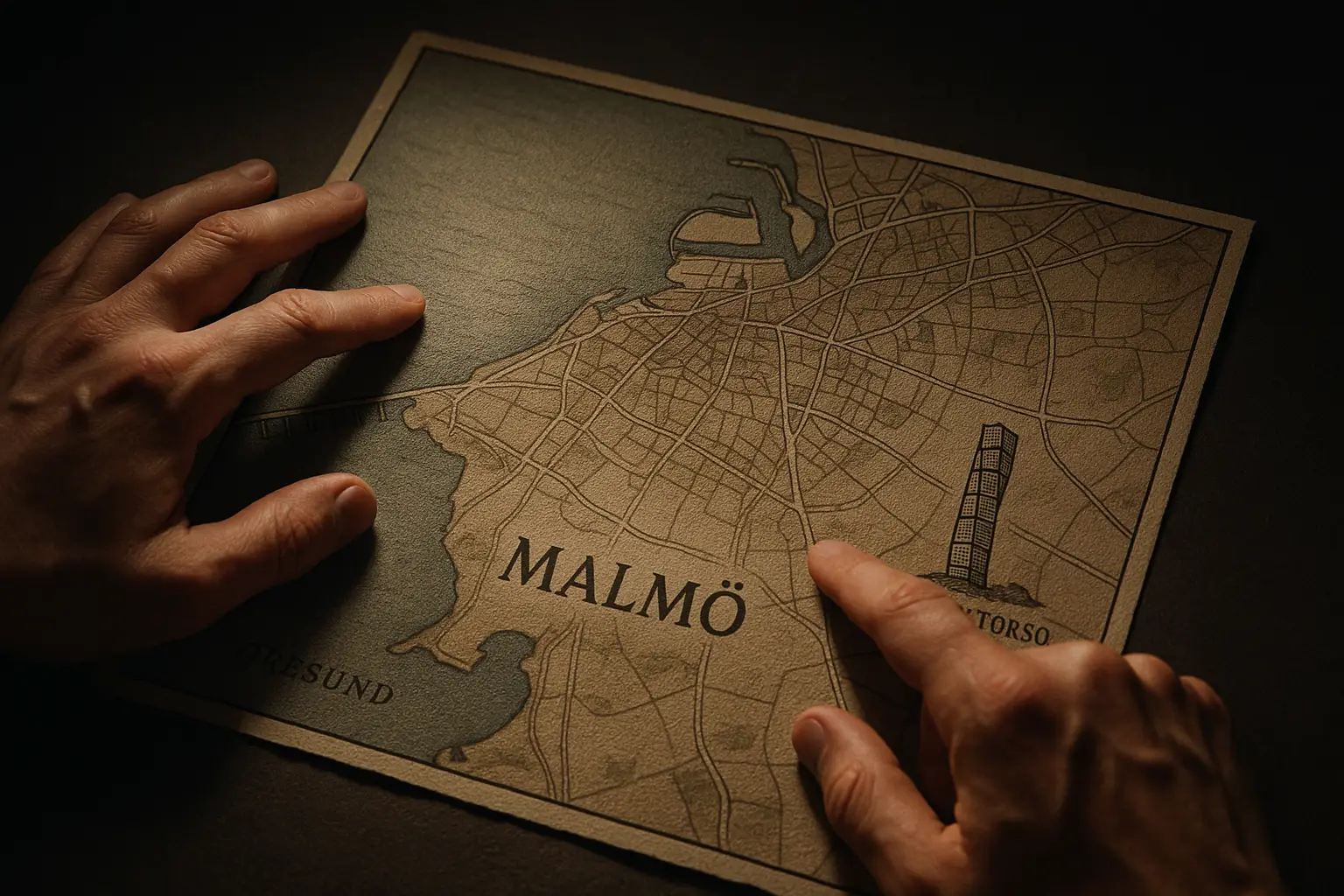
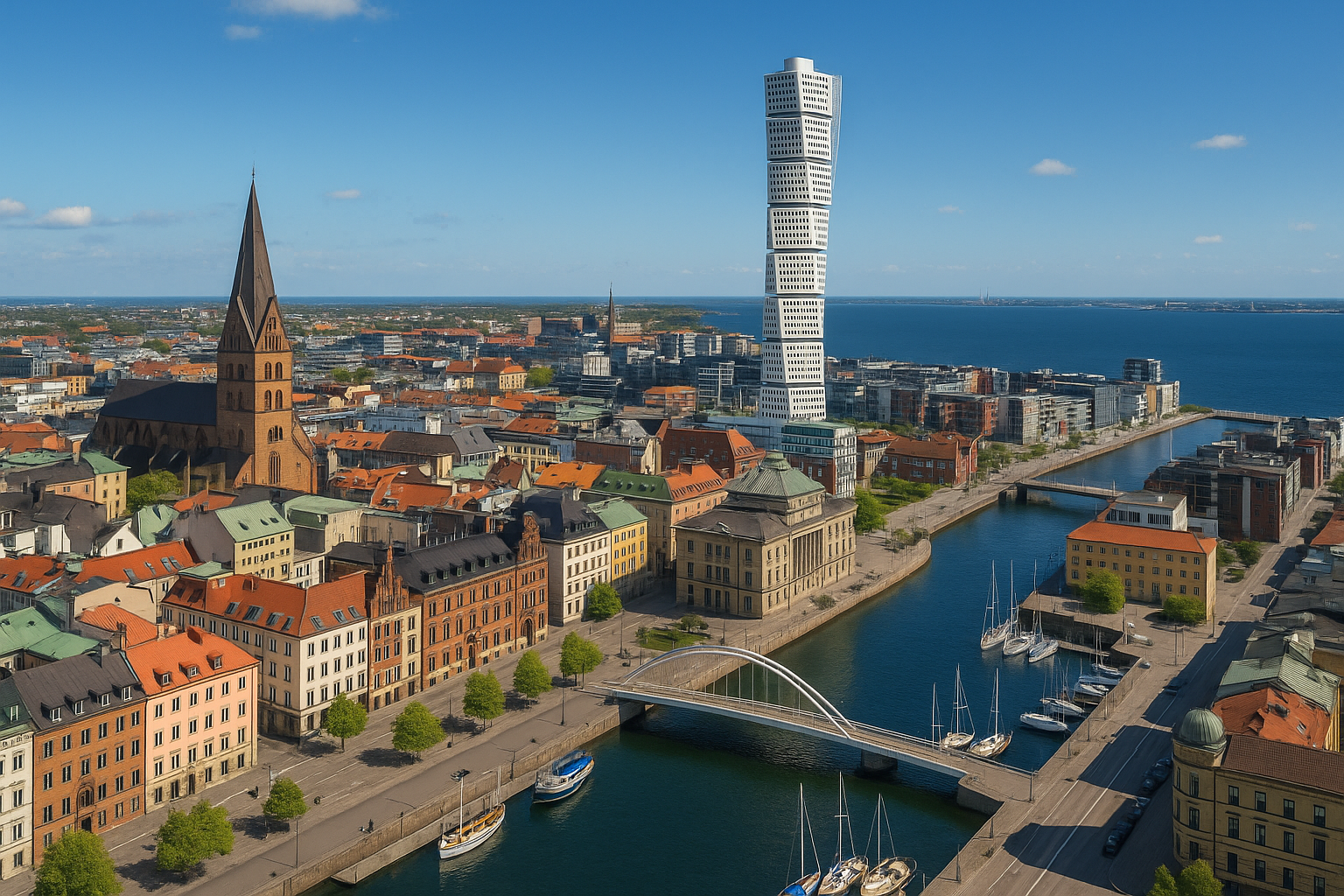
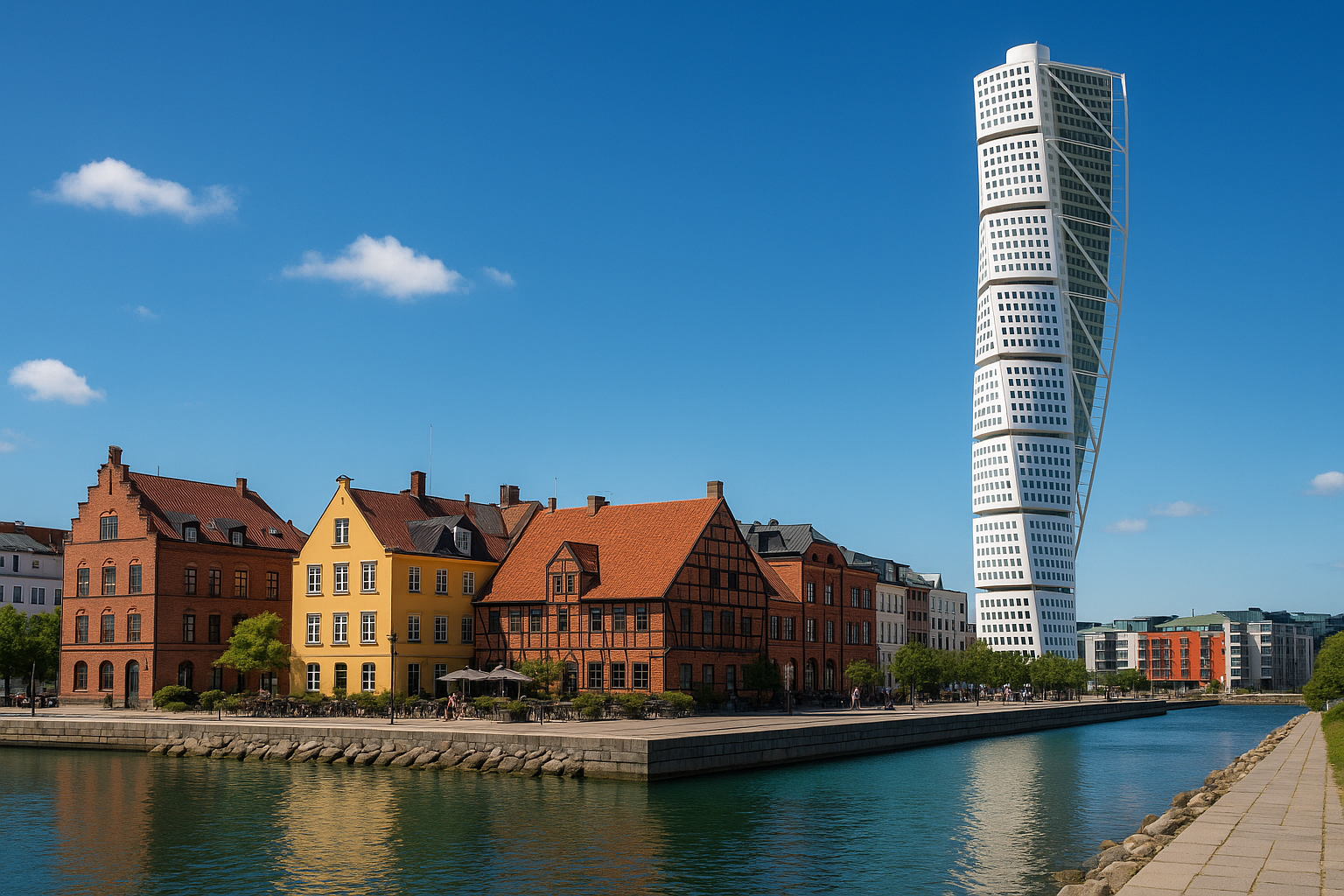
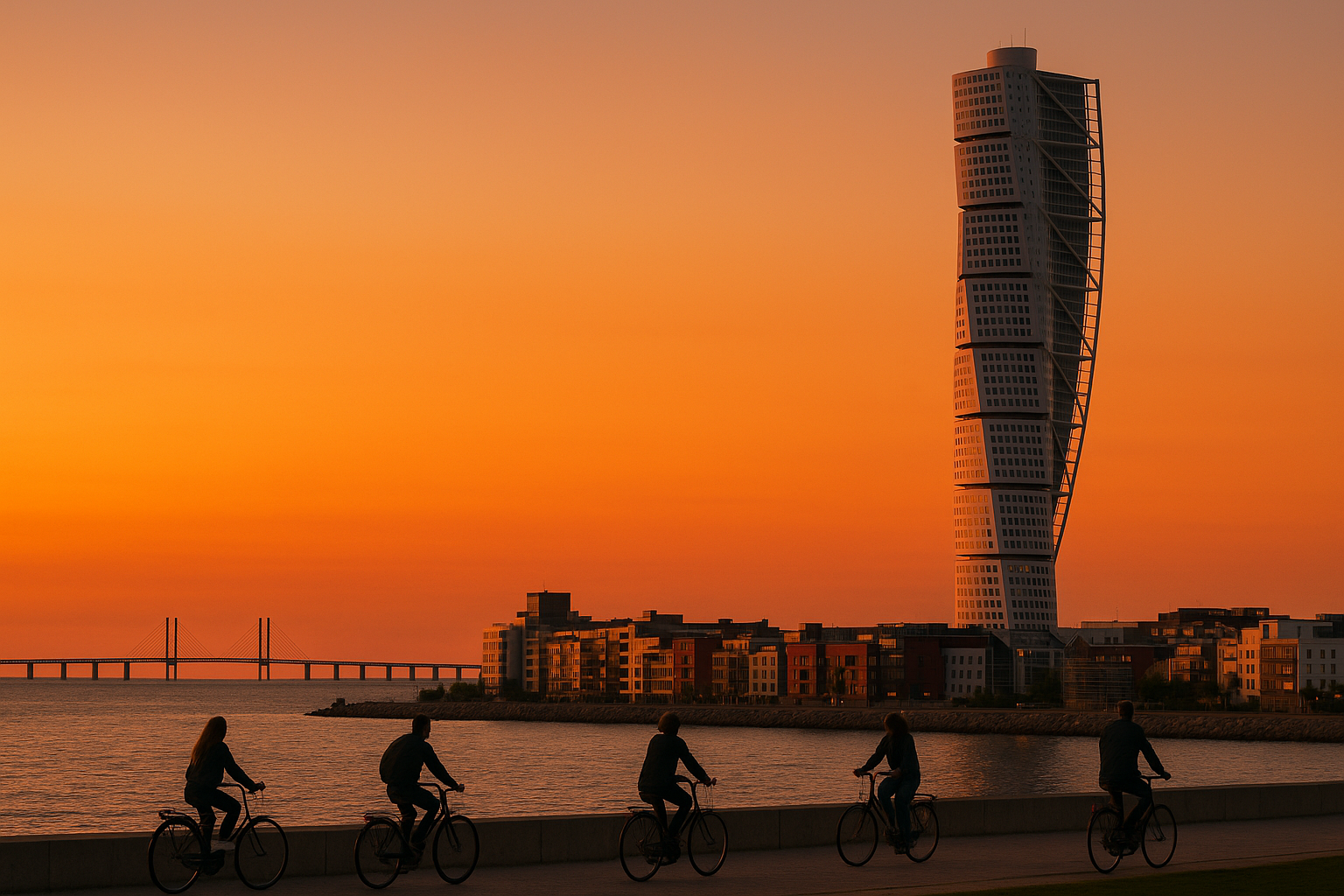
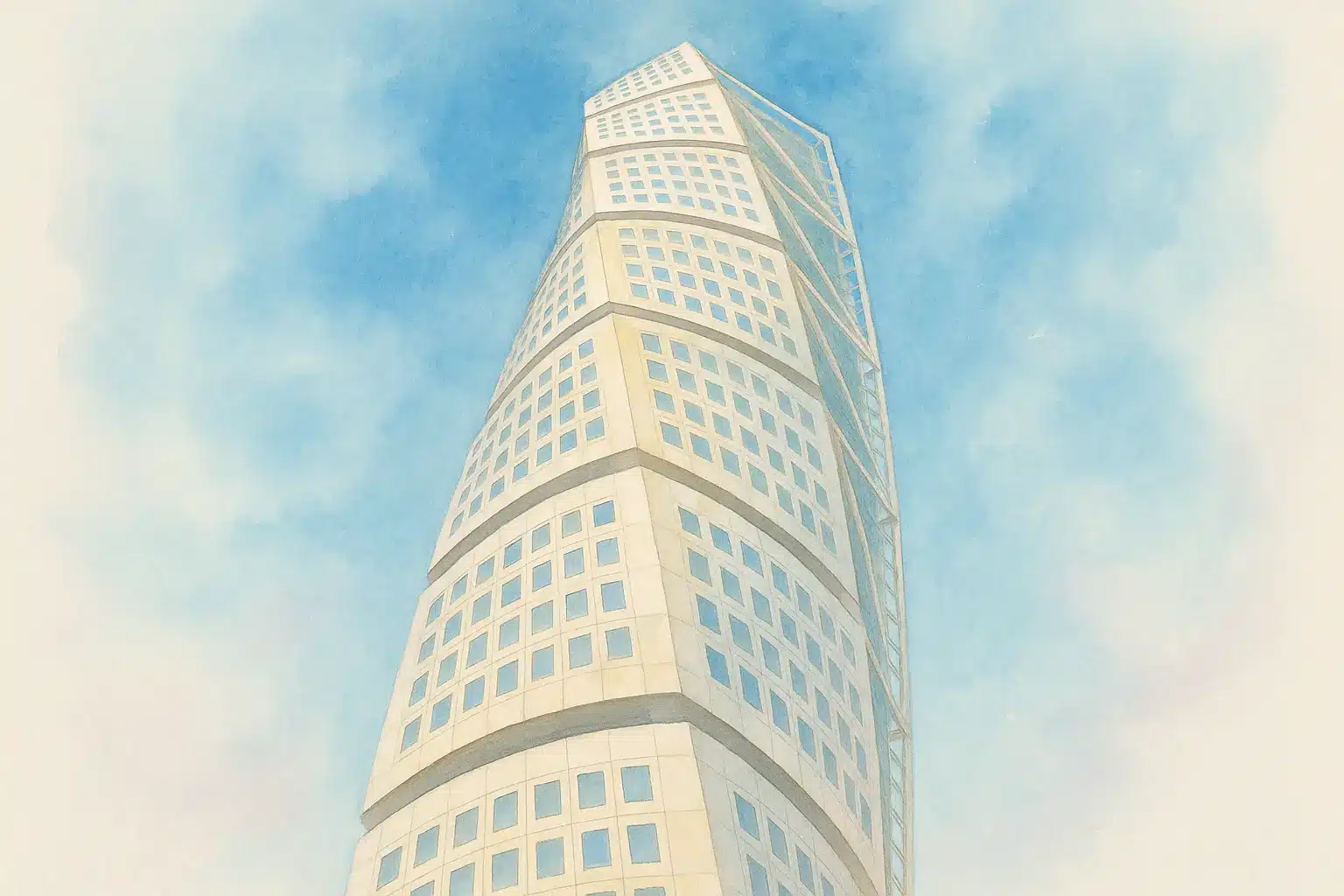
The Turning Torso in Malmö, Sweden, is Scandinavia’s tallest residential building and one of the world’s most distinctive twisted skyscrapers. Standing at 190 meters (623 feet) with 54 floors, this architectural marvel was designed by renowned Spanish architect Santiago Calatrava and opened in 2005. The building derives its name from its unique form—nine stacked cubes that rotate 90 degrees from base to top, creating a spiraling effect that has become an iconic symbol of modern Malmö.
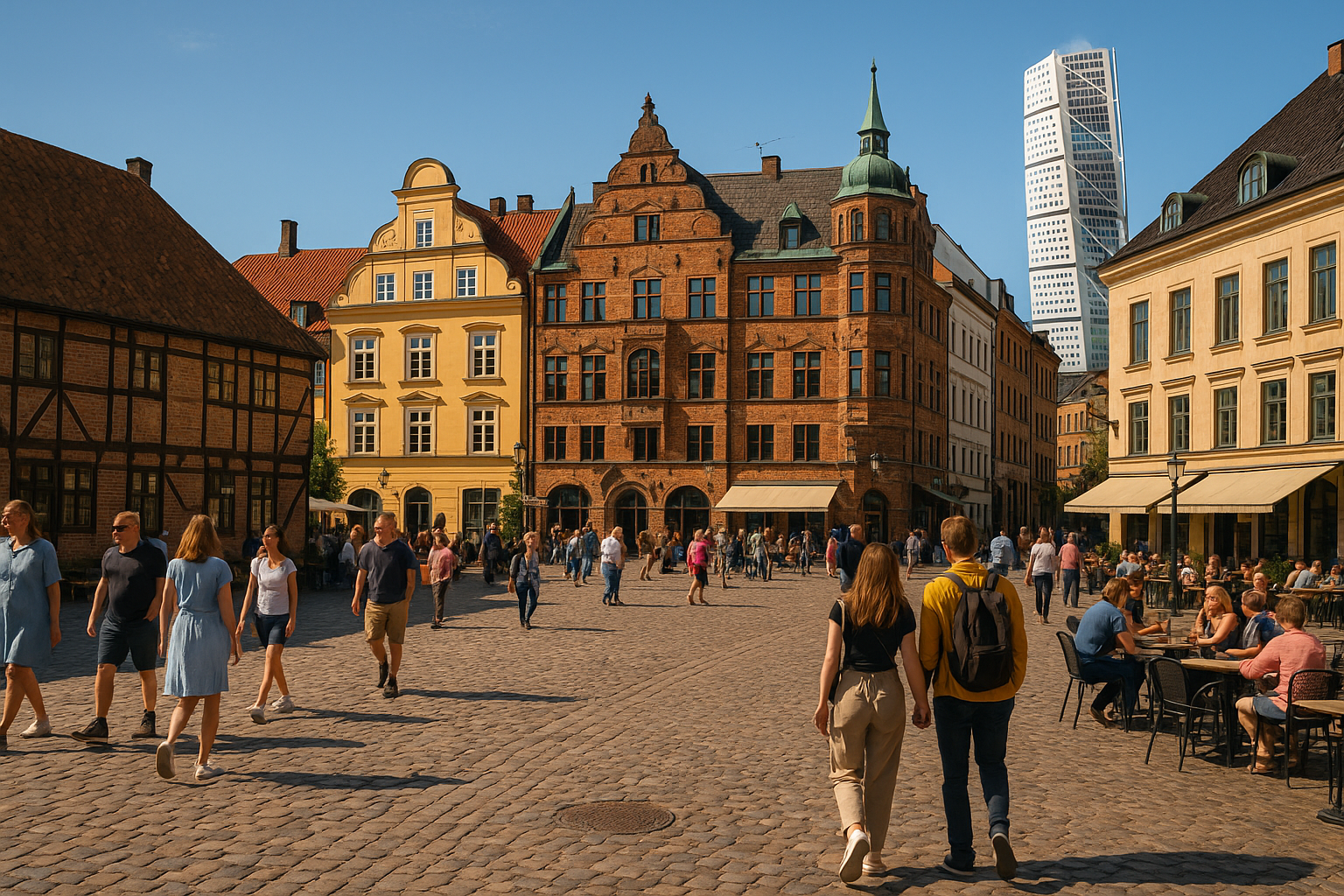
Located in the Västra Hamnen (Western Harbor) district, Turning Torso represents Malmö’s transformation from an industrial port city to a hub of contemporary architecture and sustainable urban development. The building houses 148 luxury apartments along with office spaces, and has won multiple international awards including the prestigious Gold Emporis Skyscraper Award in 2005.
History and Construction
Background and Inspiration
Santiago Calatrava’s design for the Turning Torso was inspired by his own sculptural work ”Twisting Torso,” which depicts a human form in motion. The project was initiated by Swedish property developer HSB (cooperative housing association) as part of a broader urban renewal initiative to revitalize Malmö’s waterfront area. The building was conceived to serve as a landmark that would signal Malmö’s ambitions as a modern, forward-thinking city.
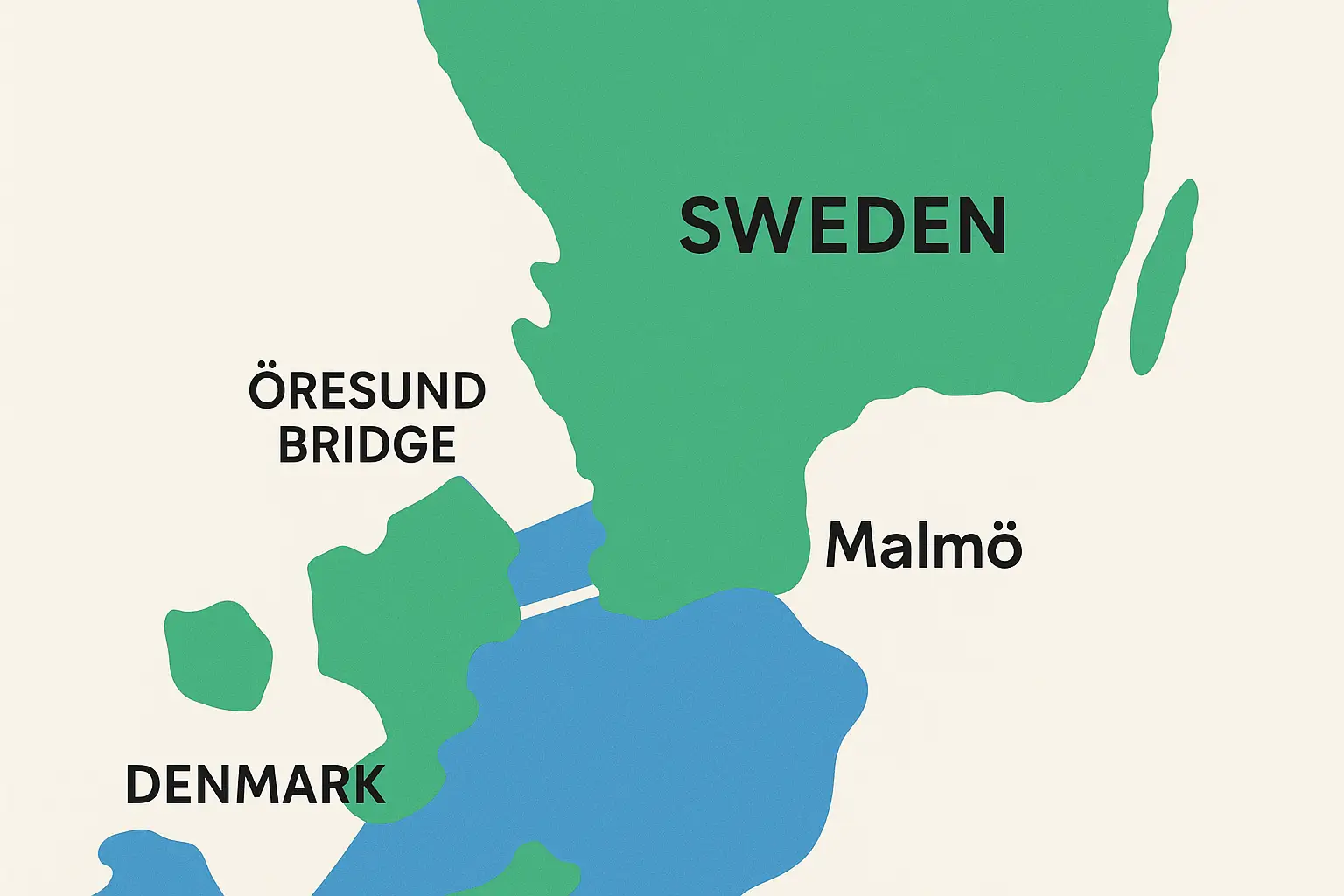
The choice of location in Västra Hamnen was strategic—this former industrial shipyard area was being transformed into an eco-friendly residential neighborhood. The Turning Torso would become its centerpiece, visible from across the Öresund strait and from neighboring Copenhagen.
Building Process and Challenges
Construction of the Turning Torso began in February 2001 and was completed in August 2005. The engineering challenges were substantial—creating a twisted structure that could withstand strong coastal winds while maintaining residential comfort required innovative solutions. The building’s structural system consists of a reinforced concrete core weighing approximately 15,000 tons, with an external steel framework of 820 tons supporting the twisting facade.
According to Byggvarudeklarationer, the construction team faced unique challenges in ensuring each of the nine cubes (or ”segments”) could be positioned precisely while maintaining structural integrity. Advanced computer modeling was essential to achieve the 90-degree rotation from bottom to top.
Opening and Significance for Malmö
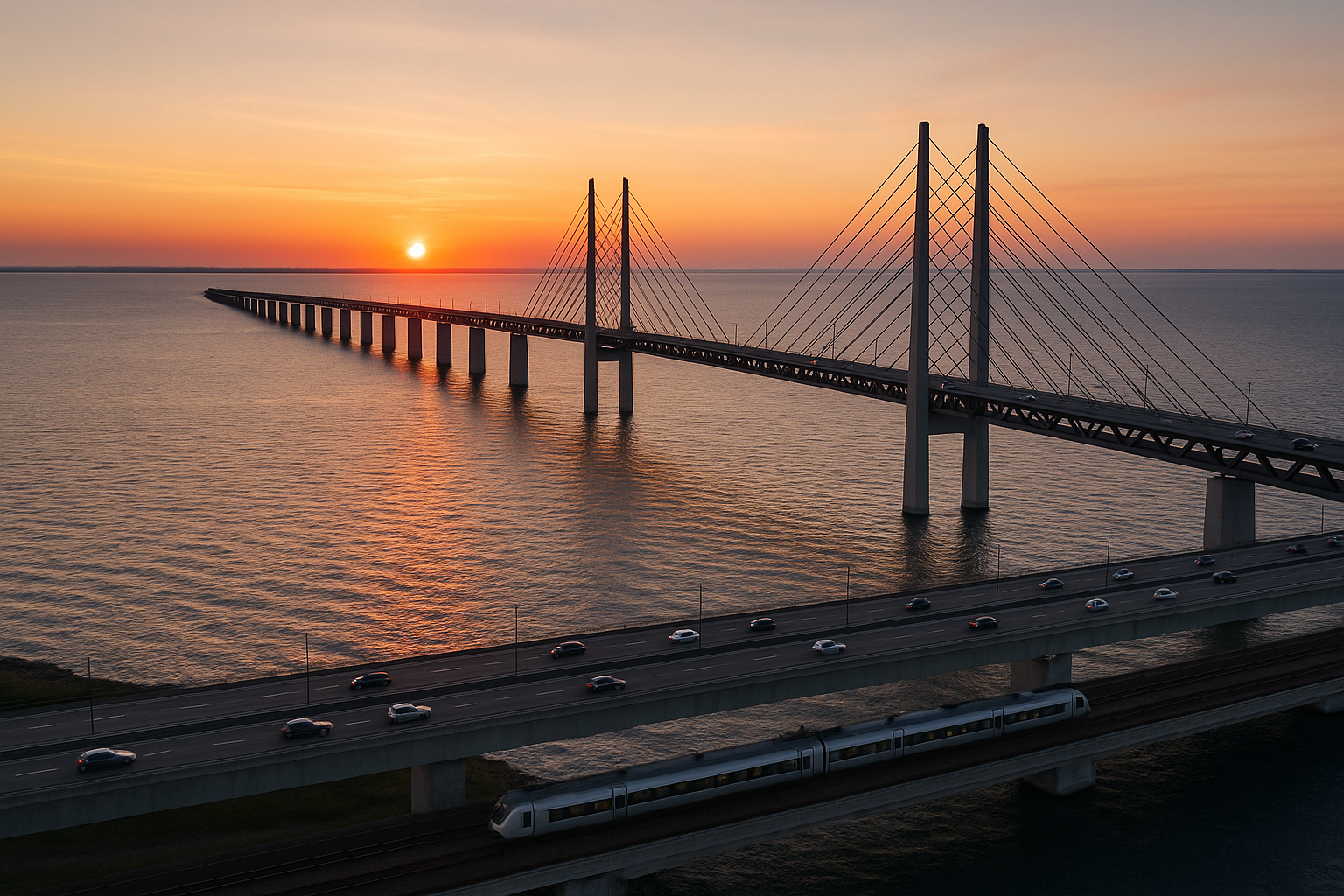
The Turning Torso officially opened on August 27, 2005, marking a turning point for Malmö. The building quickly became a symbol of the city’s renaissance, appearing in tourism materials and serving as a visual representation of Swedish innovation and design. For residents and visitors to Malmö, the skyscraper is now as iconic as the Öresund Bridge in defining the city’s modern identity.
Architecture and Design
Santiago Calatrava’s Vision
Spanish architect Santiago Calatrava is known worldwide for his neo-futuristic designs that blend engineering and art. For the Turning Torso, Calatrava sought to create a building that was both functional and sculptural—a ”living organism” that appeared to twist organically upward. His vision was to challenge conventional skyscraper design while creating comfortable, livable spaces within.
The architect’s philosophy emphasizes the integration of structure and aesthetics, and the Turning Torso exemplifies this approach. Every element, from the white aluminum panels that clad the exterior to the internal concrete core, serves both structural and visual purposes.
Structure and Technical Specifications
The Turning Torso’s structure is based on a central reinforced concrete core that runs the entire height of the building. This core provides the primary load-bearing support and contains elevators, stairwells, and utility shafts. Surrounding the core are nine pentagonal segments (or ”cubes”), each containing five floors.
| Specification | Details | Source |
|---|---|---|
| Height | 190 meters (623 feet) | Byggvarudeklarationer |
| Number of Floors | 54 | SSM Living |
| Total Weight | 15,000 tons | Byggvarudeklarationer |
| Steel Framework | 820 tons | Byggvarudeklarationer |
| Floor Area per Level | Approximately 400 m² | SSM Living |
| Rotation | 90 degrees from base to top | HSB Malmö |
Unique Features of the Twisted Design
What makes the Turning Torso truly distinctive is its twisting form. The building is composed of nine cubes stacked vertically, each rotated slightly relative to the one below. By the time you reach the top, the building has completed a 90-degree rotation. This design creates dynamic views from every angle and ensures that no two apartments have identical floor plans or perspectives.
The external steel exoskeleton not only supports the structure but also creates visual interest with its geometric patterns. White aluminum and glass panels cover the facade, reflecting changing light conditions throughout the day and giving the building its distinctive appearance. As noted by Wikipedia, this twisting design required precise engineering to ensure wind resistance and structural stability.
Facts and Dimensions
Height, Floors, and Area
The Turning Torso stands 190 meters tall, making it the tallest building in Scandinavia when it was completed and still one of the tallest residential towers in the Nordic region. The structure contains 54 floors, with residential units occupying floors 3 through 53. Each floor covers approximately 400 square meters, though the actual usable space varies due to the building’s unique geometry.
The top two floors (52-53) originally housed a conference center and meeting rooms, though usage has evolved over time. The ground floors contain commercial spaces and building services.
Materials and Weight
The building’s construction utilized advanced materials to achieve both strength and aesthetic appeal. The reinforced concrete core provides the primary structural support, anchored deep into the bedrock below. According to Byggvarudeklarationer, the total weight of the structure is approximately 15,000 tons, with 820 tons consisting of the external steel framework.
The facade features high-quality aluminum panels in white, chosen for their durability in coastal conditions and their ability to reflect light beautifully. Large windows provide residents with panoramic views while maintaining energy efficiency through modern glazing technology.
Apartments and Living
The Turning Torso contains 148 luxury apartments ranging from small one-bedroom units to expansive penthouses. According to SSM Living, apartments are distributed across floors 3 to 53, with the most sought-after units located in the upper segments where views extend across the Öresund strait to Copenhagen and beyond.
The building is owned and managed by HSB Malmö, a cooperative housing association. Apartments rarely become available on the rental or sales market, and when they do, they command premium prices due to the building’s prestige and unique architectural features. Residents enjoy access to amenities including secure parking, storage facilities, and concierge services.
Living in Turning Torso: What to Know
Apartments in Turning Torso are highly exclusive and rarely available for rent or purchase. Due to the cooperative ownership structure through HSB, most units are owner-occupied. If you’re interested in residing here, expect to join waiting lists and be prepared for significant investment. For visitors, guided tours during summer months offer the best opportunity to experience the interior.
Visiting the Turning Torso
How to Visit and Tours
While the Turning Torso is primarily a residential building and not generally open to the public, guided tours are available during summer months. According to Tickster, specialized tours run through July and August 2025, offering visitors access to common areas and select viewing points within the building.
These tours typically include:
- Access to the building’s lobby and common spaces
- Information about the architecture and construction
- Views from designated observation areas
- Historical context about Malmö’s urban development
It’s advisable to book tours well in advance, as spaces are limited. The building’s address is Lilla Varvsgatan 14, 211 15 Malmö, located in the Västra Hamnen district.
Nearby Attractions
The Turning Torso is situated in Västra Hamnen, a modern waterfront neighborhood perfect for walking or cycling. Nearby attractions include:
- Västra Hamnen Beach – A popular waterfront area with swimming spots and scenic promenades
- Bo01 District – An eco-friendly residential area showcasing sustainable urban planning
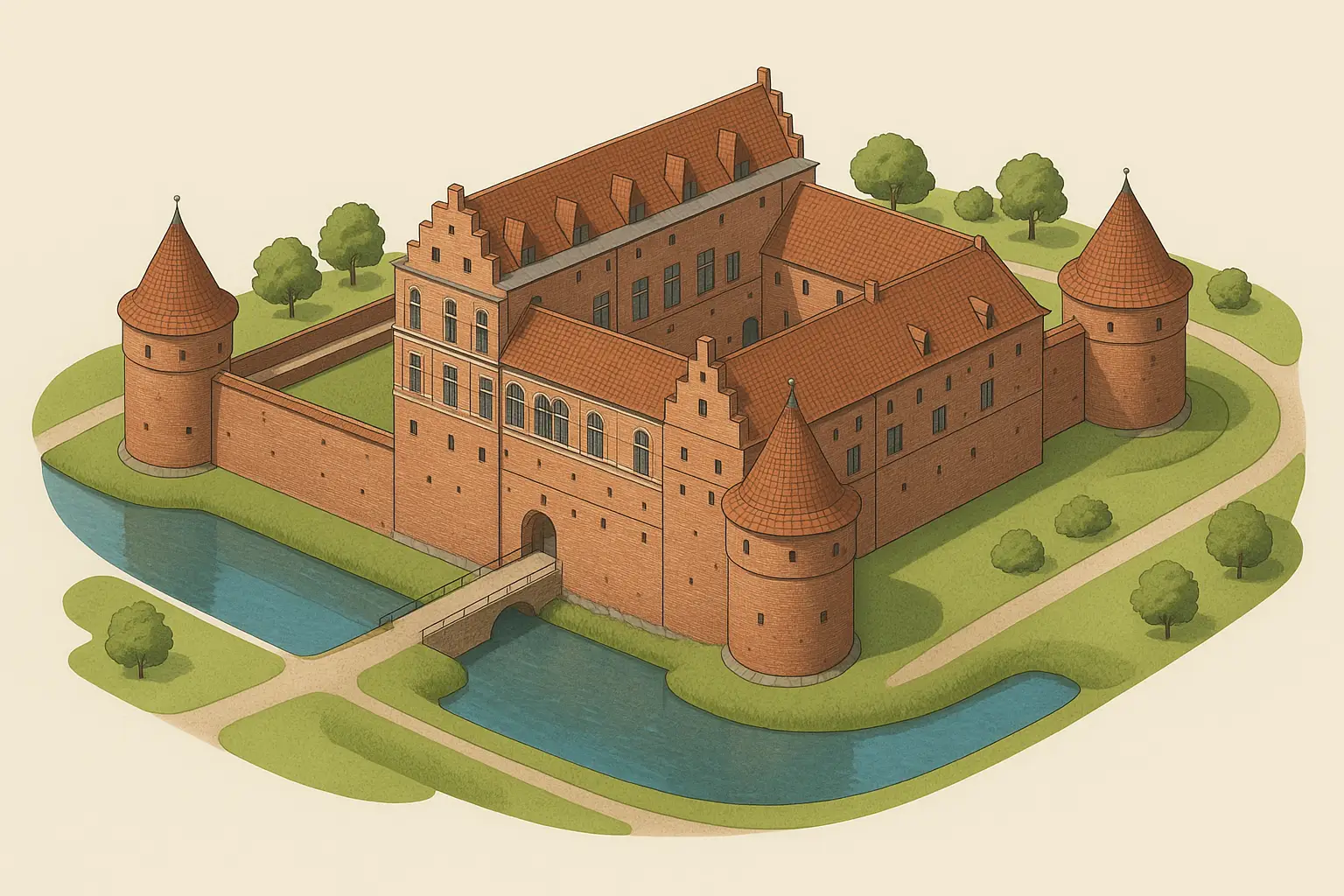
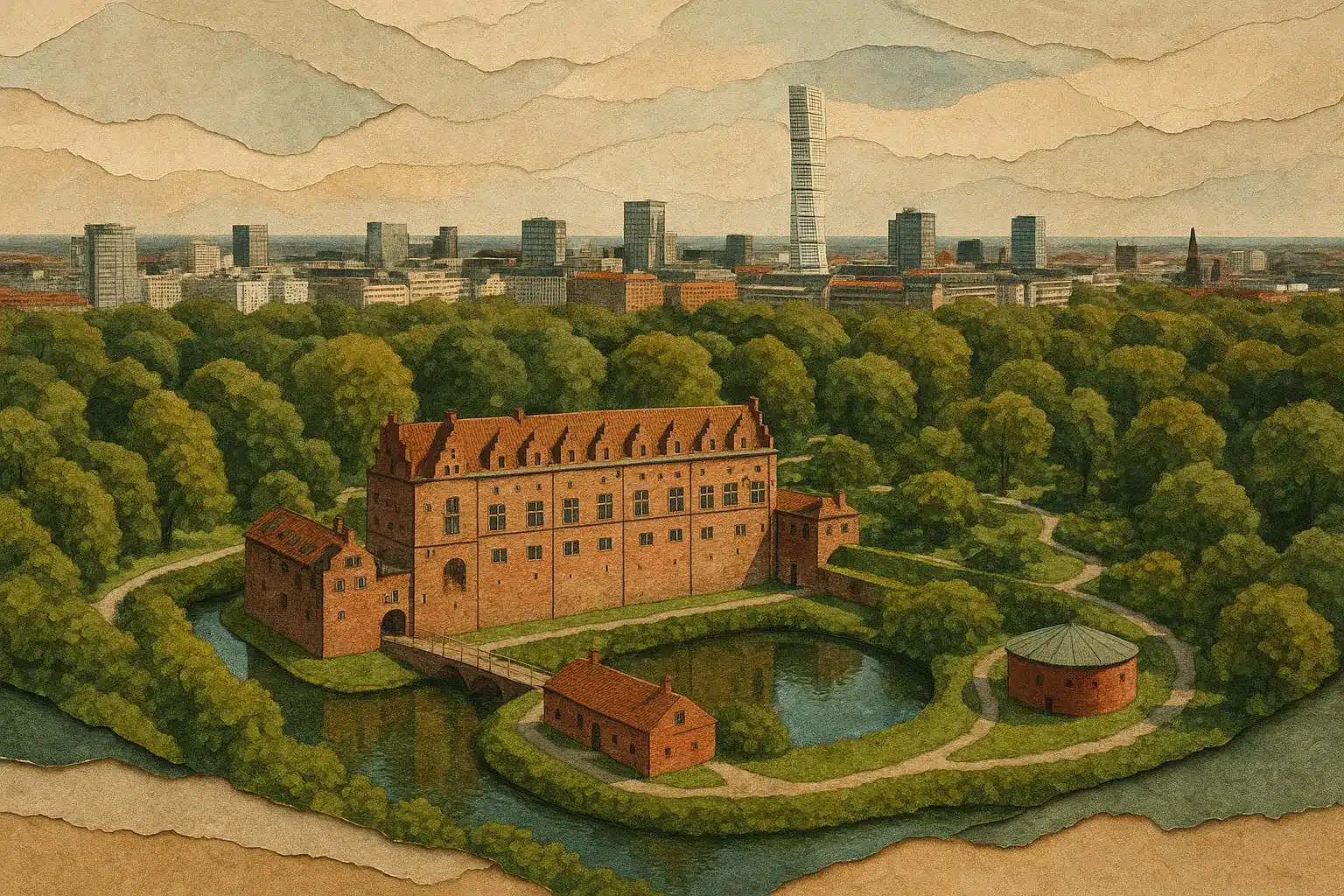
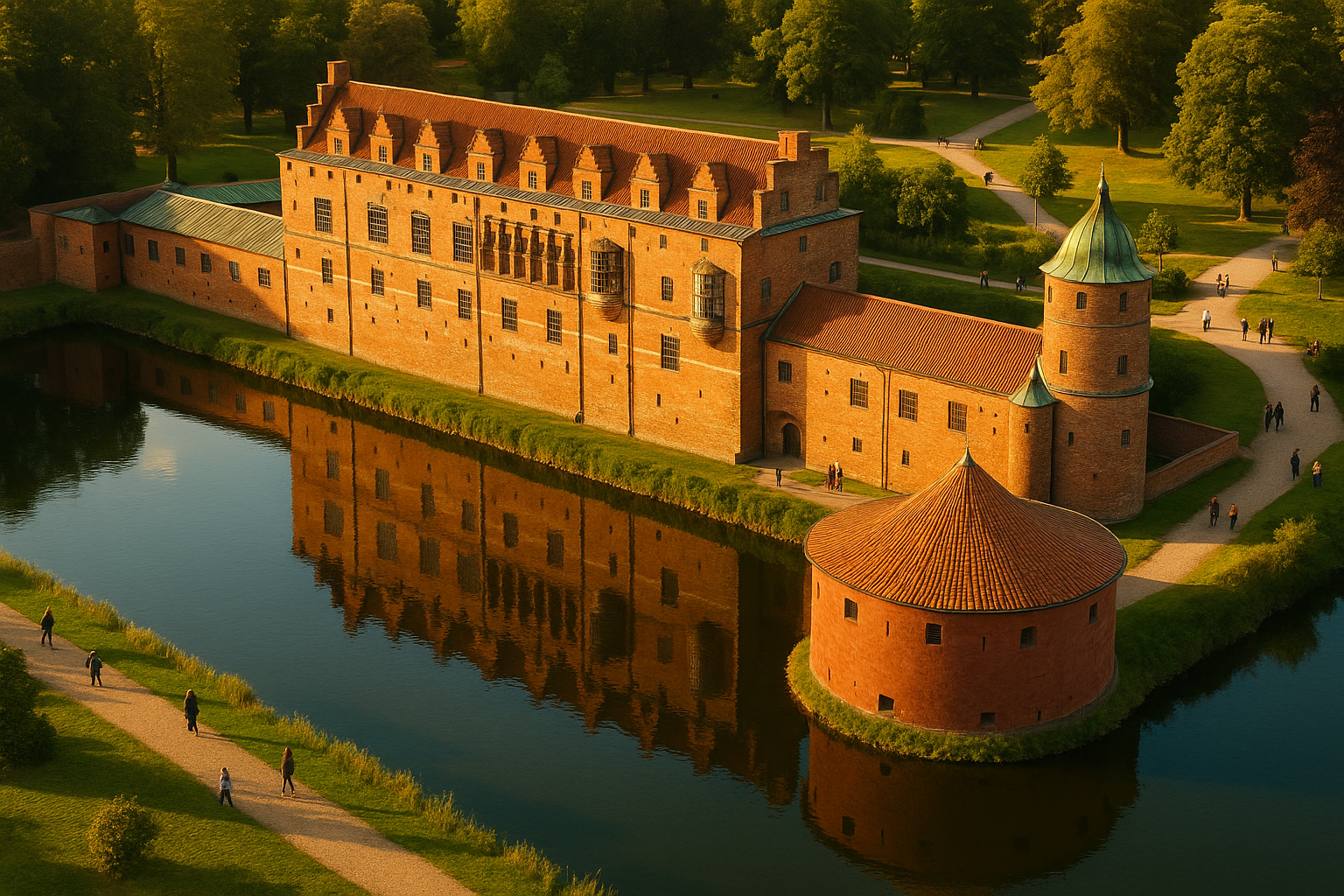
- Malmö Castle – A historic fortress and museum, about 3 km from Turning Torso (read more about Malmö Castle)
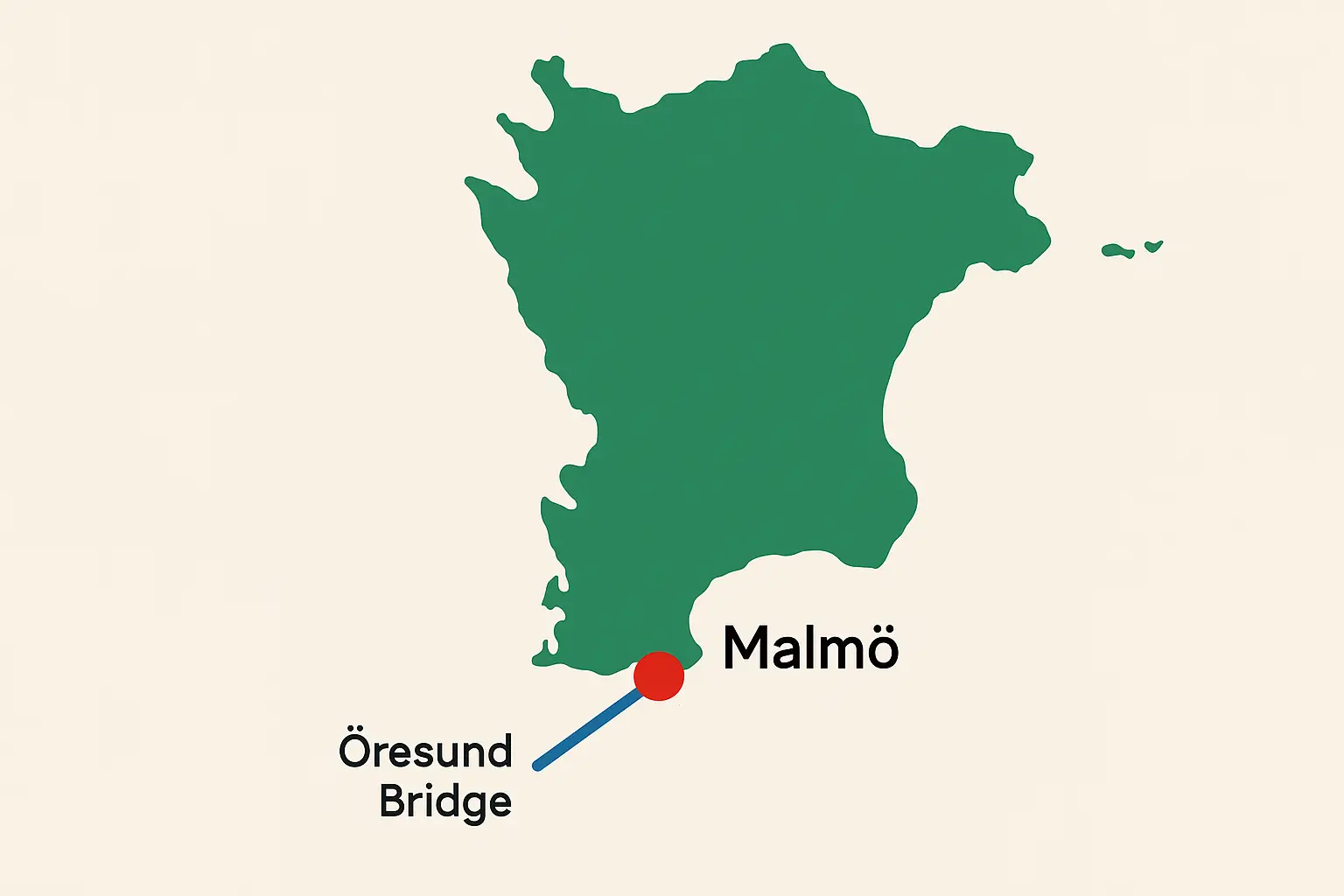
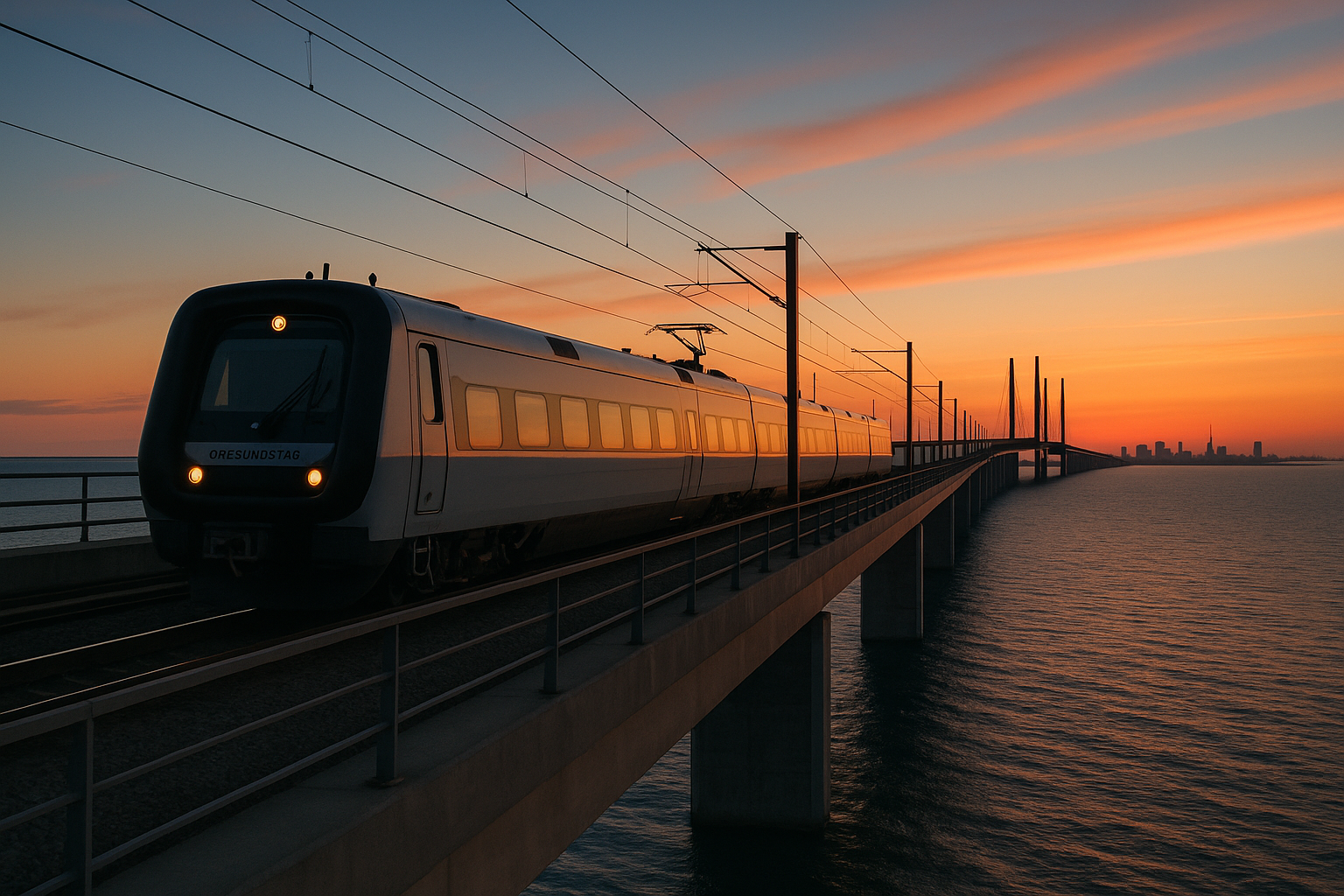
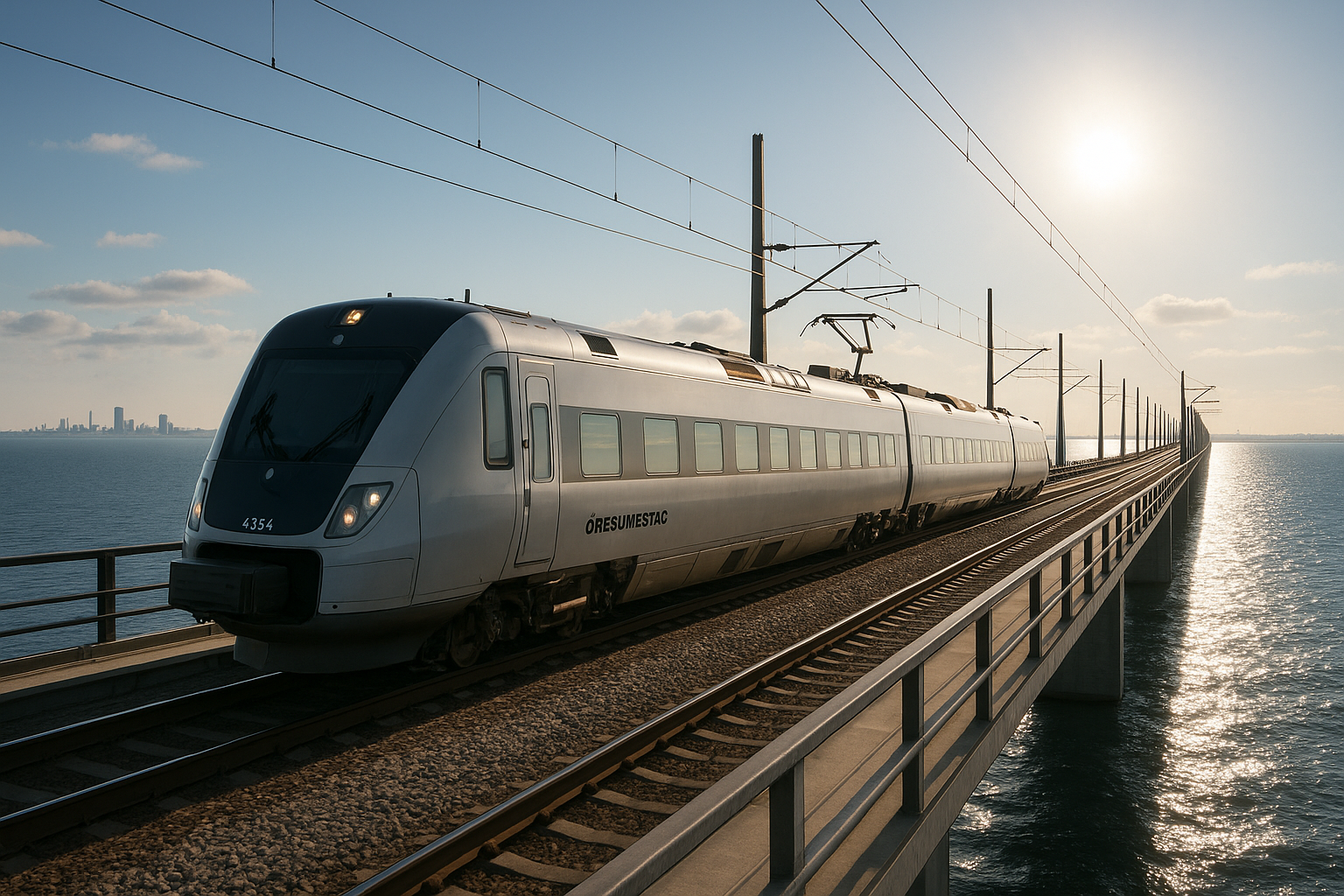
- Öresund Bridge – Visible from Turning Torso, connecting Sweden and Denmark
- Ribersborg Beach (Ribban) – A beloved local beach with cold-water bathing house
For more ideas on exploring the city, check out our guide on things to do in Malmö.
Hotels and Restaurants Nearby
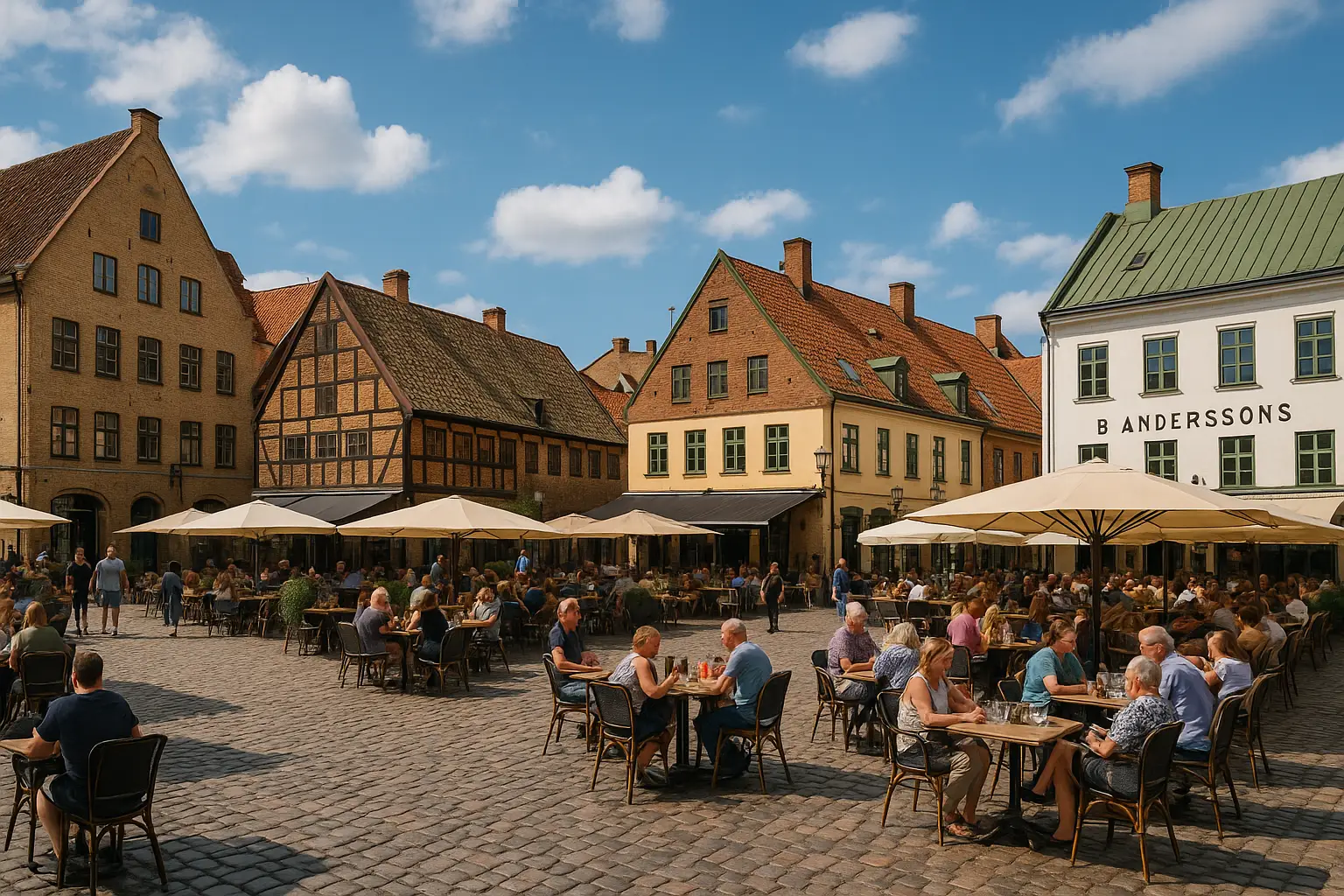
While there are no hotels within the Turning Torso itself, several accommodation options are available in Västra Hamnen and central Malmö, typically 10-20 minutes away by foot or public transport. The neighborhood features modern cafés and restaurants, though the density of dining options increases as you move toward Malmö’s city center.
For dining near Turning Torso, consider exploring the marina areas where seasonal restaurants operate during warmer months. Central Malmö offers a wider range of international cuisines and is easily accessible via bus or bicycle.
Awards and Cultural Significance
Prizes and Recognition
The Turning Torso has received numerous accolades since its completion. According to Wikipedia, the building won the Gold Emporis Skyscraper Award in 2005, recognizing it as the best skyscraper completed that year. A decade later, it received the 10 Year Award in 2015, acknowledging its lasting impact on architecture and urban design.
Additional recognition includes being named the best residential building at various architectural competitions and appearing in numerous publications showcasing innovative architecture worldwide.
Symbol of Modern Sweden
Beyond its architectural merits, the Turning Torso has become a powerful symbol of modern Sweden and Malmö’s transformation. As noted by SSM Living, the building represents the city’s shift from industrial decline in the 1980s-90s to its current status as a center for technology, education, and sustainable urban living.
The skyscraper appears prominently in Swedish tourism campaigns and has become synonymous with contemporary Scandinavian design. It stands as a testament to ambitious public-private partnerships and innovative urban planning, inspiring similar projects throughout the Nordic region.
Frequently Asked Questions
How tall is the Turning Torso?
The Turning Torso is 190 meters (623 feet) tall with 54 floors, making it the tallest building in Scandinavia and one of the tallest residential towers in Northern Europe. The height measurement is from ground level to the top of the architectural spire.
Who designed the Turning Torso?
The Turning Torso was designed by Santiago Calatrava, a renowned Spanish architect and structural engineer known for his distinctive neo-futurist designs. Calatrava based the building’s form on his sculptural work ”Twisting Torso,” creating a structure that rotates 90 degrees from base to top.
Can you visit or tour the Turning Torso?
Yes, but with limitations. The Turning Torso is primarily a residential building, but guided tours are available during summer months (July-August). These tours must be booked in advance through platforms like Tickster and provide access to common areas and viewing points, though private apartments are not included.
How many apartments are in the Turning Torso?
The building contains 148 luxury apartments distributed across floors 3 to 53. These range from smaller units to large penthouses, all featuring unique floor plans due to the building’s twisting design. The apartments are managed by HSB Malmö as cooperative housing and rarely become available on the market.
When was the Turning Torso built?
Construction began in February 2001 and was completed in August 2005, with the official opening on August 27, 2005. The project took over four years to complete due to the complex engineering requirements of the twisted design.
Where is the Turning Torso located?
The Turning Torso is located in the Västra Hamnen (Western Harbor) district of Malmö, Sweden, at Lilla Varvsgatan 14, 211 15 Malmö. This waterfront neighborhood is about 2-3 kilometers west of Malmö’s central train station and offers views across the Öresund strait toward Copenhagen, Denmark.
What is the Turning Torso used for?
The Turning Torso is primarily a residential building with 148 apartments. The lower floors contain office spaces and building services, while the upper floors (52-53) have been used for meeting rooms and conference facilities. The building is not a hotel or public observation tower, though summer tours offer limited public access.