Where Is Malmö Located in Sweden?
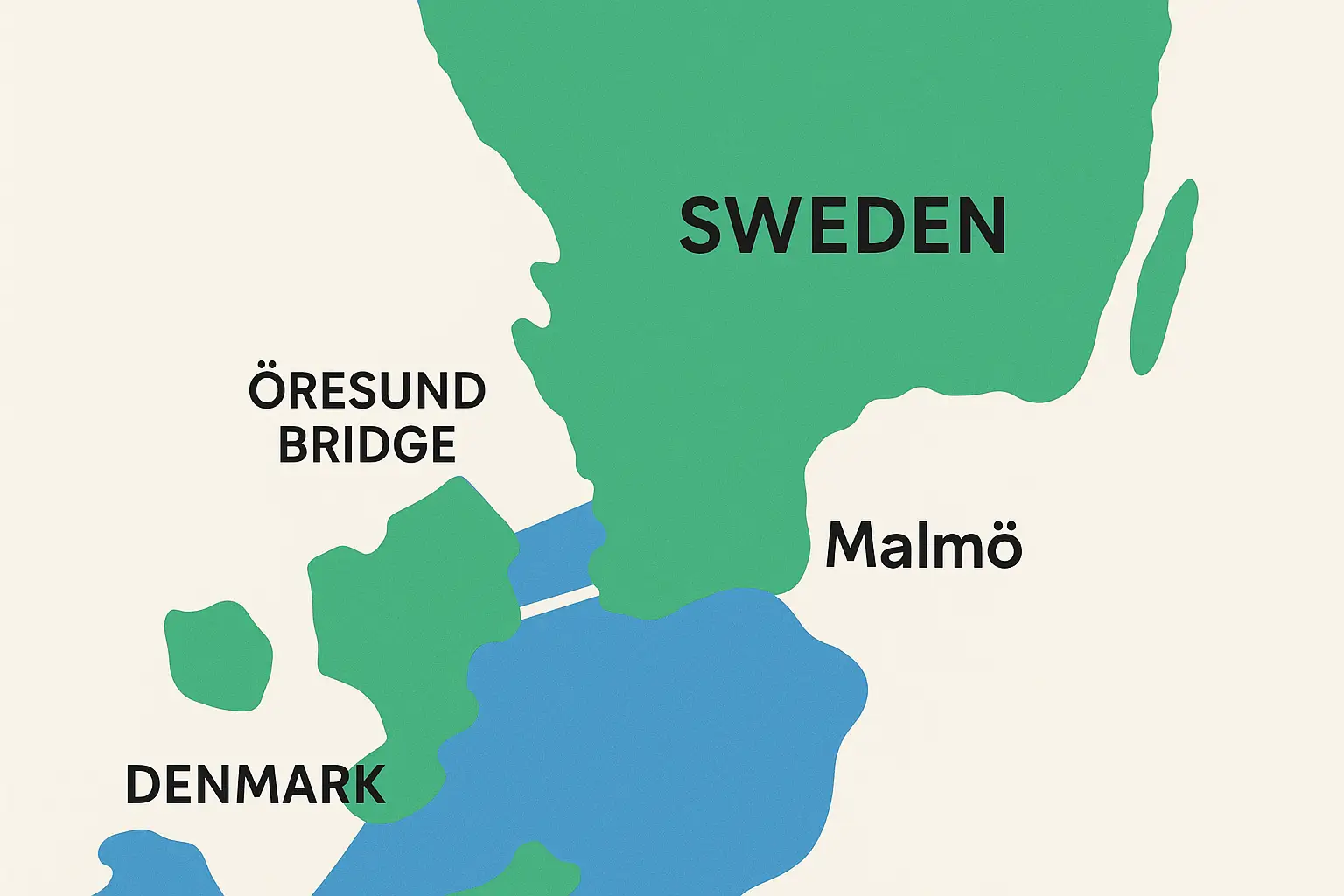
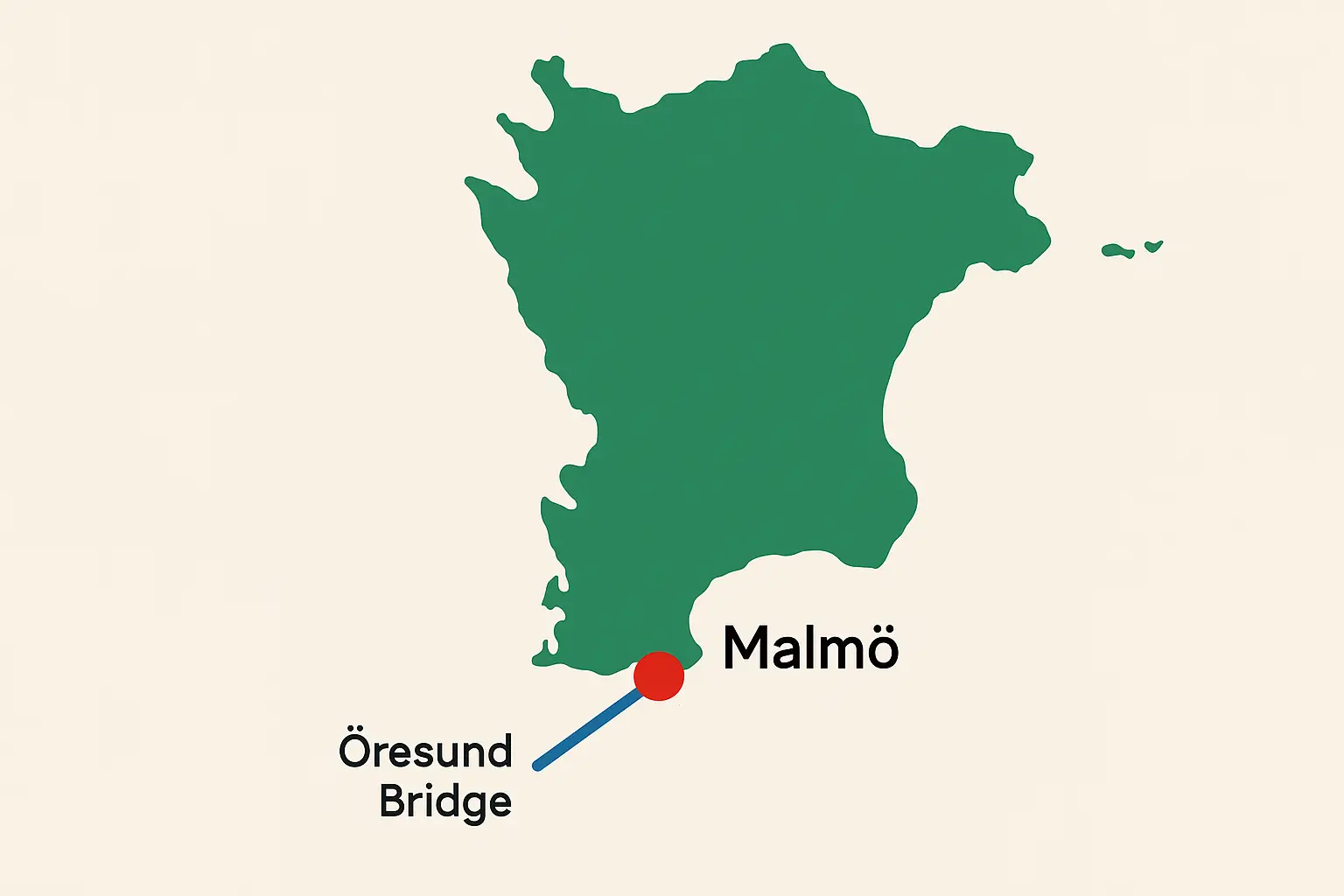
Malmö is located in southern Sweden, in Skåne County, along the Öresund Strait. As Sweden’s third-largest city, Malmö sits just 30 kilometers (19 miles) from Copenhagen, Denmark, making it a unique gateway between Scandinavia and continental Europe. The city’s strategic coastal position has shaped its identity as a vibrant, multicultural hub where Swedish tradition meets international influence.
With approximately 350,000 inhabitants as of 2023, according to official statistics, Malmö combines the charm of historic architecture with modern sustainability initiatives. Whether you’re planning a visit or simply curious about where Malmö is on a map, this guide will help you understand the city’s geographical significance and how to reach it.
Southern Sweden in Skåne County
Malmö is situated in Skåne län (Skåne County), Sweden’s southernmost region. This location places the city closer to continental Europe than to Sweden’s capital, Stockholm, which lies approximately 610 kilometers (380 miles) to the northeast. Skåne is known for its flat, fertile agricultural land and mild climate—distinctly different from the forested landscapes typical of central and northern Sweden.
The Öresund Strait, a narrow body of water separating Sweden from Denmark, defines Malmö’s western border. This geographical feature has historically made Malmö a key trading port and cultural crossroads. Today, it’s part of the integrated Öresund Region, which includes Copenhagen and surrounding areas, creating one of Scandinavia’s most dynamic economic zones.
Close to the Danish Border
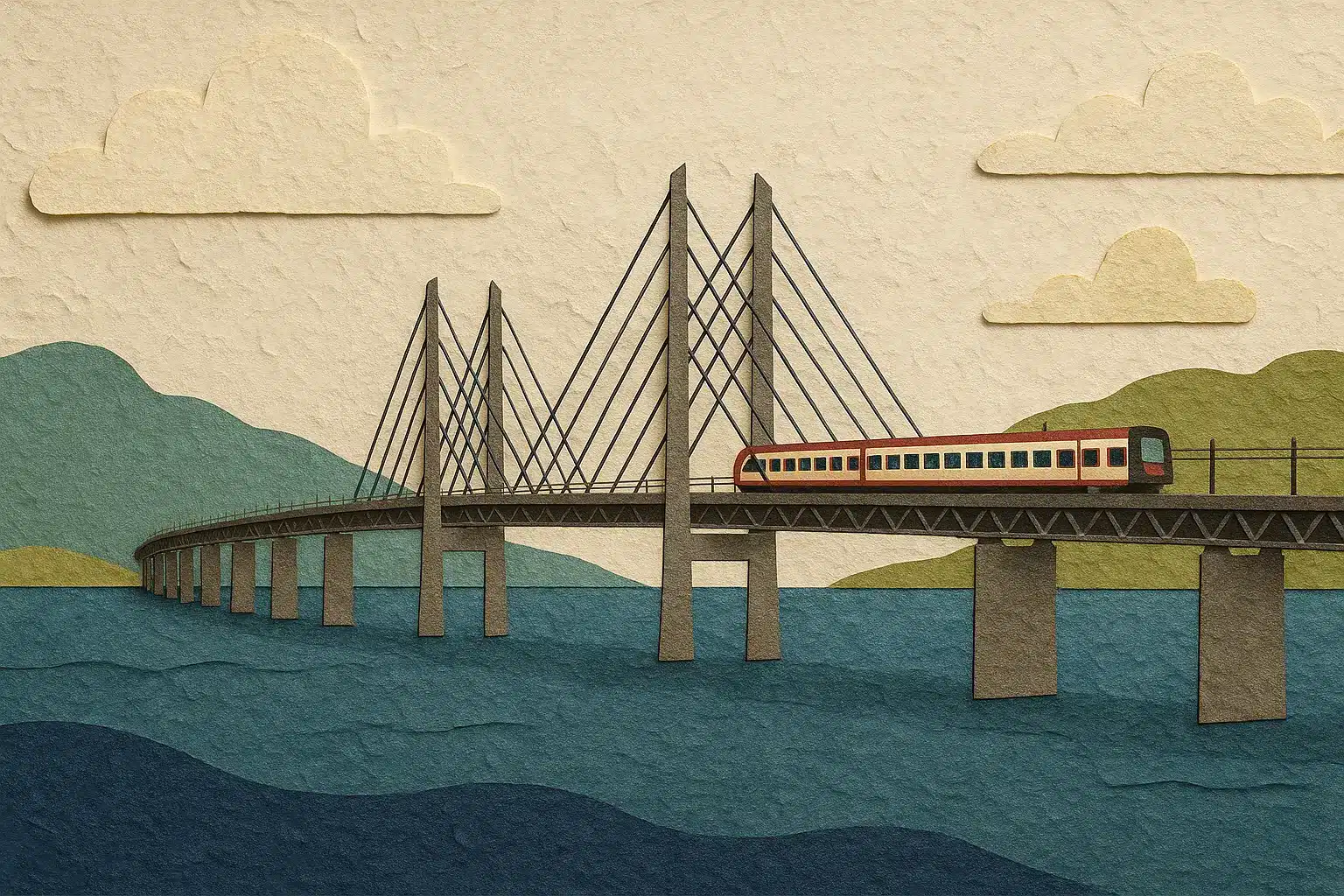
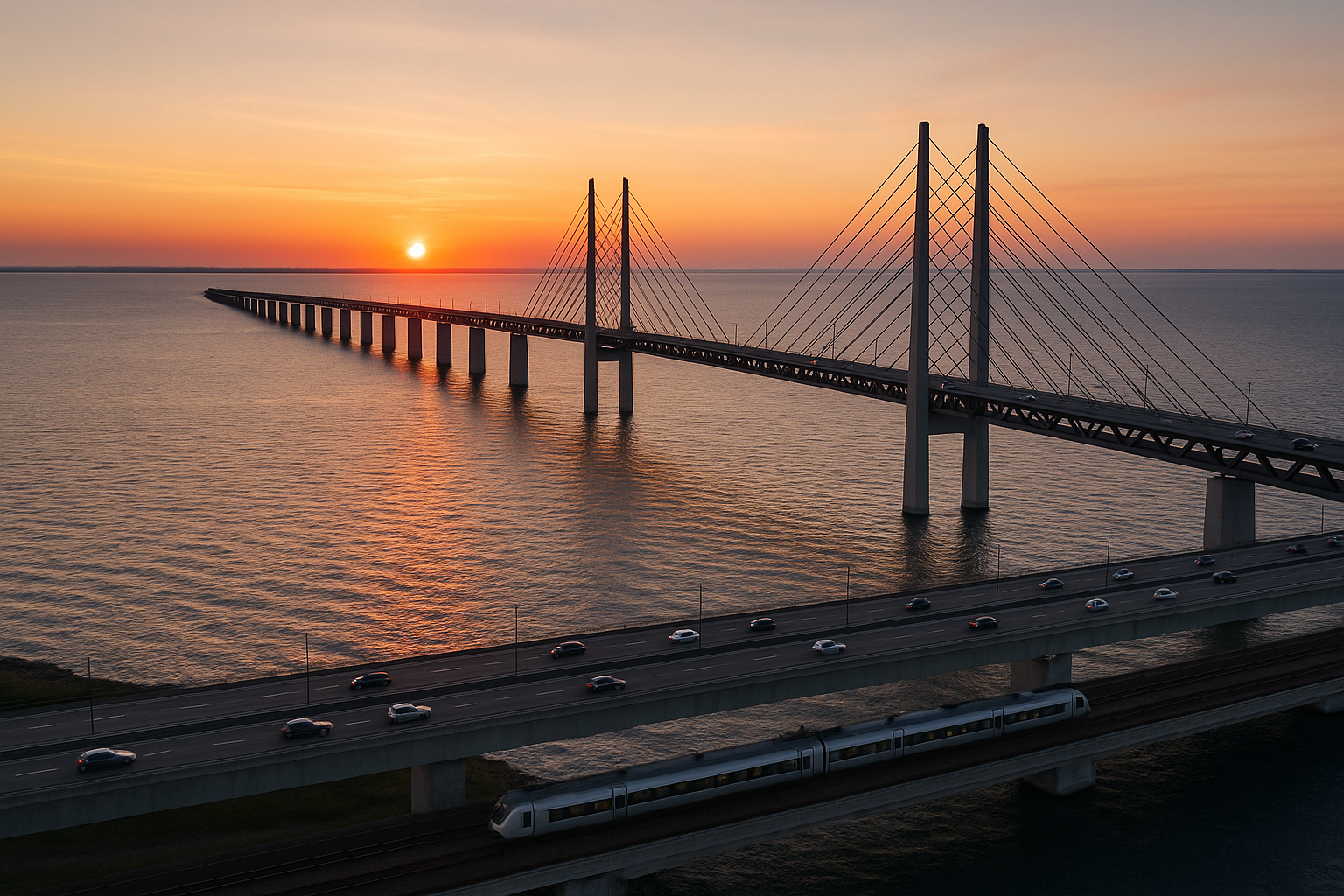
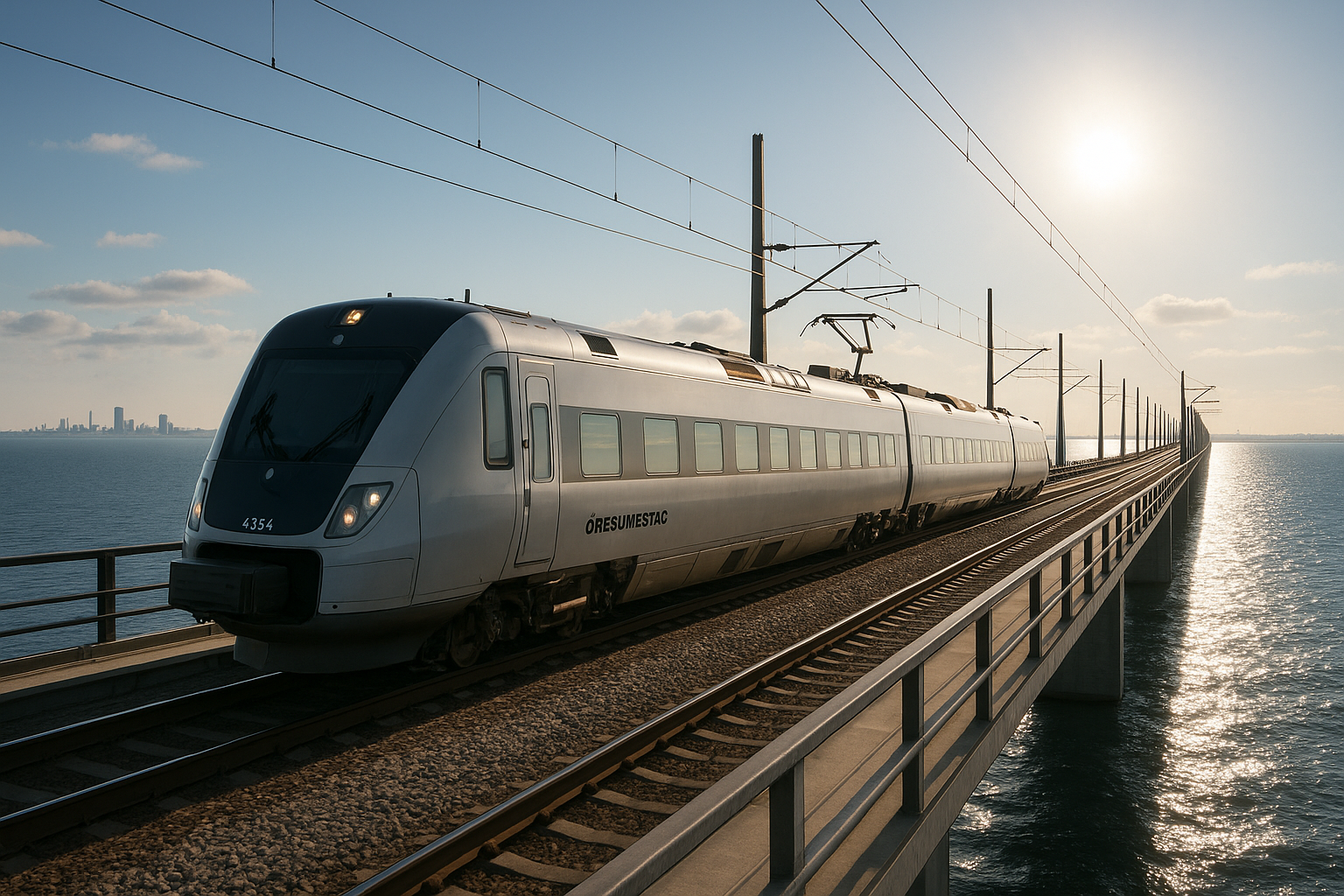
Malmö’s proximity to Denmark cannot be overstated. The city lies directly across the Öresund Strait from Copenhagen, Denmark’s capital. Since the opening of the Öresund Bridge in 2000, which spans 8 kilometers (5 miles) connecting Malmö to Copenhagen, the two cities have become increasingly intertwined. Thousands of commuters travel daily between the countries, and visitors can easily explore both cities in a single trip.
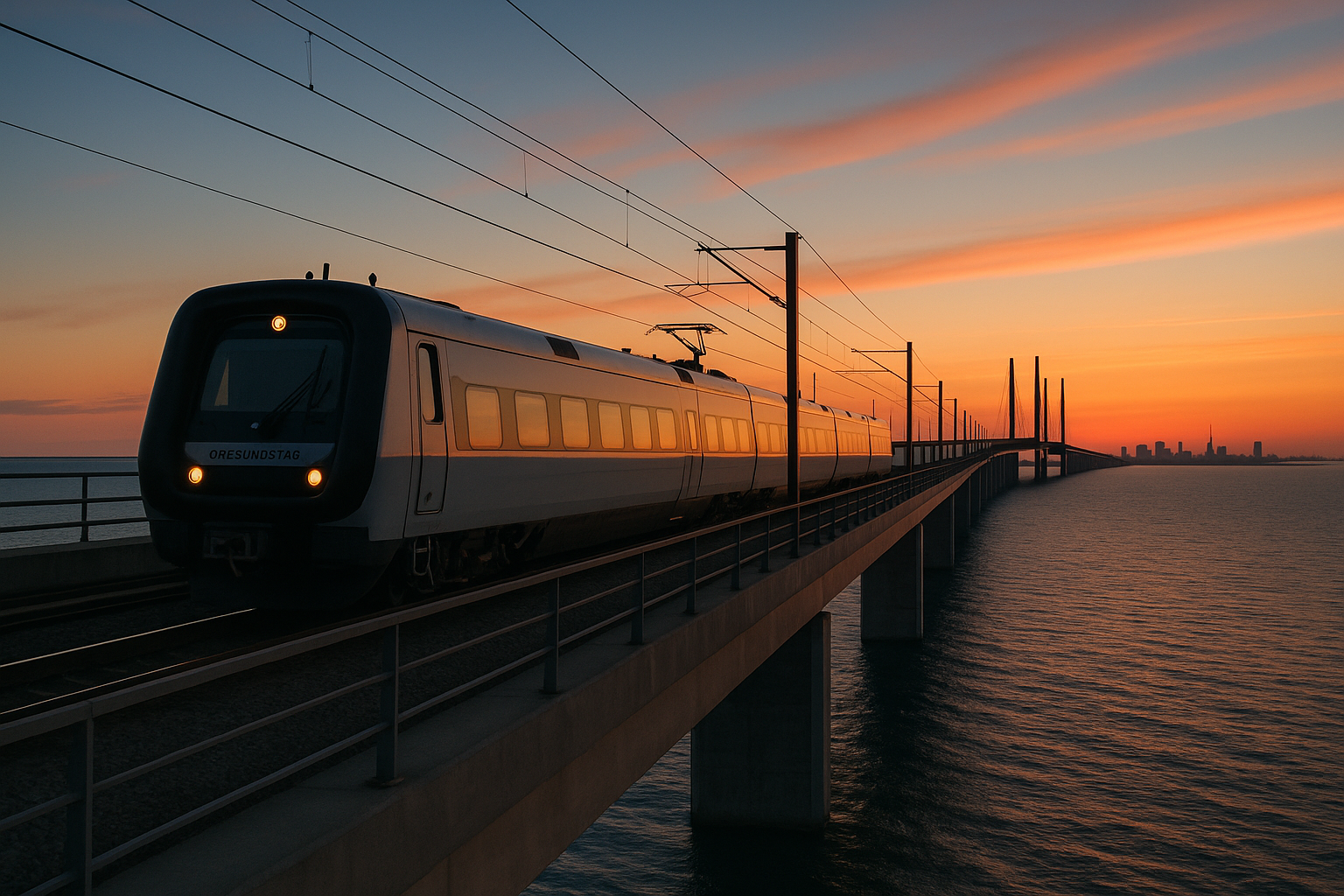
This cross-border integration has created unique opportunities for business, culture, and tourism. The Öresund Bridge serves both rail and road traffic, making travel between Malmö and Copenhagen quick and convenient—the train journey takes just 20 minutes.
Exact Coordinates and Distances
Malmö’s precise geographical coordinates are approximately 55.6050° N latitude and 13.0038° E longitude. This coastal position puts the city at the crossroads of major Scandinavian routes. Here are key distances from Malmö to other major cities:
| Destination | Distance (km) | Travel Time by Train | Travel Time by Car |
|---|---|---|---|
| Copenhagen, Denmark | 30 | 20-35 minutes | 40 minutes |
| Gothenburg, Sweden | 290 | 3 hours | 3.5 hours |
| Stockholm, Sweden | 610 | 4.5 hours | 6.5 hours |
| Hamburg, Germany | 320 | 4.5 hours (via Copenhagen) | 4 hours |
Understanding Malmö on a Map
Visualizing where Malmö is located helps travelers plan their journey and appreciate the city’s strategic position. Malmö sits at the southwestern tip of Sweden, making it an ideal starting point for exploring both Scandinavia and northern Europe.
Visual Map Overview
When looking at a map of Sweden, Malmö appears in the very southern portion of the country, in the region known as Skåne (Scania). The city forms part of the Öresund coastline, with the strait separating it from the Danish island of Zealand. To the east lies the Baltic Sea, while to the north and northeast, the Swedish countryside extends toward Gothenburg and Stockholm.
Interactive maps show that Malmö’s location makes it part of a larger metropolitan area that transcends national borders. The Öresund Region encompasses both Malmö and Copenhagen, creating a binational urban area with nearly 4 million inhabitants combined.
Distance to Nearby Cities
Understanding Malmö’s position relative to other cities helps with trip planning. The city serves as a natural hub for exploring southern Scandinavia:
- Lund – 20 km northeast; a historic university town accessible in 10 minutes by train
- Helsingborg – 65 km north; a coastal city with ferry connections to Denmark
- Ystad – 65 km southeast; a charming medieval town with ferry links to Poland
- Trelleborg – 30 km south; a port city with ferries to Germany and Poland
These proximity advantages make Malmö an excellent base for exploring the region, whether you’re interested in Swedish culture, Danish attractions, or European travel.
The Öresund Bridge on the Map
The Öresund Bridge is one of Malmö’s most defining geographical features. This combined road and rail bridge-tunnel connection extends from Malmö’s western suburbs to the Danish coast, passing through an artificial island called Peberholm (Pepper Island) before continuing as an underwater tunnel to Copenhagen Airport.
On a map, the bridge appears as a direct link between Sweden and Denmark, symbolizing the integration of the two countries. Opened in 2000, this engineering marvel handles approximately 70,000 vehicles daily and has transformed regional travel patterns. The bridge has made travel between Malmö and Copenhagen seamless, fostering economic cooperation and cultural exchange.
Travel Tip: Using Maps for Navigation
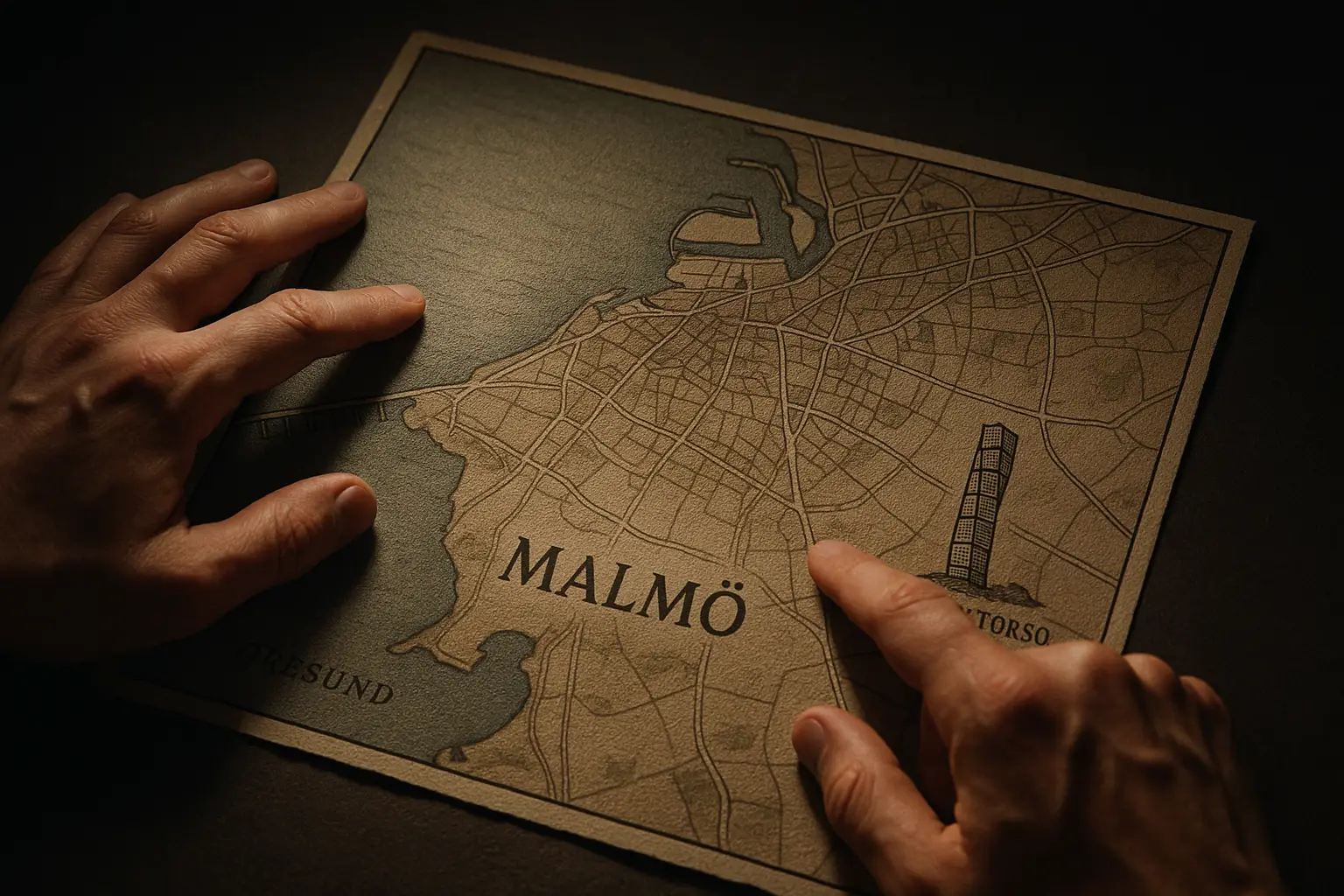
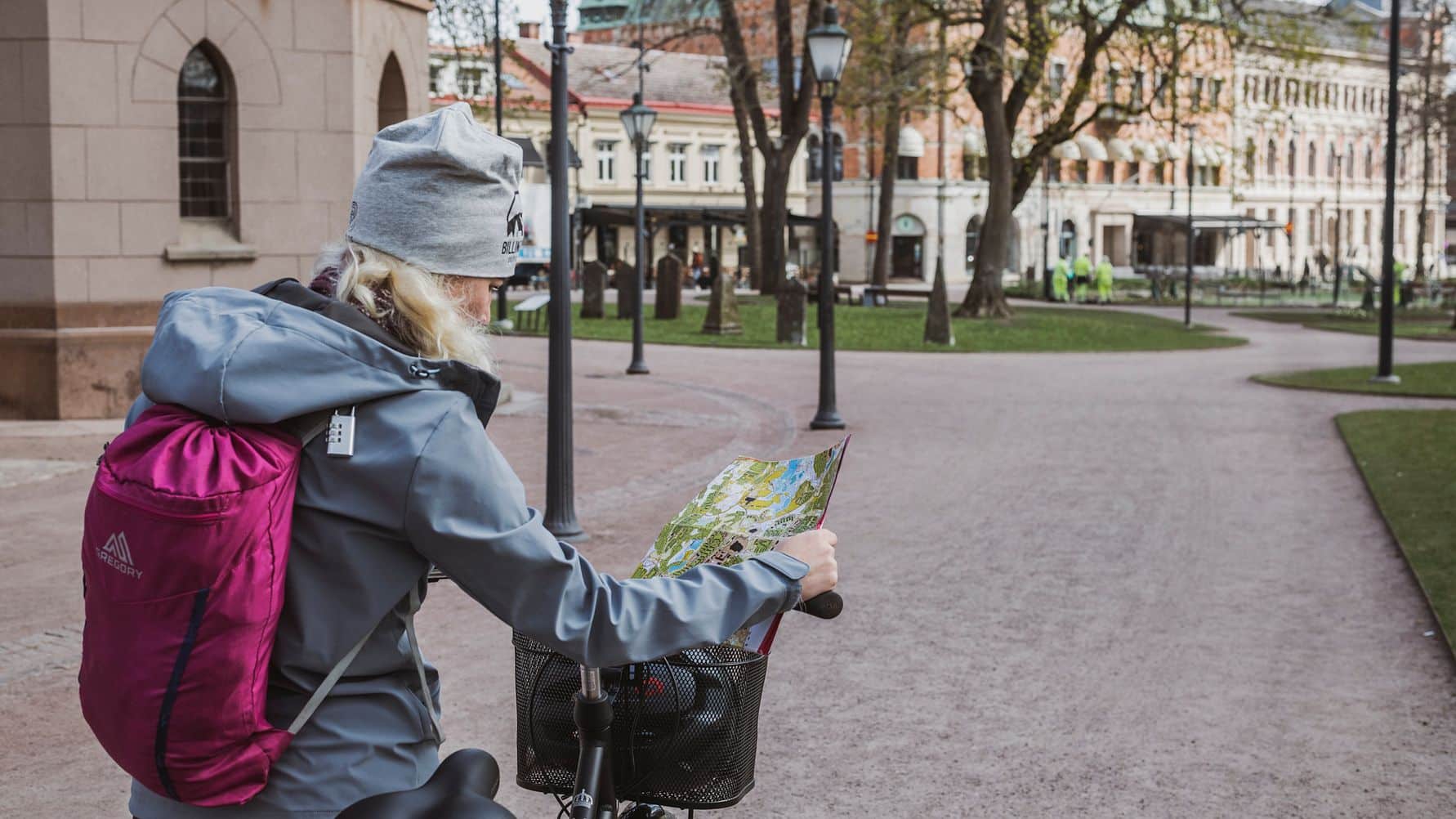
When planning your visit, download offline maps of Malmö and the Öresund Region. The city is compact and walkable, but having a map helps you navigate the efficient public transportation system. Key landmarks like Malmö Castle, Turning Torso, and the Old Town (Gamla Staden) are all within easy reach of the central train station.
Historical Significance of Malmö’s Location
Malmö’s coastal position has defined its history for centuries. Originally part of Denmark until 1658, the city’s location made it a crucial trading port and military stronghold throughout the medieval and early modern periods.
Historic Background
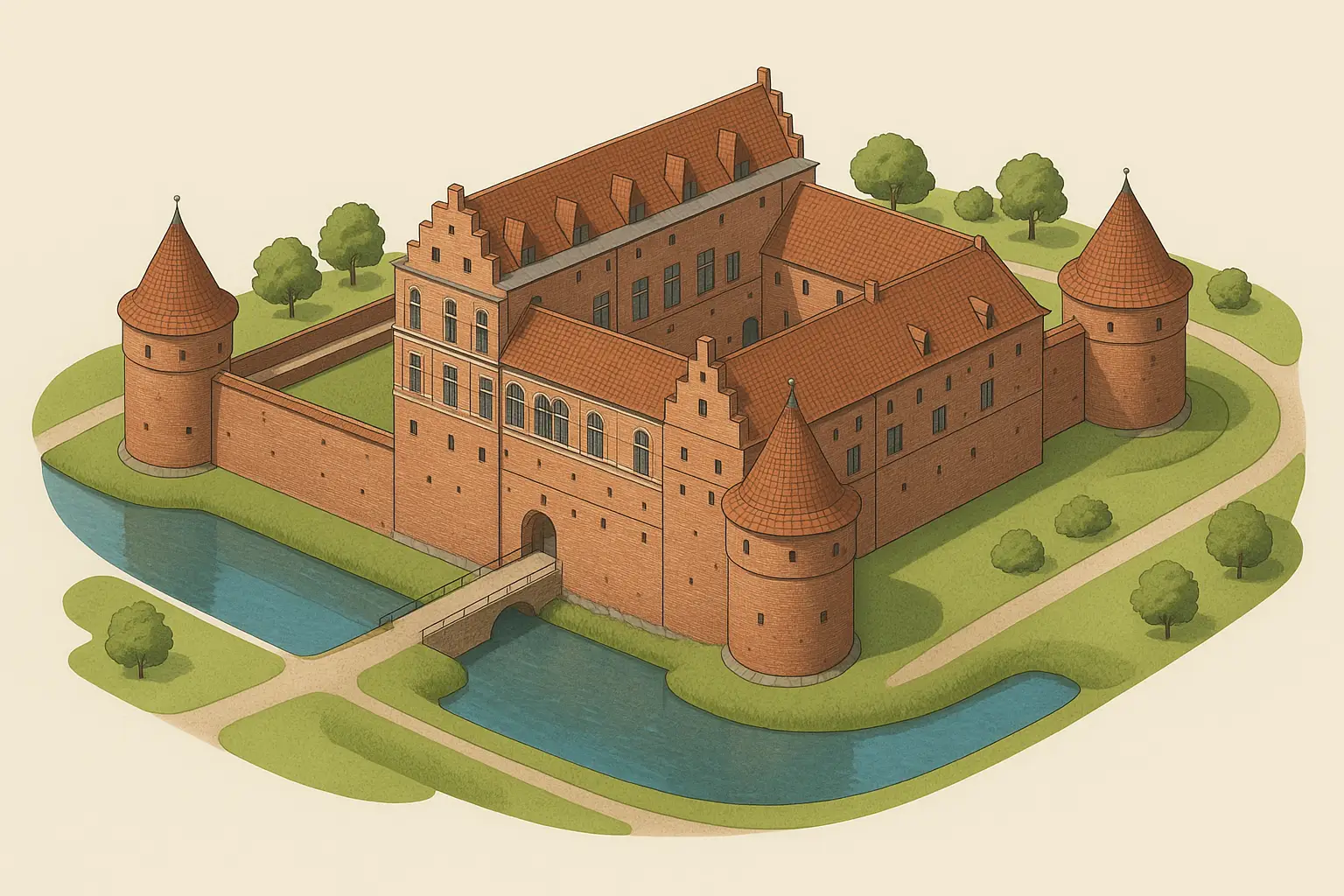
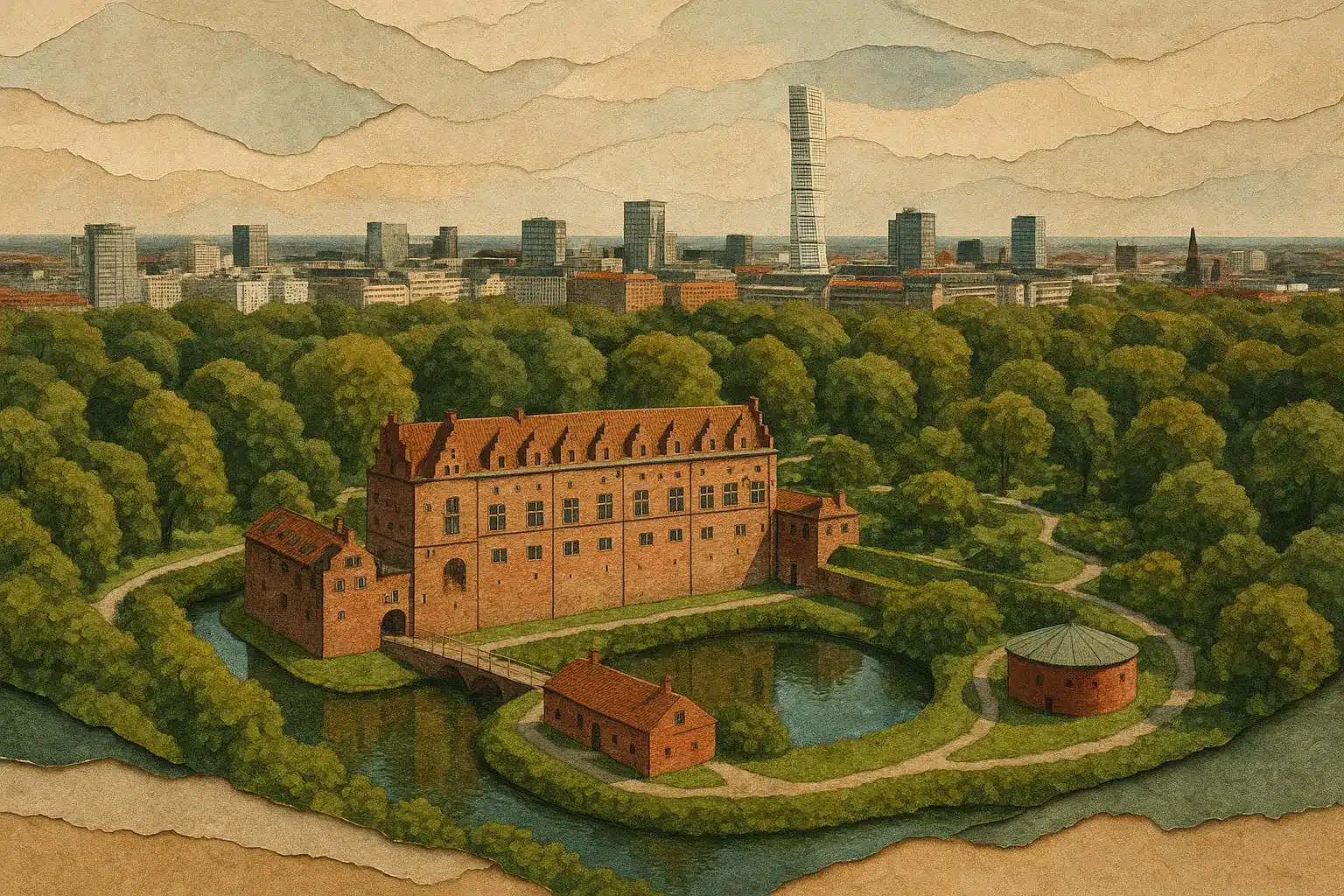
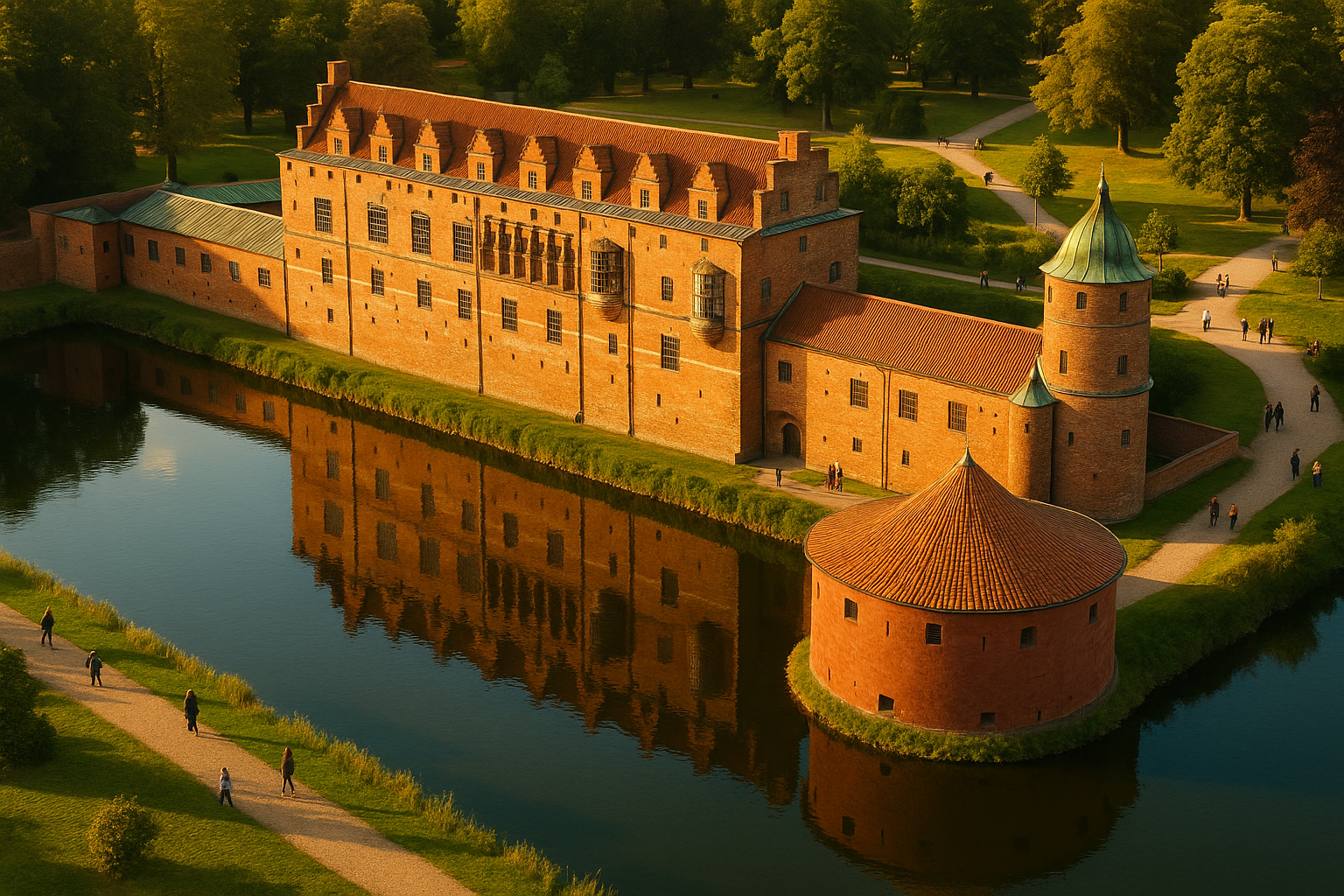
Founded in the late 13th century, Malmö quickly became one of Scandinavia’s most important cities due to its harbor and strategic position on the Öresund Strait. During the Danish period, Malmöhus Castle was built in the 16th century as a fortress to defend Danish territories. The castle, which still stands today as a museum, represents the military significance of controlling this coastal area.
After Sweden gained control of Skåne in 1658 through the Treaty of Roskilde, Malmö became Sweden’s gateway to Europe. The city’s port facilitated trade between Sweden and the continent, contributing to its growth as an industrial center in the 19th and 20th centuries.
Economic Development and Growth
Malmö’s location continues to drive its economy. According to recent statistics, the city’s Gross Regional Product (GRP) reached 240.2 billion SEK in 2022, representing a 54.7% increase since 2016 in real terms. This growth reflects Malmö’s transformation from an industrial port city to a modern knowledge economy hub.
The opening of the Öresund Bridge accelerated this transformation. Today, Malmö benefits from its position in the integrated Öresund Region, attracting international companies, startups, and students. The city is home to Malmö University, numerous tech companies, and a thriving creative sector—all capitalizing on the advantages of being located between two countries and cultures.
Tourist Attractions Shaped by Location
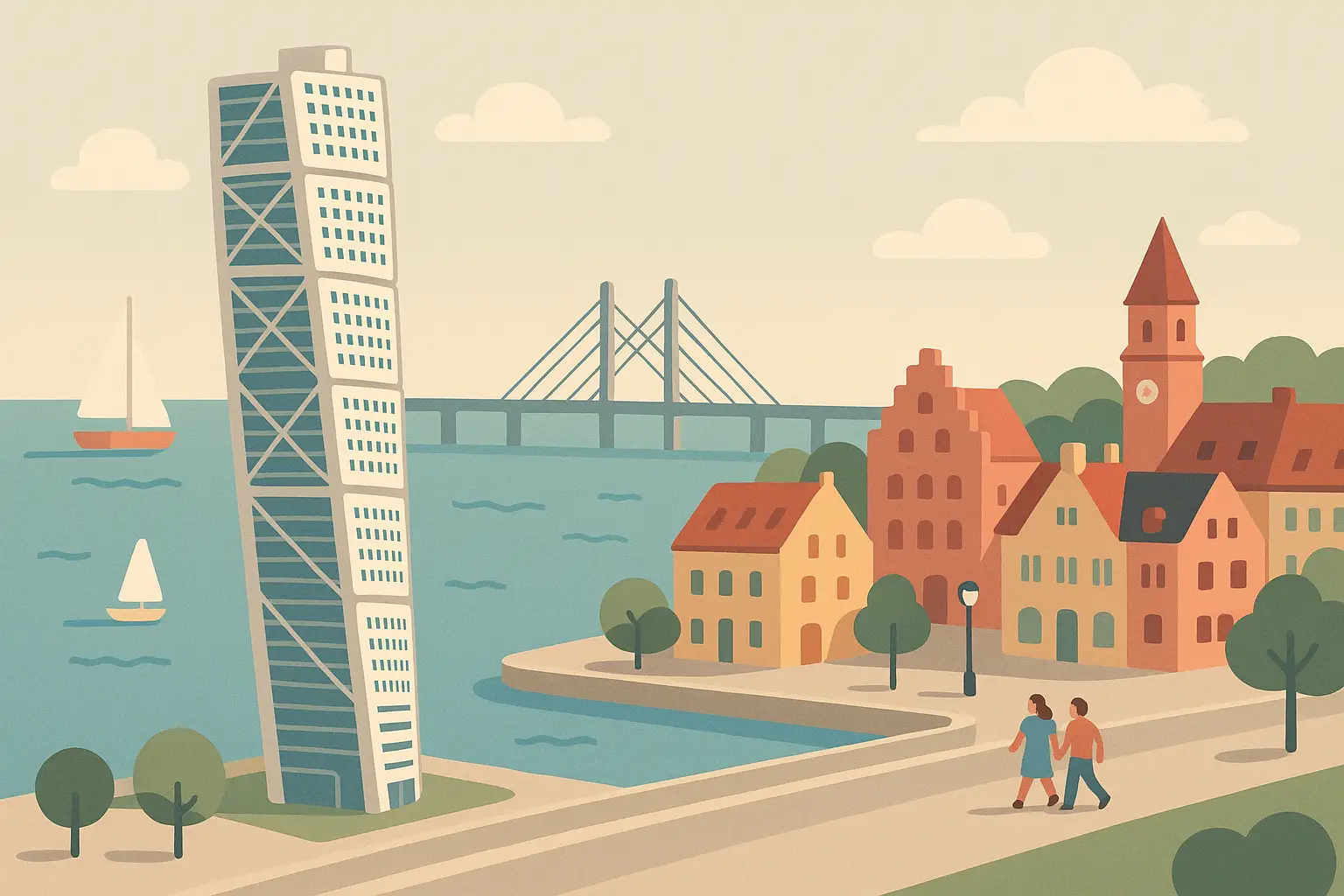
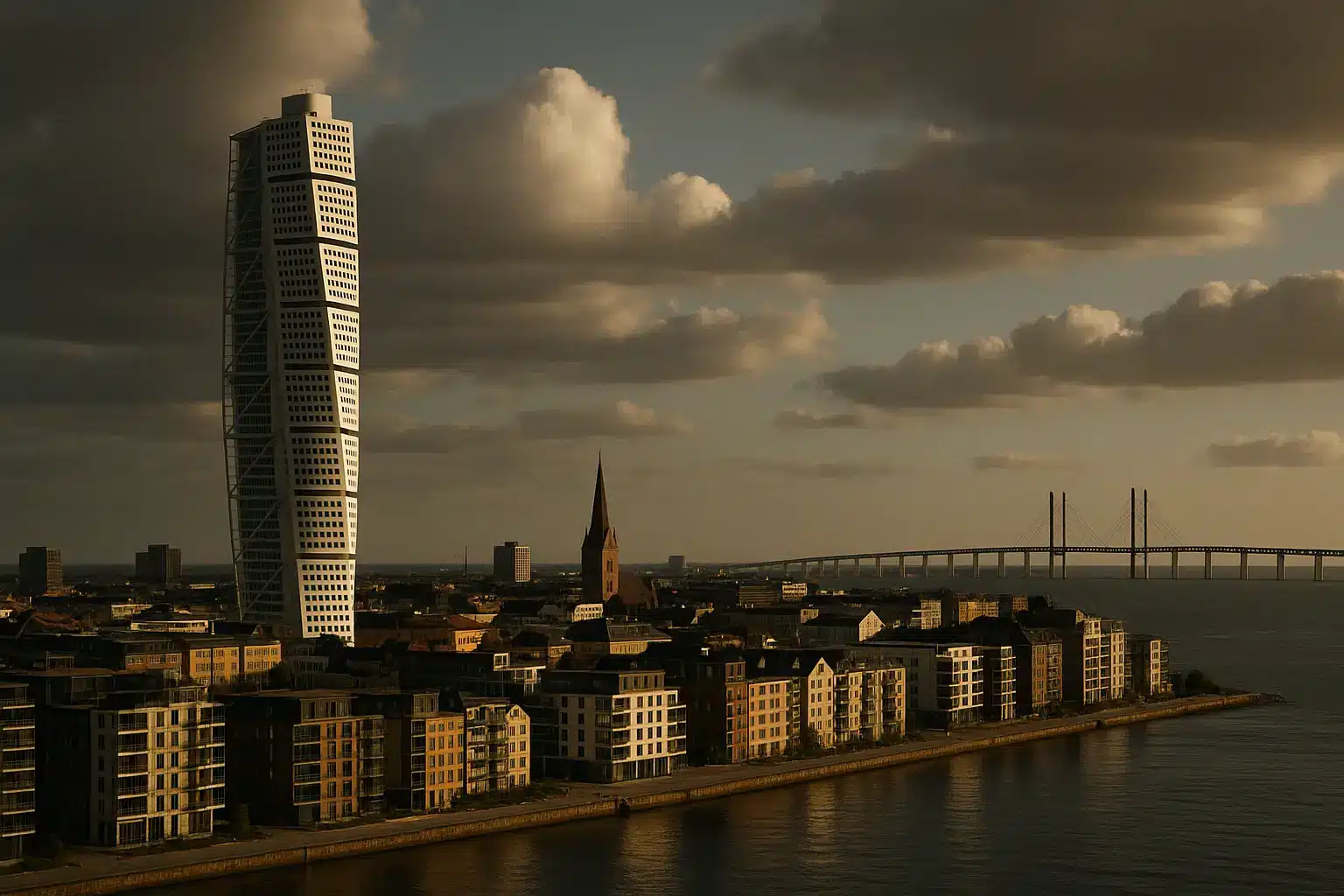
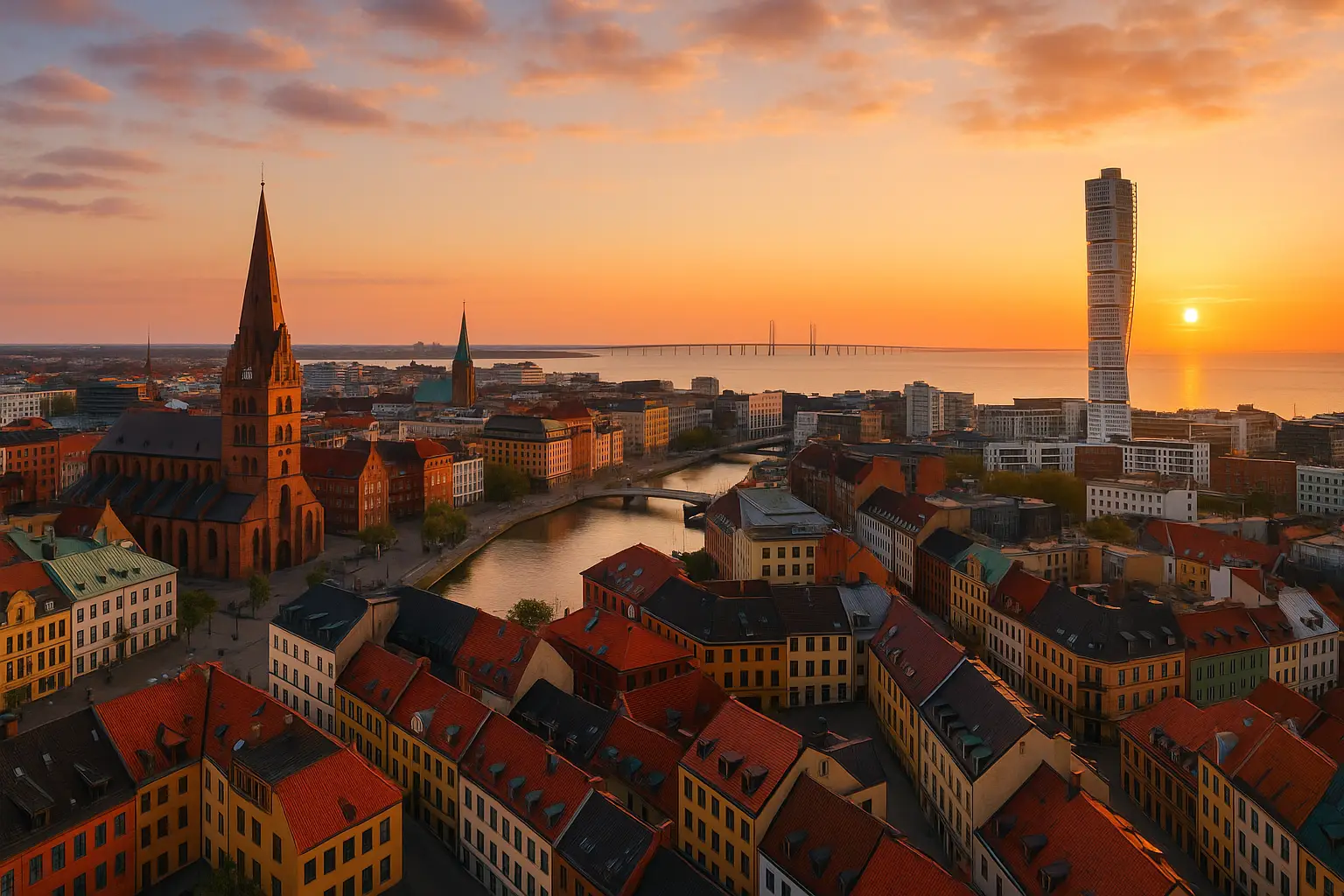
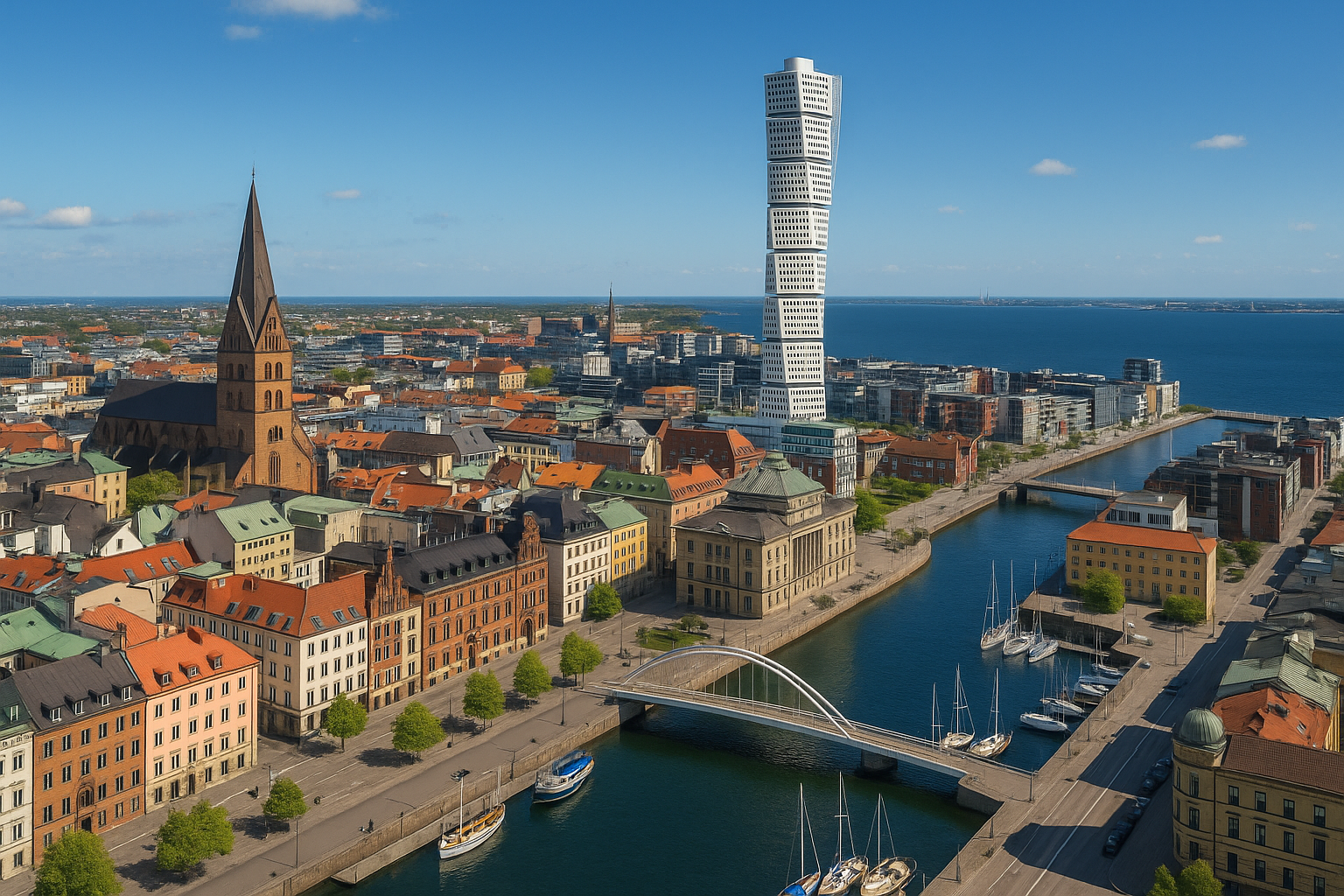
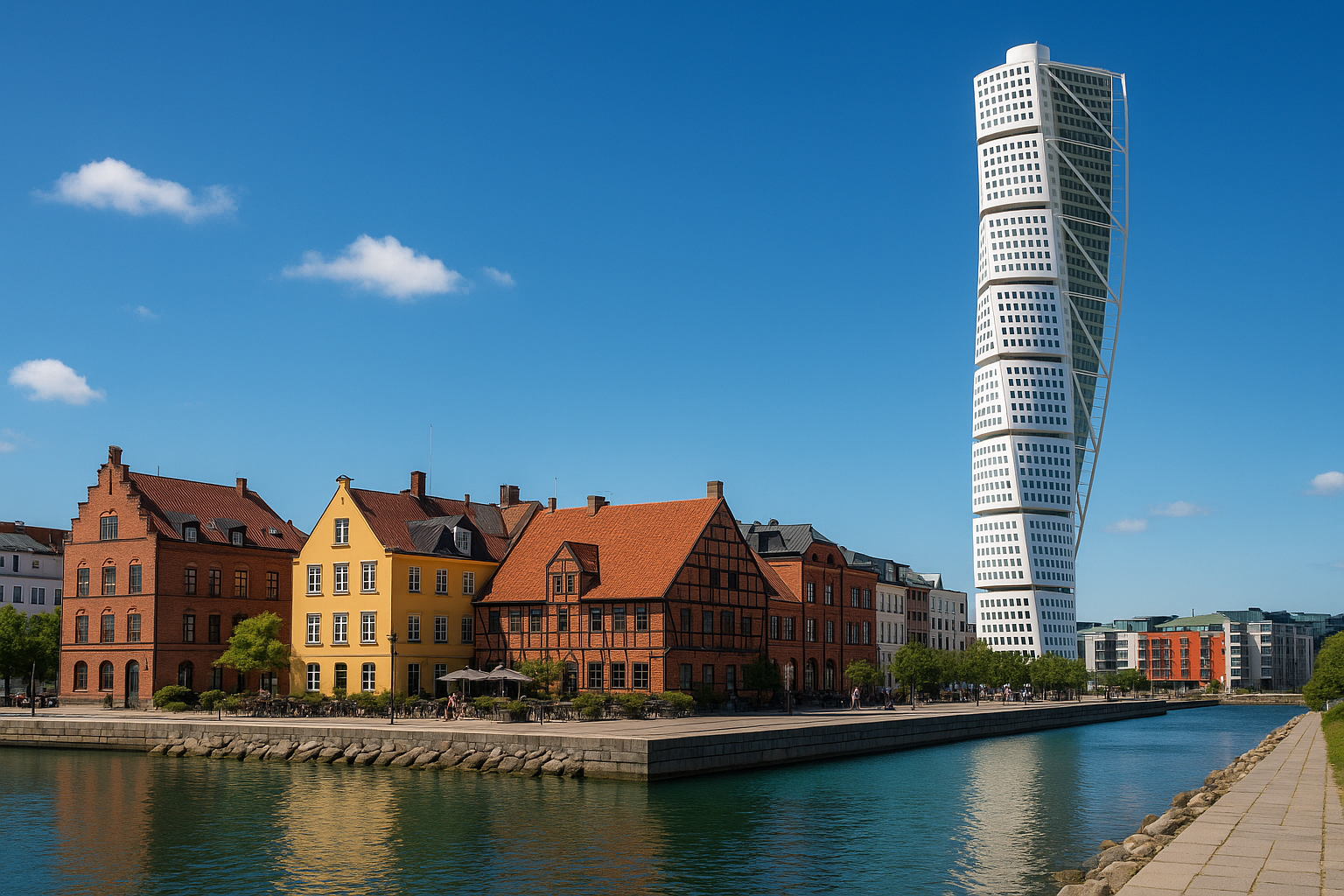
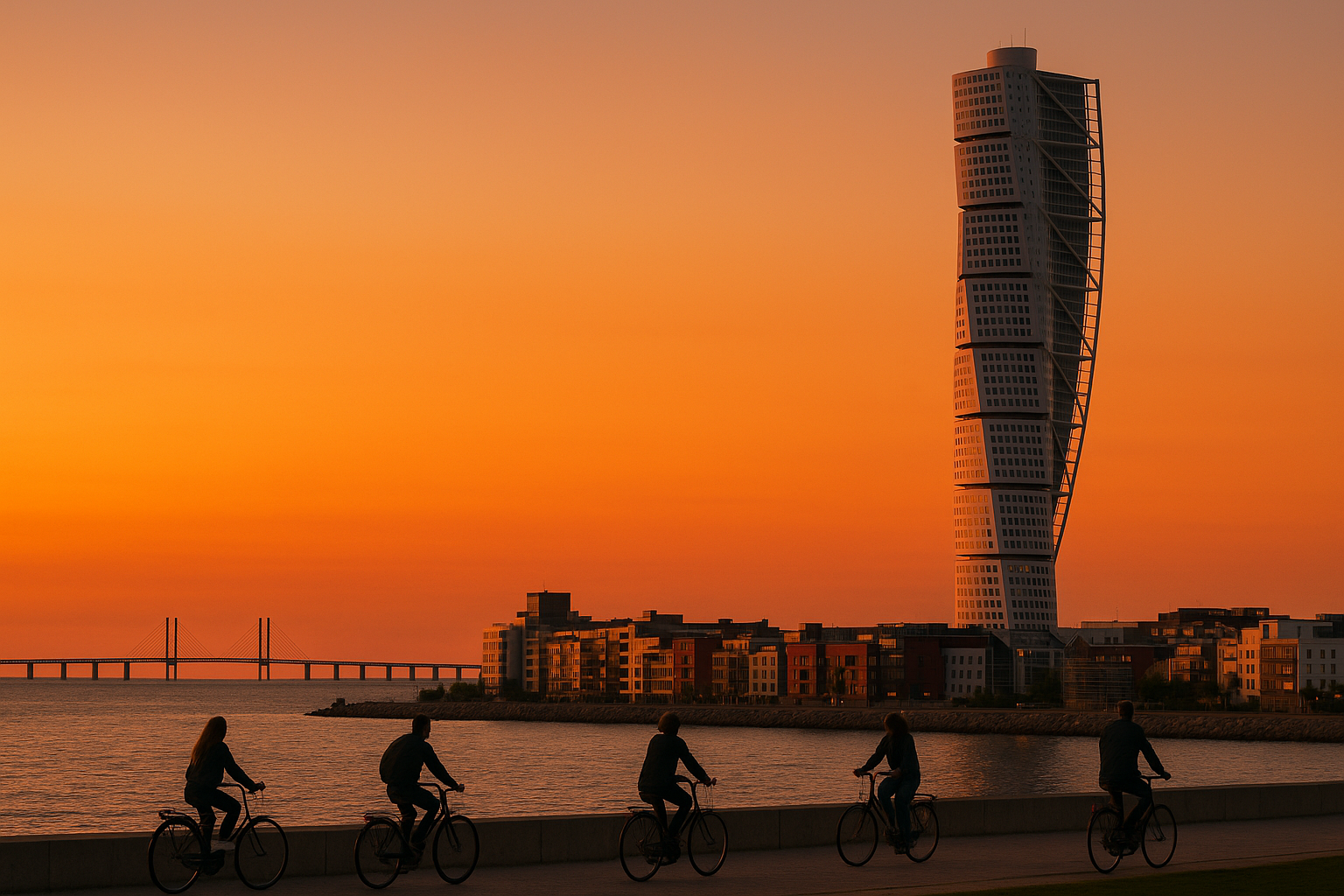
Malmö’s geographical position has created unique tourist attractions. The waterfront area, particularly the Western Harbour (Västra Hamnen), showcases sustainable urban development with the iconic Turning Torso—Scandinavia’s tallest building—dominating the skyline. From here, visitors can see across the Öresund to Denmark on clear days.
Key attractions that reflect Malmö’s location include:
- Malmö Castle (Malmöhus) – A 16th-century fortress turned museum, showcasing the city’s defensive heritage
- Ribersborg Beach – A popular seaside destination with views across the strait toward Denmark
- Turning Torso – A modern architectural landmark in the sustainable Western Harbour district
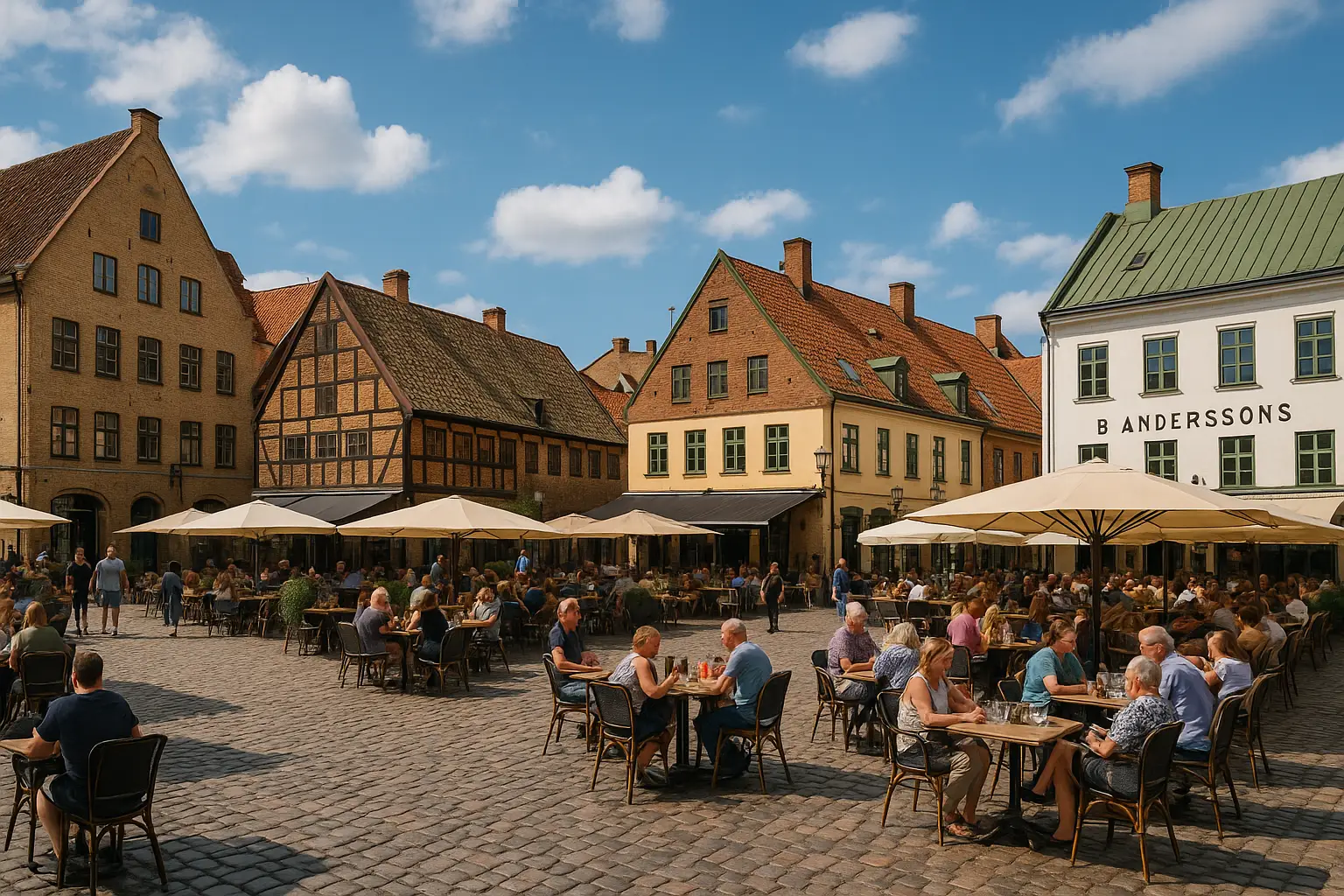
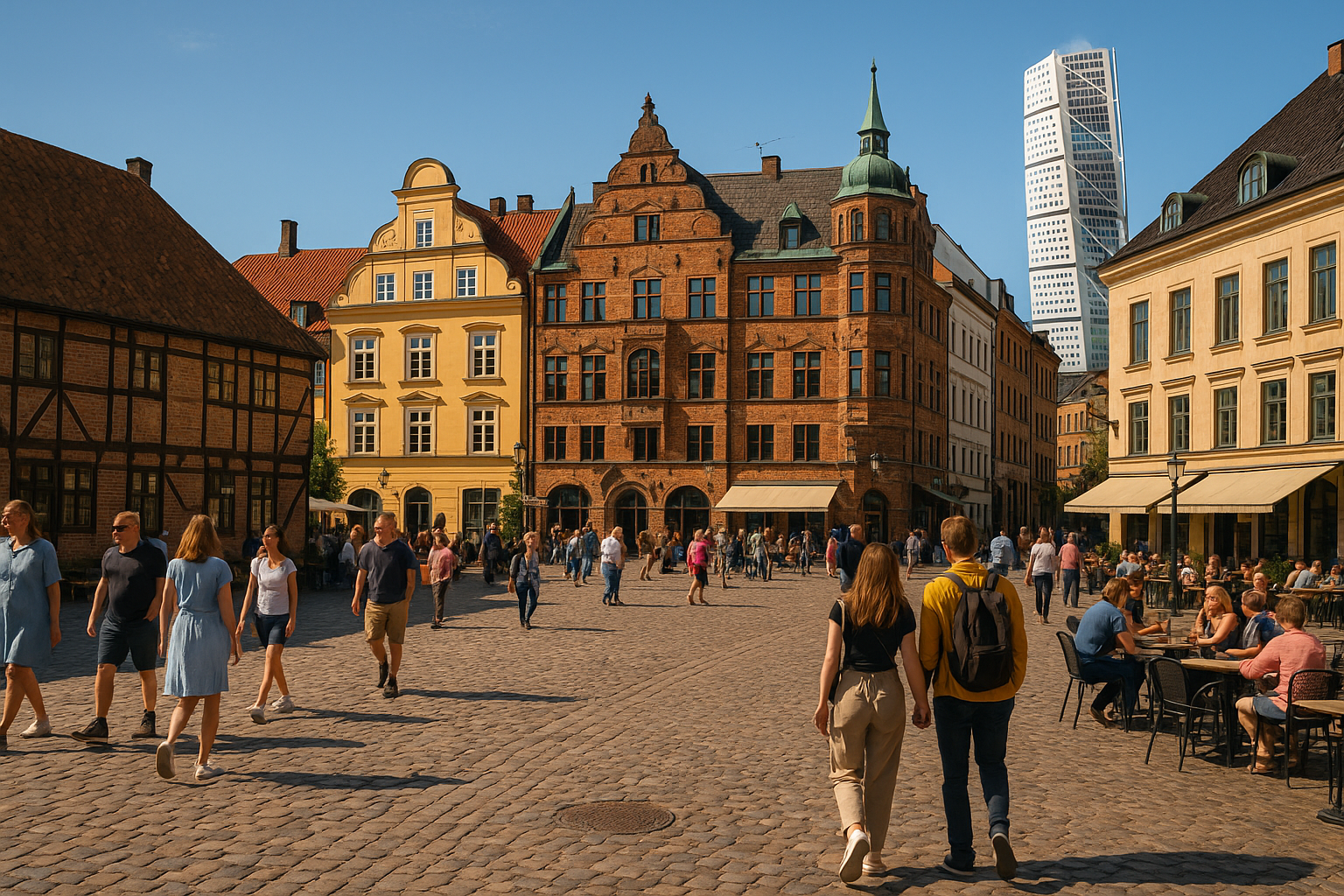
- Old Town (Gamla Staden) – Historic cobblestone streets and squares reflecting Malmö’s medieval past
If you’re wondering what to do in Malmö, the city’s coastal location offers everything from beach activities to cultural experiences in historic settings.
How to Get to Malmö
Malmö’s strategic location makes it accessible by multiple transportation methods. Whether you’re traveling from elsewhere in Sweden, Denmark, or other European countries, reaching Malmö is straightforward.
By Train and Car
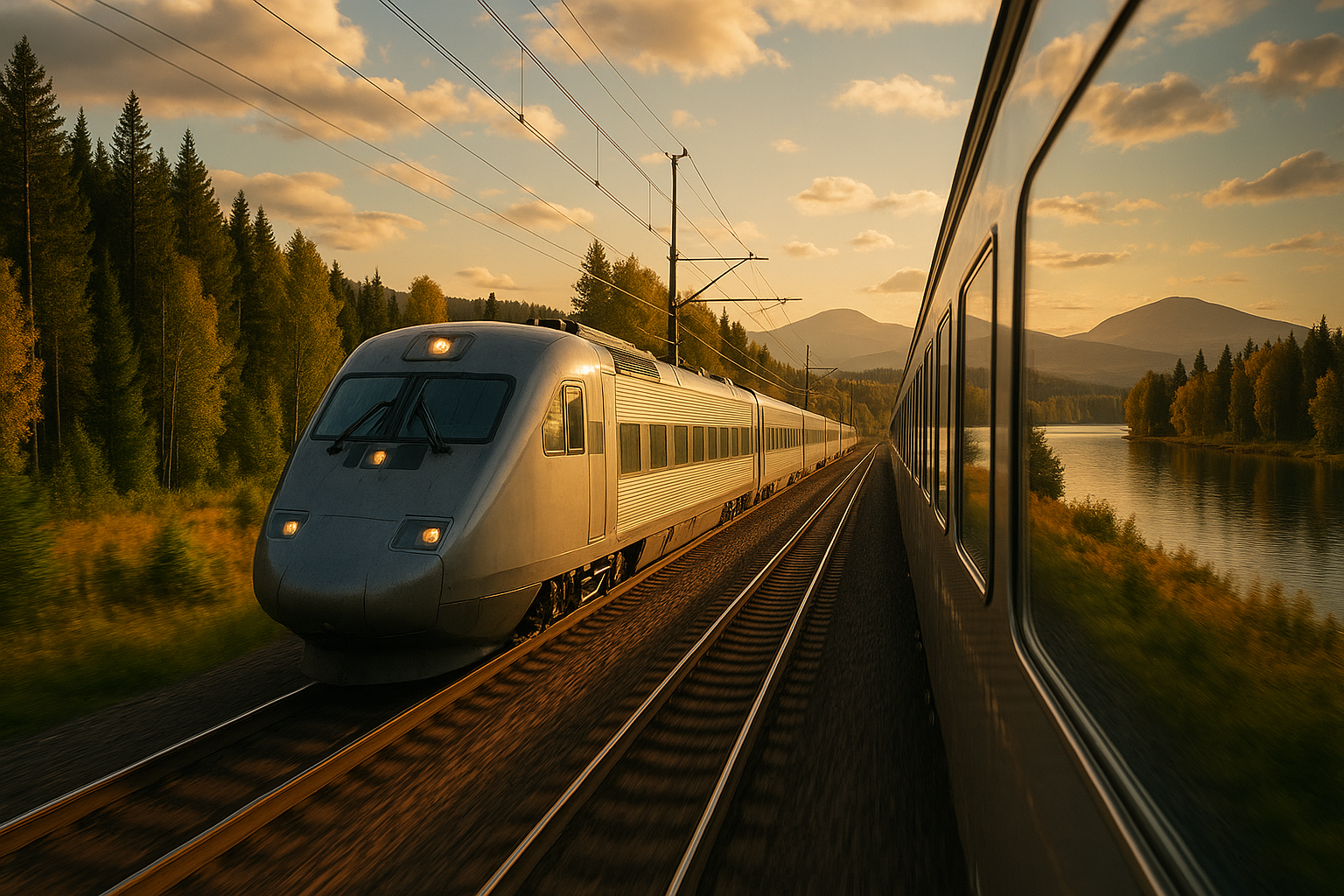
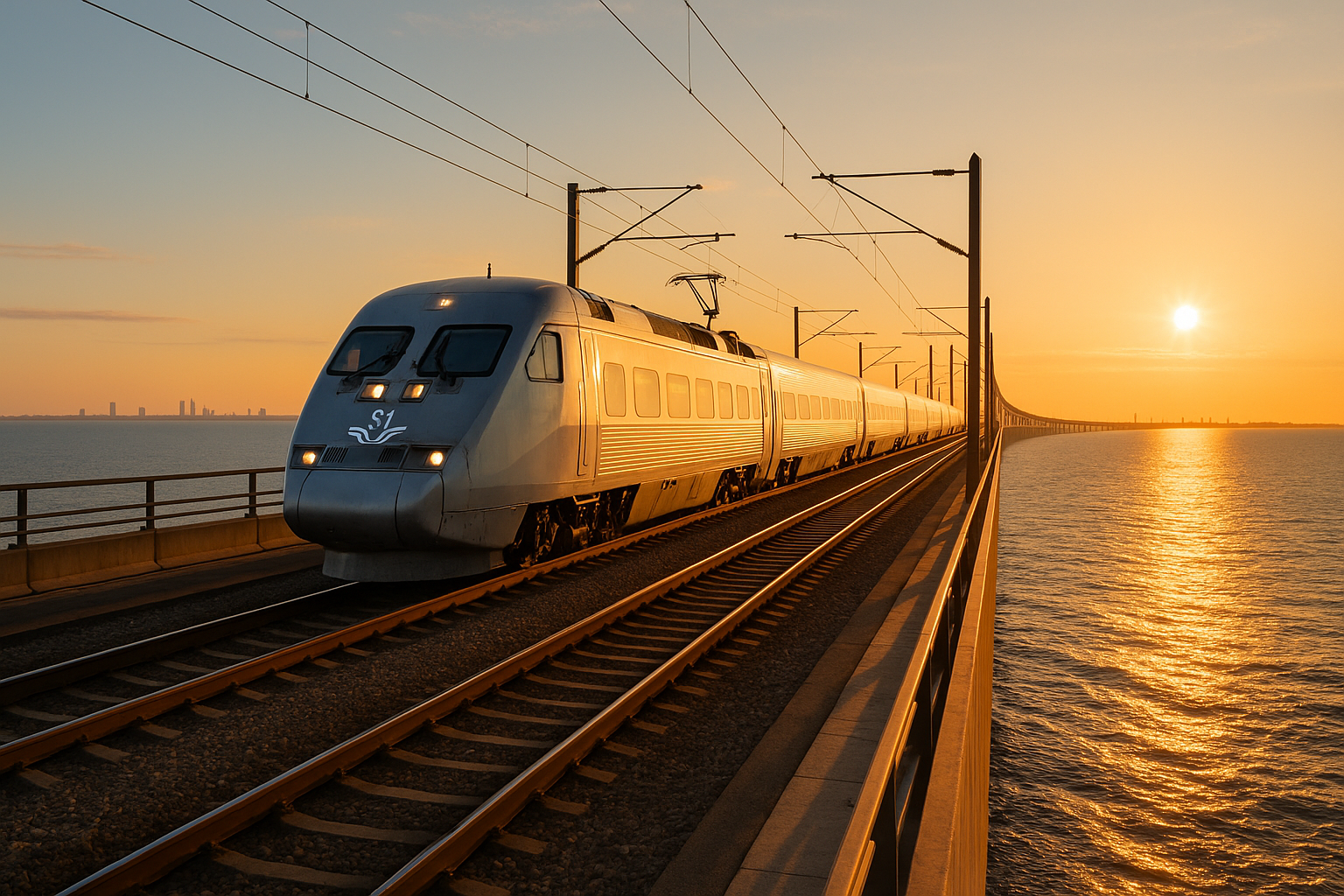
Train travel to Malmö is efficient and comfortable. Sweden’s national rail operator, SJ, runs frequent high-speed trains (X2000) connecting Malmö to Stockholm (4.5 hours), Gothenburg (3 hours), and other Swedish cities. The city’s central station (Malmö Centralstation) is modern and well-connected to local public transportation.
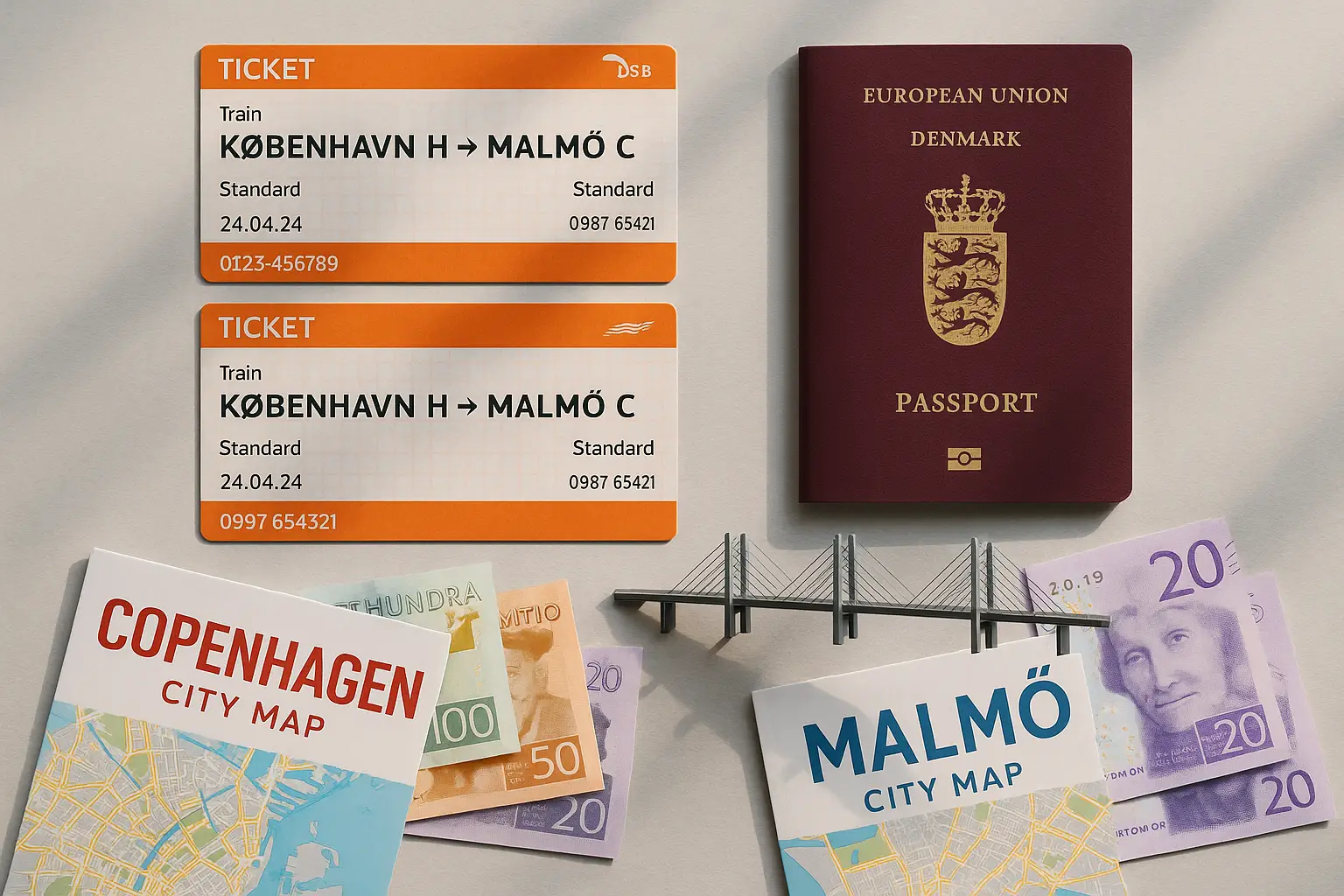
For travelers from Copenhagen, the Öresund trains (Öresundståg) run every 20 minutes during peak hours, making the journey between Copenhagen and Malmö quick and convenient. These trains also stop at Copenhagen Airport, allowing direct airport-to-city connections.
By car, Malmö is accessible via the E6 motorway running along Sweden’s west coast and the E20/E22 from Stockholm. The Öresund Bridge toll for passenger cars is approximately 62 EUR one-way (2025 rates), though prices vary by vehicle type and payment method.
By Air
While Malmö has a small regional airport (Malmö Airport/Sturup), most international visitors use Copenhagen Airport (CPH), located just 30 minutes from Malmö by train. Copenhagen Airport is one of Scandinavia’s largest hubs, offering flights to destinations worldwide. The direct train connection makes it effectively Malmö’s international airport.
From Copenhagen Airport, take the Öresund train directly to Malmö Central Station—no need to enter Denmark proper. This seamless connection is one of the key advantages of Malmö’s location.
Getting to Malmö from Copenhagen
The Copenhagen-Malmö connection deserves special attention due to its frequency and ease. Options include:
- Train – Departures every 20 minutes during daytime; 35 minutes from Copenhagen Central Station to Malmö
- Car – Drive across the Öresund Bridge; approximately 40 minutes depending on traffic
- Bus – Budget option with services like FlixBus; takes about 1-1.5 hours
Many visitors to the region choose to stay in Malmö due to generally lower accommodation costs compared to Copenhagen, while easily accessing both cities’ attractions.
Insider Tip: Cross-Border Exploration
If you’re visiting the Öresund Region, consider purchasing a combined travel pass that covers both Swedish and Danish public transportation. This allows unlimited travel between Malmö and Copenhagen, perfect for exploring both cities during your stay. The integrated ticketing system makes cross-border travel as simple as moving between neighborhoods.
Frequently Asked Questions About Where Malmö Is Located
Where is Malmö in relation to Stockholm?
Malmö is located approximately 610 kilometers (380 miles) southwest of Stockholm, Sweden’s capital. The two cities are connected by frequent high-speed train services that take about 4.5 hours. While Stockholm sits on the eastern coast facing the Baltic Sea, Malmö is in the far south, along the Öresund Strait facing Denmark. This makes Malmö much closer to Copenhagen (30 km) than to Stockholm.
Is Malmö close to Copenhagen?
Yes, Malmö is very close to Copenhagen—only 30 kilometers (19 miles) apart. The two cities are connected by the Öresund Bridge, which opened in 2000. Train travel between Malmö and Copenhagen takes just 20-35 minutes, making them effectively part of the same metropolitan region. Many residents commute daily between the two countries for work and leisure, and visitors can easily explore both cities during a single trip.
What country is Malmö located in?
Malmö is located in Sweden, specifically in Skåne County in the southern part of the country. Although historically part of Denmark until 1658, Malmö has been Swedish for over 350 years. The city’s proximity to Denmark and the close integration between Malmö and Copenhagen sometimes causes confusion, but Malmö is definitively a Swedish city with Swedish governance, currency (Swedish kronor), and language.
How far is Malmö from Gothenburg?
Malmö is approximately 290 kilometers (180 miles) from Gothenburg, Sweden’s second-largest city. By train, the journey takes about 3 hours on direct services, while driving takes approximately 3.5 hours via the E6 motorway. Gothenburg is located on Sweden’s west coast, north of Malmö, making it an accessible destination for visitors exploring multiple Swedish cities during their trip.
Where is Malmö FC’s stadium located?
Malmö FF (Malmö Fotbollförening), one of Sweden’s most successful football clubs, plays at Eleda Stadion, located in central Malmö approximately 2 kilometers south of the main train station. The stadium, which opened in 2009, holds about 24,000 spectators and is easily accessible by public transportation. Malmö FF has won numerous Swedish championships and regularly competes in European competitions, representing the city on the international football stage.
Does Malmö have an international airport?
Malmö has a regional airport called Malmö Airport (also known as Sturup Airport), located about 30 kilometers east of the city. However, most international travelers use Copenhagen Airport (CPH) in Denmark, which is just 30 minutes from Malmö by direct train across the Öresund Bridge. Copenhagen Airport offers significantly more international connections and is effectively the main airport serving both cities. The train from Copenhagen Airport to Malmö runs frequently and doesn’t require passing through immigration, making it a convenient option.