Historien bakom Gamla Uppsala
Gamla Uppsala (Old Uppsala) stands as one of Sweden’s most significant historical and archaeological sites, offering visitors a window into the Viking Age and earlier Iron Age periods. Located just 5 kilometers north of modern Uppsala, this ancient settlement served as a crucial religious and political center for centuries. The site is best known for its monumental burial mounds (kungshögarna or royal mounds) and the legendary temple that once stood here during pre-Christian times.
Järnåldern och gravhögarna
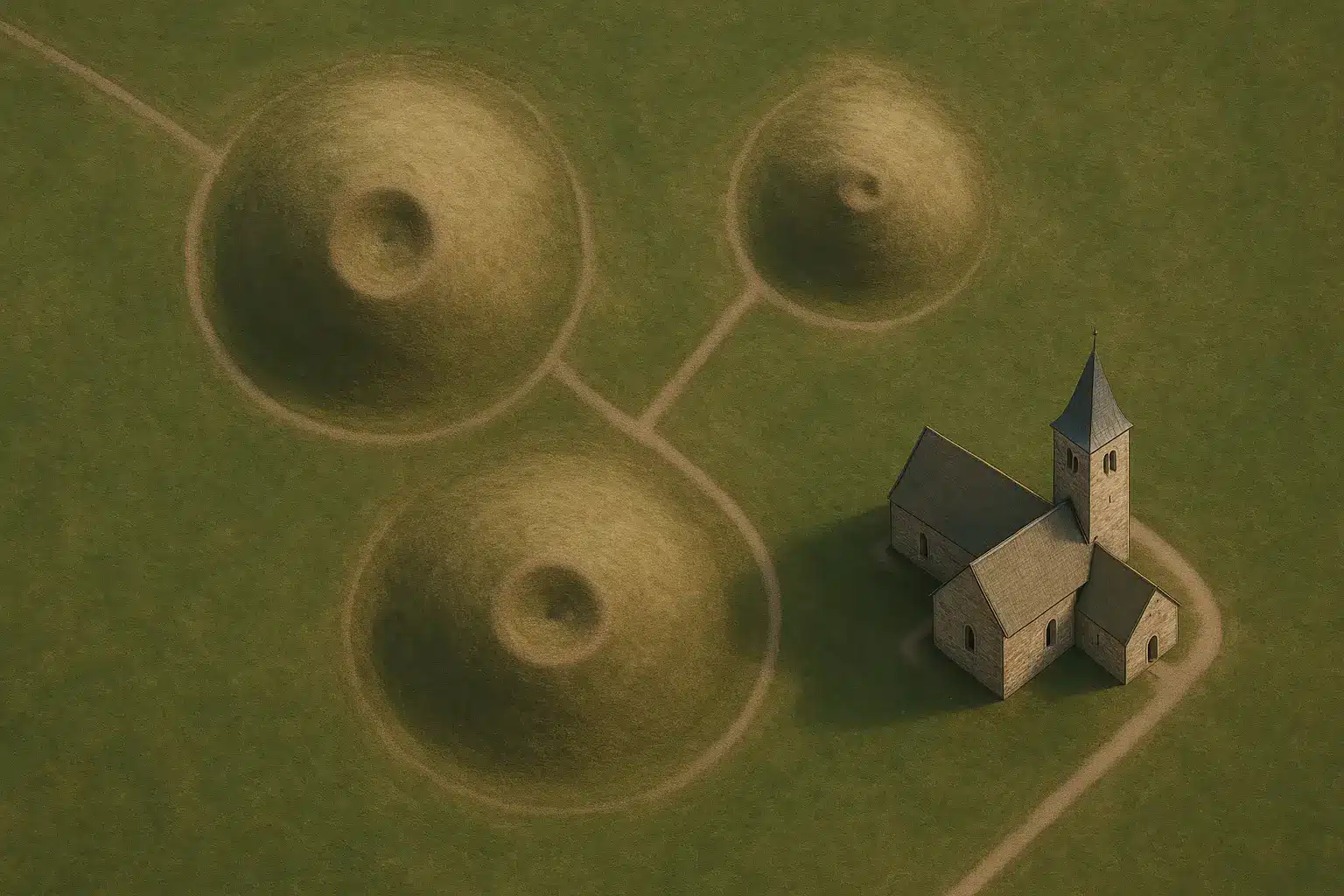
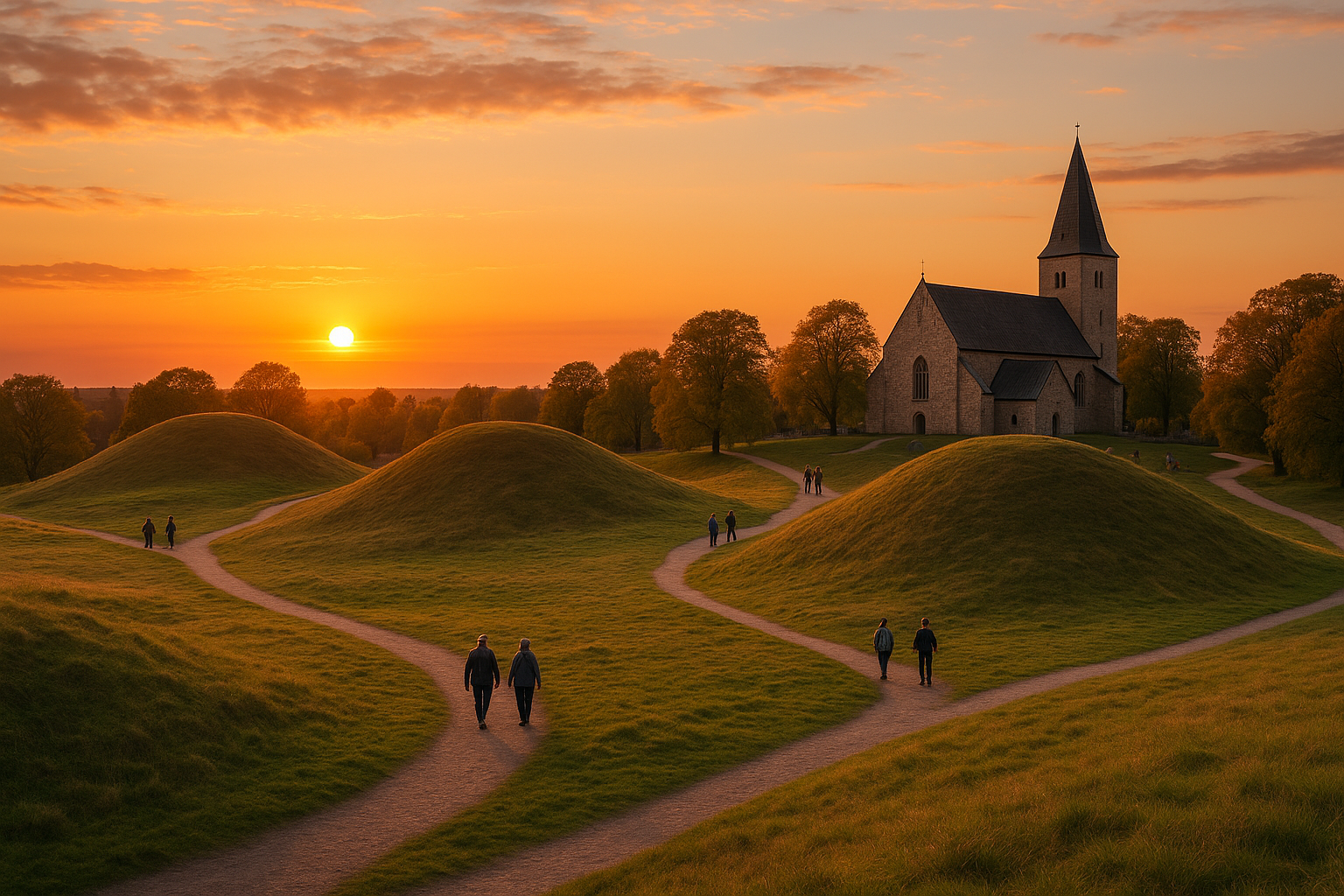
The most prominent features of Gamla Uppsala are the three massive burial mounds dating from the 6th century AD. According to archaeological research, these grave mounds (gamla uppsala högar) served as final resting places for important figures, possibly members of the Ynglinga dynasty mentioned in Norse sagas. The largest mound, Östhögen (Eastern Mound), was excavated in 1846, revealing cremated remains and valuable artifacts that confirmed the site’s royal connections.
These burial mounds represent extraordinary engineering achievements for their time, each rising approximately 9-10 meters high and measuring 50-60 meters in diameter. They form a striking landscape feature visible from great distances, symbolizing the power and wealth concentrated in this Iron Age political center.
Religiöst centrum under vikingatiden
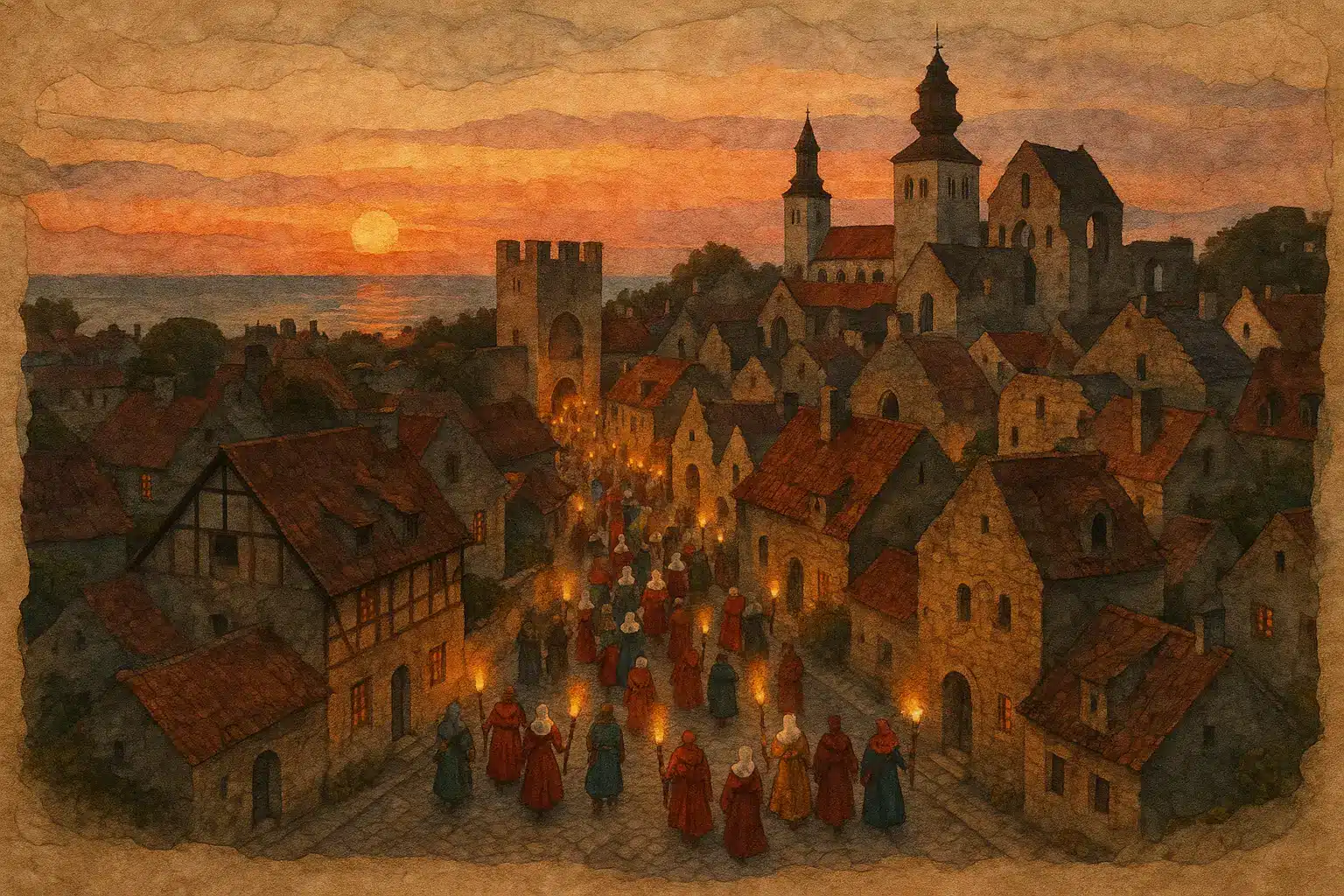
During the 11th century, Gamla Uppsala housed an important pagan temple (asatemplet) where the Norse gods Thor, Odin, and Freyr were worshipped. Historical accounts, particularly from Adam of Bremen’s writings, describe elaborate midvinterblot (midwinter sacrifices) held here every nine years, though modern scholars debate the exact nature of these ceremonies.
According to Statens Fastighetsverk, this temple served as a central religious hub for the surrounding region, attracting pilgrims and dignitaries from across Scandinavia. The site’s religious significance made it a natural target for Christian missionaries during Sweden’s gradual conversion in the late Viking Age.
Övergången till kristendomen
The transition from pagan worship to Christianity marked a pivotal moment in Gamla Uppsala’s history. In 1164, the Archbishop’s seat was moved from Sigtuna to Gamla Uppsala, establishing it as Sweden’s first archbishopric. However, this Christian center proved short-lived—by 1273, the archbishopric relocated to what is now modern Uppsala, closer to better transportation routes and the growing university community.
The medieval Gamla Uppsala Church, built on or near the site of the former pagan temple, still stands today as a testament to this religious transformation. This modest stone church replaced the grand temple, symbolizing Christianity’s triumph over the old Norse religion in Sweden.
Huvudsevärdheter i Gamla Uppsala
Kungshögarna och arkeologin
The three royal mounds (kungshögarna gamla uppsala) remain the primary attraction for visitors interested in Viking history. Walking among these ancient burial sites, you can climb to the top of the mounds for panoramic views of the surrounding Uppland countryside. Archaeological excavations have revealed that the burials included not only human remains but also horses, dogs, and precious objects—indicating complex funeral rituals.
Recent archaeological surveys continue to uncover new information about settlement patterns around the mounds, suggesting a much larger population center than previously thought. These ongoing discoveries make Gamla Uppsala an active research site where history continually reveals new secrets.
Gamla Uppsala Museum
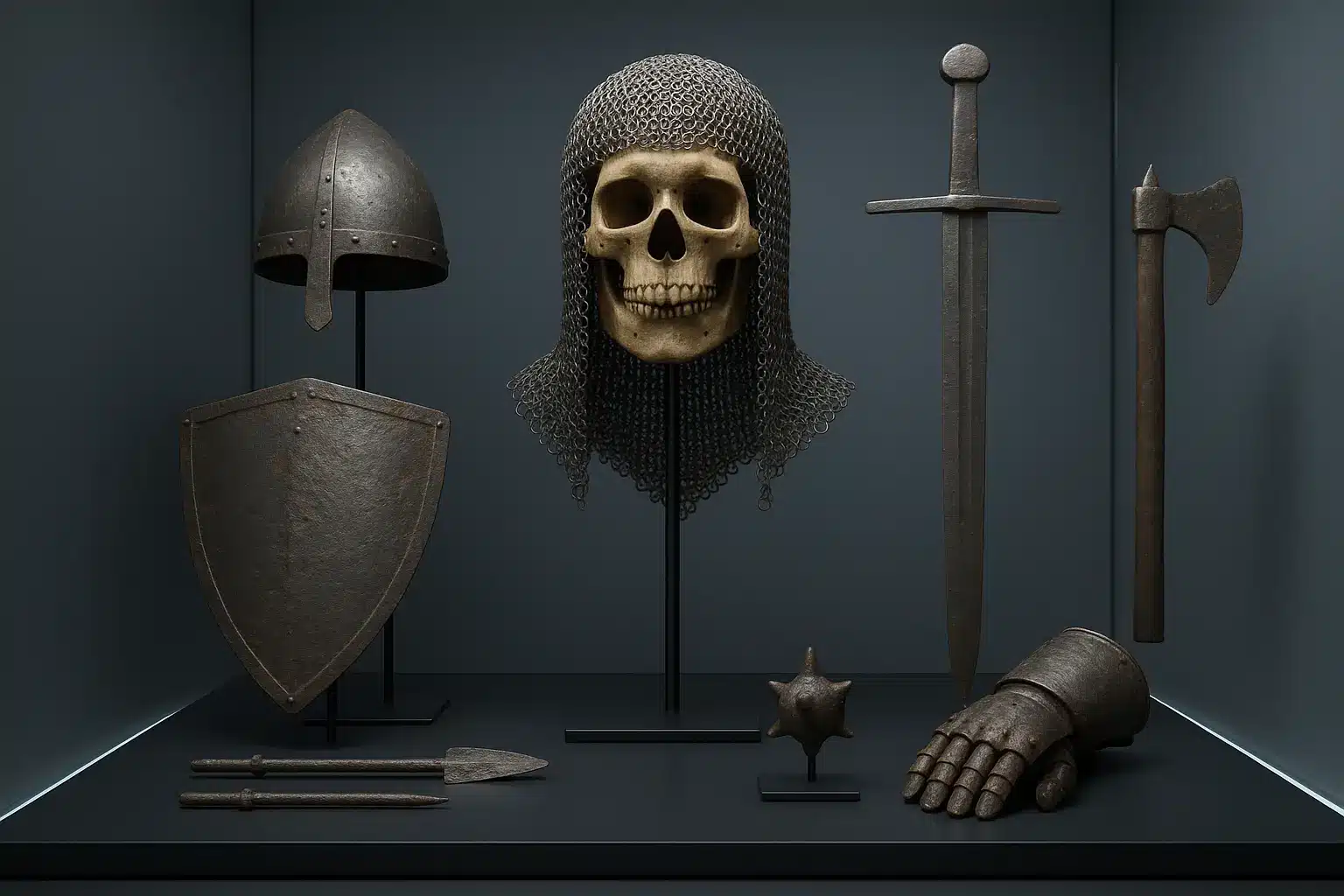
The Gamla Uppsala Museum houses an impressive collection of artifacts recovered from the burial mounds and surrounding areas. Exhibits cover everything from Iron Age tools and weapons to Viking jewelry and everyday objects, providing context for understanding life in ancient Uppsala.
The museum’s displays include detailed explanations in both Swedish and English, making it accessible to international visitors searching for information about gamla uppsala burial mounds and temple history. Interactive exhibits help visitors visualize what the ancient settlement looked like during its peak.
Visitor Tip
The museum operates seasonally with varying hours. During summer months (May-September), expect extended opening times, while winter visits (October-April) require checking ahead. The adjacent restaurant Odinsborg offers traditional Swedish cuisine in a historic setting, perfect for lunch after exploring the mounds.
Gamla Uppsala kyrka
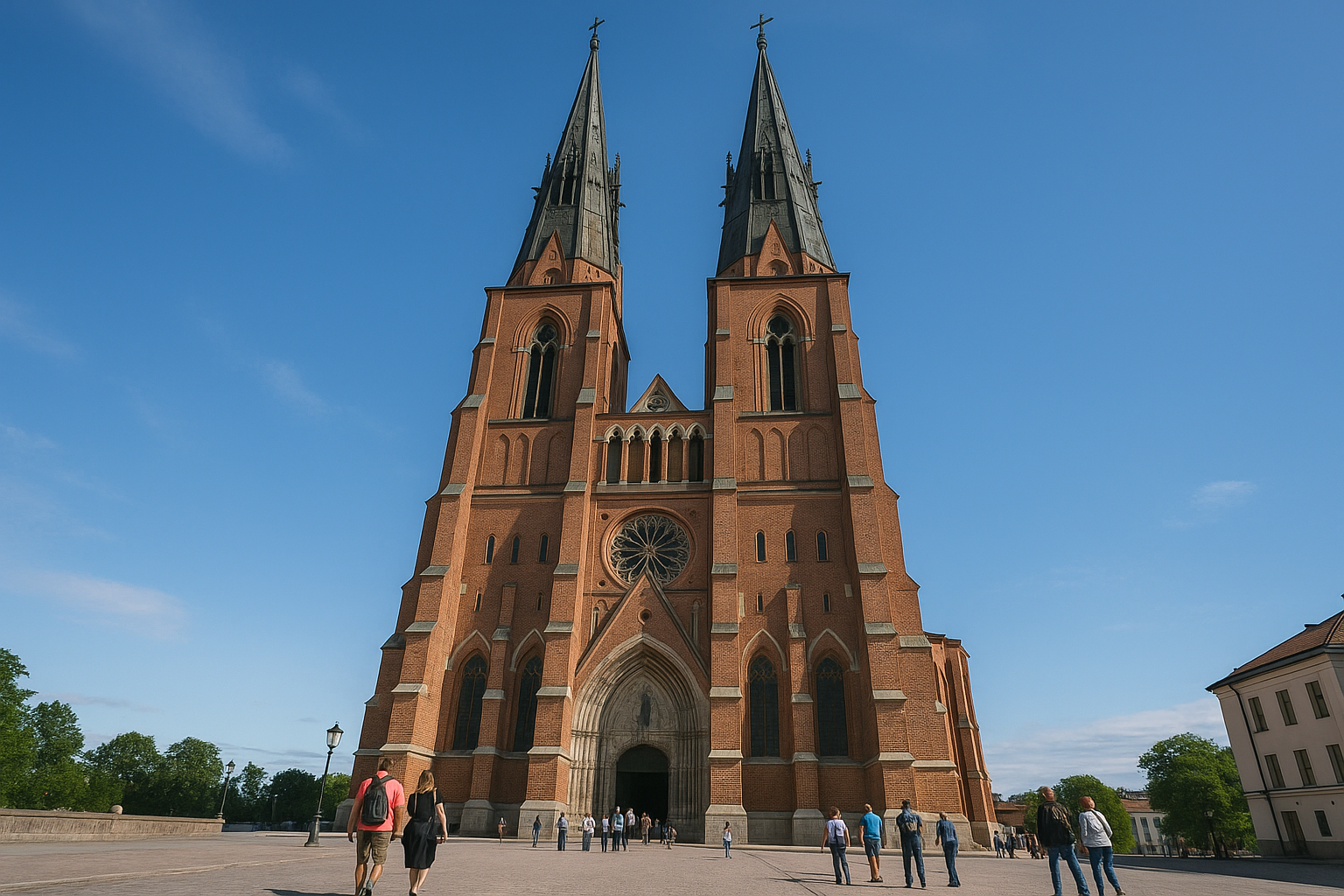
The Gamla Uppsala Church (gamla uppsala kyrka), built in the 12th century, occupies a location steeped in religious significance. This medieval stone church, though modest compared to the magnificent Uppsala Cathedral in the modern city, holds important historical value as the first Christian cathedral in the region.
The church’s simple Romanesque architecture contrasts sharply with the grandeur described in accounts of the former pagan temple. Inside, visitors can view medieval frescoes and ecclesiastical artifacts that document the area’s Christian heritage. The church remains an active parish, hosting regular services and special events throughout the year.
Praktiska tips för ditt besök
Hur tar du dig dit?
Reaching Gamla Uppsala from modern Uppsala is straightforward, with several transportation options available. The site lies approximately 5 kilometers north of the city center, easily accessible by car, bicycle, or public transportation.
- By bus: Take UL bus lines 2, 110, 115, or 120 from Uppsala’s central station directly to Gamla Uppsala. The journey takes about 15-20 minutes.
- By bicycle: A dedicated bike path follows a scenic route through the countryside, taking 20-30 minutes depending on your pace.
- By car: Free parking (gamla uppsala parkering) is available near the museum and church, making it convenient for families and those with mobility considerations.
- On foot: Energetic visitors can walk from central Uppsala in about an hour, following well-marked trails.
Öppettider och priser
Planning your visit requires knowing current opening hours, which vary seasonally. While specific 2025 schedules should be confirmed through official sources, general patterns include:
| Period | Museum Hours | Church Access | Admission |
|---|---|---|---|
| May-September | 10:00-17:00 daily | Open for services & tours | Adults: ~80-100 SEK |
| October-April | 12:00-16:00 Wed-Sun | Limited access | Adults: ~80-100 SEK |
| Burial Mounds | Open year-round | 24/7 access | Free |
| Children (under 18) | Same as museum | N/A | Free |
Note that the burial mounds themselves are freely accessible throughout the year, allowing budget-conscious travelers to experience the site’s most iconic features without admission fees. For current gamla uppsala museum opening hours 2025, check with Destination Uppsala or the museum’s official channels before traveling.
Mat och boende i närheten
While Gamla Uppsala itself offers limited accommodation, the proximity to modern Uppsala provides numerous options:
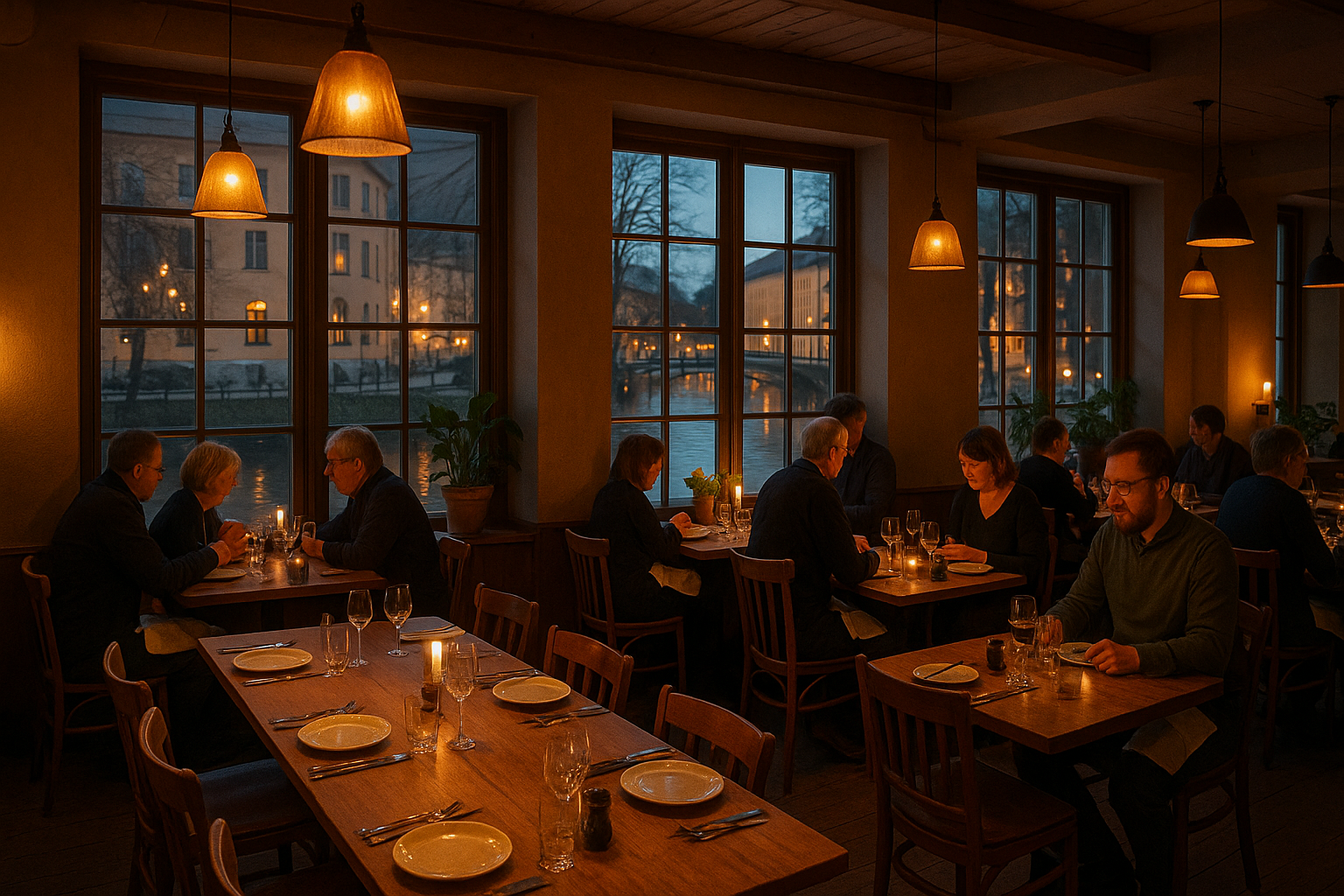
Dining options: Restaurant Odinsborg, located at the museum, serves traditional Swedish dishes with Viking-inspired menu items. For additional choices, the nearby village offers a café and pizza restaurant. Alternatively, return to central Uppsala for the city’s extensive restaurant scene.
Accommodation: Most visitors base themselves in Uppsala city, where hotels range from budget hostels to luxury options. The short distance makes Gamla Uppsala an easy half-day or full-day excursion. For those seeking cheap hotels in gamla uppsala vicinity, search for accommodations in Uppsala proper rather than the immediate Gamla Uppsala area.
Evenemang och naturupplevelser
Säsongseventemang
Throughout the year, Gamla Uppsala hosts special events that bring history to life. Summer solstice celebrations and midsummer (midsommar gamla uppsala) festivities draw crowds who gather around the ancient mounds for traditional Swedish celebrations including dancing around the maypole and enjoying seasonal foods.
Living history demonstrations occur periodically during tourist season, with costumed interpreters showcasing Viking crafts, combat techniques, and daily life. These events provide excellent photo opportunities and educational experiences, particularly for families with children.
Vandring i området
Beyond the main archaeological sites, the surrounding landscape offers pleasant walking trails through forests and farmland. The area maintains much of its rural character, allowing visitors to imagine the ancient settlement in its original context. Well-marked paths connect Gamla Uppsala with other historical sites in the region, including ancient stone settings and smaller burial grounds.
Nature enthusiasts appreciate the combination of cultural heritage and natural beauty, especially during spring when wildflowers bloom or autumn when foliage turns golden. Bird watchers report good sightings in the surrounding fields and forest edges.
Planning Your Visit
Allow 2-4 hours to fully explore Gamla Uppsala, including museum exhibits, burial mounds, and the church. Summer visits offer the best weather and longest hours, but fewer crowds visit during spring and autumn shoulder seasons. Winter visits provide atmospheric snow-covered landscapes, though facilities operate on reduced schedules.
Vanliga frågor om Gamla Uppsala
Vad är Gamla Uppsala känt för?
Gamla Uppsala is renowned as an ancient Viking Age political and religious center, famous for its three massive royal burial mounds dating from the 6th century AD. The site once housed a legendary pagan temple dedicated to Norse gods and later became Sweden’s first archbishopric. Today, it represents one of Sweden’s most important archaeological sites, offering insights into pre-Christian Scandinavian culture and the transition to Christianity.
Hur långt är det från Uppsala till Gamla Uppsala?
Gamla Uppsala lies approximately 5 kilometers (3 miles) north of central Uppsala. The journey takes 15-20 minutes by bus, 20-30 minutes by bicycle, or about 10 minutes by car. For those who enjoy walking, the distance is manageable in roughly one hour via marked trails. The short distance makes Gamla Uppsala an easy excursion from the city, whether you’re staying in Uppsala for a day or longer.
Vad kan man se på Gamla Uppsala museum?
The Gamla Uppsala Museum showcases artifacts recovered from the royal burial mounds and surrounding archaeological sites. Collections include Viking Age weapons, jewelry, tools, and household items that illustrate daily life during the Iron Age and Viking periods. Exhibits explain the area’s religious significance, burial customs, and the transition from paganism to Christianity. The museum provides context for understanding the burial mounds and temple that once stood here, with displays in both Swedish and English.
Vilken historia har gravhögarna?
The three royal mounds (kungshögarna) were constructed in the 6th century AD as burial monuments for elite members of society, possibly Swedish kings from the Ynglinga dynasty. Archaeological excavations, particularly the 1846 investigation of Östhögen, revealed cremated human remains along with horses, dogs, and valuable grave goods. These massive earthworks required enormous labor to construct, demonstrating the power and resources commanded by their occupants. The mounds remain central to understanding ancient Swedish kingship and burial practices.
Finns det parkering vid Gamla Uppsala?
Yes, free parking is available near both the Gamla Uppsala Museum and the church. The parking area accommodates cars and tour buses, making the site accessible for visitors arriving by private vehicle. Additional parking spaces are located near the burial mounds. During peak summer season and special events, parking may fill quickly, so arriving earlier in the day is recommended. For those using public transportation, bus stops are conveniently located within easy walking distance of all main attractions.
Kan man klättra på gravhögarna?
Yes, visitors are permitted to climb the burial mounds for panoramic views of the surrounding countryside. Pathways lead to the summit of each mound, though care should be taken as surfaces can be uneven or slippery when wet. Climbing the mounds offers an excellent perspective on the ancient landscape and provides memorable photo opportunities. However, visitors should treat these ancient monuments with respect—stay on established paths and avoid disturbing the archaeological integrity of the site.