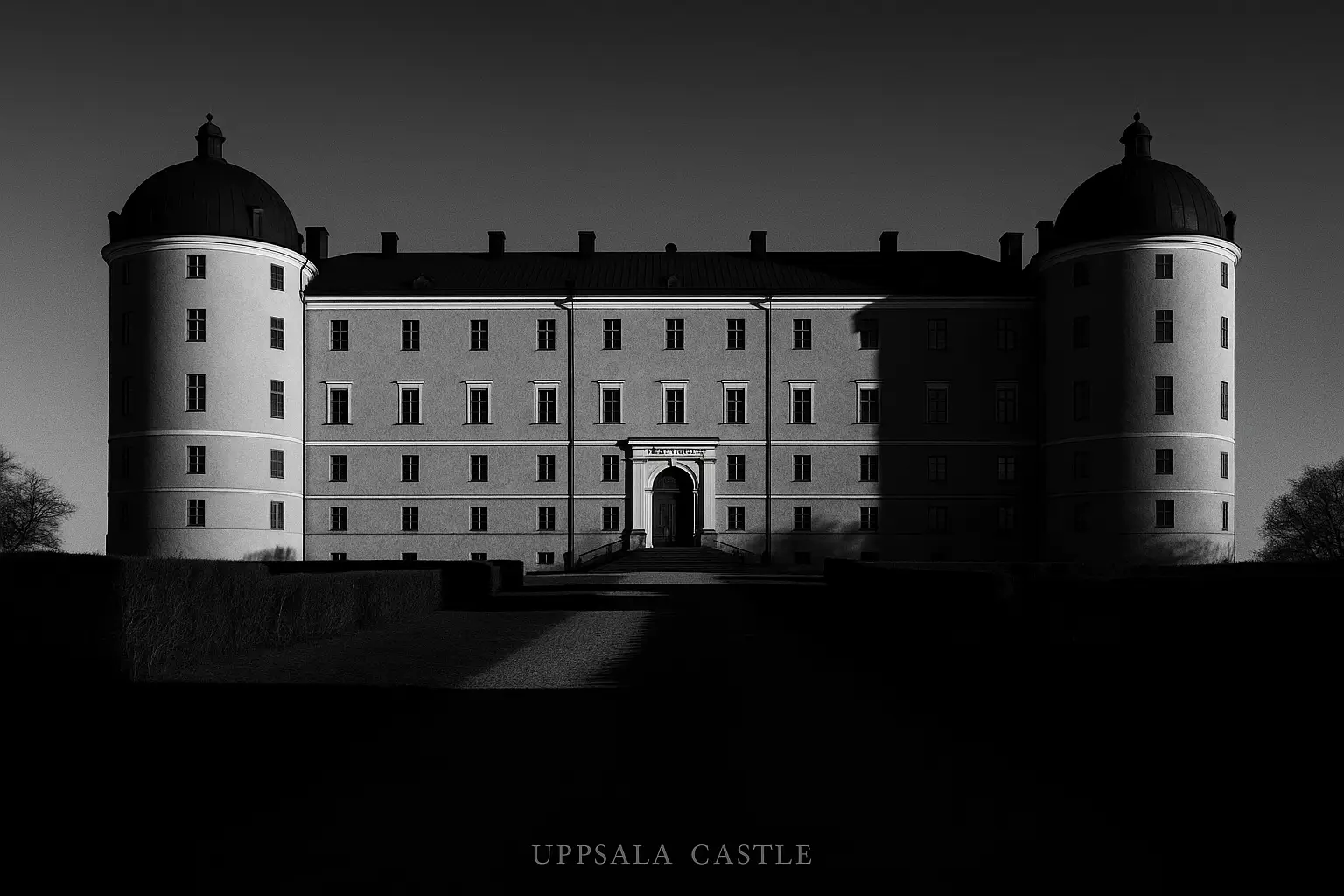
Uppsala Castle’s Historic Significance
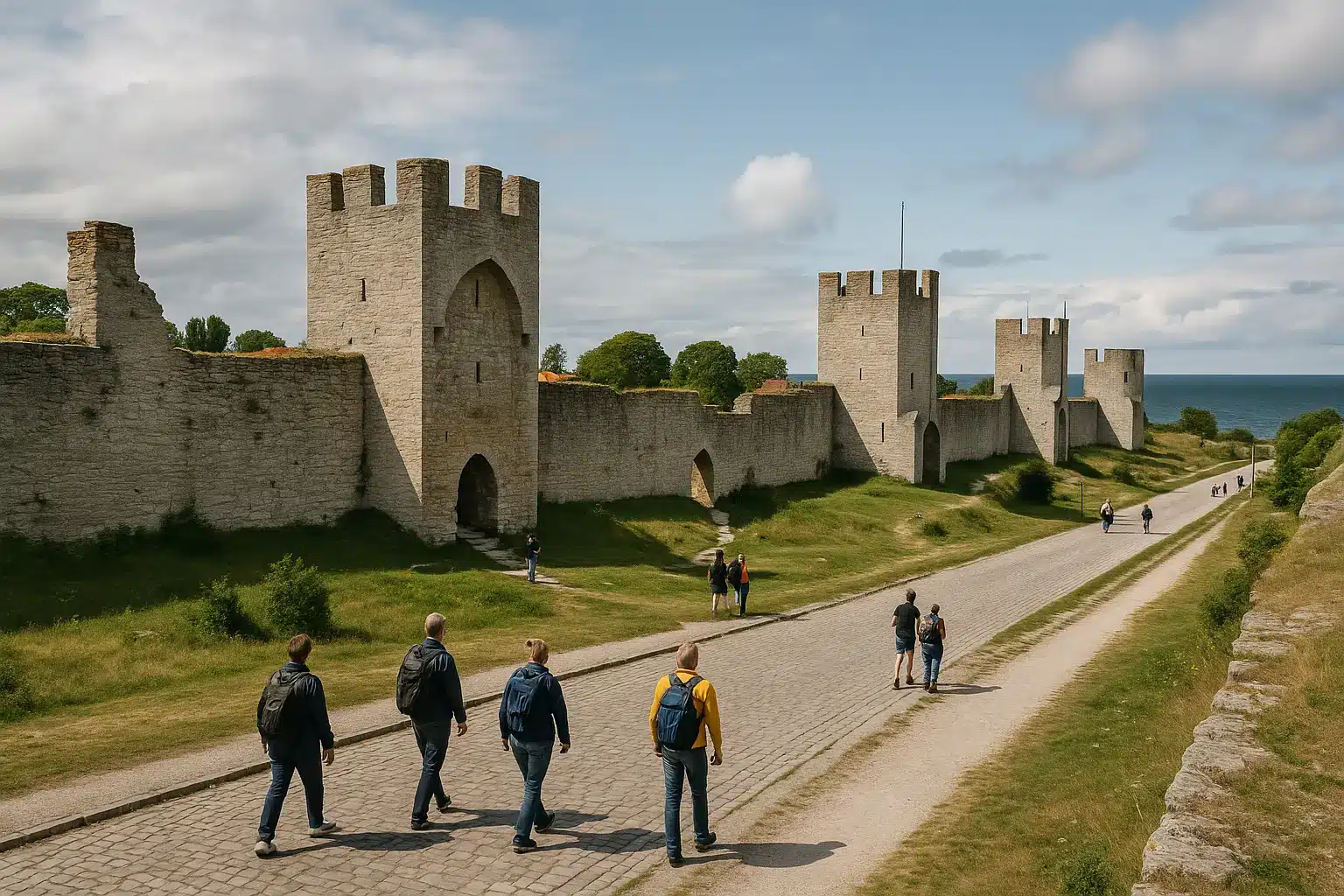
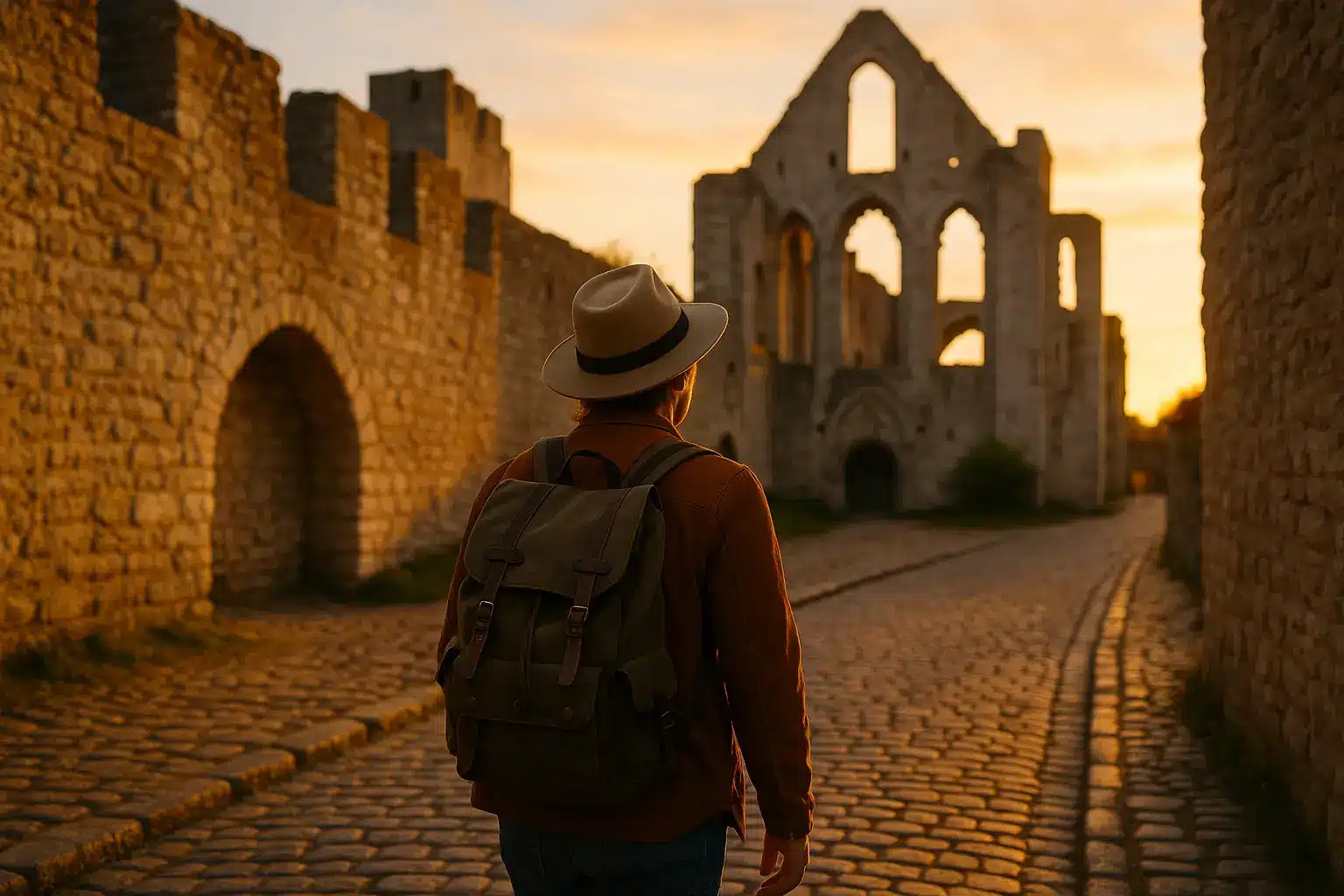
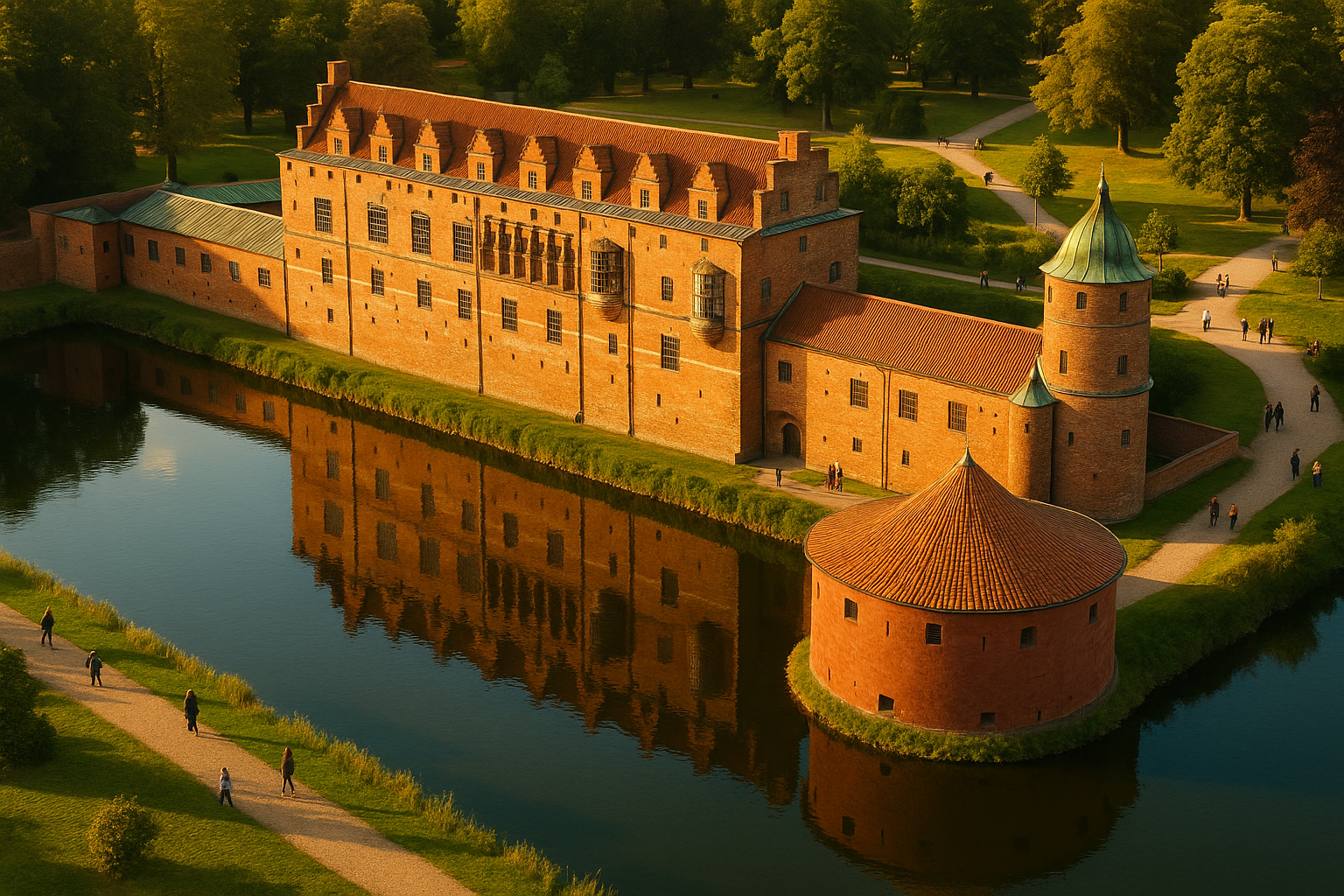
Uppsala Castle, perched on a ridge overlooking the city of Uppsala in Sweden, stands as one of the country’s most historically significant royal residences. Built in 1549 as a Renaissance fortress under King Gustav Vasa, the castle has witnessed pivotal moments in Swedish history, from royal abdications to notorious murders. Today, Uppsala Castle combines its rich historical heritage with modern cultural attractions, housing the Uppsala Art Museum and offering guided tours through the ancient Vasaborgen ruins. Visitors can explore royal apartments, enjoy afternoon tea in the castle restaurant, and take in panoramic views of the city and botanical gardens below.
Uppsala Castle’s History
The castle’s story spans nearly five centuries, marked by royal power, dramatic events, and architectural transformations that have shaped both Uppsala and Swedish national identity.
Construction Under Gustav Vasa
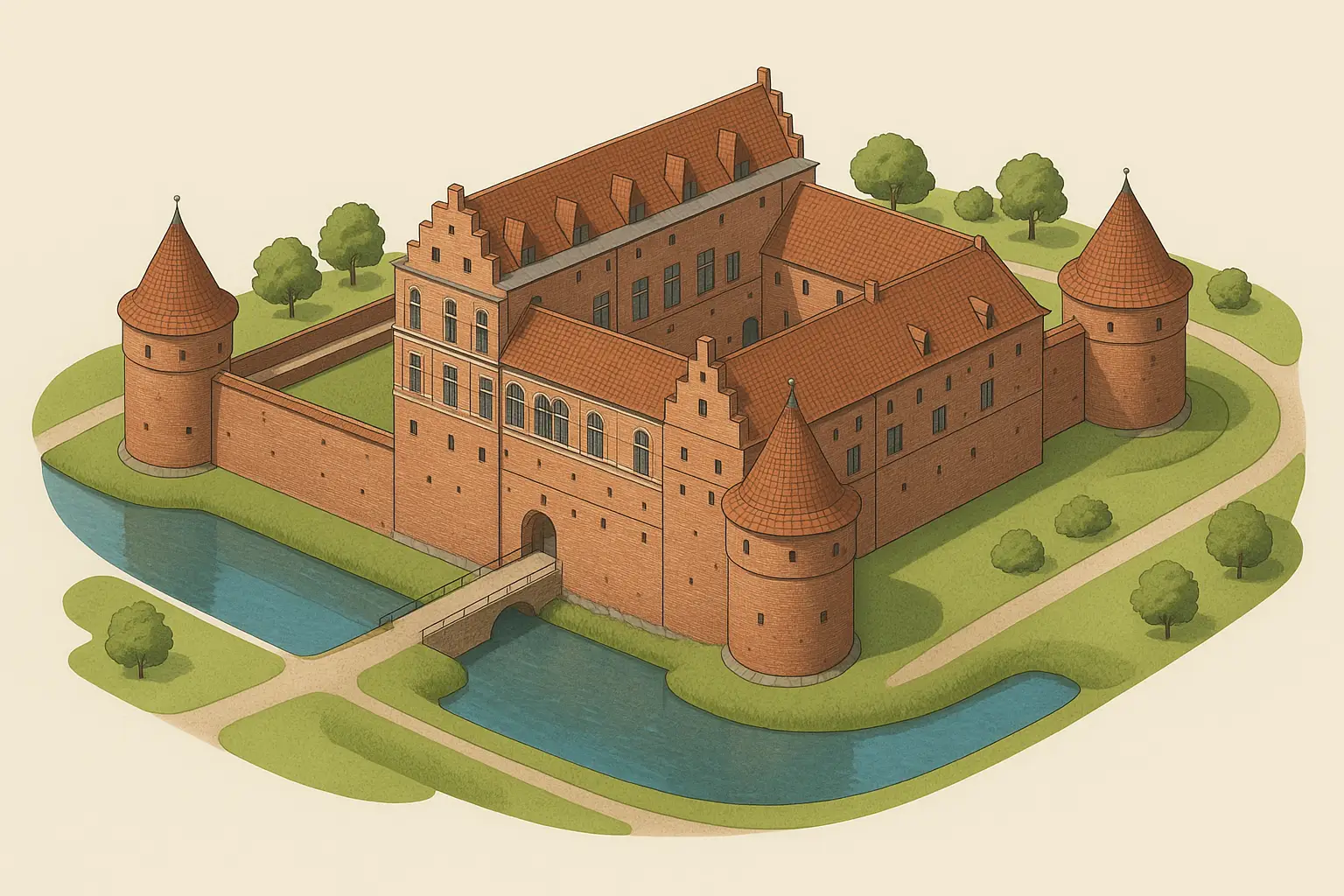
King Gustav Vasa commissioned Uppsala Castle in 1549 as a demonstration of royal authority and military strength during the Renaissance period. The fortress was strategically positioned on Kasåsen ridge, commanding views over Uppsala and the surrounding region. Gustav Vasa, who had led Sweden’s independence from the Kalmar Union and established hereditary monarchy, intended the castle to serve as both a defensive stronghold and a symbol of centralized royal power in a traditionally ecclesiastical city dominated by Uppsala Cathedral.
The original structure featured thick defensive walls, towers, and a multi-story layout characteristic of 16th-century military architecture. Construction continued under his sons, with significant expansions during the reign of John III, who added Renaissance decorative elements and expanded the royal apartments.
The Sture Murders and Royal Drama
Uppsala Castle became the scene of one of Sweden’s most notorious historical events in 1567. King Erik XIV, struggling with paranoia and political instability, ordered the murder of several Swedish noblemen from the Sture family within the castle walls. This brutal act, known as the Sture Murders (Sturemorden), marked a turning point in Erik XIV’s reign and contributed to his eventual deposition.
The castle continued to play a central role in Swedish royal history throughout the 17th century. In 1654, Queen Christina famously abdicated the Swedish throne in the castle’s great hall, renouncing her crown before leaving Sweden to convert to Catholicism and settle in Rome. These dramatic events cemented Uppsala Castle’s place in the narrative of Swedish monarchy and political intrigue.
The 1702 Fire and Reconstruction
Disaster struck on May 16, 1702, when a devastating fire consumed large portions of Uppsala Castle. The blaze destroyed the north wing and severely damaged other sections, leaving much of the structure in ruins. In a pragmatic decision reflecting Stockholm’s growing importance as Sweden’s capital, materials from the damaged castle were salvaged and transported to help construct the Royal Palace in Stockholm.
Reconstruction efforts began in the 1740s under architect Carl Hårleman, who redesigned the castle in a more restrained Baroque style. Rather than fully restoring the original Renaissance grandeur, the rebuilt castle reflected 18th-century aesthetic preferences with simpler facades and more functional interiors. This reconstruction created the foundation for the structure visitors see today.
Key Historical Milestones
Gustav Vasa commissions construction of Uppsala Castle as a Renaissance fortress
The Sture Murders take place, marking one of Sweden’s darkest royal moments
Queen Christina abdicates the Swedish throne in the castle’s great hall
Major fire destroys significant portions of the castle structure
Reconstruction completed in Baroque style under Carl Hårleman
Castle operates as museum and cultural center with daily guided tours
What to See at Uppsala Castle Today
Modern Uppsala Castle successfully blends historical preservation with contemporary cultural programming, offering visitors multiple attractions within its walls.
Vasaborgen Ruins
The Vasaborgen ruins represent the oldest surviving structures at Uppsala Castle, dating back to the original 1549 construction. These archaeological remains, located beneath the current castle building, provide tangible connections to Gustav Vasa’s original fortress. Guided tours of Vasaborgen operate daily during summer months, allowing visitors to explore the foundation walls, storage chambers, and defensive structures that formed the castle’s medieval core. Advance booking is recommended for visits outside peak summer season, when tours operate by appointment.
Uppsala Art Museum
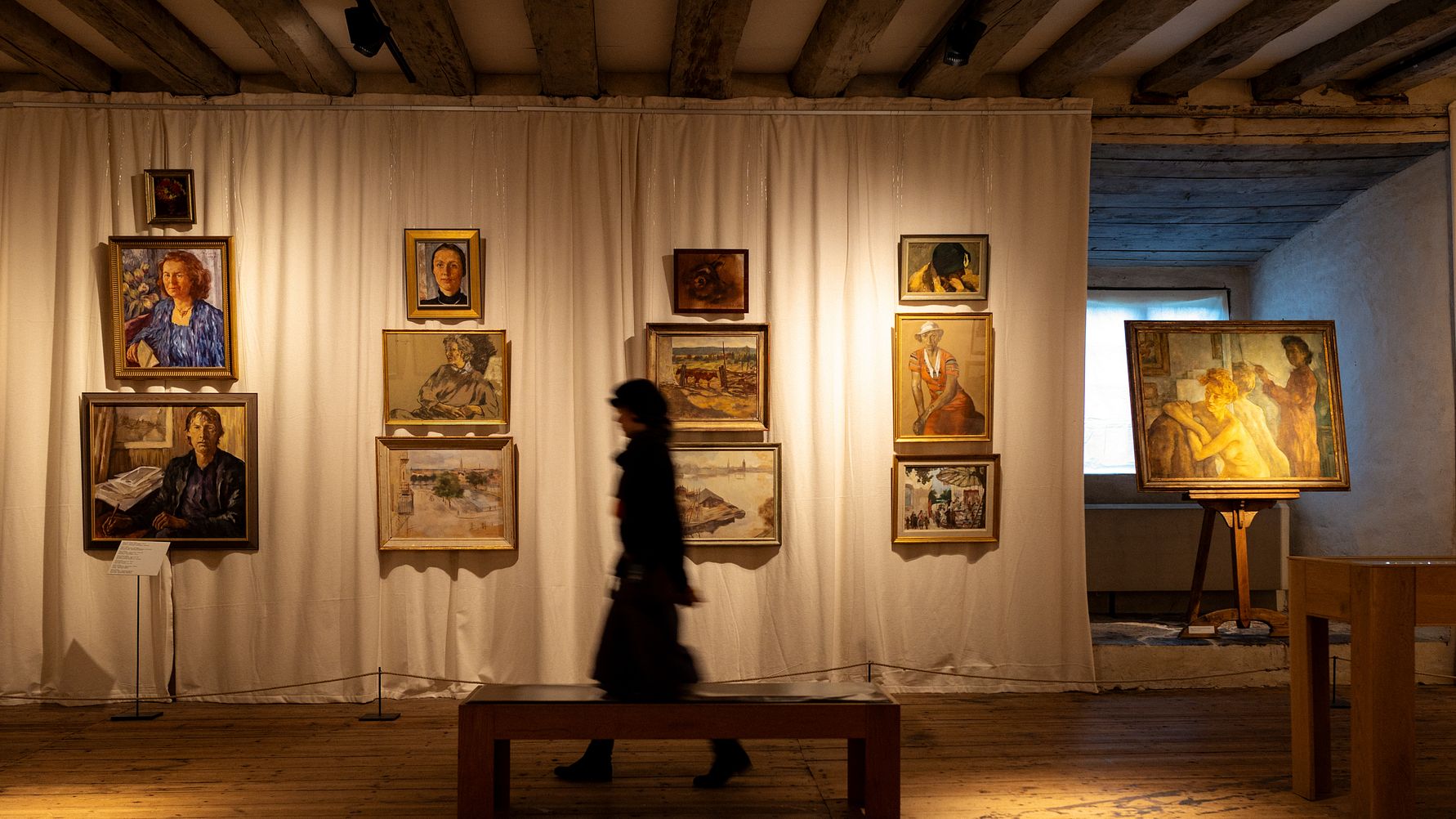
Uppsala Art Museum (Uppsala Konstmuseum) occupies several rooms within the castle, showcasing collections that span Swedish art history from the 16th century to contemporary works. The museum’s holdings include paintings, sculptures, and decorative arts, with particular strengths in Swedish modernism and regional artists connected to Uppsala. Temporary exhibitions rotate throughout the year, complementing the permanent collection. The museum context within the historic castle creates a unique dialogue between historical architecture and artistic expression.
Royal Apartments and Panoramic Views
The castle’s royal apartments offer glimpses into centuries of Swedish court life, with period furnishings and restored interiors that reflect different eras of occupation. State rooms feature 18th-century decoration from the post-reconstruction period, while exhibition spaces detail the castle’s role as an administrative center for the Uppsala County governor.
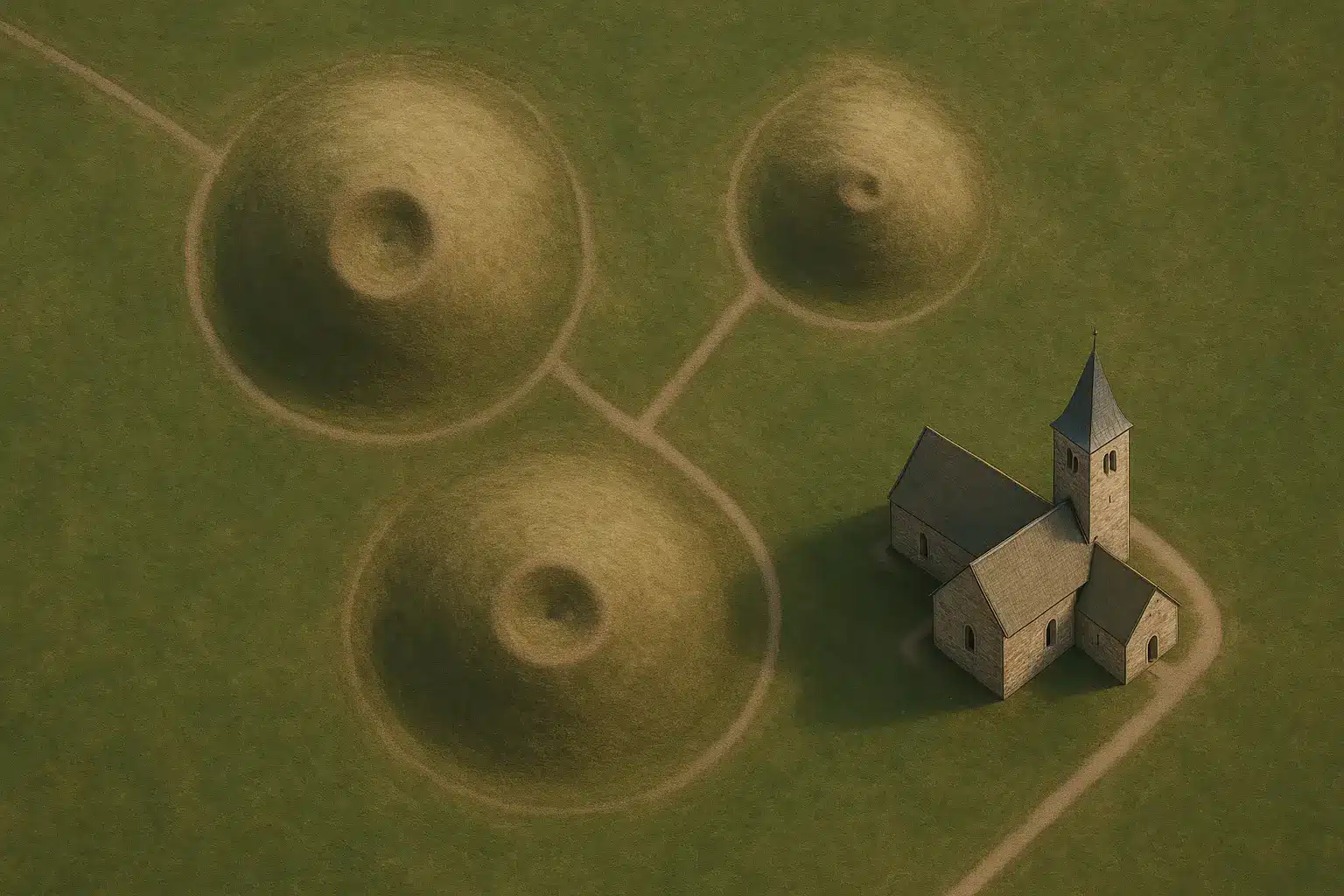
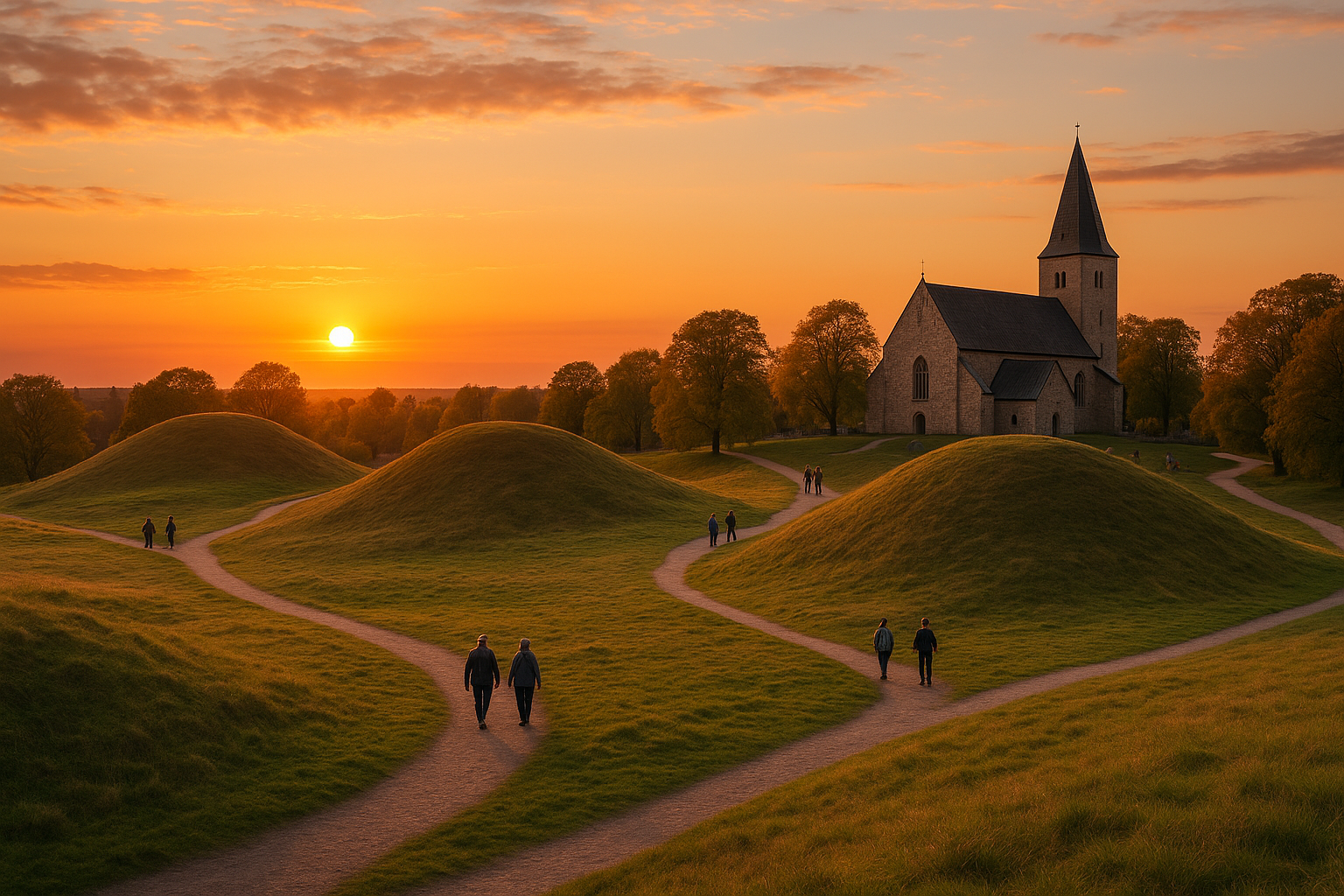
Perhaps equally impressive are the exterior views. The castle’s elevated position provides sweeping panoramas across Uppsala, including sight lines to Gamla Uppsala (Old Uppsala) to the north, where ancient burial mounds mark Sweden’s pre-Christian royal center. The botanical gardens immediately adjacent to the castle offer peaceful walking paths and seasonal plantings that complement any castle visit.
Practical Visitor Information
Planning your visit to Uppsala Castle requires understanding current opening hours, ticket options, and available tours to make the most of your experience.
Opening Hours and Tickets 2025
Uppsala Castle maintains seasonal operating schedules that vary between summer and winter months. According to Visit Uppsala Slott’s official information, guided tours run daily during summer season (typically June-August), while off-season visits require advance booking. The Uppsala Art Museum follows separate hours and may be accessible when guided castle tours are not operating.
| Service | Summer Season | Winter Season | Notes |
|---|---|---|---|
| Guided Castle Tours | Daily, multiple times | By appointment | Book ahead for guaranteed access |
| Uppsala Art Museum | Tuesday-Sunday | Tuesday-Sunday | Check current hours online |
| Vasaborgen Ruins | Daily (with tour) | Limited availability | Part of guided castle tour |
| Castle Restaurant | Year-round | Year-round | Lunch and afternoon tea |
Entrance fees vary by service. Museum admission is typically separate from guided castle tours. Verify current pricing and book Uppsala Castle tickets through the official website before your visit to ensure availability, especially during peak tourist season.
Guided Tours and What to Expect
Professional guided tours provide the most comprehensive castle experience, lasting approximately 45-60 minutes. Tours are conducted in Swedish and English, covering the castle’s construction history, the Sture Murders, Queen Christina’s abdication, and the 1702 fire. Guides lead visitors through accessible royal apartments, state rooms, and down to the Vasaborgen ruins when conditions permit.
Photography is generally permitted in most areas, though flash photography may be restricted in museum galleries. The castle terrain includes stairs and uneven surfaces, particularly in the historic Vasaborgen sections, which may present accessibility challenges for visitors with mobility limitations.
Nearby Attractions and Getting There
Uppsala Castle’s coordinates (59.8583°N, 17.6334°E) place it within walking distance of Uppsala’s central attractions. The castle sits approximately 1 kilometer south of Uppsala Central Station, reachable by a 15-minute uphill walk or short bus ride. The Botanical Garden borders the castle grounds, offering a natural complement to any visit.
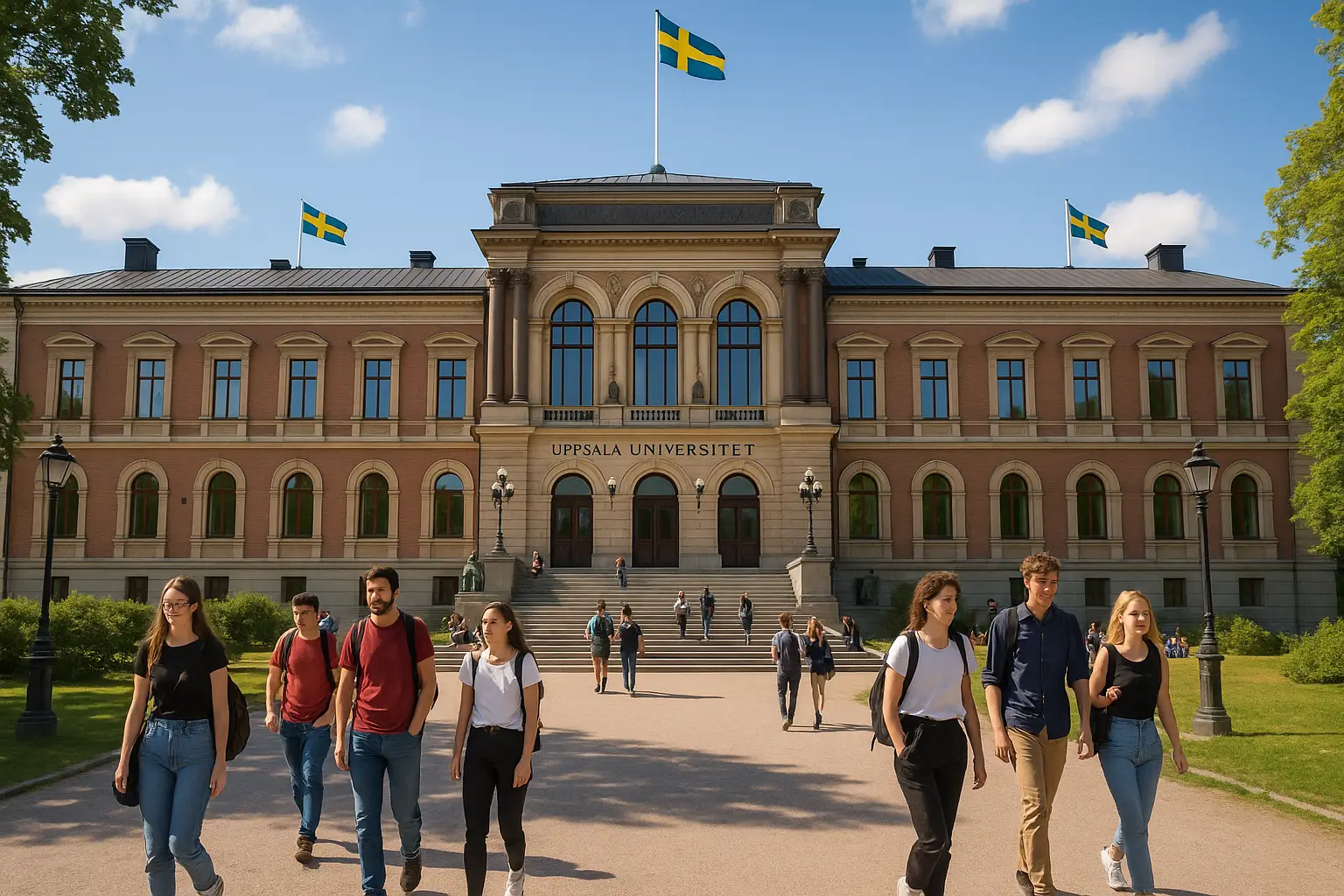
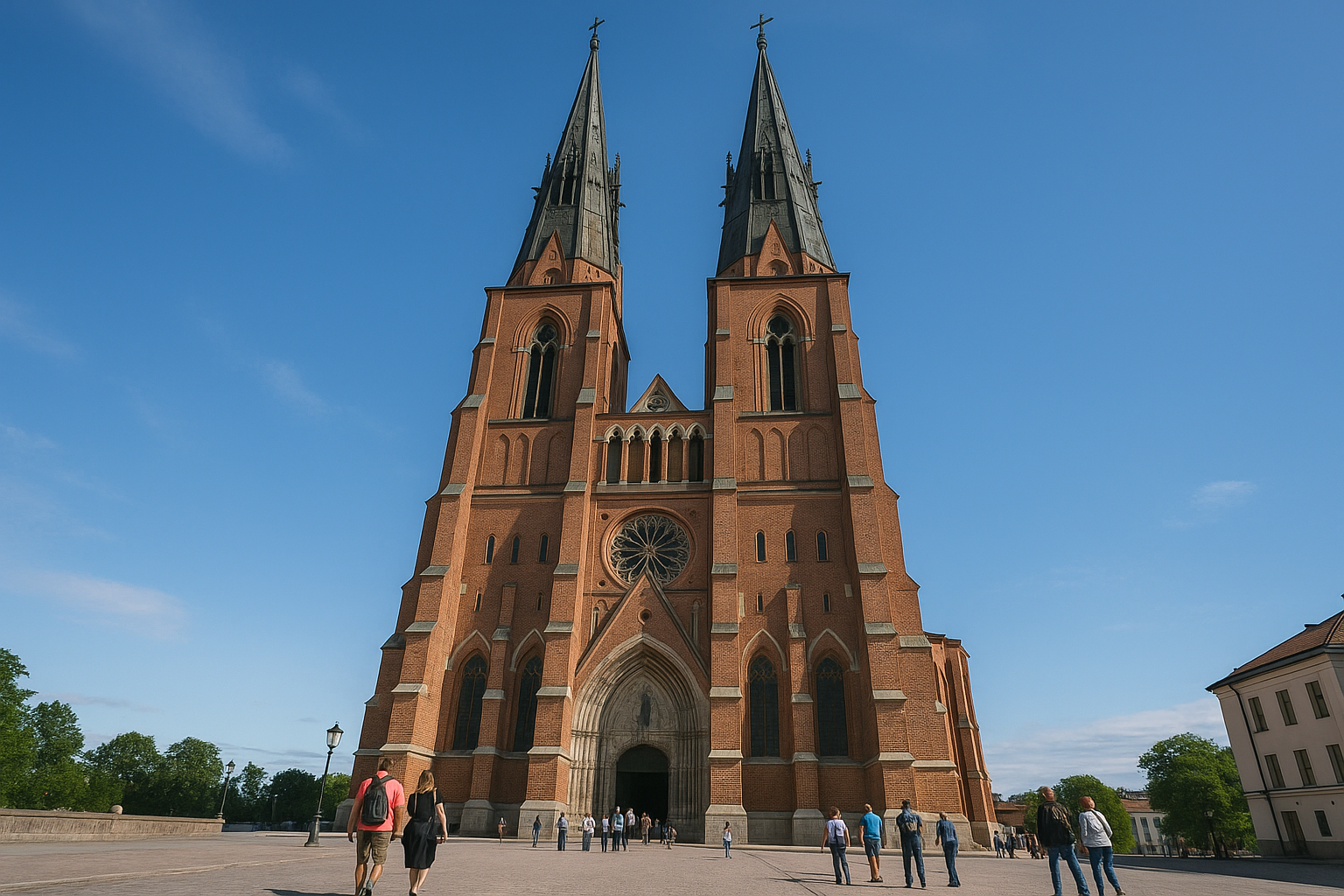
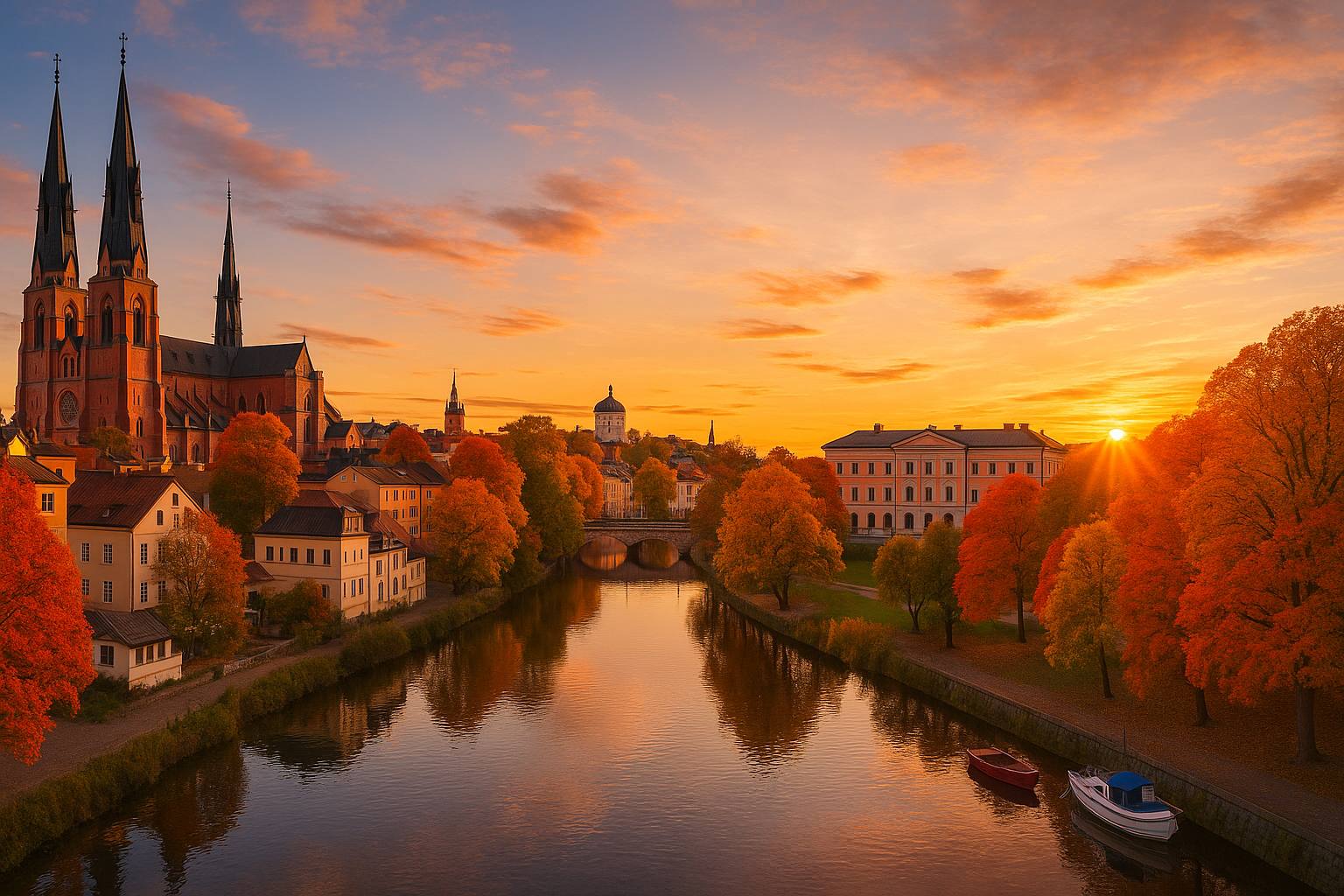
Uppsala Cathedral, Scandinavia’s largest church and burial site of Gustav Vasa, lies just 500 meters northeast. The cathedral houses bloodstained garments from the Sture Murder victims, providing a poignant historical connection. The city center’s historic streets, Uppsala University buildings, and museums are all within comfortable walking distance, making Uppsala Castle an ideal anchor for a day of sightseeing.
Visitor Tips for Uppsala Castle
- Book summer tours in advance: Peak season guided tours fill quickly, particularly for English-language options. Reserve your spot online at least a week ahead.
- Combine attractions: Purchase combination tickets if available, covering both castle tours and the Uppsala Art Museum for better value.
- Allow extra time: Budget at least 2-3 hours to explore the castle, museum, and surrounding botanical gardens without rushing.
- Check weather: The walk from central Uppsala involves uphill terrain; dress appropriately for weather conditions and wear comfortable walking shoes.
- Visit Gamla Uppsala: Consider pairing your castle visit with a trip to the ancient burial mounds at Gamla Uppsala, accessible by bus, to experience the full sweep of Uppsala’s history.
Visitor Reviews and Recommendations
Uppsala Castle receives consistently positive feedback from tourists and history enthusiasts, though experiences vary based on season and expectations.
Best Times to Visit
Summer months (June-August) offer the most convenient access with daily guided tours and full museum hours, but also bring larger crowds and higher demand for tickets. TripAdvisor reviews frequently recommend late spring (May) or early autumn (September) as ideal windows, balancing good weather with fewer tourists and easier booking availability.
Weekday mornings typically see lighter crowds than weekend afternoons. Winter visits, while requiring advance arrangement, offer an intimate experience with smaller tour groups and the opportunity to see the castle in its quieter, more contemplative state.
Family-Friendly Activities
Uppsala Castle accommodates family visitors with varying interest levels. Children often respond enthusiastically to the dramatic stories of royal intrigue, particularly the Sture Murders and Queen Christina’s abdication. The Vasaborgen ruins exploration adds an archaeological adventure element that engages younger visitors.
The botanical gardens provide space for children to expend energy between cultural activities, and the castle’s elevated position offers excellent views that help orient families to Uppsala’s geography. Tour guides generally welcome questions and can adjust their presentations for mixed-age groups when informed in advance.
Afternoon Tea at the Castle
The castle restaurant operates year-round, serving lunch and the increasingly popular afternoon tea service. The afternoon tea experience includes traditional Swedish pastries, sandwiches, and tea served in historic surroundings with views over the botanical gardens. Reservations are strongly recommended, particularly for weekend afternoon tea sittings.
The restaurant also hosts private events including weddings, making it advisable to confirm restaurant availability if dining is an important part of your visit plan. Some visitors note that the restaurant, while atmospheric, operates with limited hours compared to the museum and guided tours.
Frequently Asked Questions
What is Uppsala Castle known for?
Uppsala Castle is renowned for three main historical events: its construction in 1549 by King Gustav Vasa as a symbol of royal power, the notorious Sture Murders of 1567 when King Erik XIV ordered the execution of Swedish nobles within its walls, and Queen Christina’s abdication of the Swedish throne in 1654. Today, it’s also known for housing the Uppsala Art Museum and the ancient Vasaborgen ruins. The castle represents a key site in Swedish royal and political history, offering visitors insight into five centuries of Swedish monarchy, conflict, and cultural development.
How do I get to Uppsala Castle?
Uppsala Castle is located at coordinates 59.8583°N, 17.6334°E, approximately 1 kilometer south of Uppsala Central Station. Visitors can walk uphill from the city center in about 15 minutes, following signs toward the botanical gardens. Local buses also serve stops near the castle grounds. For those driving, limited parking is available near the castle entrance. The walk offers scenic views of Uppsala but involves steady uphill terrain, so allow extra time and wear appropriate footwear. Taxis and ride-sharing services readily serve the castle area from anywhere in central Uppsala.
Are there guided tours at Uppsala Castle?
Yes, guided tours operate at Uppsala Castle, with daily departures during summer months (June-August) and by appointment during the off-season. Tours last approximately 45-60 minutes and are available in Swedish and English. They cover the castle’s history, including the Sture Murders and 1702 fire, and include access to the Vasaborgen ruins and select royal apartments. Booking in advance is strongly recommended, especially for summer visits and English-language tours. Tours can be reserved through the official Visit Uppsala Slott website. Group tours and specialized thematic tours may be arranged with advance notice.
What museums are located at Uppsala Castle?
Uppsala Castle houses the Uppsala Art Museum (Uppsala Konstmuseum), which features collections of Swedish art from the 16th century to contemporary periods. The museum occupies several rooms within the castle and includes paintings, sculptures, and decorative arts with particular strength in Swedish modernism. The castle also provides access to the Vasaborgen ruins as part of guided tours, functioning as an archaeological museum showcasing the original 1549 fortress foundations. Exhibition spaces throughout the castle detail royal history and the building’s architectural evolution. Each area offers different perspectives on Uppsala’s cultural heritage.
What happened at Uppsala Castle in 1702?
On May 16, 1702, a catastrophic fire swept through Uppsala Castle, destroying the entire north wing and causing severe damage to other sections of the structure. The fire represented one of the worst architectural losses in Swedish history. In the aftermath, pragmatic decisions were made to salvage usable materials from the damaged sections and transport them to Stockholm, where they were incorporated into the construction of the Royal Palace. Reconstruction of Uppsala Castle didn’t begin until the 1740s under architect Carl Hårleman, who redesigned it in a simpler Baroque style rather than attempting to recreate the original Renaissance grandeur. This fire fundamentally transformed both the castle’s appearance and its role in Swedish royal life.
What is the difference between Gamla Uppsala and Uppsala Castle?
Gamla Uppsala (Old Uppsala) and Uppsala Castle represent different eras of Swedish history. Gamla Uppsala, located about 5 kilometers north of modern Uppsala, contains ancient royal burial mounds dating to the 6th century and served as Sweden’s pre-Christian religious and political center. It represents Viking Age and earlier Norse culture. Uppsala Castle, built in 1549, is a Renaissance-era fortress constructed by King Gustav Vasa to establish royal authority in the region. While Gamla Uppsala reflects ancient Swedish paganism and early monarchy, the castle represents post-Reformation royal power and modern Swedish statehood. Both sites are essential to understanding Uppsala’s historical significance, but they serve different historical narratives separated by nearly a millennium.