Visby: Medieval Gem of Gotland
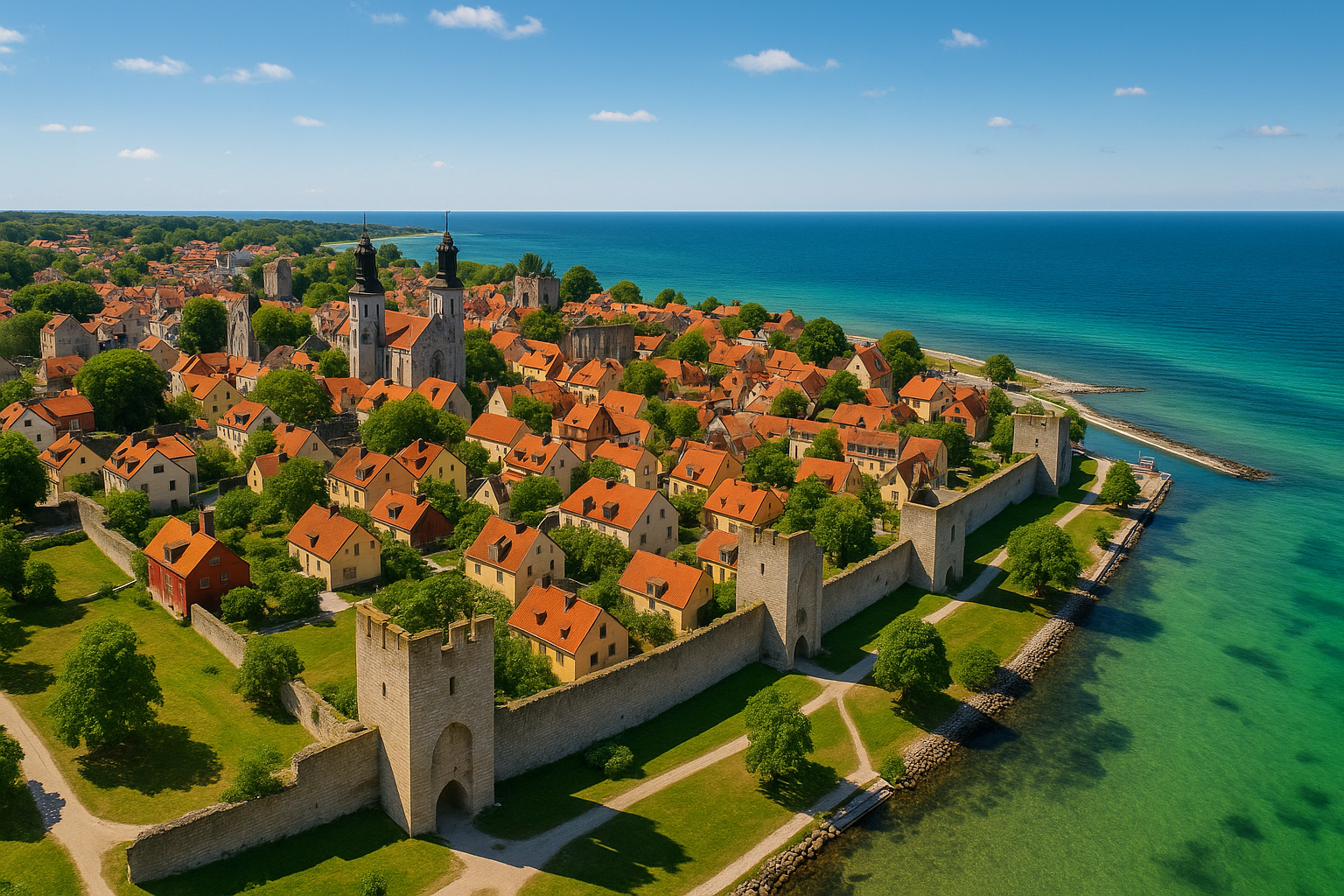
Visby is a remarkably preserved medieval city on Gotland Island, Sweden’s largest island in the Baltic Sea. Designated as a UNESCO World Heritage Site in 1995, Visby attracts approximately 1.2 million tourists annually to Gotland with its medieval architecture, cobblestone streets, and iconic 3.4 km town wall. This Visby Sweden guide covers everything from historical landmarks to practical travel tips for 2025.
The city’s unique character stems from its medieval heritage, including church ruins, the Hanseatic League history, and well-preserved fortifications. Whether you’re interested in the Battle of Visby from 1361 or planning to visit during Visby medieval festivals, this comprehensive guide helps you experience the best of Visby Gotland.
Visby’s Medieval History and UNESCO Status
Visby became a UNESCO World Heritage Site in 1995, recognized for being one of the best-preserved medieval towns in Scandinavia. The city’s history dates back to the Viking Age, but it flourished during the 12th to 14th centuries as a major trading center in the Hanseatic League—a powerful commercial alliance of merchant guilds across Northern Europe.
The Battle of Visby (1361)
One of the most significant events in Visby’s history occurred in 1361 when Danish King Valdemar IV invaded Gotland. The Battle of Visby resulted in devastating losses for the local defenders, with thousands killed outside the city walls. Archaeological excavations have uncovered mass graves containing armor and remains from this battle, now displayed at the Gotland Museum. This historic event draws history enthusiasts from around the world, making it one of the highest-volume search terms related to the city.
Hanseatic Legacy
As a prominent member of the Hanseatic League (Hanseatiska ligan in Swedish), Visby became wealthy through trade in goods like wool, fur, and dried fish. German merchants established themselves in the city, building impressive churches and warehouses. This prosperity is still visible in the architectural grandeur of the medieval town center, though many churches now stand as atmospheric ruins following the Reformation and various conflicts.
The Visby Town Wall
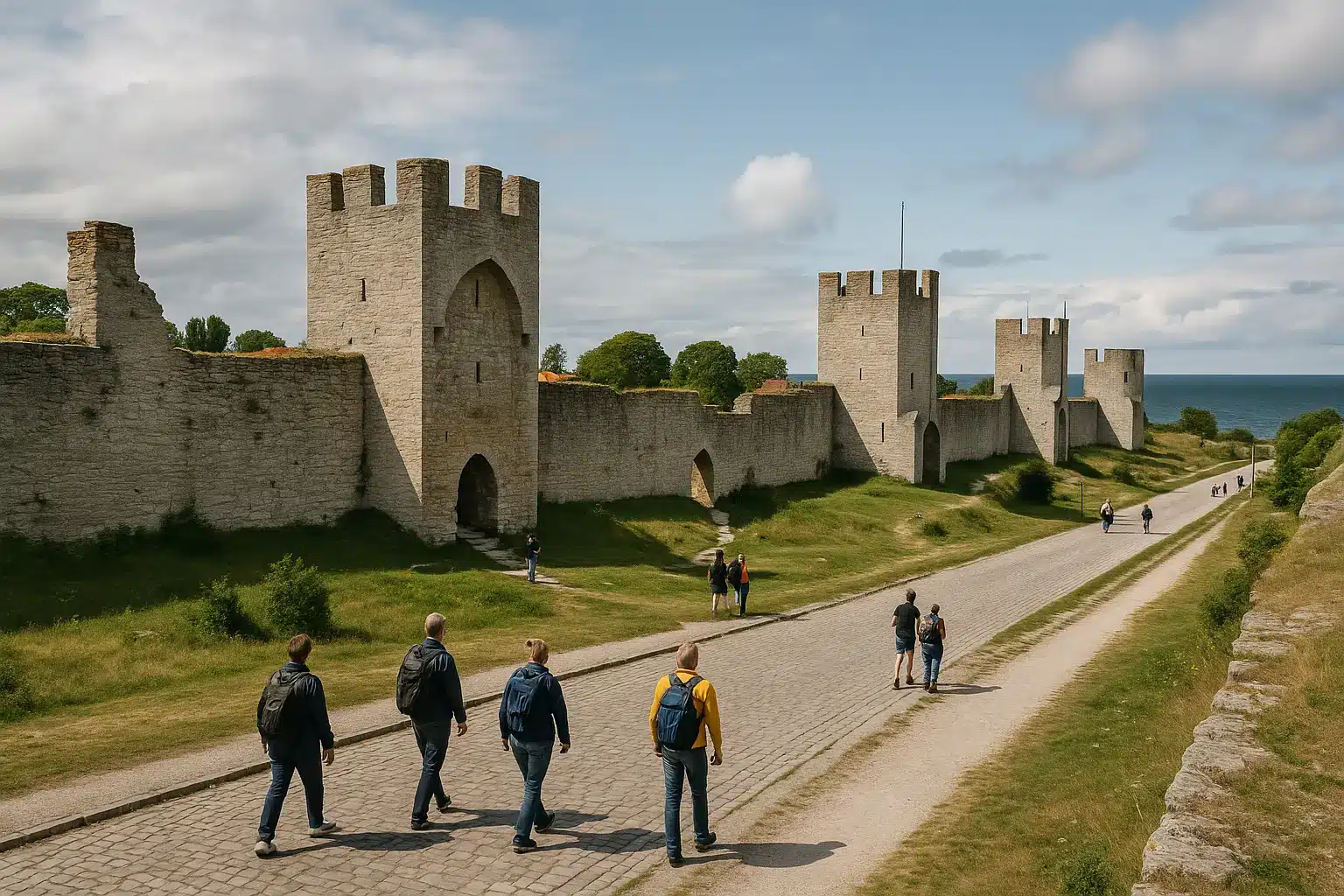
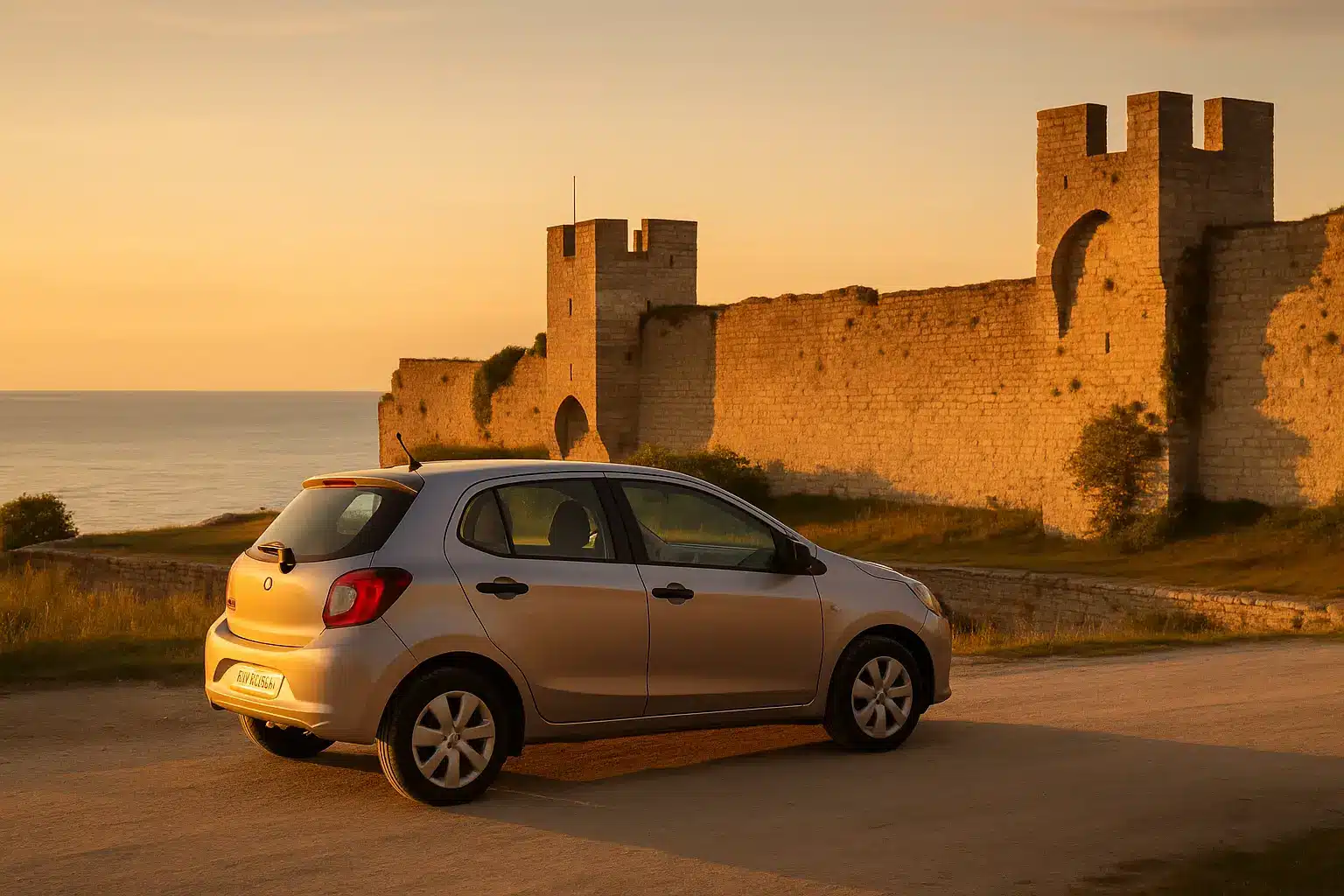
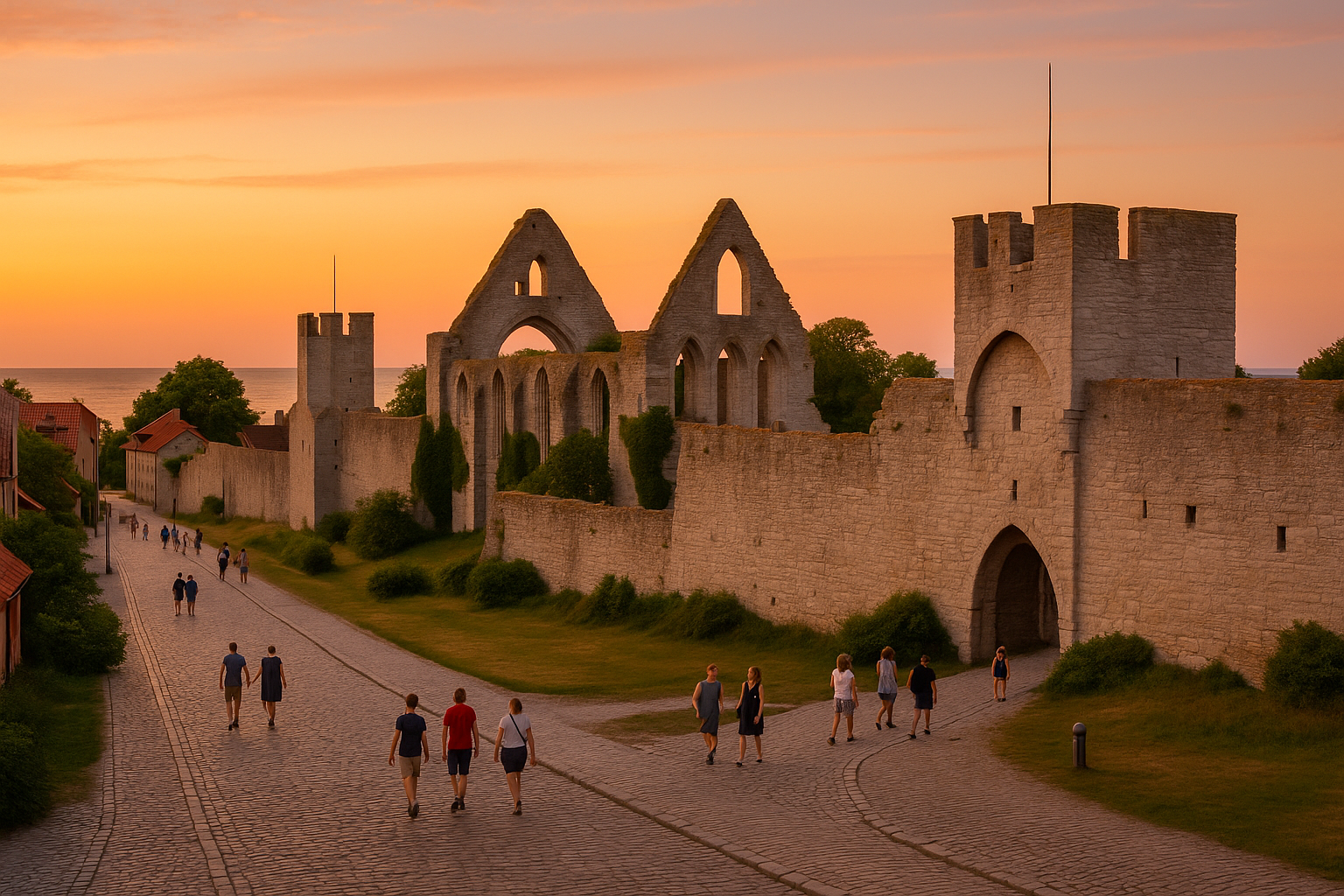
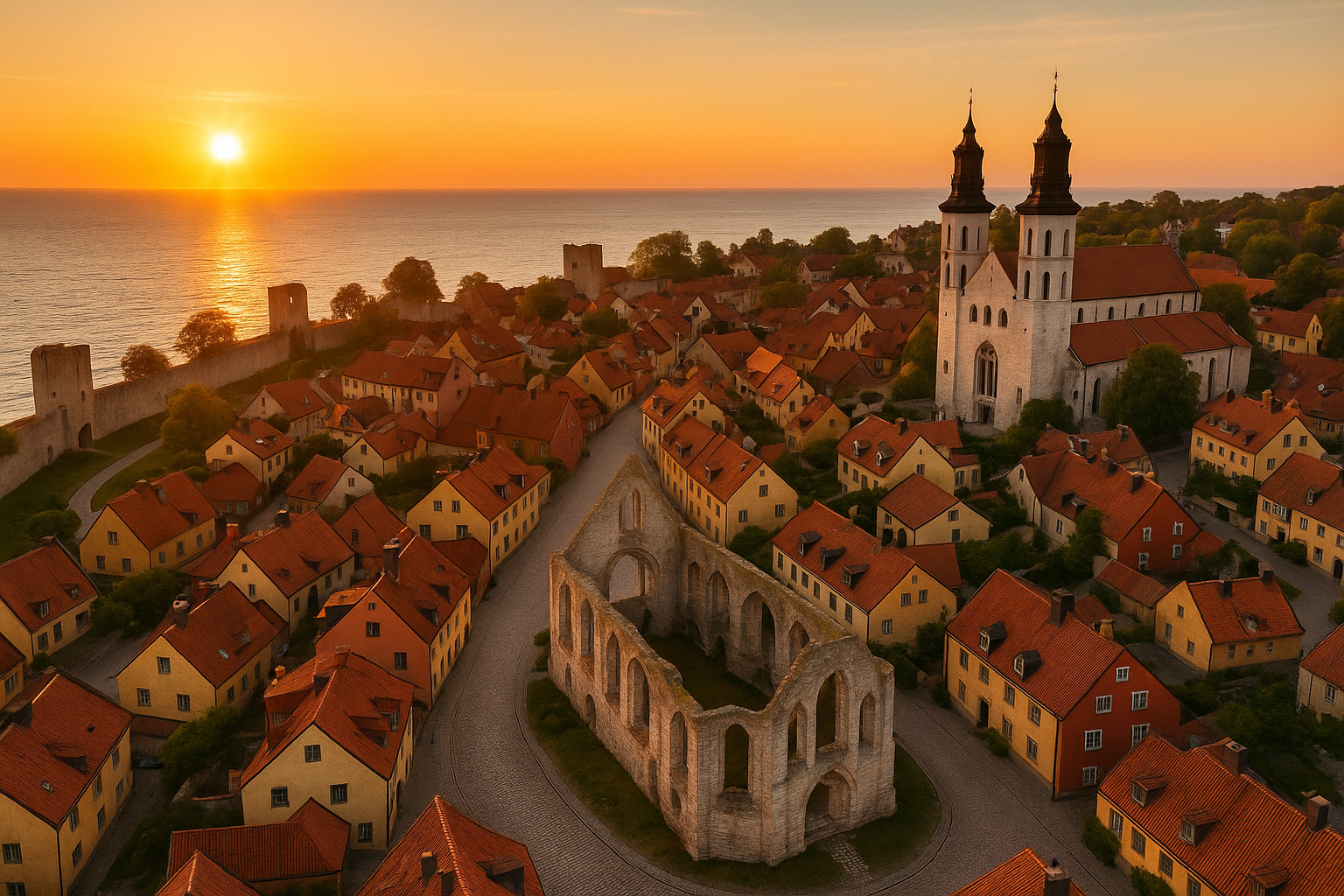
The Visby town wall stretches 3.4 kilometers around the old city center, featuring 44 towers and numerous gates. Built primarily in the 13th and 14th centuries, this defensive fortification is one of the most complete in Scandinavia. Walking along or beside the wall offers stunning views of the Baltic Sea and provides an excellent introduction to the city’s medieval layout.
Top Visby Attractions and Activities
Understanding what makes Visby attractions special helps visitors prioritize their time. The city offers a compact medieval center perfect for walking, combined with natural beauty and cultural experiences. With a population of approximately 24,330 residents (as of 2017), Visby maintains an intimate, manageable scale while providing world-class historical sites.
| Attraction | Description | Typical Entry |
|---|---|---|
| Visby Town Wall | 3.4 km medieval fortification with 44 towers | Free |
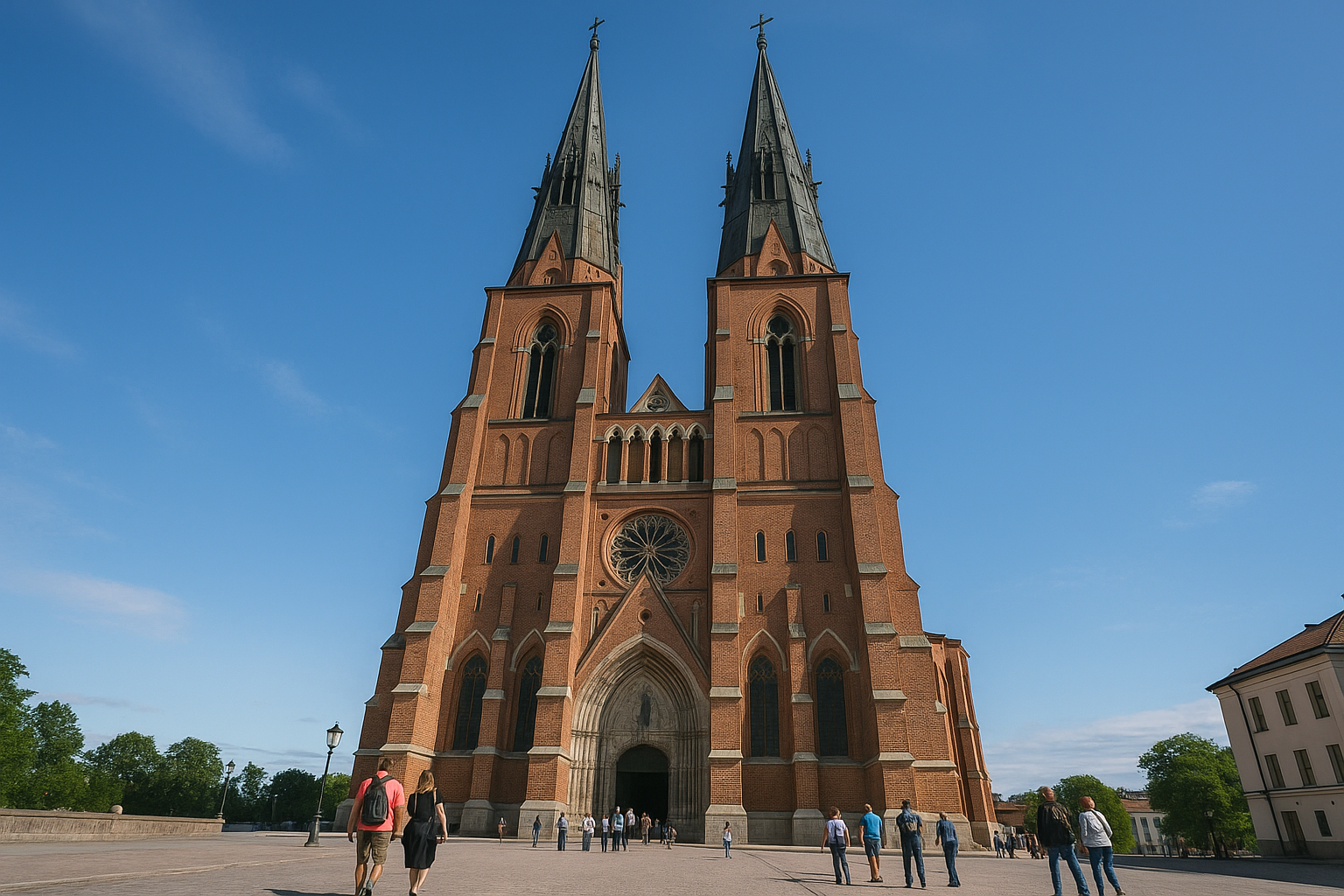
| St. Mary’s Cathedral | Only functioning medieval church in Visby | Free |
| Gotland Museum | Exhibits from Viking Age to medieval period | ~120 SEK |
| St. Nicolai Ruin | Atmospheric church ruins with summer concerts | Free outside events |
| Botanical Garden (DBW) | Ruins of St. Nicolai combined with gardens | Free |
| Almedalen Park | Historic park famous for political week | Free |
| Visby Beach (Norderstrand) | Sandy beach within walking distance of center | Free |
For a complete list of attractions with detailed descriptions, visit our Visby attractions guide which includes opening hours and seasonal variations.
Church Ruins
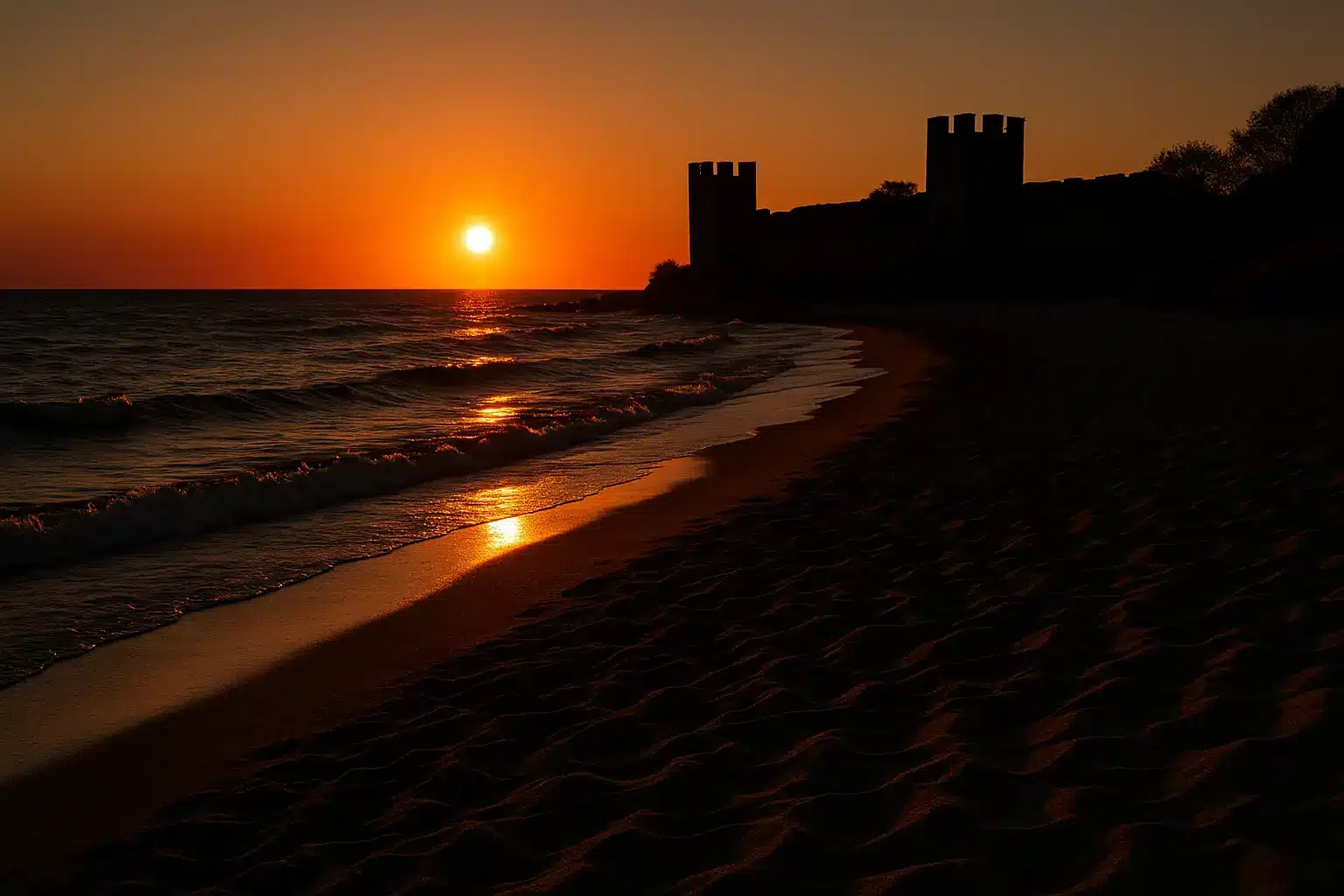
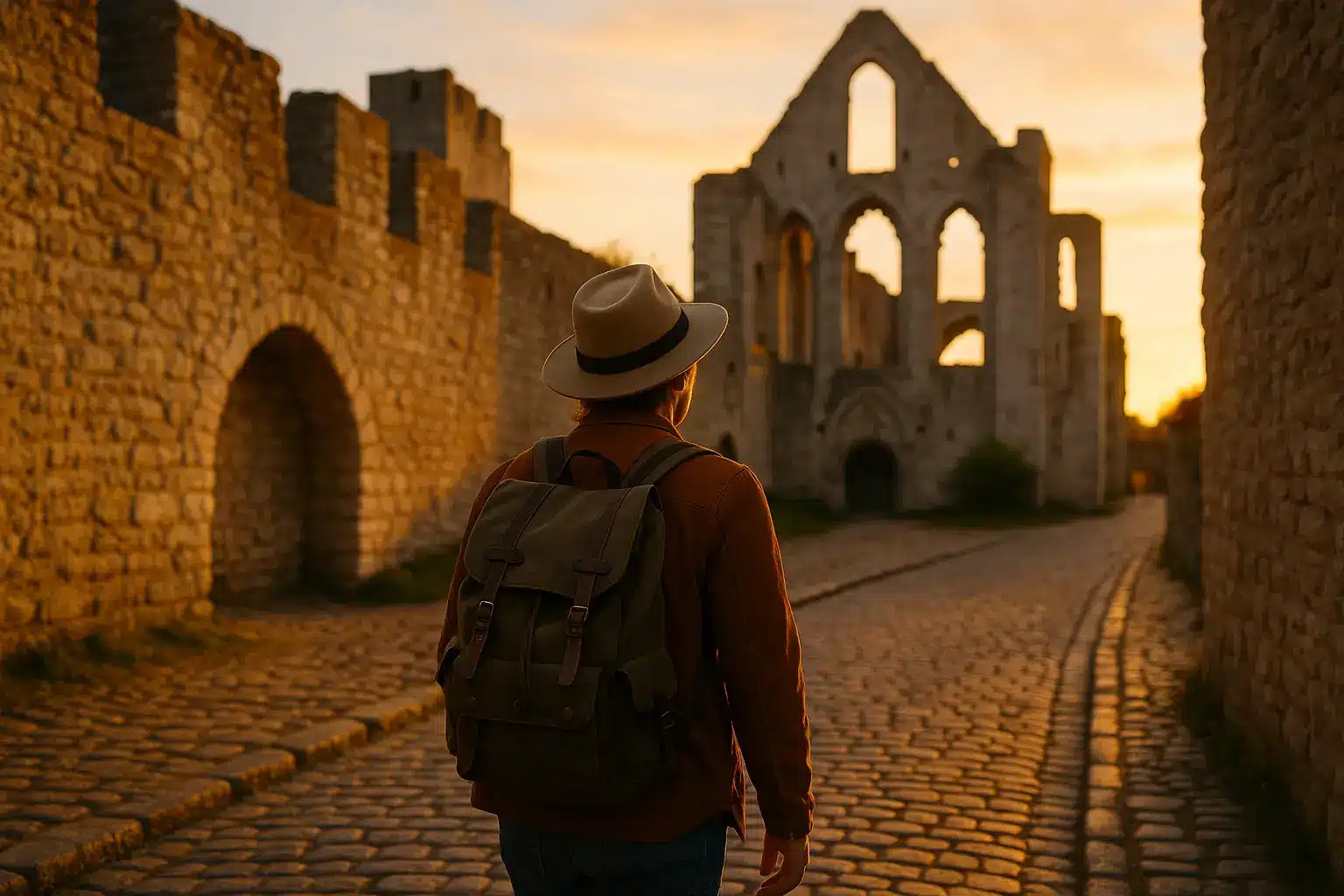
Visby once had 17 churches serving its medieval population, but today 13 stand as picturesque ruins while only St. Mary’s Cathedral (Sankta Maria Domkyrka) remains in use. These church ruins create a unique atmosphere, especially at sunset. St. Nicolai Ruin hosts summer concerts and events, combining medieval architecture with contemporary culture.
Beaches and Nature
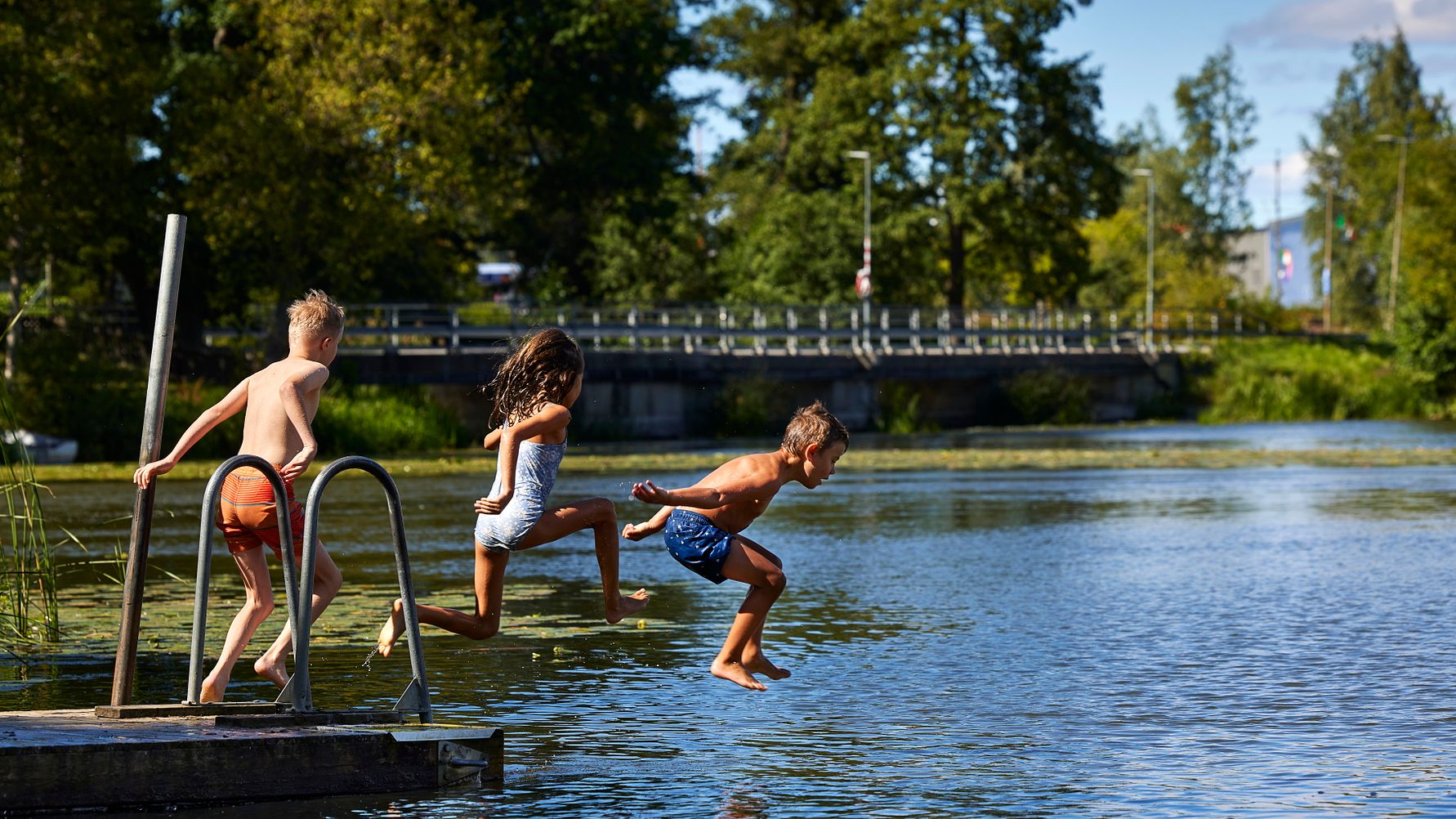
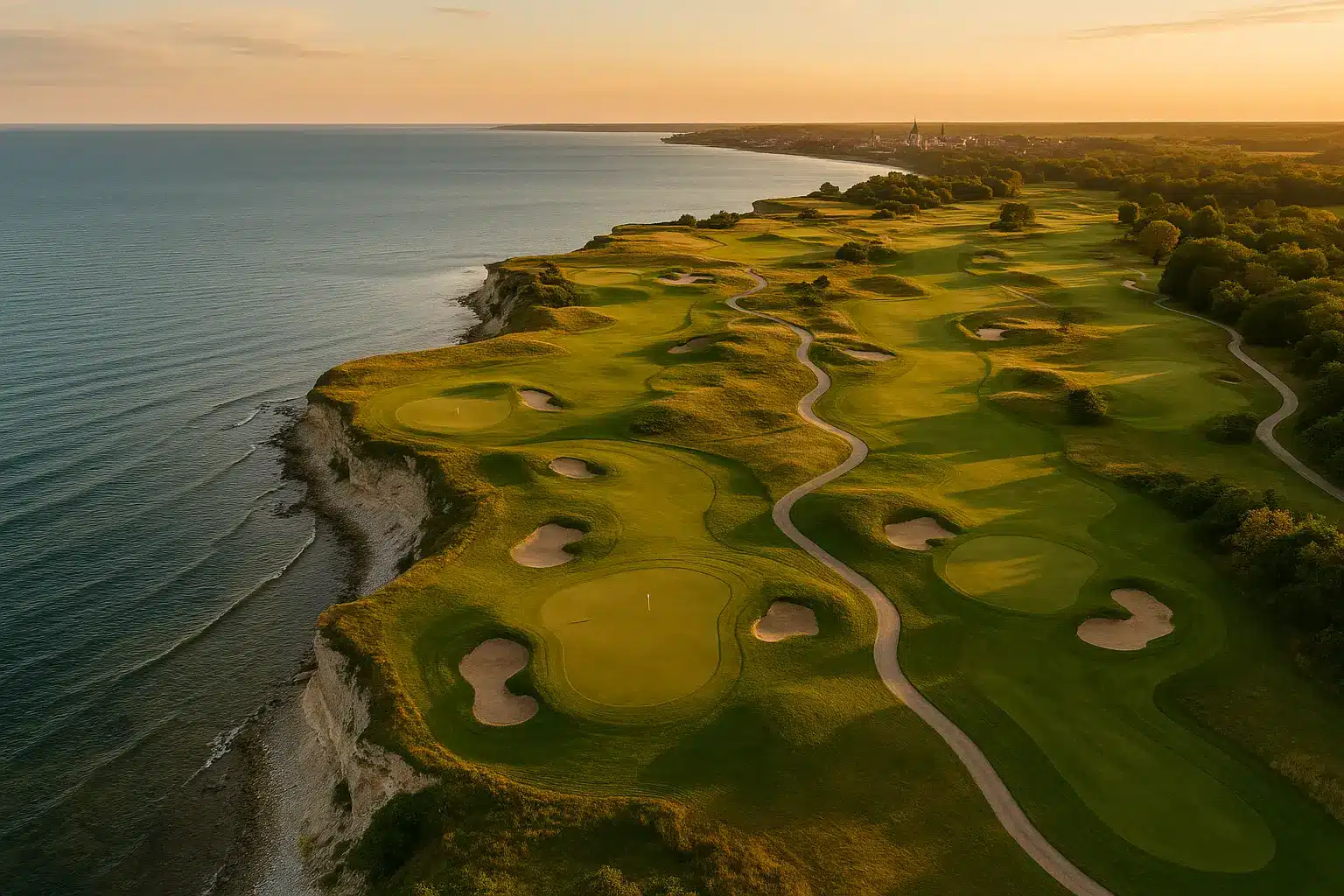
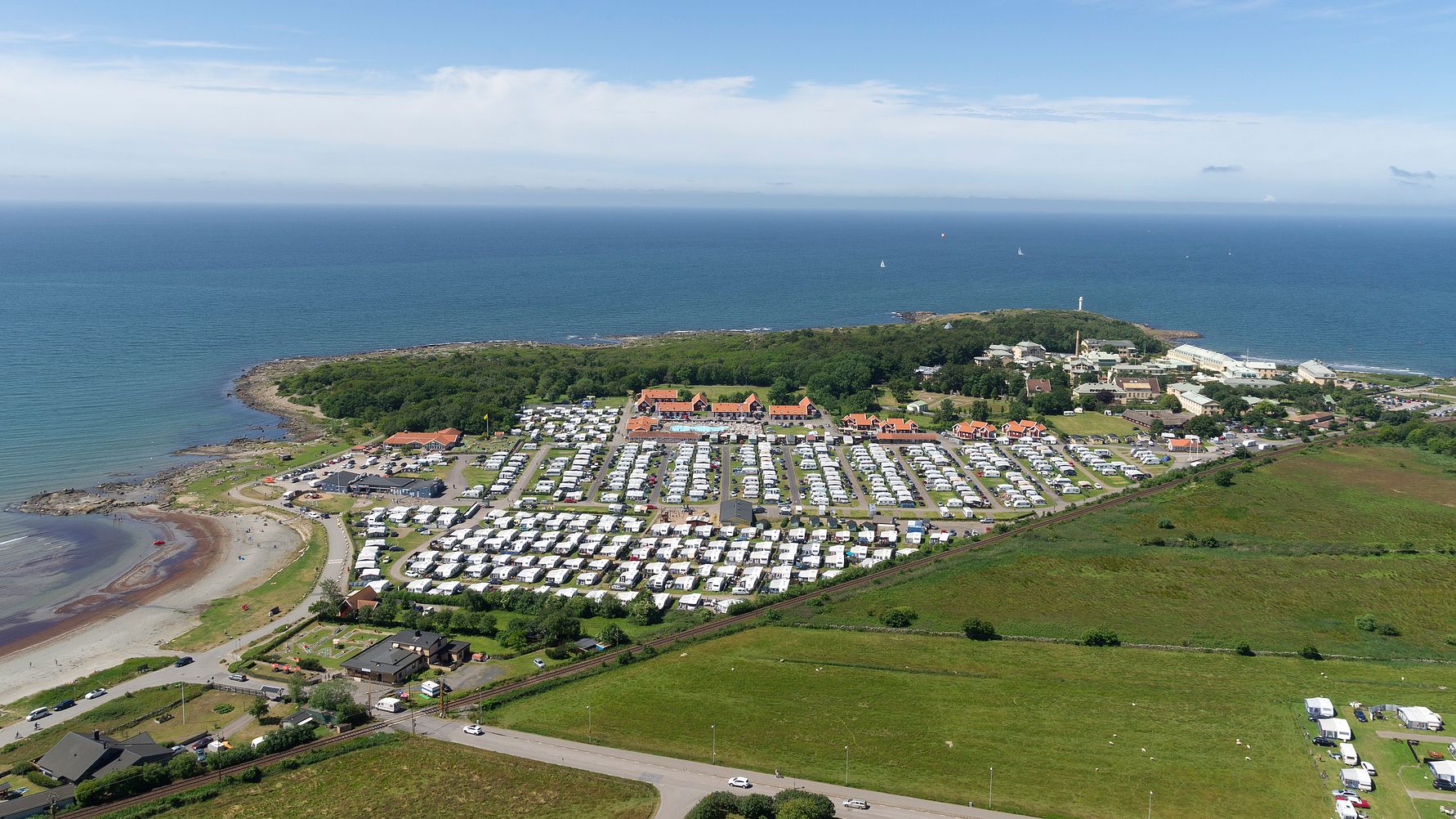
Beyond medieval architecture, Visby Gotland Sweden offers excellent beaches. Norderstrand, just north of the town wall, provides sandy shores perfect for summer swimming. The limestone cliffs and coastal landscapes around Visby showcase the island’s distinctive geology. For golf enthusiasts, the Visby golf club offers scenic courses near the coast.
Insider Tips for Exploring Visby
- Walk the entire wall circuit: Allocate 2-3 hours to walk along or beside the complete town wall for the best medieval atmosphere.
- Visit ruins at different times: Church ruins look different at dawn, midday, and dusk—each offering unique photo opportunities.
- Book accommodations early: Hotels fill quickly during Medieval Week (August) and summer months; consider booking 3-6 months ahead.
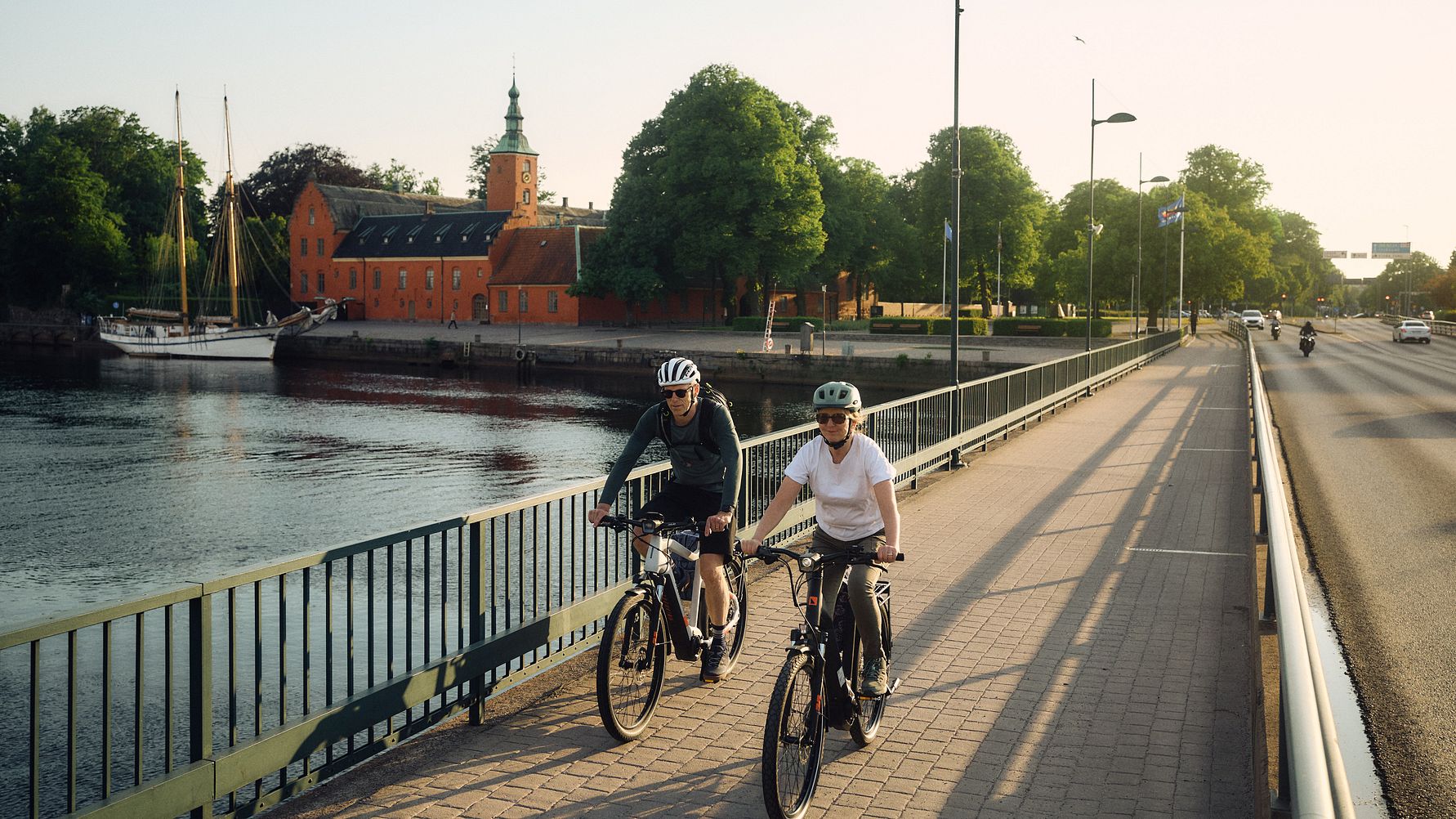
- Rent a bike: The compact city and flat terrain make cycling ideal for exploring both Visby and nearby coastal areas.
- Check event calendars: Visby hosts numerous cultural events throughout the year beyond the main festivals.
Getting to Visby: Practical Travel Information
Planning your journey to Visby Sweden requires understanding the available transportation options. As an island destination, all routes involve either ferry or air travel.
Flights to Visby
Visby Airport (VBY) receives regular flights from Stockholm Arlanda, Stockholm Bromma, and Gothenburg. Flight time from Stockholm is approximately 40 minutes. Visit Sweden reports increased flight frequency during summer months (June-August) when tourism peaks. Book flights 2-3 months in advance for better prices, typically ranging from 800-2,000 SEK round-trip depending on season.
Ferry Connections
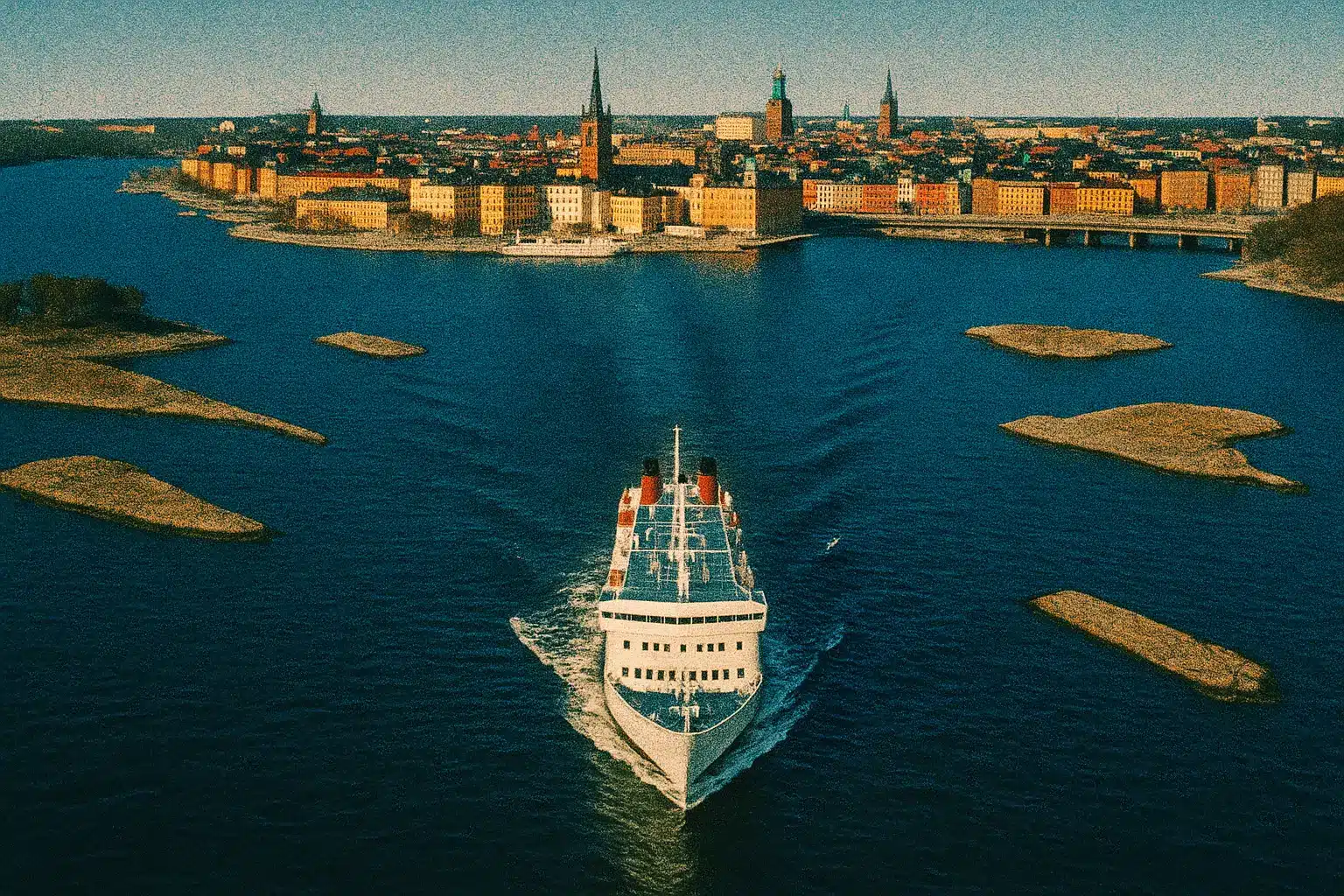
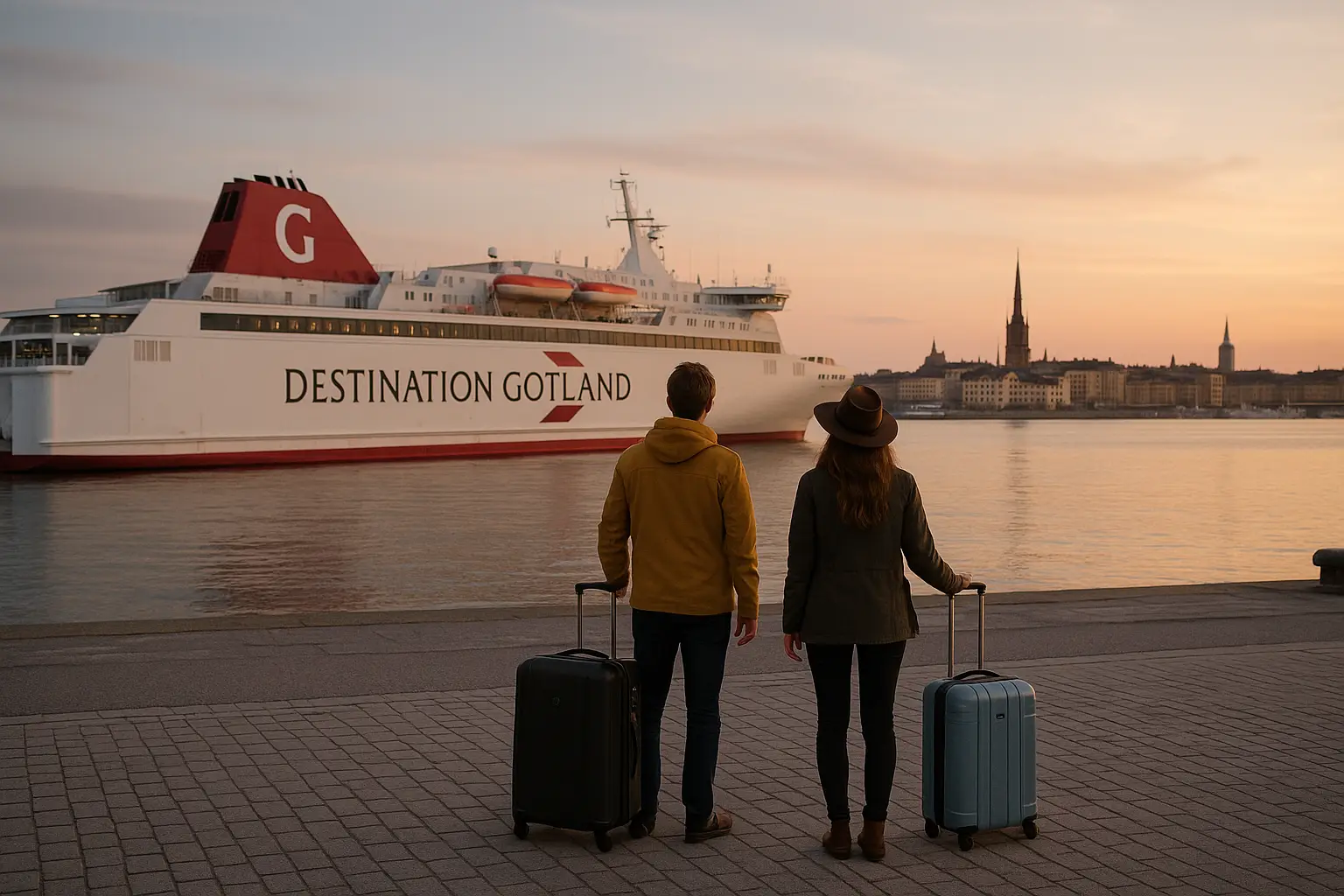
Destination Gotland operates ferries from Nynäshamn (south of Stockholm) and Oskarshamn on the mainland. The Nynäshamn route takes approximately 3 hours and 15 minutes, while Oskarshamn takes about 3 hours. Ferries accommodate vehicles, making this the preferred option for travelers planning to explore the entire island. For detailed route information, see our guide on traveling from Visby to Stockholm.
Car Rental Options
Renting a car provides flexibility to explore Gotland beyond Visby. Major rental companies operate at Visby Airport and the ferry terminal. Visby car rental rates typically start around 400-600 SEK per day for a compact vehicle. However, the medieval city center is best explored on foot, so consider whether you need a vehicle for your entire stay.
Accommodation in Visby
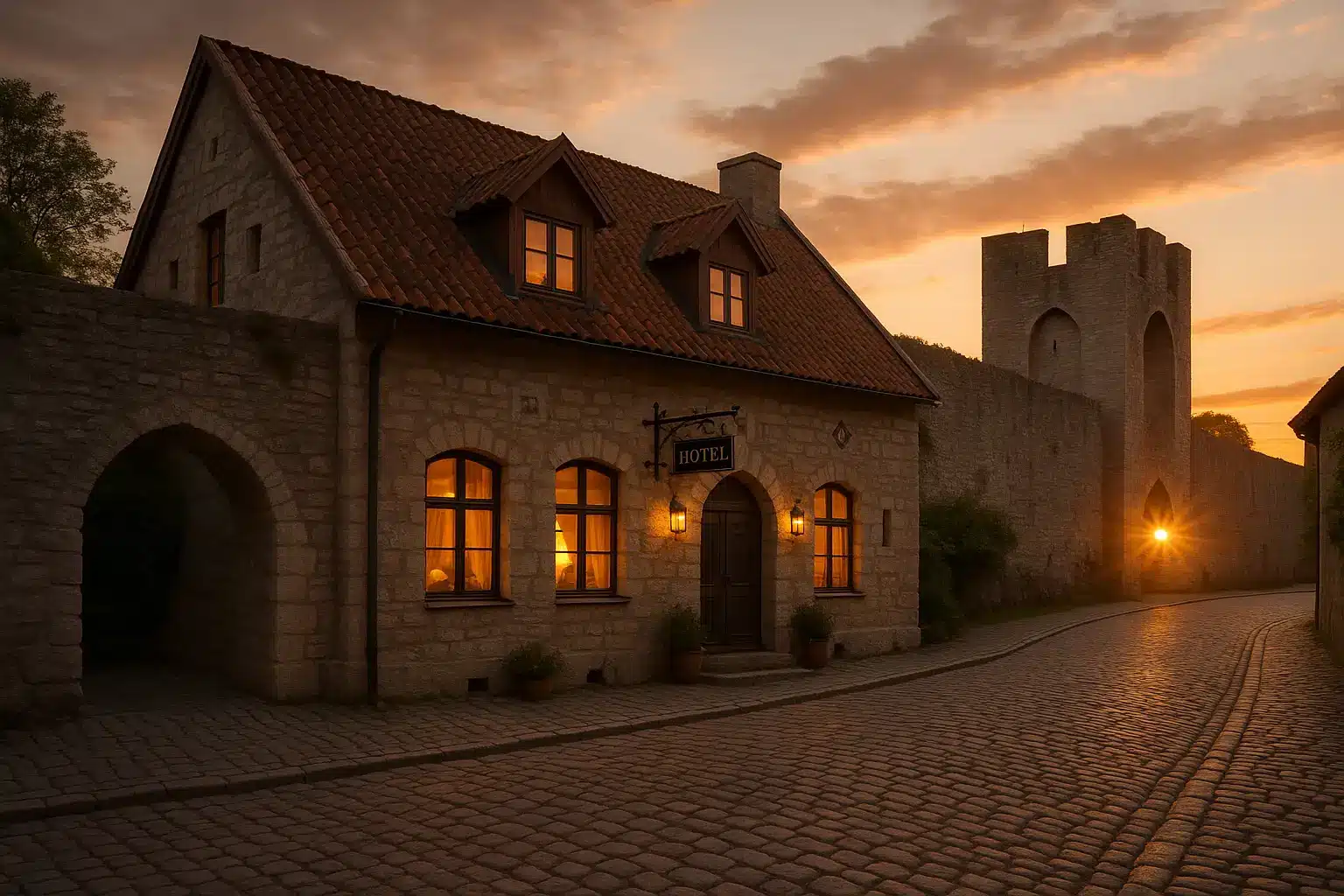
Hotels in Visby range from historic properties within the town walls to modern facilities near the harbor. Expect to pay 1,200-2,500 SEK per night for mid-range hotels during peak season, with budget options starting around 800 SEK. Many visitors also choose vacation rentals in medieval buildings, offering authentic atmosphere. According to TripAdvisor, booking 2-3 months ahead ensures the best selection and prices.
Events and Festivals in Visby 2025
Visby’s event calendar brings medieval history to life through festivals and cultural programming. Two major events define the city’s annual rhythm.
Medieval Week (Medeltidsveckan)
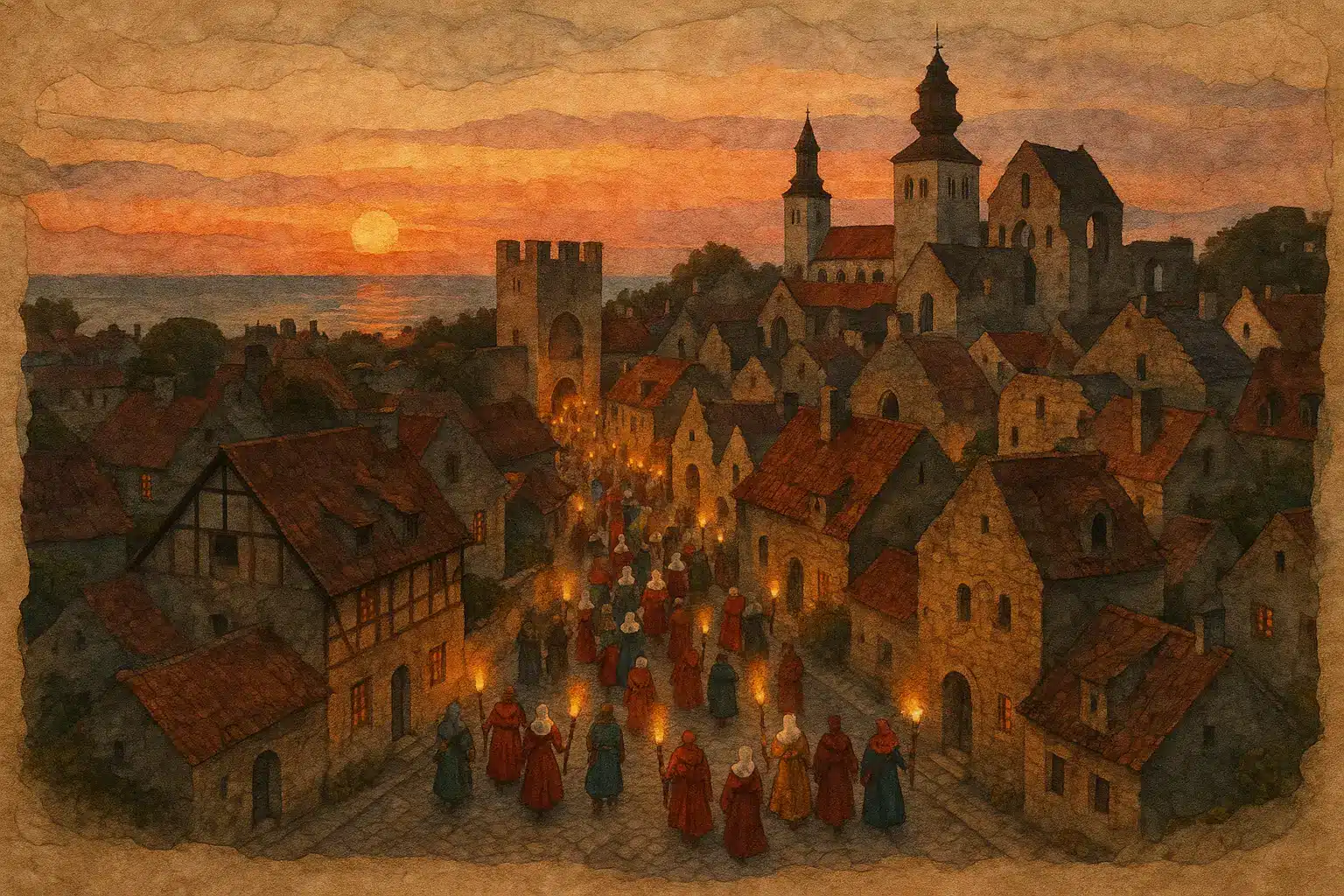
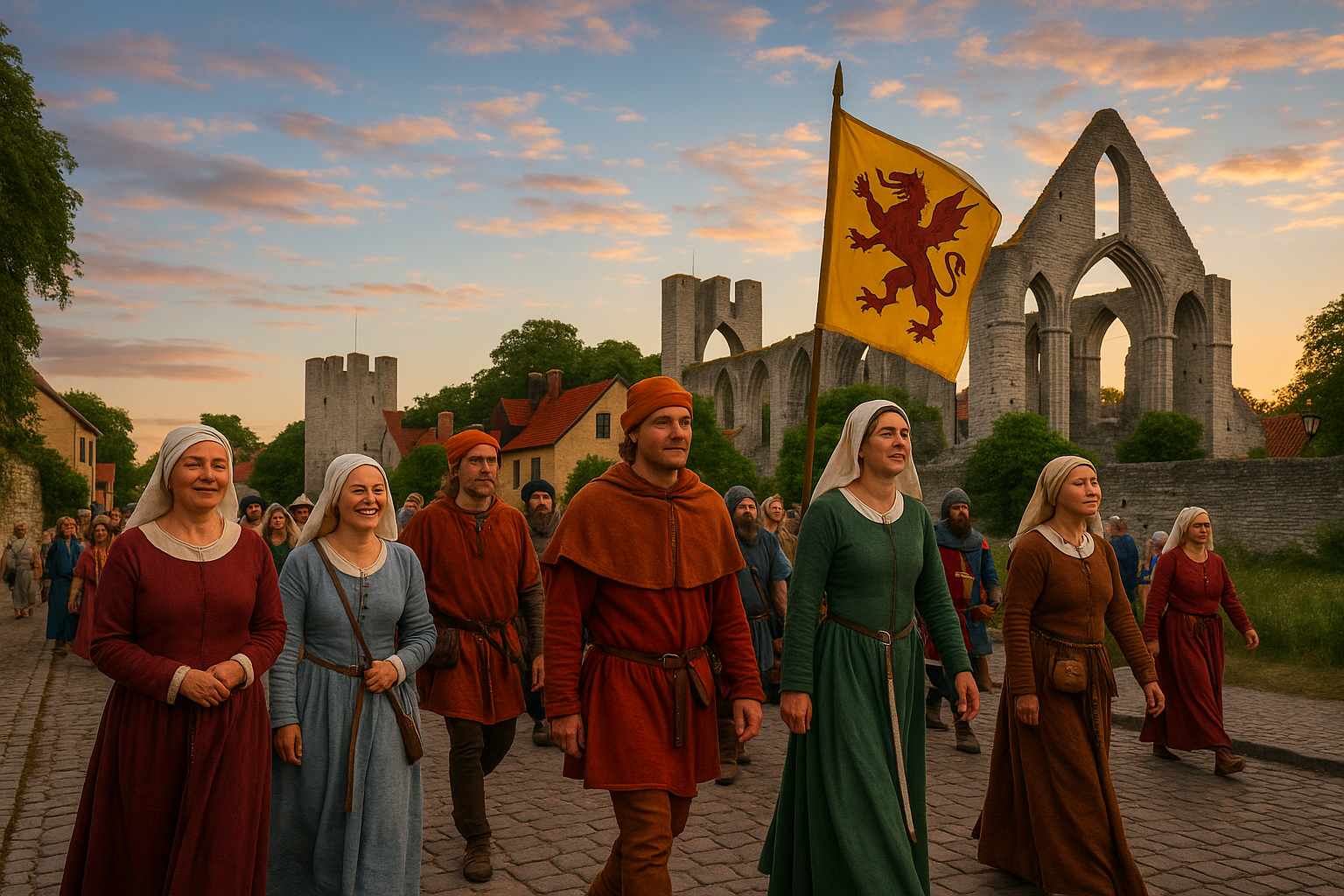
Held annually in early August, Visby medieval festival 2025 transforms the entire city into a living history experience. Approximately 40,000 visitors attend this week-long celebration featuring jousting tournaments, medieval markets, historical reenactments, music, and workshops. Participants dress in period costumes, creating an immersive atmosphere within the authentic medieval setting. For complete festival details, consult our dedicated Visby Medieval Festival 2025 guide.
Visbydagarna 2025
Scheduled for autumn 2025, Visbydagarna offers guided walks, shopping events, and cultural activities throughout the UNESCO World Heritage area. This event focuses on local culture and heritage, attracting both residents and visitors interested in deeper exploration of Visby’s history beyond the summer tourist season.
Almedalen Week
Sweden’s renowned political forum takes place in Visby each July, when politicians, journalists, and organizations gather for debates and presentations. While primarily focused on Swedish politics, the event energizes the city with thousands of participants and creates a unique atmosphere in Almedalen Park.
Planning Your Visby Visit
Best Time to Visit Visby
Summer (June-August) offers the warmest weather, longest daylight hours, and most events, but also brings the highest prices and largest crowds. With approximately 1.2 million tourists visiting Gotland annually according to tourism statistics, the majority concentrate in these summer months.
Spring (May) and early autumn (September) provide excellent alternatives with milder weather, fewer tourists, and lower accommodation costs. The medieval architecture and ruins maintain their atmospheric appeal year-round. Winter visits offer a completely different experience with minimal tourists, though many facilities operate on reduced schedules.
Budget Considerations
A moderate daily budget for Visby typically includes:
- Accommodation: 1,200-2,000 SEK per night (mid-range hotel)
- Meals: 400-800 SEK per day (mix of restaurants and cafes)
- Attractions: 100-300 SEK (most outdoor sites are free)
- Transportation: Ferry or flight costs plus minimal local transport
Budget travelers can reduce costs significantly by staying in hostels, preparing some meals, and visiting during shoulder seasons. Luxury travelers will find boutique hotels and fine dining within the medieval setting.
How Long to Stay
The compact medieval center can be explored in 4-6 hours for a quick visit, but 2-3 days allows proper appreciation of museums, ruins, and the relaxed island atmosphere. A full week enables exploration of the entire Gotland island, including beaches, nature reserves, and smaller villages.
Frequently Asked Questions About Visby
What is Visby known for?
Visby is famous as one of Europe’s best-preserved medieval cities, designated a UNESCO World Heritage Site in 1995. The city is known for its 3.4 km town wall with 44 towers, numerous atmospheric church ruins, and its history as a major trading center in the Hanseatic League. The Battle of Visby in 1361 and the annual Medieval Week festival also contribute to its international recognition.
How do you get to Visby from Stockholm?
From Stockholm, you can reach Visby by flight (40 minutes from Arlanda or Bromma airports) or by combining bus/train to Nynäshamn followed by a 3-hour-15-minute ferry crossing. Flights offer speed and convenience, while ferries accommodate vehicles and provide a scenic Baltic Sea journey. Both options run year-round with increased frequency in summer months.
What are the must-see attractions in Visby?
Essential Visby attractions include the complete medieval town wall, St. Mary’s Cathedral (the only functioning medieval church), the atmospheric ruins of St. Nicolai and other churches, the Gotland Museum with Battle of Visby artifacts, and the Botanical Garden. Walking the cobblestone streets within the walls and visiting Norderstrand beach round out the core experiences. Most major sites are within walking distance of each other.
When is the best time to visit Visby?
The best time depends on your priorities. Summer (June-August) offers warm weather, long days, and major events like Medieval Week but brings crowds and higher prices. May and September provide pleasant weather with fewer tourists and better accommodation rates. Medieval Week in early August is ideal for history enthusiasts despite being the busiest period. Winter visits offer solitude and atmospheric medieval scenery but limited services.
Are there events happening in Visby in 2025?
Yes, Visby hosts several major events in 2025. Medieval Week (Medeltidsveckan) takes place in early August, transforming the city into a living medieval festival with jousting, markets, and reenactments. Visbydagarna is scheduled for autumn 2025, featuring guided tours and cultural activities throughout the UNESCO World Heritage area. Almedalen Week, Sweden’s political forum, occurs in July. Check official tourism sites for specific dates as they approach.
Do you need a car in Visby?
A car is not necessary for exploring Visby’s medieval center, which is compact and best experienced on foot or bicycle. However, renting a car becomes valuable if you plan to explore the wider Gotland island, including remote beaches, nature reserves, and smaller villages. Many visitors arrive by ferry with their own vehicle or rent one at the airport specifically for island exploration beyond the city.