Discover Visby’s Medieval Heritage and UNESCO Treasures
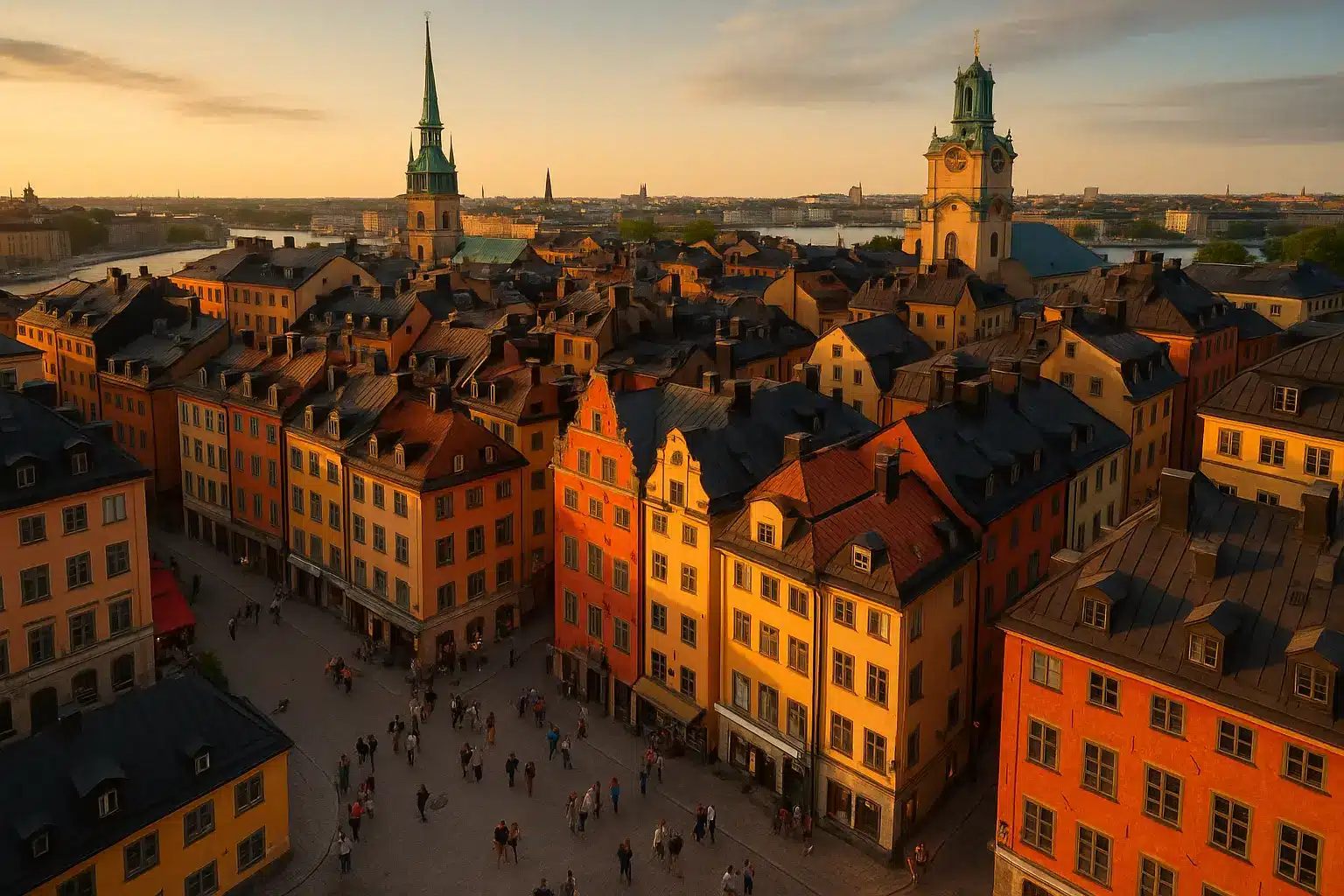
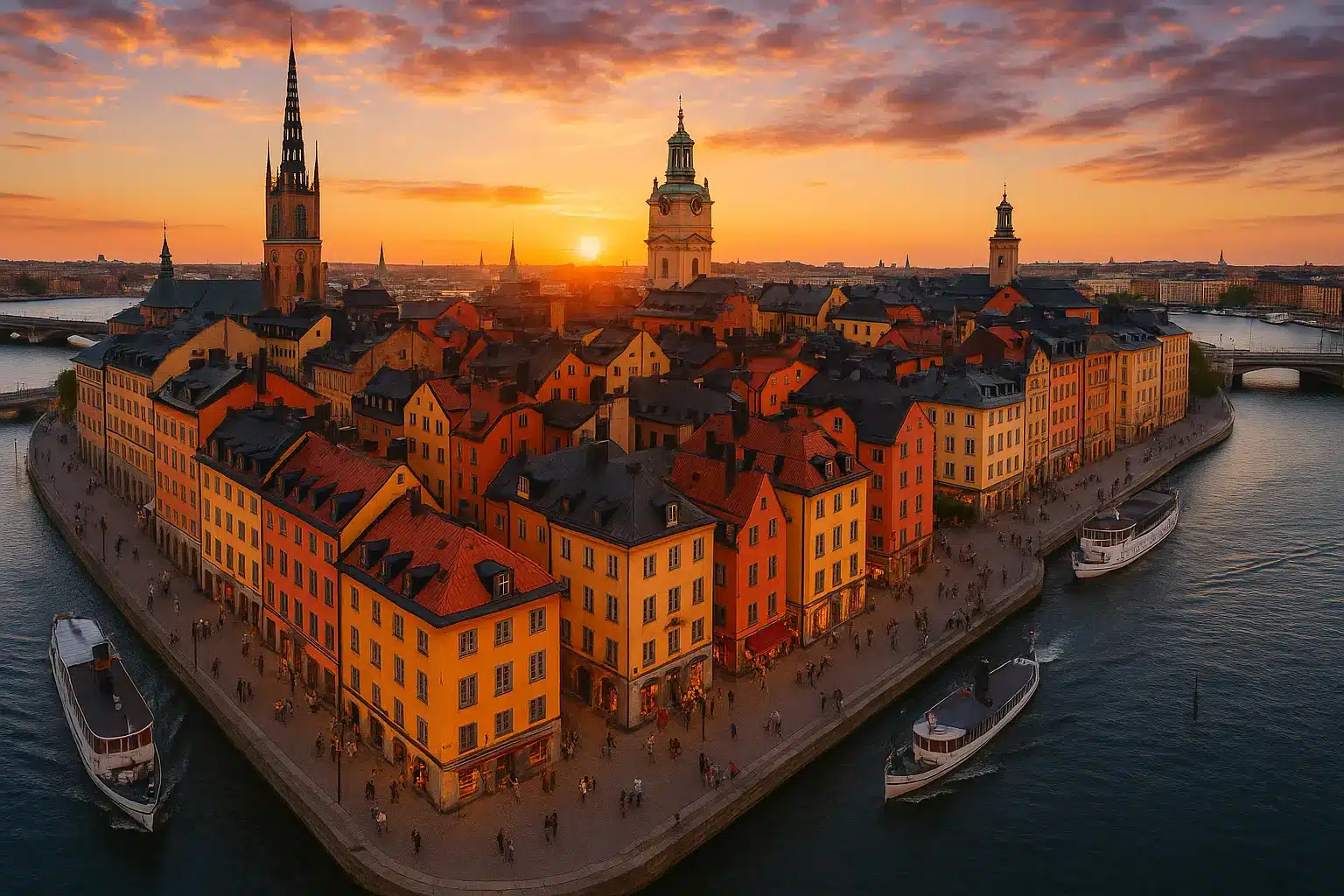
Visby attractions blend centuries of history with coastal beauty on Sweden’s Baltic island of Gotland. This UNESCO World Heritage site since 1995 offers visitors remarkably preserved medieval ruins, ancient city walls, and vibrant cultural events that transport you back to the Hanseatic era. Whether you’re exploring the 3.4 km long medieval city wall or wandering through atmospheric church ruins, Visby provides an authentic glimpse into Scandinavia’s best-preserved medieval trading town.
The city’s status as the former capital of the Hanseatic League (a powerful medieval trading confederation of merchant guilds) means every cobblestone street tells a story. From the iconic St. Mary’s Cathedral to the haunting beauty of ruined churches scattered throughout the town, Visby attractions offer something for history enthusiasts, families, and casual travelers alike.
Top Historical Highlights in Visby
The Medieval City Wall and Defensive Towers
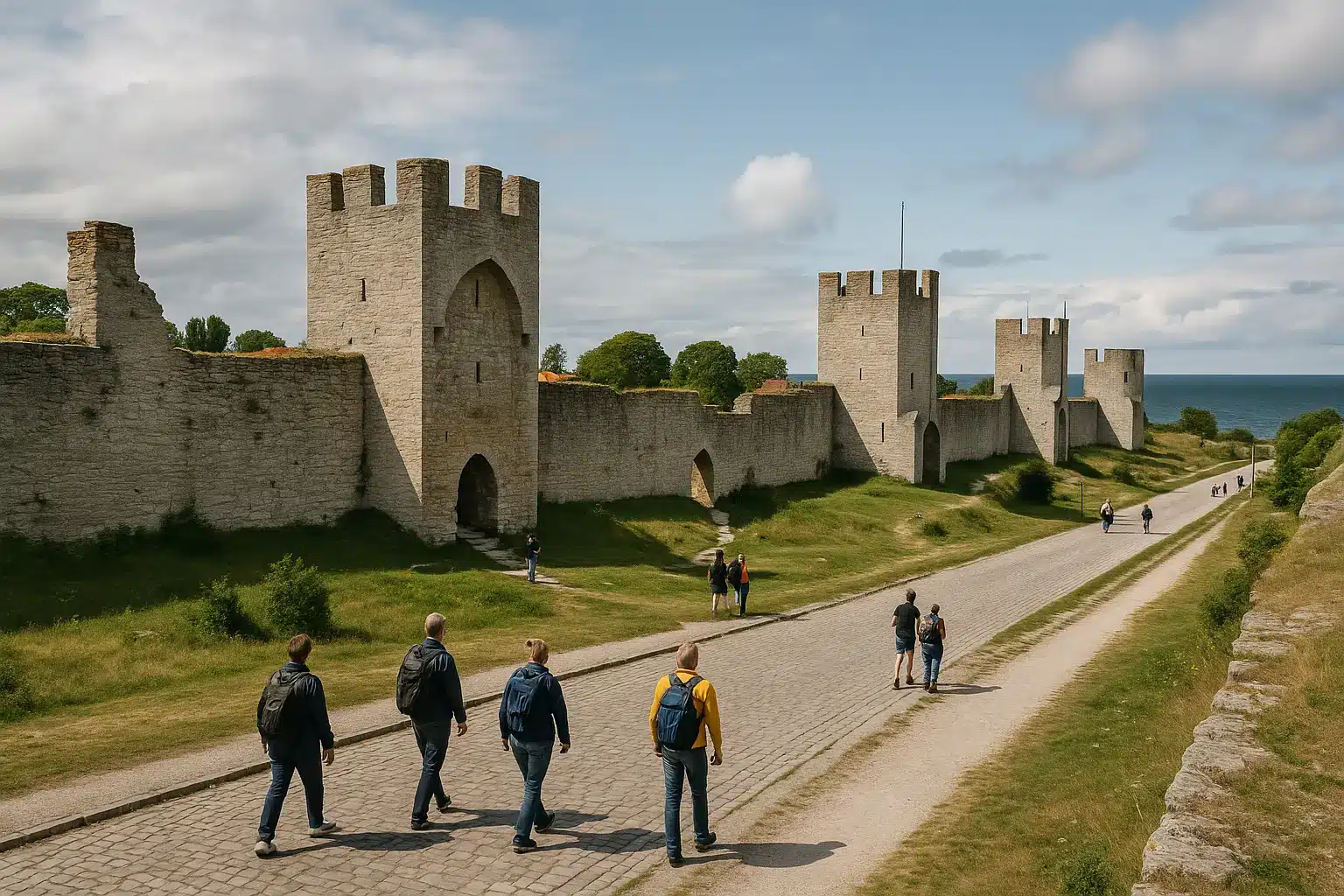
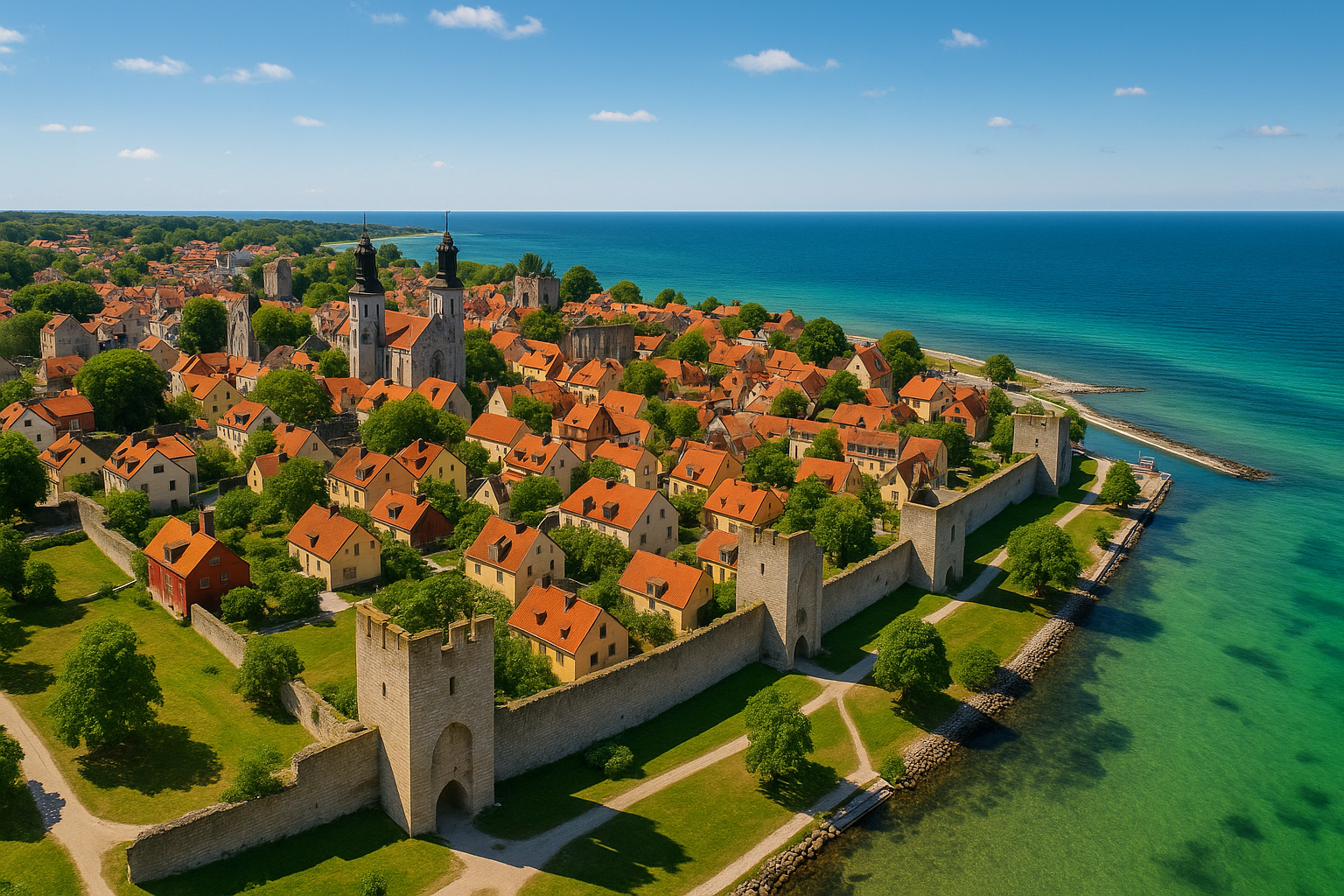
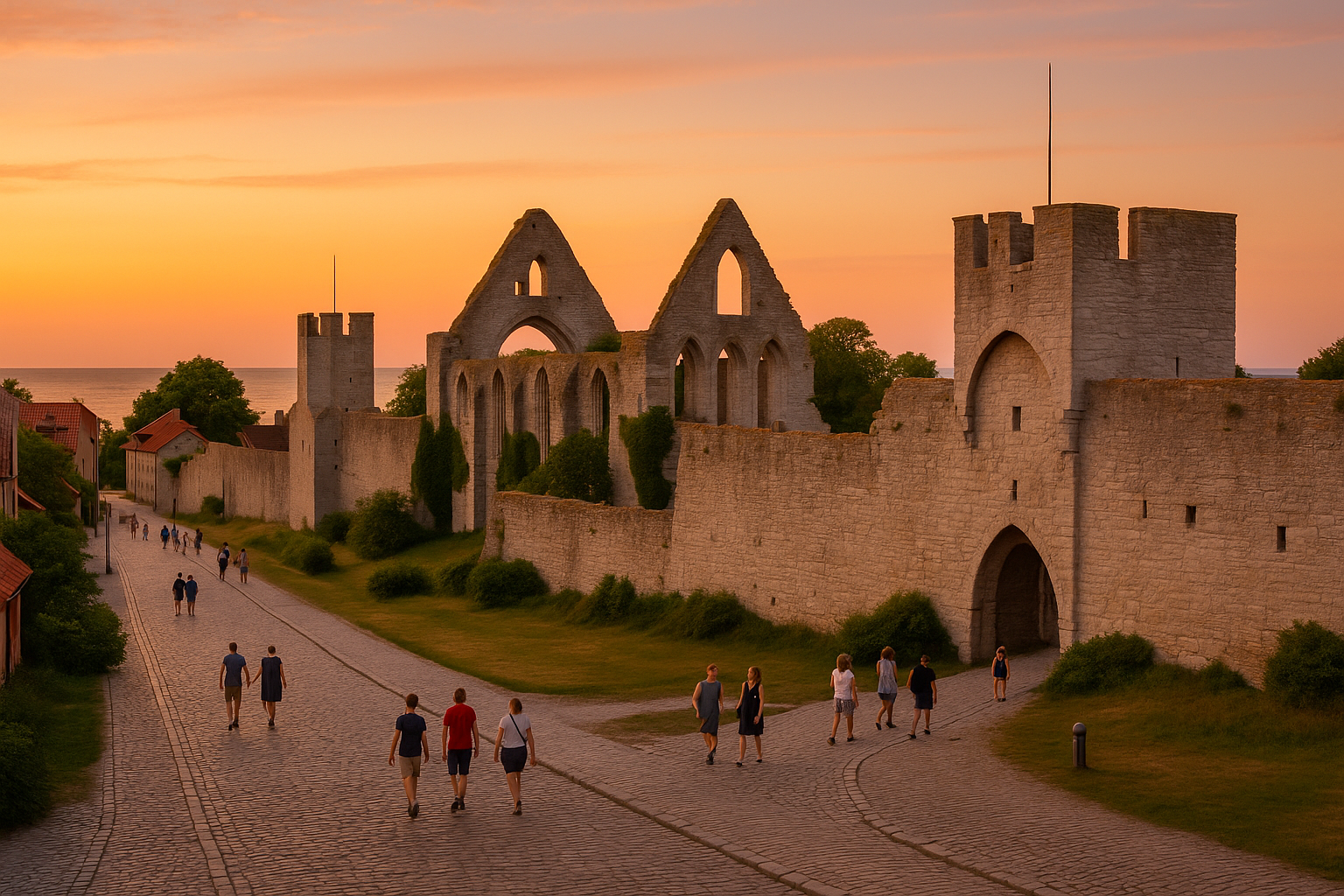
The Visby city wall stands as one of Northern Europe’s most complete medieval fortifications. Constructed between the 13th and 14th centuries, this impressive 3.4 km structure features 44 towers and served as protection for the prosperous Hanseatic merchants within. Walking along the wall provides panoramic views of both the town’s red-roofed houses and the Baltic Sea beyond. The Powder Tower (Kruttornet) is particularly noteworthy, offering visitors a glimpse into medieval defensive architecture.
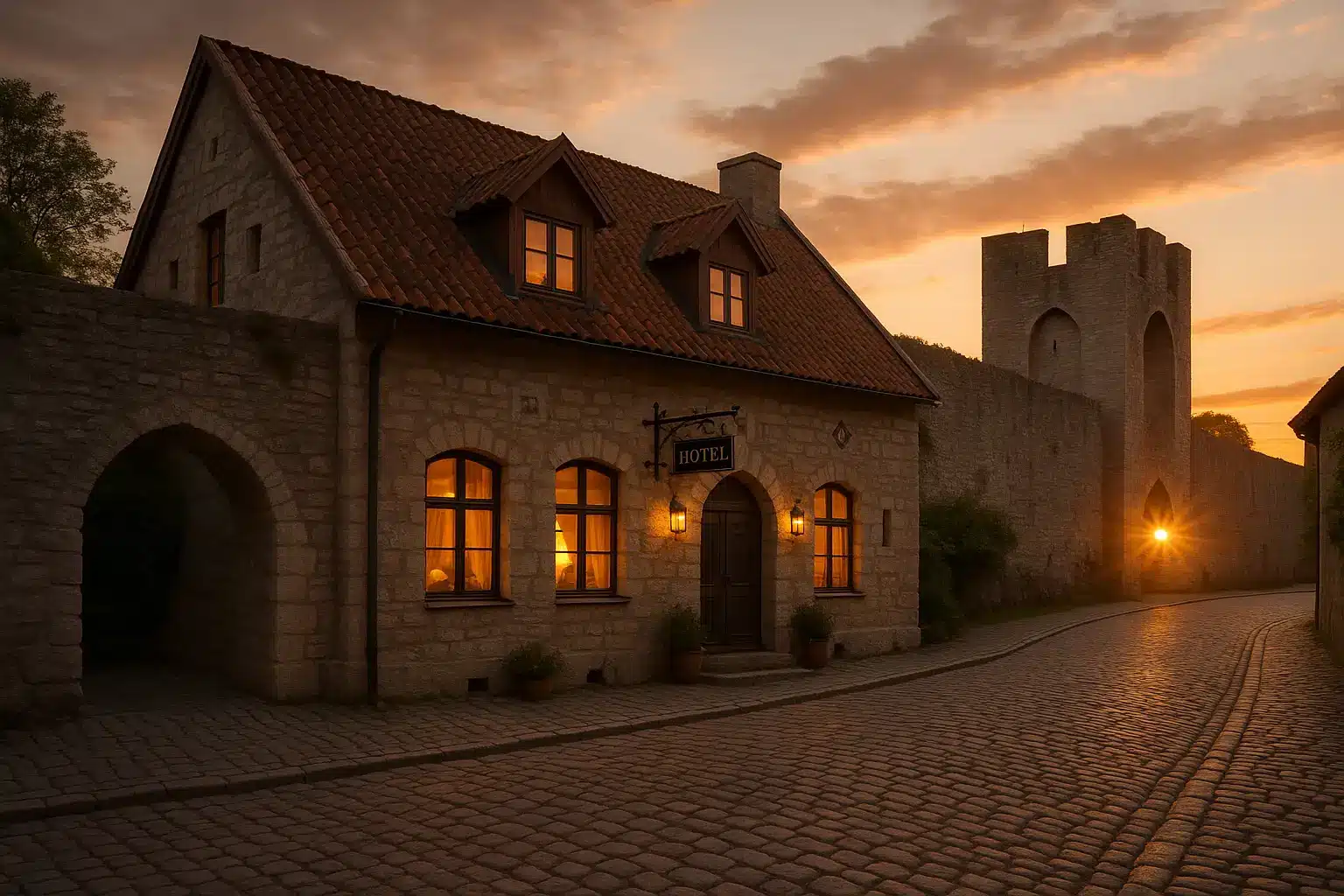
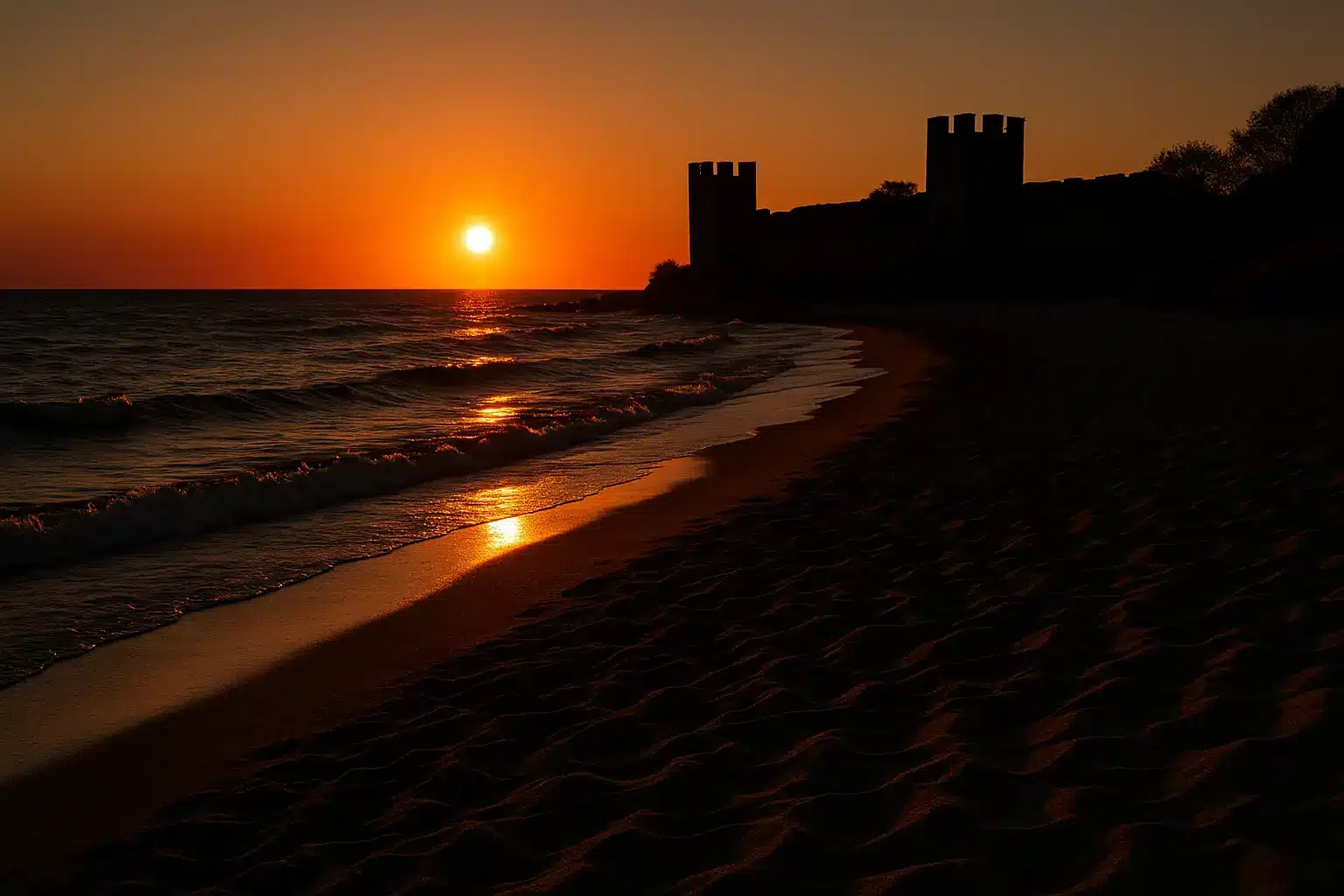
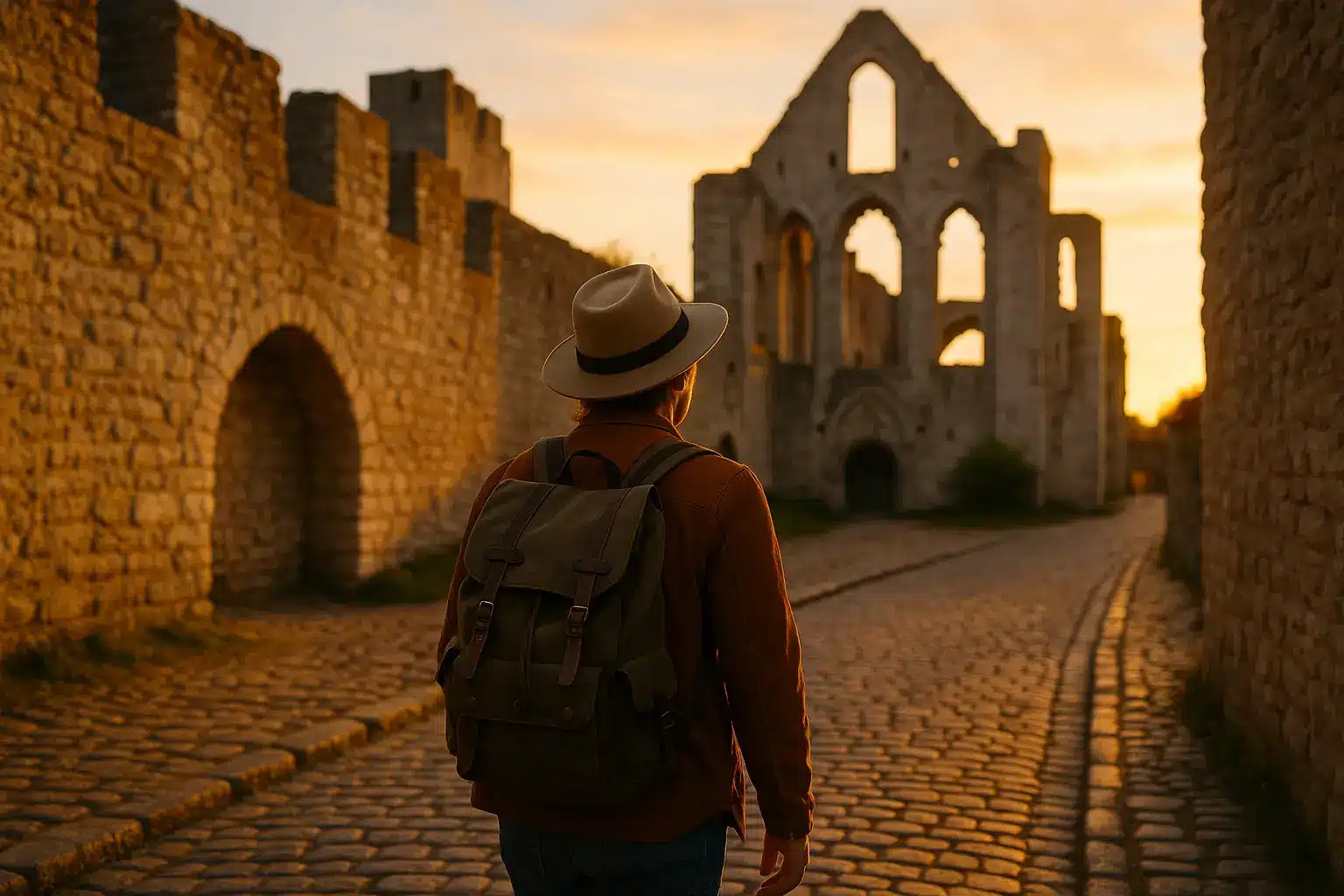
Several gates punctuate the wall, with the North Gate (Norderport) being one of the most photographed spots in the city. According to TripAdvisor reviews, the best time to explore the walls is during early morning or sunset when the lighting creates dramatic photographic opportunities and crowds are thinner.
Church Ruins and Medieval Architecture
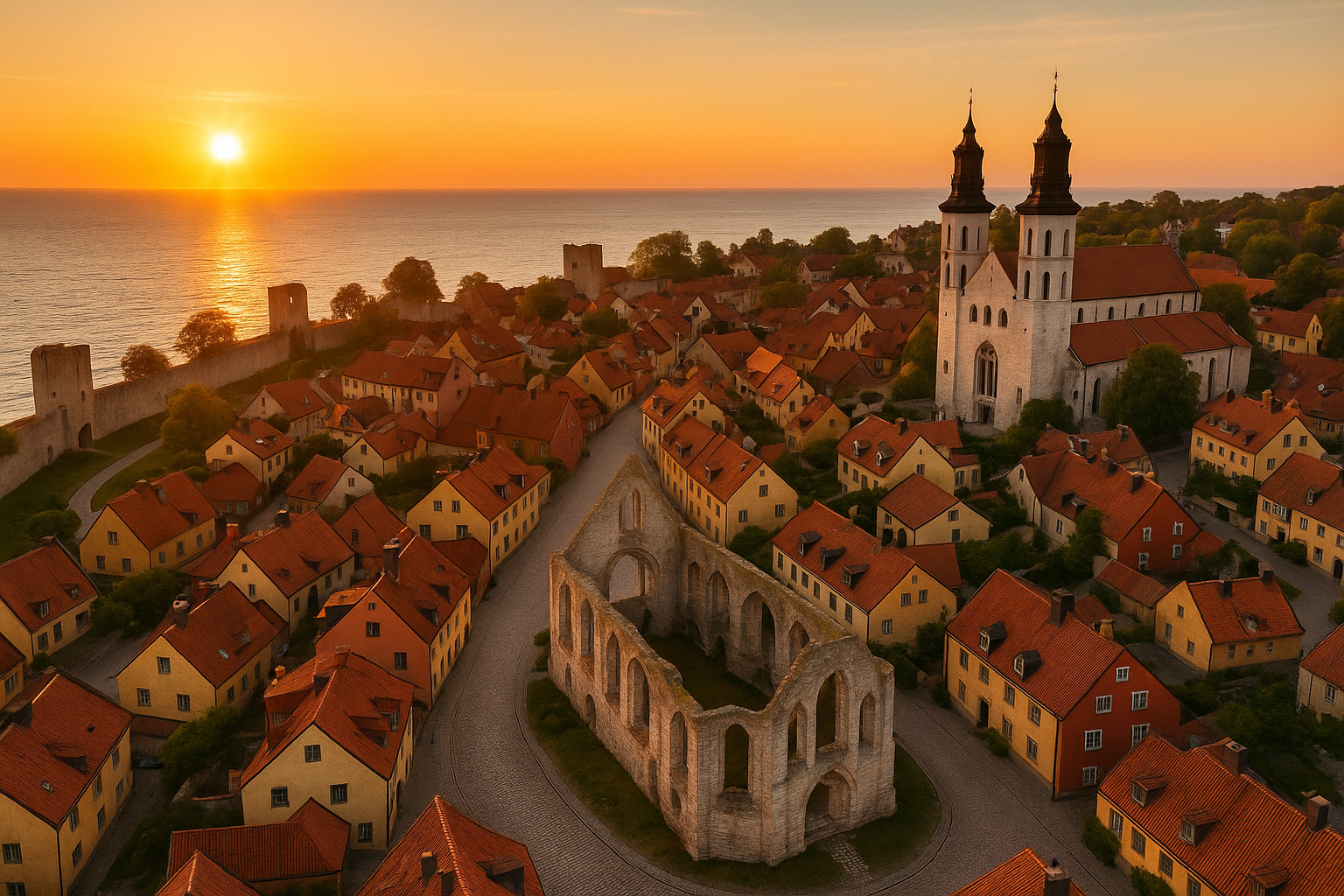
Visby’s skyline is punctuated by 13 medieval church ruins that stand as hauntingly beautiful testaments to the city’s former wealth. These churches were abandoned after the Reformation in the 16th century but remain remarkably intact. St. Nicolai ruin hosts outdoor concerts during summer months, while St. Karin’s ruins provide a romantic backdrop for wedding ceremonies and cultural events.
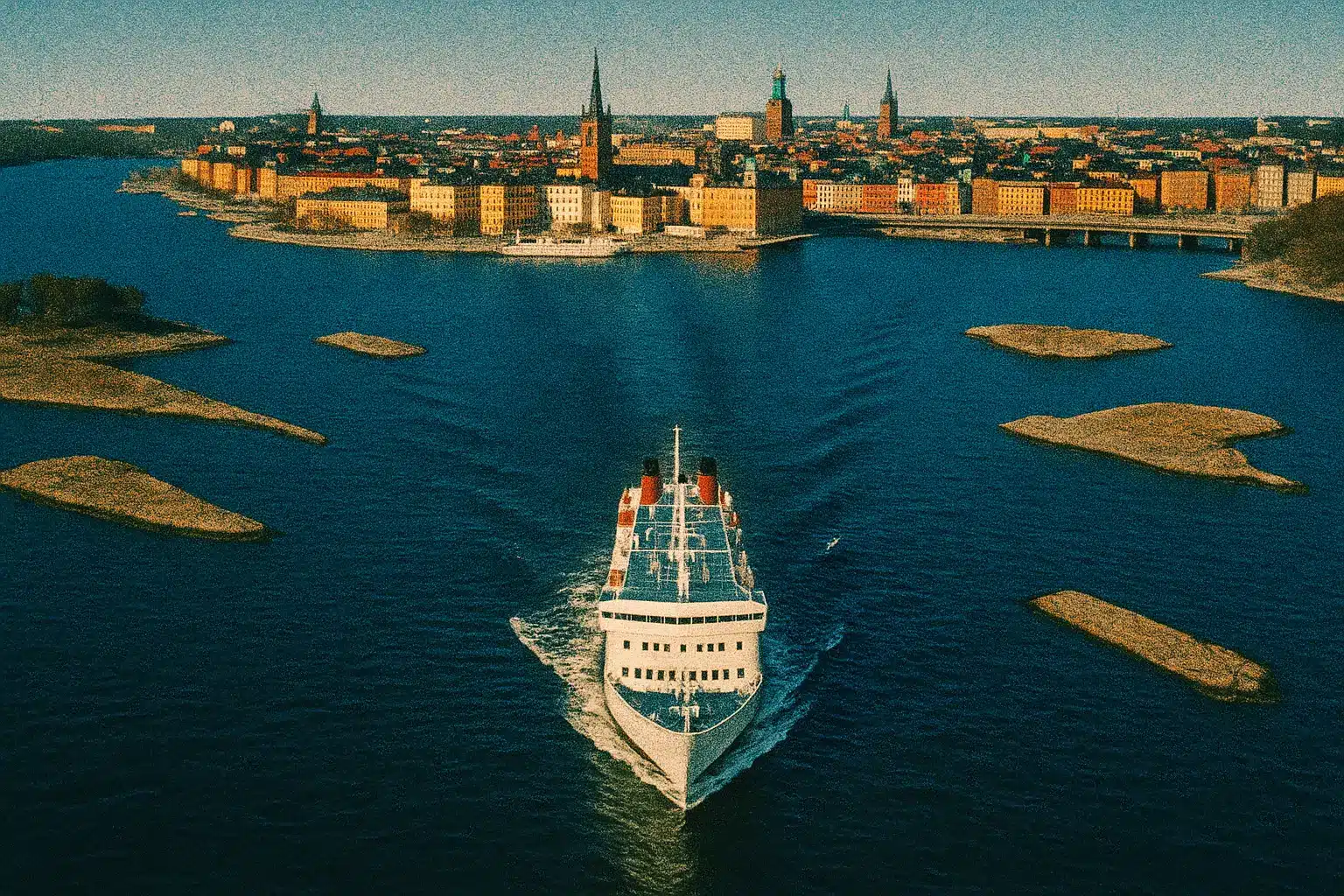
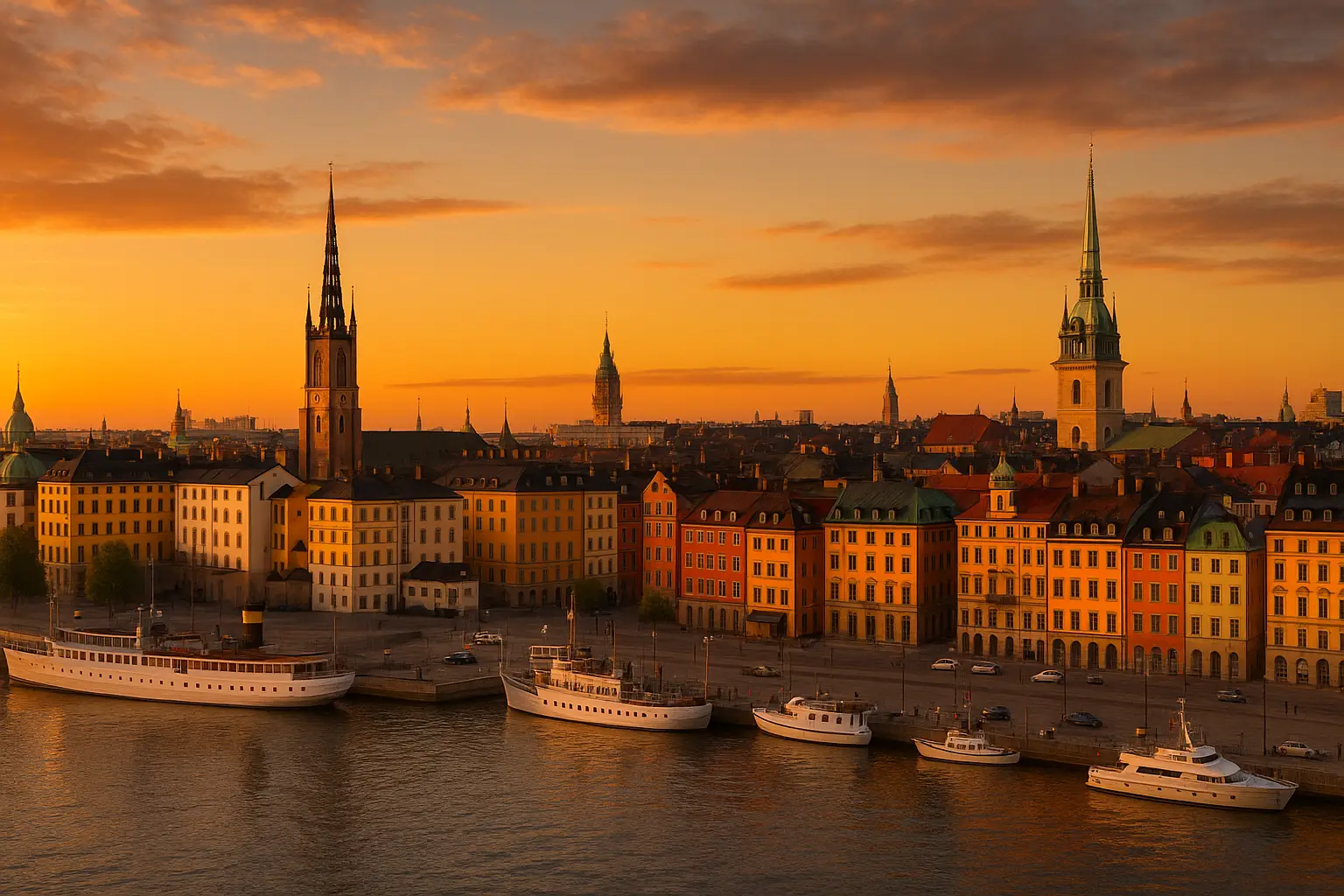
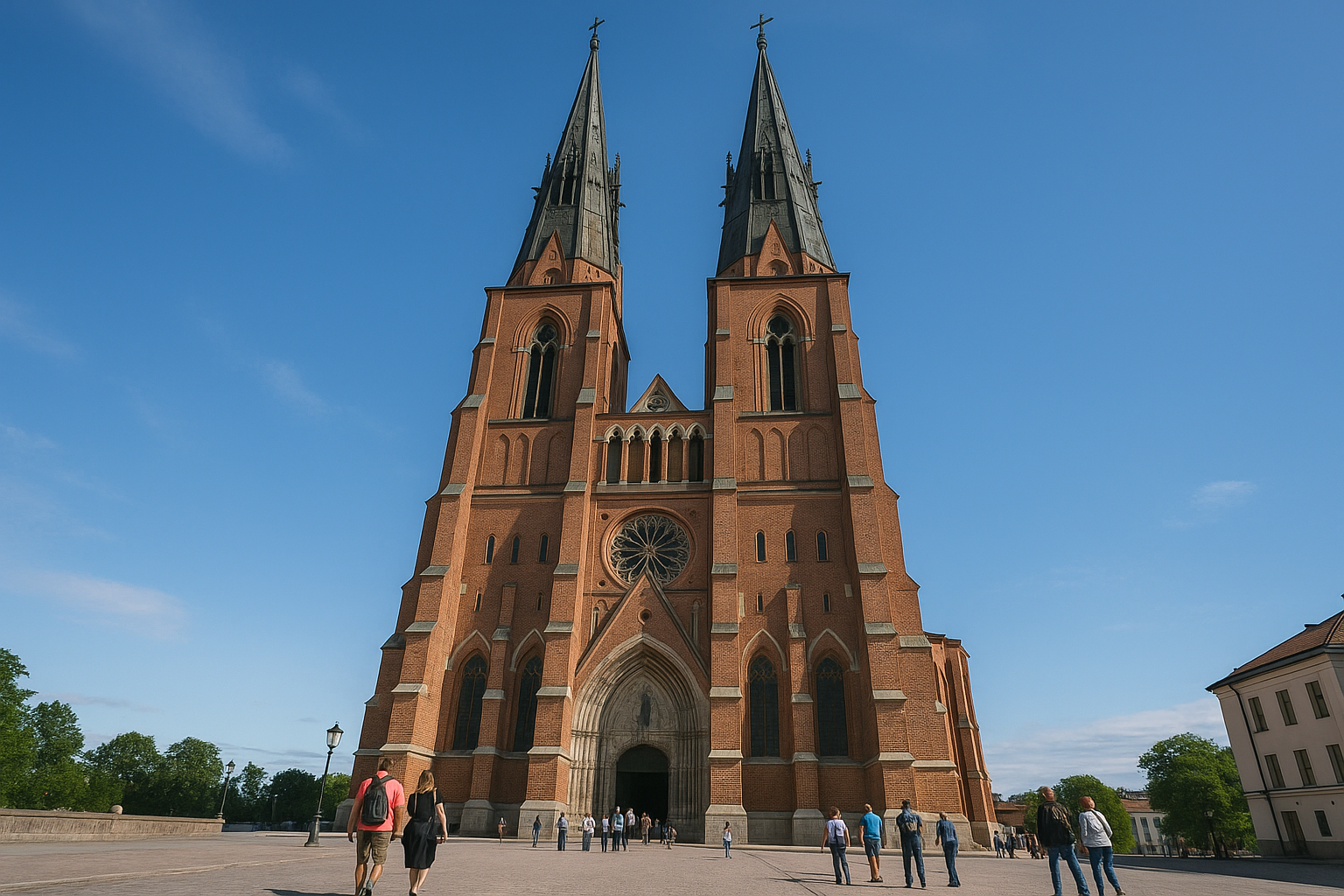
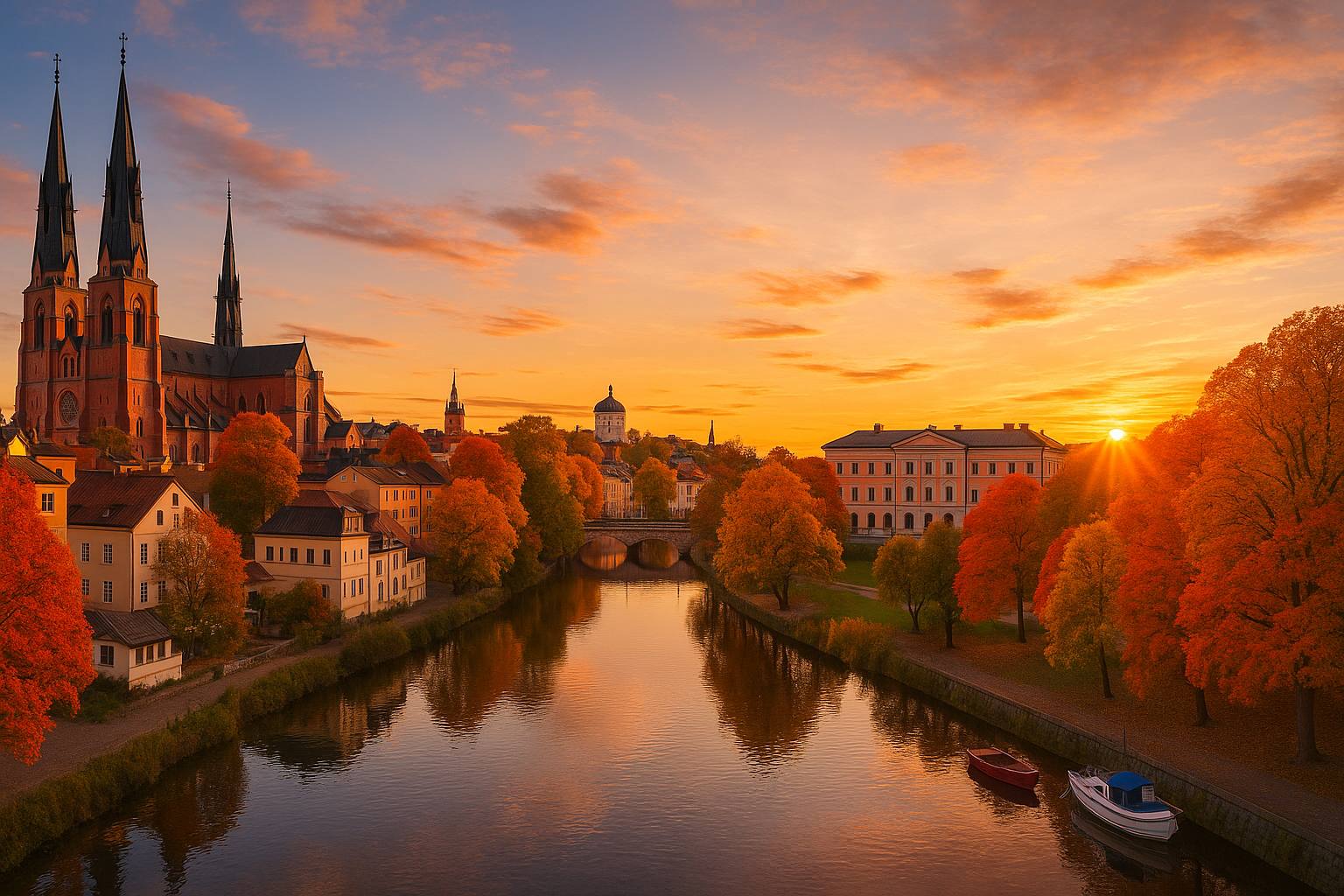
St. Mary’s Cathedral (Sankta Maria Domkyrka) is the only medieval church still in active use. Dating back to the 12th century, this Lutheran cathedral showcases a blend of Romanesque and Gothic architectural styles. Its twin towers serve as the town’s most recognizable landmark, visible from approaching ferries.
UNESCO World Heritage Recognition
Visby earned UNESCO World Heritage status in 1995 due to its exceptional preservation of a medieval Hanseatic town. The designation recognizes not just individual monuments but the entire urban fabric—cobblestone streets, merchant houses, and the harmonious relationship between built structures and natural landscape. Visit Sweden notes that this status helps protect the city’s character while promoting sustainable tourism development.
The UNESCO recognition places Visby alongside other world-renowned historical sites, ensuring strict preservation standards. Building regulations within the walls maintain historical authenticity, meaning modern amenities are carefully integrated to avoid disrupting the medieval atmosphere.
| Attraction | Type | Best For | Entry Fee |
|---|---|---|---|
| City Wall (Ringmuren) | Historical Monument | Walking tours, photography | Free |
| St. Mary’s Cathedral | Active Church | Architecture, worship | Free (donations welcome) |
| Gotlands Museum | Museum | History enthusiasts | 150 SEK adults |
| Botanical Gardens | Garden/Park | Families, nature lovers | Free |
| Church Ruins | Historical Ruins | Photography, events | Free |
Activities and Events for 2025 Visitors
Medieval Week Experience
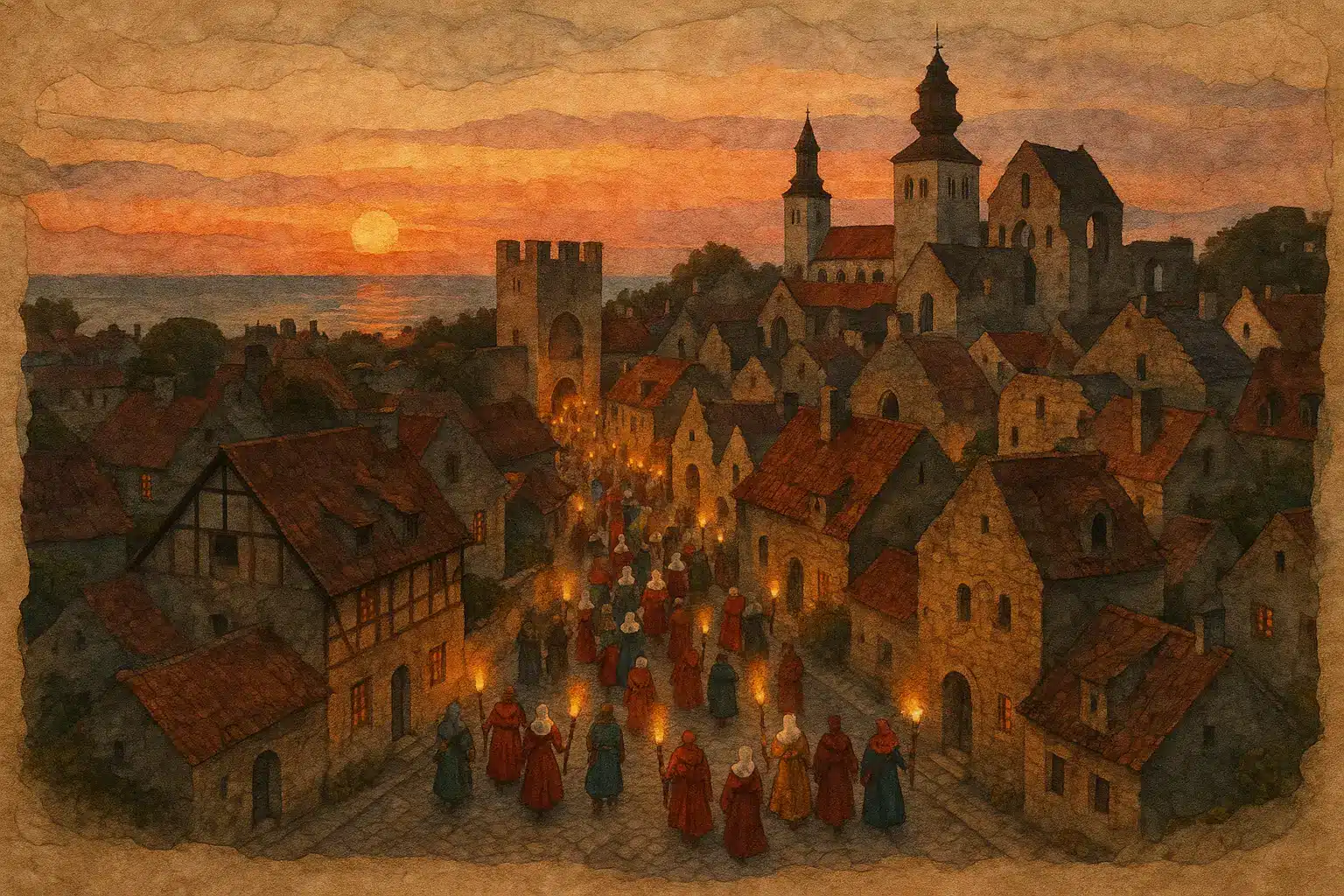
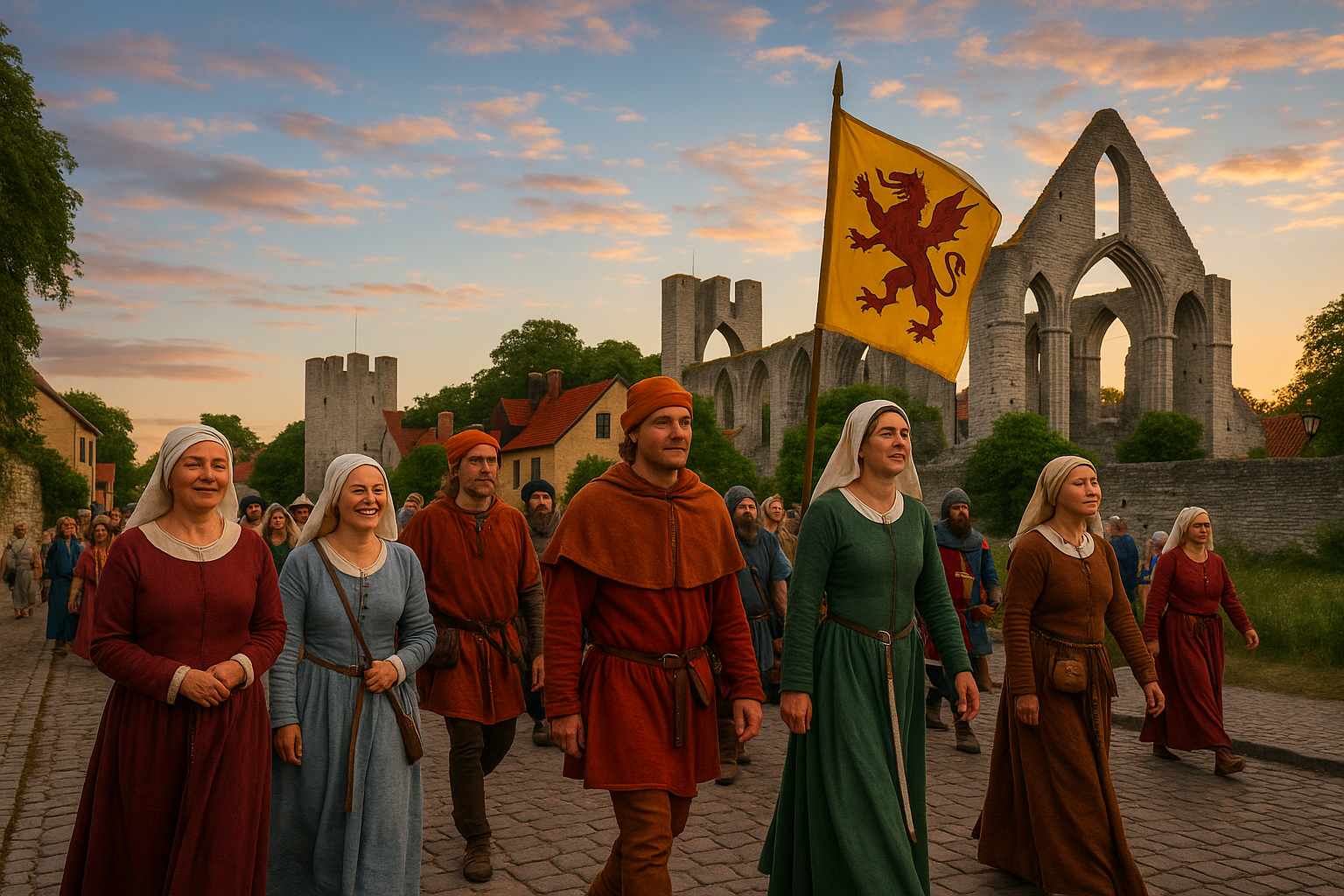
The annual Visby medieval week typically held in August transforms the entire town into a living history exhibition. Locals and visitors don medieval costumes, market stalls sell traditional crafts, and historical reenactments fill the streets. In 2025, the festival continues its tradition of jousting tournaments, archery demonstrations, and medieval music performances.
According to Gotland’s official tourism site, Visbydagarna (Visby Days) in October 2025 offers guided walks, workshops, and special shopping events within the World Heritage site. These themed weekends provide deeper insights into specific aspects of medieval life, from blacksmithing to medieval cooking demonstrations.
Coastal Beauty and Nature
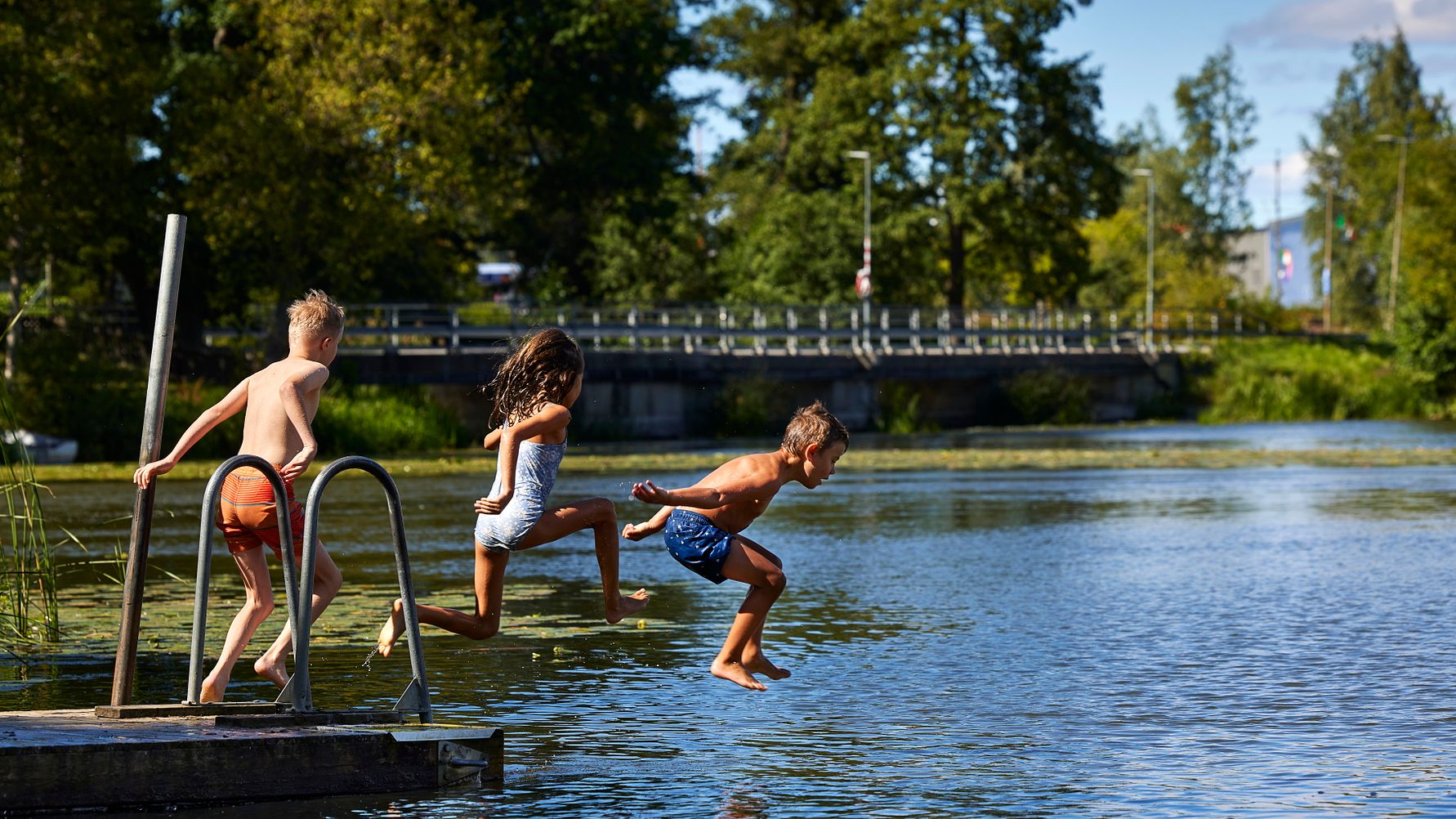
Beyond medieval stones, Visby’s coastal location offers access to several beaches within walking distance. Visby beach areas like Norderstrand provide sandy shores perfect for summer swimming and sunset viewing. The Botanical Garden (DBW’s Botanical Garden), established in 1855, showcases diverse plant species within atmospheric ruins.
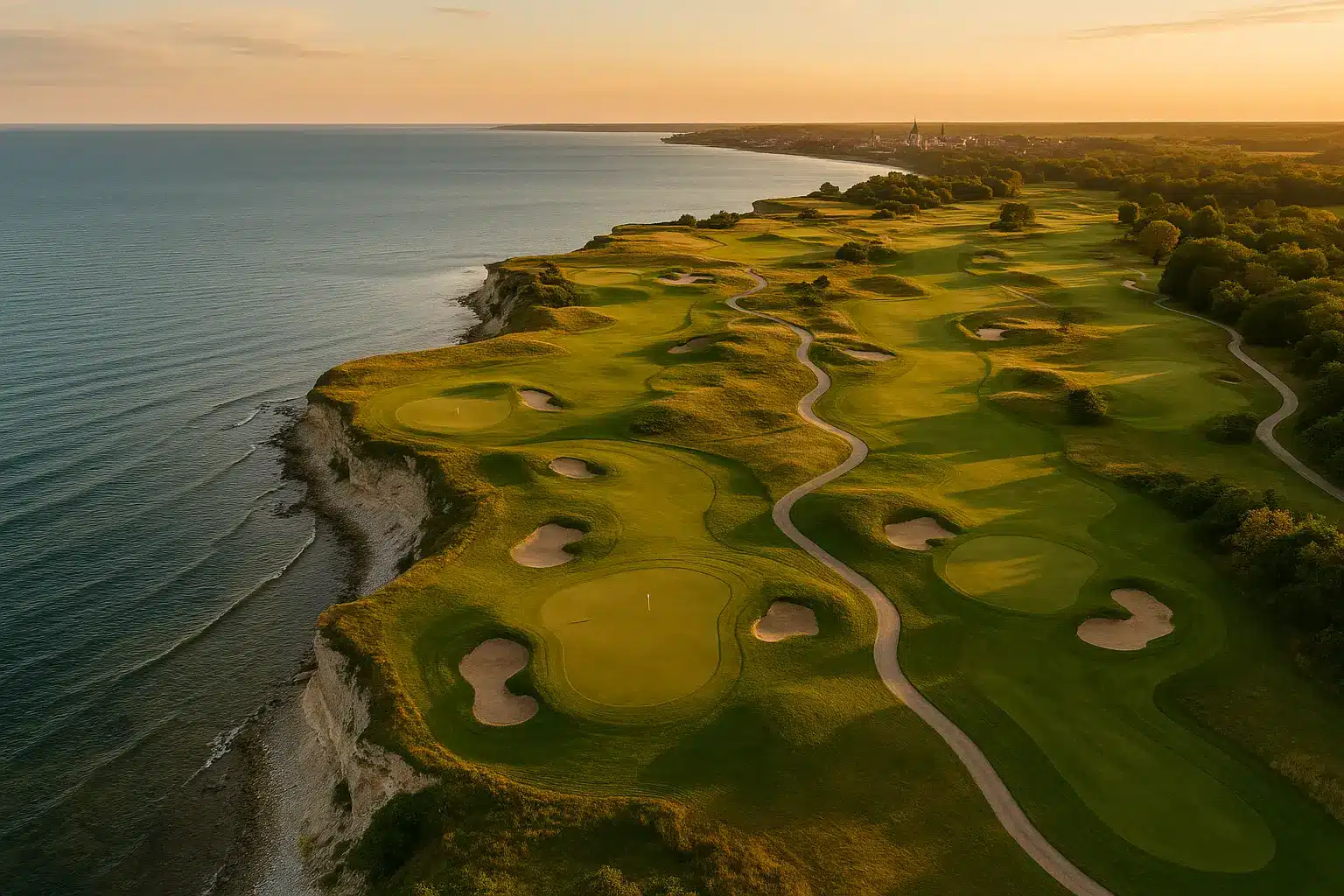
Gotland island excursions from Visby reveal limestone sea stacks (raukar), secluded beaches, and prehistoric sites. Many visitors rent bicycles or cars to explore the island’s diverse landscapes—from coastal cliffs to agricultural plains dotted with medieval churches.
Guided Tours and Walking Adventures
Professional guided tours bring Visby’s history to life through expert storytelling. Stromma offers various tour options including themed walks focusing on the Hanseatic period, ghost stories, or architectural highlights. Evening tours during summer twilight create particularly atmospheric experiences as shadows lengthen across ancient stones.
Self-guided walking routes are well-marked throughout the town. The tourist information center provides maps highlighting key attractions, recommended photo spots, and lesser-known gems like hidden courtyards and craft workshops tucked away in medieval buildings.
Insider Tips for Visby Attractions
- Visit off-peak: May-June and September offer pleasant weather with fewer crowds than peak July-August period
- Wear comfortable shoes: Cobblestone streets are charming but challenging—skip heels and opt for supportive walking shoes
- Book medieval week accommodation early: Hotels fill up months in advance for this popular August event
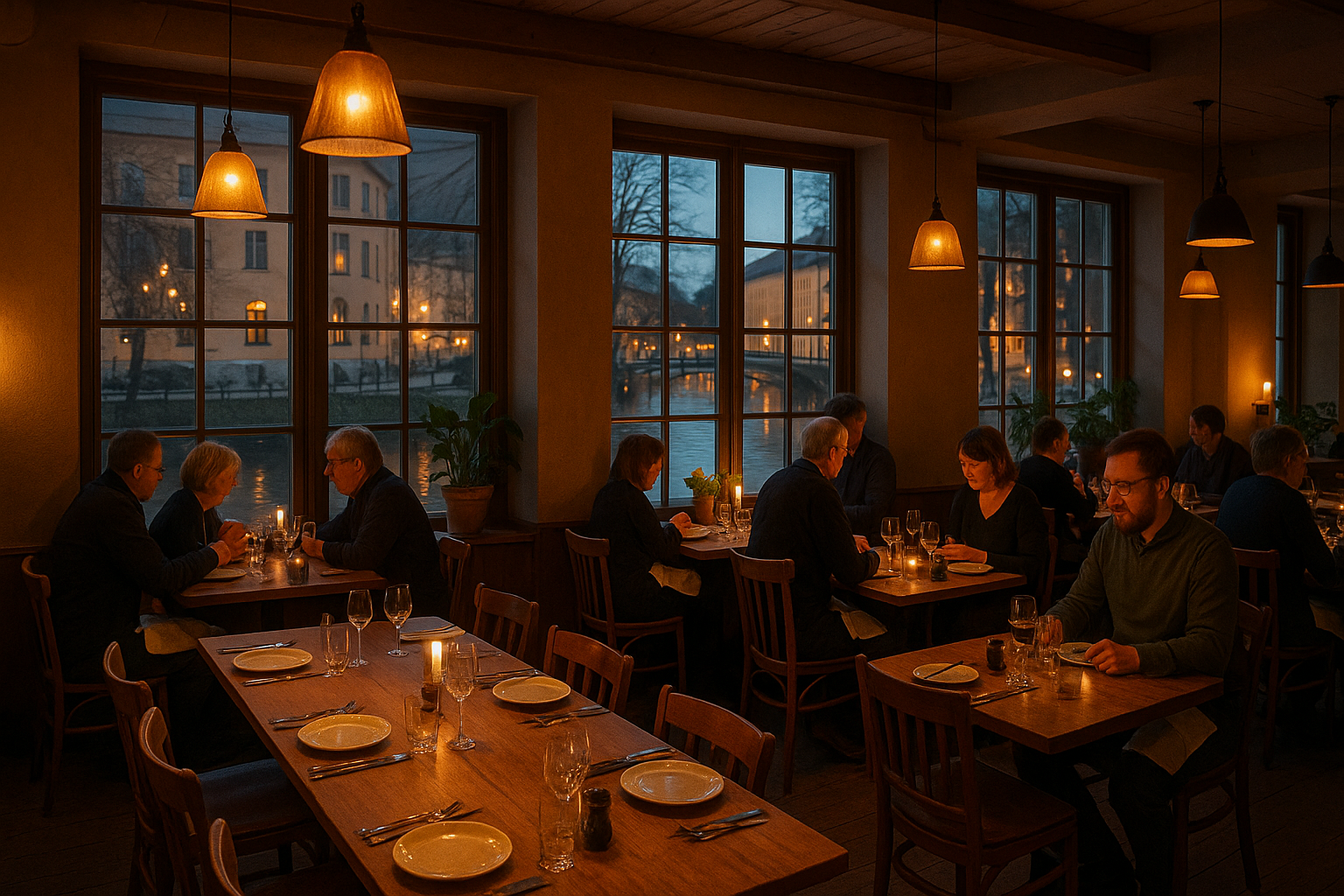
- Explore beyond the walls: The harbor area and newer districts offer excellent restaurants with local Gotland lamb and seafood
- Check event calendars: Many church ruins host free concerts and cultural events throughout summer months
Practical Planning for Your Visby Visit
Getting to Visby
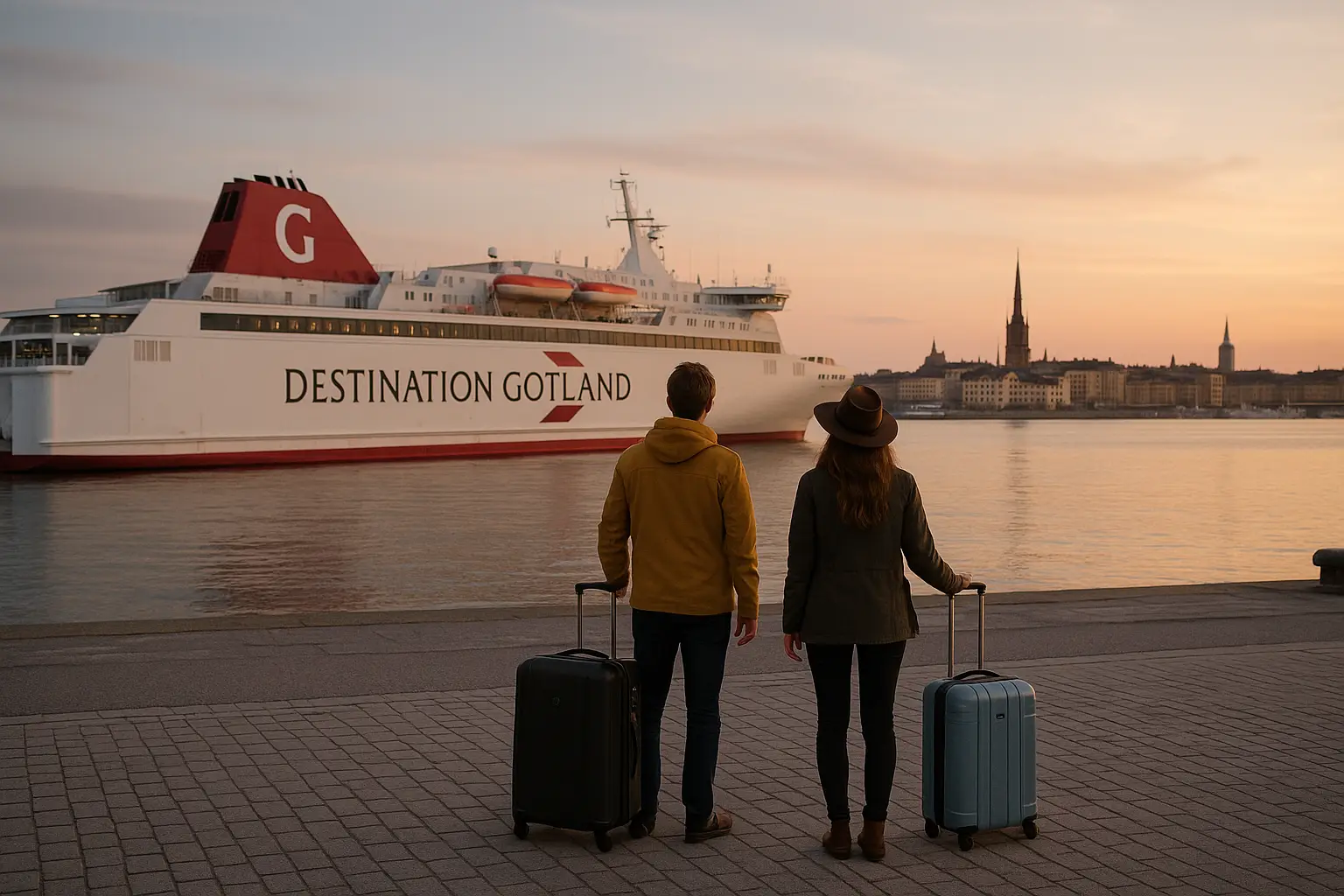
Visby is accessible by ferry or flight. Destination Gotland operates year-round ferry services from both Nynäshamn (3.5 hours, closer to Stockholm) and Oskarshamn (3 hours). Advance booking is essential during summer months and medieval week. For those flying, Visby to Stockholm flights operate multiple times daily with BRA and SAS, taking approximately 40 minutes.
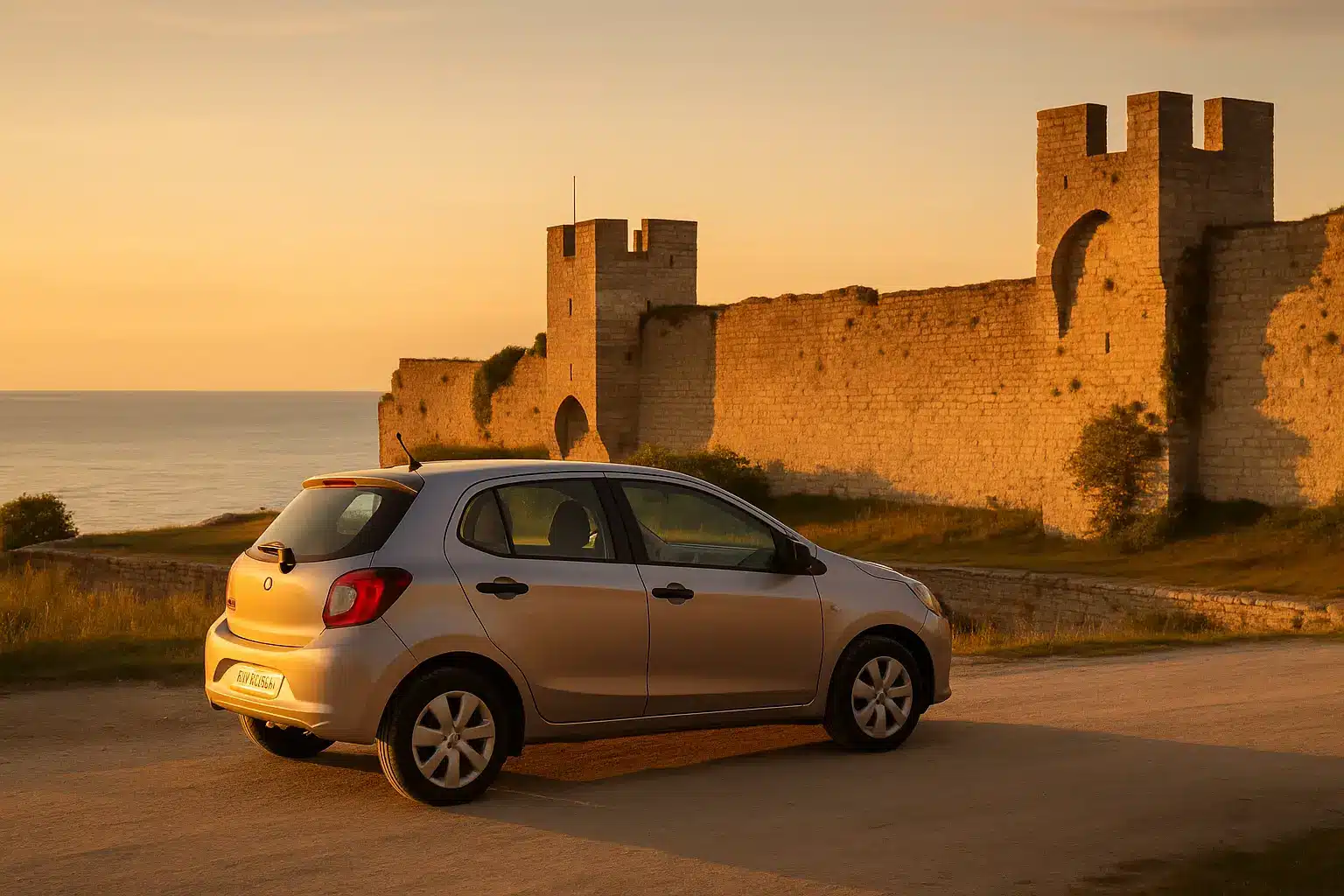
Visby car rental services are available at the airport and ferry terminal for those planning to explore the wider island. However, within Visby’s medieval center, walking or cycling is more practical due to narrow streets and limited parking.
Best Season for Visiting
Summer (June-August) offers the warmest weather and longest daylight hours, ideal for beach activities and outdoor events. However, this peak season brings larger crowds and higher accommodation prices. Spring (May-early June) and early autumn (September) provide a sweet spot—pleasant temperatures, blooming gardens, and more intimate experiences with fewer tourists.
Winter visits appeal to those seeking atmospheric solitude, though many tourist facilities operate reduced hours. The Christmas market in early December brings festive charm to the medieval setting, with traditional crafts and seasonal treats sold in atmospheric market stalls.
Accommodation and Budget Considerations
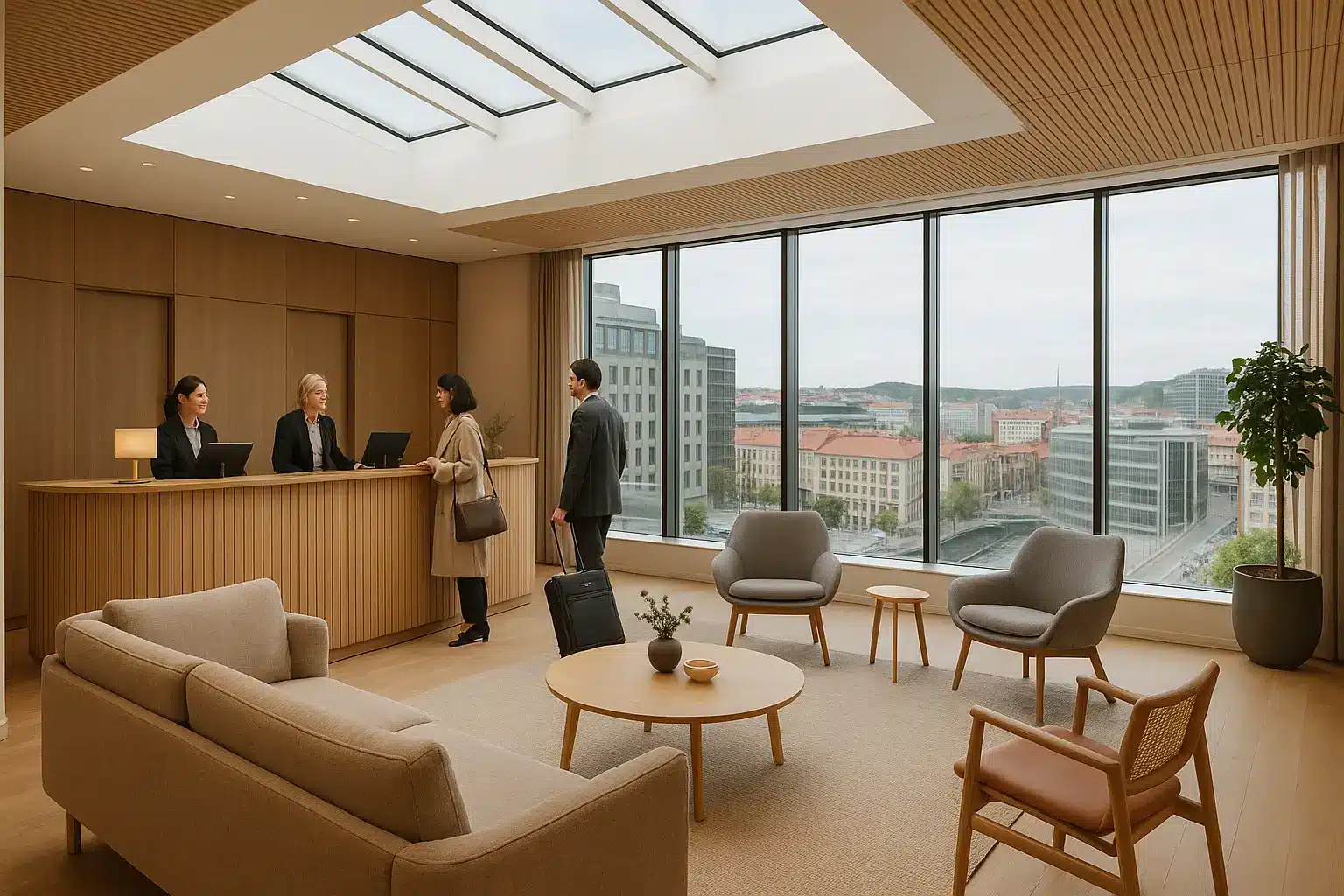
Accommodation ranges from historic hotels within the walls to modern guesthouses in surrounding neighborhoods. Boutique hotels in converted medieval buildings offer unique atmospheres but book quickly. Budget travelers find good options in hostels or Airbnb rentals slightly outside the center.
Daily costs vary considerably by season. Expect to budget approximately 1,500-2,500 SEK per person per day including mid-range accommodation, meals, and activities. Many major attractions like the city wall and church ruins are free to explore, while museums typically charge 100-200 SEK for adults. Restaurant meals range from 150 SEK for lunch to 300-500 SEK for dinner at nicer establishments featuring local Gotland ingredients.
Frequently Asked Questions About Visby Attractions
What are the must-see attractions in Visby?
The medieval city wall is Visby’s most iconic attraction, offering a 3.4 km walking route with 44 towers. St. Mary’s Cathedral and the atmospheric church ruins scattered throughout town are equally essential. Don’t miss the Botanical Garden and Gotlands Museum for deeper cultural context. Most visitors recommend dedicating at least two full days to properly experience Visby’s top attractions without rushing.
Is Visby suitable for families with children?
Absolutely—Visby offers excellent family experiences. Children enjoy exploring the medieval walls, imagining knights and merchants from centuries past. The beaches provide opportunities for swimming and play during summer months. Medieval Week features special children’s activities including costume workshops and treasure hunts. The compact size means attractions are within easy walking distance, though cobblestones can be challenging with strollers.
How many days should I spend in Visby?
A minimum of two full days allows you to explore the main Visby attractions thoroughly—one day focused on medieval history within the walls, another for beaches and the surrounding island. Three to four days provide a more relaxed pace with time for day trips to Gotland’s northern or southern regions, cycling tours, or simply soaking in the medieval atmosphere at cafes and restaurants.
When is the best time to visit Visby to avoid crowds?
Late May through mid-June and the entire month of September offer the best balance of good weather and manageable crowds. Avoid the first two weeks of August if you’re not specifically interested in Medieval Week, as this is peak tourist season. Weekdays are generally quieter than weekends throughout summer. Early mornings before 10 AM provide peaceful exploration even during busier periods.
Are the Visby attractions accessible for visitors with mobility issues?
Accessibility varies across Visby’s medieval center. The cobblestone streets and ancient buildings present challenges for wheelchair users and those with limited mobility. However, St. Mary’s Cathedral has accessible entrances, and portions of the city wall can be viewed from street level. Modern museums and newer facilities generally meet accessibility standards. Contact specific attractions in advance to confirm current accessibility arrangements and request assistance if needed.