Uppsala’s History from Viking Age to Present Day
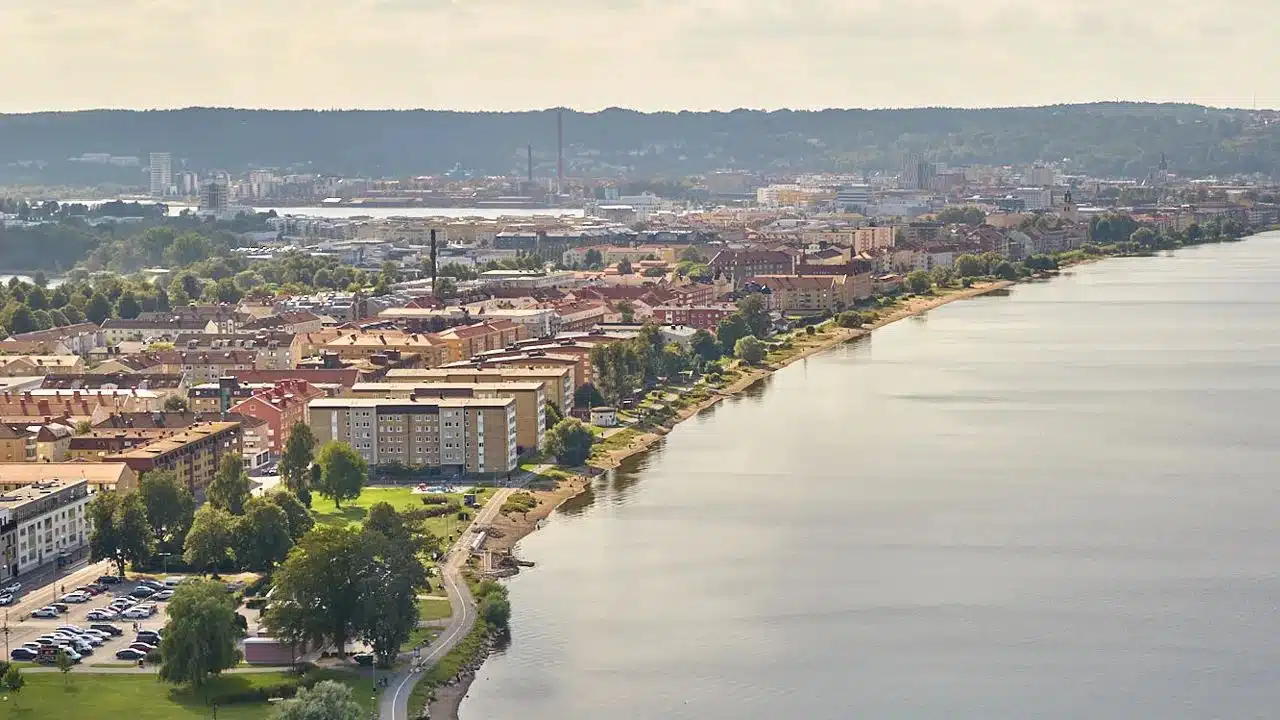
Uppsala, Sweden stands as one of Scandinavia’s most historically significant cities, with roots stretching back over a millennium. Located just 71 km north of Stockholm, this vibrant city has evolved from an ancient pagan center to a modern university town with approximately 230,000 inhabitants as of 2024, according to Uppsala kommun. The city’s rich heritage encompasses Viking rituals, medieval Christianity, and academic excellence, making it a compelling destination for history enthusiasts and travelers alike.
Vikings and Gamla Uppsala
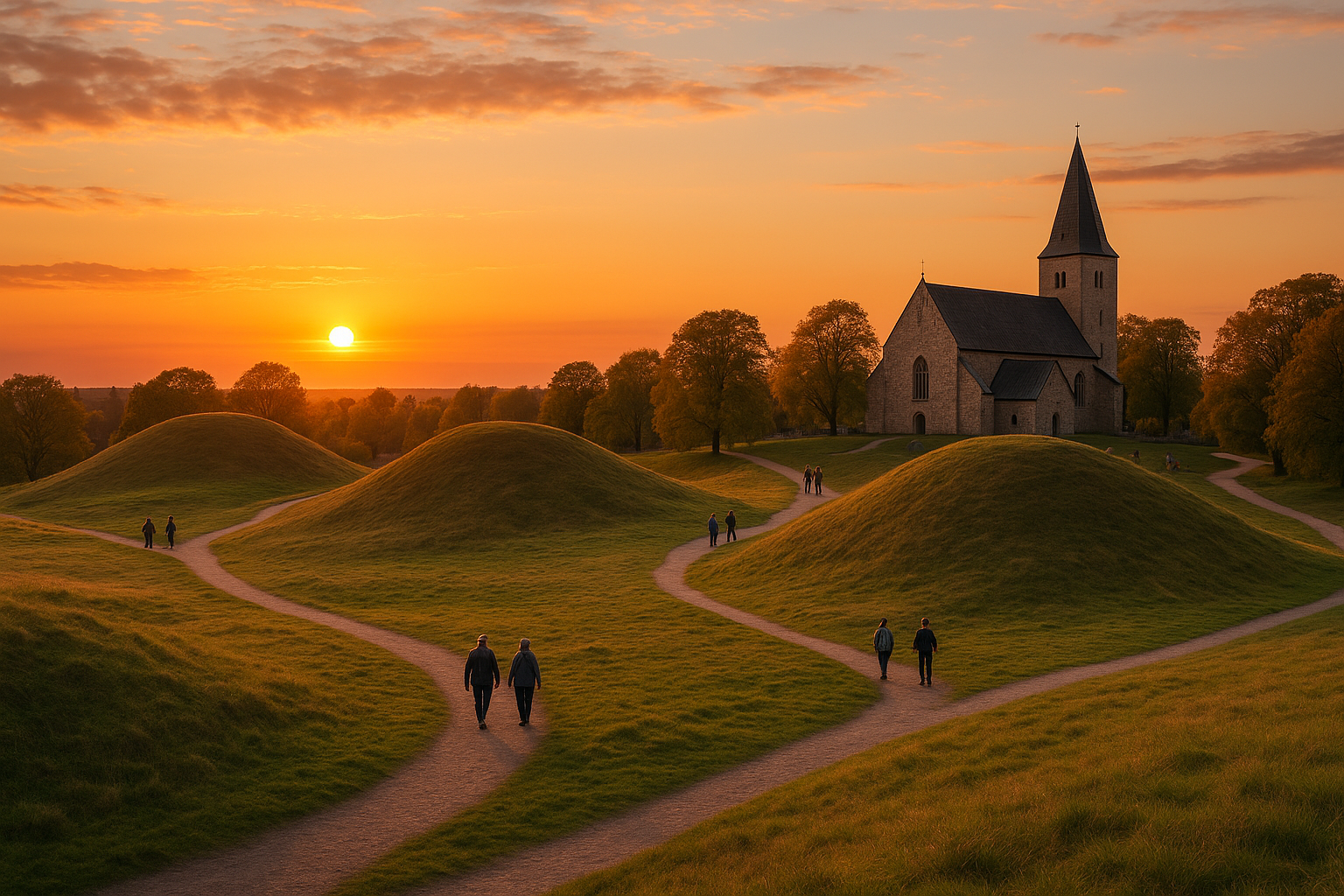
The ancient settlement of Gamla Uppsala (Old Uppsala) served as a major religious and political center during the Viking Age. This area is particularly famous for its three massive royal mounds dating from the 5th and 6th centuries, believed to be burial sites of legendary Swedish kings. The site also hosted a pagan temple where, according to historical accounts by medieval chronicler Adam of Bremen, rituals and sacrifices took place every nine years. Archaeological excavations have revealed artifacts confirming Gamla Uppsala’s prominence in pre-Christian Scandinavia, cementing its status as a crucial location for understanding Uppsala vikings heritage.
Medieval Cathedral
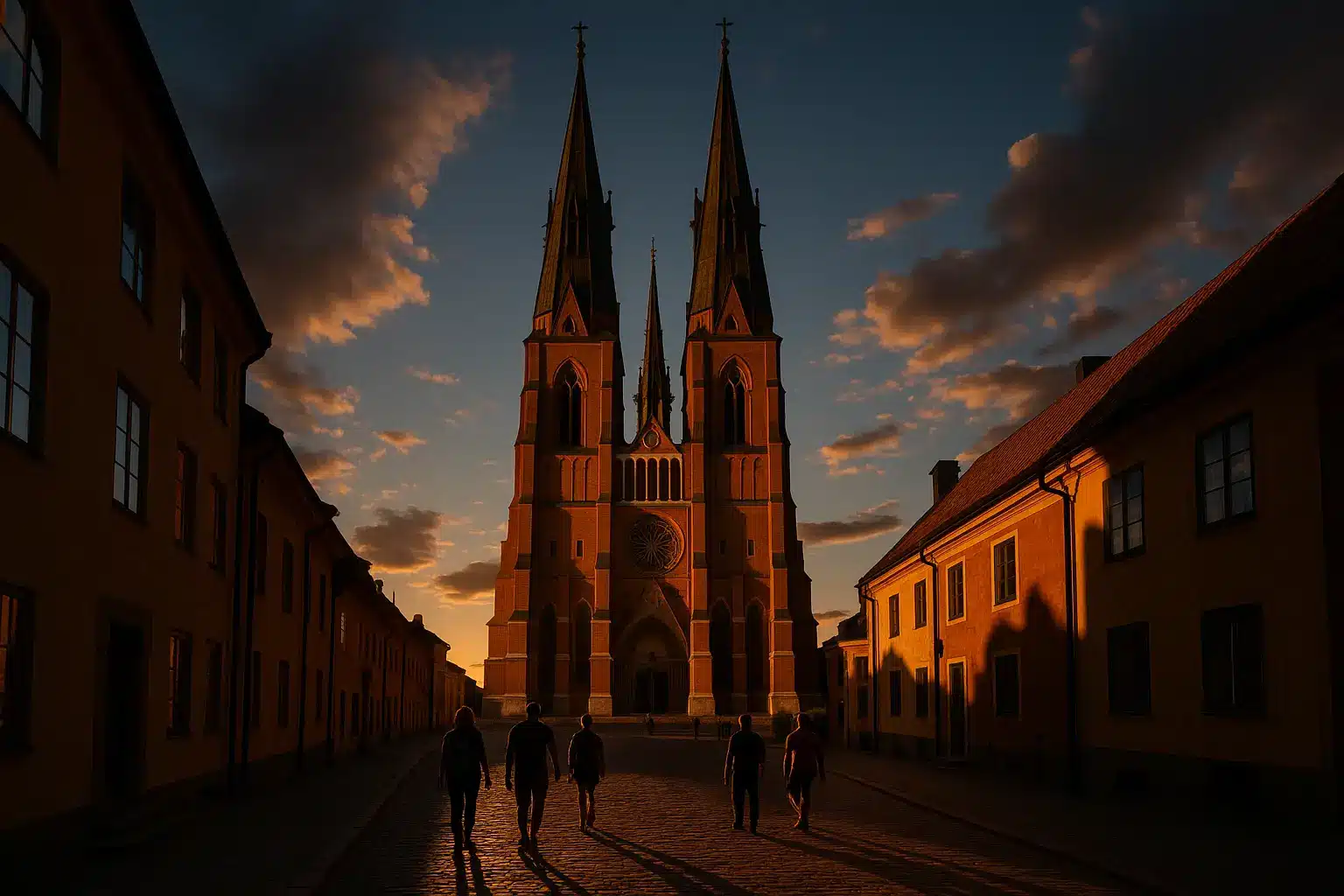
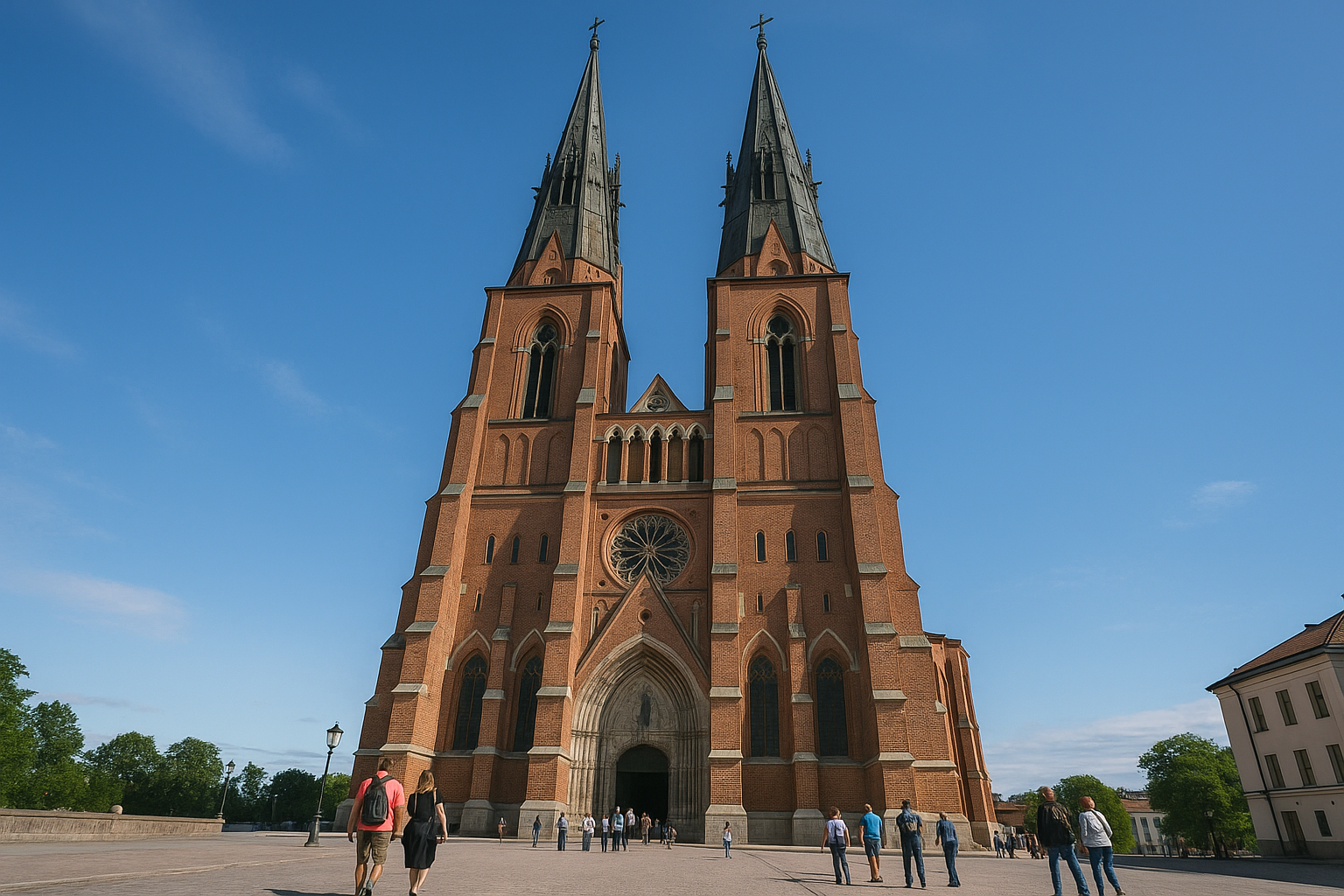
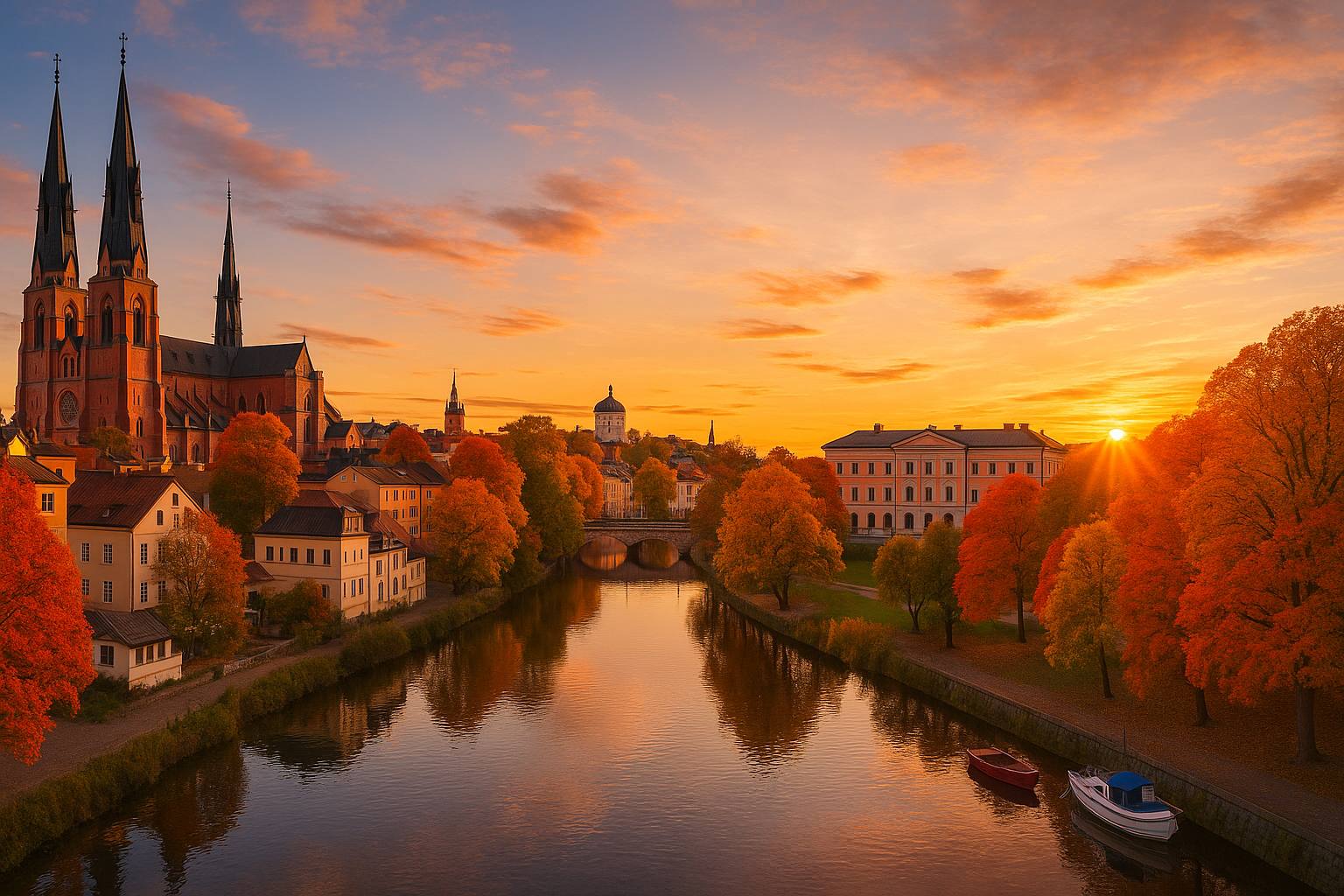
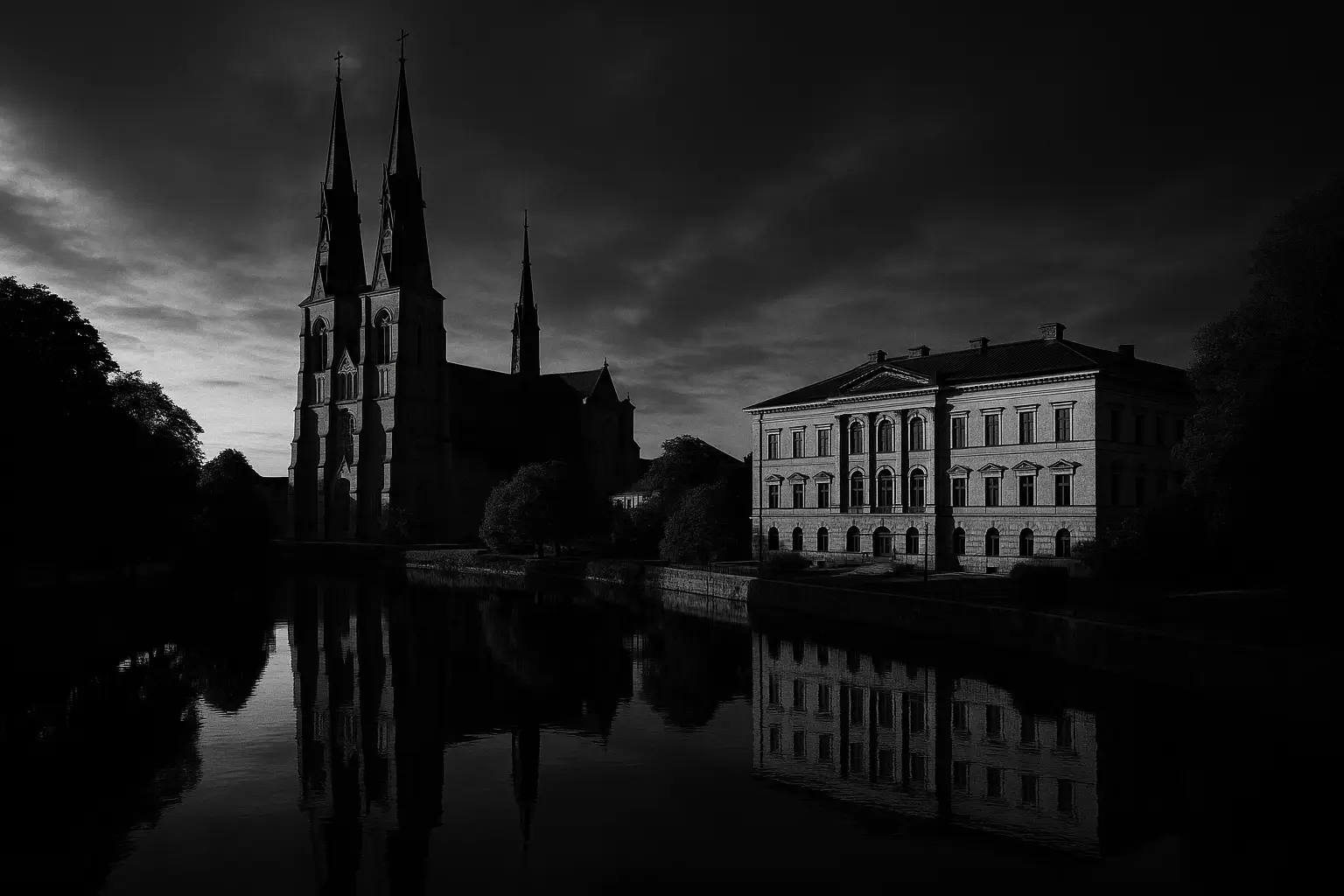
Uppsala cathedral, Scandinavia’s largest cathedral, dominates the city’s skyline with its twin spires reaching 118.7 meters. Construction began in the 1270s under Archbishop Lars and continued for over 150 years, finally being consecrated in 1435. Built in the French Gothic style, the cathedral has served as the coronation church for Swedish monarchs and houses the tombs of King Gustav Vasa, philosopher Emanuel Swedenborg, and botanist Carl Linnaeus. The cathedral’s restoration in the late 19th century by architect Helgo Zettervall preserved many original medieval features while stabilizing the structure for future generations, as documented by Visit Sweden.
University’s Founding in 1477
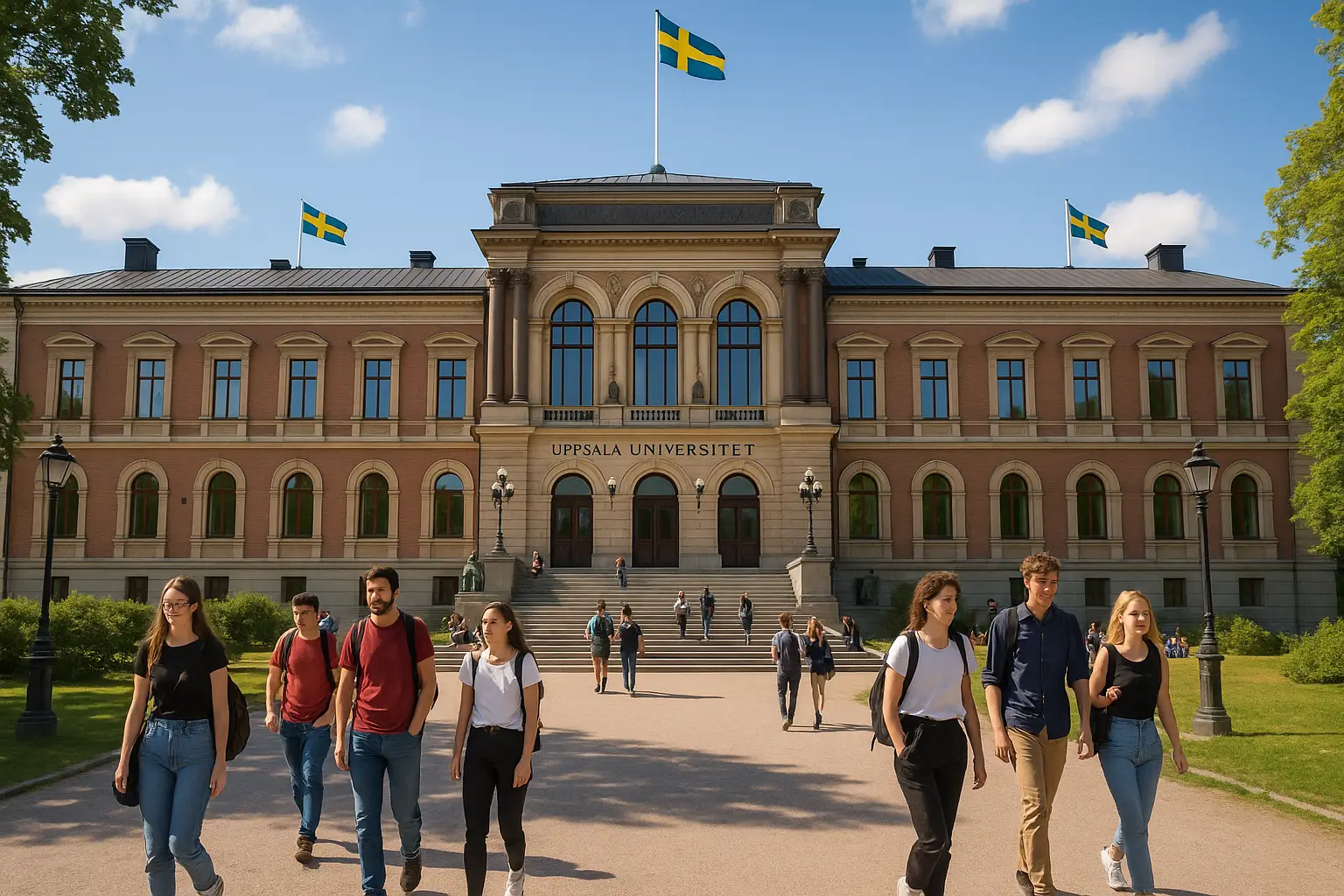
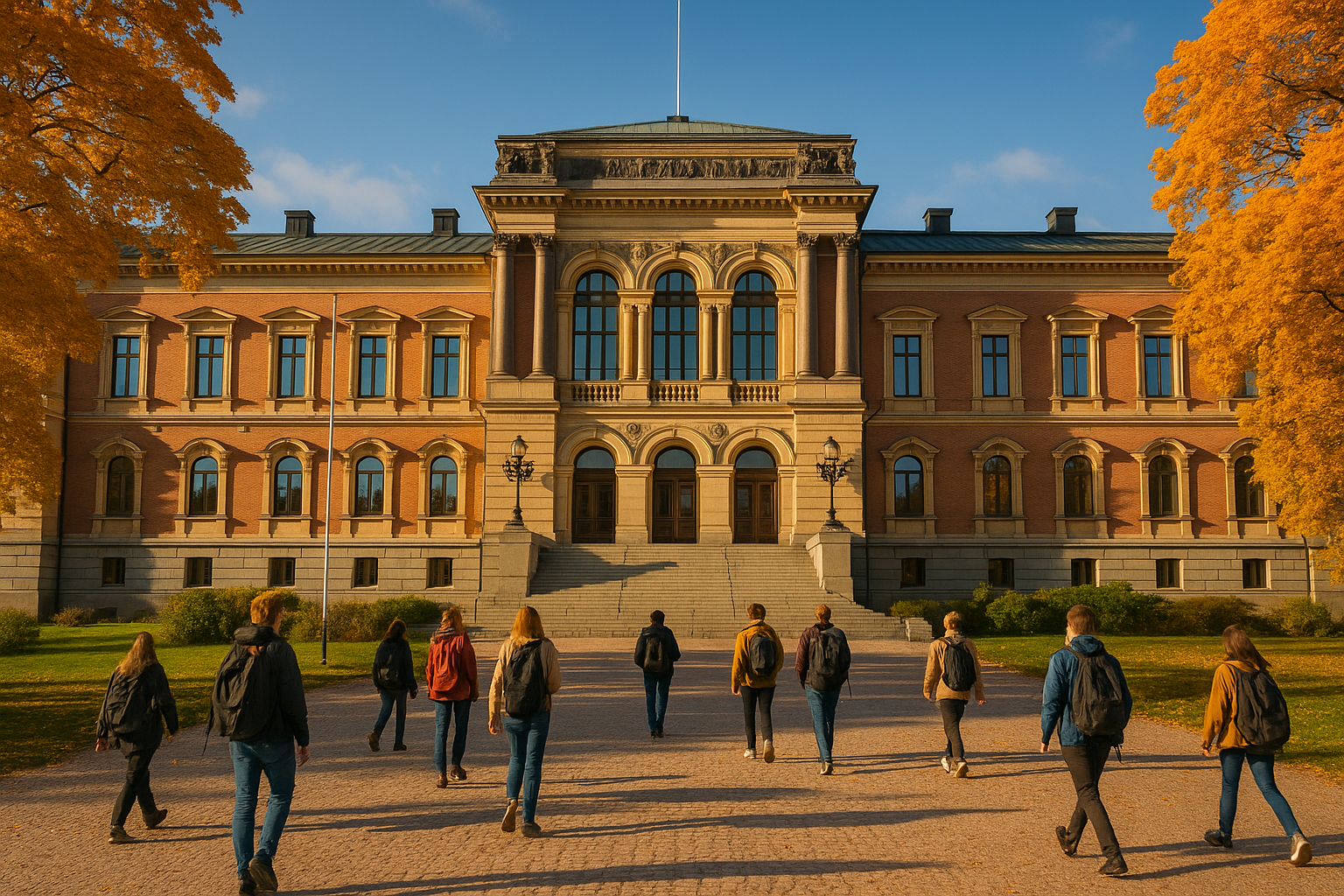
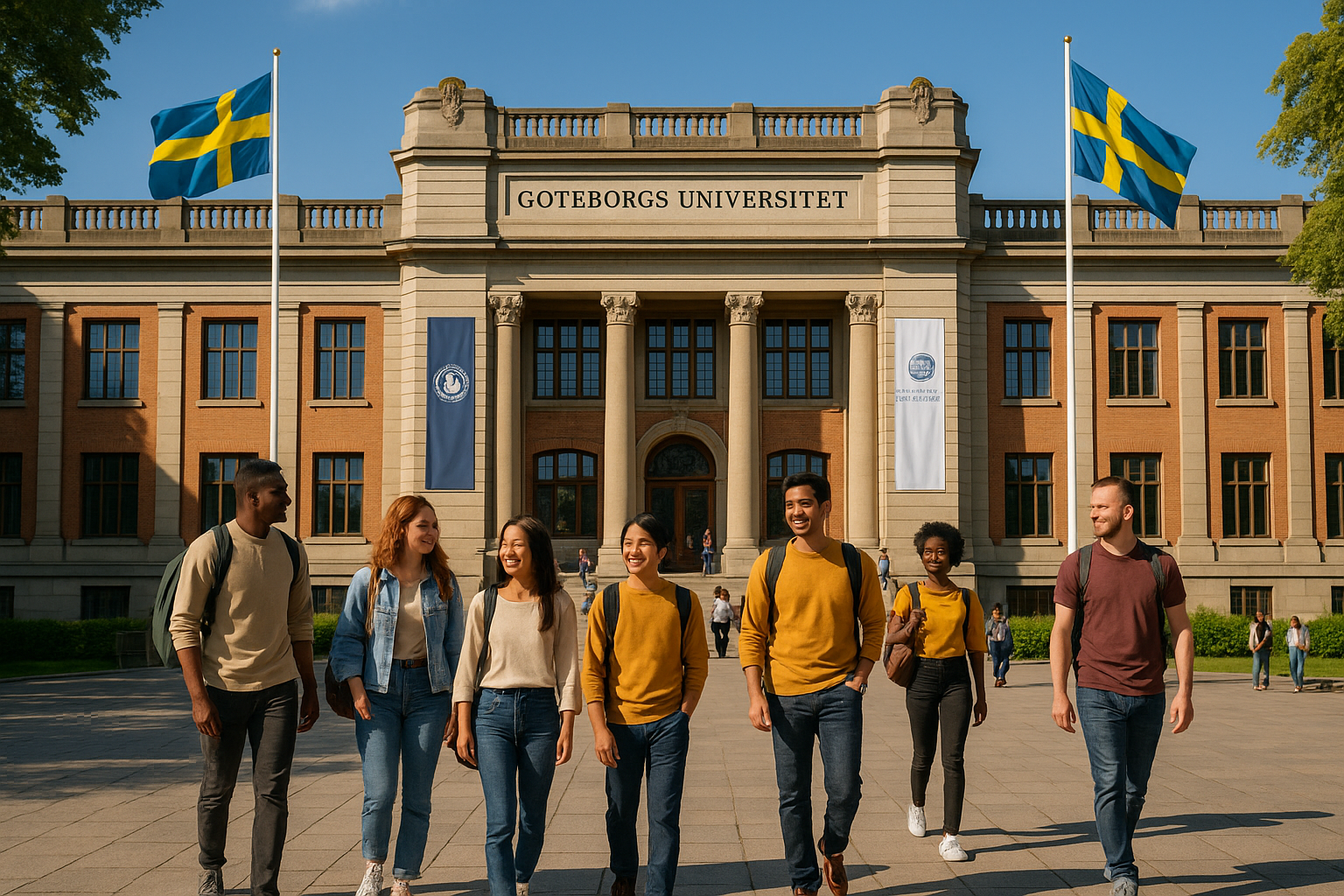
Uppsala University, established in 1477, holds the distinction of being the Nordic region’s oldest university. Founded by Archbishop Jakob Ulfsson with approval from Pope Sixtus IV, the institution initially focused on theology, law, and medicine. Despite periods of decline, particularly during the Protestant Reformation, the university experienced renewal under King Gustav II Adolf in the early 17th century. Today, Uppsala University maintains its prestigious reputation, consistently ranking among Europe’s top 100 universities and attracting thousands of international students annually.
Uppsala University – The Nordic Region’s Oldest Institution
Uppsala University represents the cornerstone of the city’s identity, transforming Uppsala into Sweden’s premier university town. With approximately 45,000 students and 7,000 employees, the university contributes significantly to both the city’s demographics and its vibrant cultural atmosphere.
History and Ranking
Since its founding in 1477, Uppsala University has cultivated an international reputation for academic excellence. The university university ranking places it consistently among the world’s top 150 institutions, with particular strength in life sciences, medicine, and humanities. The institution’s library, Carolina Rediviva, houses over 5 million volumes including the 6th-century Silver Bible, one of Sweden’s most treasured manuscripts. The university’s nine faculties offer over 100 degree programs, maintaining the tradition of combining rigorous scholarship with innovative research that has defined Uppsala for centuries.
Notable Alumni Including Linnaeus and Celsius
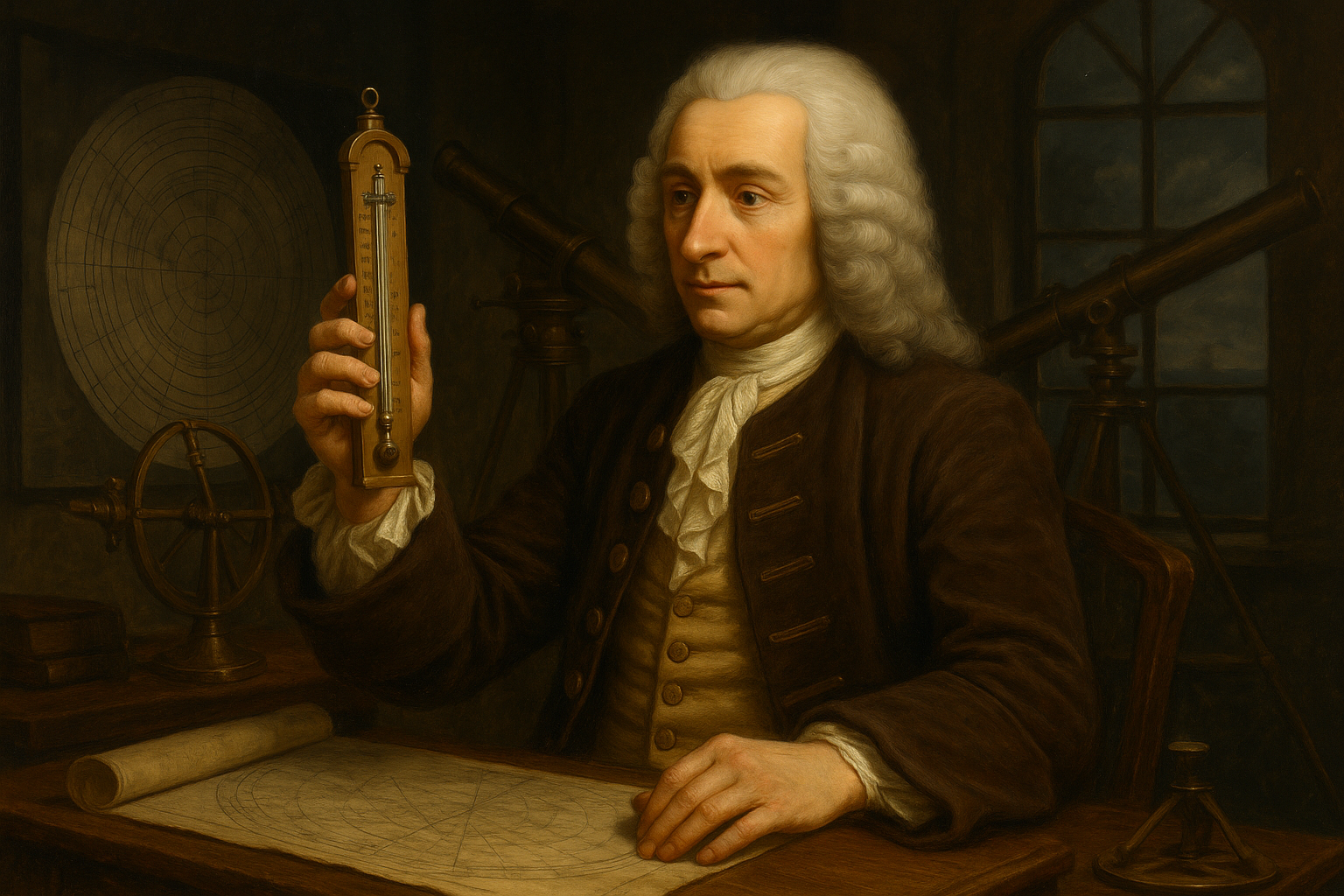
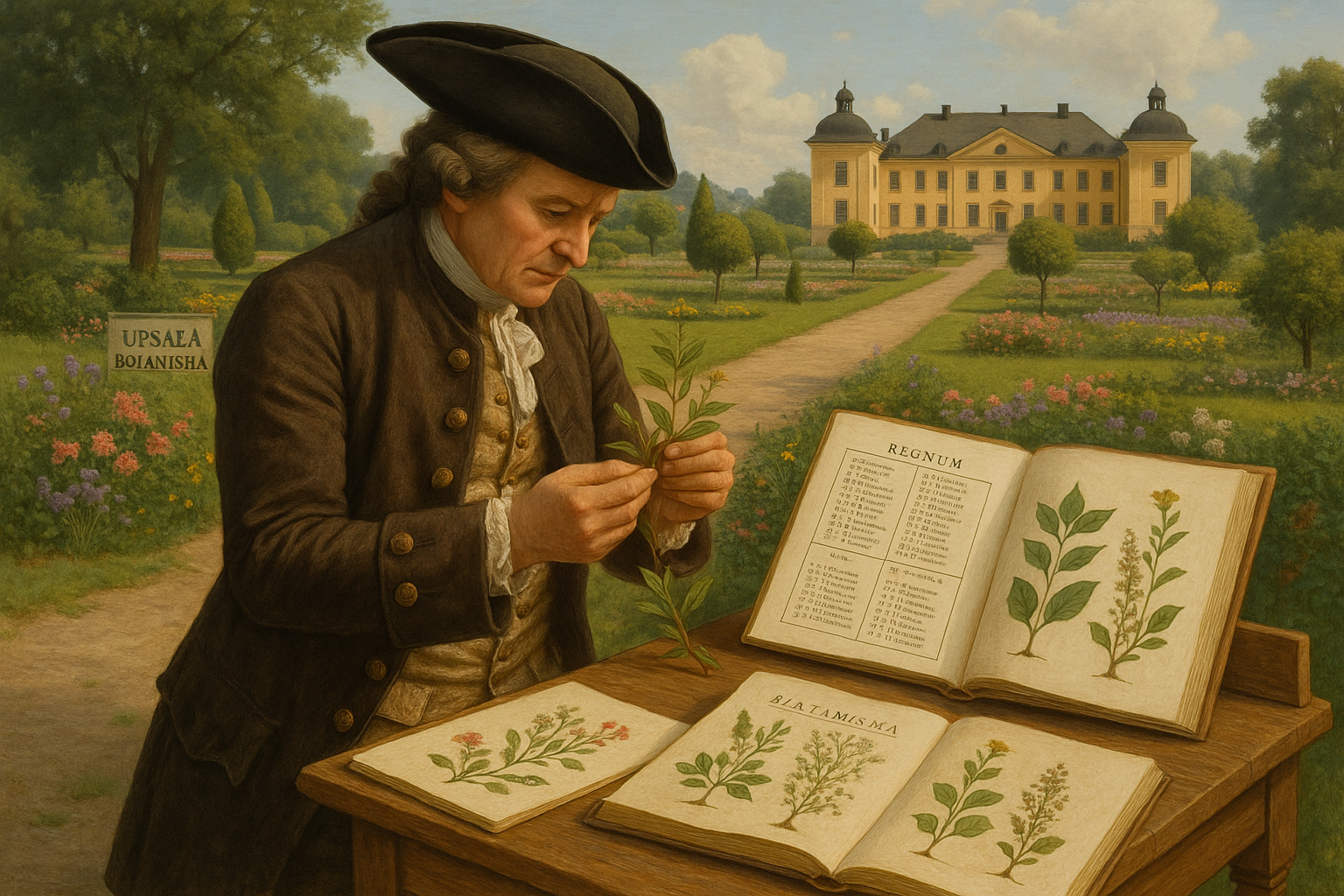
Uppsala University has produced numerous influential scholars who have shaped modern science. Carl Linnaeus, often called the ”father of modern taxonomy,” developed the binomial nomenclature system for classifying organisms while teaching at Uppsala in the 18th century. His botanical garden, established in 1655, remains a popular attraction today. Anders Celsius, another prominent alumnus, invented the Celsius temperature scale in 1742. Other notable graduates include Nobel Prize winners Dag Hammarskjöld and Nathan Söderblom, demonstrating the university’s continuing impact on global affairs.
Student Life and Events
Uppsala’s student culture revolves around thirteen ”nations” (student societies), each representing a different Swedish region. These organizations provide housing, dining, and social activities, creating a unique community atmosphere. The annual Valborg celebration on April 30th marks the arrival of spring with students donning white caps, attending champagne breakfasts, and participating in river rafting down the Fyris River. This tradition, combined with weekly club nights and academic lectures, creates a dynamic environment that balances serious scholarship with memorable social experiences.
Visitor Tip: Exploring Student Culture
Visit during term time (September-May) to experience the authentic student atmosphere. Many nations open their pubs and events to visitors for a small fee, offering an affordable way to meet locals and experience Uppsala’s unique traditions firsthand.
Attractions and Things to Do in Uppsala
Uppsala offers a compelling mix of historical sites, cultural venues, and outdoor activities that cater to diverse interests. Whether you’re fascinated by medieval architecture, Viking history, or simply seeking things to do in Uppsala, the city delivers memorable experiences year-round.
Uppsala Cathedral
As Scandinavia’s tallest church building, Uppsala Cathedral serves as both an architectural marvel and a repository of Swedish history. Visitors can explore the Gothic interior, view the silver shrine of Saint Eric (Sweden’s patron saint), and attend daily organ concerts. The cathedral museum displays religious artifacts spanning eight centuries, while guided tours reveal hidden crypts and the restoration story. Admission is free, though donations are appreciated, making it an accessible highlight for any Uppsala itinerary.
Uppsala Castle
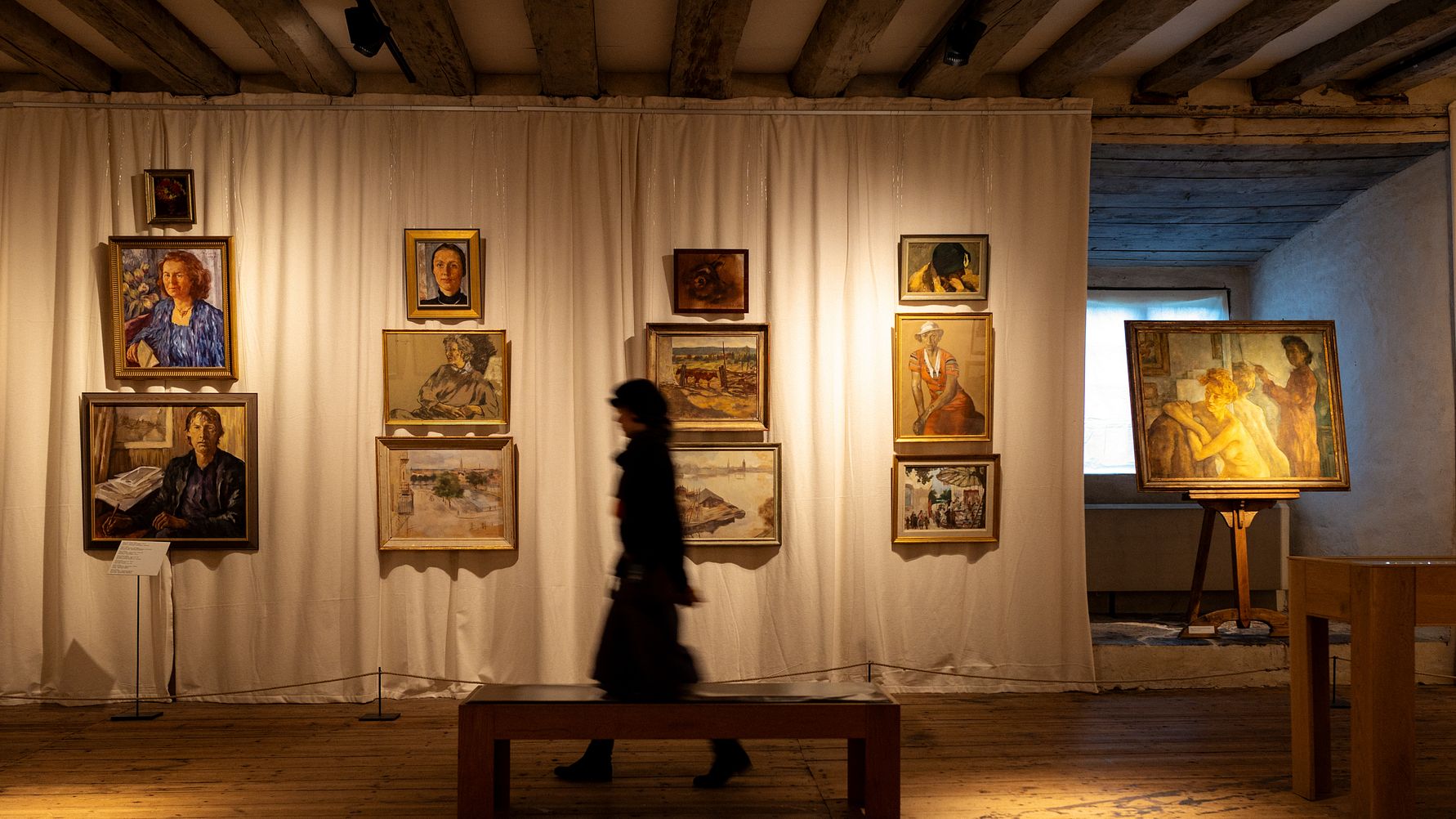
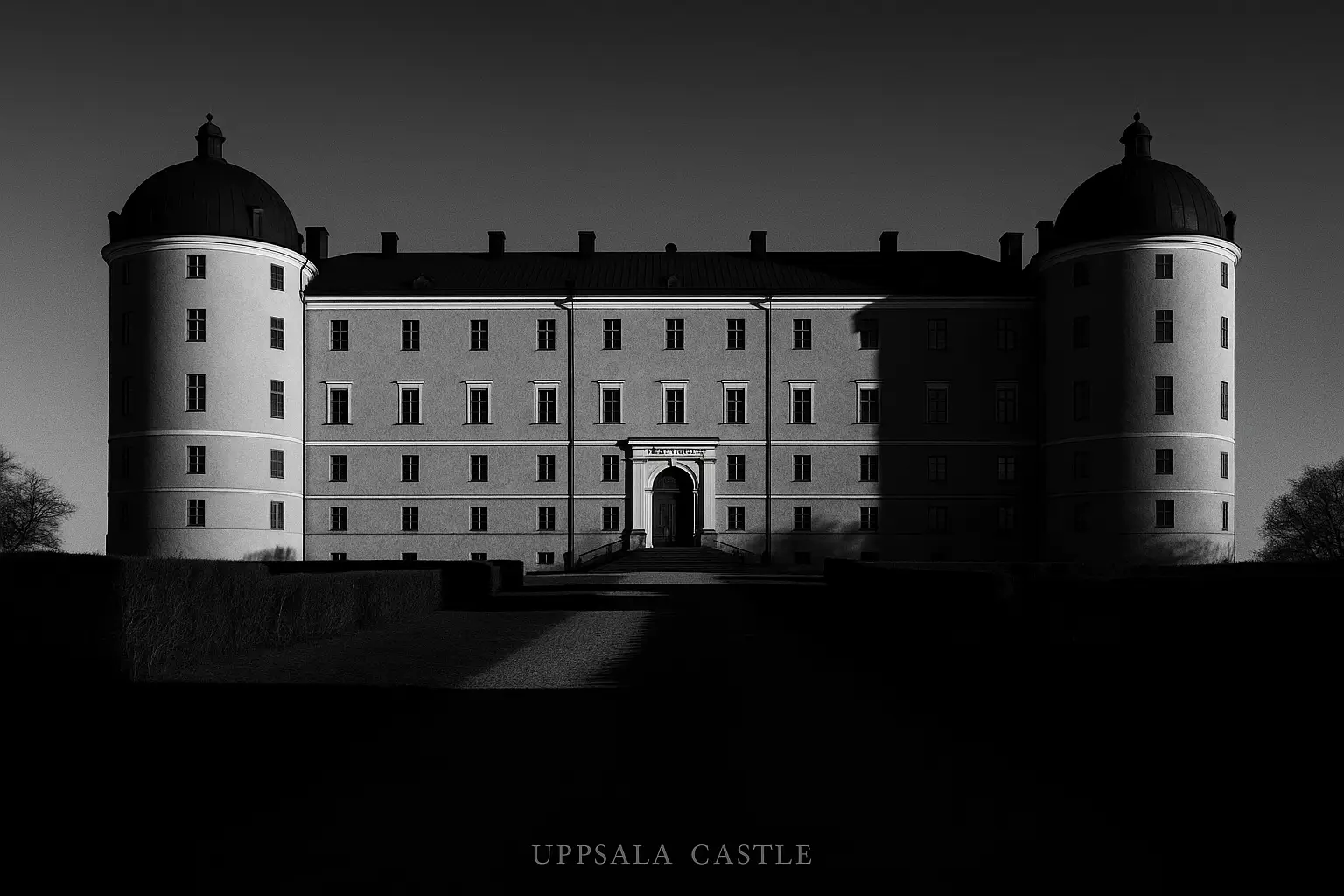
Built by King Gustav Vasa in the 1540s, Uppsala Castle sits on a hill overlooking the city, offering panoramic views of the surrounding landscape. This pink fortress witnessed pivotal moments in Swedish history, including the abdication ceremony of Queen Christina in 1654. Today, the castle houses the Uppsala Art Museum and the regional governor’s residence. The surrounding botanical gardens provide pleasant walking paths, particularly beautiful during summer months when flowers bloom in spectacular displays. The castle remains open to visitors with guided tours available in multiple languages.
Cycling and Hiking Trails
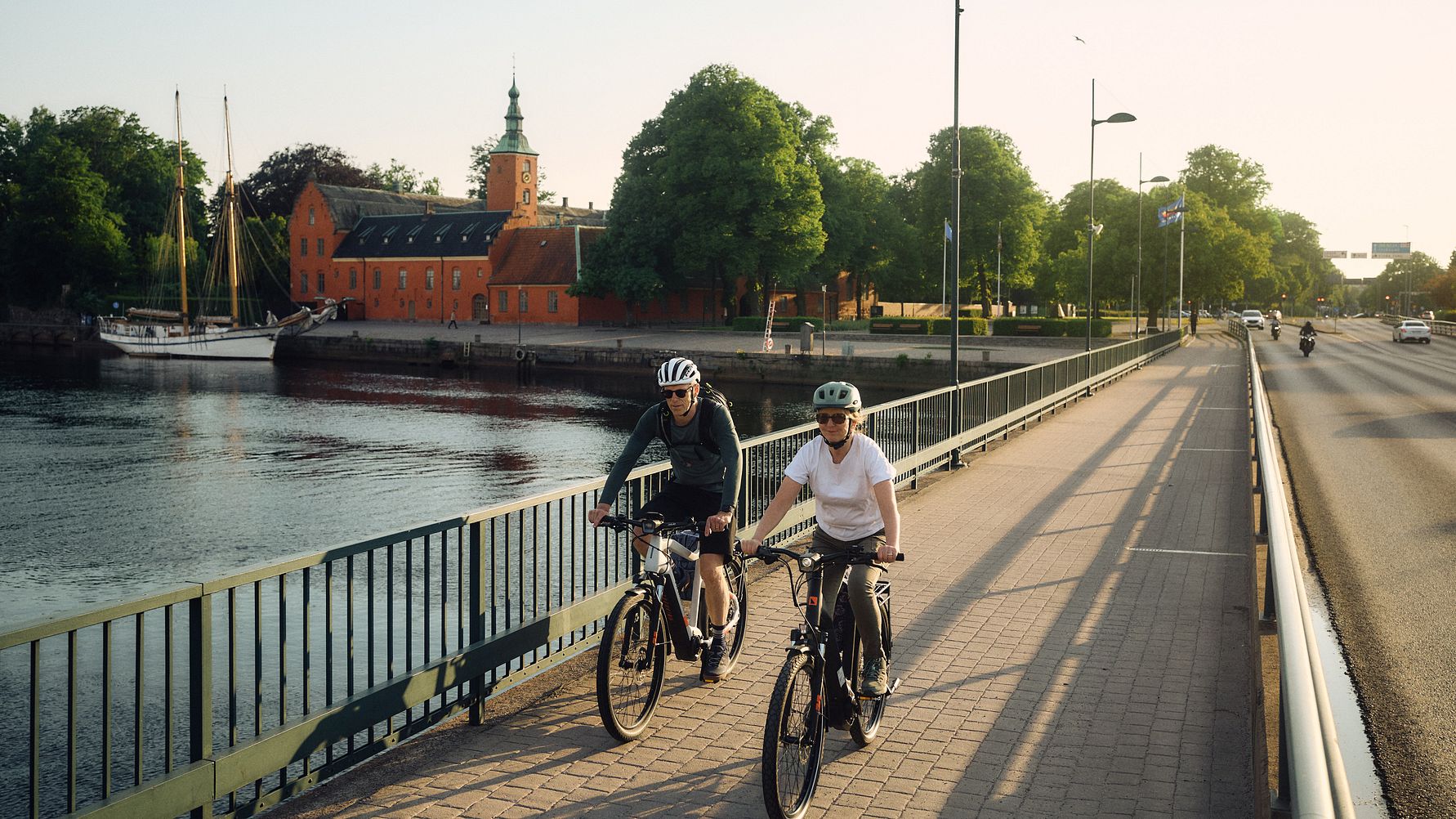
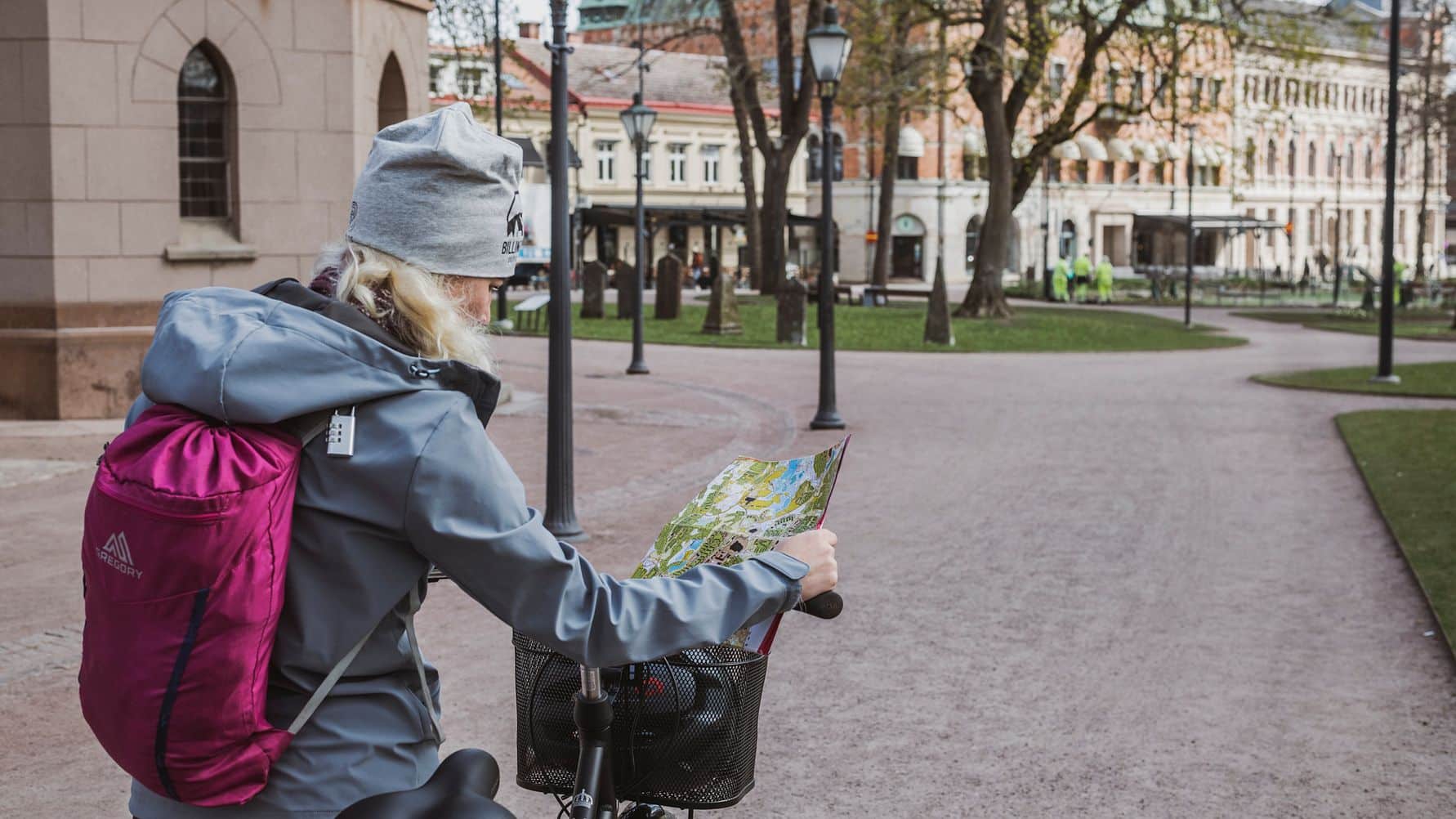
Uppsala’s relatively flat terrain and extensive network of paths make it ideal for cycling. The 20-kilometer Linnaeus Trail connects central Uppsala with Gamla Uppsala, passing through forests and meadows that Linnaeus himself explored. Bike rentals are readily available throughout the city center. For hikers, the Fjällnora Nature Reserve, just 15 minutes from downtown, offers marked trails around lakes and through pine forests. In winter, these same trails transform into cross-country skiing routes, demonstrating Uppsala’s year-round outdoor appeal.
| Attraction | Type | Estimated Visit Time | Best For |
|---|---|---|---|
| Uppsala Cathedral | Religious/Historical | 1-2 hours | Architecture enthusiasts, history buffs |
| Gamla Uppsala | Archaeological Site | 2-3 hours | Viking history fans, families |
| Uppsala Castle | Historical Building | 1-2 hours | History lovers, photography |
| Botanical Garden | Nature/Gardens | 1-2 hours | Plant lovers, peaceful walks |
| Carolina Rediviva | Library/Museum | 1 hour | Book enthusiasts, students |
Practical Information for Visitors
Planning a trip to Uppsala Sweden requires understanding the city’s accessibility, demographics, and accommodation options. This section provides essential practical details to help visitors navigate their stay efficiently.
How to Get to Uppsala
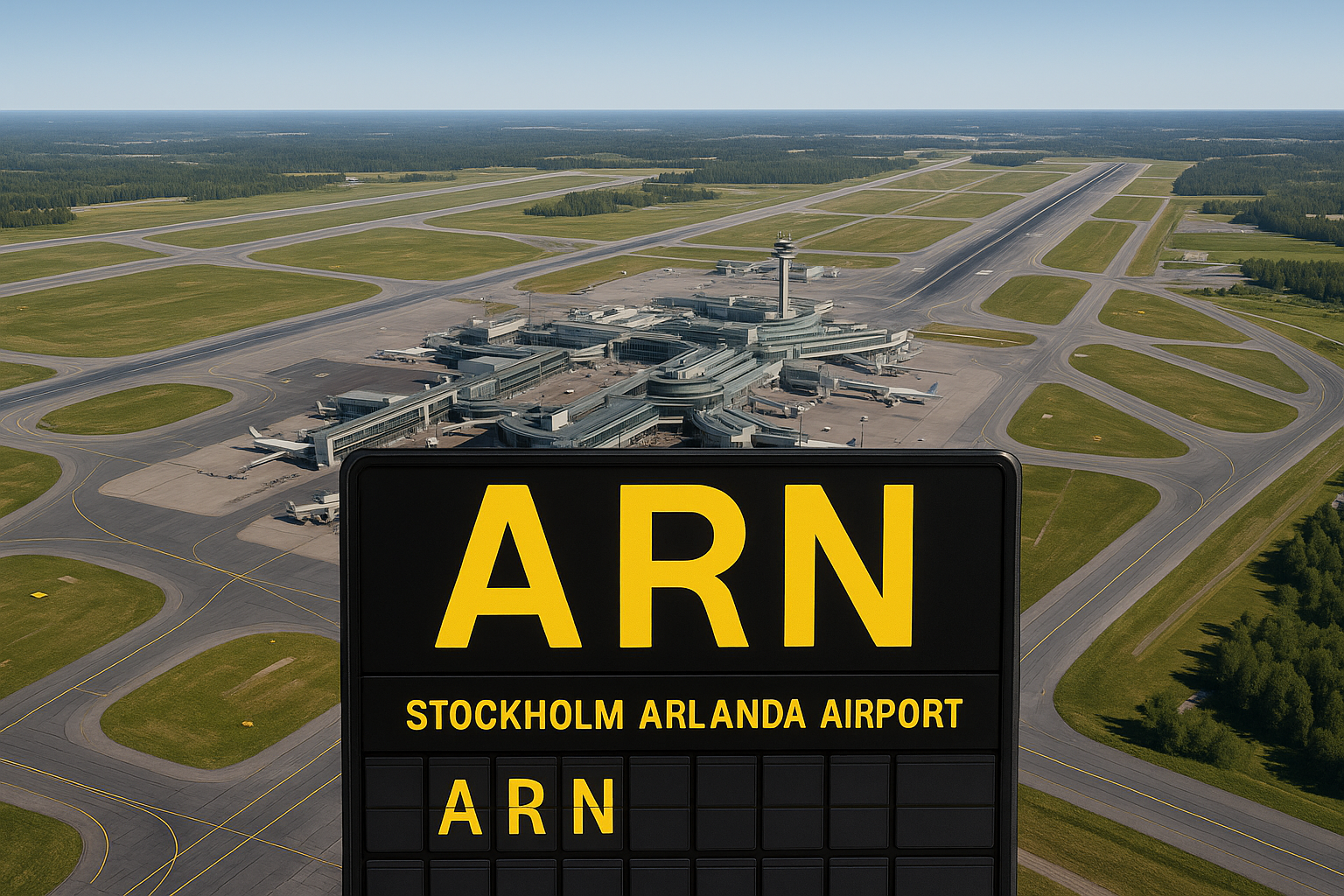
Uppsala’s location 71 km north of Stockholm makes it extremely accessible by various transportation methods. Trains from Stockholm to Uppsala depart from Stockholm Central Station every 15-30 minutes, with the journey taking approximately 40 minutes on the fast train (Upptåget) or 60 minutes on regional services. Train tickets cost around 100-150 SEK (approximately $10-15 USD) depending on the time of day. For those driving, the E4 highway connects the two cities with clear signage. Stockholm Arlanda Airport lies conveniently between Stockholm and Uppsala, with direct bus services (Uppsala Flygbuss) running every 30 minutes and taking just 35 minutes to reach Uppsala’s central station, as noted in travel guides.
Population and Demographics
Uppsala population has grown significantly in recent decades, reaching approximately 230,000 residents in the municipality as of 2024. The city center (tätort) contains roughly 177,000 inhabitants, making Uppsala Sweden’s fourth-largest city. The demographic profile skews young, with about 45,000 university students contributing to a median age lower than the national average. This youth-oriented population creates a vibrant cultural scene with cafés, bars, and cultural venues catering to diverse tastes. The city has also become increasingly international, with residents from over 180 countries calling Uppsala home.
Hotels and Accommodation
Uppsala offers accommodation ranging from budget hostels to luxury hotels. The Radisson Blu Uppsala (often searched as ”radisson blu uppsala” or ”radisson hotel uppsala”) stands as one of the city’s premier options, located near the central station with modern amenities and conference facilities. Park Inn by Radisson Uppsala provides a mid-range alternative with comfortable rooms and convenient downtown access. For budget travelers, STF Uppsala City and Sunnersta Herrgård hostel offer dormitory and private rooms at affordable rates. Booking in advance is recommended, especially during major university events (August arrival, April graduation, and Valborg celebration) when hotel uppsala options fill quickly.
Money-Saving Tip
Consider staying in Stockholm and taking a day trip to Uppsala. The short train journey makes this feasible, and Stockholm accommodation often offers more competitive rates with greater variety, particularly if you’re visiting multiple Swedish cities.
Local Tips and Modern Uppsala
Beyond historical attractions, modern Uppsala thrives as a contemporary city with excellent dining, shopping, and cultural offerings that reflect its diverse, educated population.
Restaurants and Events
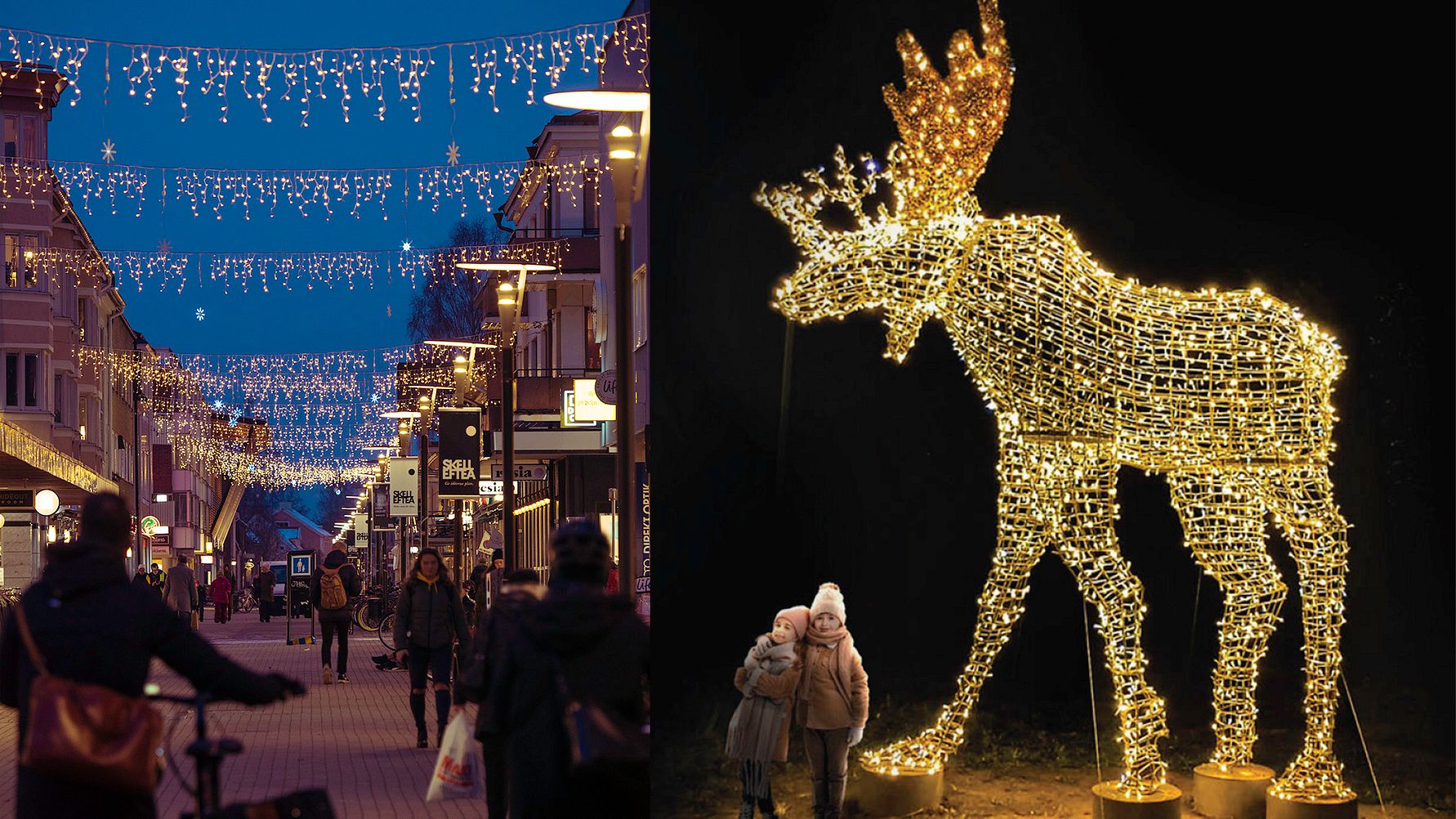
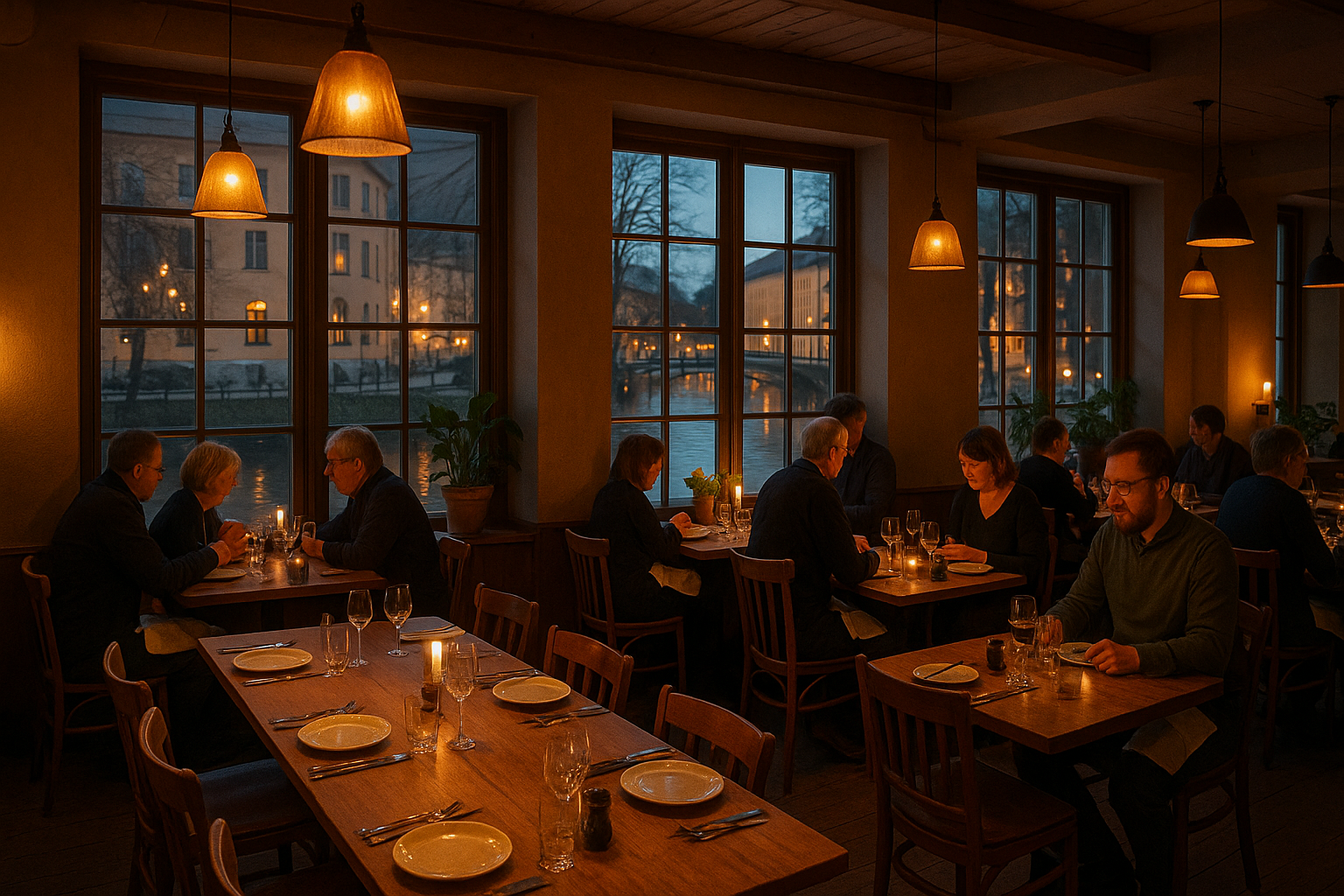
Uppsala’s culinary scene punches above its weight for a city of its size. For traditional Swedish cuisine, restaurang uppsala options include Domtrappkällaren, housed in a 14th-century cellar near the cathedral, serving husmanskost (traditional home cooking) with modern twists. International flavors are well-represented, from Lebanese at Babel to Italian at Villa Anna. The city hosts numerous annual events, including the Uppsala Short Film Festival in October, the Kulturnatten (Culture Night) in September featuring free museum access and street performances, and classical music series at the Concert & Congress Hall. The Christmas market in Stora Torget (Main Square) transforms the city center into a festive wonderland each December.
Transportation Within the City
Uppsala’s compact city center makes walking the most practical option for sightseeing. However, the local bus system (UL) operates extensive routes connecting residential areas, campus locations, and attractions. Single tickets cost around 35 SEK, while day passes provide unlimited travel for approximately 90 SEK. Many visitors rent bicycles, taking advantage of Uppsala’s cycling infrastructure with dedicated lanes and bike parking throughout downtown. The city’s commitment to sustainable transport is evident in its extensive network of paths and pedestrian-friendly policies. Taxis are available but relatively expensive compared to other transport options.
Frequently Asked Questions About Uppsala
Where is Uppsala located?
Uppsala is located in east-central Sweden, approximately 71 kilometers (44 miles) north of Stockholm, the national capital. The city sits on the Fyris River in the Uppsala County region of Uppland, making it easily accessible by train, car, or bus from Stockholm and Stockholm Arlanda Airport. Its strategic location has contributed to its historical importance and current role as a regional center.
What can you do in Uppsala?
Uppsala offers diverse activities including visiting Uppsala Cathedral (Scandinavia’s largest church), exploring Gamla Uppsala’s Viking burial mounds and museum, touring Uppsala Castle and its botanical gardens, and experiencing the university’s historical buildings like Carolina Rediviva library. Outdoor enthusiasts can enjoy cycling the Linnaeus Trail, hiking in nearby nature reserves, or kayaking on the Fyris River. The city also features excellent museums, restaurants, and vibrant student culture, particularly during the Valborg spring celebration.
How many people live in Uppsala?
As of 2024, Uppsala municipality has approximately 230,000 inhabitants, making it Sweden’s fourth-largest city by population. The urban core contains roughly 177,000 residents. The city’s population has grown consistently due to university expansion, economic development, and migration from other parts of Sweden and internationally. The large student population (around 45,000) significantly influences the city’s demographic profile and cultural character.
What is Uppsala famous for?
Uppsala is renowned as home to Uppsala University, the Nordic region’s oldest university founded in 1477. The city is famous for its Viking heritage at Gamla Uppsala, the magnificent Uppsala Cathedral where Swedish monarchs were crowned, and its association with renowned scientists Carl Linnaeus and Anders Celsius. Uppsala’s unique student culture, centered around thirteen student nations, also distinguishes it from other Swedish cities. The combination of ancient history, academic prestige, and vibrant youth culture creates Uppsala’s distinctive identity.
How do I get from Stockholm to Uppsala?
The most convenient way to travel from Stockholm to Uppsala is by train, with frequent departures from Stockholm Central Station every 15-30 minutes. The journey takes 40 minutes on express services (Upptåget) or about one hour on regional trains, costing approximately 100-150 SEK. Alternatively, buses operated by companies like Flixbus offer slightly cheaper but slower options. Driving via the E4 highway takes about 50-70 minutes depending on traffic. Many visitors also take a direct bus from Stockholm Arlanda Airport to Uppsala, which takes just 35 minutes.
When is the best time to visit Uppsala?
The best time to visit Uppsala depends on your interests. Late spring (May-June) offers pleasant weather, long daylight hours, and the famous Valborg celebration on April 30th. Summer (July-August) provides warm temperatures ideal for outdoor activities, though some university facilities close and student life quiets down. Autumn (September-October) brings beautiful foliage and cultural events like the Short Film Festival. Winter offers a more local experience with Christmas markets, though days are short and temperatures often drop below freezing. Avoid visiting during July if you want to experience authentic student culture, as most students leave for summer vacation.