Visby Sevärdheter: Guide to the Medieval City’s Top Attractions
Discover the best things to do in Visby, from exploring the UNESCO-protected medieval walls to experiencing Viking history and family-friendly activities on Sweden’s most enchanting island.
Introduction to Visby: Sweden’s Medieval Gem
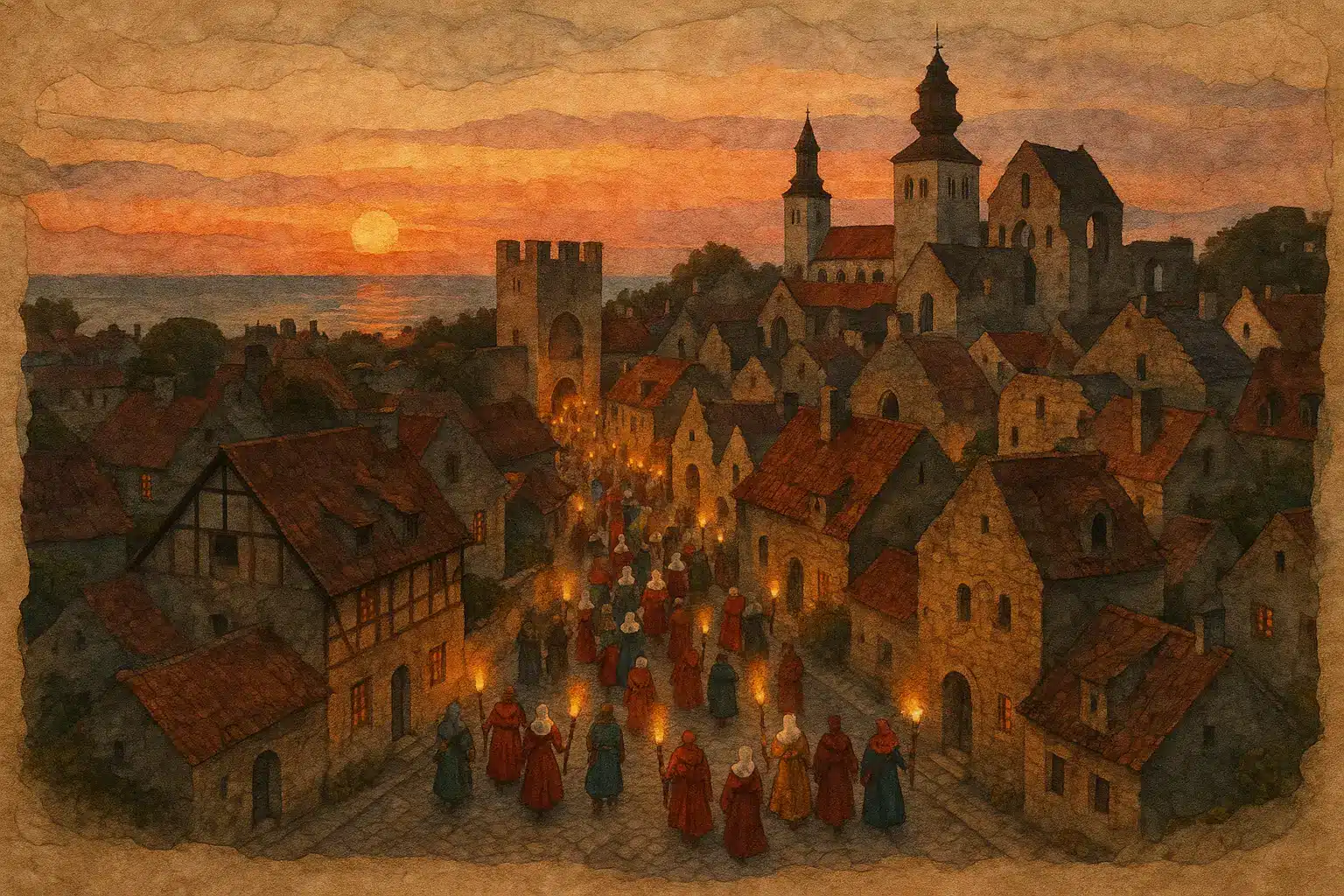
Visby, the capital of Gotland island, offers visitors a remarkable journey through time with its exceptionally well-preserved medieval architecture. This walled city has been a UNESCO World Heritage site since 1995, recognized for its outstanding preservation of a Hanseatic town from the 13th century. With approximately 800,000 tourists visiting annually, Visby has become one of Sweden’s most cherished destinations for both domestic and international travelers seeking a blend of history, culture, and natural beauty.
History and UNESCO Status
The history of Visby is deeply intertwined with its strategic position in Baltic Sea trade. During the medieval period, it served as a crucial Hanseatic League trading center, generating enormous wealth that funded the impressive stone buildings and churches that still stand today. The UNESCO World Heritage designation in 1995 recognizes the exceptional preservation of this once-powerful trading city, with its unique architectural ensemble telling stories of prosperity, conflict, and resilience.
Best Time to Visit
Visby experiences distinct seasonal changes that significantly impact visitor experiences:
- Summer (June-August): Peak season with warm weather, bustling atmosphere, and Medieval Week festival in August
- Spring (April-May): Mild temperatures, blooming botanical gardens, and fewer crowds
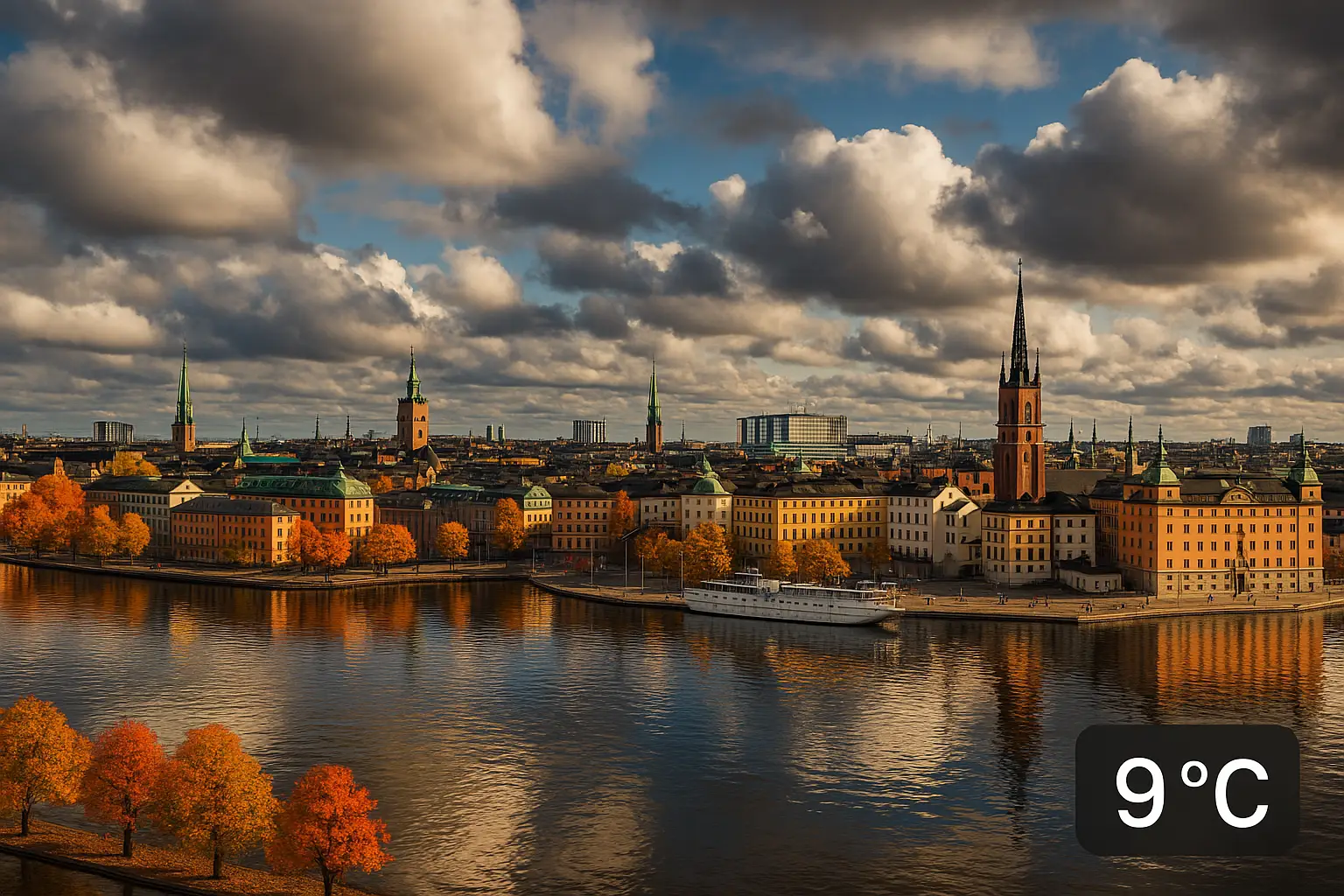
- Fall (September-October): Beautiful autumn colors, lower accommodation rates, and still-pleasant weather
- Winter (November-March): Quiet, atmospheric experience with occasional snow-covered medieval walls
| Season | Average Temperature | Crowd Level | Recommended For |
|---|---|---|---|
| Summer | 18-22°C (64-72°F) | Very High | Medieval Week, beaches, all attractions open |
| Spring | 8-15°C (46-59°F) | Moderate | Botanical Garden, photography, value |
| Fall | 5-15°C (41-59°F) | Low-Moderate | Photography, local experience, value |
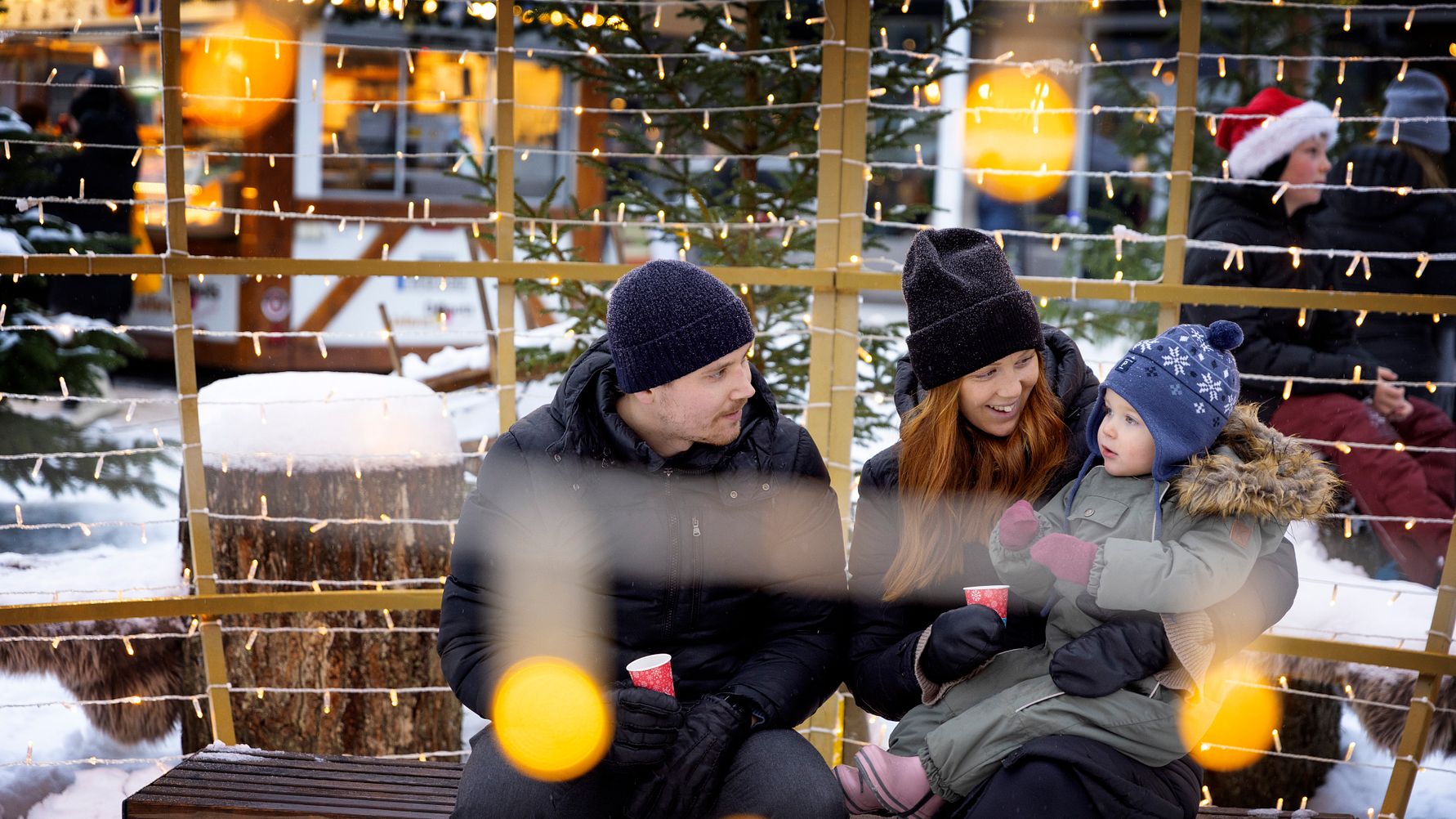
| Winter | 0-5°C (32-41°F) | Very Low | Atmospheric experience, Christmas market |
Top Attractions in Visby
Visby’s compact size makes it perfect for exploring on foot, with most major attractions located within or near the medieval city walls. Here are the must-see sights and attractions in Visby that should be on every visitor’s itinerary.
Ringmuren (The City Wall)
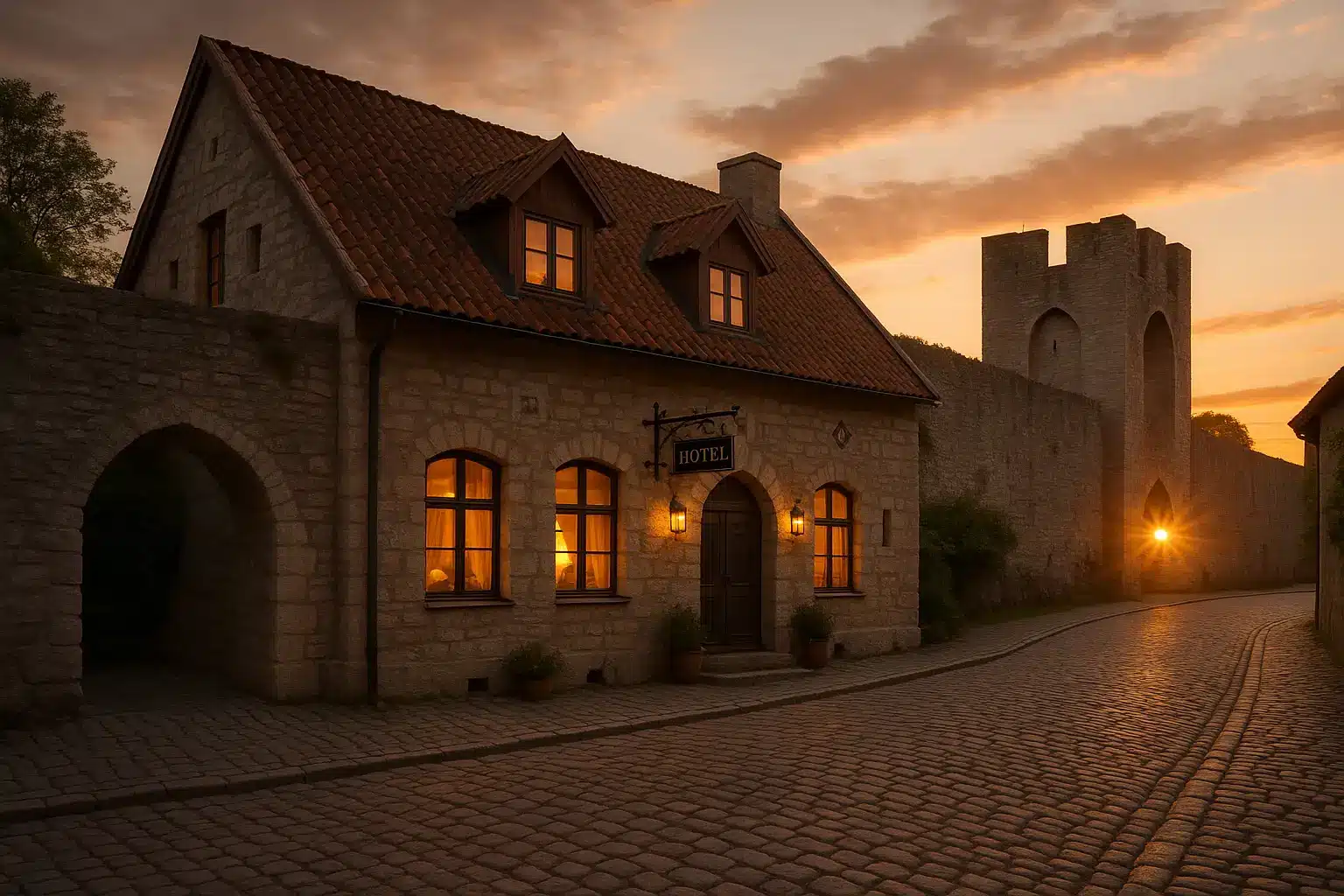
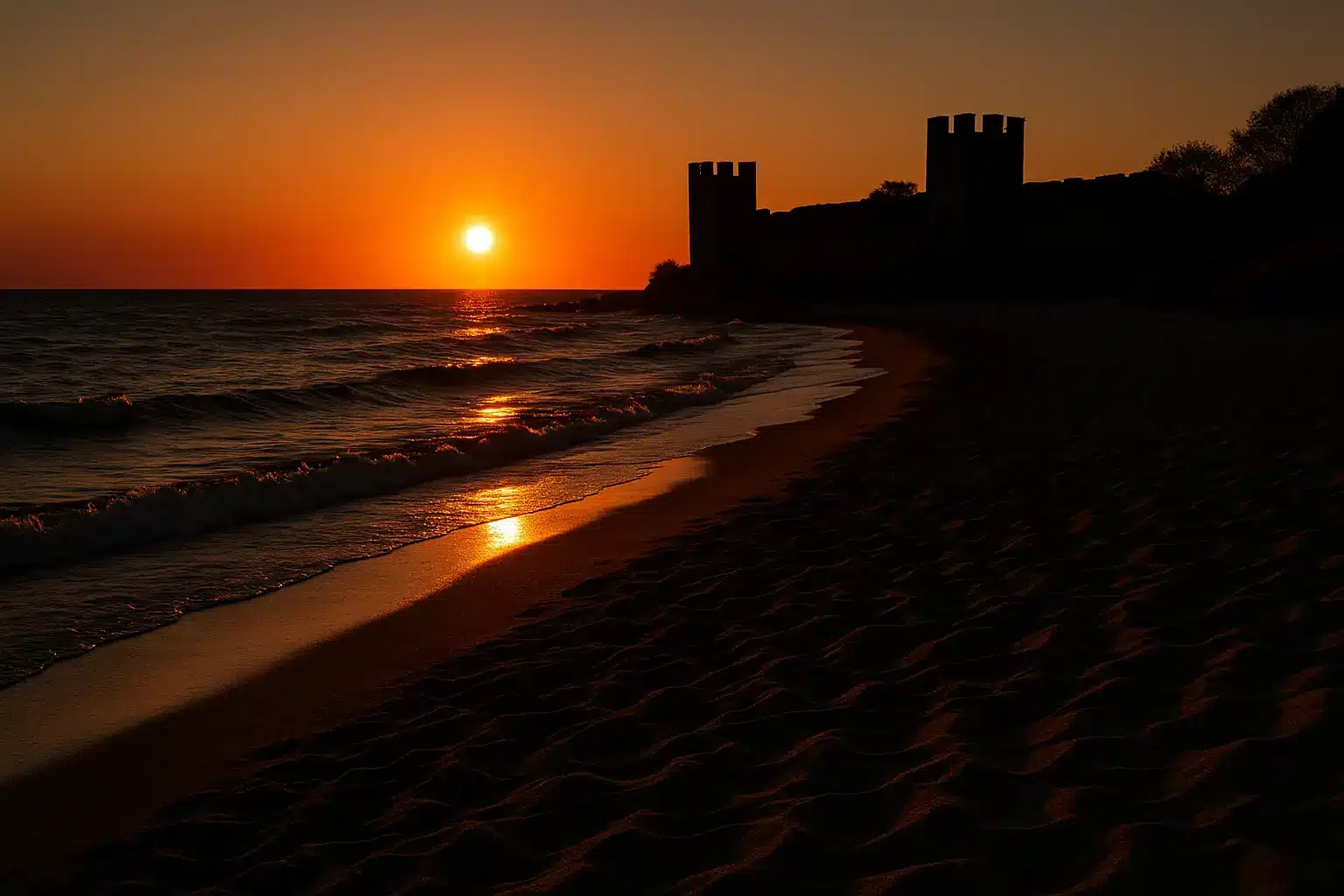
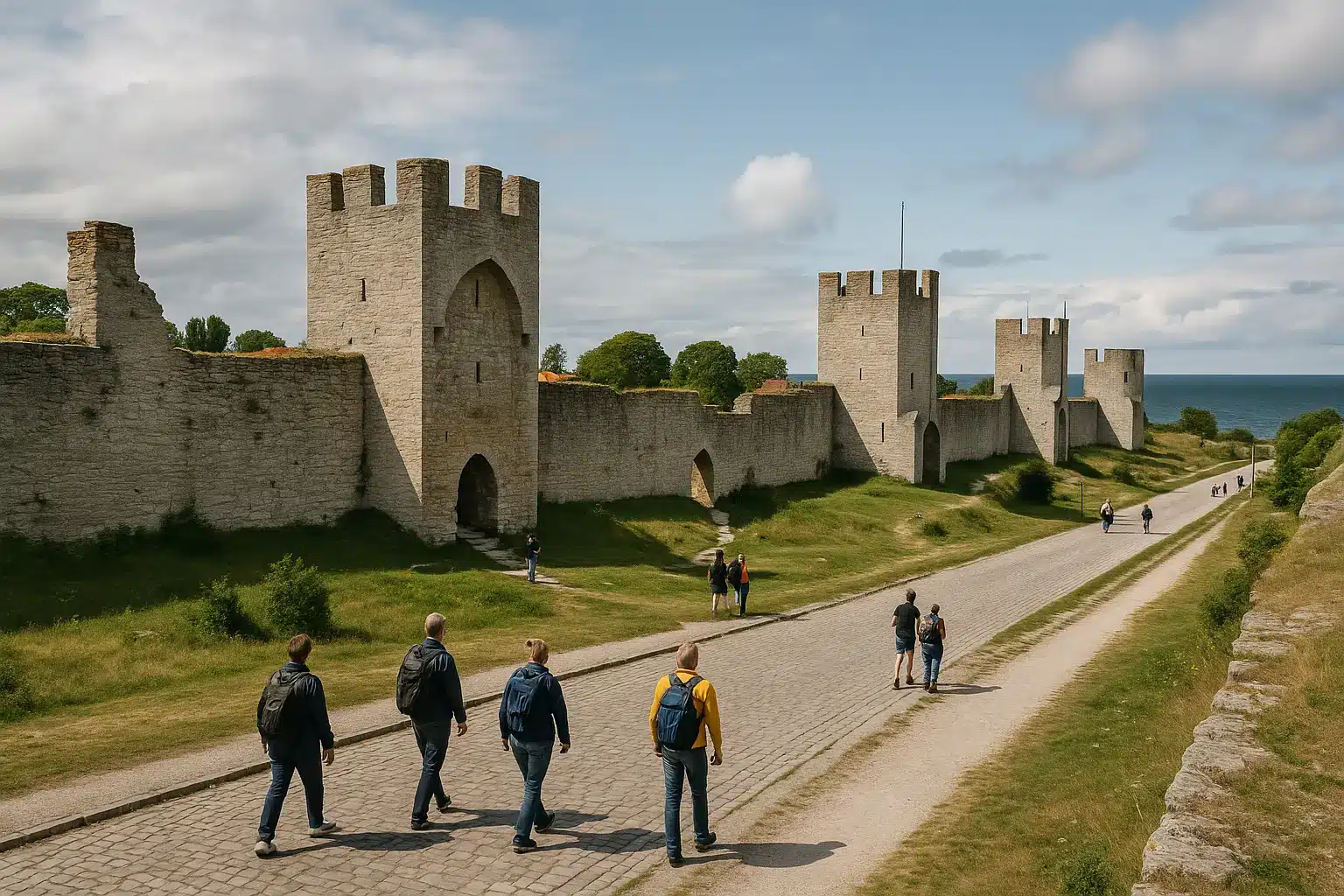
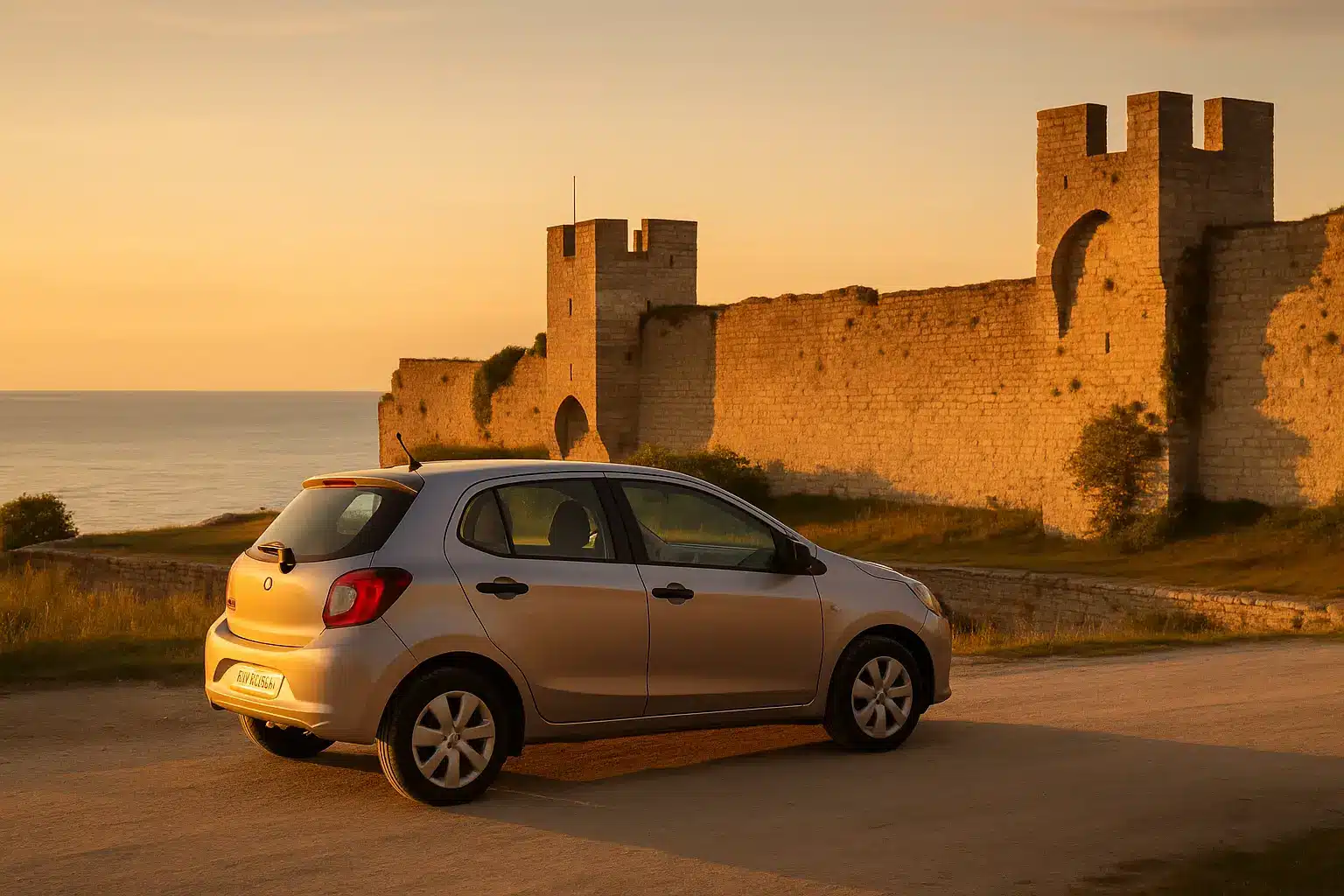
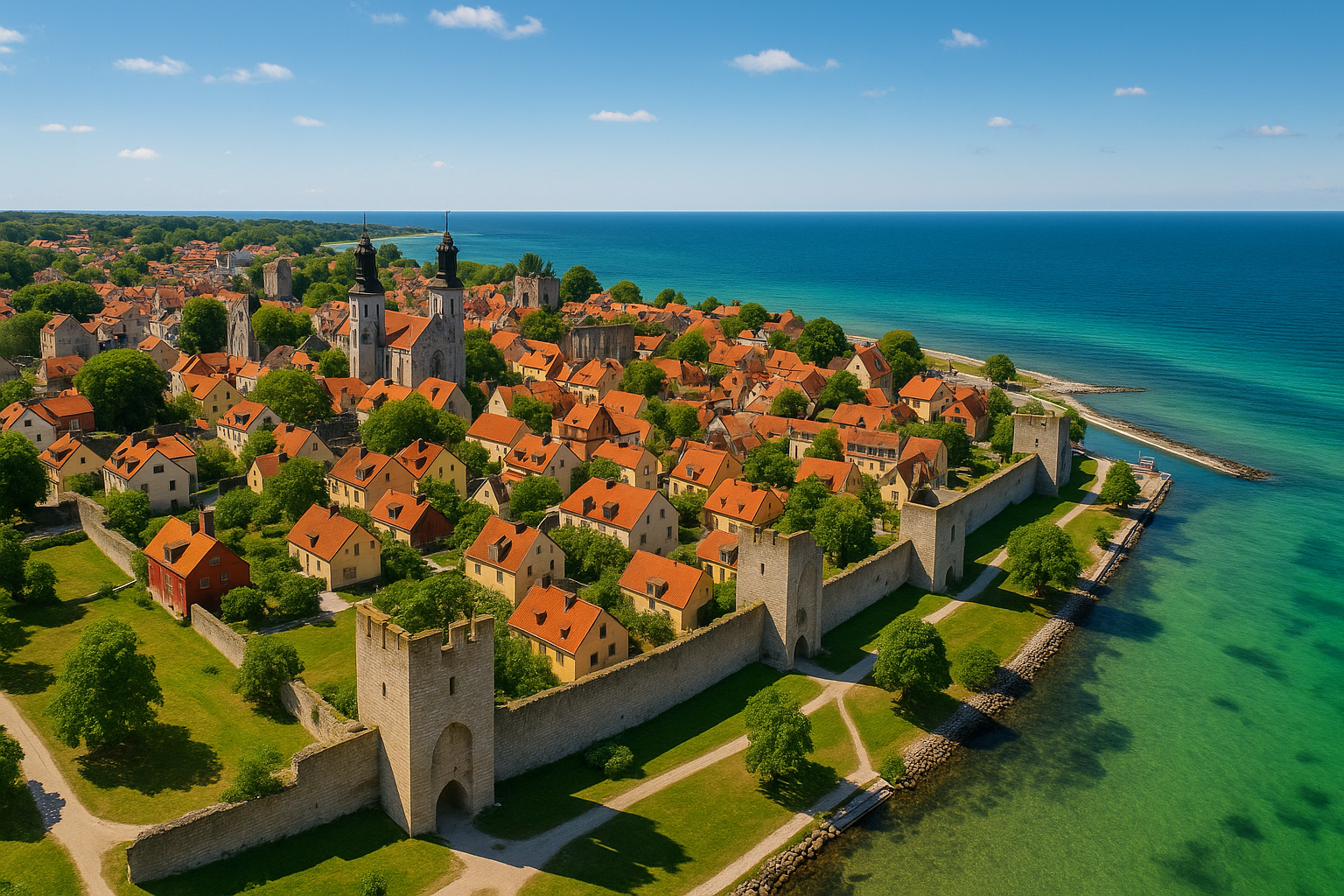
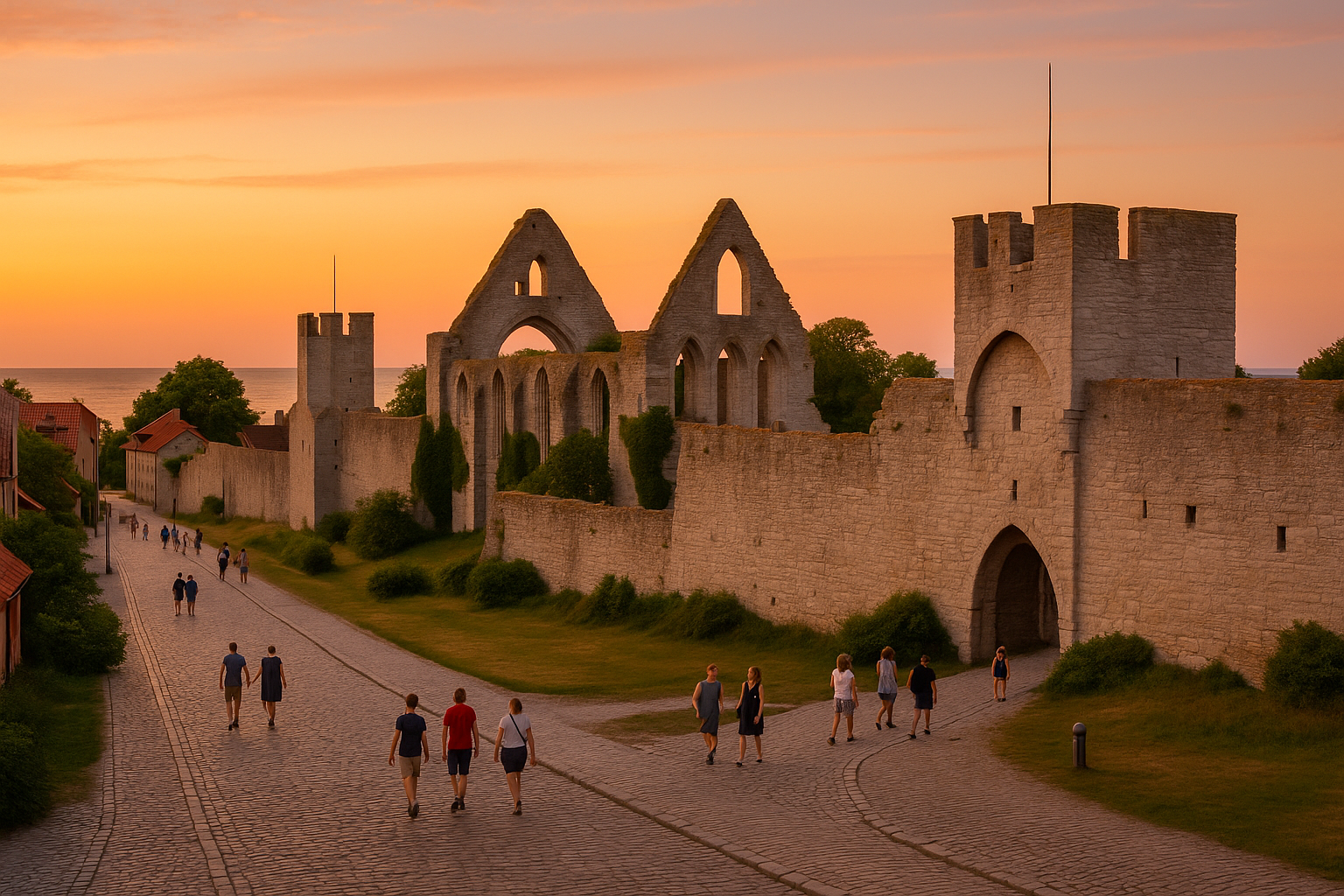
Visby’s most iconic feature is its remarkable medieval wall, known as Ringmuren. Stretching 3.5 kilometers around the old town, this impressive stone fortification was built in the 13th century and remains one of Northern Europe’s best-preserved medieval city walls. With 36 towers and three main gates, visitors can walk sections of the wall for panoramic views of both the city and the Baltic Sea. The wall tells the story of Visby’s defensive needs during its prosperous Hanseatic period.
Medieval Churches and Ruins
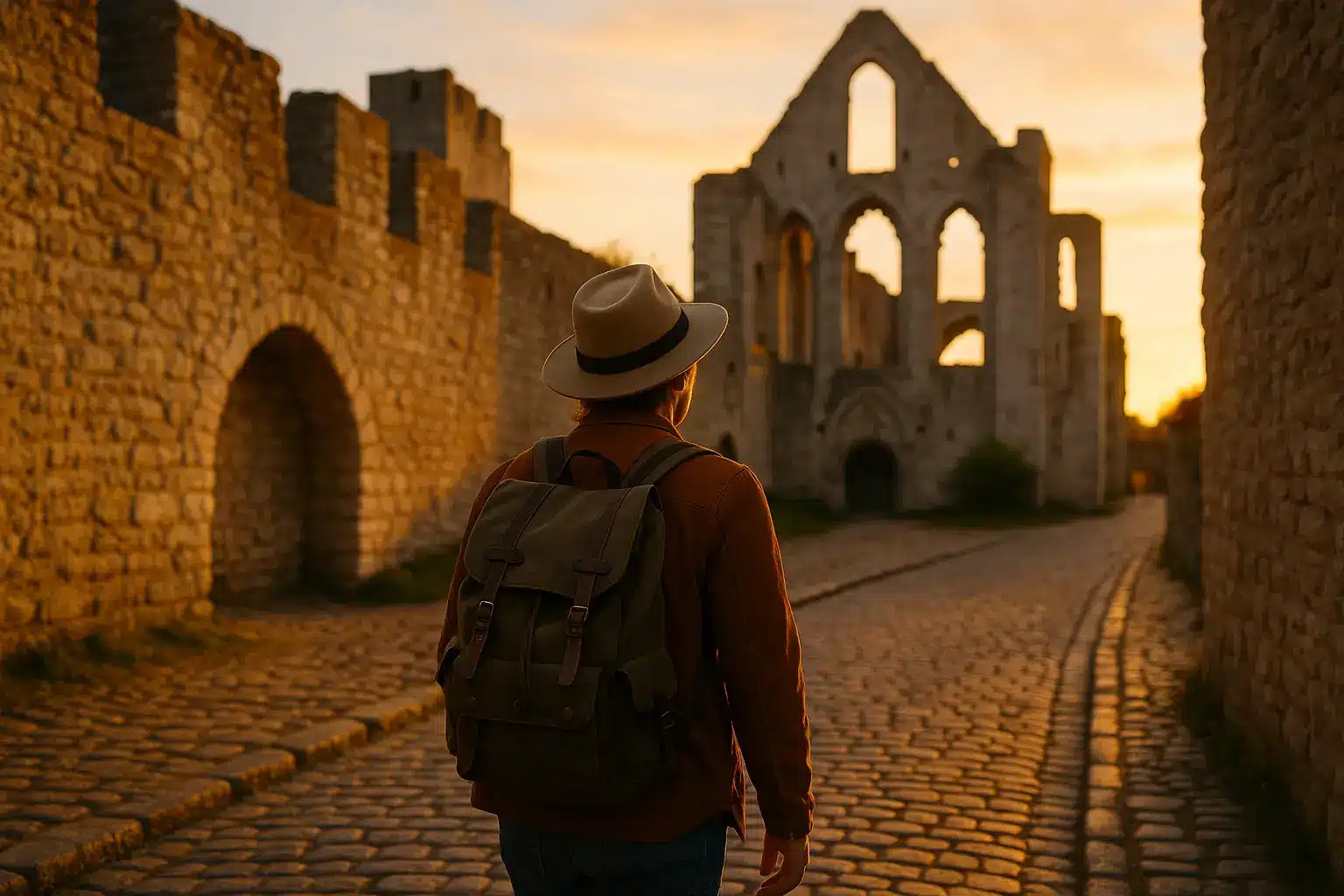
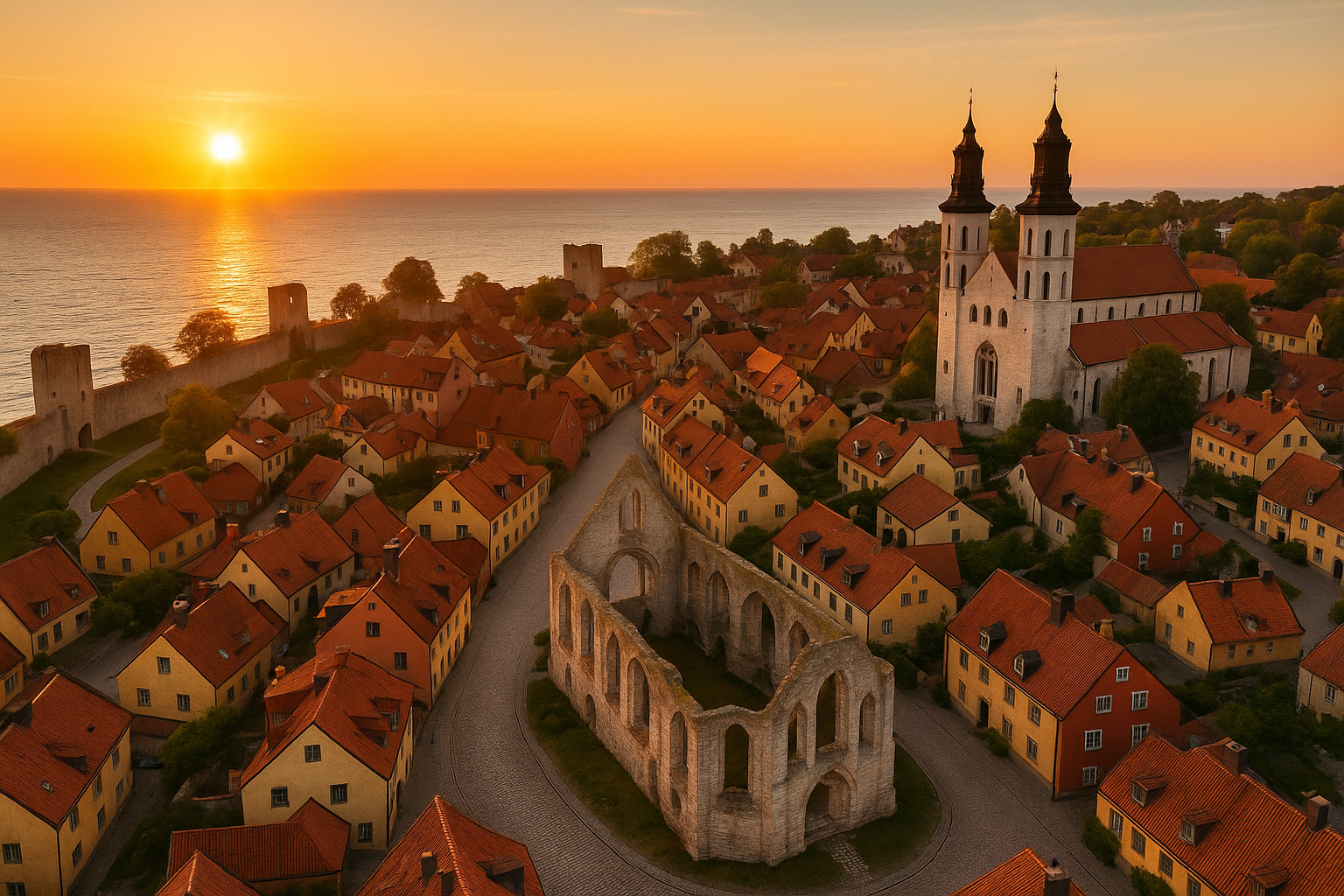
Within Visby’s walls stand the atmospheric ruins of numerous medieval churches, silent witnesses to the city’s rich religious history. Of the original 12 churches inside the walls, only St. Mary’s Cathedral (Visby Domkyrka) remains intact and in use today. The others—including St. Nicolai, St. Clement’s, and St. Catherine’s—exist as hauntingly beautiful ruins that create a uniquely preserved medieval landscape. These ruins provide excellent photo opportunities, especially during golden hour when the light casts long shadows through the ancient stone arches.
Botaniska Trädgården (Botanical Garden)
For a peaceful retreat from historical exploration, Visby’s Botanical Garden offers a lush escape with exotic plants, carefully maintained flower beds, and tranquil pathways. Established in 1855, it’s one of Sweden’s oldest botanical gardens and particularly beautiful during spring and summer. The garden combines scientific collections with aesthetic displays, including a notable collection of exotic trees, a rose garden, and a medieval herb garden reflecting the medicinal plants used during Visby’s heyday.
Museums and Historical Experiences
Visby offers several excellent museums that bring its fascinating history to life, from Viking settlements to medieval trade networks and beyond.
Gotlands Museum
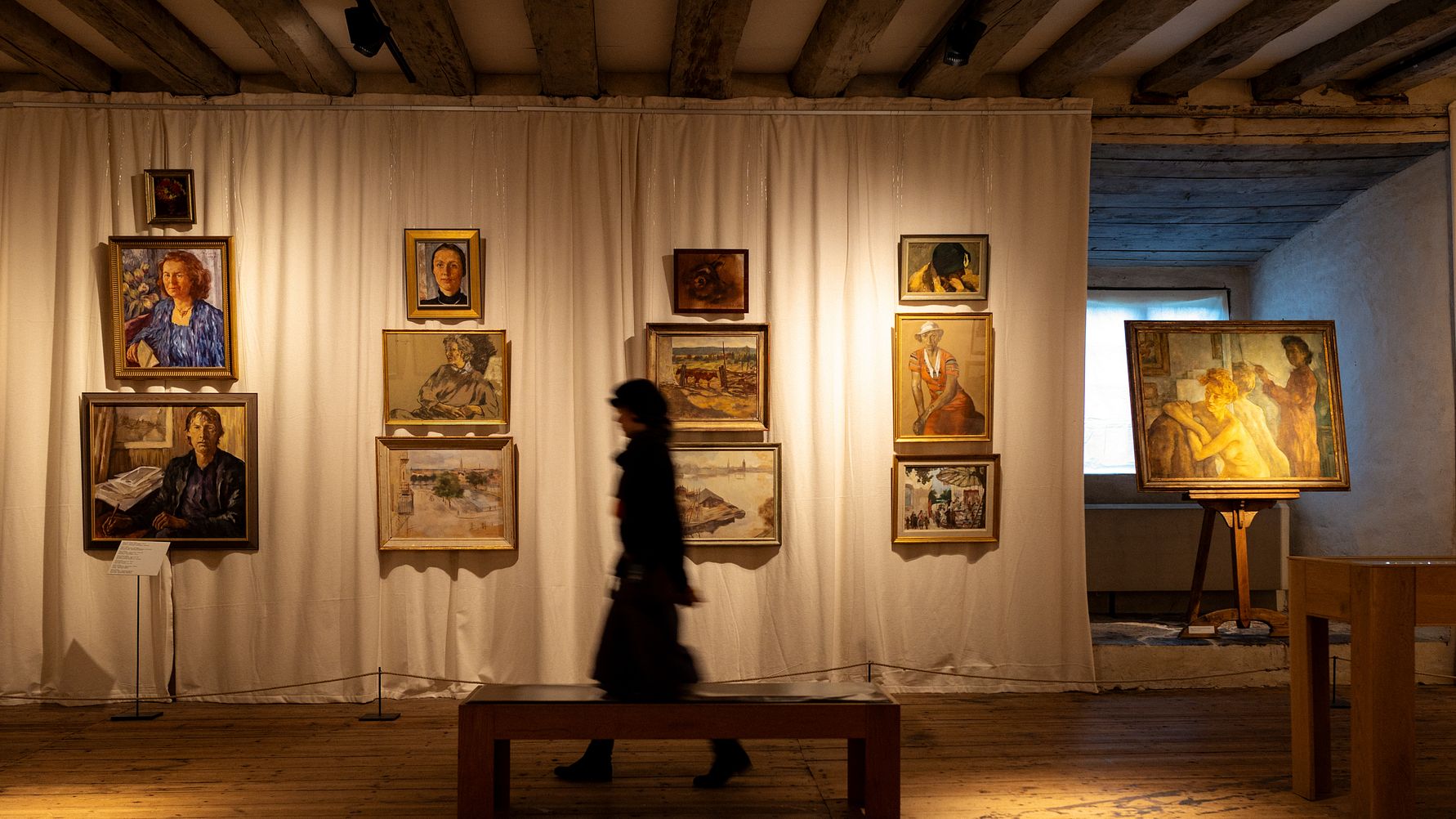
The award-winning Gotlands Museum (also known as Fornsalen) houses the island’s most important historical collections. Located in a beautiful building in central Visby, it showcases artifacts spanning 8,000 years of Gotland’s history. Highlights include the world’s largest collection of Viking silver treasures, picture stones with unique Norse mythology imagery, and medieval artifacts from Visby’s Hanseatic period. The museum provides excellent context for understanding the historical significance of the sites you’ll see throughout the city.
Medieval Visby Experience
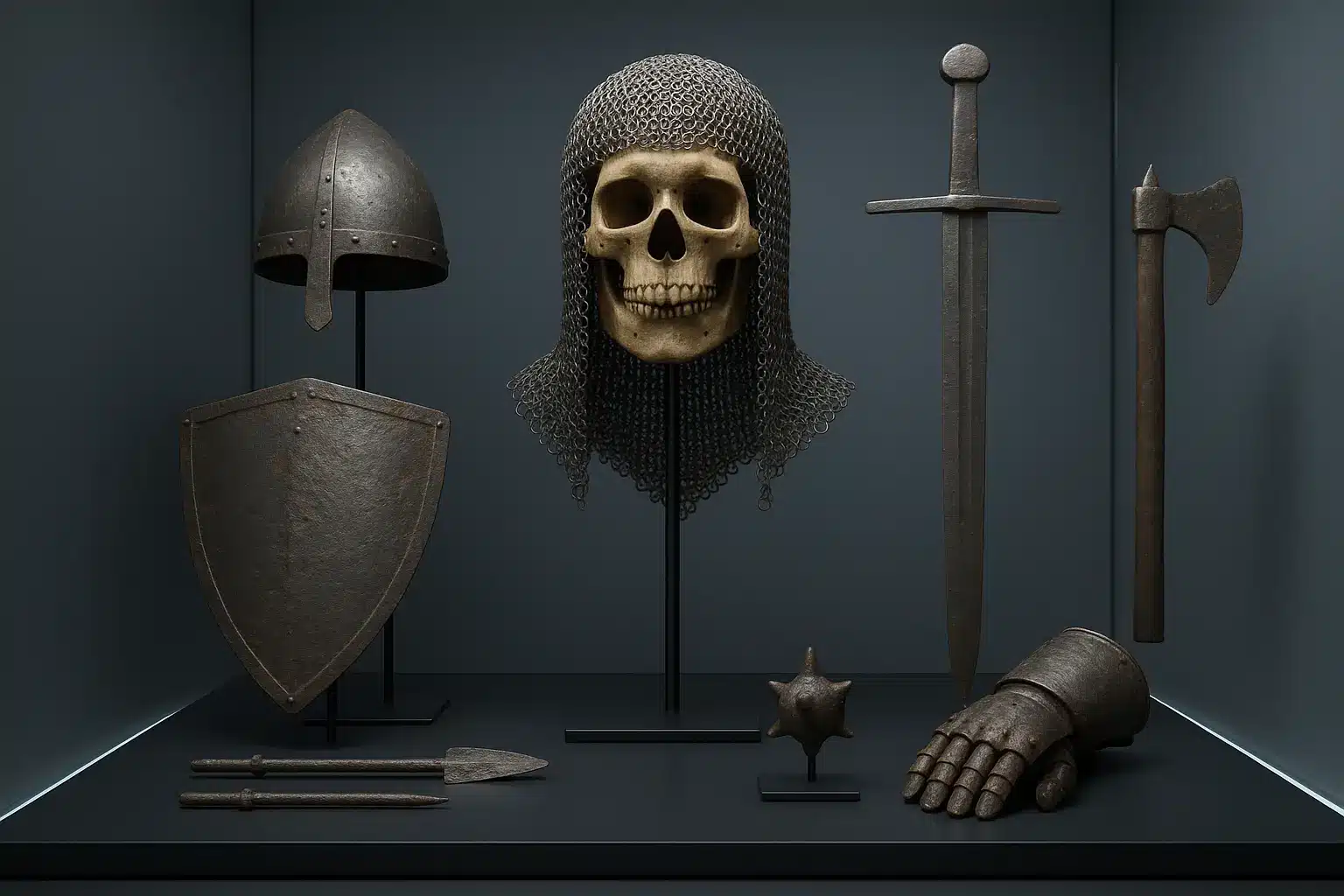
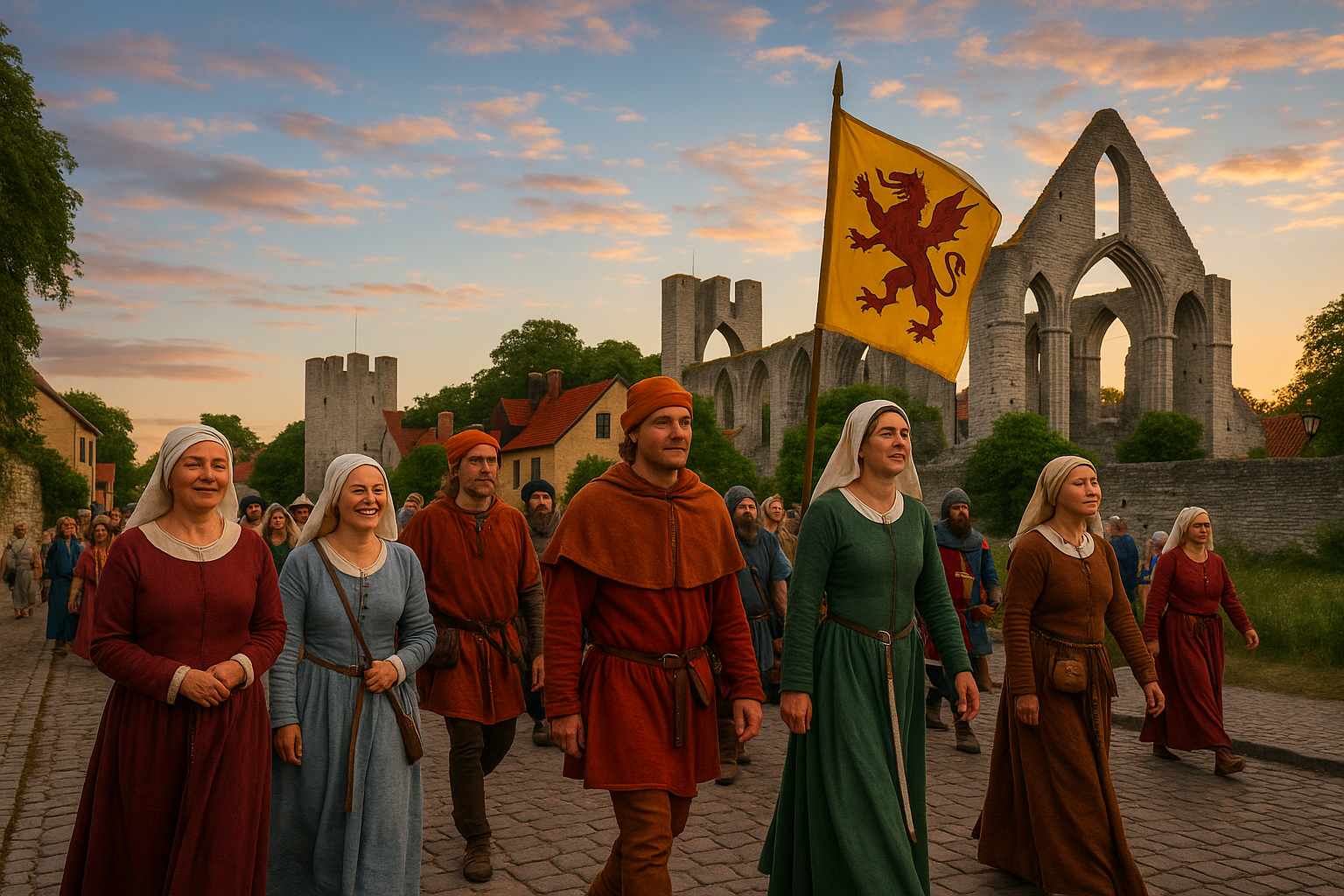
For an immersive historical experience, don’t miss the reconstructed medieval environments throughout the city. During the annual Medieval Week festival (usually held in August), Visby transforms with period-appropriate markets, tournaments, performances, and residents in medieval costumes. Throughout the year, visitors can experience medieval dining experiences, themed tours, and demonstrations of crafts and fighting techniques from the era. The famous Battle of Visby in 1361—known for its well-preserved mass graves excavated by archaeologists—is commemorated in several exhibitions.
According to historical records, Gotland has over 90 medieval churches across the island, with many impressive examples located in and around Visby. This extraordinary density of medieval religious architecture in a relatively small area makes Gotland unique in Northern Europe.
Family-Friendly Activities in Visby
Visby offers numerous engaging activities for families with children, combining education with entertainment in a safe, walkable environment.
Kid-Friendly Museums and Attractions
Several of Visby’s museums have created special exhibits and activities designed specifically for younger visitors:
- Gotlands Museum Children’s Room: Hands-on historical activities including Viking dress-up, archaeological digging, and medieval games
- Fenomenalen Science Center: Interactive exhibits demonstrating scientific principles through play
- Medieval Experience: Family-friendly demonstrations of medieval crafts, archery, and armor
- City Wall Adventure: Guided treasure hunts and stories designed for children along sections of the wall
Parks and Nature Activities
When children need a break from historical sightseeing, Visby offers several outdoor spaces for recreation:
- Almedalen Park: Large green space with playground equipment and room to run
- Botanical Garden: Scavenger hunts and seasonal children’s activities
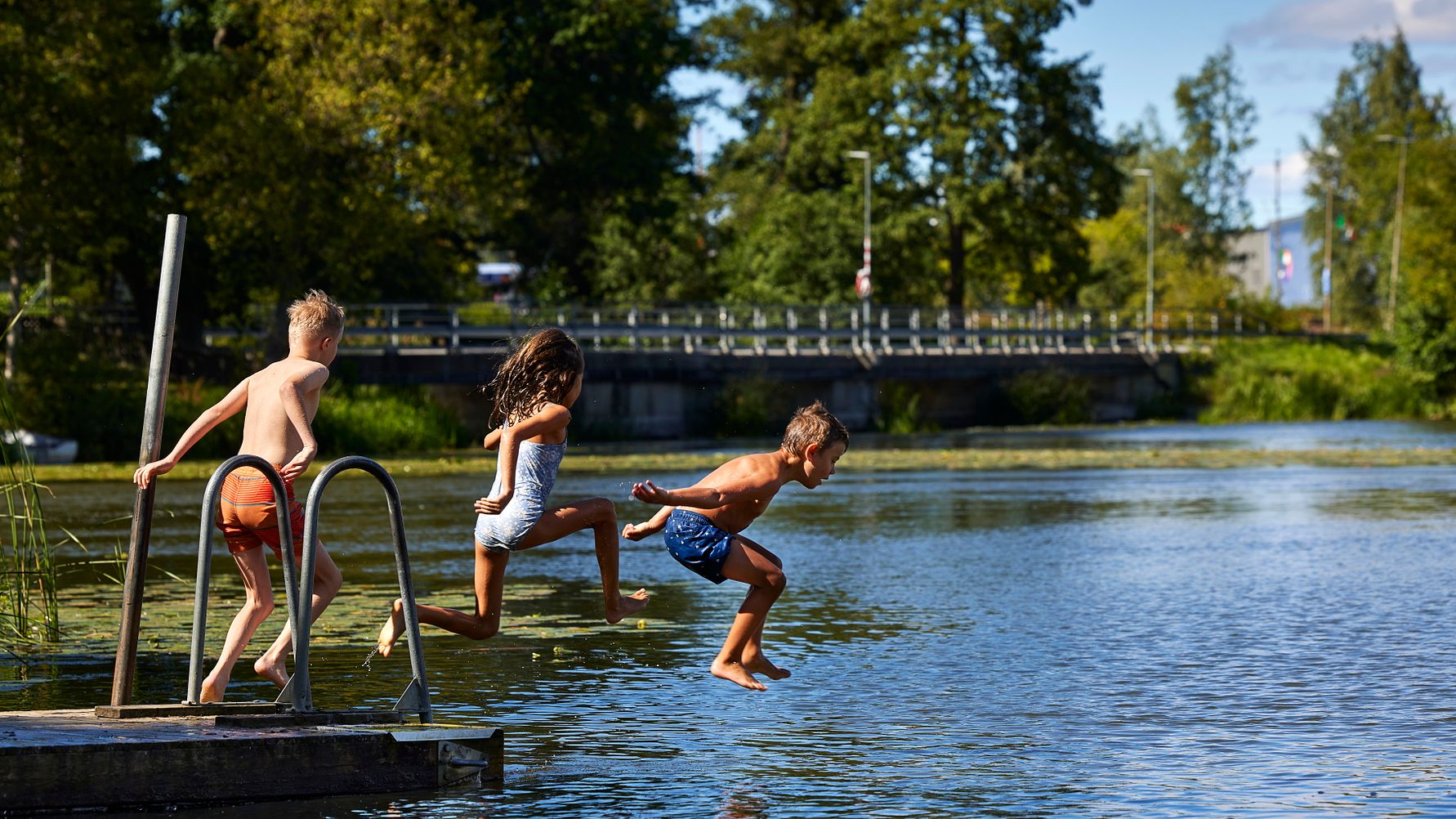
- Nearby Beaches: Family-friendly swimming at Norderstrand, just a short walk from the city center
- Kneippbyn Resort: Amusement park with Villa Villekulla (from Pippi Longstocking) and water attractions
Practical Travel Tips for Visby
Make the most of your visit to Visby with these essential planning insights and recommendations for an optimal experience.
Getting Around Visby
Visby’s compact size makes it ideal for pedestrian exploration:
- Walking: Most attractions within the walled city are within 15-20 minutes’ walk of each other
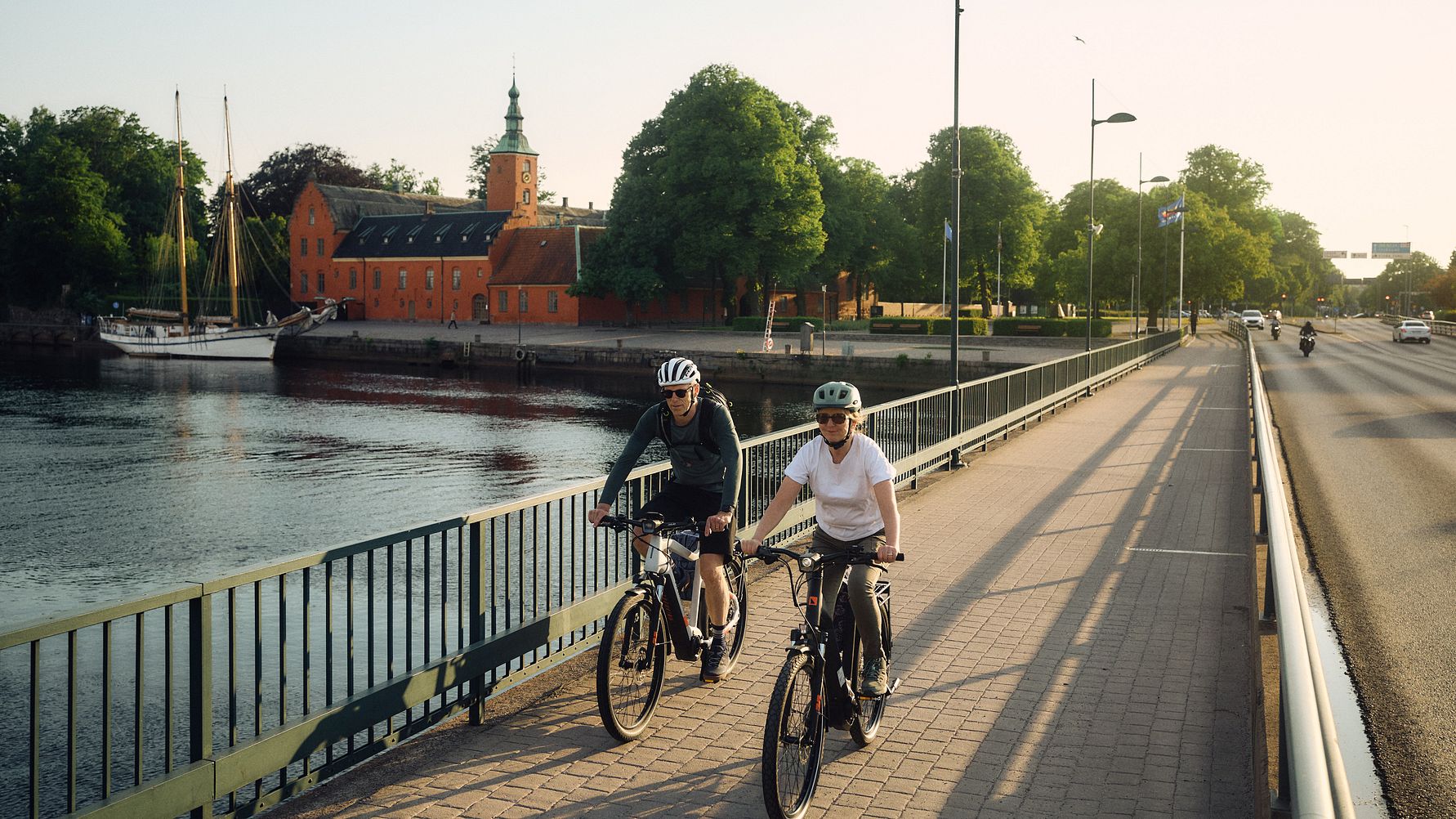
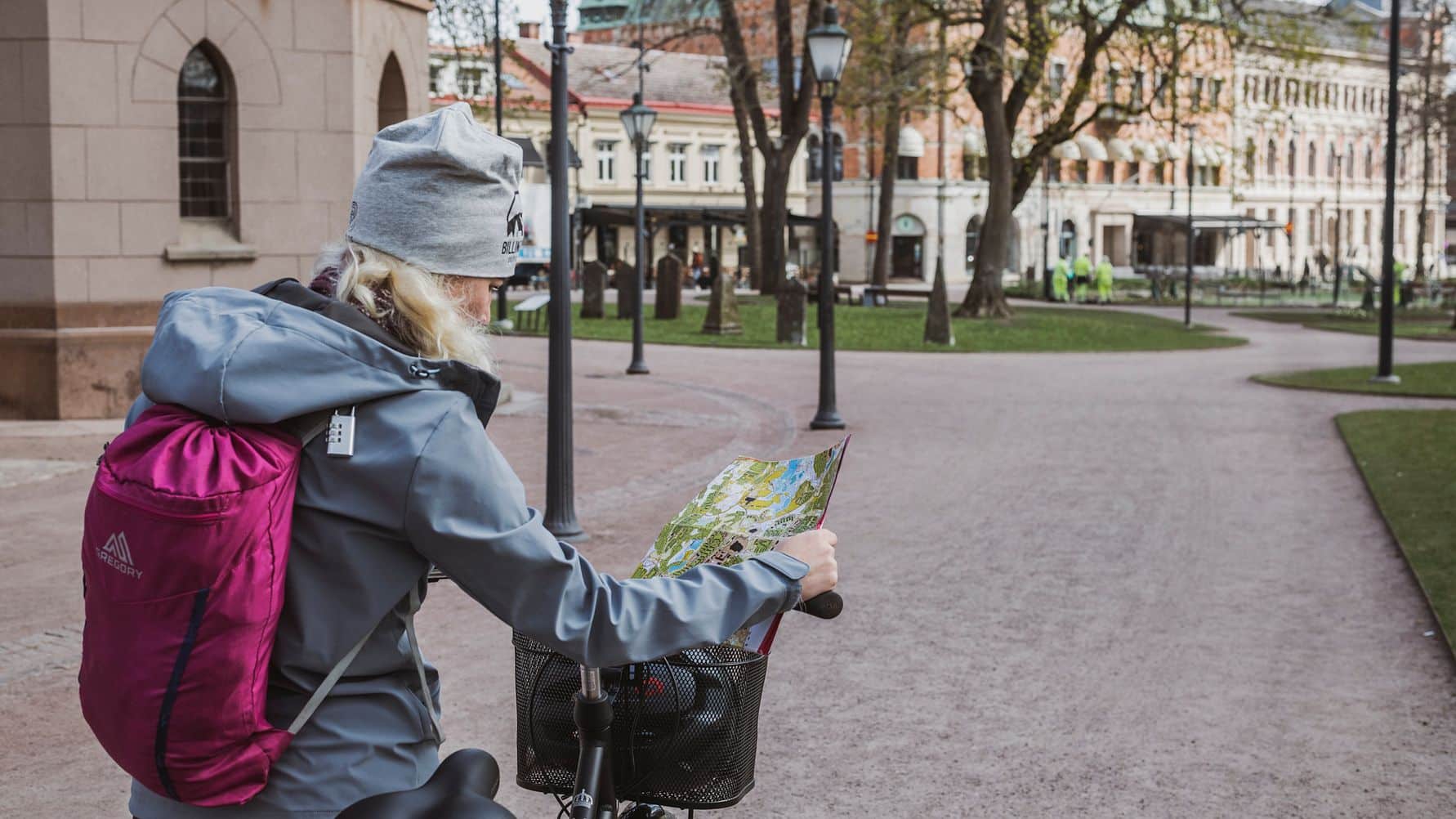
- Bicycles: Available for rent at several locations and ideal for exploring beyond the city walls
- Public Transport: Limited within Visby itself but useful for reaching outlying attractions
- Taxis: Available but rarely necessary unless staying outside the city center
Suggested Itineraries
Depending on your available time, consider these recommended schedules:
- One Day: Morning walk along the city wall, Gotlands Museum, lunch in the old town, afternoon exploring church ruins and the Botanical Garden
- Two Days: Add beach time, shopping in local craft stores, and a more thorough exploration of museums
- Three+ Days: Include day trips to other parts of Gotland such as Fårö island or the distinctive limestone formations known as raukar
| Attraction | Approximate Time Needed | Best Time to Visit | Admission (2025) |
|---|---|---|---|
| City Wall (Ringmuren) | 1-2 hours | Early morning/evening | Free |
| Gotlands Museum | 2-3 hours | Rainy days/mornings | 150 SEK adults |
| St. Mary’s Cathedral | 30-45 minutes | Anytime | Free |
| Botanical Garden | 1 hour | Midday/afternoon | Free |
| Medieval Visby Tour | 2 hours | Morning | From 250 SEK |
Frequently Asked Questions About Visby
What are the must-see attractions in Visby?
The essential attractions in Visby include the medieval city wall (Ringmuren), the church ruins (particularly St. Nicolai and St. Catherine’s), Gotlands Museum with its Viking artifacts, the Botanical Garden, and St. Mary’s Cathedral. For the most authentic experience, wander the cobblestone streets of the old town to discover hidden courtyards and well-preserved medieval merchant houses. According to visitor statistics, the city wall consistently ranks as the most photographed attraction in Visby’s historical center.
How much time should I spend in Visby?
While you can see the main highlights in a single day, a 2-3 day visit is ideal for fully experiencing Visby without rushing. This allows time to explore the museums, enjoy the atmospheric streets at different times of day, perhaps take a guided tour, and still have leisure time for shopping, dining, or beach visits. If you’re interested in exploring beyond Visby to see other parts of Gotland island, plan for at least 4-5 days total.
Are there activities for children in Visby?
Yes, Visby offers numerous family-friendly activities. Children typically enjoy walking sections of the city wall, the interactive exhibits at Gotlands Museum and Fenomenalen Science Center, the Botanical Garden’s open spaces, and the nearby beaches. During summer, family-oriented medieval demonstrations and workshops are available. Kneippbyn Resort, a short drive from the city, features Villa Villekulla from Pippi Longstocking and water attractions that are particularly popular with younger visitors.
When is the best season to visit Visby?
The optimal time to visit Visby depends on your preferences. Summer (June-August) offers the warmest weather, all attractions operating at full hours, and special events like Medieval Week, but also brings the largest crowds and highest prices. Late spring (May-early June) and early fall (September) offer a good compromise with pleasant weather, fewer tourists, and lower accommodation rates. Winter visits provide a uniquely atmospheric experience of the medieval city, though with limited opening hours for some attractions.
Is Visby worth visiting compared to other Swedish destinations?
Visby offers a unique experience that differs significantly from other Swedish destinations. While Stockholm, Gothenburg, and Malmö present modern Scandinavian urban life, Visby provides an exceptionally well-preserved medieval environment that feels like stepping back in time. Its UNESCO World Heritage status recognizes this uniqueness. For travelers interested in history, architecture, or photography, Visby represents one of Northern Europe’s most remarkable destinations and a distinctly different aspect of Swedish heritage than what’s found on the mainland.