University of Gothenburg: Complete Guide for 2025
Overview and History
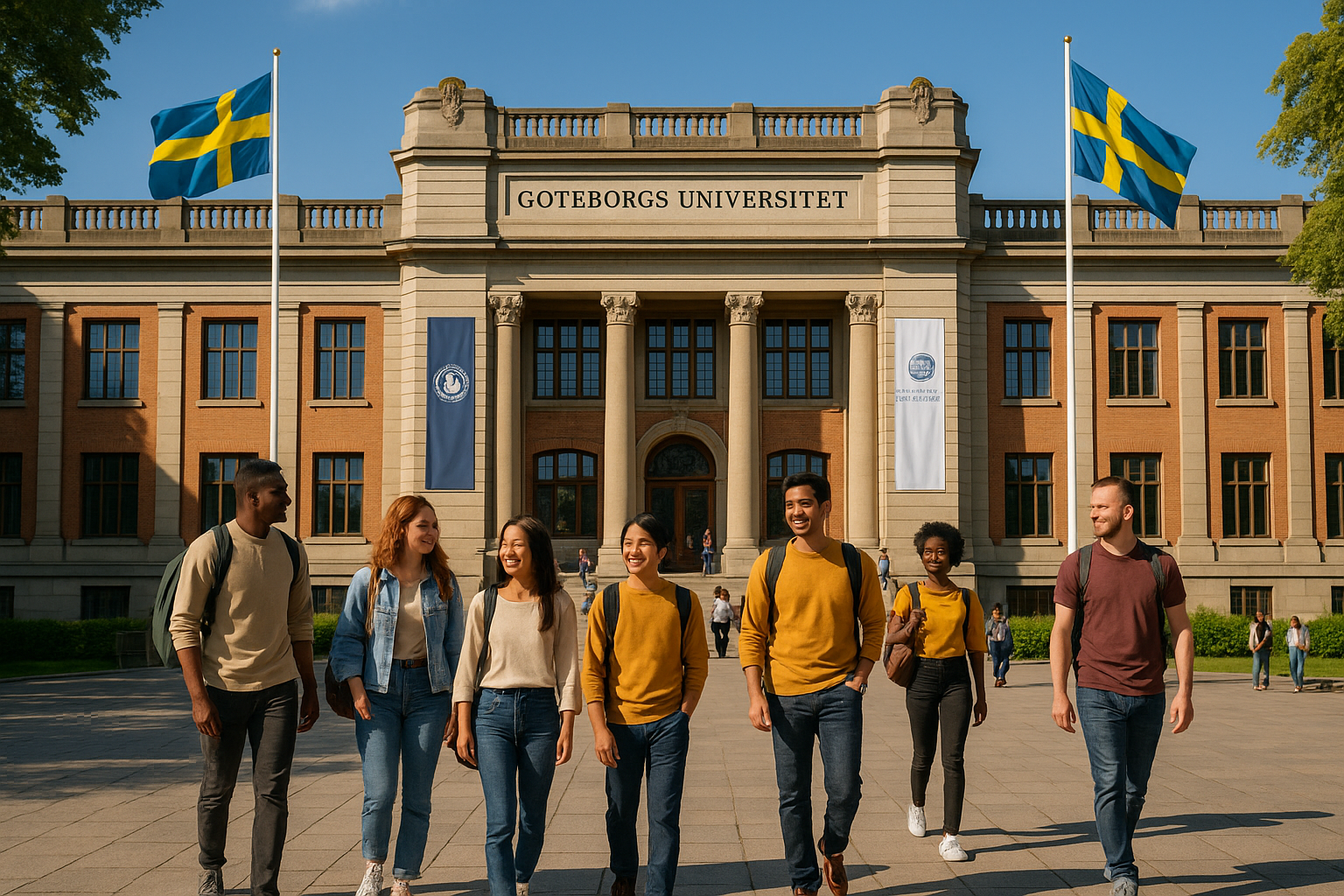
Founded in 1891, the University of Gothenburg has grown to become one of Sweden’s largest and most prestigious institutions of higher education. Located in the heart of Gothenburg, Sweden’s second-largest city, the university spans multiple campuses throughout the urban area and serves approximately 37,000 students and 6,000 staff members.
As a comprehensive university, it offers education and research across a diverse range of disciplines, from the humanities and social sciences to natural sciences, medicine, and the arts. Its proximity to industry and cultural institutions in Gothenburg creates unique opportunities for collaboration and innovation.
Comparison with Chalmers University of Technology
While often compared to its neighbor Chalmers University of Technology, the University of Gothenburg has a broader academic focus. Chalmers specializes in engineering, technology, and natural sciences, while the University of Gothenburg excels in comprehensive education across disciplines including medicine, social sciences, arts, and humanities. The two institutions do collaborate on certain programs and research initiatives, creating a vibrant academic environment in the city.
| Feature | University of Gothenburg | Chalmers University |
|---|---|---|
| Founded | 1891 | 1829 |
| Focus Areas | Comprehensive (Arts, Sciences, Medicine, etc.) | Engineering and Technology |
| Student Population | ~37,000 | ~13,000 |
| QS Ranking 2025 | 194 | 125 |
Rankings in 2025
The University of Gothenburg consistently ranks among the top universities worldwide, reflecting its commitment to academic excellence and research impact. In 2025, it maintains strong positions across several prestigious ranking systems.
Global Rankings
According to the QS World University Rankings for 2025, the University of Gothenburg holds position #194 globally, placing it among the top 1% of universities worldwide. This reflects its strong reputation among academic peers and employers, as well as its research impact.
The Times Higher Education (THE) World University Rankings positions the university between 201-250 globally, with particularly strong showings in research influence and international outlook categories. Meanwhile, the Academic Ranking of World Universities (ARWU, also known as Shanghai Ranking) places it in the 151-200 band.
Sweden-Specific Rankings
Within Sweden, the University of Gothenburg consistently ranks among the top 5 universities, alongside Karolinska Institute, Uppsala University, Lund University, and Stockholm University. This strong national standing reflects its comprehensive academic offerings and research output.
Subject-Specific Strengths
The university demonstrates particular excellence in specific disciplines, as reflected in the QS Subject Rankings for 2025:
- Dentistry: Top 50 globally
- Medicine: Top 100
- Life Sciences: Top 150
- Arts & Humanities: Top 200
- Social Sciences: Top 200
The Sahlgrenska Academy, the university’s medical school and healthcare faculty, contributes significantly to these strong rankings in health-related disciplines. As noted by the university’s official recognition page, research from this faculty has global impact in areas including dentistry, biomedicine, and public health.
Programs and Courses
The University of Gothenburg offers a comprehensive range of academic programs across all levels of study, with particularly strong international offerings at the graduate level.
Bachelor’s Programs
At the undergraduate level, the university offers over 70 programs, primarily taught in Swedish. However, several English-taught bachelor’s programs are available, particularly in business, economics, and environmental sciences. These programs typically span three years (180 ECTS credits) and provide a solid foundation for further studies or career entry.
Master’s Programs
According to the university’s official program listings, around 80 international master’s programs are offered for the 2025 academic year. All of these are taught entirely in English, making them accessible to international students. These programs typically span two years (120 ECTS credits) and cover disciplines including:
- Business and Economics
- Education and Teaching
- Health Sciences
- IT and Computer Science
- Languages and Literature
- Law and Political Science
- Medicine and Biomedicine
- Natural Sciences
- Social Sciences
Popular master’s programs include Applied Data Science, Global Health, International Business and Trade, and Maritime Management.
PhD and Research Programs
The university offers doctoral education across all faculties, with over 30 subject areas available for PhD studies. These programs typically span four years of full-time study, including coursework and dissertation research. Notably, PhD positions at Swedish universities are treated as employment, with doctoral candidates receiving monthly salaries rather than paying tuition.
Admissions Process
The admissions process at the University of Gothenburg varies depending on your background and the program level you’re applying to. Understanding the requirements and deadlines is crucial for a successful application.
Requirements for International Students
International applicants must meet both general and program-specific requirements:
- General eligibility: Completed secondary education (for bachelor’s) or a bachelor’s degree (for master’s)
- English proficiency: IELTS score of at least 6.5 or TOEFL iBT score of at least 90
- Program-specific requirements: Varies by program, may include specific prerequisite courses, portfolios, or entrance exams
- Documentation: Academic transcripts, degree certificates, passport, and other supporting documents
Application Deadlines for 2025
According to the official admissions timeline for Autumn 2025, international students should note these key dates:
| Date | Milestone |
|---|---|
| October 16, 2024 | Application portal opens |
| January 15, 2025 | Application deadline for international students |
| February 3, 2025 | Supporting documents deadline |
| April 9, 2025 | Notification of selection results |
| May 11, 2025 | Tuition fee payment deadline (first installment) |
| August 25, 2025 | Autumn semester begins |
Tuition and Scholarships
Tuition fees apply to non-EU/EEA students, while EU/EEA citizens study tuition-free:
- Bachelor’s programs: Approximately SEK 80,000-110,000 per academic year (≈ €7,000-9,500)
- Master’s programs: Approximately SEK 90,000-140,000 per academic year (≈ €7,800-12,000), depending on the field of study
Several scholarship opportunities are available for international students:
- Swedish Institute Scholarships for Global Professionals
- University of Gothenburg Study Scholarships (covers 25-100% of tuition)
- Faculty-specific scholarships (varies by department)
- Country-specific scholarships through bilateral agreements
For doctoral studies, fully-funded PhD scholarships are available for 2025, covering a monthly salary of approximately SEK 28,000-34,000 (≈ €2,400-2,900) before tax.
Research Opportunities
Research at the University of Gothenburg spans numerous disciplines and includes multiple centers of excellence. The university’s research profile contributes significantly to its global reputation.
Key Research Areas
The university has identified several strategic research areas where it demonstrates particular strength:
- Health and Medicine: Through the Sahlgrenska Academy, conducting pioneering research in cancer, cardiovascular disease, and public health
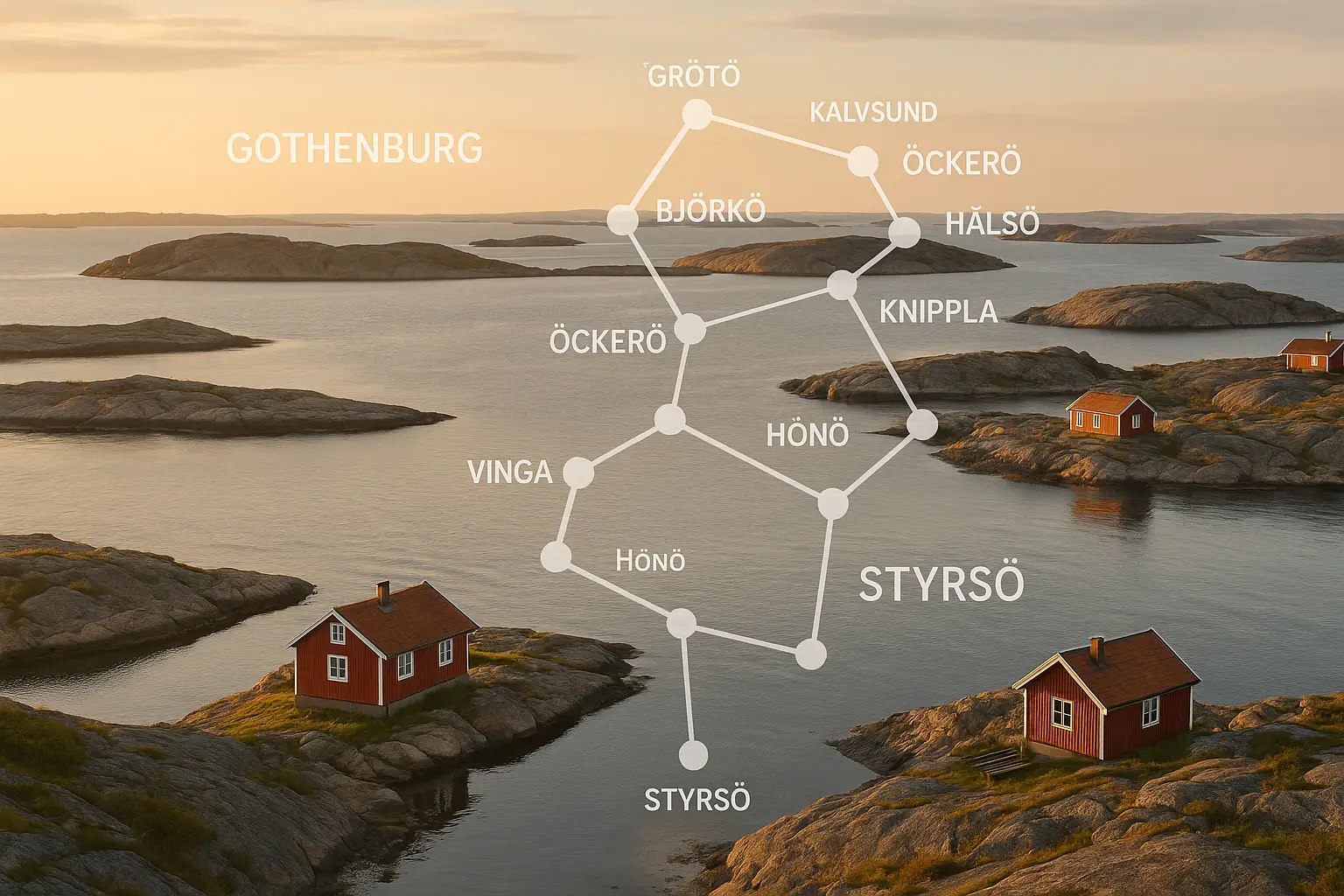
- Marine Sciences: The Tjärnö Marine Laboratory leads research on marine biodiversity and ecosystem services
- Cultural Sciences: Including heritage studies, digital humanities, and critical cultural theory
- Globalization and Migration: Interdisciplinary research on global challenges and human mobility
- Democracy and Public Administration: Policy studies, governance, and democratic innovations
- Environmental Sciences: Climate change, sustainable development, and conservation biology
According to official research statistics, the university produces over 4,000 scientific publications annually, with a high proportion appearing in top-tier international journals.
Vacancies and Positions
The university regularly posts academic vacancies across various levels:
- PhD positions: Fully funded opportunities across all faculties
- Postdoctoral fellowships: 2-3 year research positions for early-career researchers
- Research assistant roles: Entry-level positions, often suitable for recent graduates
- Faculty positions: From assistant professors to full professors
For 2025, 23 new PhD, postdoctoral, and academic positions have been announced across various departments. These positions typically offer competitive salaries and excellent working conditions in line with Swedish employment standards.
Collaborations and Funding
The university maintains extensive research collaborations with:
- Industry partners in the Gothenburg region, including Volvo and AstraZeneca
- Public sector organizations and healthcare providers
- International university networks and research consortia
- EU-funded Horizon Europe projects
Research funding comes from diverse sources, including the Swedish Research Council, EU programs, private foundations, and industry partnerships.
Frequently Asked Questions
What is the acceptance rate at University of Gothenburg?
The acceptance rate at the University of Gothenburg is approximately 38% for international students, though this varies significantly by program. More competitive programs in medicine, dentistry, and popular master’s degrees can have acceptance rates below 20%. Domestic (Swedish) applicants typically face different selection criteria based on the Swedish admission system.
How much are tuition fees for international students?
Tuition fees for non-EU/EEA students range from SEK 80,000 to 140,000 (approximately €7,000-12,000) per academic year, depending on the program. Students from EU/EEA countries do not pay tuition fees. Additional costs include a student union fee (approximately SEK 300-600 per semester) and living expenses (roughly SEK 8,000-10,000 per month for accommodation, food, and other necessities).
What are the top programs at University of Gothenburg?
The University of Gothenburg is particularly renowned for programs in medicine, dentistry, marine sciences, business, and global studies. The Master’s in Global Health, International Business and Trade, Marine Sciences, and Applied Data Science are among the most competitive programs. At the doctoral level, the university is especially strong in medical research, environmental sciences, and humanities.
What language requirements apply for international students?
For English-taught programs, international students typically need to demonstrate English proficiency through standardized tests. The minimum requirements are generally an IELTS score of 6.5 (with no section below 5.5) or a TOEFL iBT score of at least 90. Some programs may have higher requirements. For Swedish-taught programs, international students need to demonstrate Swedish proficiency through the TISUS test or equivalent qualifications.
How does the University of Gothenburg compare to other Swedish universities?
The University of Gothenburg consistently ranks among the top 5 universities in Sweden, alongside Karolinska Institute, Uppsala University, Lund University, and Stockholm University. It is particularly strong in medicine (through Sahlgrenska Academy), marine sciences, and humanities. Compared to other Swedish universities, it offers a more comprehensive range of subjects and has a strong international orientation, especially at the master’s level.